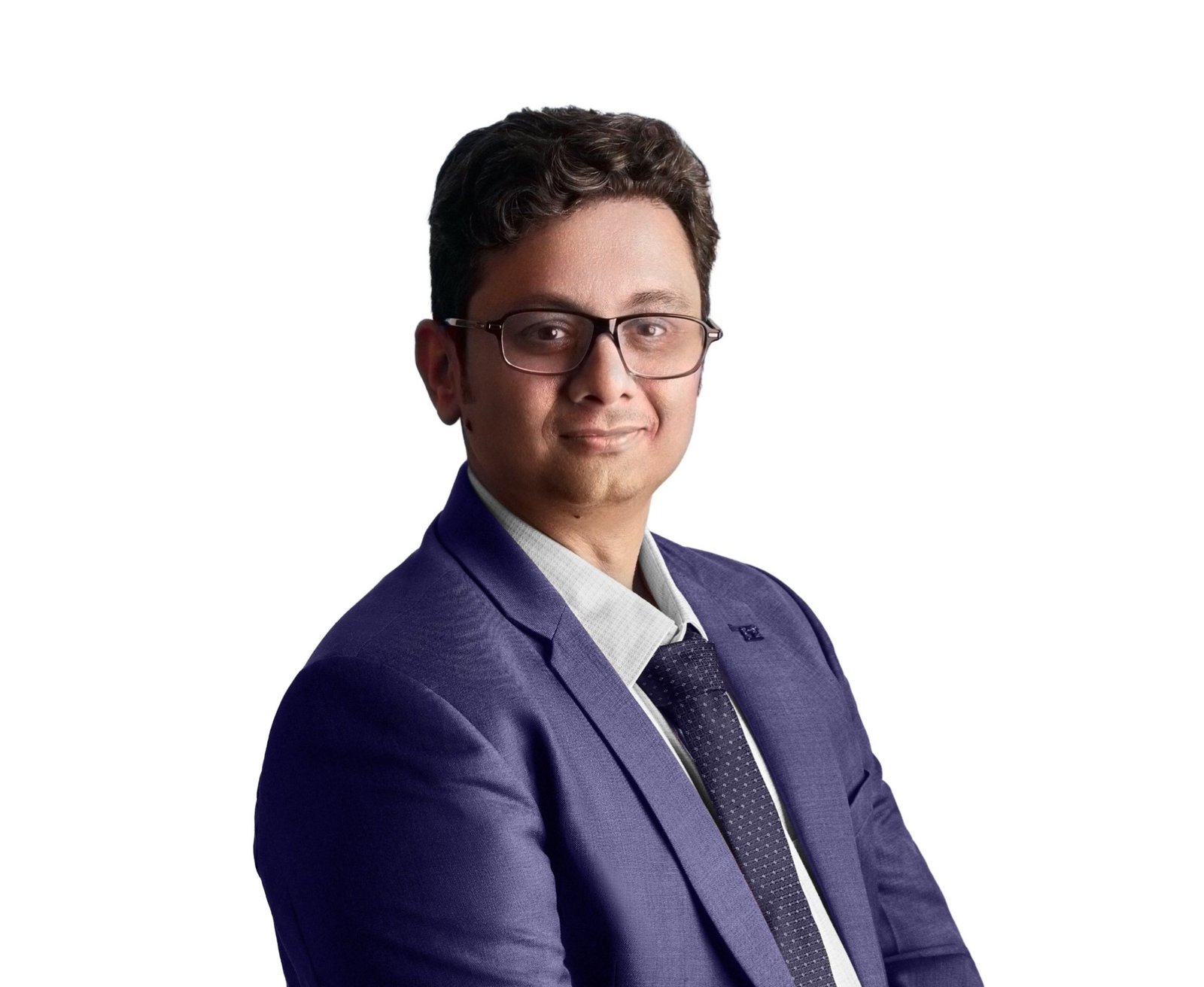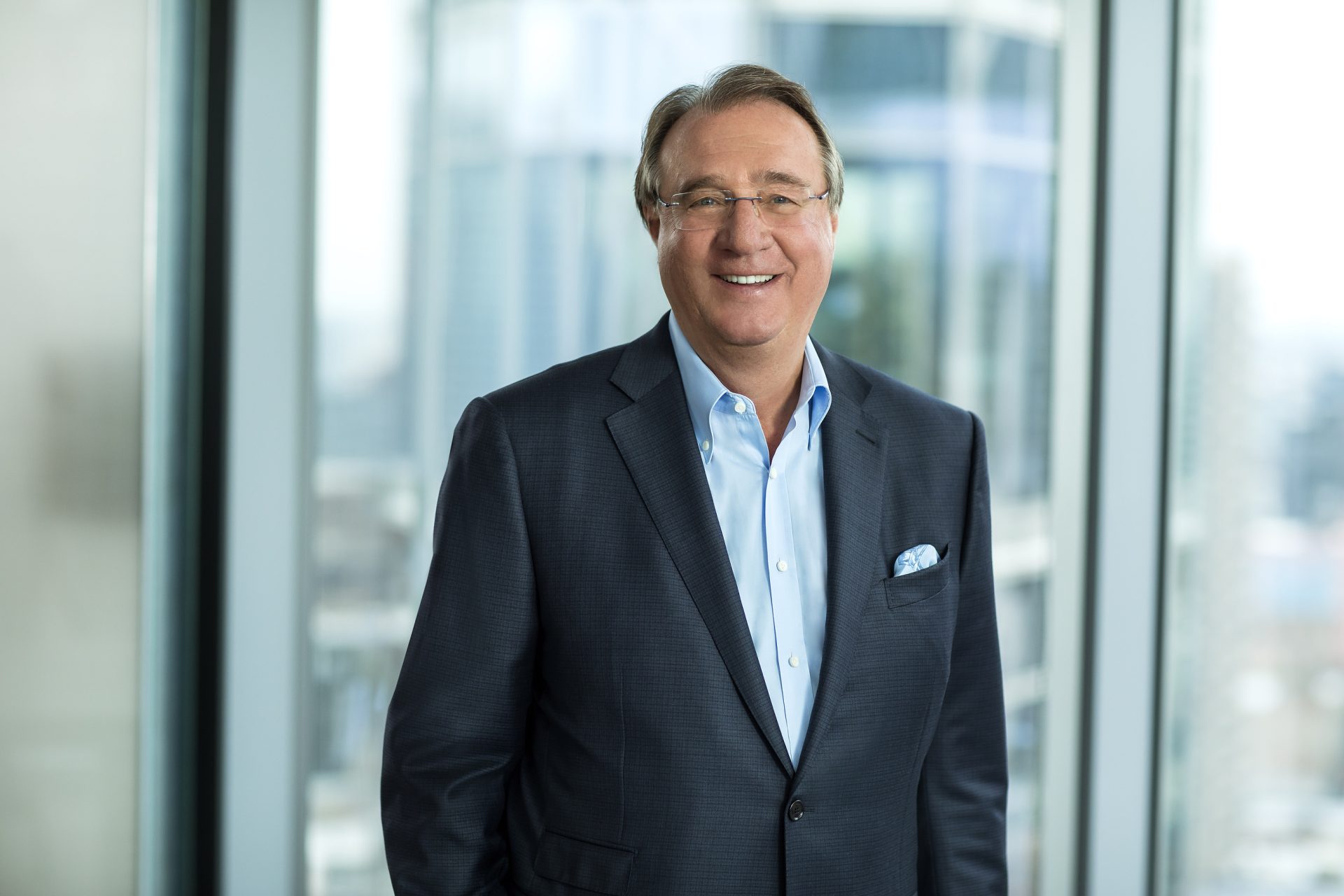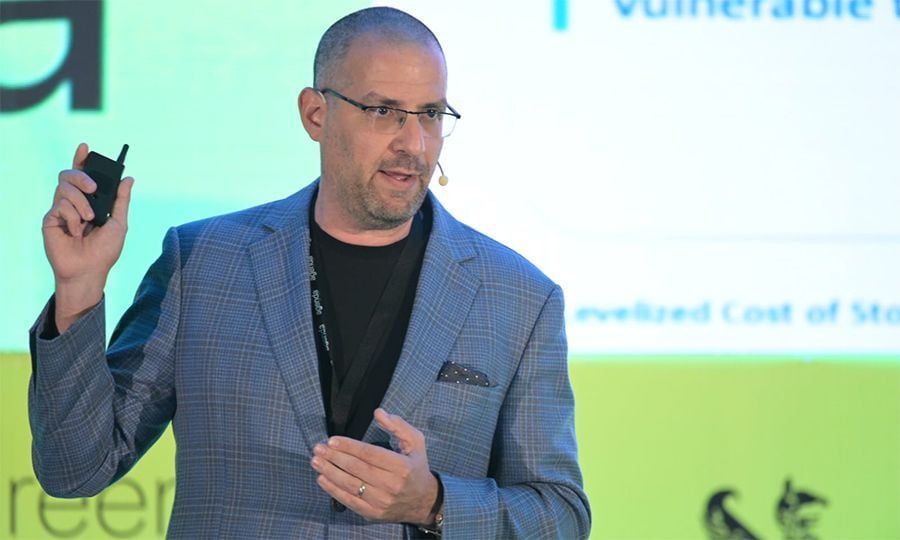
The global energy sector is undergoing one of the most significant periods of change in modern industrial history. Markets are evolving rapidly, geopolitical pressures continue to reshape supply chains, and long-term investment decisions are being made against a backdrop of technological innovation and regulatory transformation. For experienced industry leaders such as Erik Brodahl, the current environment represents not simply a transition, but a period requiring balance, realism, and operational clarity.
With more than three decades of experience across the energy, technology, and investment sectors, Erik has worked within industries where long-term planning and disciplined execution remain essential. Throughout his career, he has been involved in projects connected to oil and gas production, infrastructure development, acquisitions, financing, and operational management across multiple jurisdictions. That experience provides a practical perspective on how energy systems continue to evolve globally.
Balancing energy security and sustainability
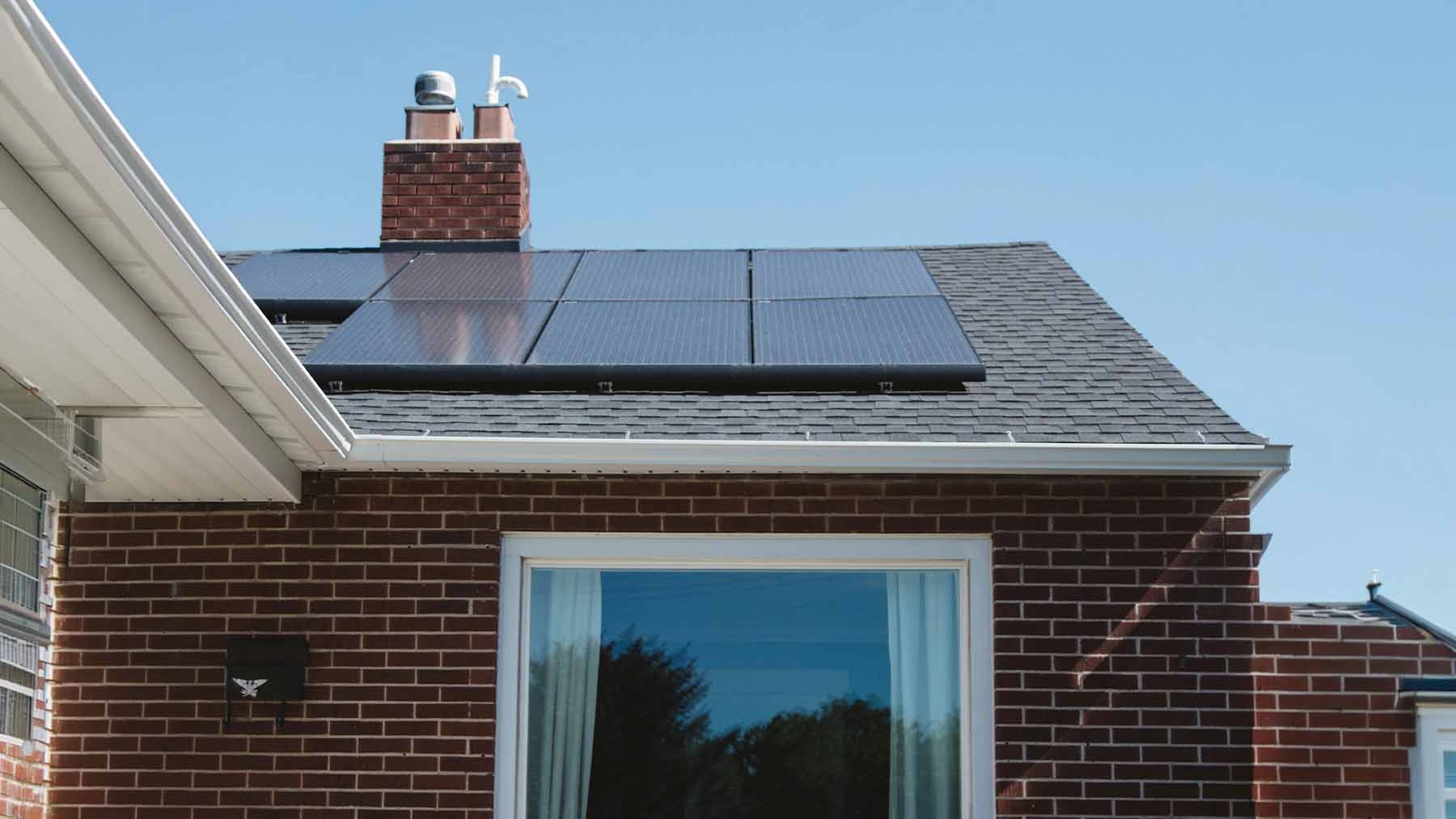
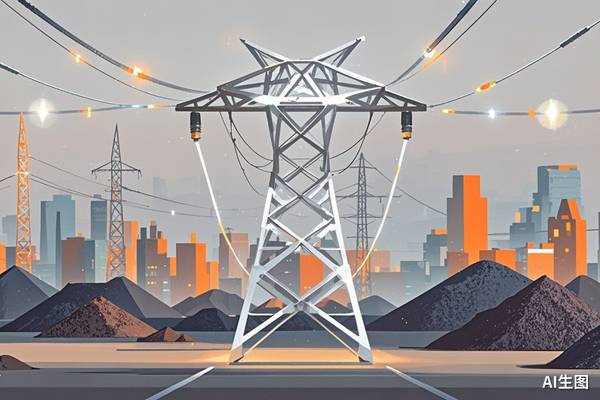
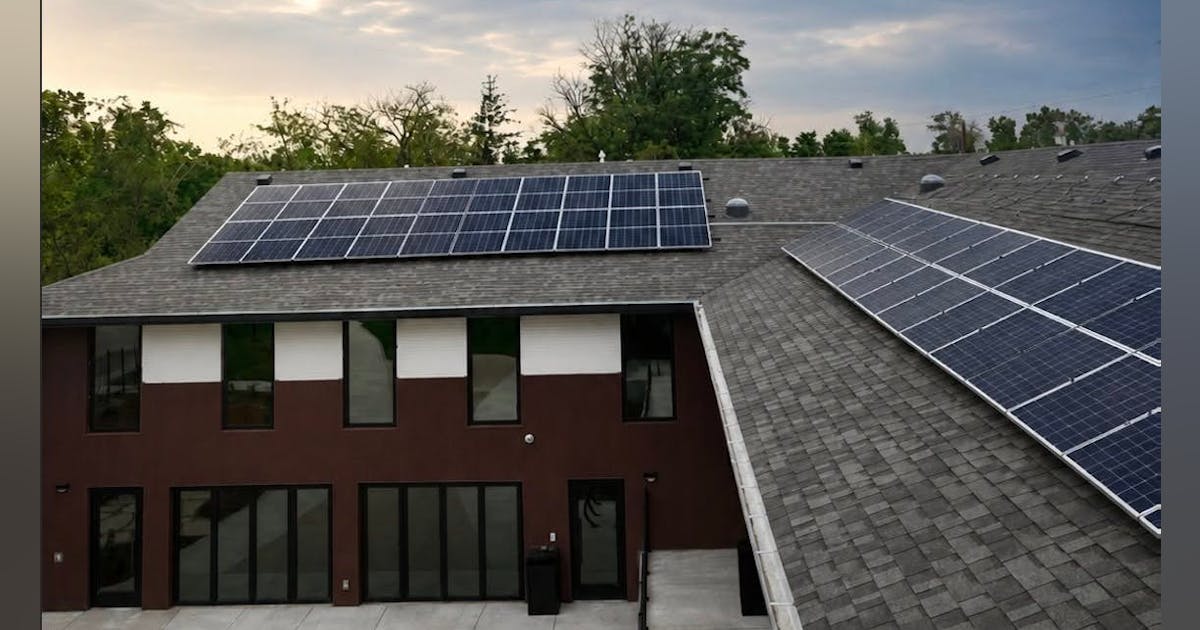
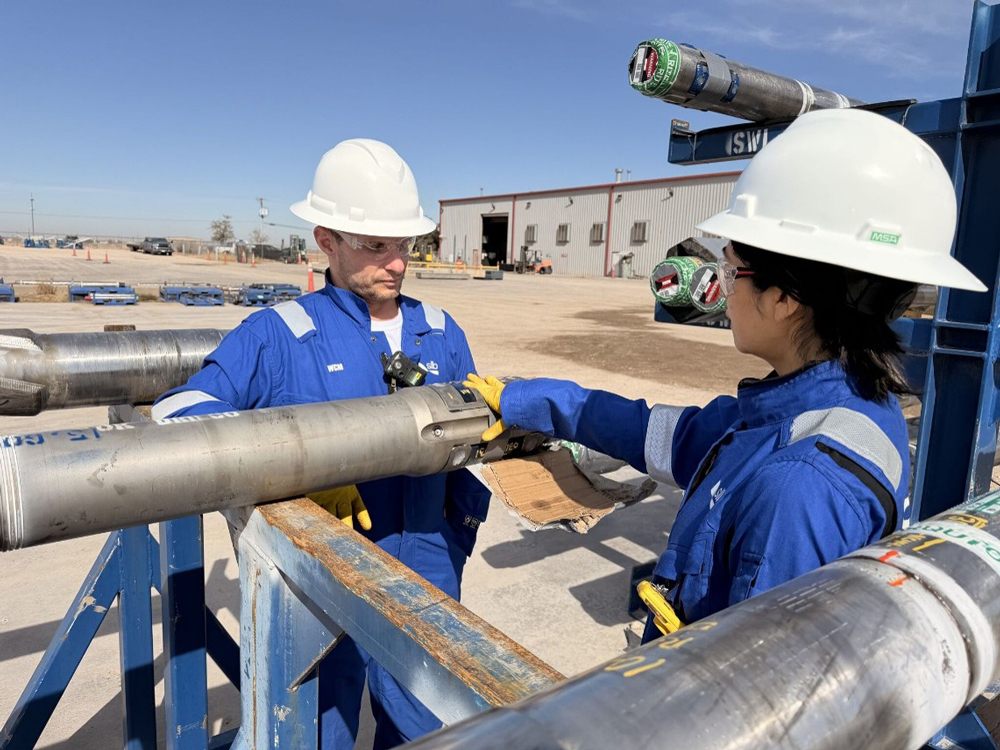
A major challenge facing the sector today is the need to balance energy security with sustainability objectives. While renewable technologies continue to expand and attract significant investment, existing energy infrastructure still plays a critical role in supporting industrial economies and ensuring stable supply. In many regions, demand continues to increase while infrastructure development struggles to keep pace.
Erik has consistently worked in environments where commercial realities, operational performance, and regulatory expectations intersect. In practice, this means understanding that energy transition is rarely linear. Markets are shaped by political priorities, economic cycles, capital availability, and technological maturity, all of which influence the pace of change.
Investment complexity and long-term planning
The energy industry also faces increasing complexity in relation to investment planning. Large scale projects require significant capital commitments and often involve long development timelines. Investors and operators alike must evaluate geopolitical risk, commodity price volatility, infrastructure requirements, and environmental considerations before committing resources.
This complexity has reinforced the importance of disciplined leadership and operational oversight. During his leadership roles, Erik was involved in overseeing acquisitions, financing activities, governance, and operational strategy. His responsibilities included managing organisational structures, engaging with investors and regulatory authorities, and supporting long term business development initiatives.
A diverse future energy mix
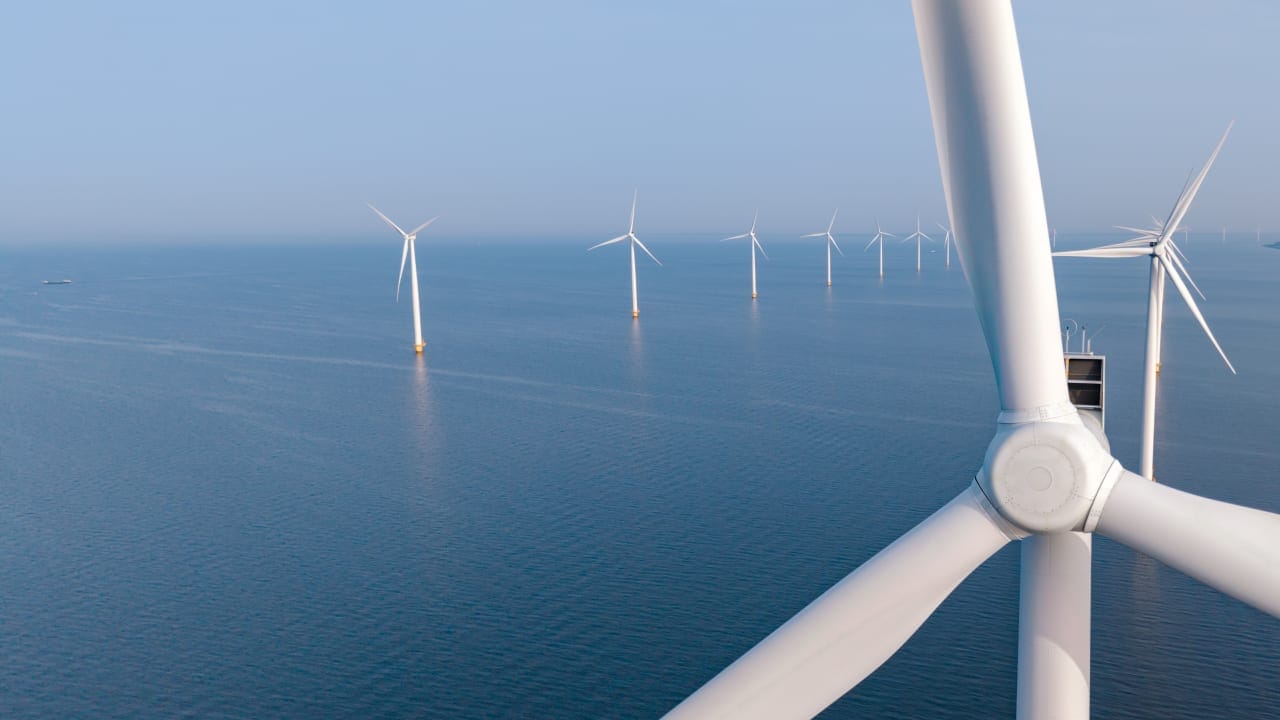
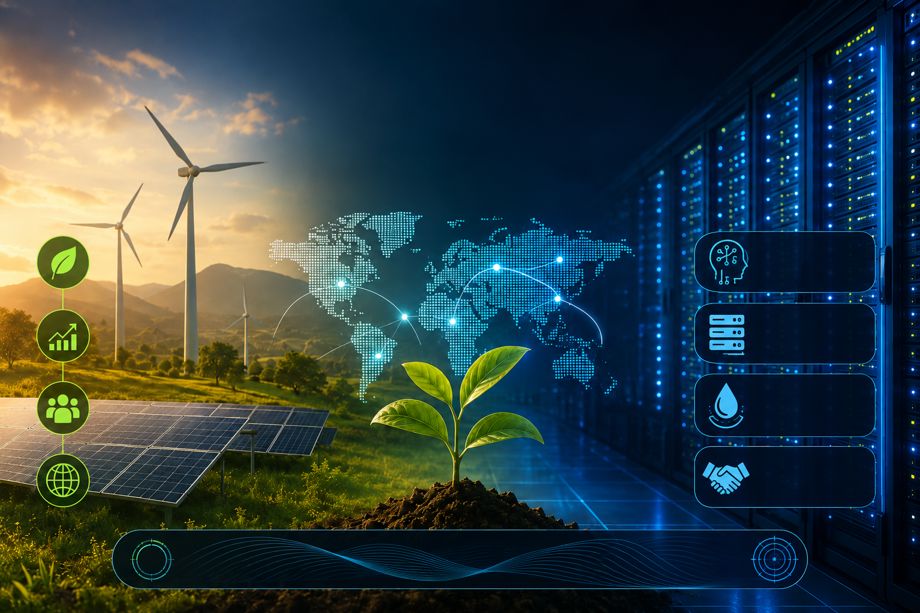
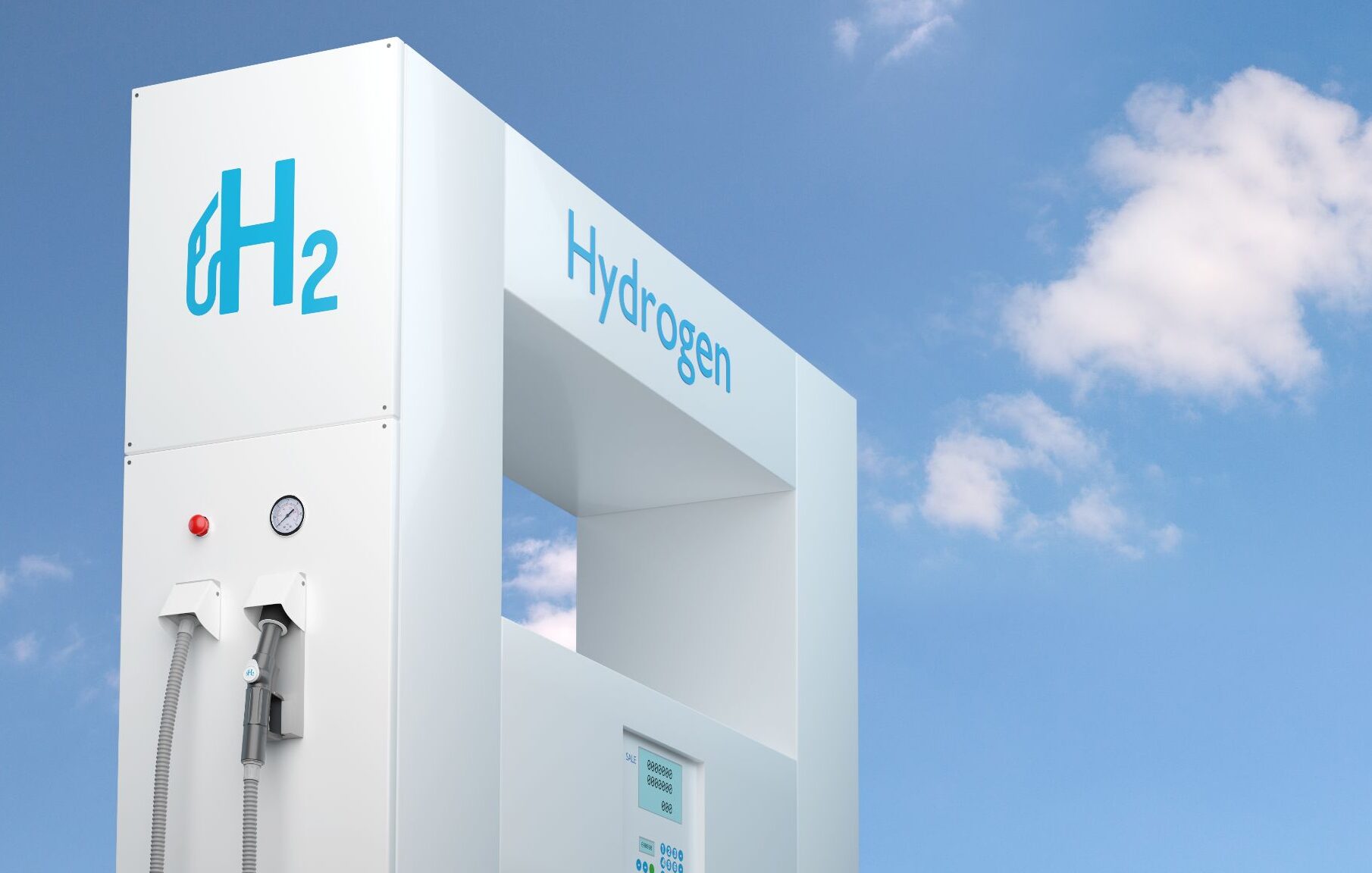
The future energy mix is likely to remain diverse for decades to come. Emerging technologies, alternative energy sources, and evolving infrastructure will continue to shape the sector, but established systems remain central to global economic stability. A pragmatic approach recognises that transition requires both innovation and reliability.
There is also growing recognition that operational efficiency and responsible asset management are becoming increasingly important across the sector. Companies are expected to optimise performance while simultaneously addressing environmental expectations and maintaining commercial competitiveness. This requires strong governance frameworks, careful capital allocation, and experienced management teams capable of operating within technically demanding environments.
Technology and operational innovation
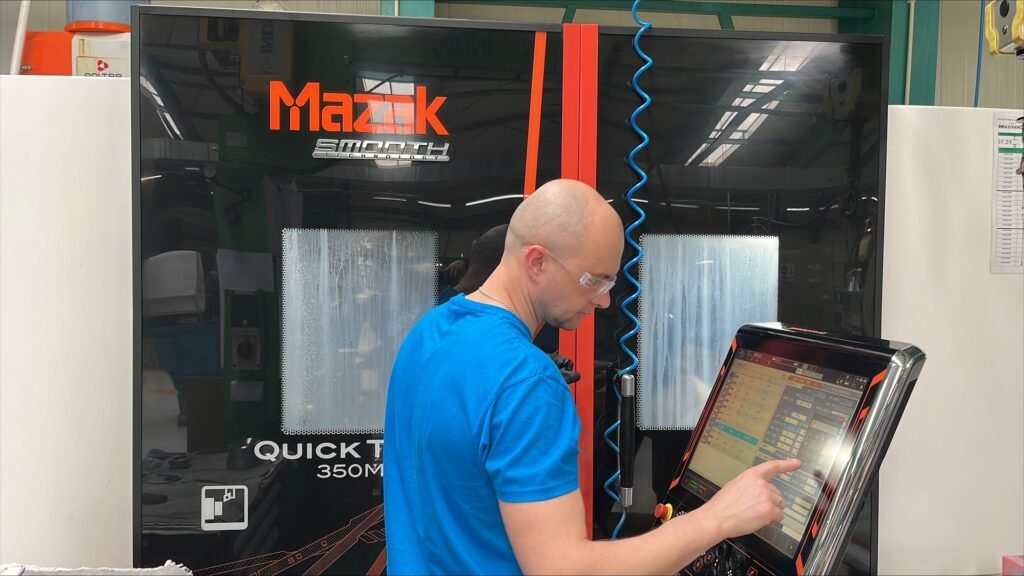
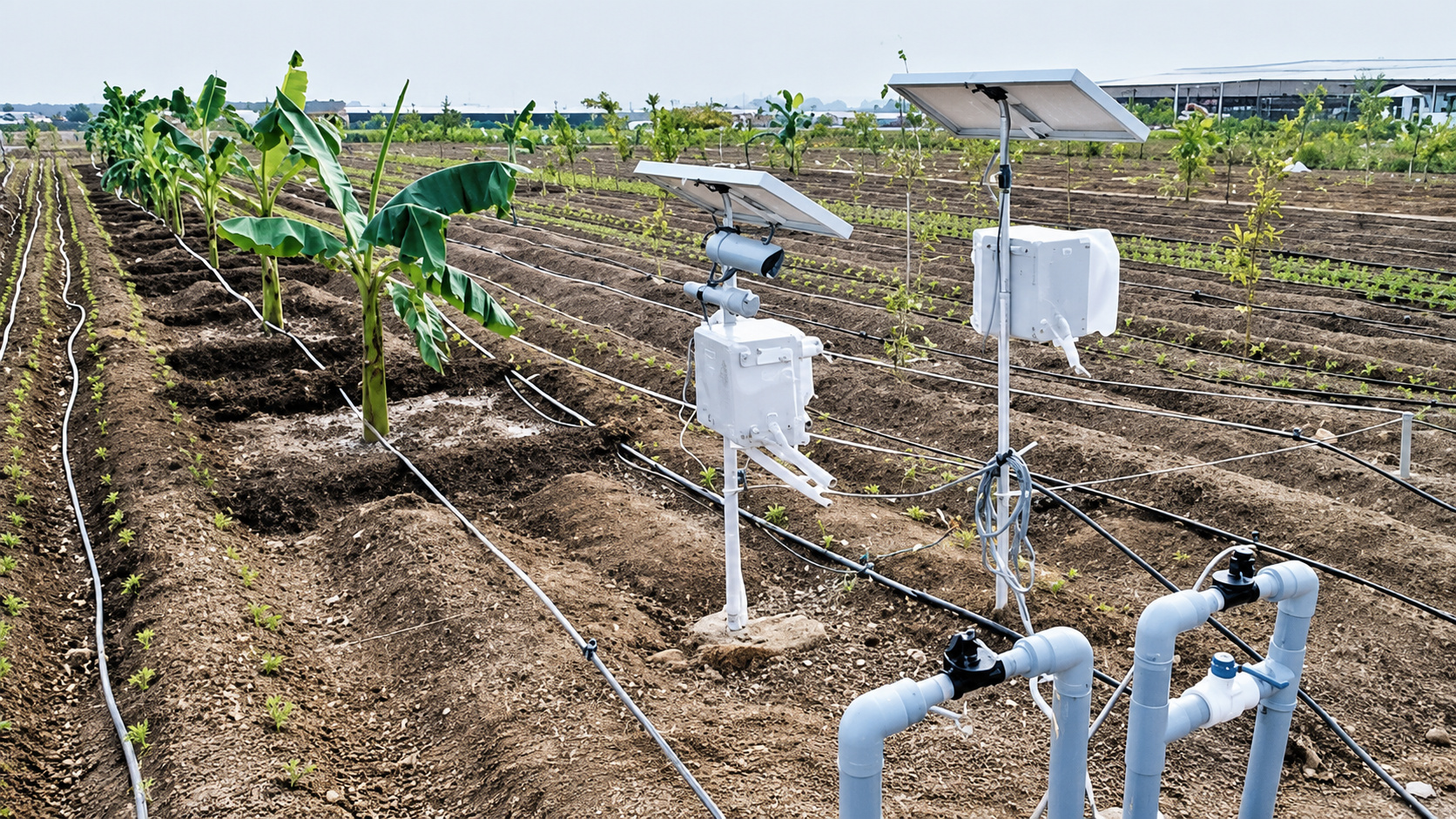
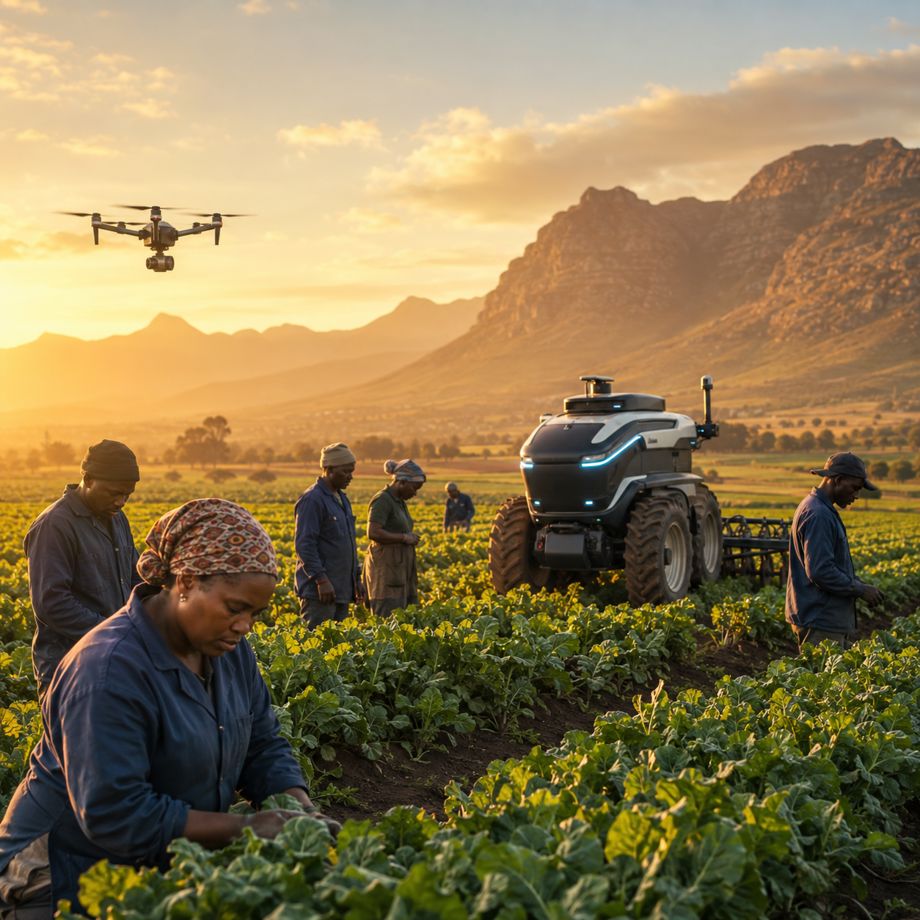
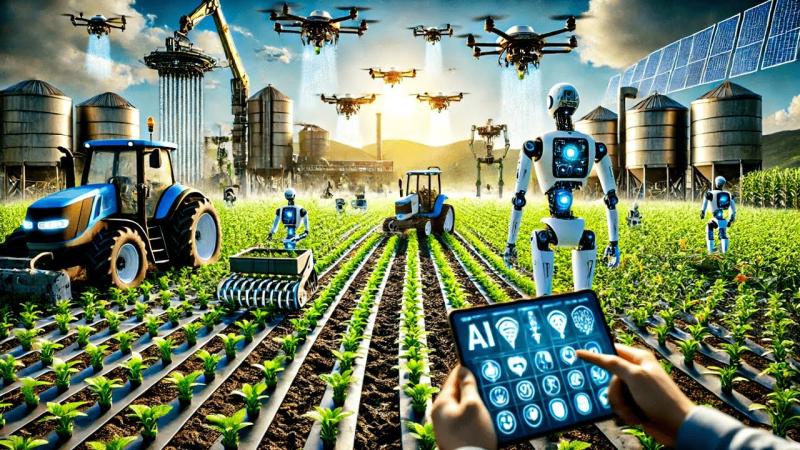
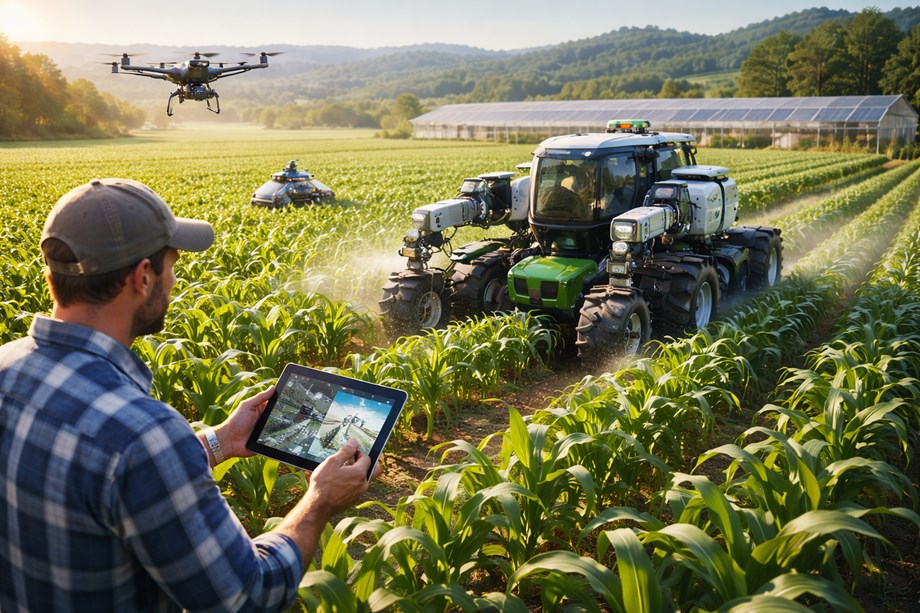
Technology is another important driver of change. Digital systems, automation, data analysis, and improved operational monitoring are helping companies improve efficiency and decision making. Erik’s background across both energy and technology related ventures reflects the growing overlap between traditional industrial operations and modern technological innovation.
As markets continue to evolve, leadership within the energy sector increasingly requires the ability to navigate uncertainty while maintaining long term strategic focus. Short term market conditions may fluctuate, but sustainable growth depends on disciplined planning, operational resilience, and the ability to adapt to changing global priorities.
For Erik Brodahl, the evolution of the energy landscape reflects broader themes that have shaped his career throughout the energy, investment, and technology sectors: responsible growth, operational discipline, and long-term strategic thinking in complex international markets.