Willow Kennedy
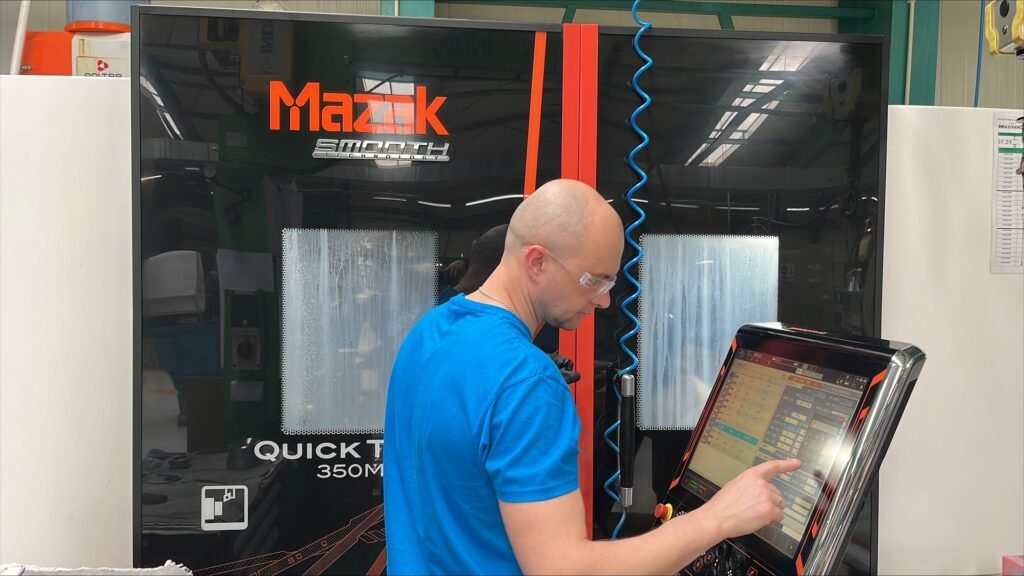
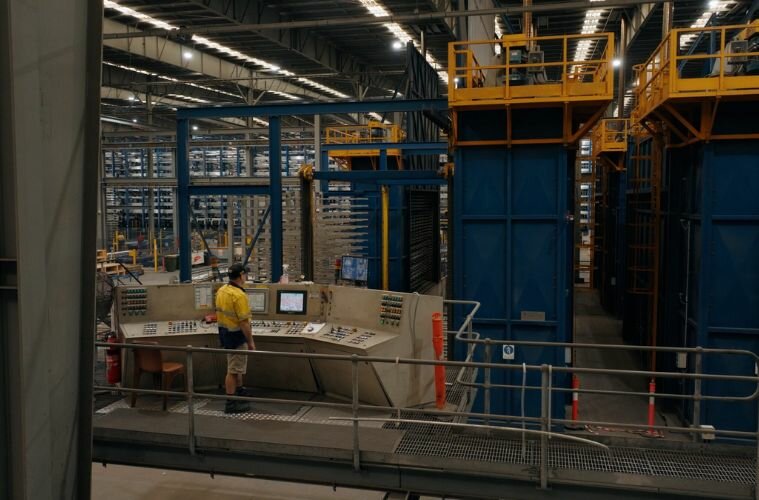
Capral Aluminium has secured up to $3.45 million from the Australian Renewable Energy Agency (ARENA) to replace a 40-year-old gas-fired log furnace at its Bremer Park extrusion facility in Queensland with a fully electric system. The project is one of the more tangible examples of Scope 1 reduction in Australian manufacturing — and its results are expected to influence investment decisions well beyond a single facility.
The funding comes through ARENA’s National Industrial Transformation Program, which supports businesses integrating clean energy technology into existing operations without compromising productivity. For Capral, that framing matters. The upgrade isn’t positioned as a compliance exercise. It’s being driven by operational logic as much as environmental obligation.
What’s Actually Changing
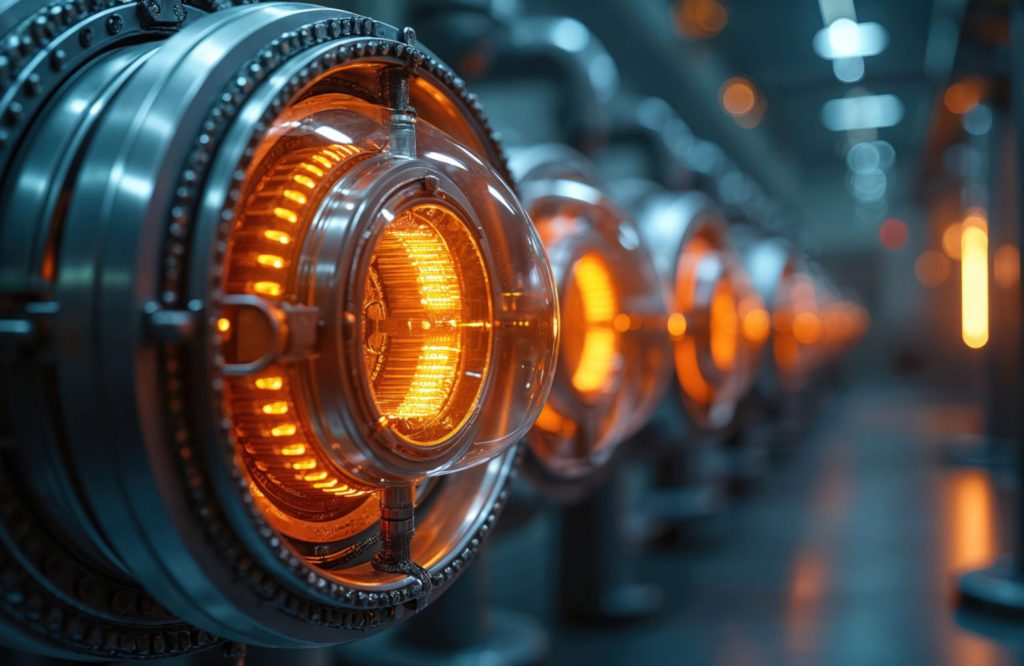
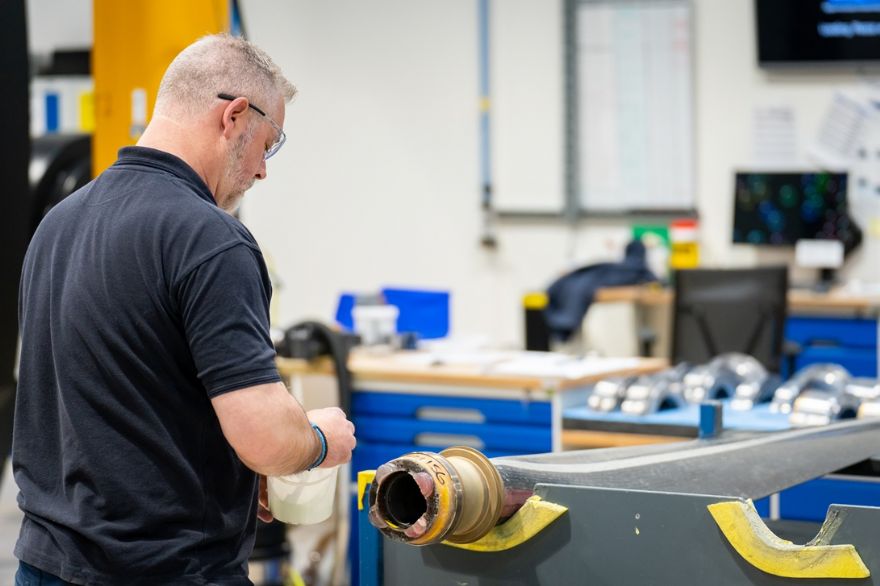
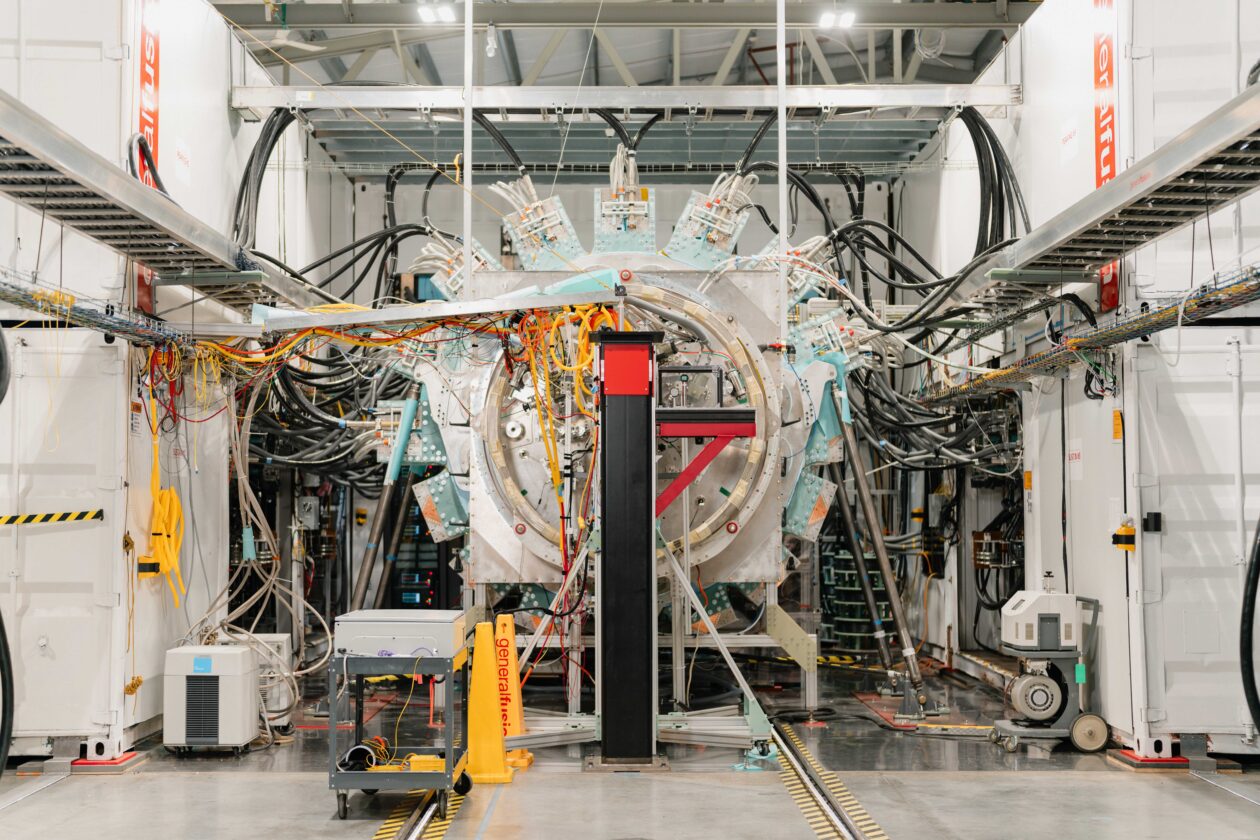
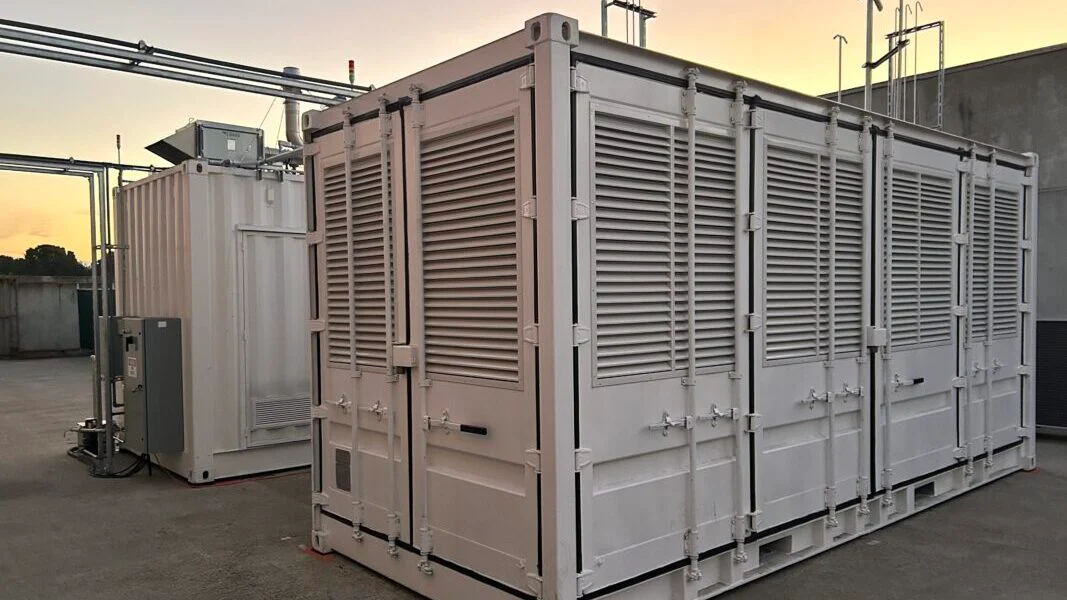
The new system combines an electrically heated convection furnace with induction heating technology and waste heat reticulation — a configuration that captures and redistributes heat that would otherwise be lost entirely. The efficiency gap that closes as a result is significant: the existing gas-fired furnace operates at roughly 20% energy efficiency. The incoming electric system is projected to exceed 90%.
That kind of jump reflects a structural difference in how the two technologies transfer energy. Gas furnaces lose the majority of their input as exhaust heat before it reaches the aluminium being processed. Convection and induction systems transfer energy far more directly, which is why the efficiency differential is as wide as it is.
On emissions, the project is projected to reduce Capral’s Scope 1 output by approximately 973 tonnes of CO₂-equivalent per year — around 9% of the company’s total Scope 1 footprint. That’s a direct reduction, not offset through renewable energy certificates or market instruments.
What Capral Says
Richard Axe, Capral’s National Extrusion Business Manager, described the upgrade in straightforward terms. Moving from gas to electric, he said, allows the company to reduce emissions, lower fuel costs, and improve reliability and output simultaneously — framing the project as an operational improvement that happens to deliver environmental outcomes, rather than the other way around.
CEO Tony Dragicevich pointed to ARENA’s role in making the project viable at this scale, noting that external funding support is what enables investment in new technology while maintaining competitive manufacturing capability.
Why the Bremer Park Project Carries Broader Significance
Commissioning is scheduled for early 2027, and Capral has been explicit that the installation will serve as a reference point for future decisions across its national network. Several furnaces across the company’s Australian facilities are approaching end-of-life over the coming decade. What Bremer Park demonstrates — in terms of performance, integration complexity, and cost outcomes — will directly shape whether those replacements go electric or default to like-for-like gas.
That makes the documentation of this project as important as the project itself. High-temperature industrial electrification remains underrepresented in Australian manufacturing, and a well-recorded commercial installation carries weight that feasibility studies don’t.