Fast technology advancement has reshaped modern life in ways that were unimaginable just a decade ago. From instant communication to AI-powered tools, convenience and productivity are often celebrated as the biggest wins.
However, behind these benefits lie complex trade-offs involving privacy, surveillance, mental health, inequality, de-skilling, and automation—issues that receive far less attention but have lasting societal impact.
Convenience in Everyday Life
Convenience is one of the most visible benefits of rapid technological progress. Everyday tasks that once required time and effort can now be completed in seconds.
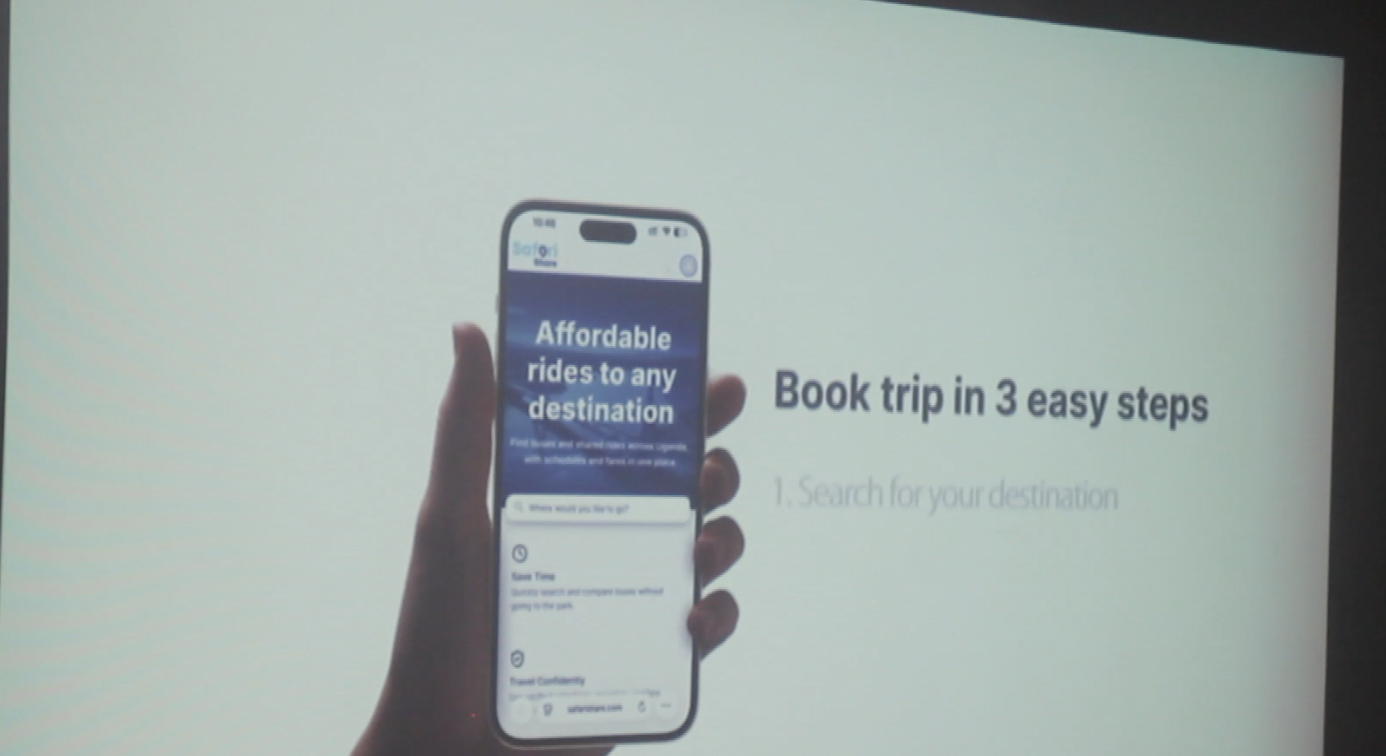
Online shopping platforms allow consumers to purchase goods with a single click, while digital wallets eliminate the need for cash transactions. Smart home devices automate lighting, security, and even grocery lists. Ride-hailing apps and food delivery services provide immediate solutions to daily needs.
This level of convenience has fundamentally changed consumer expectations. Speed and ease are no longer luxuries—they are standard features of modern living.
Productivity Gains Across Industries
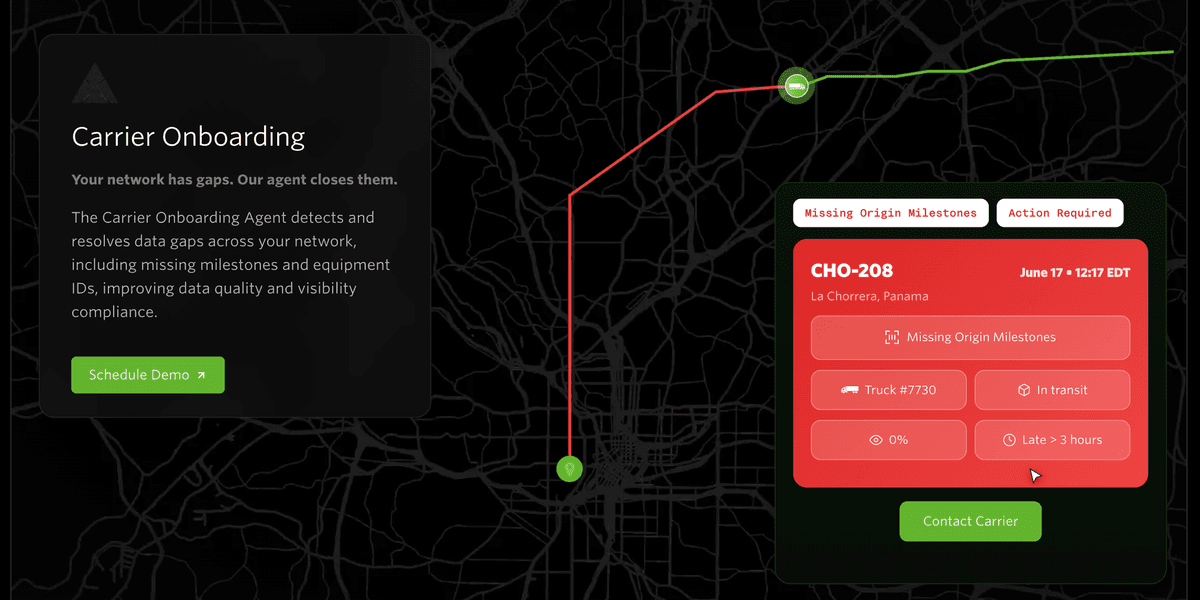
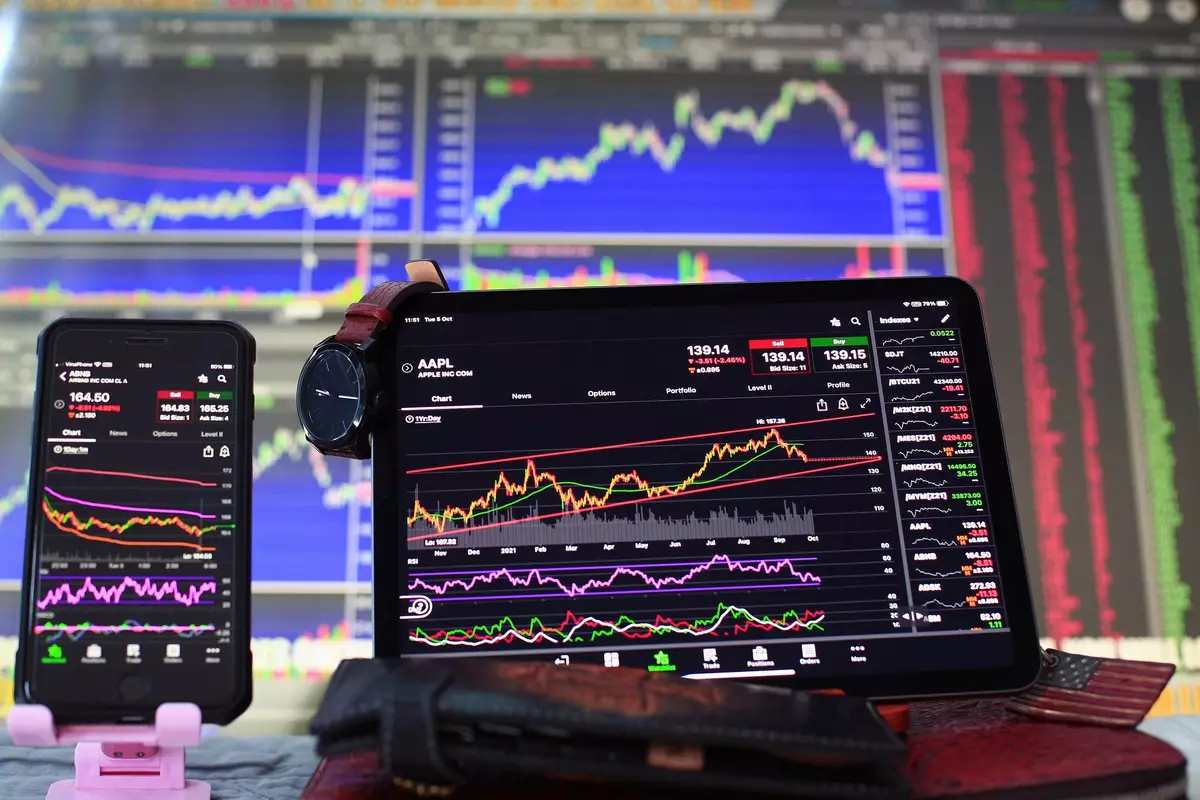
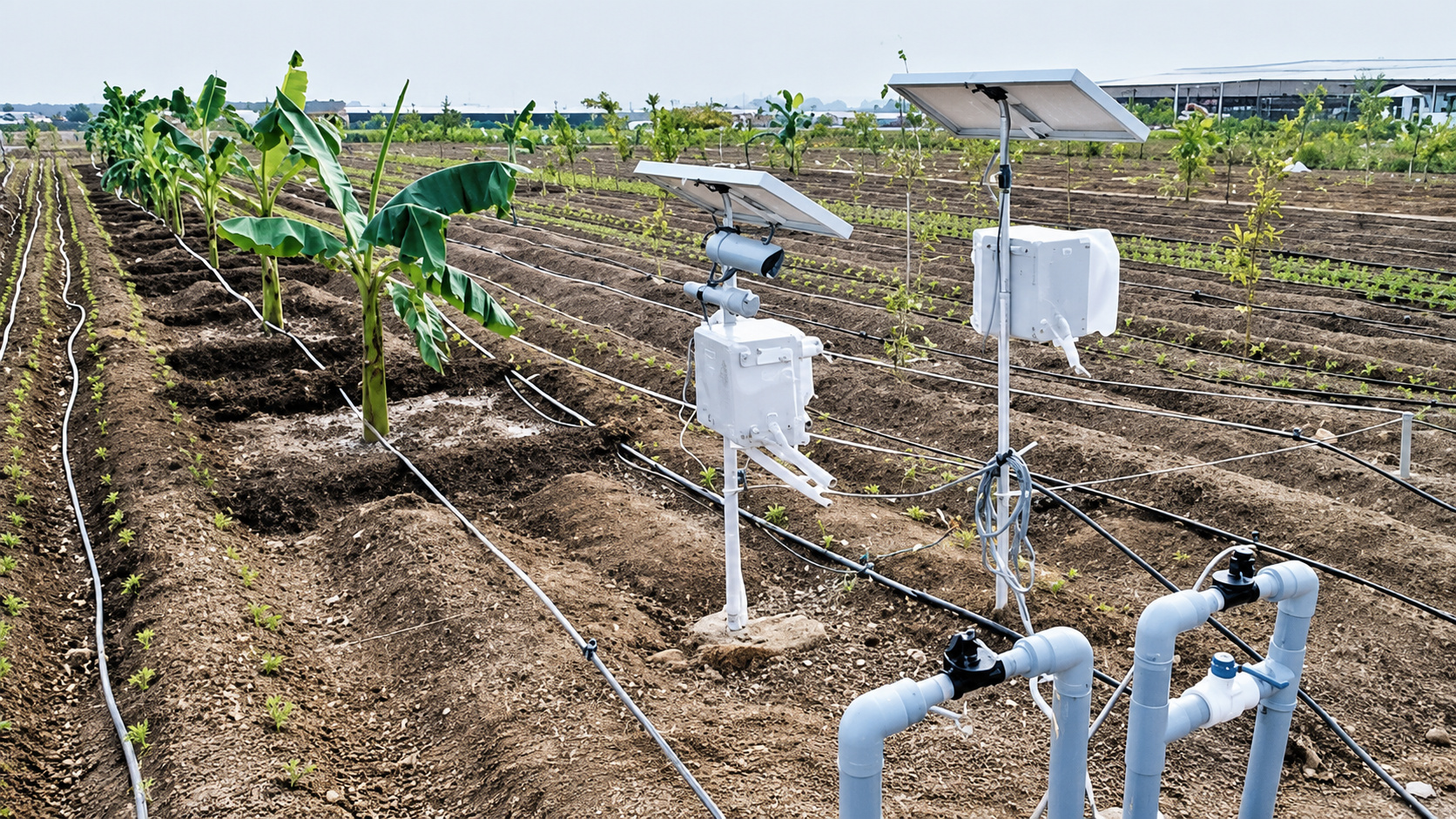
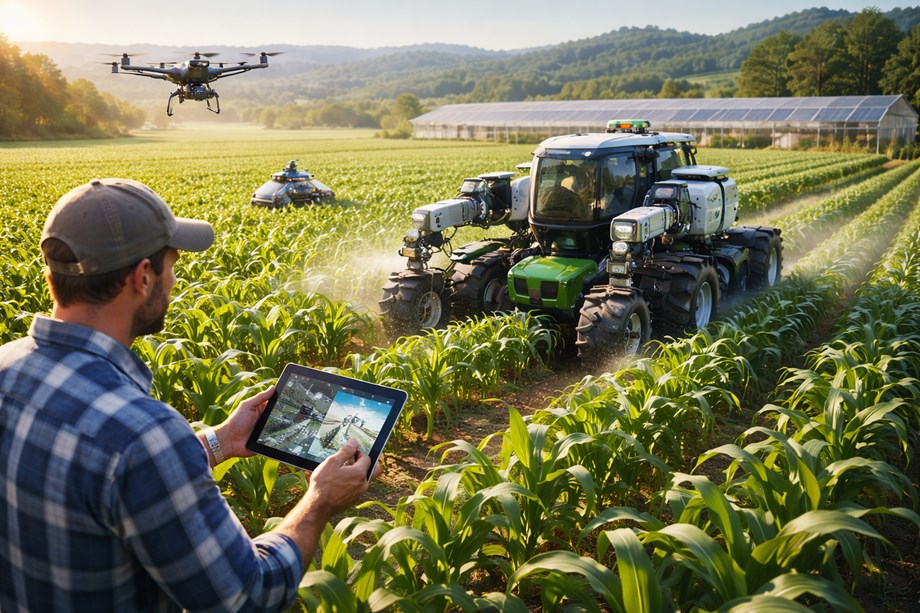
Technology continues to drive productivity across nearly every sector. Businesses rely on automation tools, cloud computing, and AI-driven analytics to streamline operations and reduce manual workloads.
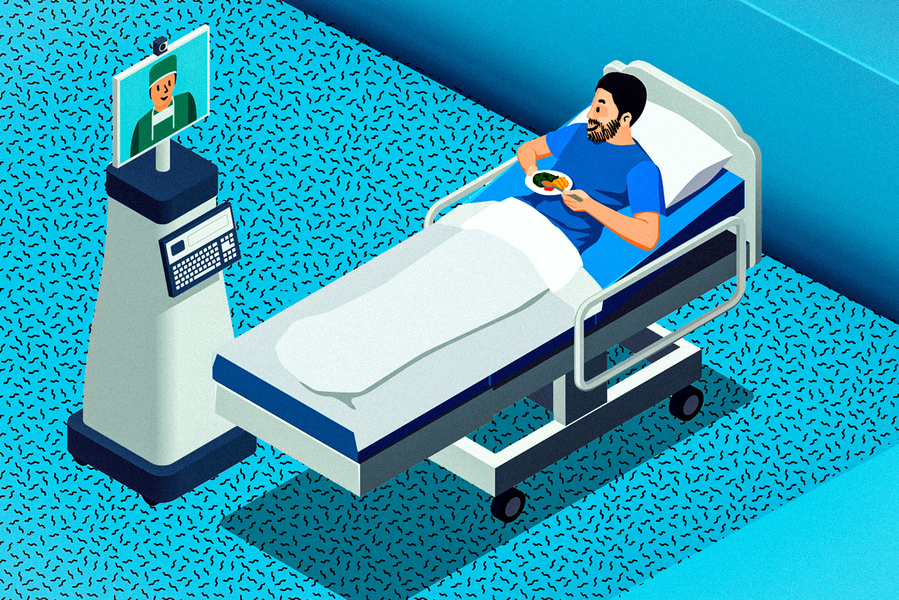
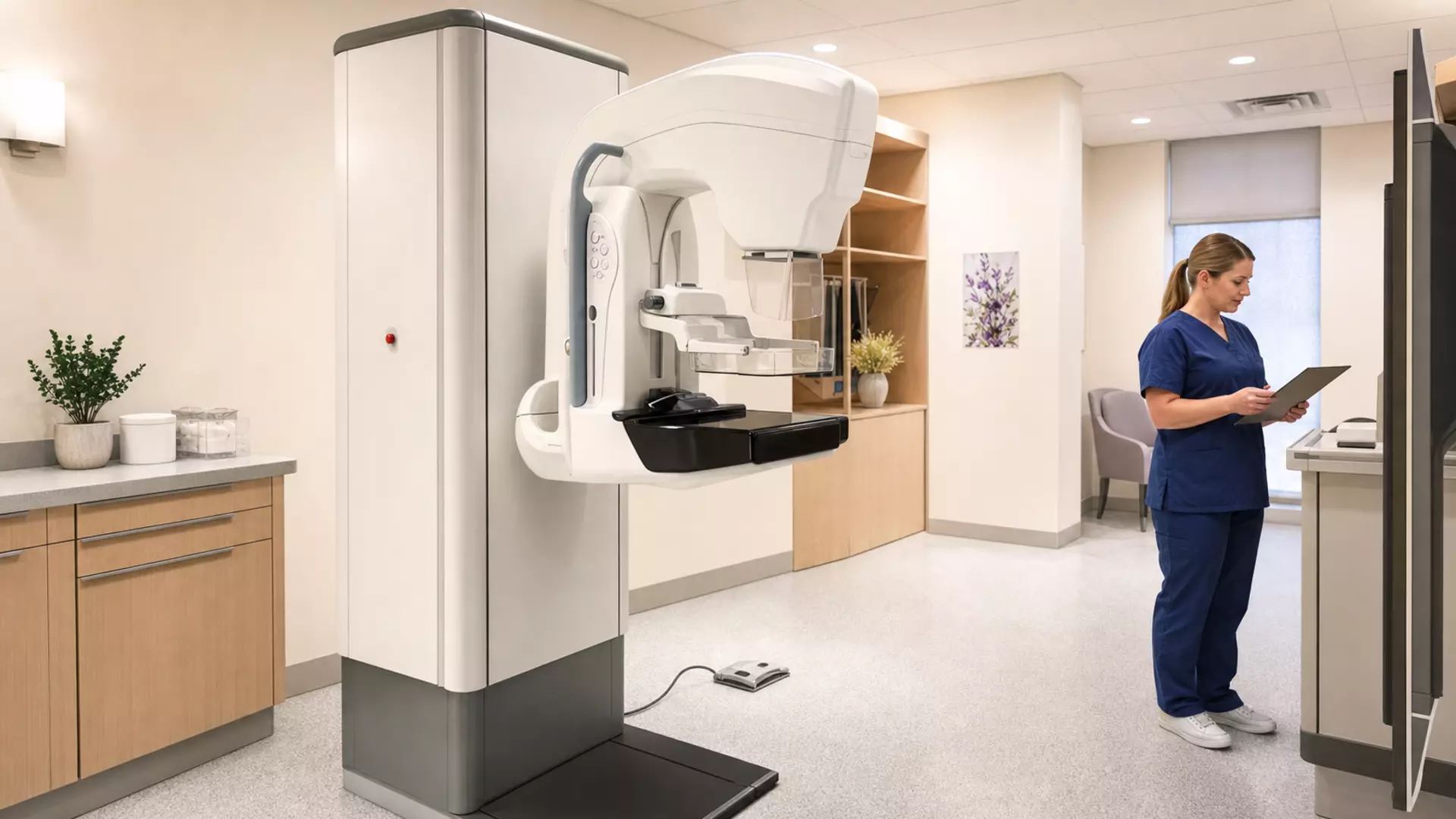
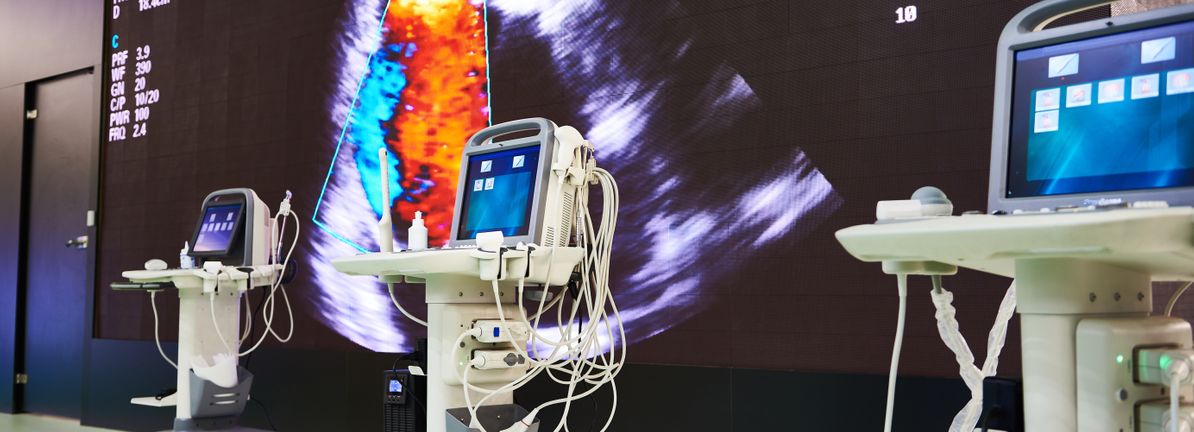
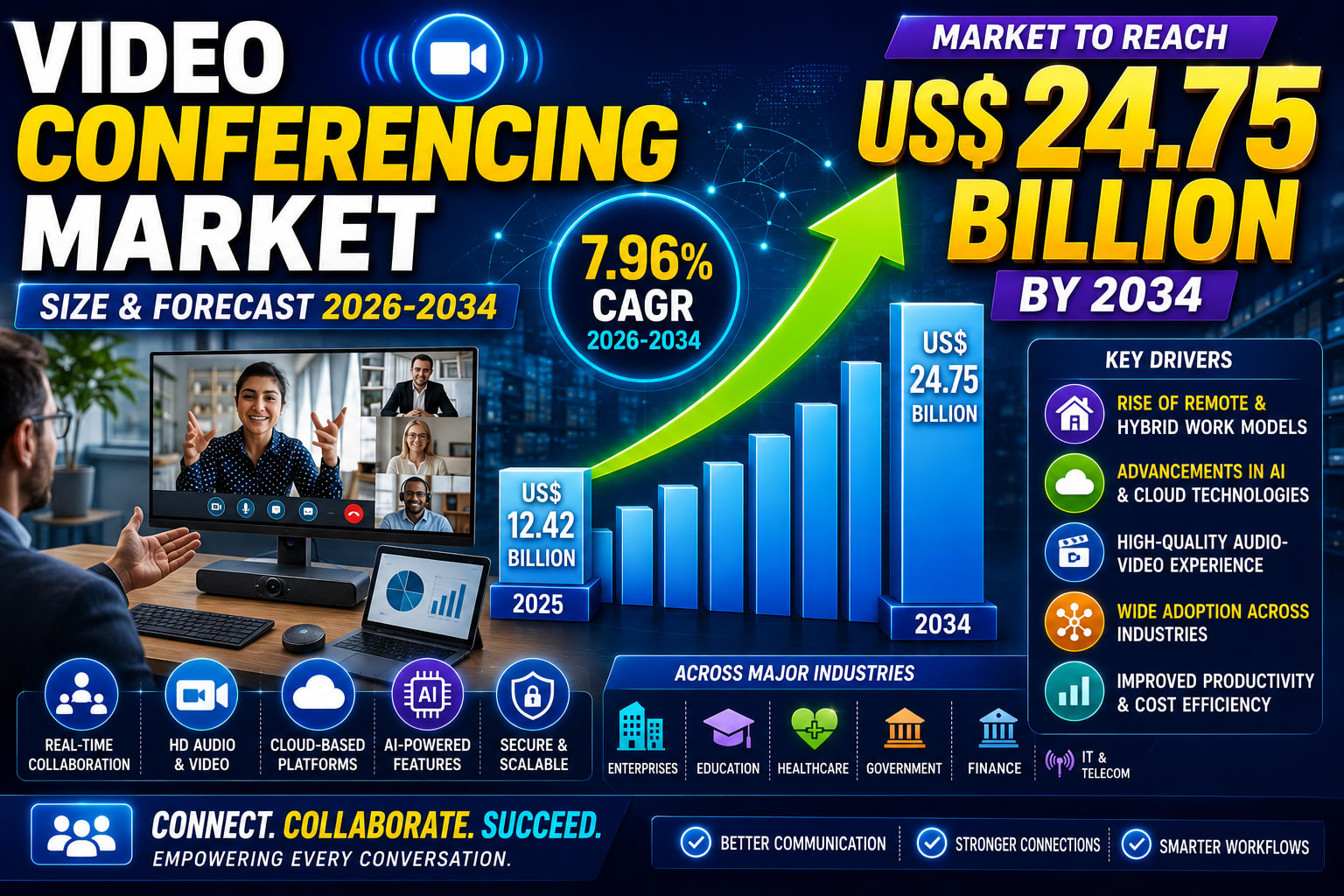
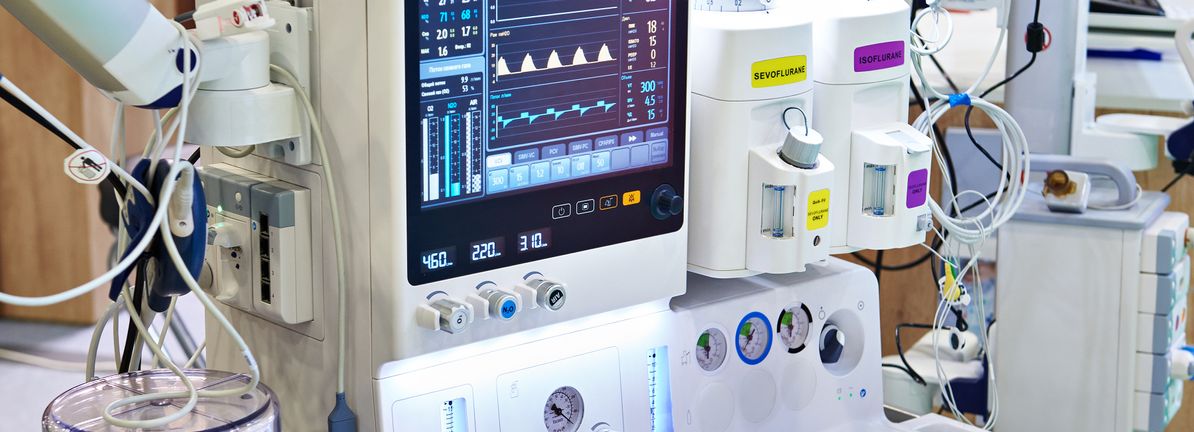
Remote work technologies such as video conferencing and collaboration platforms enable teams to function efficiently regardless of location. In healthcare, digital systems improve diagnostics and patient care. In education, online platforms expand access to learning.
These advancements allow both organizations and individuals to accomplish more in less time, reinforcing the value of productivity in a tech-driven world.
Privacy and Surveillance Concerns
As convenience and productivity increase, concerns about privacy and surveillance grow. Many digital services depend on collecting user data, often tracking behavior, preferences, and location.
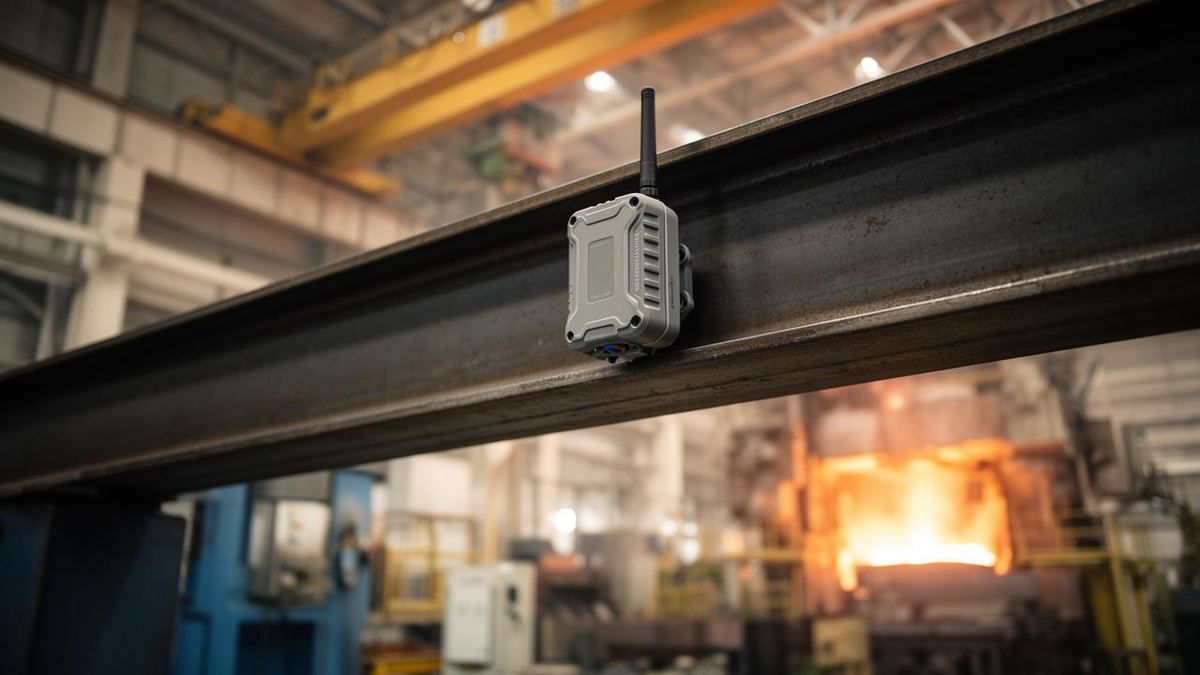
Surveillance technologies such as facial recognition systems and smart cameras are now widely used in public and private environments. This expansion raises questions about data ownership, consent, and transparency.
The trade-off between convenience and privacy is difficult to ignore. Users benefit from personalized experiences, but often at the cost of reduced control over their personal information.
Mental Health in a Digital Environment
The relationship between technology and mental health is increasingly complex. Constant connectivity can lead to digital fatigue, stress, and reduced attention spans.
Social media platforms encourage continuous engagement, which may contribute to comparison, anxiety, and sleep disruption. Over time, excessive screen use can affect emotional well-being and productivity.
While technology enables communication and access to information, it also creates pressure to remain constantly connected.
Inequality and the Digital Divide
Not everyone benefits equally from rapid technological advancement. Inequality remains a significant issue, particularly in regions with limited access to digital infrastructure.
The digital divide affects education, employment, and access to essential services. Individuals without reliable internet or modern devices may struggle to keep up with technological changes.
As innovation accelerates, the gap between those with access and those without continues to widen, reinforcing existing social and economic inequality.
De-Skilling in the Age of Automation
De-skilling is an emerging concern as automation becomes more prevalent. Tasks that once required human expertise are increasingly handled by machines and software.
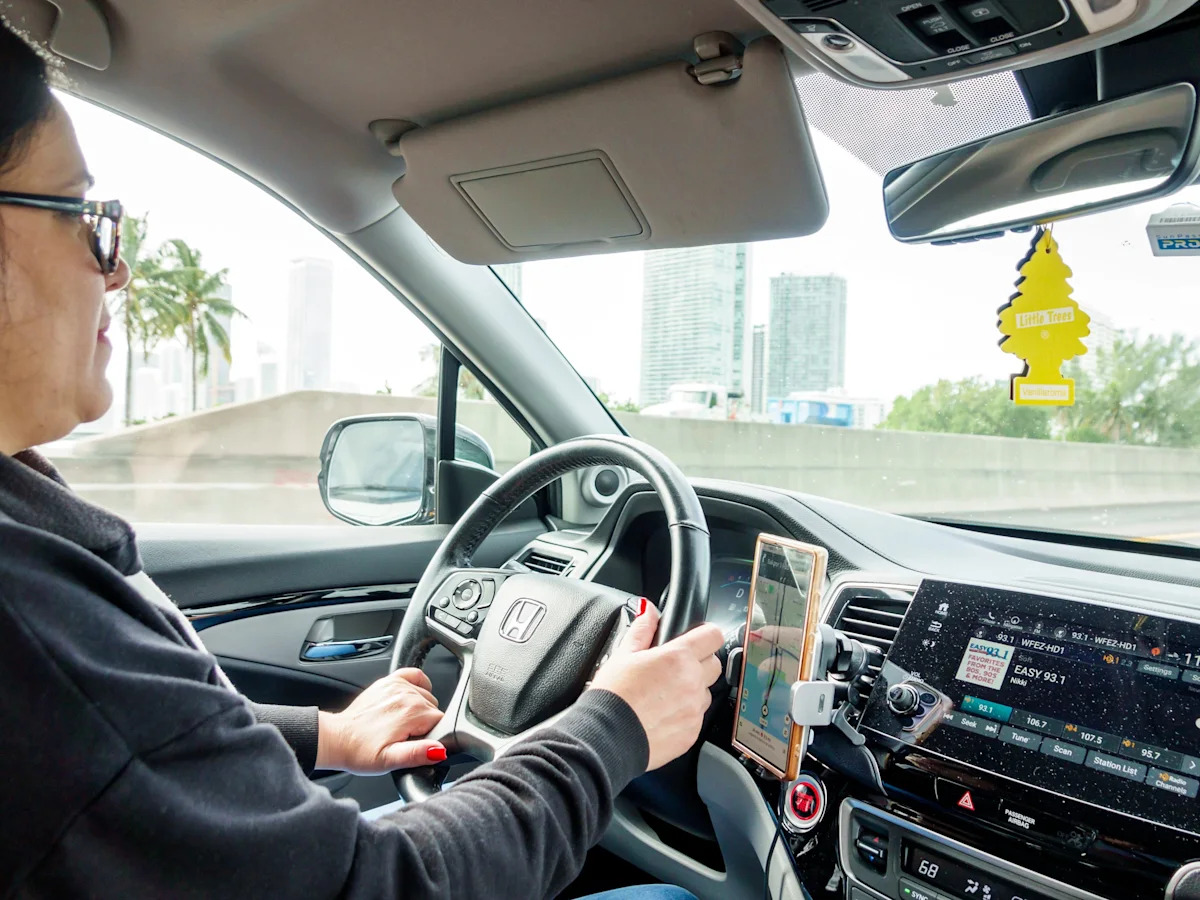
Navigation apps reduce reliance on memory and spatial awareness, while AI tools can perform complex tasks such as writing and data analysis. Over time, this shift may weaken critical thinking and problem-solving skills.
Automation enhances efficiency but also encourages dependence on technology, raising questions about long-term skill development.
Automation and the Future of Work
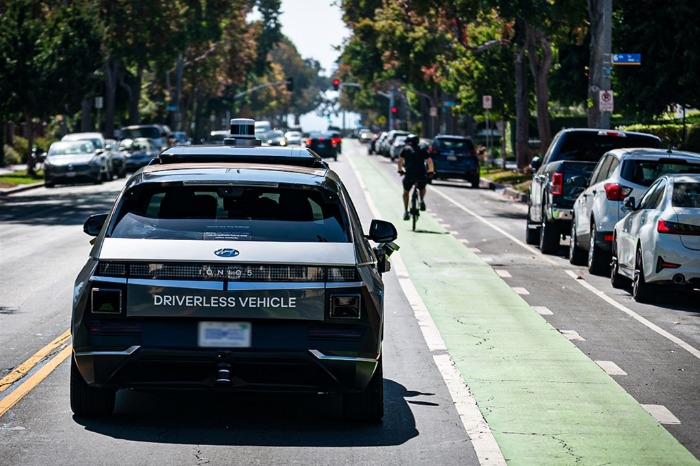
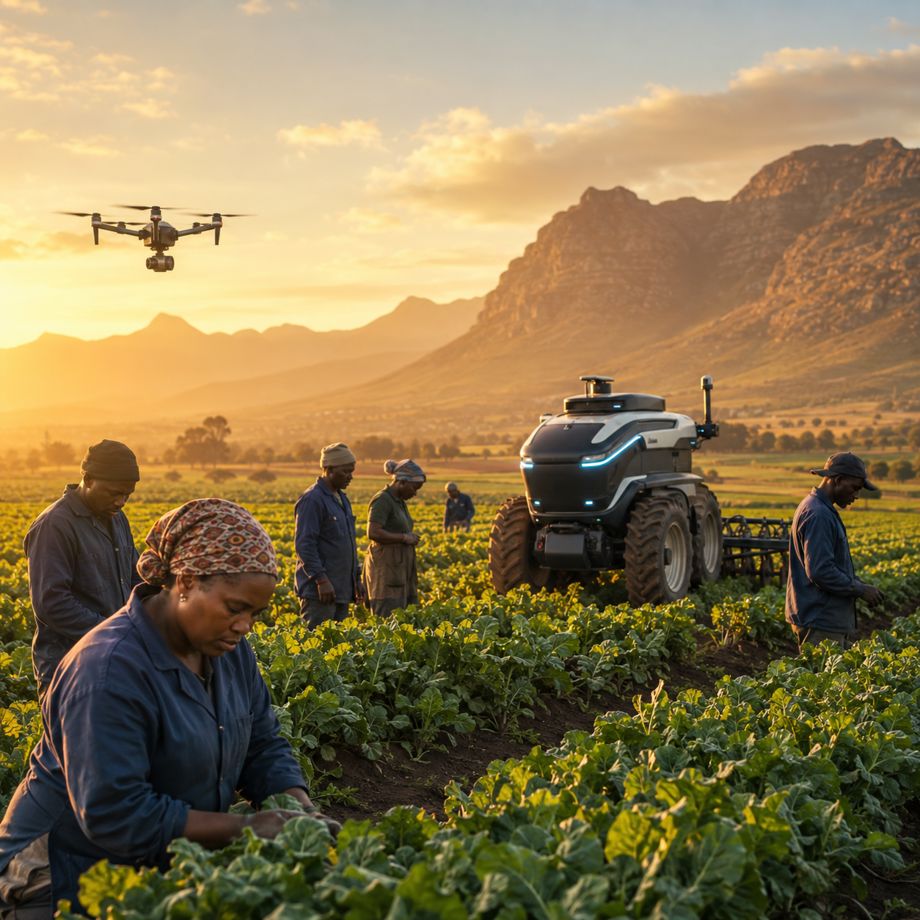
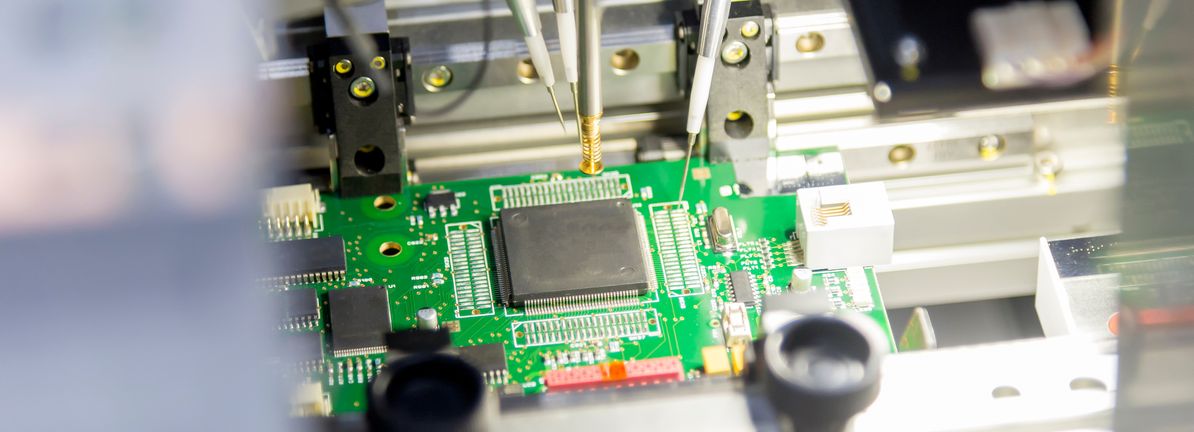
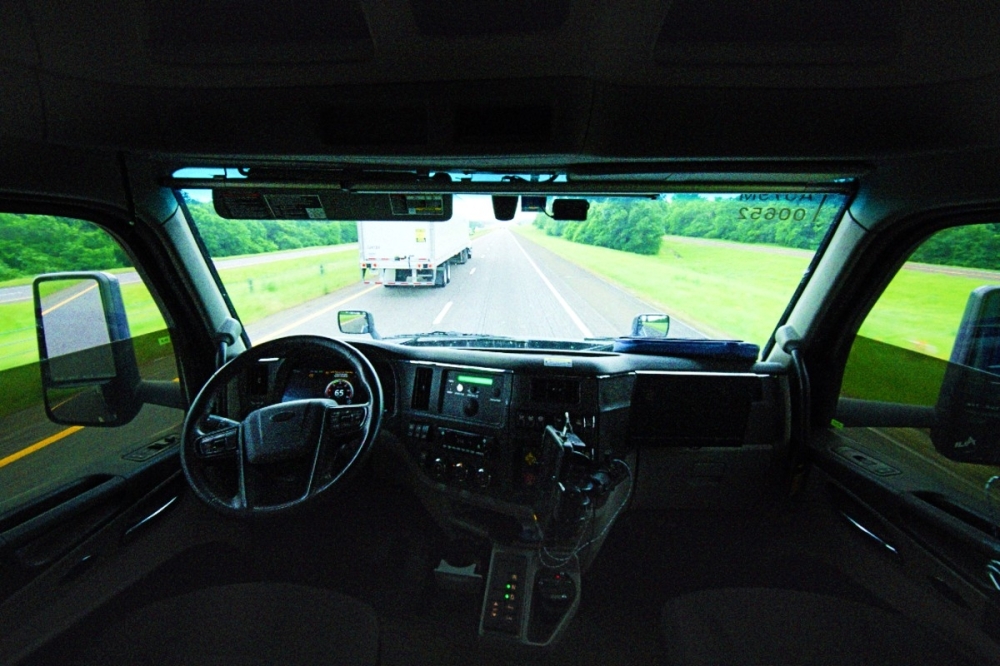
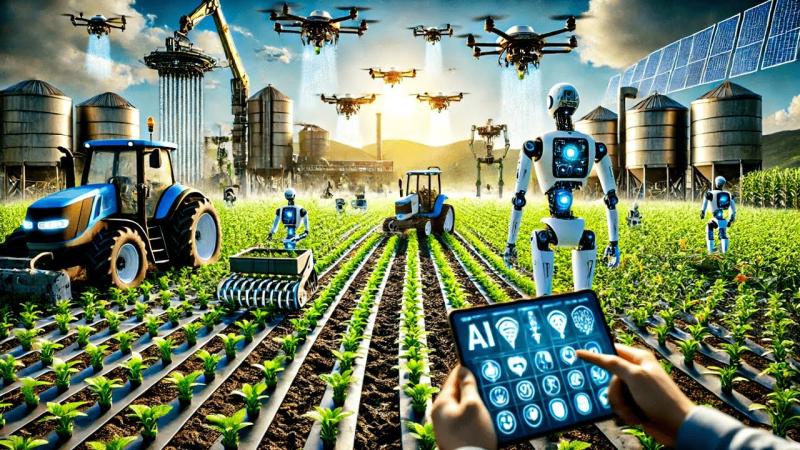
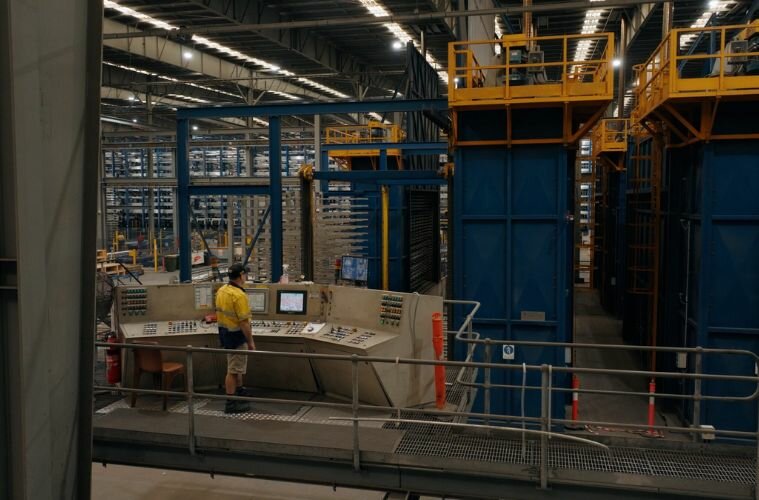
Automation is transforming the workforce by replacing routine jobs and creating new opportunities in technology-driven fields. Industries such as manufacturing, logistics, and customer service are particularly affected.
While automation improves productivity and reduces costs, it also contributes to job displacement. Workers must adapt by developing new skills to remain competitive in an evolving job market.
The future of work will likely depend on how effectively individuals and organizations respond to these changes.
What Are the Advantages and Disadvantages of Technological Advancement?
Technological advancement improves convenience and productivity by making tasks faster and more efficient. However, it also introduces challenges such as reduced privacy, increased surveillance, mental health concerns, and inequality.
How Does Technology Improve Productivity?
Technology improves productivity by automating repetitive tasks, enabling faster communication, and providing tools for better organization and decision-making.
What Are the Negative Effects of Technology on Mental Health?
Negative effects include anxiety, reduced attention span, sleep disruption, and social isolation caused by excessive screen time and digital engagement.
Does Technology Increase Inequality?
Technology can increase inequality when access is uneven. Those without resources or connectivity may fall behind in education and employment opportunities.
How Does Automation Affect Jobs?
Automation replaces certain roles while creating new ones. Routine jobs are most vulnerable, while demand grows for tech-related skills.
Is Technology Harming Our Privacy?
Technology can harm privacy through extensive data collection and surveillance systems, often without full user awareness or consent.
Balancing Convenience, Productivity, and Trade-Offs in Fast Technology Advancement
Fast technology advancement continues to deliver convenience and productivity, but it also brings trade-offs that cannot be ignored. Privacy concerns, surveillance systems, mental health challenges, inequality, de-skilling, and automation all shape the broader impact of innovation.
A balanced approach requires awareness and responsible use. By understanding both the benefits and risks, individuals and societies can better navigate the evolving relationship between technology, convenience, and productivity.
Frequently Asked Questions
1. Can slowing down technology development reduce its negative effects?
Slowing development alone is unlikely to solve issues. Better regulation, ethical design, and user awareness are more effective than limiting innovation itself.
2. How can individuals protect their privacy while using modern technology?
They can use strong passwords, enable two-factor authentication, limit app permissions, and be mindful of what personal data they share online.
3. What skills are becoming more important in an automated world?
Critical thinking, creativity, digital literacy, and adaptability are increasingly valuable as automation replaces routine tasks.
4. Can technology be designed to support better mental health?
Yes, through features like screen time tracking, mindful usage reminders, and platforms that prioritize meaningful interaction over addictive engagement.