When water security is discussed in Australia, attention is typically directed towards dams, treatment plants, pipelines and other major assets. While these remain essential, water security ultimately depends on distribution, the ability to move water from established systems to the users who rely on it.
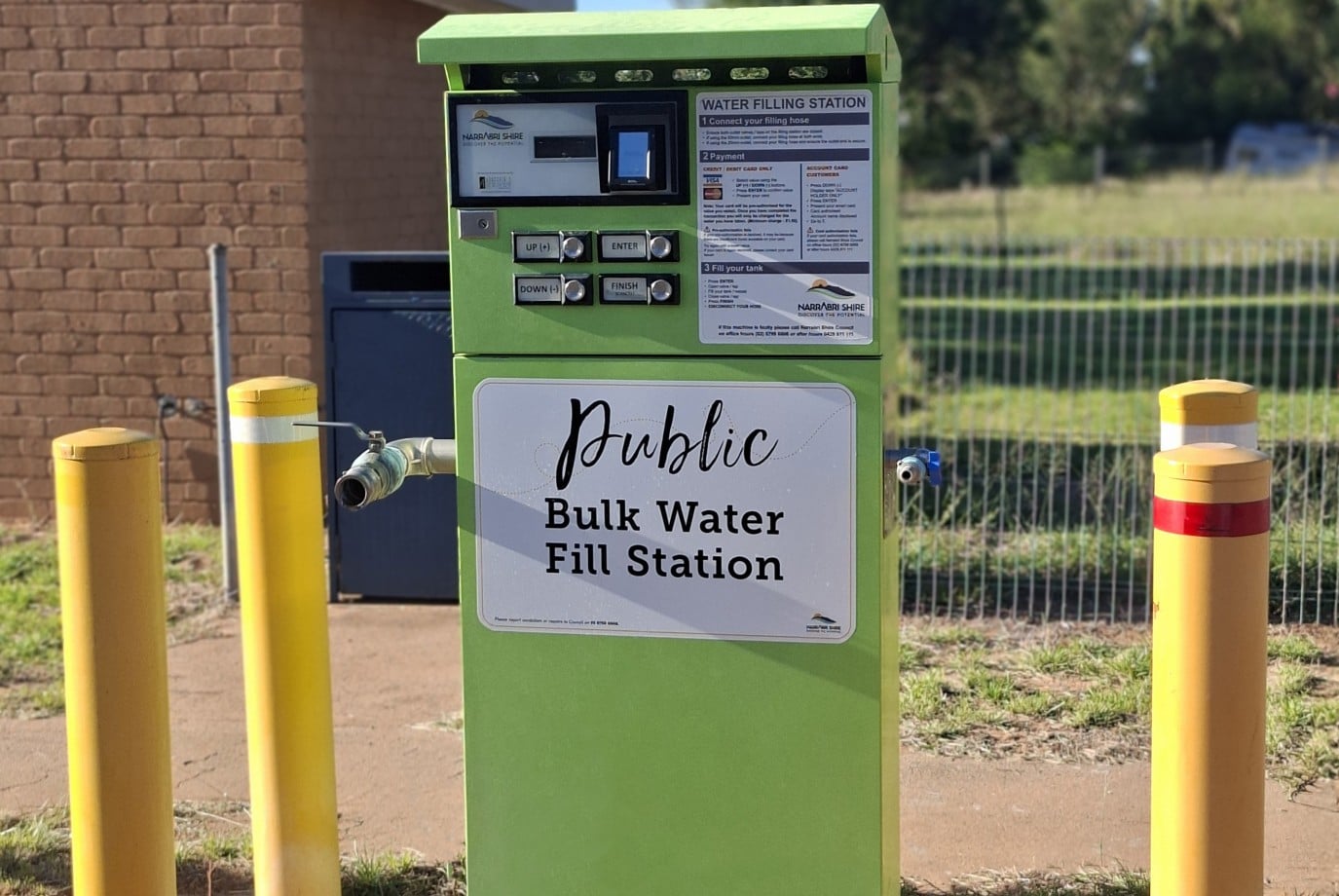
This is where Abberfield Technology’s water filling stations play a critical role.
Across regional Australia, thousands of properties, businesses and workforces operate beyond the reach of reticulated town water. Farmers, rural residents, mining and forestry crews, tourism operators and infrastructure maintenance teams commonly rely on rainfall and on-site storage tanks as their primary water source. Even outside declared drought conditions, extended dry periods can place significant pressure on these systems.
“Water filling stations for the rural user have not been considered for generations past. There are many circumstances where people must fend for themselves or walk off their property. We need to establish a strategy with councils, and more importantly with state and federal governments,” said Abberfield Technology CEO and Director John Colyer.
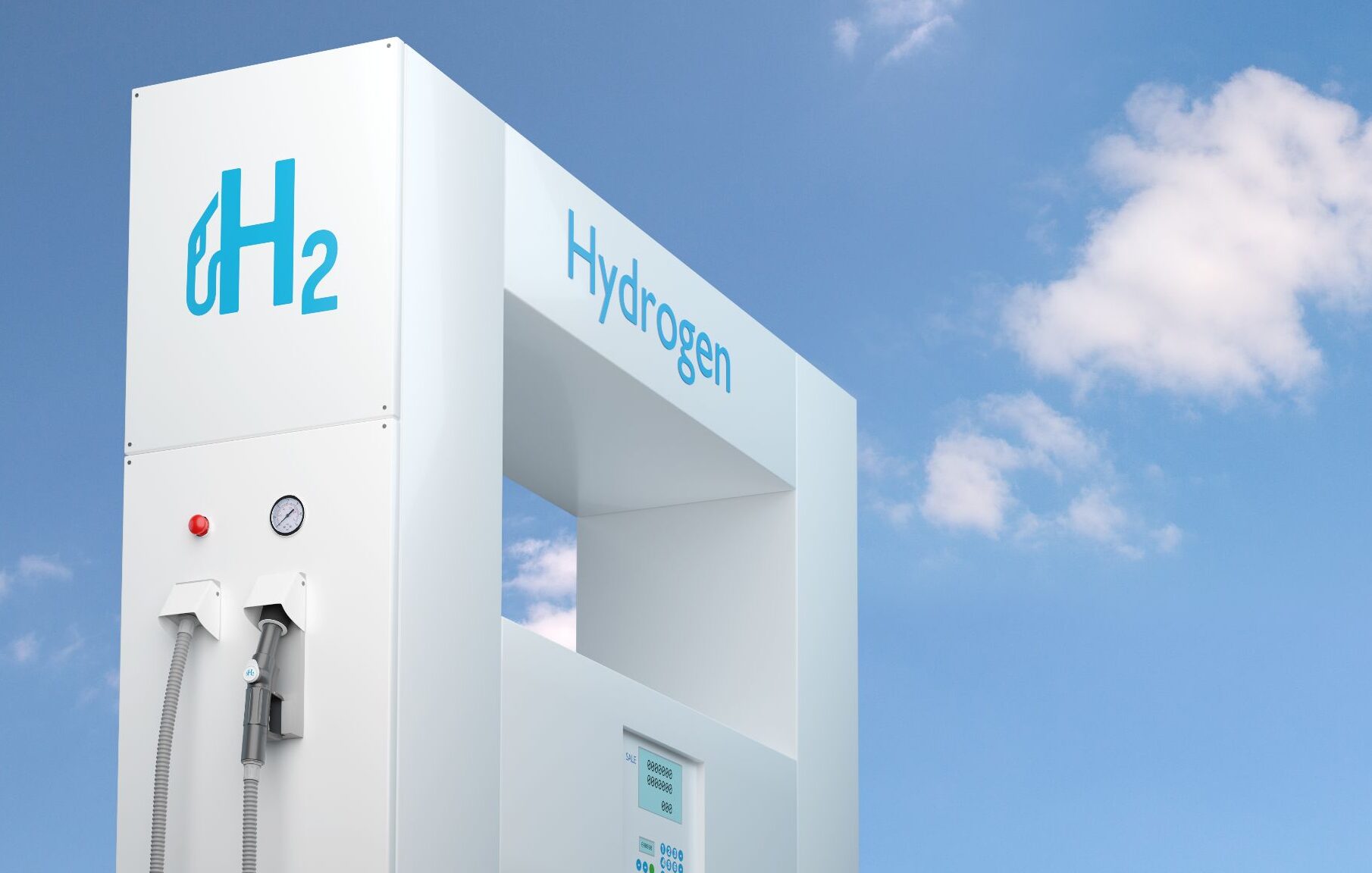
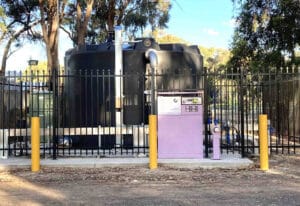
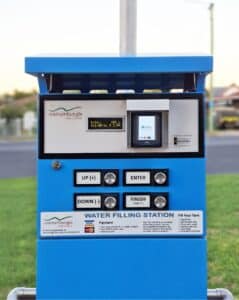
According to Abberfield Technology, water filling stations provide a practical, scalable way to extend the reach of existing water infrastructure. Supplied from town water grids or approved local sources, these stations allow councils and water authorities to support outer-rural users without the cost and complexity of extending full reticulation networks.
“We have developed the only water filling stations that allow credit, debit, and account card use. At our core, we are a research and development manufacturing company, meaning we design fit-for-purpose equipment that can evolve as the need arises. Our goal is to make water available anywhere, anytime,” Colyer said.
Abberfield Technology designs and manufactures Australian-made water filling stations that are engineered specifically for regional conditions. The systems are built for durability, ease of use and long service life, enabling councils and utilities to deploy dependable infrastructure with minimal operational overhead.
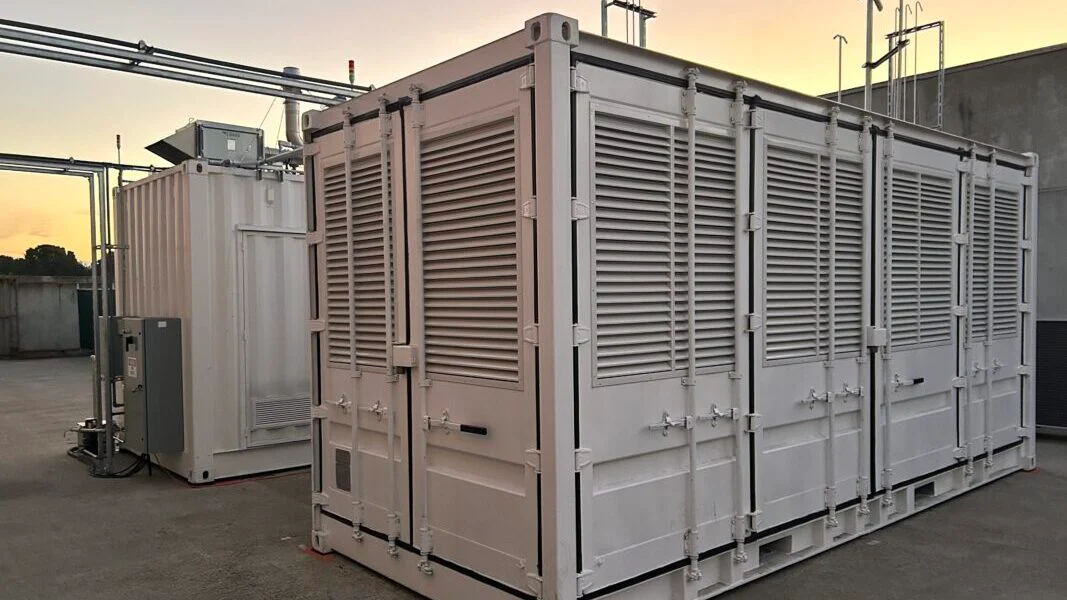
“The equipment we produce is designed so that it doesn’t need servicing. We cool the electronic equipment by what we call ‘thermos flasking’ the entire cabinet. Heat sinks in the water filling stations serve as crucial components for managing thermal energy,” said Colyer.
Abberfield Technology believes its water filling stations address everyday water reliability, not just emergency response. While drought planning remains important, consistent access to supplementary water improves business continuity, supports agricultural productivity and strengthens regional resilience year-round.
Concerns around demand variability and commercial viability are common when assessing new infrastructure. However, real-world deployments demonstrate that usage often exceeds initial expectations. Colyer said in several regional centres, water filling stations installed primarily for out-of-town users now dispense volumes comparable to, or exceeding, the town’s own consumption. He said many councils that began with a single installation have since expanded to multi-site networks across their outer areas.
“Local councils and water authorities love our water filling stations. Many councils start with one in their township and end up with eight to 10 in surrounding communities.”
These outcomes reflect a simple reality: once reliable access exists, demand follows. Marginal operations stabilise, seasonal industries gain certainty, and rural users can plan with confidence.
“Governments need to realise that water security is essential and ensure that rural communities are viable in times of drought or widespread pandemic. A strategy needs to be put in place,” said Colyer.
For councils and utilities, the value proposition extends beyond direct revenue. Water filling stations support regional economic activity, reduce vulnerability during dry periods and provide a cost-effective alternative to large-scale network expansion.
Abberfield Technology supports this approach with end-to-end capability, from system design and manufacture through to installation support. Its water filling stations are Australian made and backed by a conditional lifetime guarantee, giving asset owners confidence in long-term performance.
As Australia continues to plan for a hotter, drier future, water security must be viewed not only in terms of supply, but of access.
“Distribution is not optional, but essential,” Colyer said.
With water filling station solutions, Abberfield Technology is helping councils and utilities deliver water where it is needed, when it is needed, without overextending existing networks.
“We are committed as a company and as shareholders to promote water security around Australia. We are working for social good as much as we are working for commercial outcomes,” said Colyer.
For more information, visit abberfield.com.au
This article appears in the March/April 2026 edition of Utility. Subscribe HERE.