TEMPO.CO, Jakarta – Member of the Commission IX DPR Edy Wuryanto urges the Indonesian government and the public to be vigilant against the potential spread of the hantavirus.
This vigilance, he said, can be done by the government through the implementation of the One Health approach, integrating human, animal, and environmental health.
“We must not consider the hantavirus as a distant threat that is irrelevant to Indonesia,” said Edy in a written statement on Sunday, May 10, 2026.
He mentioned that there are several crucial steps that the government and the public can take to be cautious of hantavirus. First, to expand surveillance of undiagnosed acute febrile illnesses so that the hantavirus is not overlooked. Second, the government can increase laboratory diagnostic capacity, including PCR and serology tests in referral hospitals. Thirdly, efforts can be made by strengthening rodent control and community-based environmental sanitation.
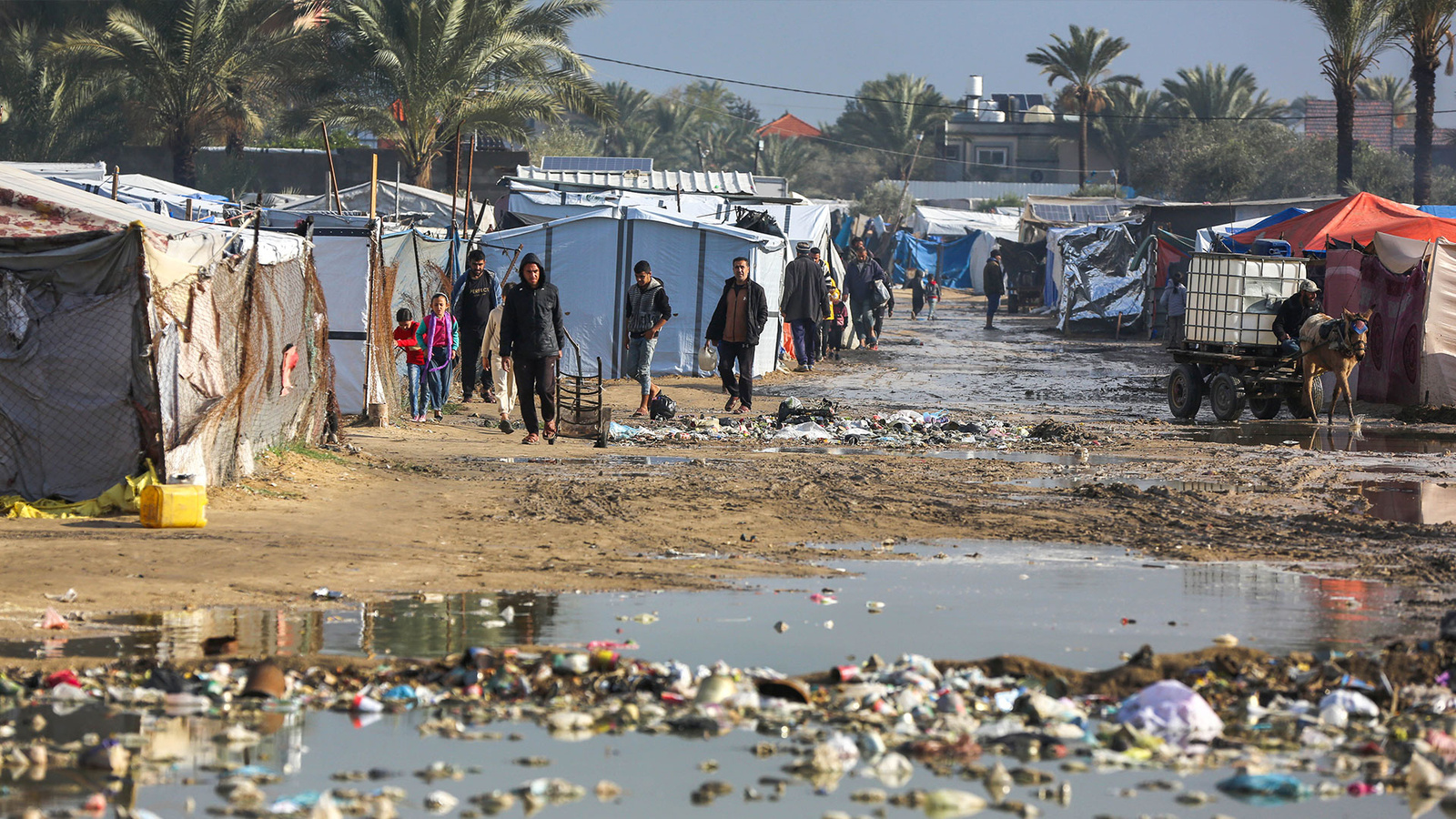
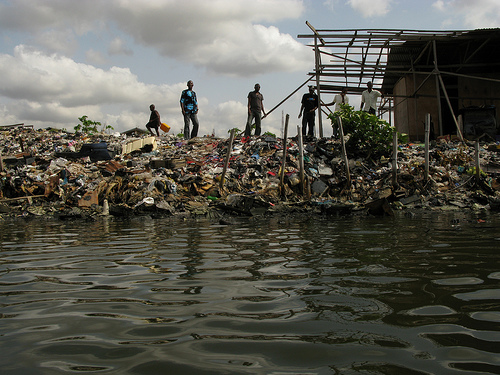
In terms of sanitation, Edy stated that the management of residential cleanliness and rodent population control must be a significant part of public health policy.
“Preventing hantavirus is not enough to rely solely on hospital services. This concerns everyday environmental issues,” said the PDIP politician.
Edy continued that public education must also be expanded so that the public understands simple ways to prevent transmission. For example, wearing masks and gloves when cleaning areas indicated as rodent nests.
“The public must pay attention to the cleanliness of room ventilation and prevent direct contact with rodents,” he said.
Meanwhile, the World Health Organization (WHO) is monitoring cases of the hantavirus Andes strain found on the MV Hondius cruise ship. In that case, three people were declared dead and several others became suspects.
At that time, two Singaporean citizens on the ship were declared suspects. However, the examination results and quarantine stated that both were negative for exposure.
Nevertheless, Edy Wuryanto said that vigilance should not be ignored. Indonesia has a significant risk factor considering population density, urbanization, environmental sanitation issues, and a high rodent population in residential areas.
“This shows that the hantavirus is not just a theoretical threat; this disease is often undetected because its symptoms are similar to dengue fever, typhus, or leptospirosis,” he said.
Anwar Siswadi contributed to this article.
Read: Spain Begins Mass Evacuation from Hantavirus-Linked Cruise Ship
Click here to get the latest news updates from Tempo on Google News