Key Takeaways
- Some of the best brain games include Sudoku, Wordle, crosswords, and others that challenge different aspects of thinking.
- These games can strengthen skills like focus, memory, and processing speed.
- Brain games are most effective when used in conjunction with other healthy habits, such as regular exercise, adequate sleep, and social connection.
The best brain games are activities that challenge memory, focus, and problem-solving while still being enjoyable enough to play regularly. Popular options include classics like Sudoku and crossword puzzles, as well as digital games like Wordle and Lumosity. These games can help strengthen skills such as attention, processing speed, and verbal reasoning. Whether you prefer quick daily puzzles or more in-depth cognitive training, the best brain games are the ones that keep your mind active and engaged over time.
Peter Dazeley / Getty Images
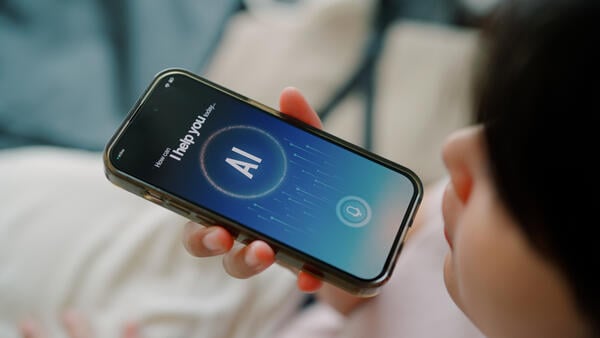
Online Brain Games and Apps
Online and app-based options can be a fun way to stay engaged and challenge your mind whenever you have a few minutes to spare. Some favorites include:
Lumosity
Lumosity is one of the most established brain-training and mental-fitness programs. You can sign up for a free account to play three games per day, or choose the subscription service for more offerings. Either way, you can keep track of your results and improvement.
One study found that people who played Lumosity’s brain games for just 15 minutes daily, seven days a week, over three weeks saw notable improvements in attention and motor skills. You can access Lumosity through its website or by downloading the Lumosity app for iOS and Android. Lumosity also offers a meditation and mindfulness app called Lumosity Mind.
Wordle
Wordle is a web-based puzzle game from “The New York Times” that skyrocketed in popularity in early 2022, now attracting millions of players worldwide. Its simple premise gives users six attempts to guess a five-letter word. The blend of engaging problem-solving and a user-friendly interface offers a rewarding mental challenge.
Elevate
Elevate’s games center on reading, writing, speaking, and math, and you can customize your training to focus on whichever areas you prefer. As with most other brain games, you can track your progress to see how your skills are improving.
You’ll need to download an app to play Elevate’s 35 (and counting) different brain-training games, which have a strongly educational feel. It’s free (with in-app purchases), and both iOS and Android versions have tens of thousands of five-star reviews.
Peak
Peak is another app-only option (available for iOS and Android) that provides brain games to help you work on cognitive functions like:
- Focus
- Memory
- Problem-solving
- Mental agility
If you’re competitive, you might be motivated by seeing how you perform compared to other users. The app is free to use, but an inexpensive subscription unlocks more features.
Happy Neuron
Happy Neuron divides its games and activities into five critical brain areas:
- Memory
- Attention
- Language
- Executive function
- Visual/spatial ability
Like Lumosity, it personalizes the training to fit you, tracks your progress, and the games are based on scientific research.
You must pay a monthly subscription fee to use the site, and its simplified app version is available for Android users only. Happy Neuron does, however, offer a free trial so you can see if you like the approach.
Braingle
Claiming to have the world’s largest collection of brain teasers, Braingle’s free website provides more than 15,000 puzzles, games, and other brain teasers as well as an online community of enthusiasts. You can even create your own puzzles to give your brain a super workout. Braingle has a wide variety of offerings, including optical illusions, codes and ciphers, and trivia quizzes.
Queendom
Queendom has thousands of personality tests and surveys. It also has an extensive collection of “brain tools”—including logic, verbal, spatial, and math puzzles; trivia quizzes; and aptitude tests—to help you exercise and test your brain. If you’d like to save results and scores, you’ll need a free account. Some tests give you only snapshot results for free and charge a fee for full reports.
Classic Games to Challenge Your Brain
You don’t need an app or website to play brain games. There are plenty of traditional options, like word games and memory puzzles, that can help keep your mind sharp. Some great options include:
Sudoku
Sudoku is a number placement game that relies on short-term memory. To complete a Sudoku puzzle, you have to look ahead and follow trails of consequences—if you put a 6 in this box, that one must be an 8 and this one a 4, and so on. This type of planning helps improve short-term memory and concentration.
You can play Sudoku online, on an app, or on paper. Look for a regular Sudoku in your newspaper, buy a book with a collection of puzzles, or download a free app for your phone or tablet.
Sudoku puzzles are available in varying degrees of difficulty. When you’re starting, play the easy games until you learn the rules. If you’re playing on paper, use a pencil!
Crossword Puzzles
Crossword puzzles serve as a traditional brain-training activity, stimulating not only language skills but also memory and various areas of knowledge. Fortunately, these brain games are highly accessible and can be found in many places, both online and off.
- If you receive a daily newspaper, you’ll almost always get a crossword there.
- Or pick up a book of crosswords specifically suited to your skill level and interests.
- You will also find many options for crossword puzzles online or via free or inexpensive apps.
- The AARP website offers a daily crossword puzzle free to everyone, whether or not you’re a member.
Reasons to Use Brain Games
People of all ages use brain-training games to improve mental functioning and prevent brain aging. Backing them up is research showing that brain-training games may help improve attention levels, memory, response time, logic skills, and other measures of cognitive function if played over a long timespan.
The brain is just like a muscle – it thrives on exercise! As a neurologist, I’m thrilled by the incredible potential of brain games to help people flex their mental muscles, activating underused brain circuits to sharpen cognition and skills like focus, speed, and memory.
From pen-and-paper Sudoku and crosswords to specialized brain training apps, options for brain games are plentiful. To give your brain a workout while having fun, try these games and activities that may improve your mental focus and fitness.
Potential Benefits
While many factors play a role in overall brain health and cognitive ability, regularly playing some of these brain games may offer several benefits. This might include:
- Greater focus
- Better attention span
- Improved memory
- Increased performance at school and work
- Slowing cognitive decline due to aging
- Staying more independent as you age
- Boosting mental abilities you use in everyday life
- Faster processing speed
- Better short-term memory
- Stronger planning and decision-making skills
- Lower risk of dementia
Other Ways to Keep Your Mind Active
Some other activities that may help you keep your mind sharp:
- Being physically active: Research has shown that even as little as 25 minutes of moderate-intensity exercise each week is associated with increased brain volume.
- Staying socially connected: Evidence suggests that socially active people are less likely to develop Alzheimer’s disease as they age.
- Practicing mindfulness: Meditation and mindfulness have been linked to increased cognitive abilities and slower brain aging.
- Getting enough sleep: Lack of sleep can have a serious impact on cognitive skills, so getting enough rest can help you feel mentally sharp.
- Learning something new: Challenging yourself to learn a new skill, like a language or instrument, may help boost your cognitive abilities.
Make brain training a daily habit and build the mental reserves to delay cognitive decline!
—
SHAHEEN LAKHAN, MD, PHD, FAAN
Remember, brain training isn’t limited to games and puzzles; staying socially engaged, maintaining creative hobbies, and even working out can help to flex your brain and improve cognitive functioning. Find what feels good and works for you.