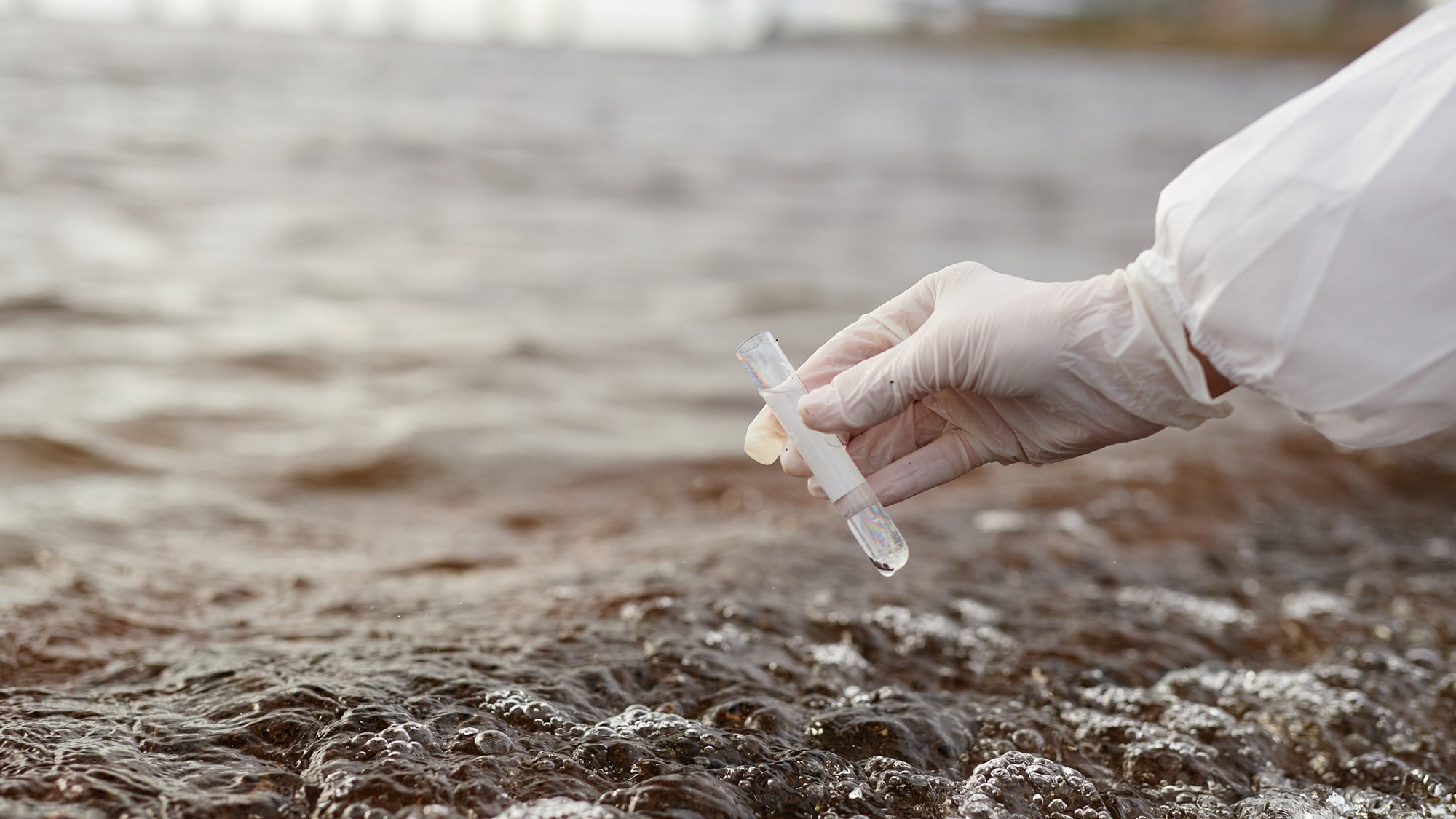
The microplastic pollution has become one of the main environmental concerns in recent years. These tiny particles have already been detected in water, food, and even in the air, raising alarms about their possible effects on human health and ecosystems.
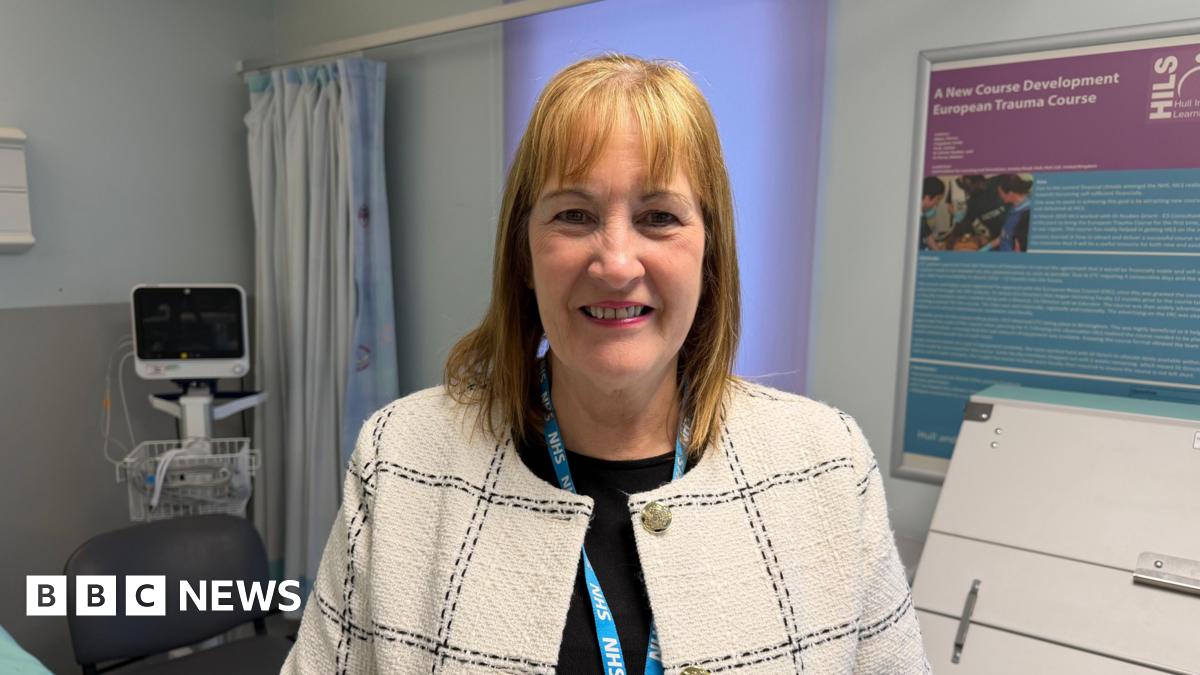
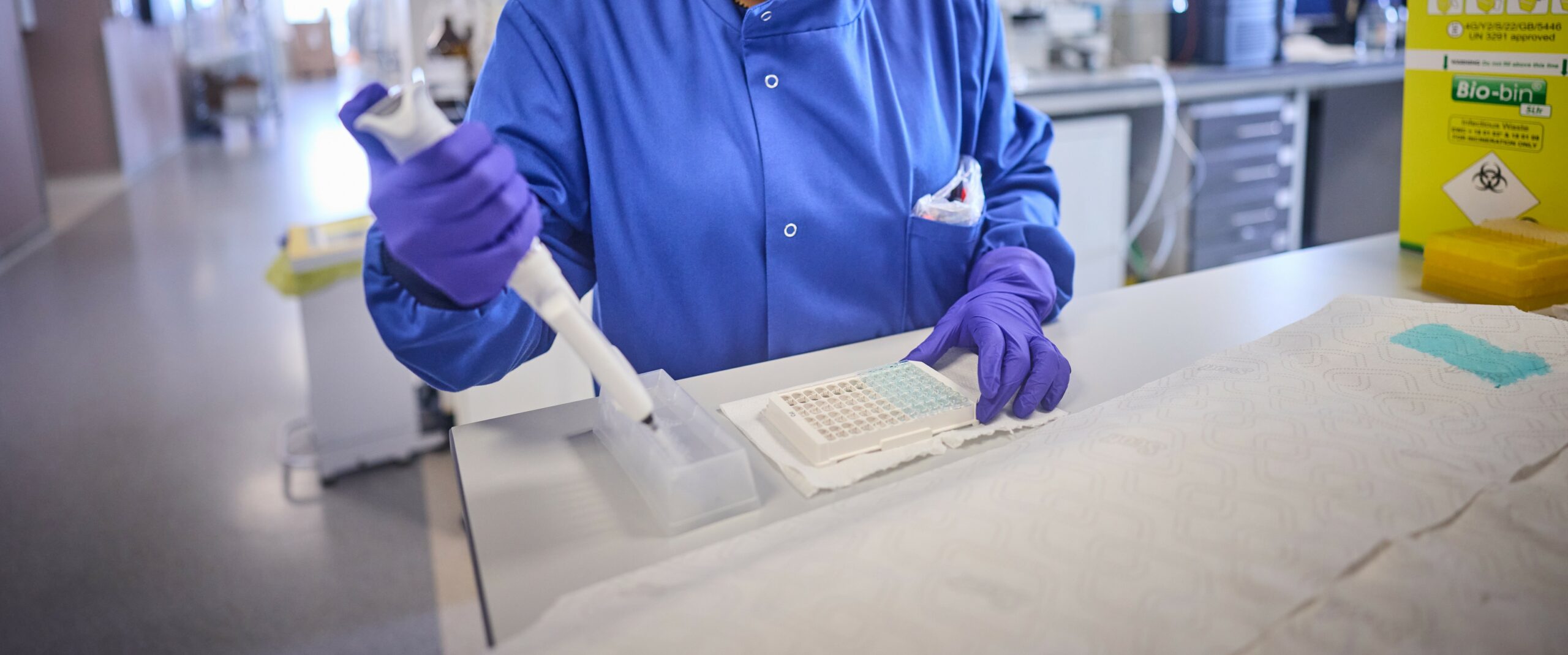
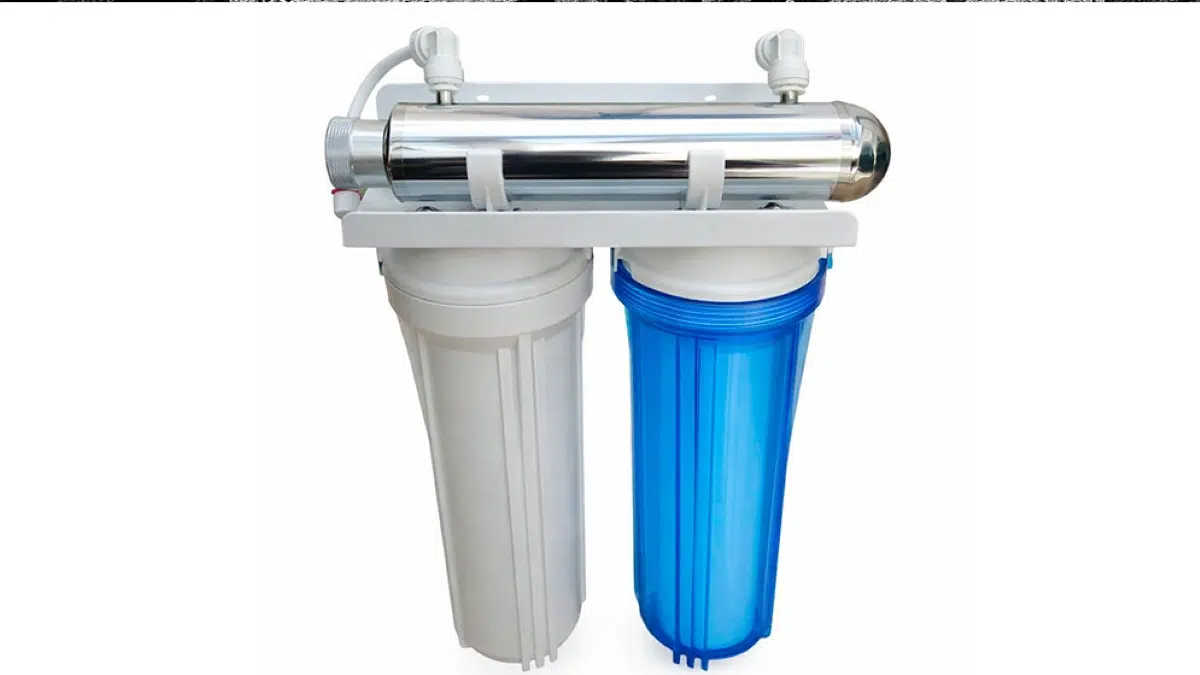
In this context, a team of specialists from CONICET is advancing in the development of a domestic device capable of removing micro and nanoplastics from drinking water. The initiative is led by researcher Carla Di Luca and is funded by the Franco-Argentine Innovation distinction.
The project is still in the experimental phase, although researchers hope to have a functional prototype by the end of the year that allows precise measurement of the percentage of elimination of these invisible contaminants.

Environmental technology to face a silent threat
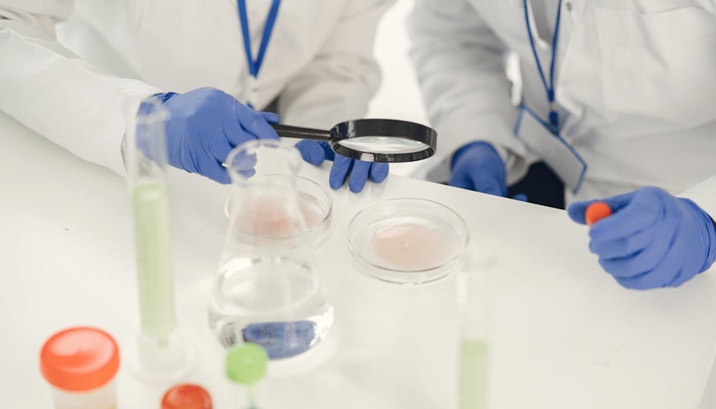
The objective of the device is to combine different filtering and treatment processes to capture extremely small particles. Nanoplastics represent one of the greatest scientific challenges because they are less than one micron and are very difficult to detect and quantify.
Additionally, the team is working on the standardization of analytical methods to accurately assess the system’s effectiveness. This aspect is fundamental to ensure that the future technology can be safely used in private homes.
Moreover, the development aims to become an accessible and large-scale applicable solution. Several companies have already expressed interest in the potential commercialization of the invention, especially due to the global growth of technologies related to water quality and environmental health.
The challenge of researching with limited resources
The initiative also exposes the difficulties currently faced by the Argentine scientific system. According to Di Luca, many historical public funding programs have been interrupted in recent years, forcing research groups to seek private and international support.
The subsidy received through the Franco-Argentine distinction amounts to 12,000 euros, a figure considerably lower than the amounts usually allocated to this type of research in other countries. Even so, the team managed to sustain the project through strategic alliances and interdisciplinary collaboration.
Meanwhile, researchers emphasize that environmental technologies require expensive equipment and complex supplies, especially when working with microscopic contaminants whose presence is still being studied by the international scientific community.

The environmental and health benefits of this initiative
The creation of a home device to remove microplastics could generate significant environmental and social benefits. Firstly, it would reduce the daily exposure of millions of people to contaminant particles present in drinking water.
Furthermore, the technology would help decrease the accumulation of microscopic plastics in aquatic ecosystems, where they affect fish, seabirds, and other essential organisms for the natural balance.
Additionally, the development would strengthen national scientific innovation in areas related to sustainability and the circular economy. This could open new opportunities for local technological production and the generation of environmental solutions with regional impact.
Finally, specialists believe that initiatives of this type help to promote a broader debate on global plastic pollution and the need to transform production and consumption models to protect human health and natural resources.