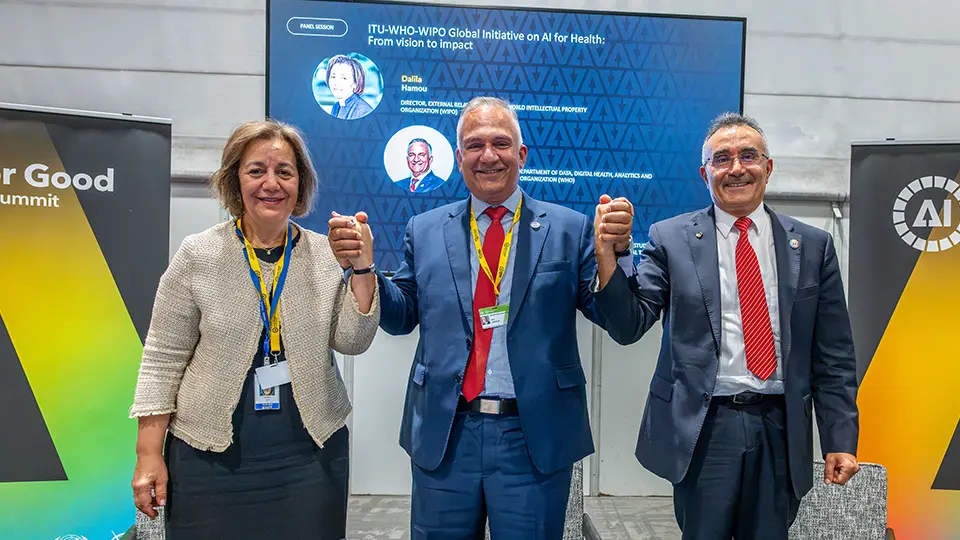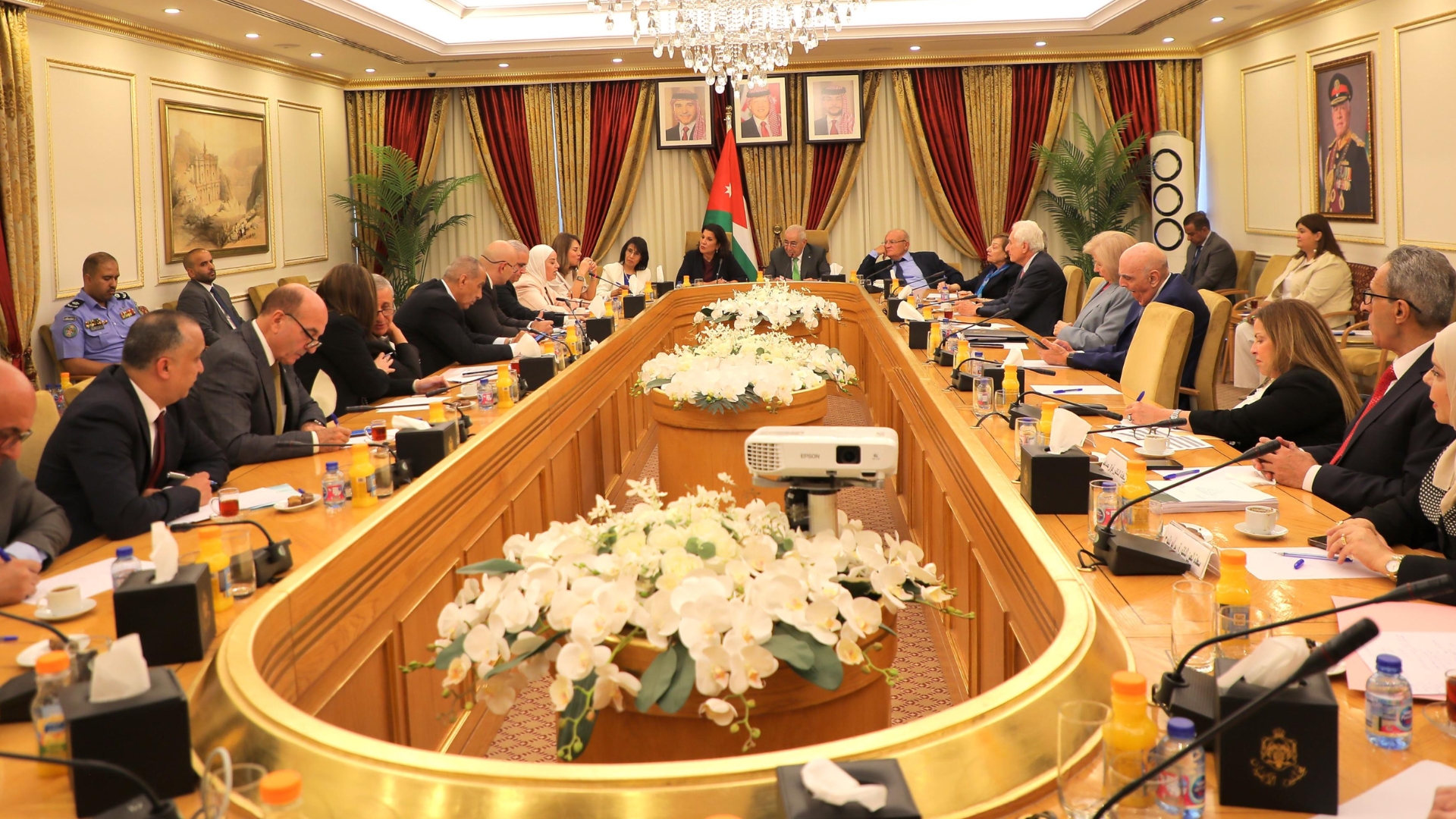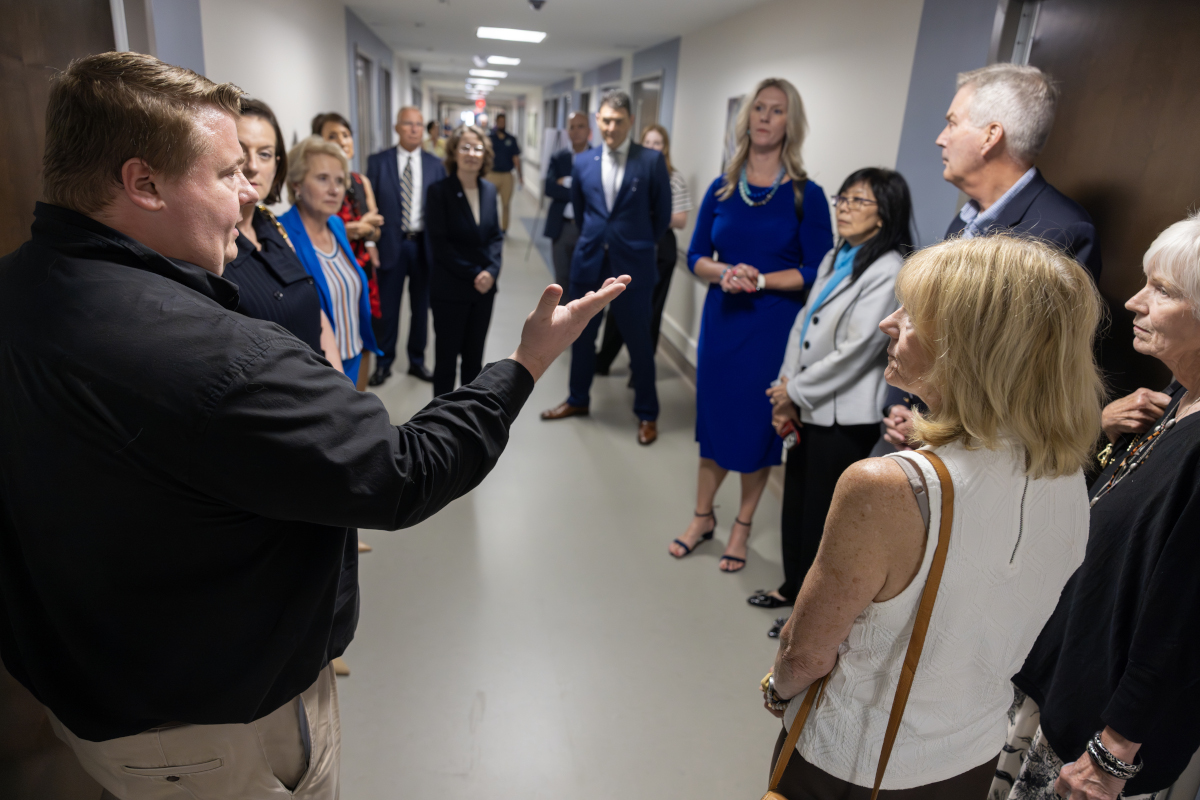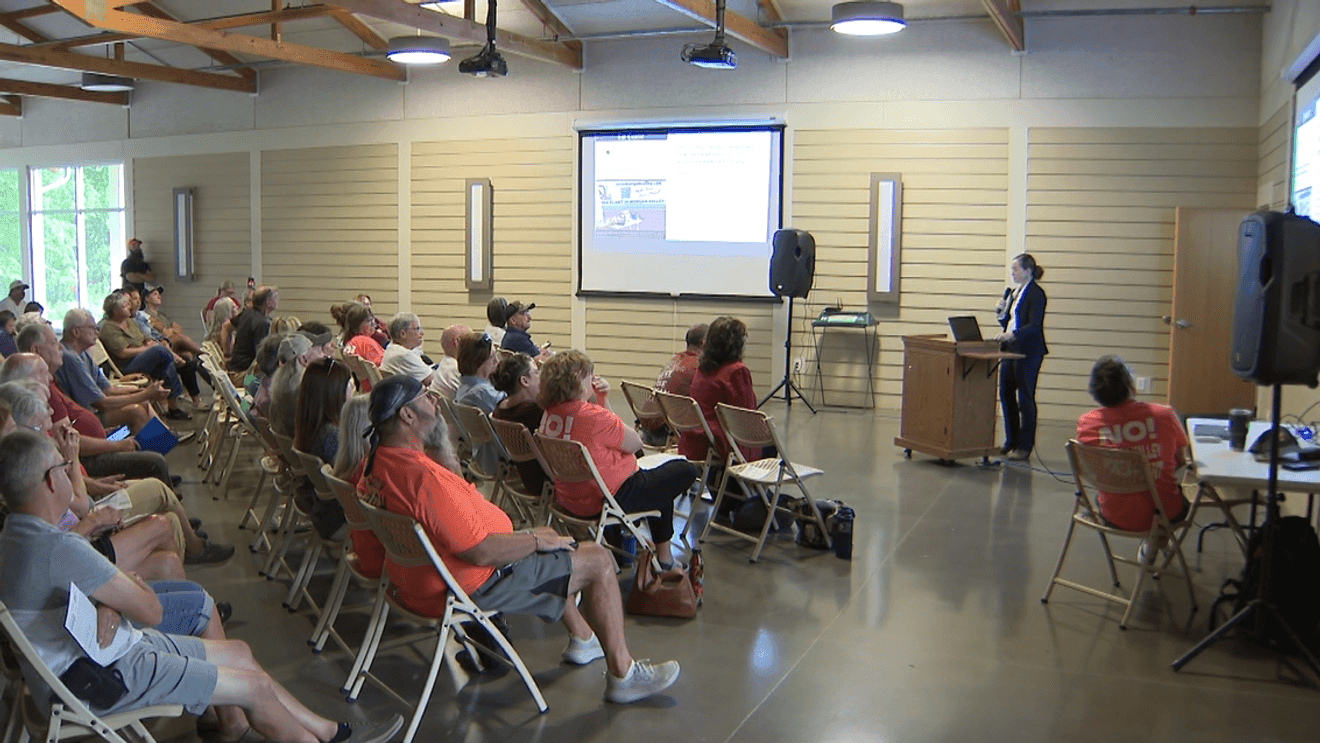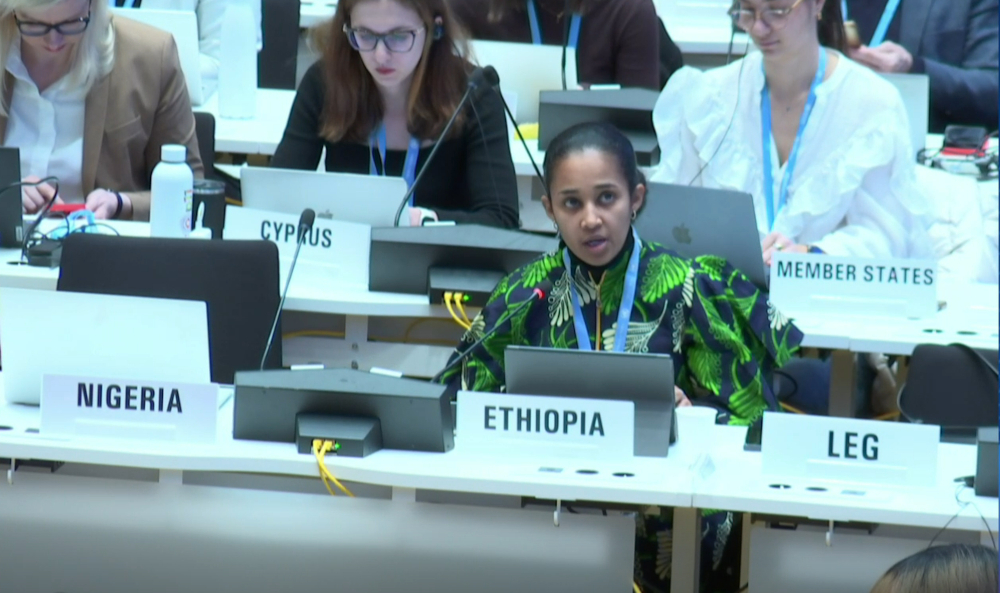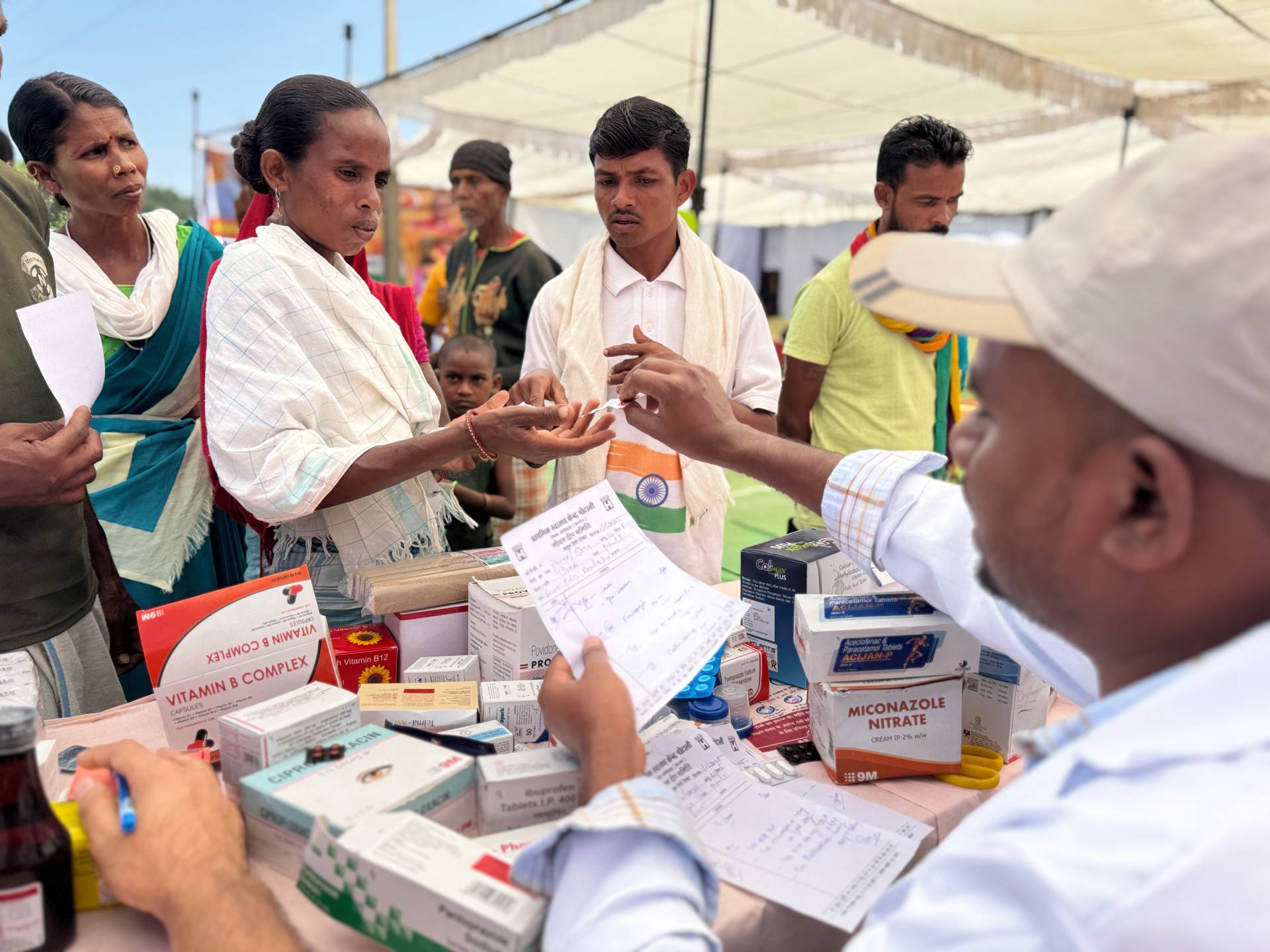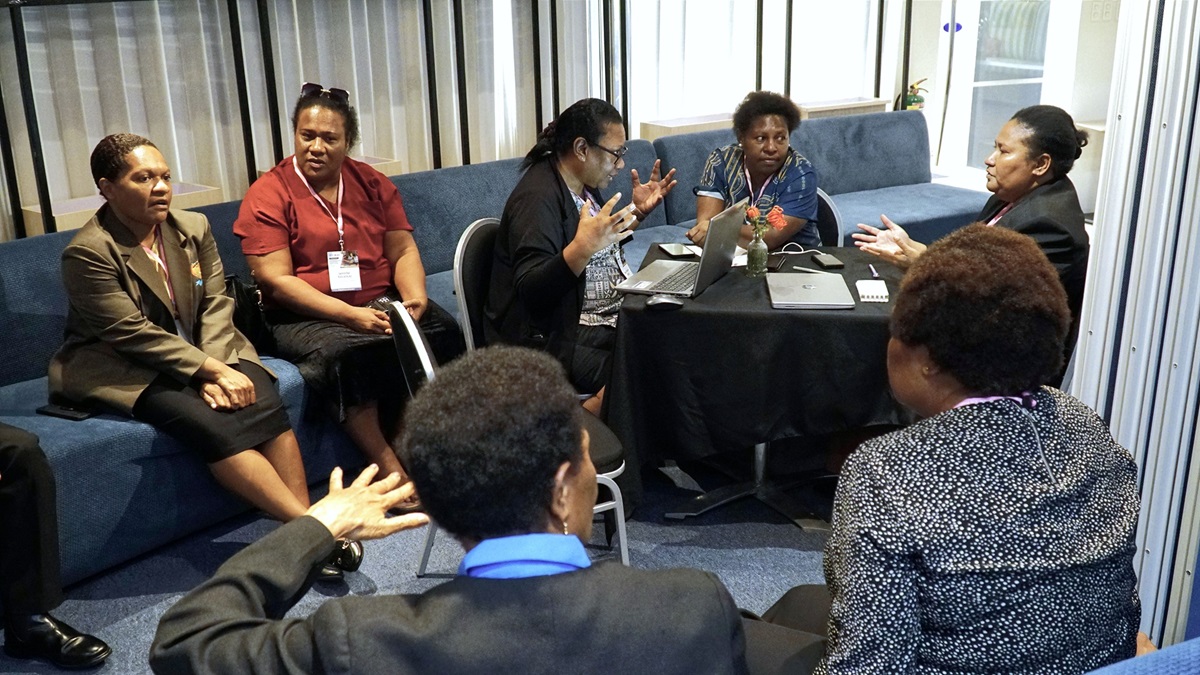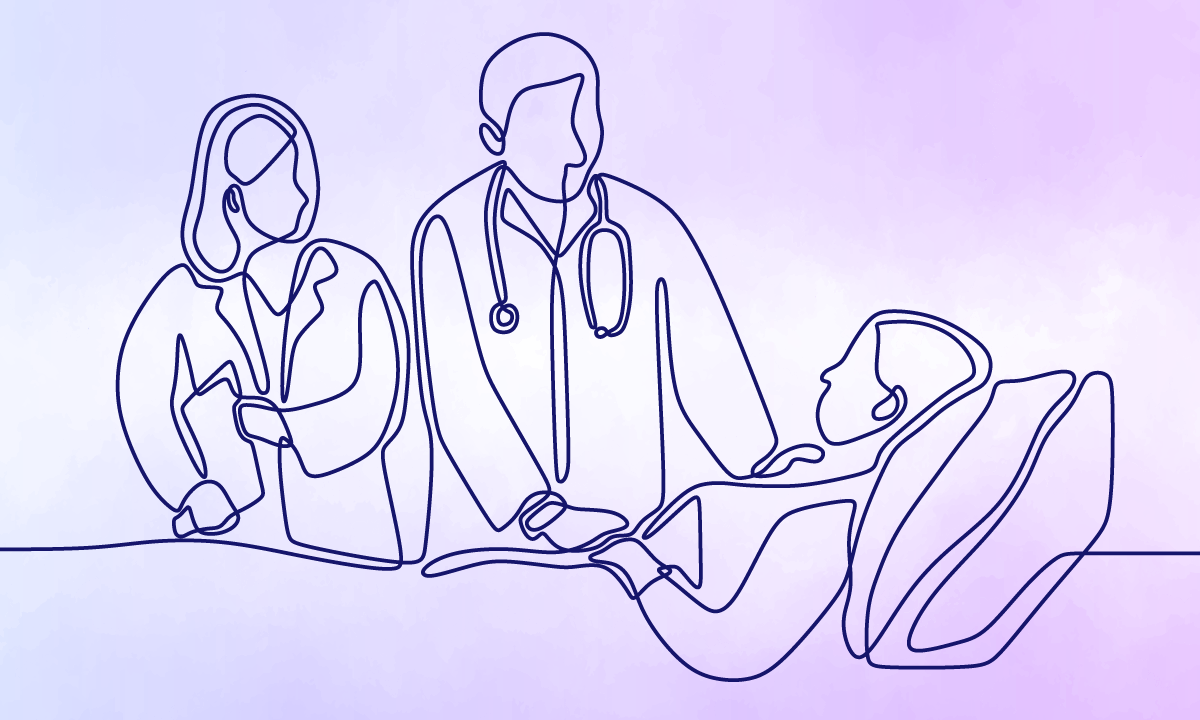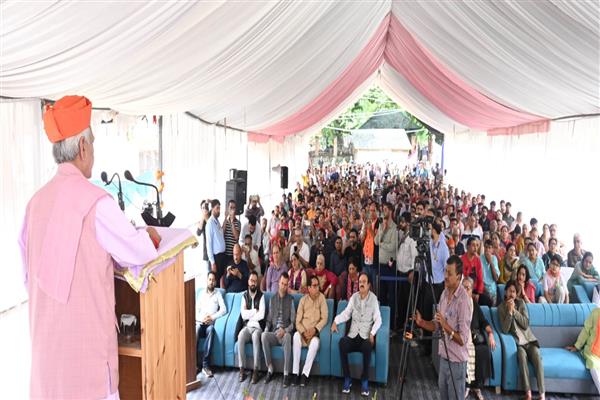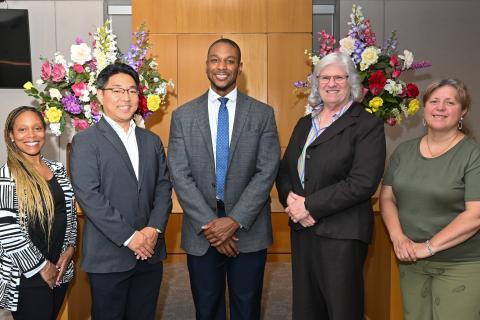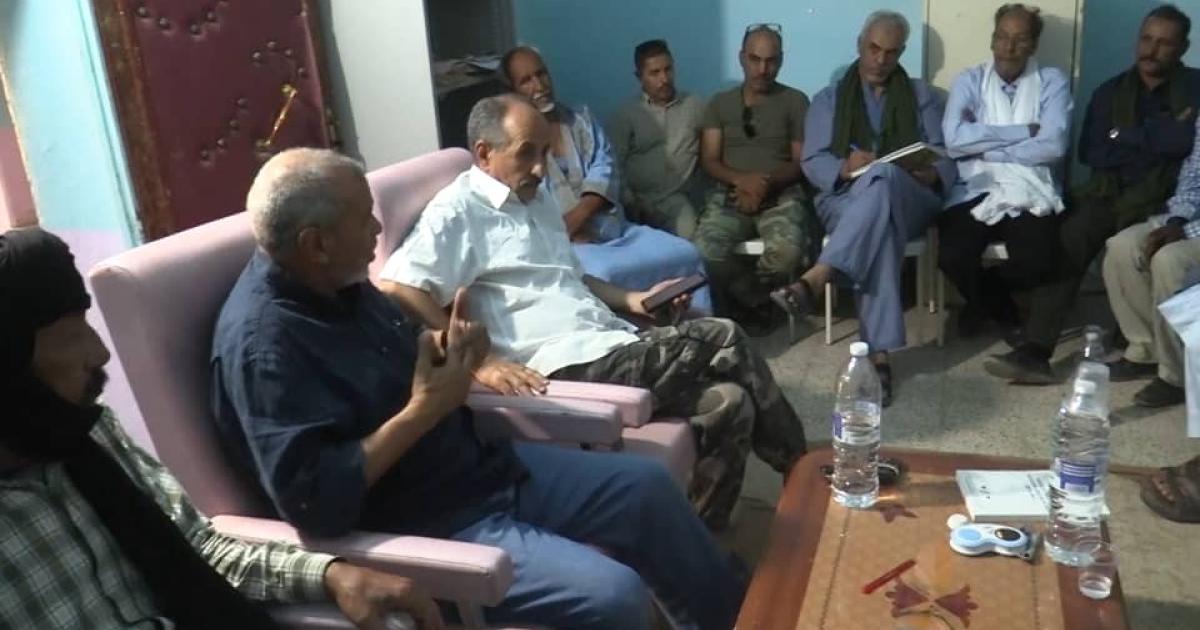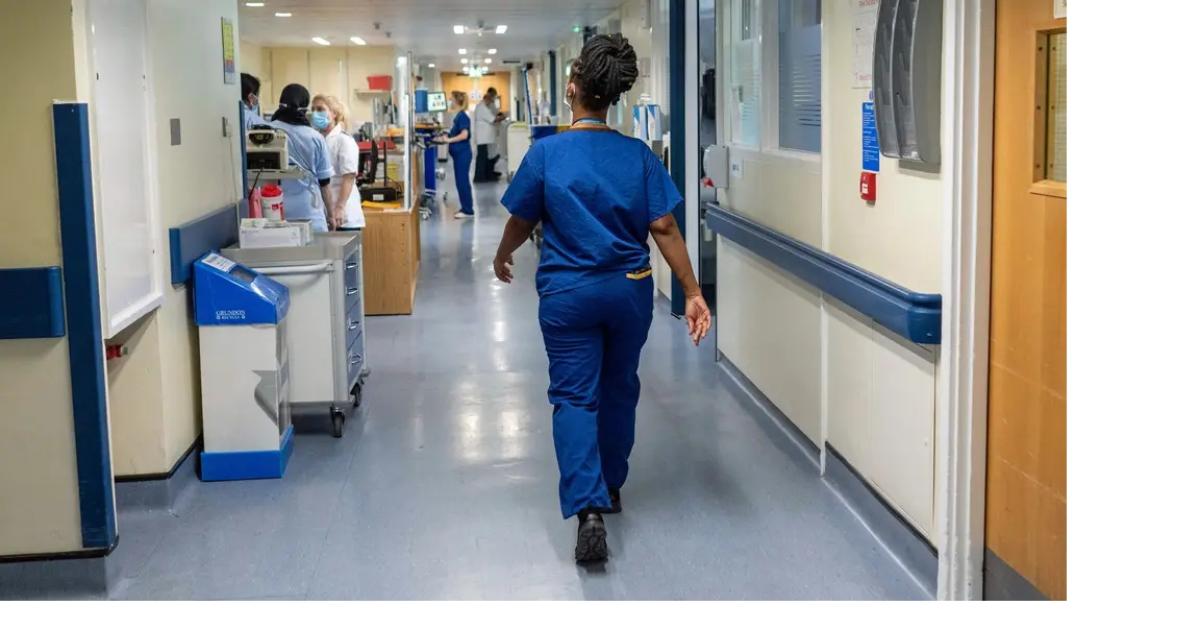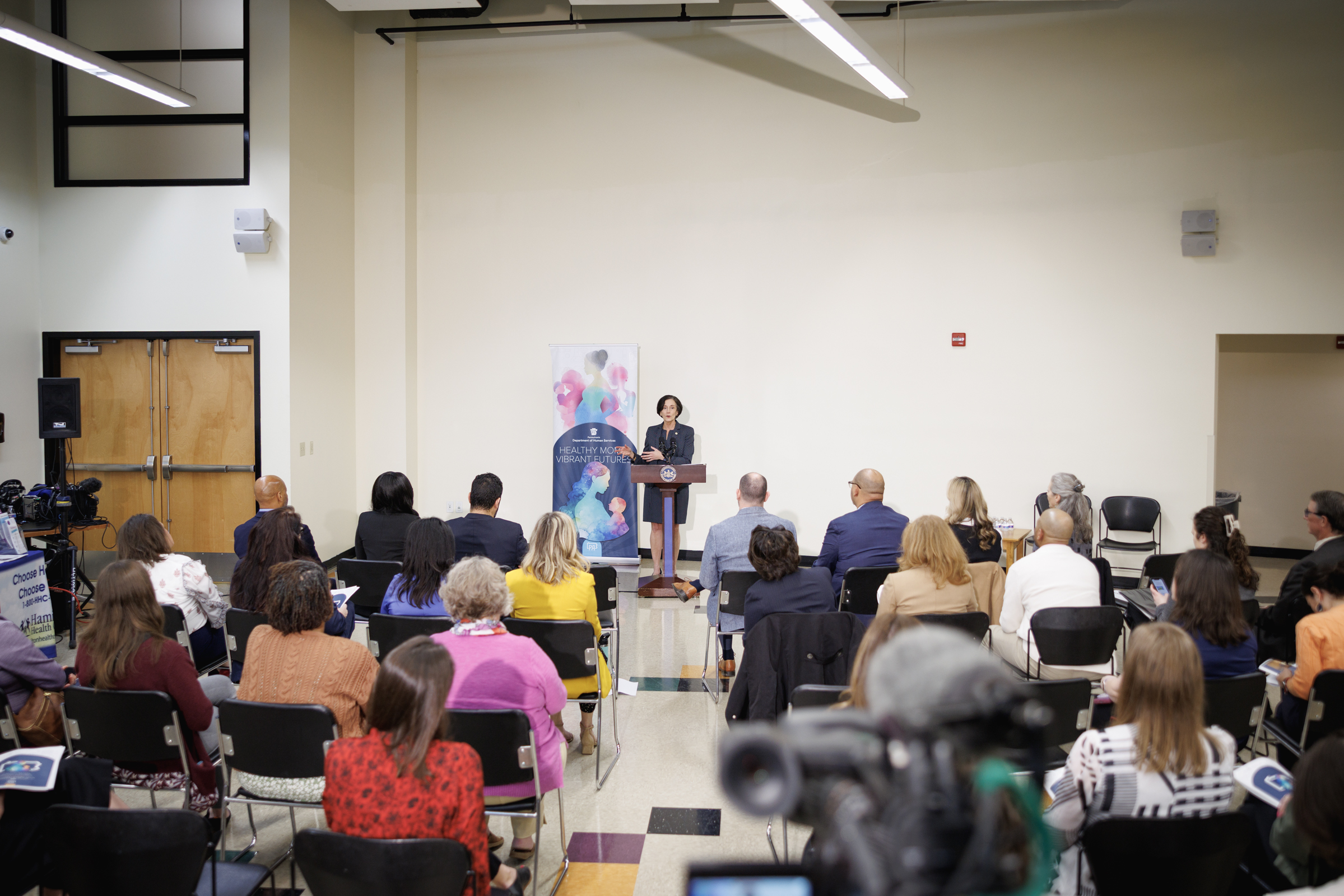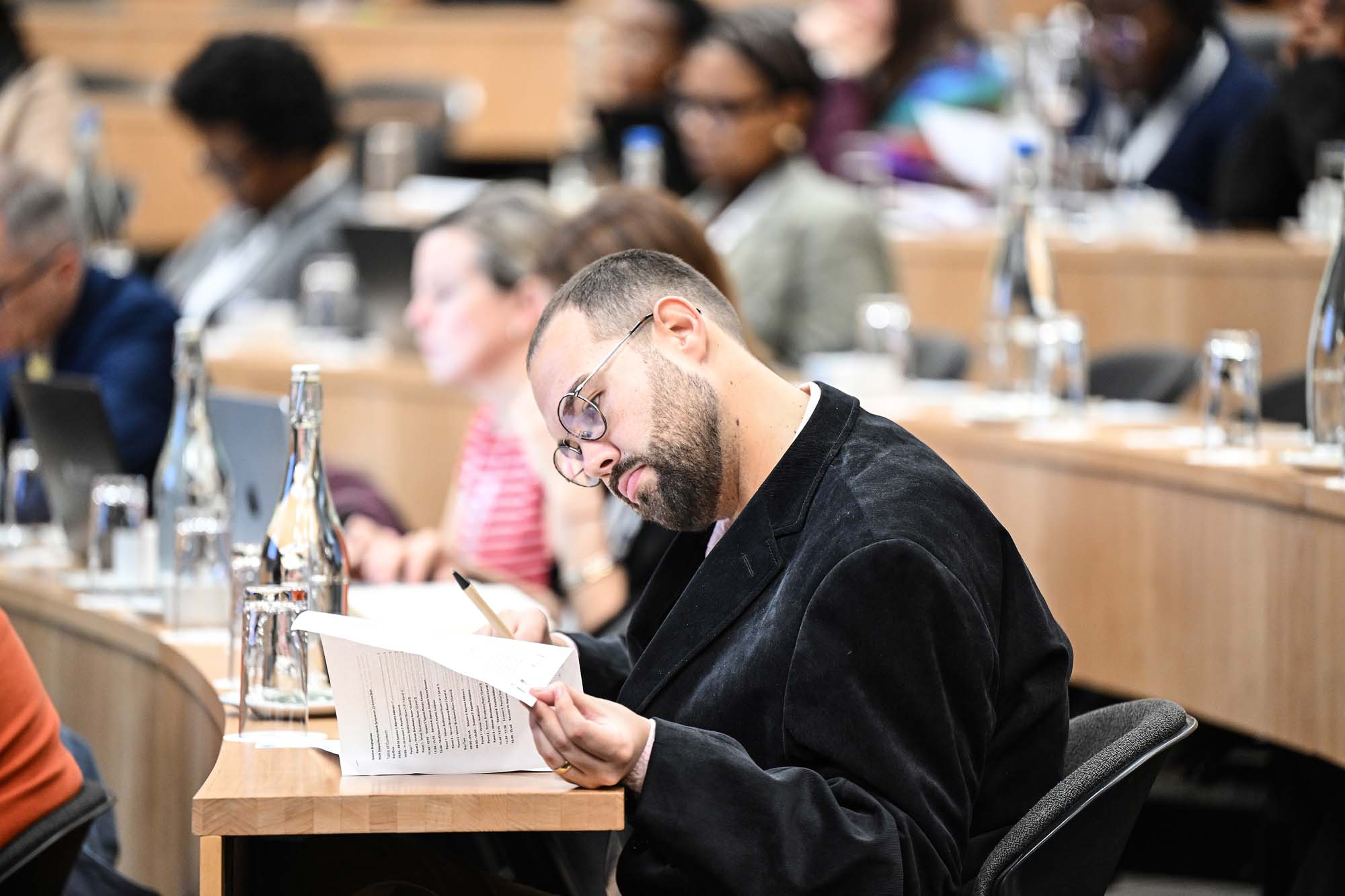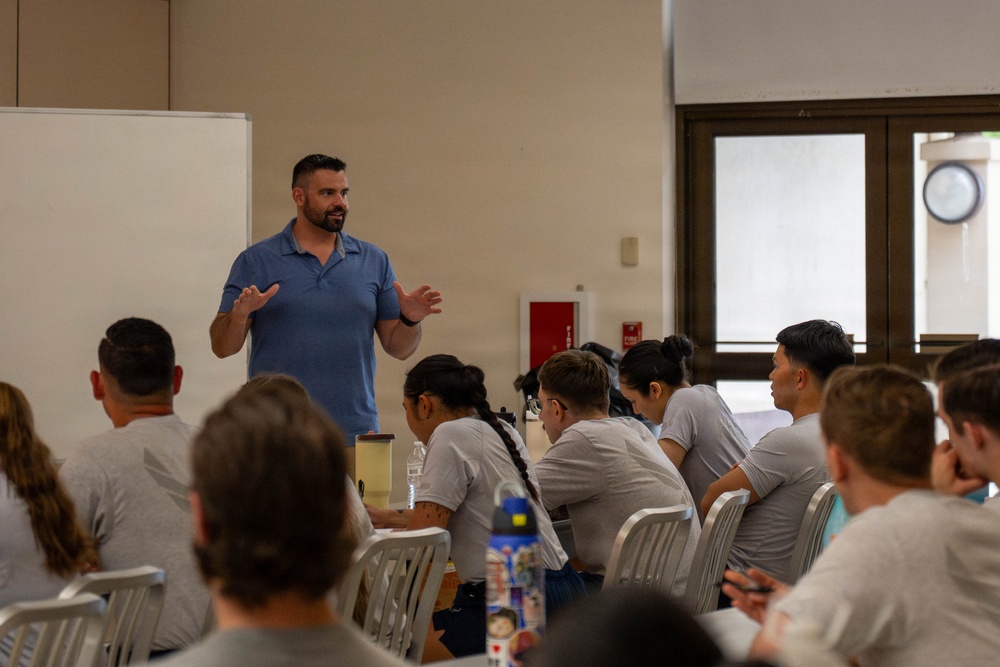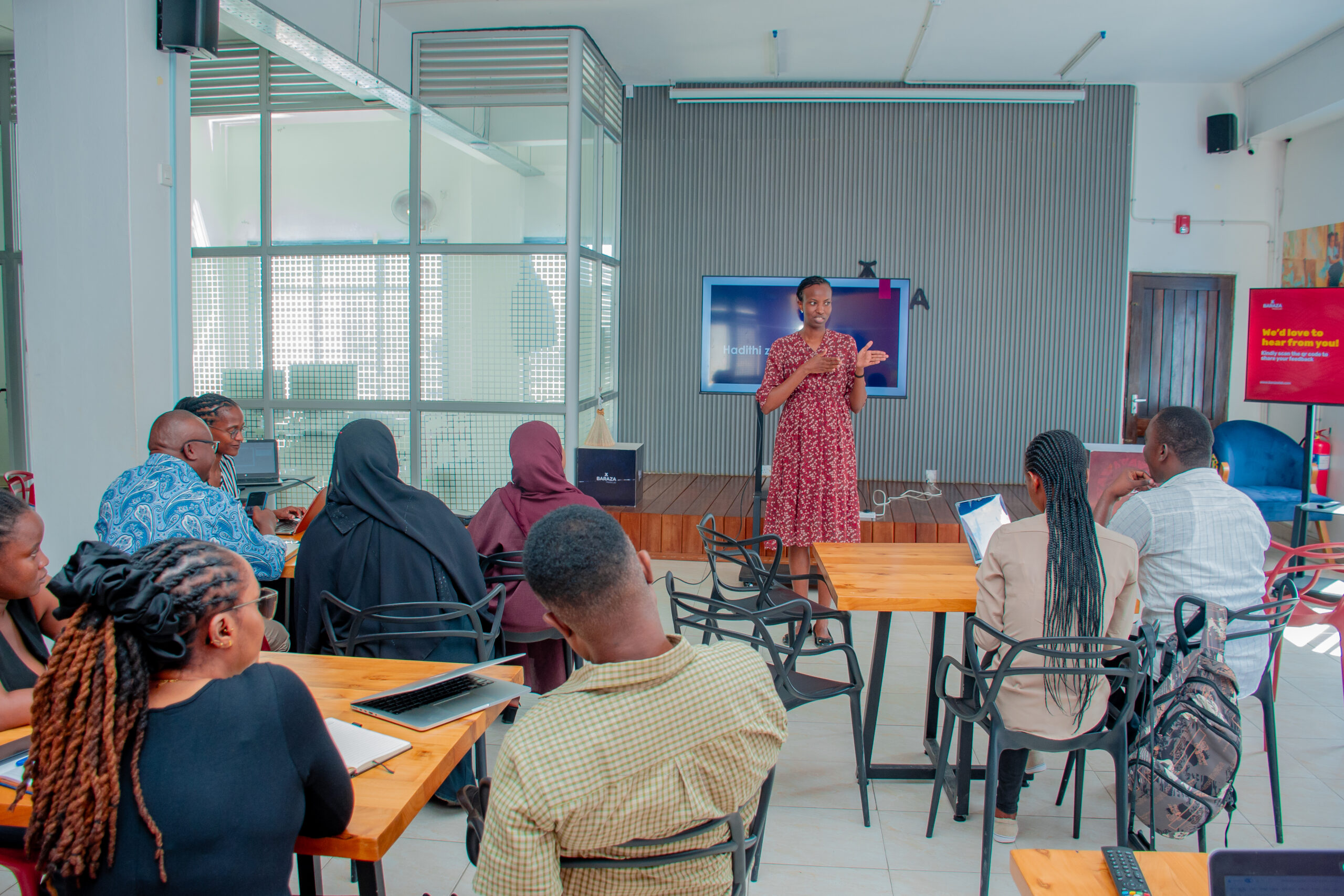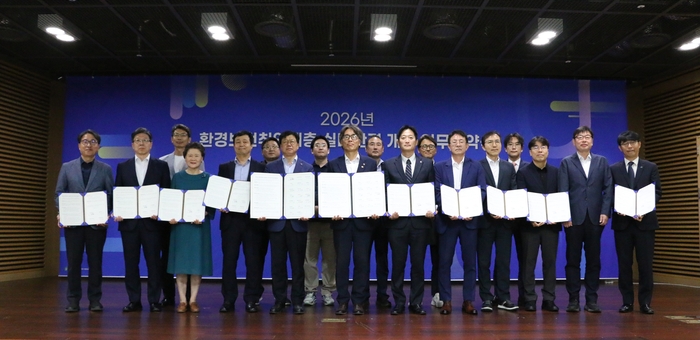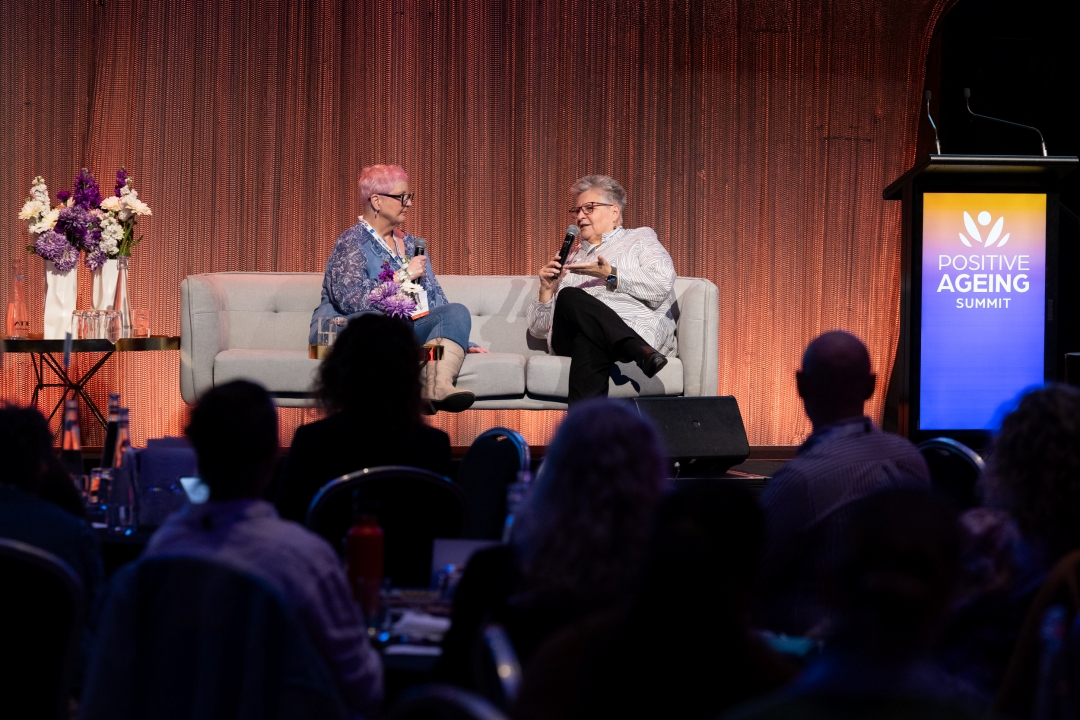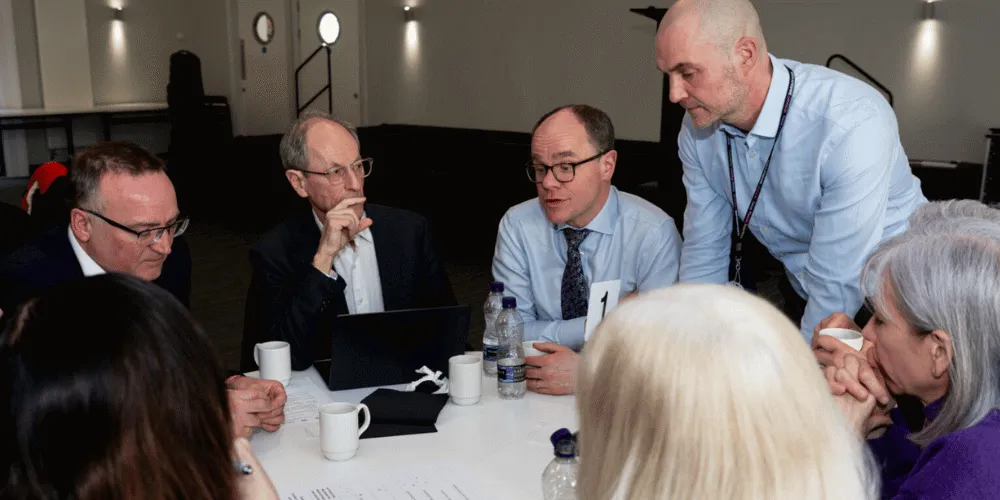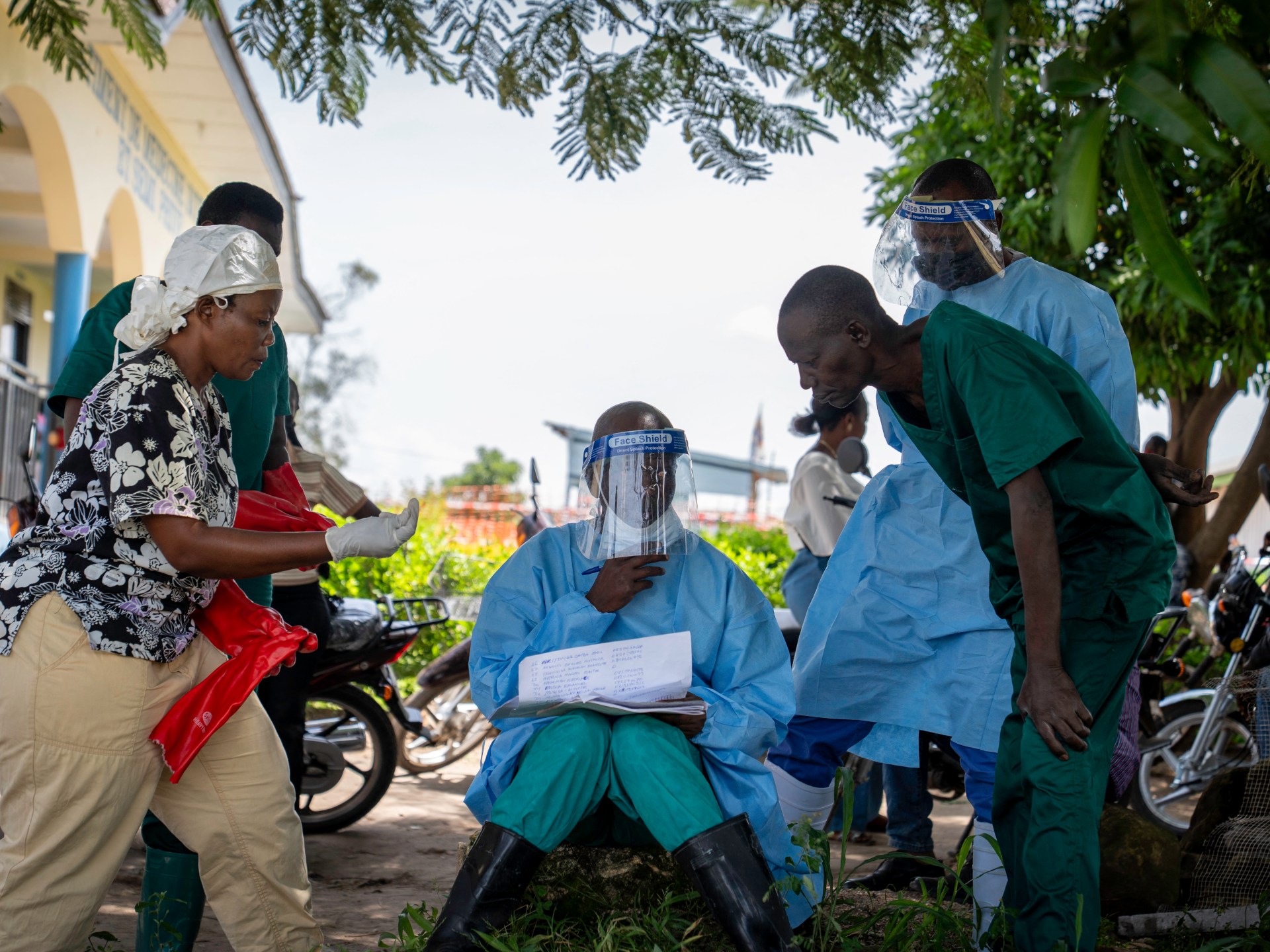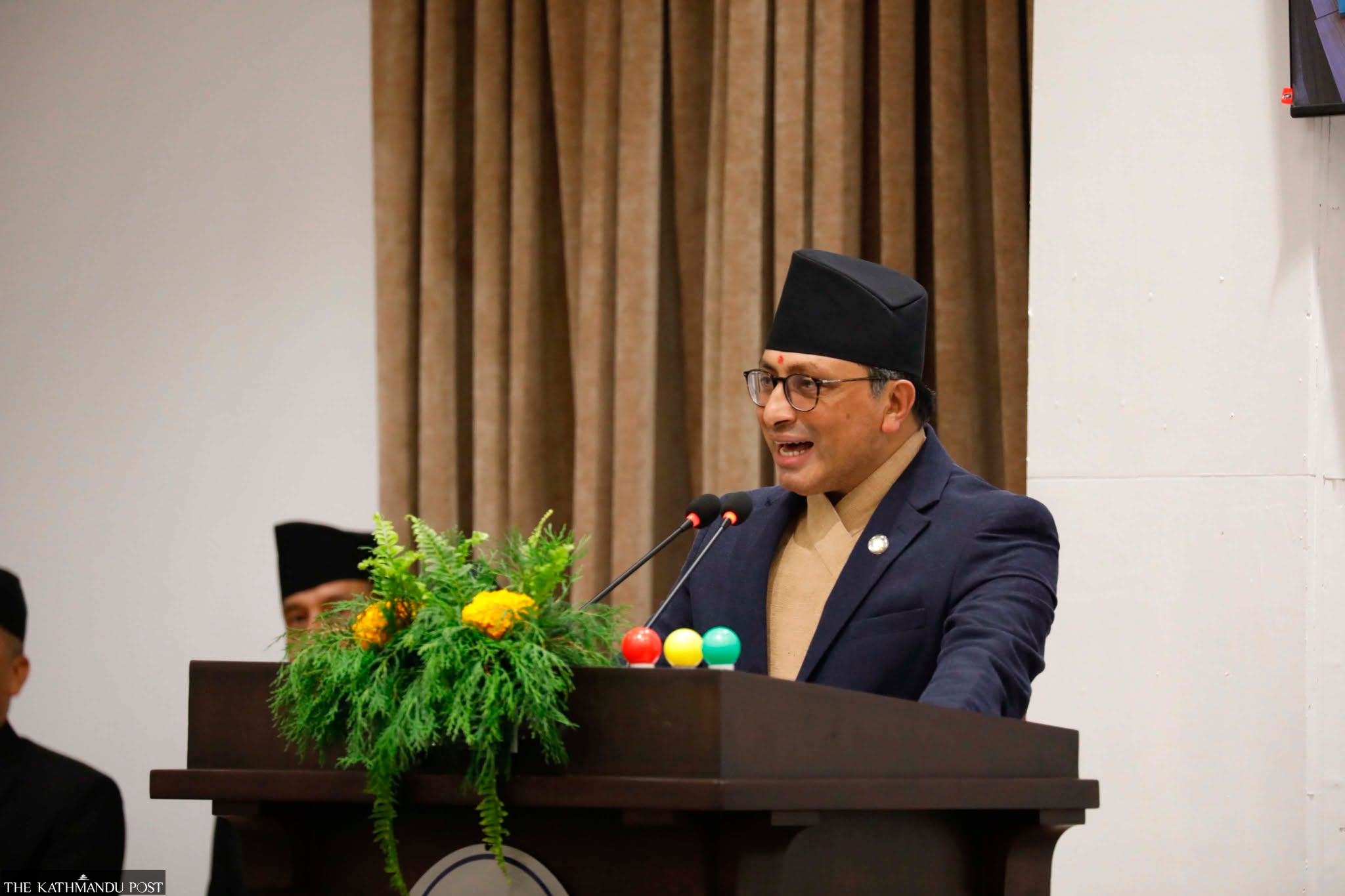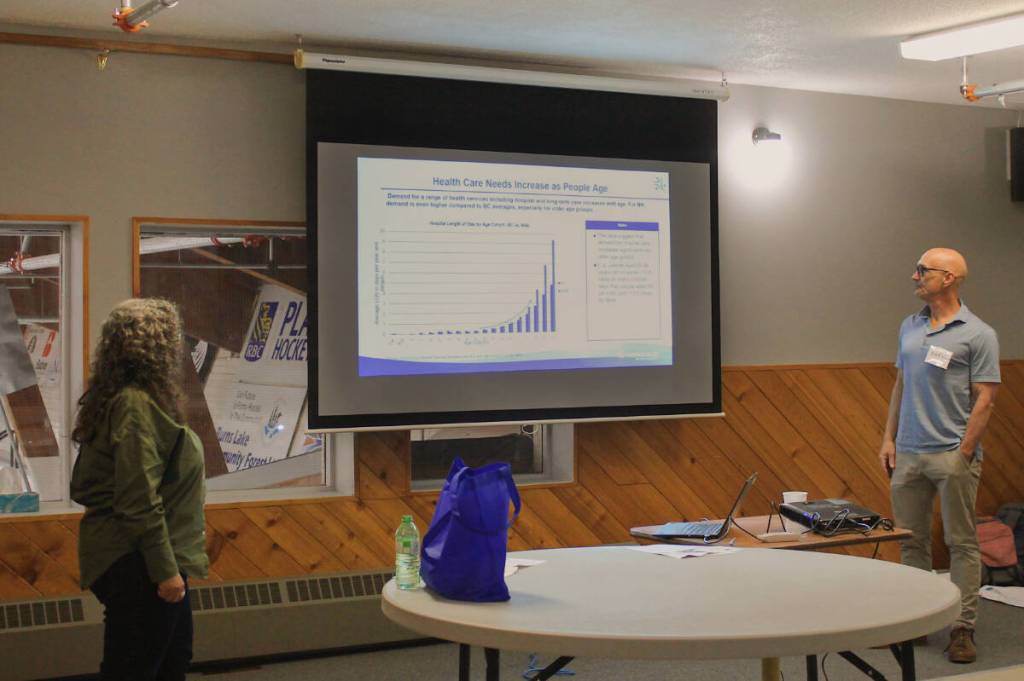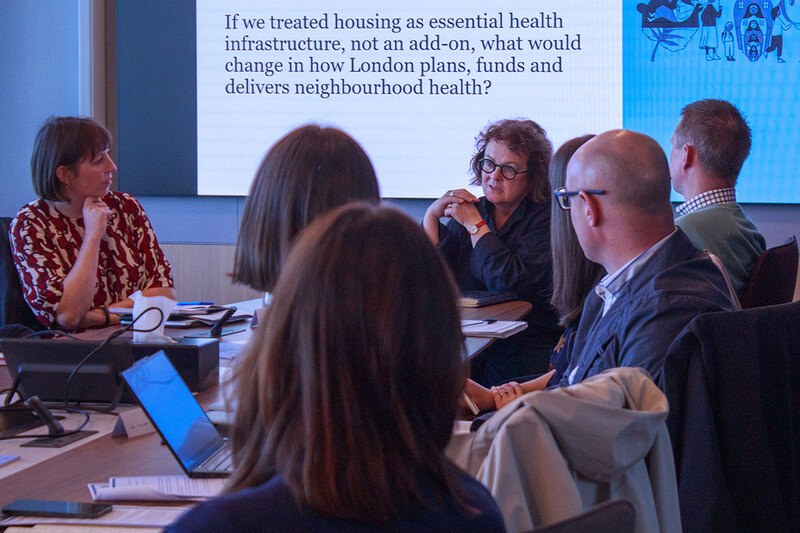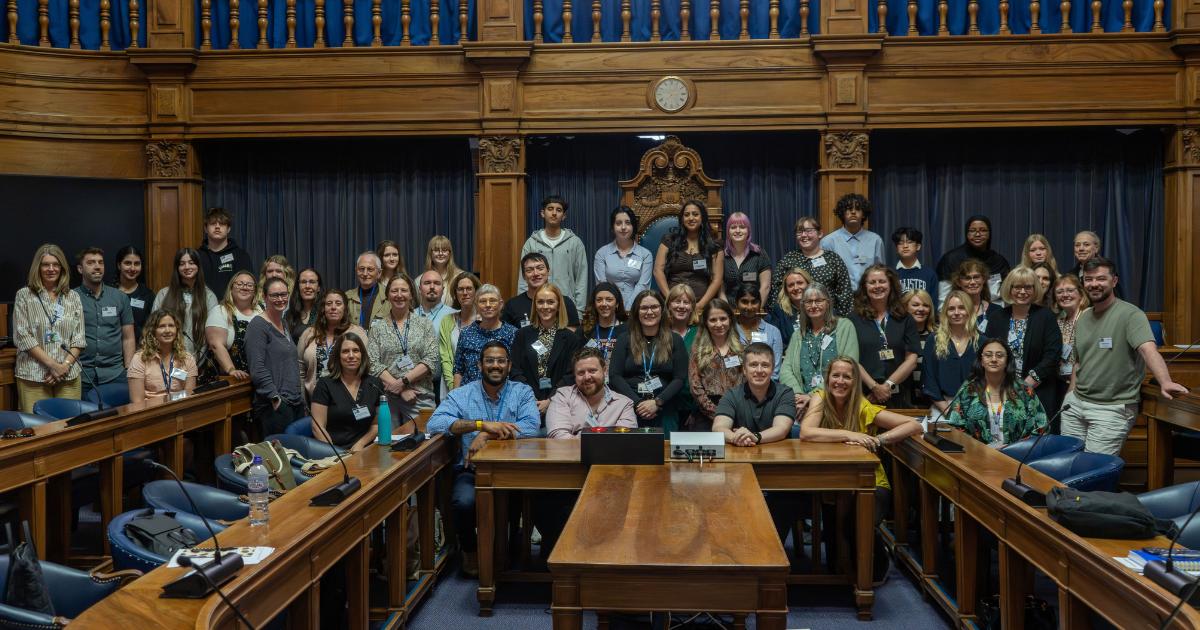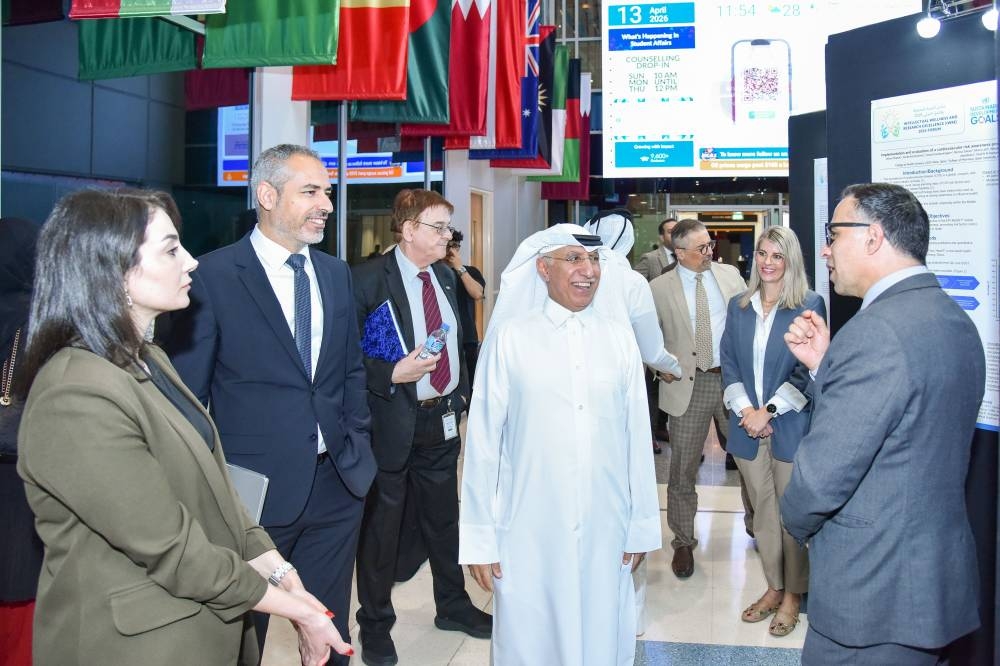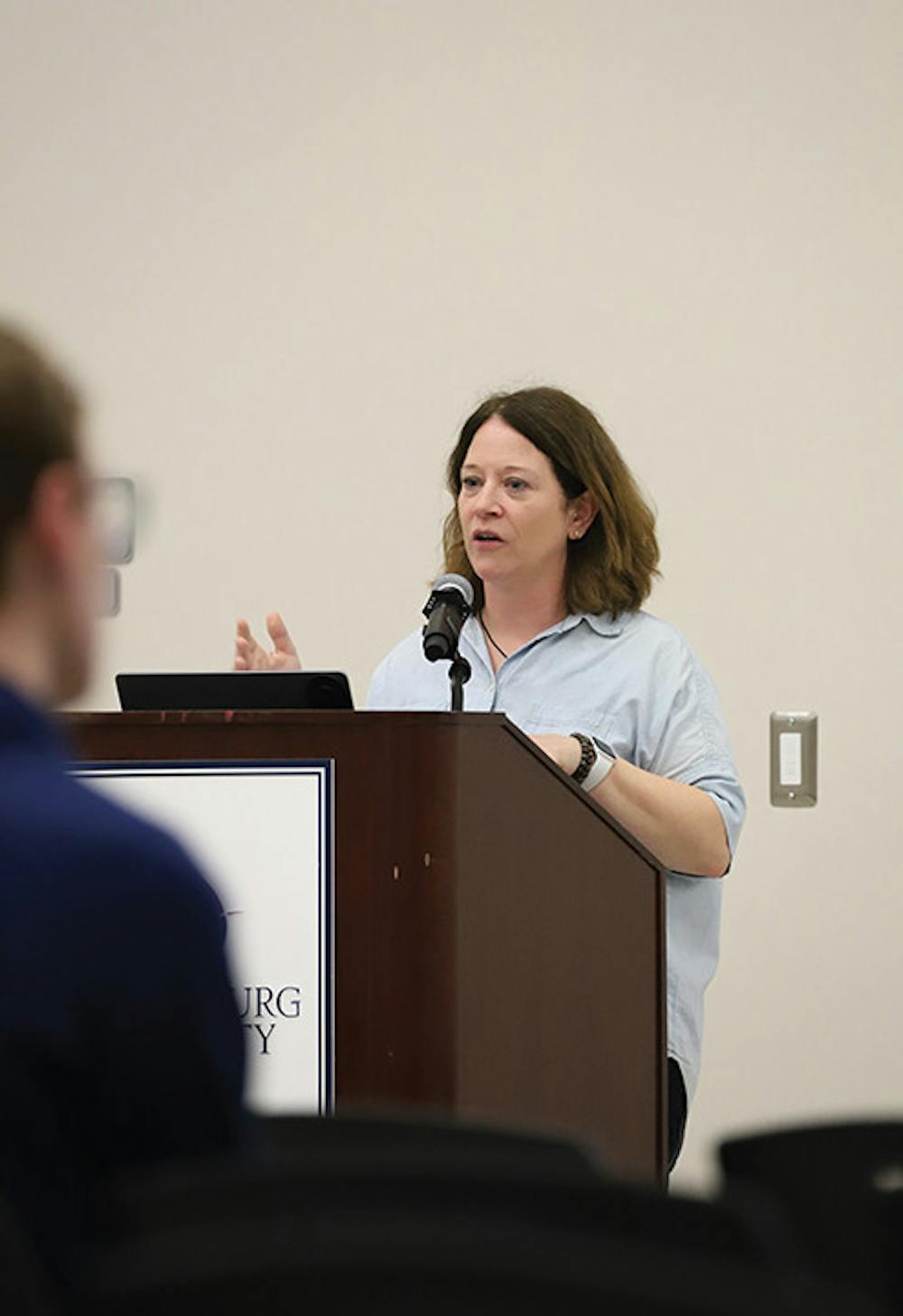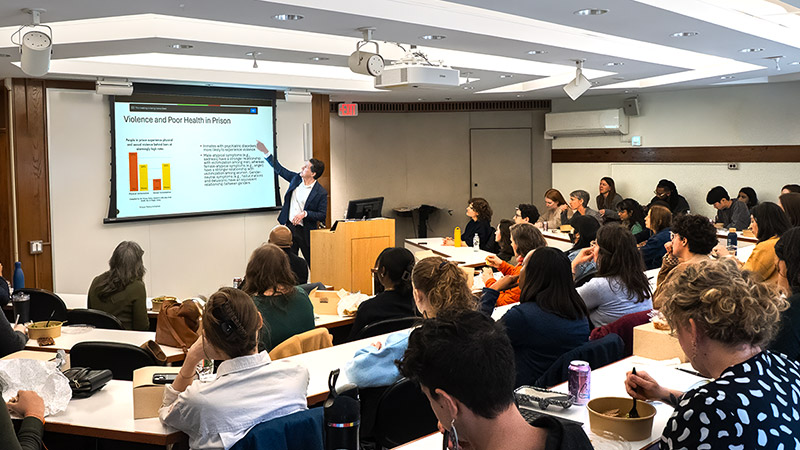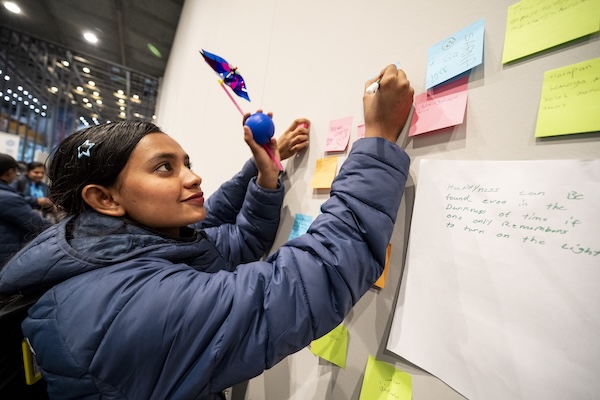
MORE than 850 delegates from across Britain descended on Scotland’s capital for Unison’s healthcare conference in Edinburgh today to discuss the challenges facing health and social care.
Members of the country’s largest health union discussed issues ranging from gender inequalities embedded in NHS pensions and the challenges faced by migrant workers in the care sector, to the ethnicity pay gap and winning the long-running battle against outsourcing.
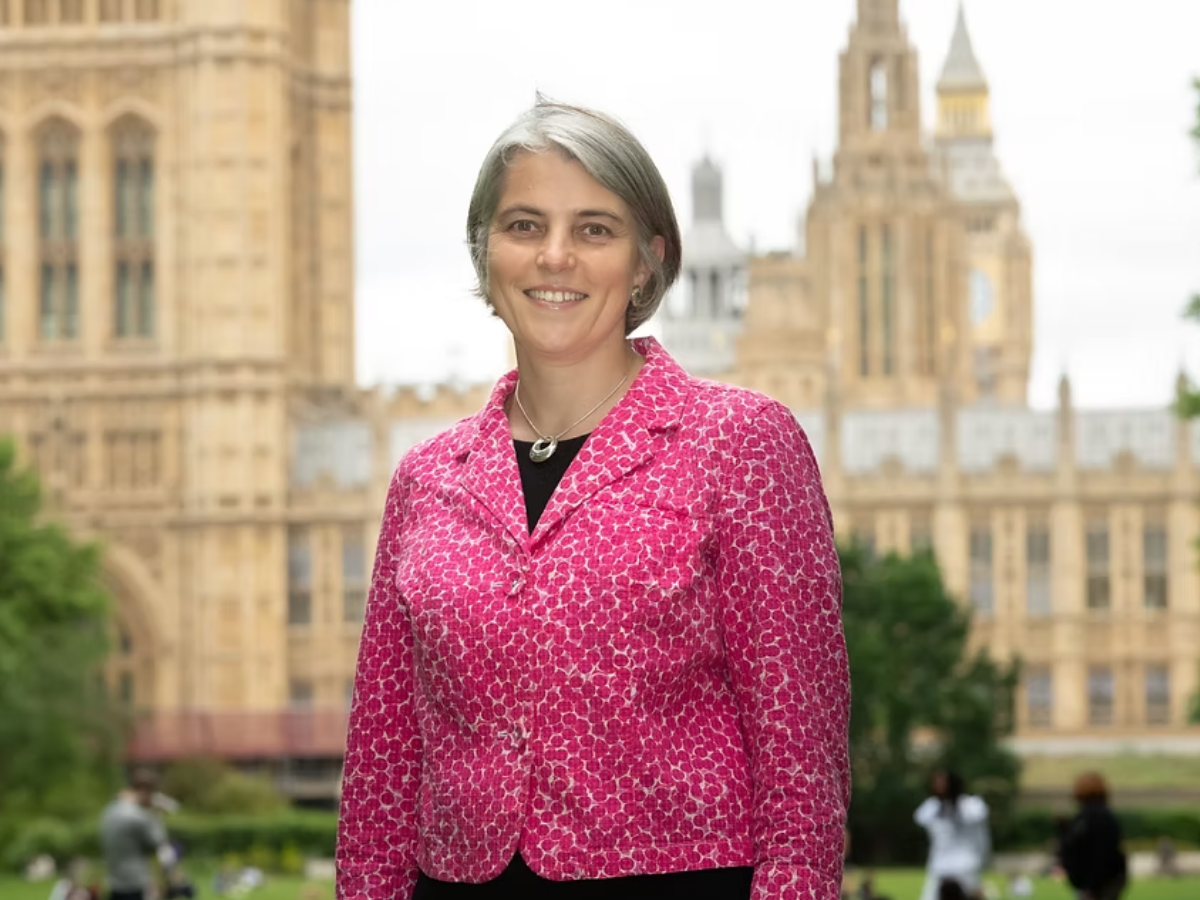
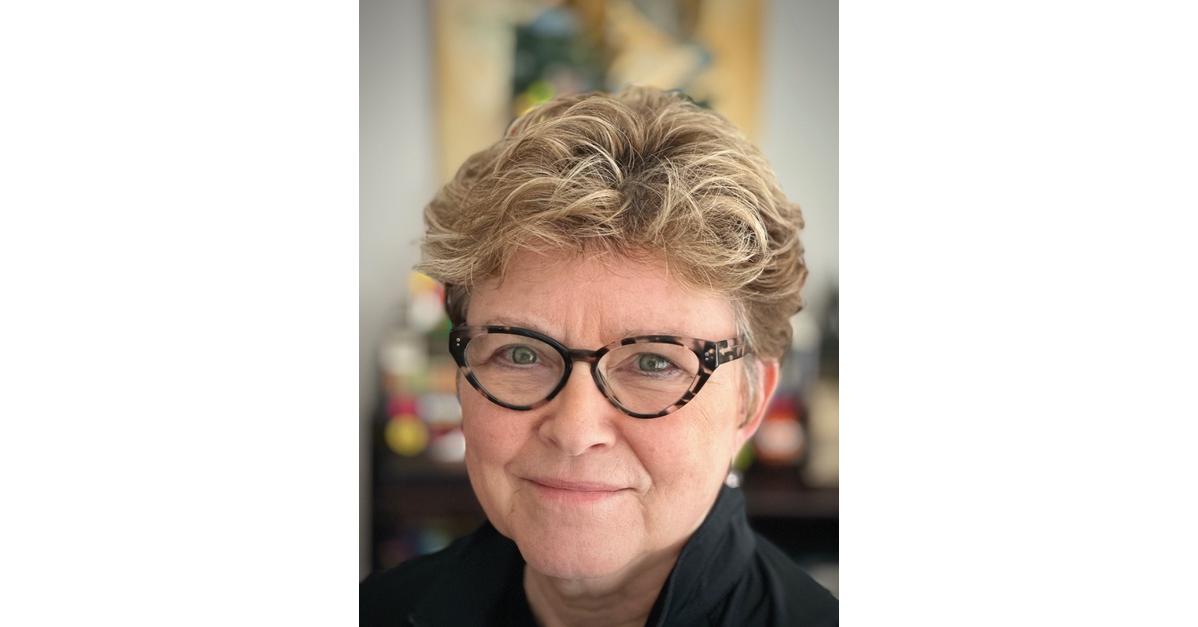
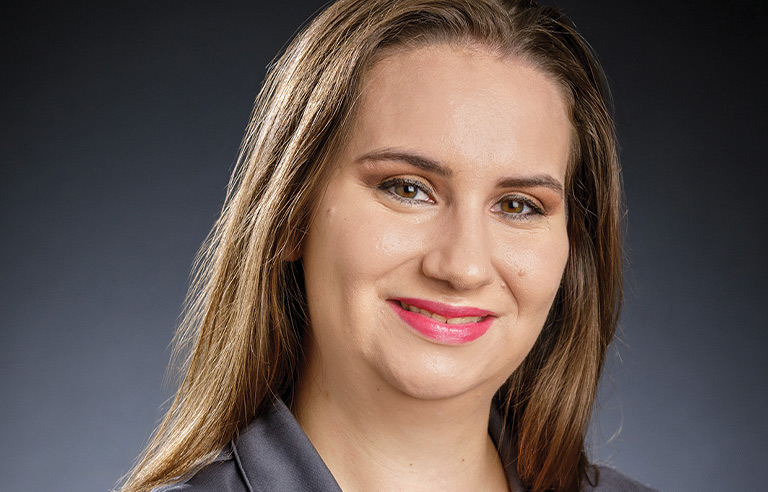
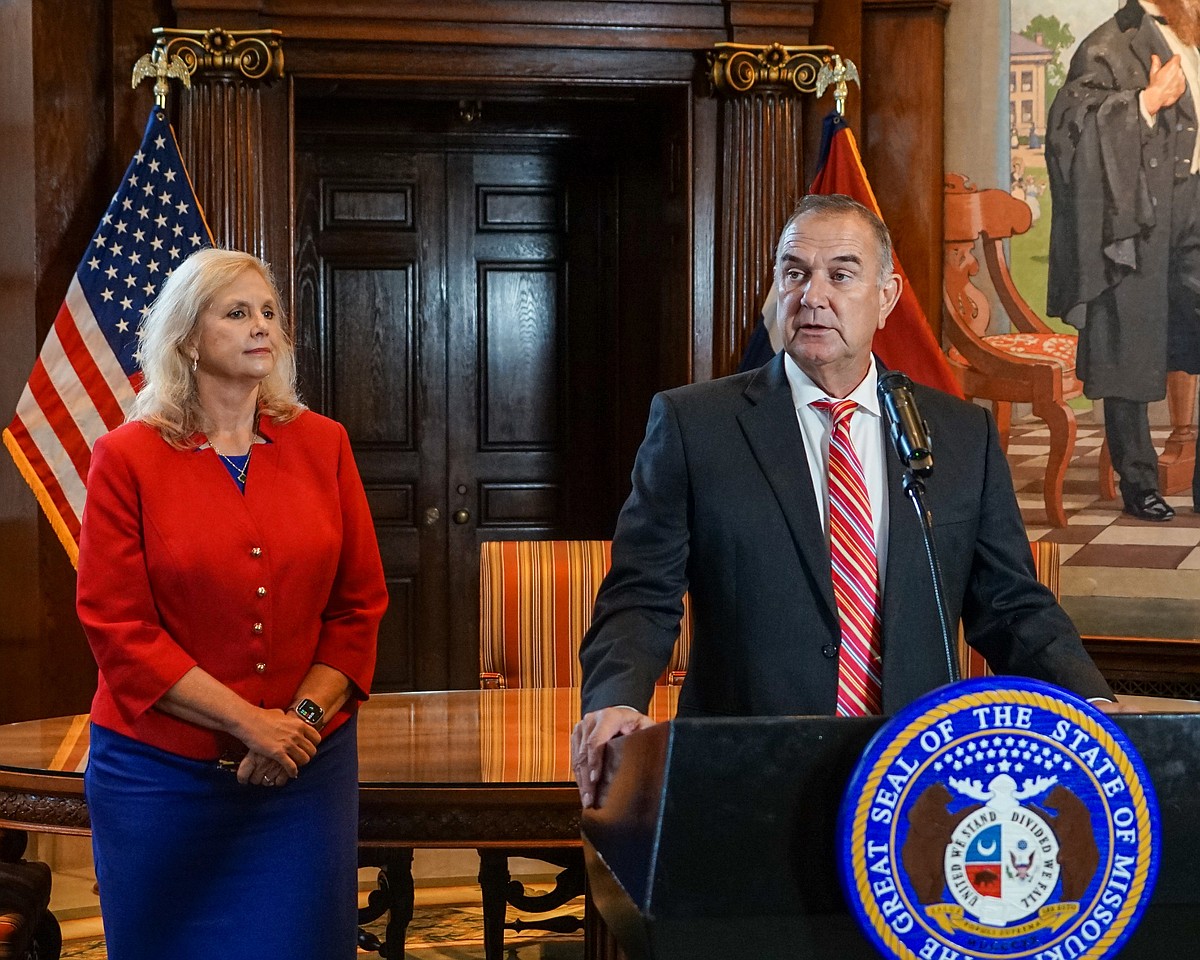
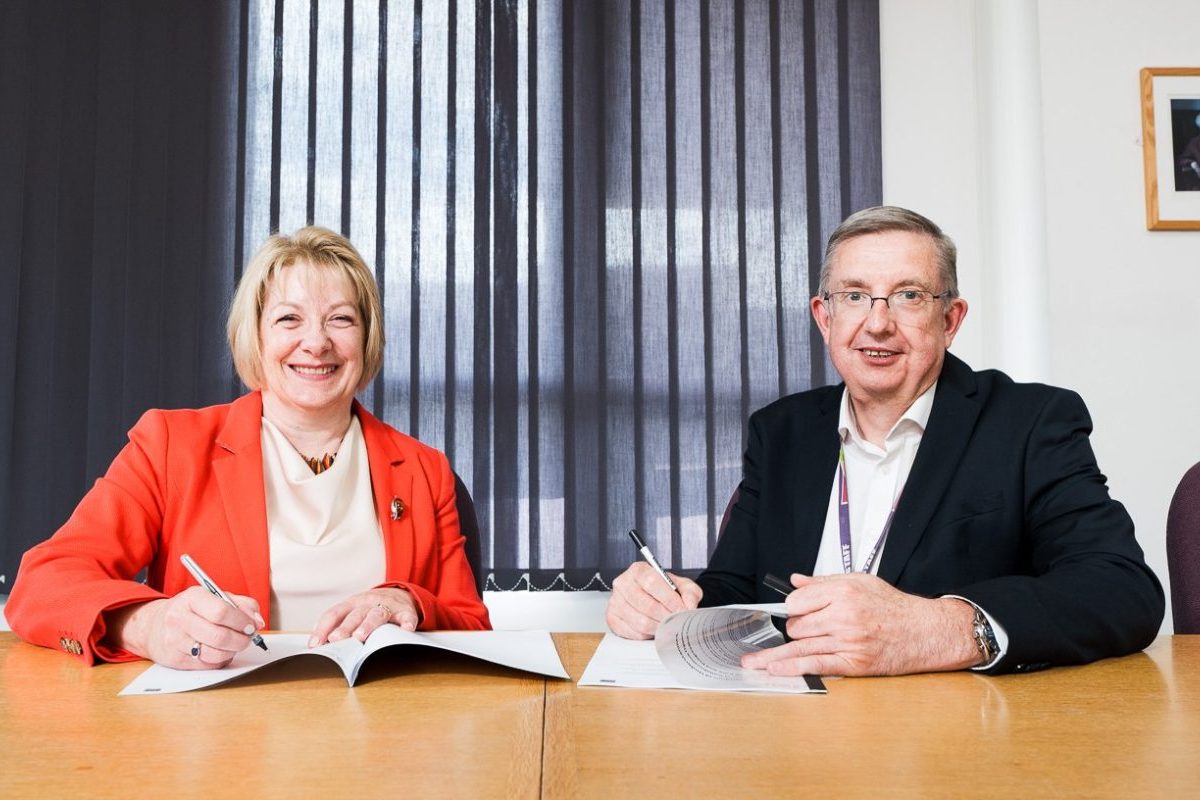
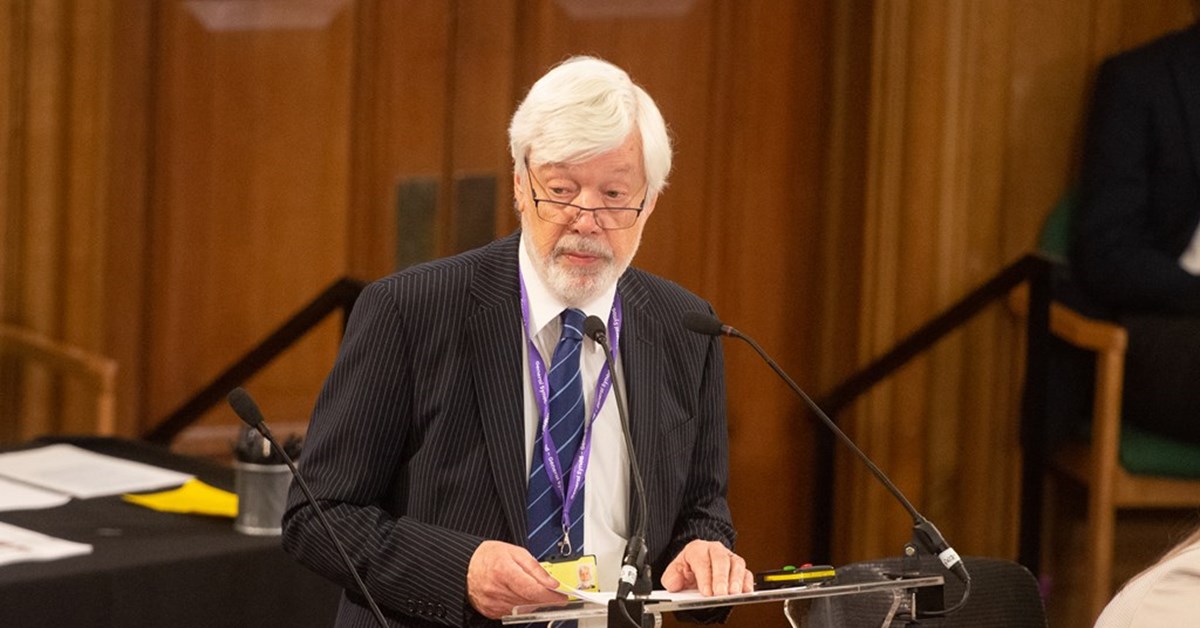
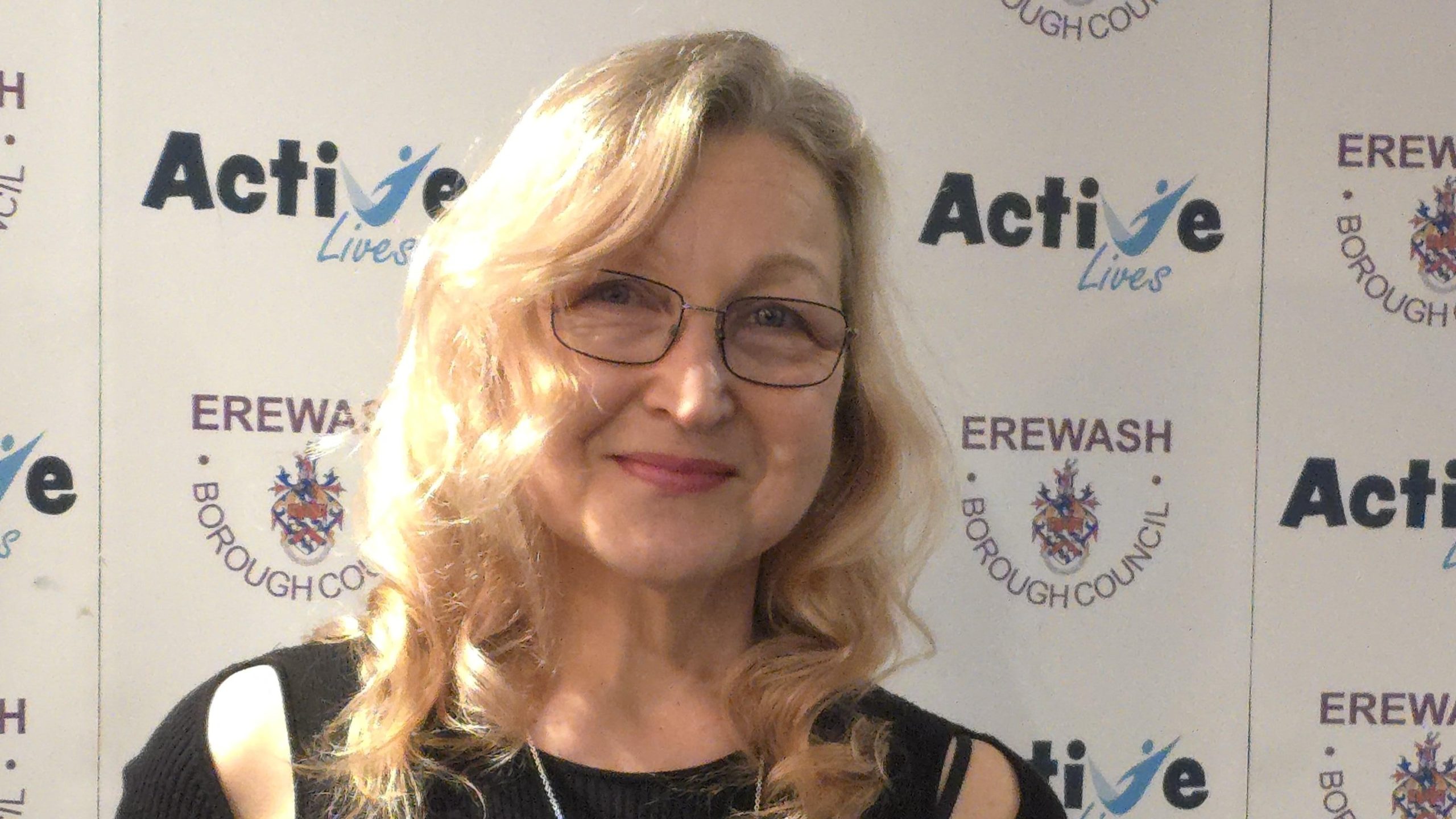
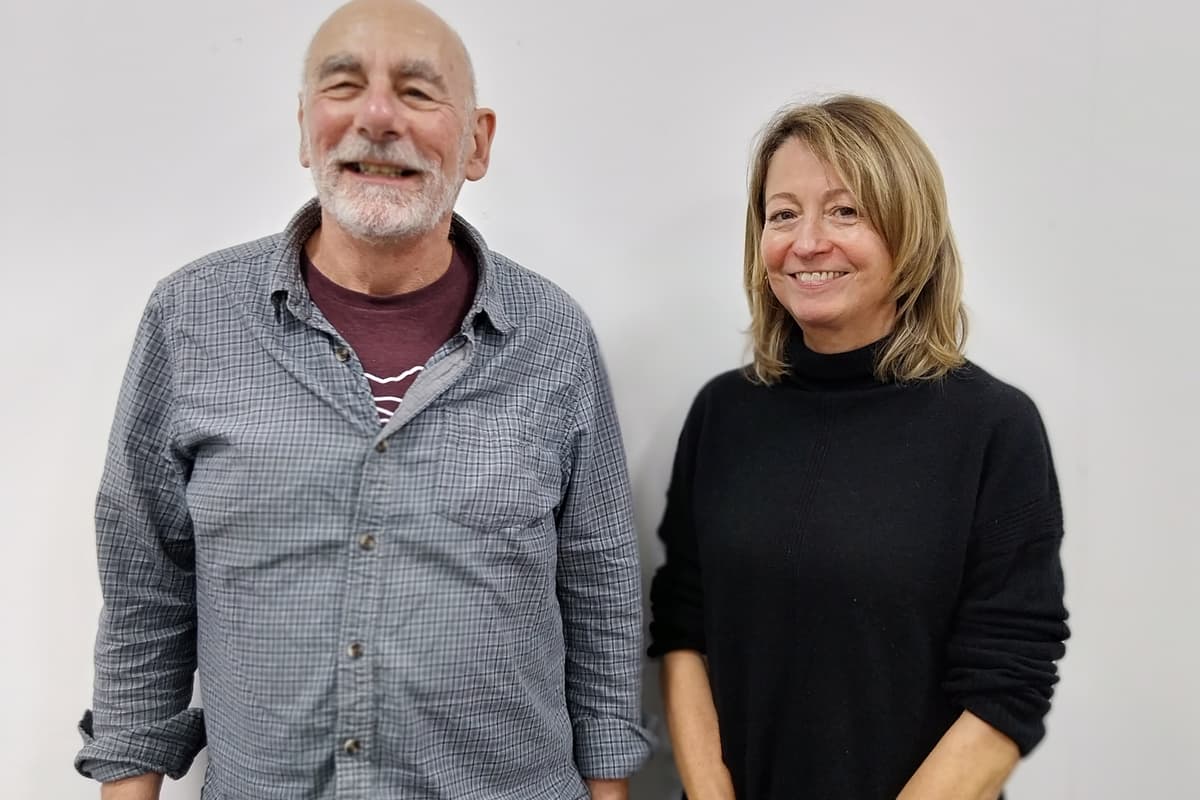
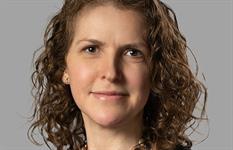
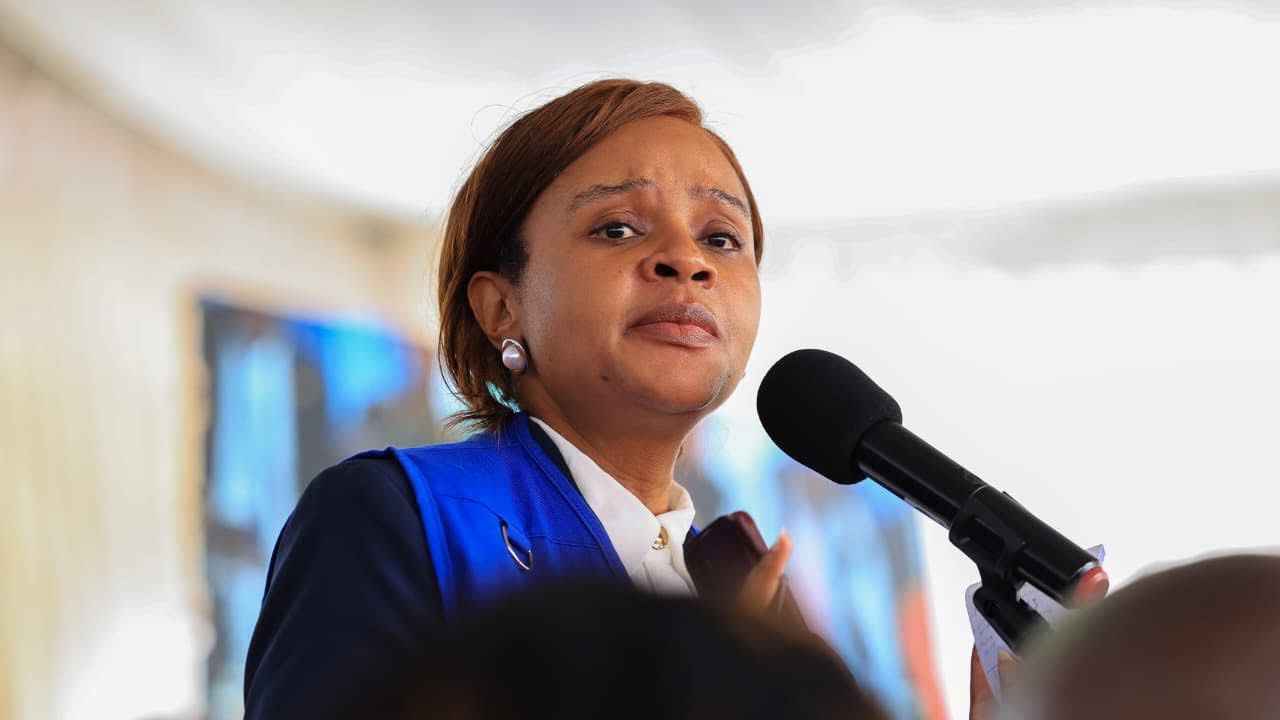
Addressing conference, the union’s president Catherine McKenna said: “You care for our loved ones at their most vulnerable, and you defend our NHS — not just as a service, but as a principle.
“Across health services, people are doing everything they possibly can to deliver for the public and care for our communities often at real cost to their own health and wellbeing.
“We understand the ethical duty that drives health workers to keep going, even in the most pressured and dangerous conditions.
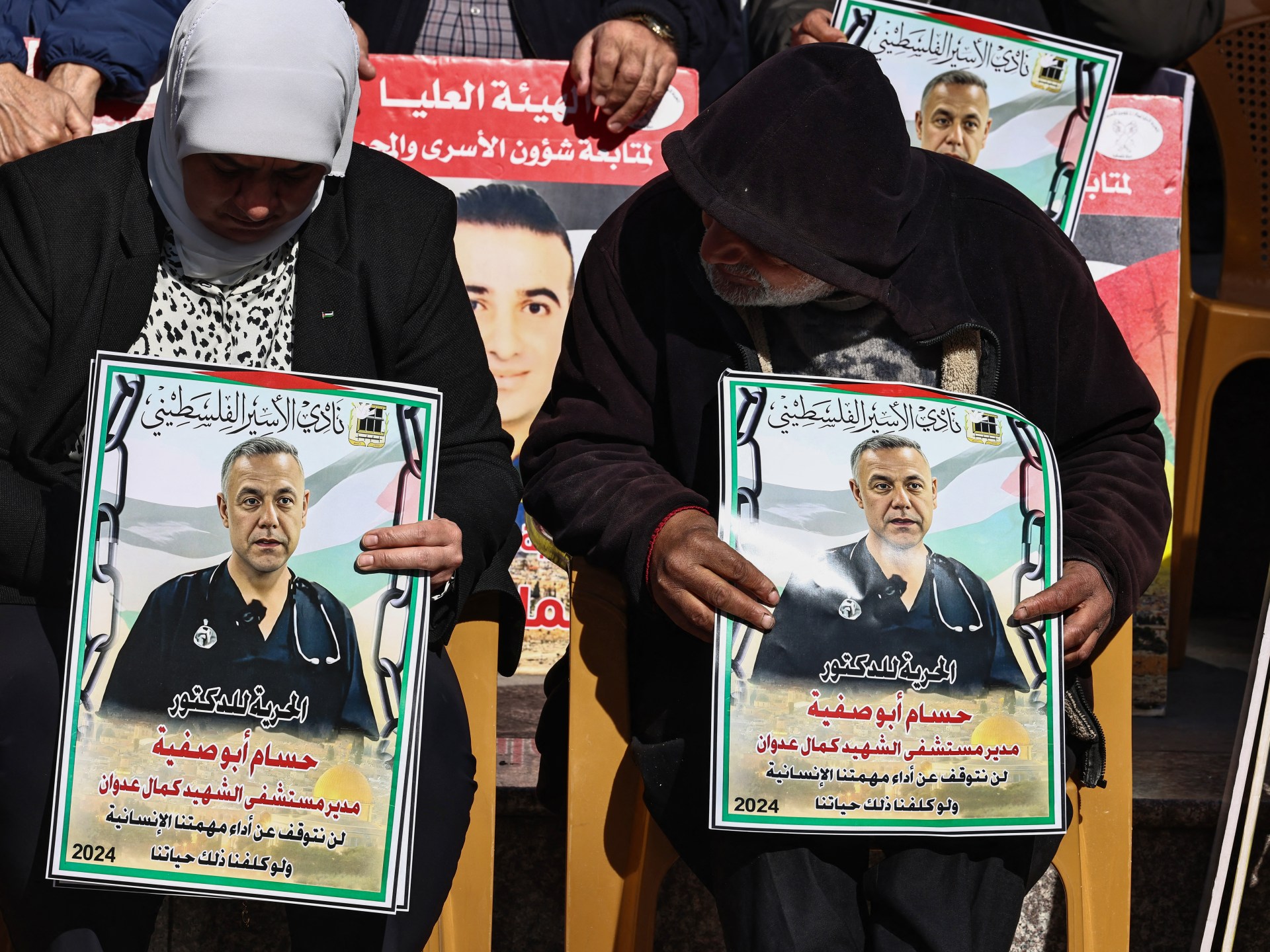
“That is why we stand in solidarity with Palestinian health workers, and all health workers in conflicts around the world with patients denied care and with communities enduring unimaginable loss.
“You know what it means to keep caring under pressure, to put patients first when resources are stretched and to hold onto professional values in the hardest of circumstances.
“Over the past winter, food banks handed out a parcel every 10 seconds.
“This is the long shadow of austerity, and public services across the UK bear the scars of years of neglect.”
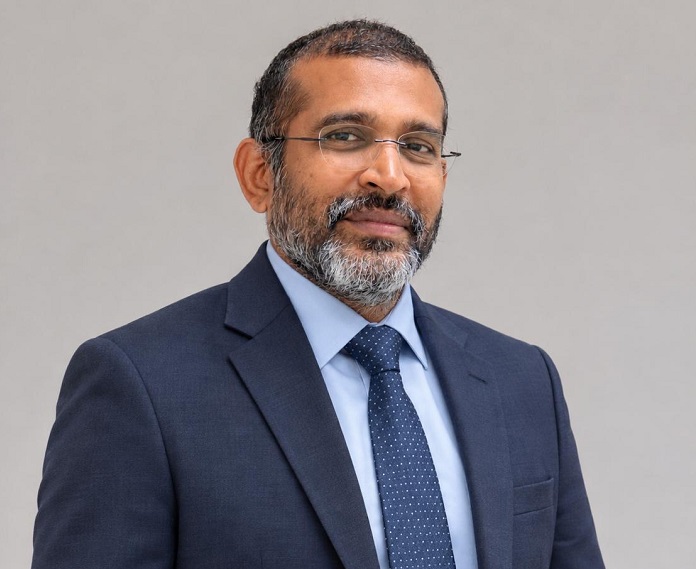
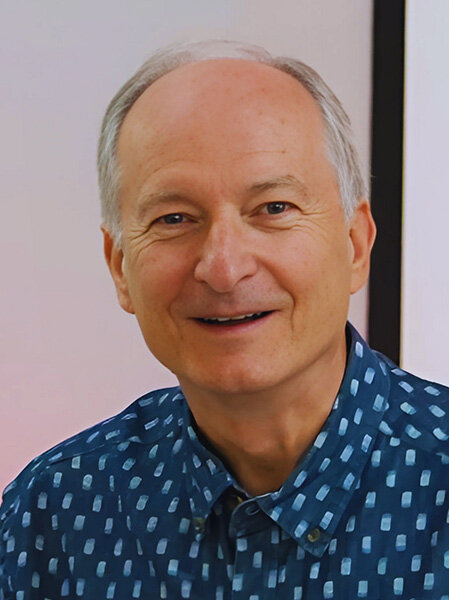
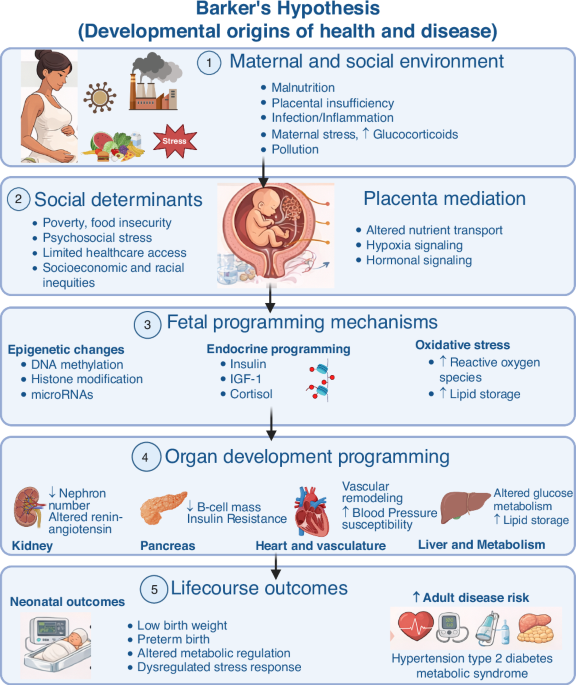
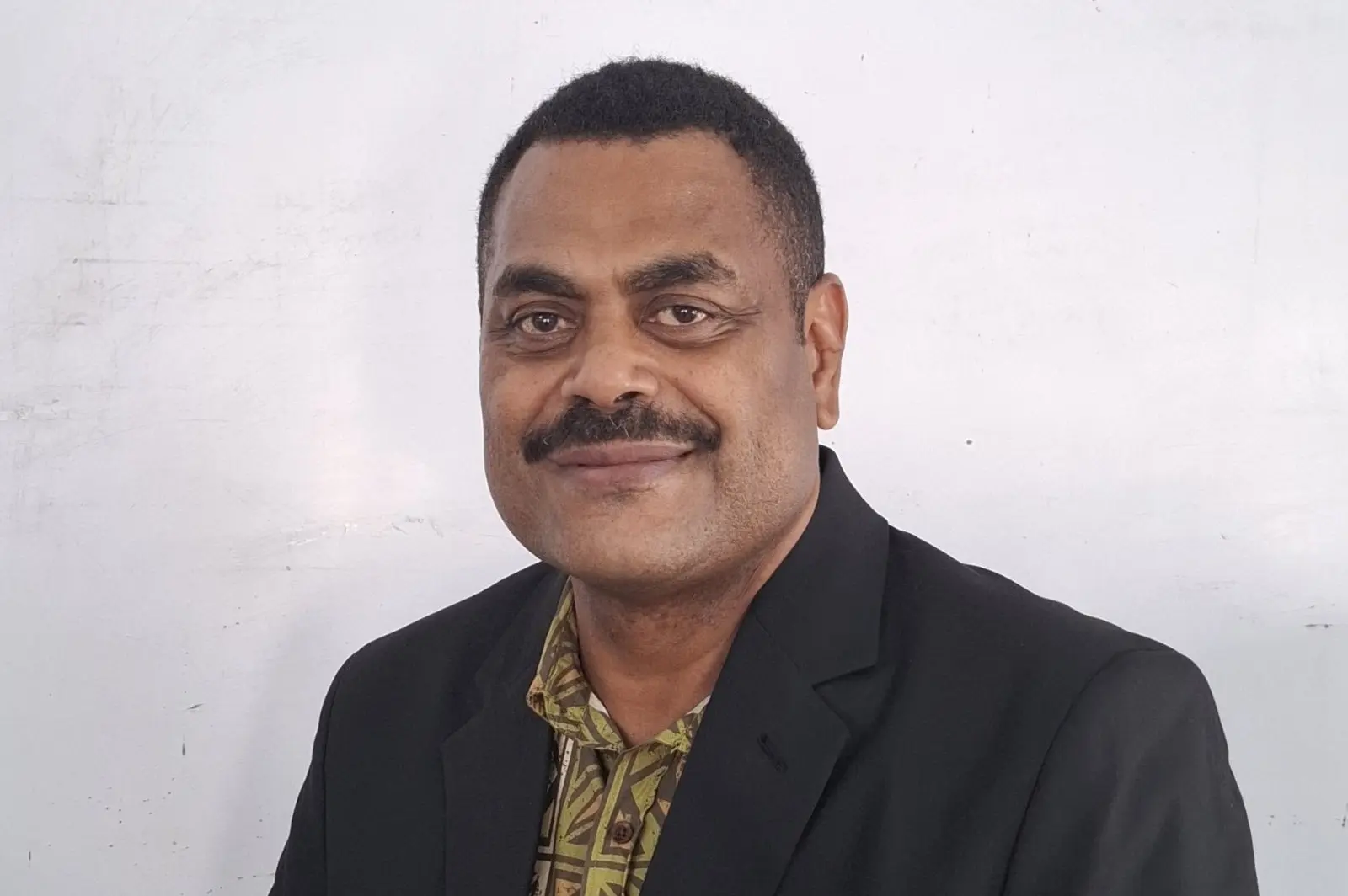
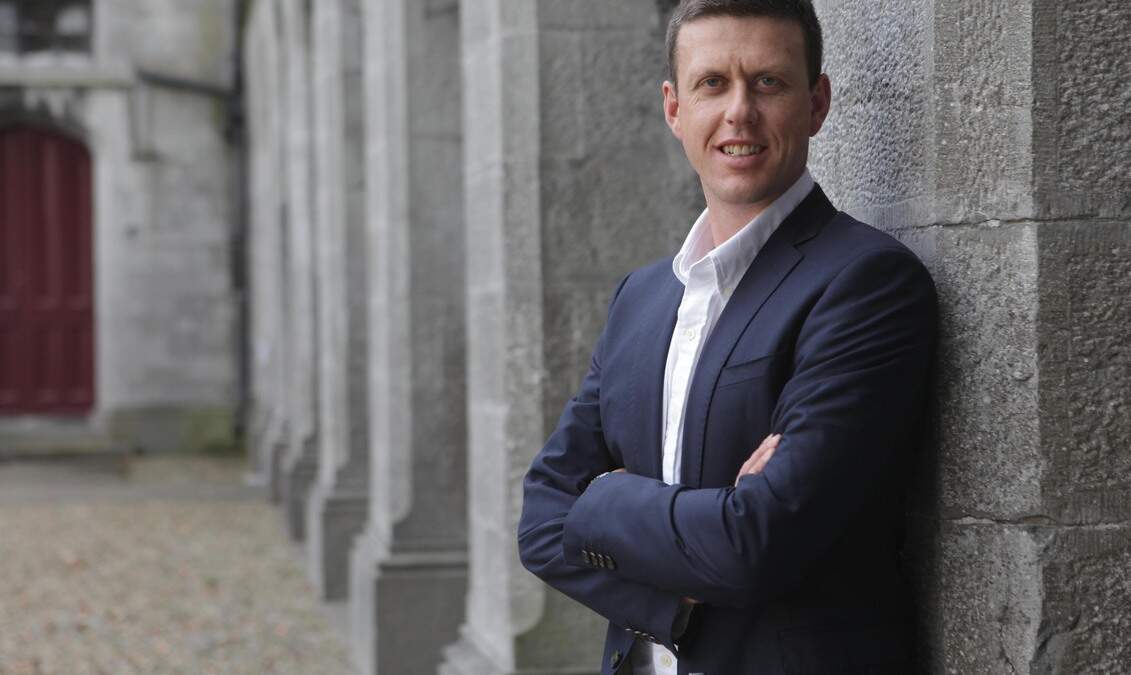
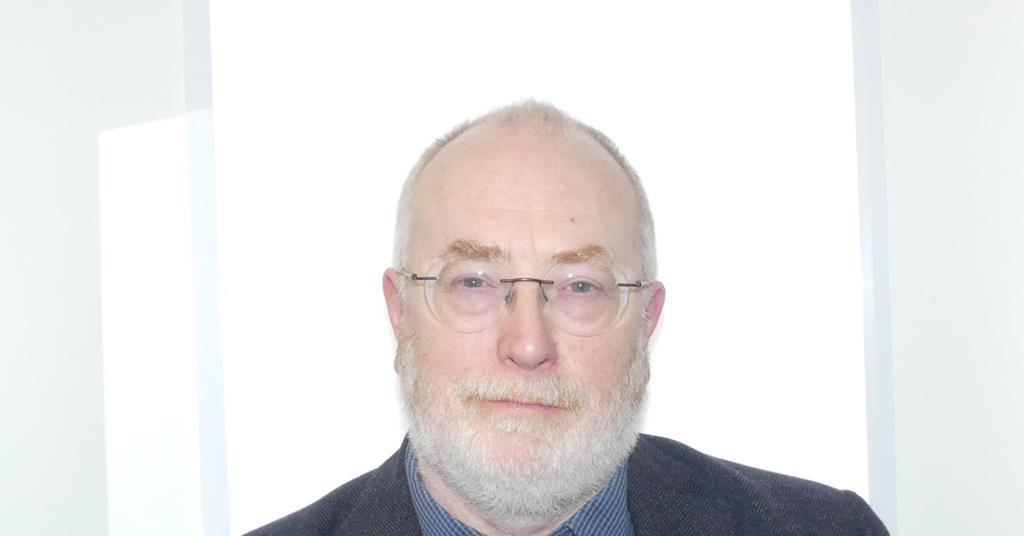
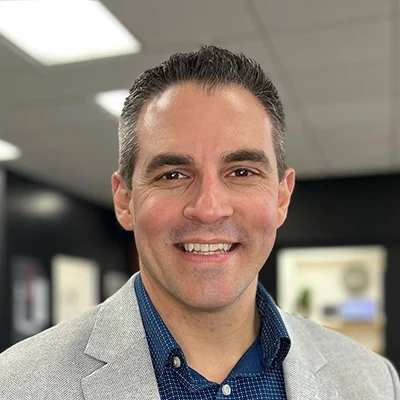
Also drawing that connection, guest speaker Poverty Alliance chief executive Peter Kelly told conference: “For all of the indignities that poverty brings, for all the waste, for all the lost potential, the economic damage that poverty brings, it’s the harm associated with health outcomes and most brutally with reduced life expectancy that still shocks us all.
“Those in the lowest incomes in Scotland compared to those in the highest were four times as likely to die of heart disease, twice as likely to die of cancer under the age of 75, four times more likely to die between the ages of 15 and 44, and 14 times more likely to end up in hospital because of drug use.
“These outcomes aren’t the result of individual choices or behaviour. The idea that our current levels of poverty are inevitable, are the outcome of just the way that our economy works. That idea is false.”