News
Despite a stark decline, which saw trust fall to just 61%, one doctor sees an opportunity for GPs to harness social prescribing to improve community wellbeing.
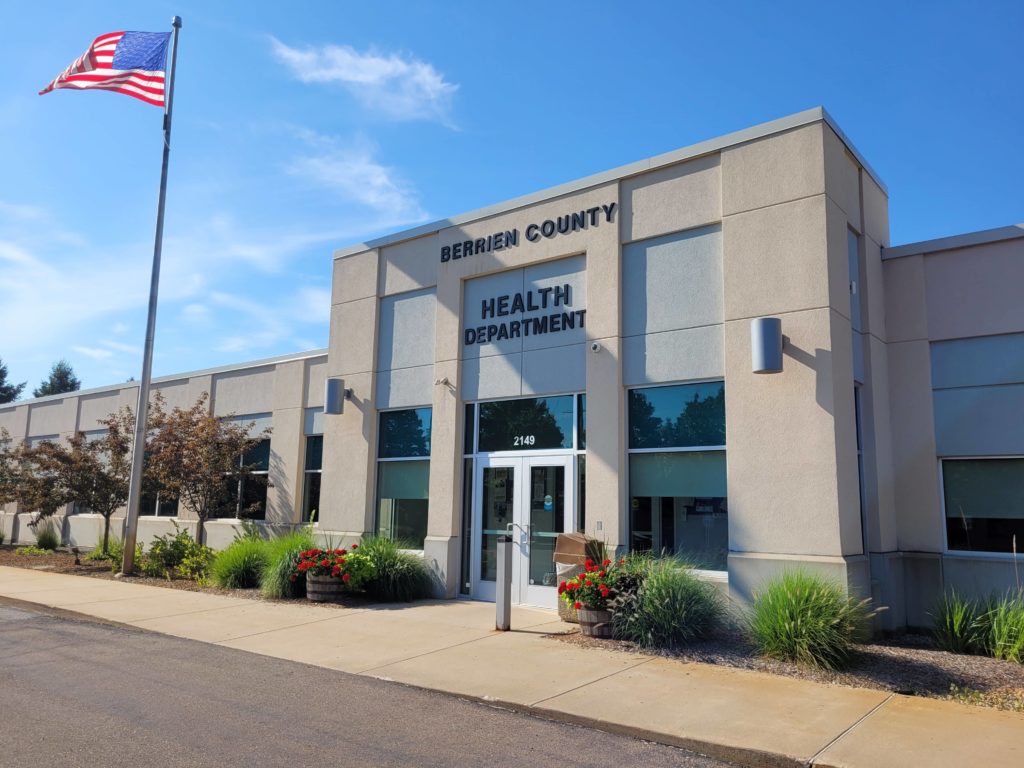
Trust in healthcare fell from 76.4% in 2020 to 60.9% in 2025.
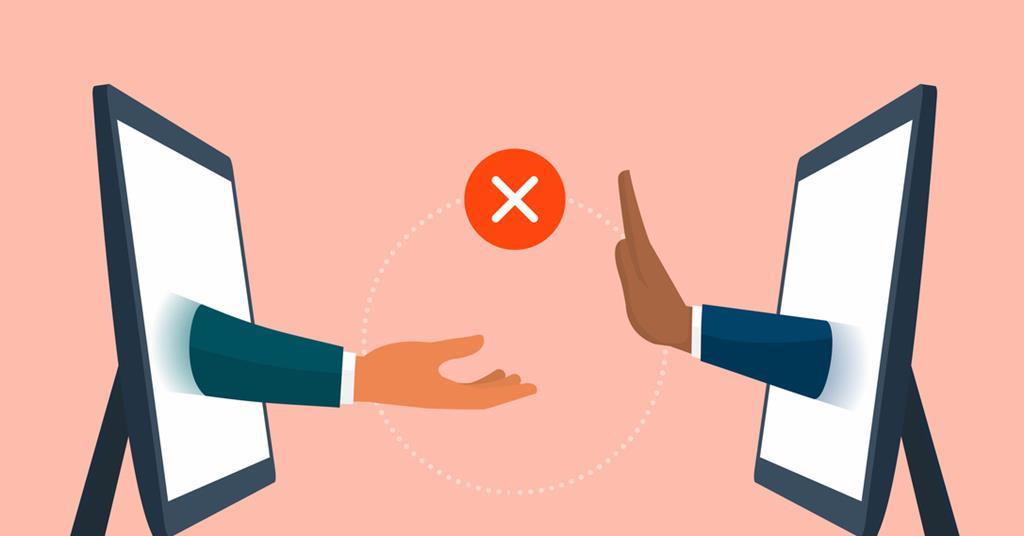
Fraying connections, a sharp decline in healthcare trust, and more money worries: such are the somewhat bleak results of an Australian Bureau of Statistics (ABS) social survey released this month.
Using responses gathered from 13,302 households in May and June last year, the ABS reports falling trust in the police, healthcare and justice systems, and other people.
Trust in healthcare fell the furthest, down from 76.4% in 2020 to 60.9% last year.
The survey also revealed 26% of people had difficulty accessing service providers in 2025, up from 21% in 2020 – at a time when 9% of Australians have experienced a very high level of psychological distress.
That access was significantly worse for those living in a remote or outer regional area, those with a mental health condition, or with disability.
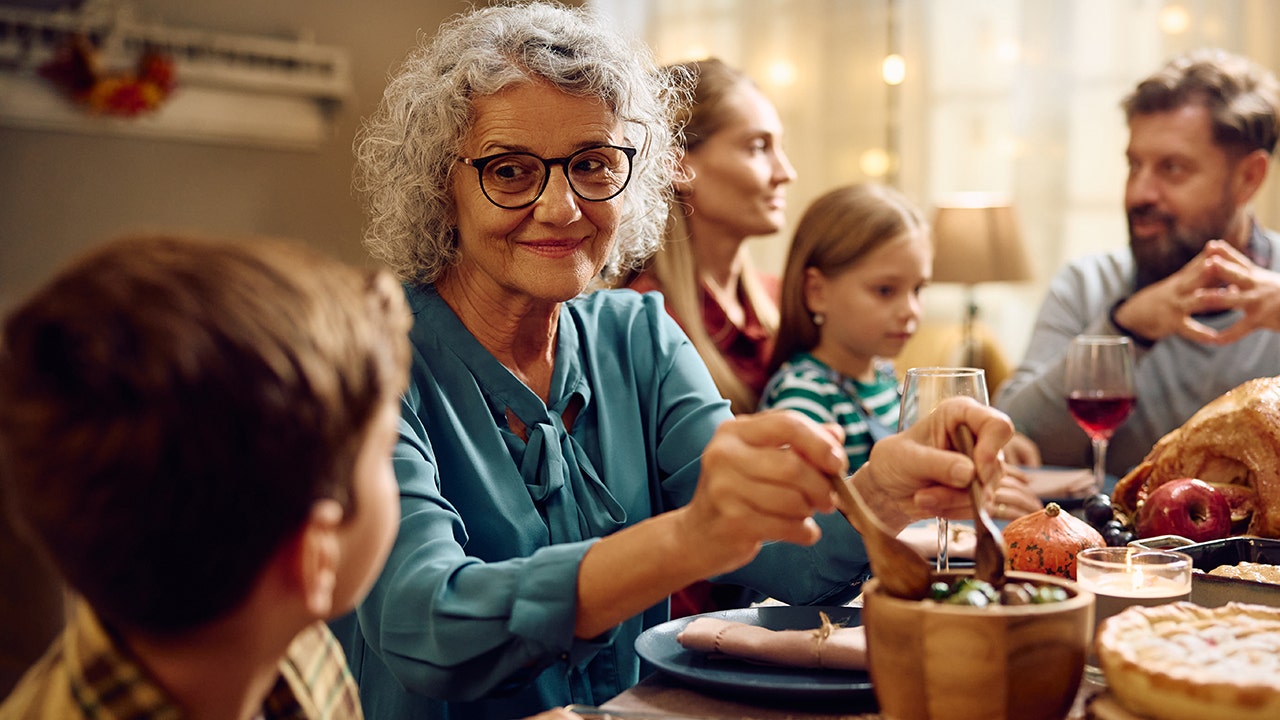
Meanwhile, just over half of respondents reported weekly face‑to‑face contact with family or friends outside the household, more than the 42% recorded in 2020 during the COVID-19 lockdown era, but significantly down on 68% in 2019.
A smaller proportion reported volunteering compared to 2019 (23% versus 30%), and financial stress also rose noticeably.
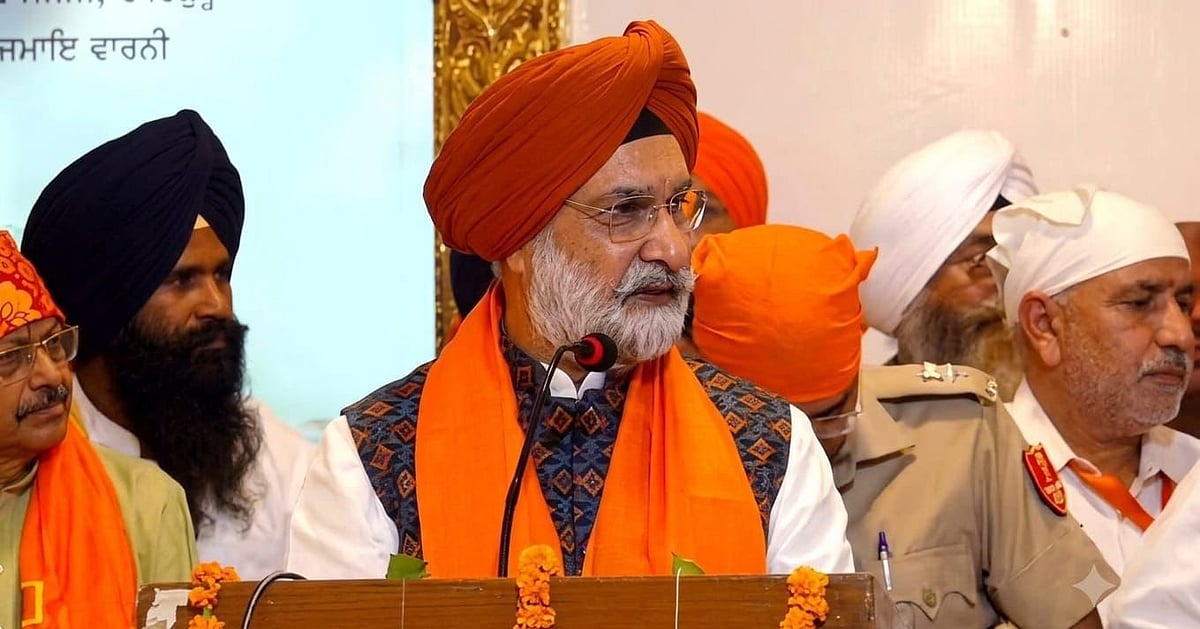
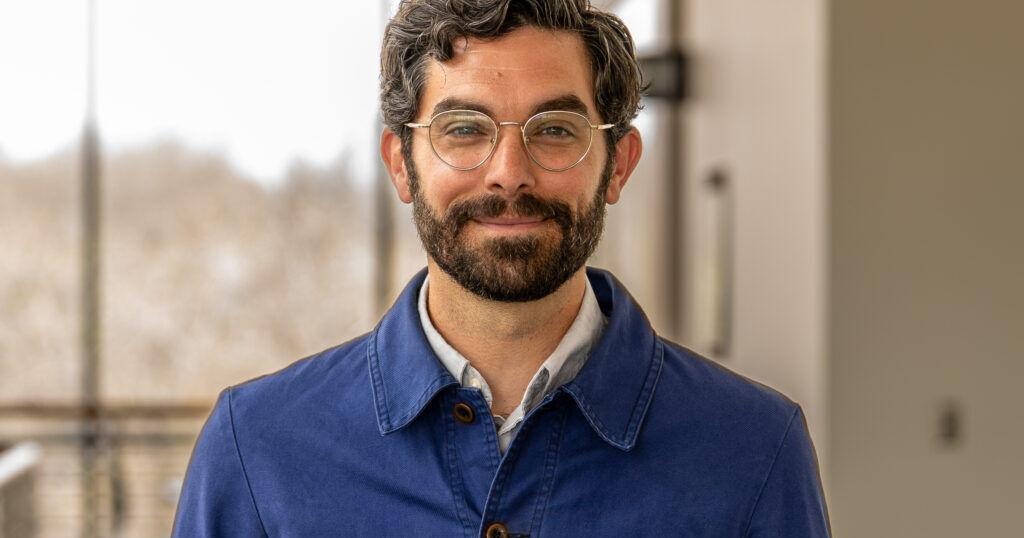
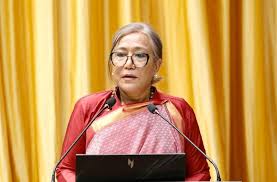
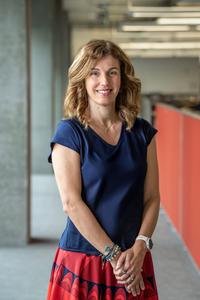
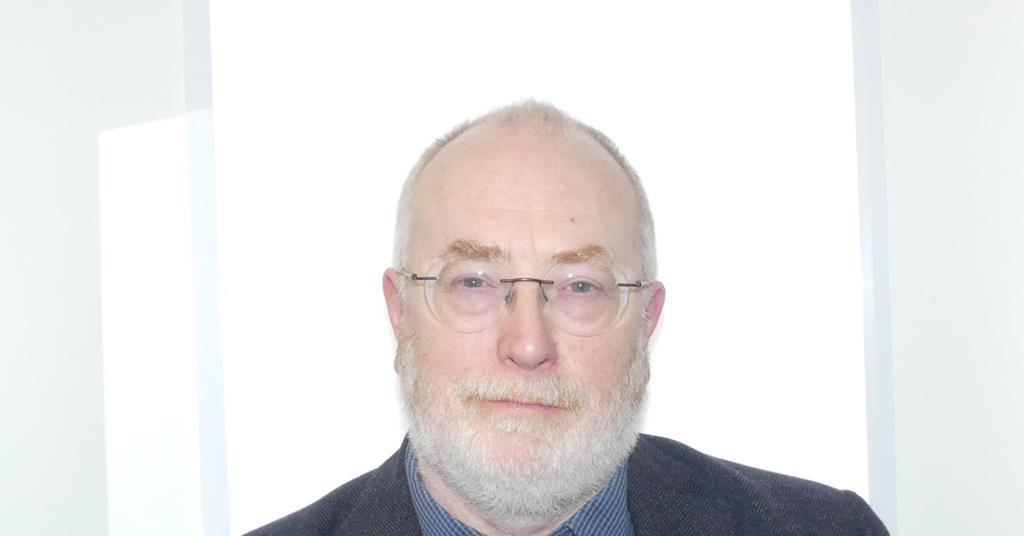
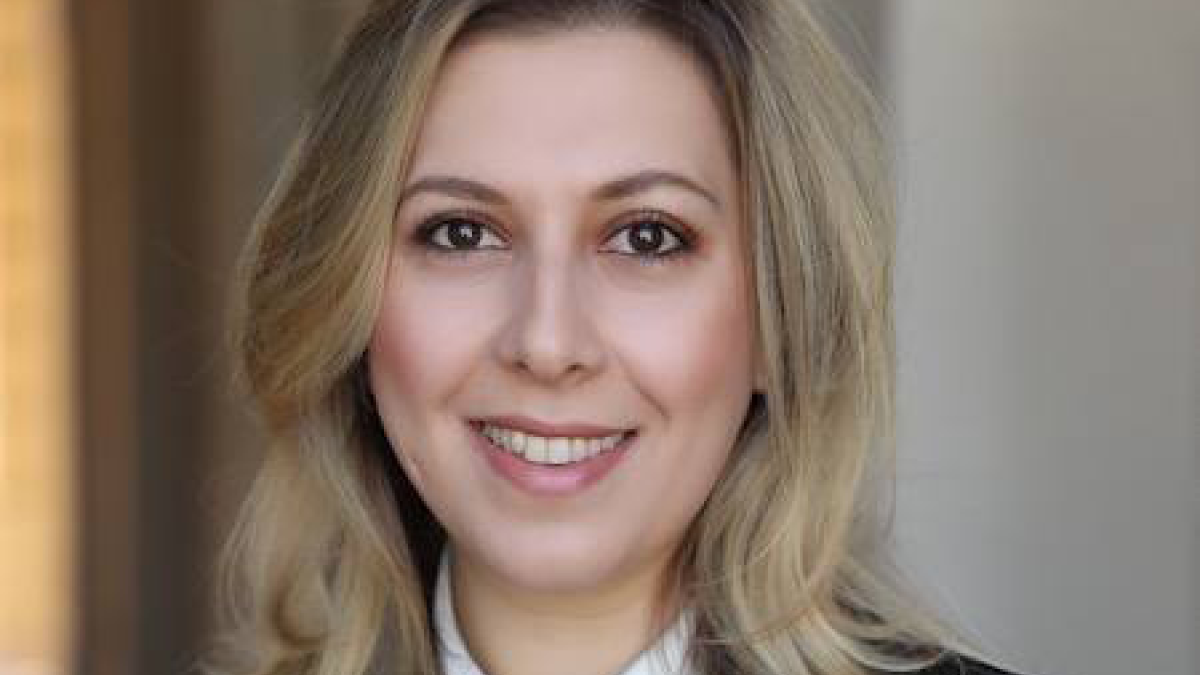
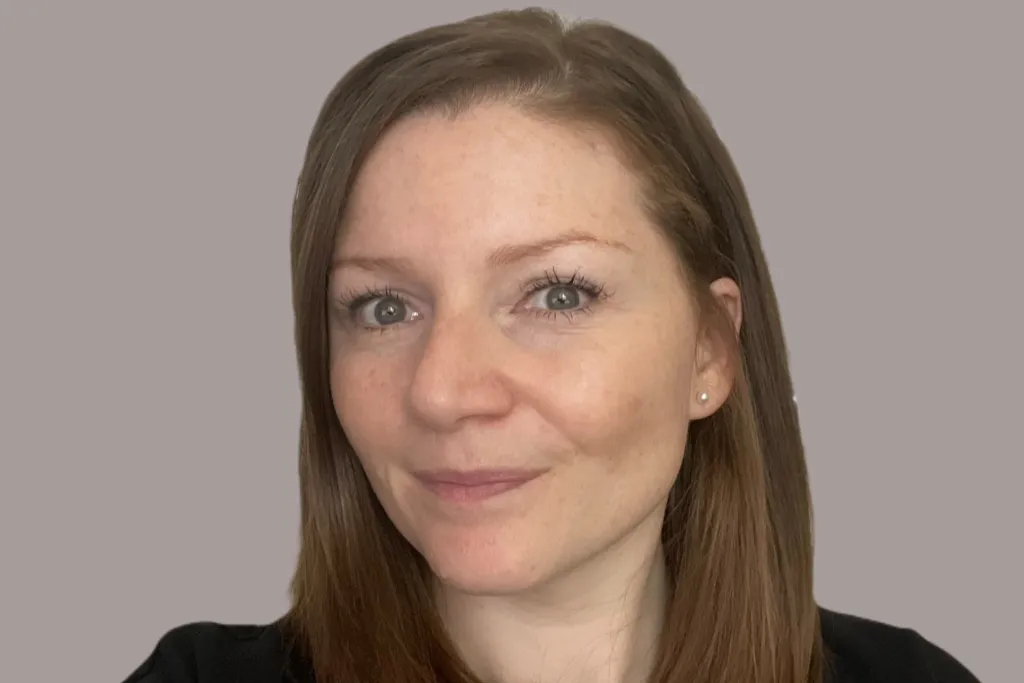
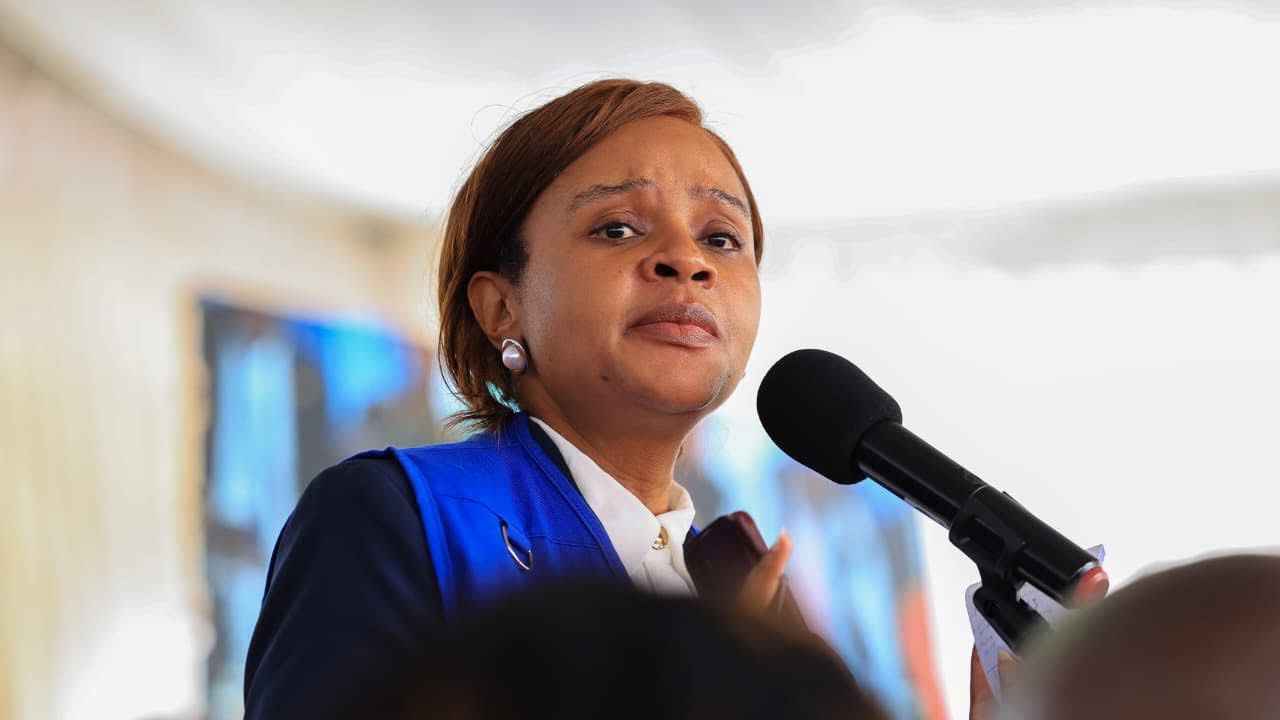
For Dr Kuljit Singh, Chair of RACGP Specific Interests Social Prescribing, the results are ‘bleak, sad and scary’ but not unexpected.
As part of the International Social Prescribing Collaborative, which includes more than 40 countries, she sees the same theme emerging during regular online meetings.
‘I’m not surprised because we’re seeing the same trends in a lot of our Western countries, unfortunately,’ she told newsGP.
‘And this has been the case post-COVID.
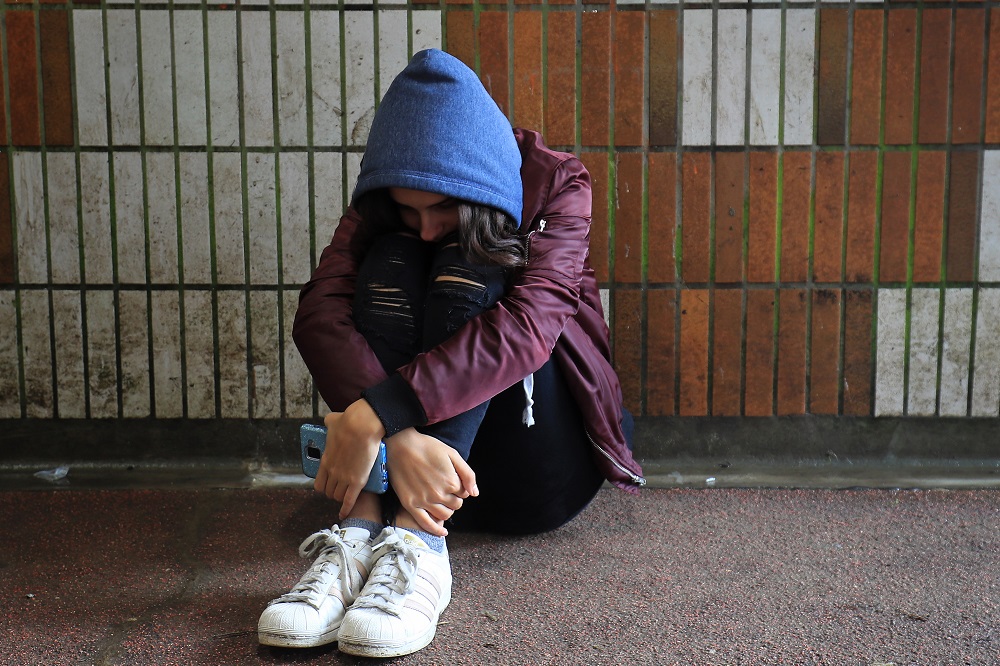
‘We’re definitely seeing this trend in social disconnection and loneliness much more, and even that reduction in volunteering, so I was expecting that – maybe not to this extent.’
‘This is the same consensus we’re hearing in every country – it’s a bit of an epidemic.’
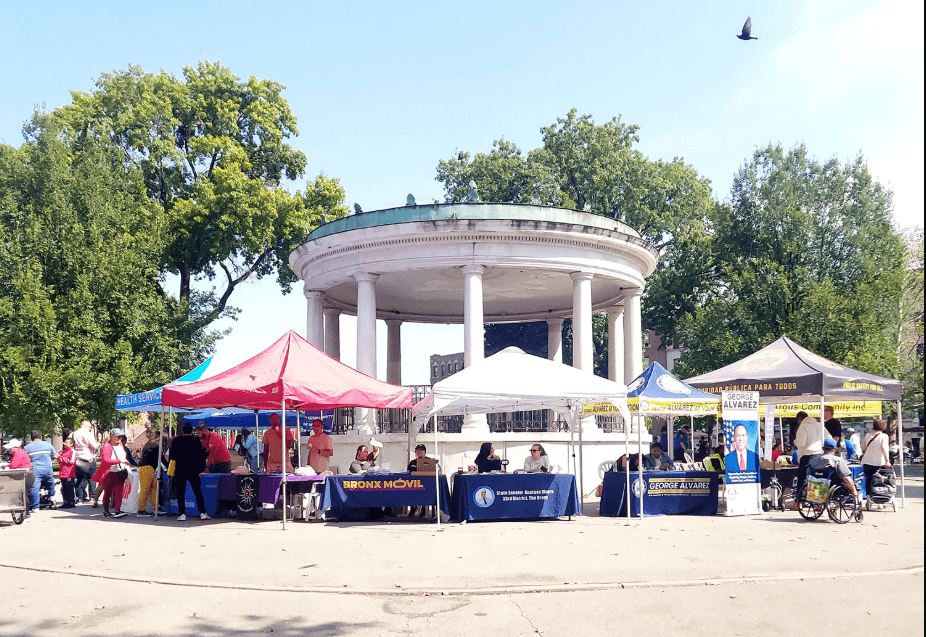
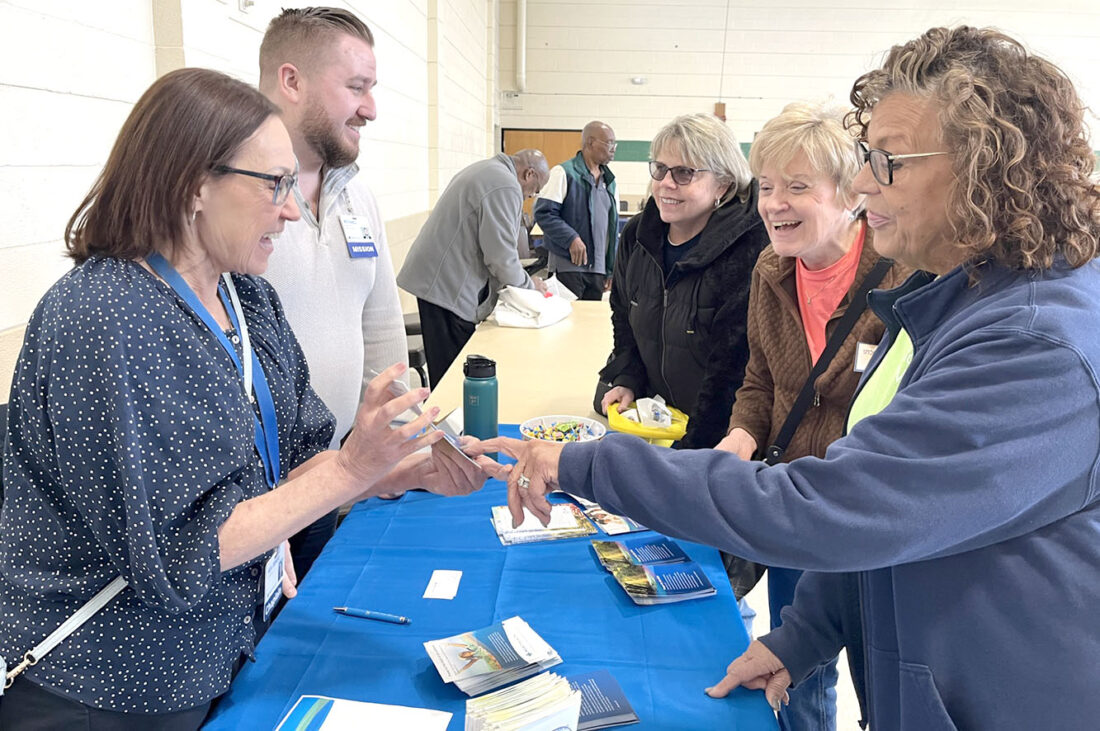
Dr Singh believes the growing social prescribing movement, which began in the UK and uses referrals to local, non-clinical services as a way of boosting health through community connection, should be part of the solution.
She points to its embrace by the World Health Organization, which has cited social isolation and loneliness as one of its top global priorities, and this week’s World Health Assembly where the issue has also been on the agenda.
‘They’re clearly saying that social prescribing is the bridge to that gap and it’s just a matter of how we implement it effectively throughout the world,’ she said.
Acknowledging the many factors involved in social wellbeing, from education to planetary health, she not only sees social prescribing as an additional tool for a clinician to deploy, but also something that could help address the declining trust registered in healthcare.
‘It is just getting back to that basic physiology that we are social beings,’ Dr Singh said.
‘We’ve been addressing physical health, we’ve been addressing mental health, but social health has been neglected a bit.
‘There needs to be awareness, there needs to be education, there needs to be understanding of the negative impact social disconnection can have on one’s physical and mental health.
‘Once people understand that significance, they will automatically want to do something about it.
‘The integration of physical, mental and social health is so important.’
Log in below to join the conversation.
social isolation social prescribing wellbeing
newsGP weekly poll
How confident are you in your understanding of Medicare requirements for mental health treatment plan referrals?