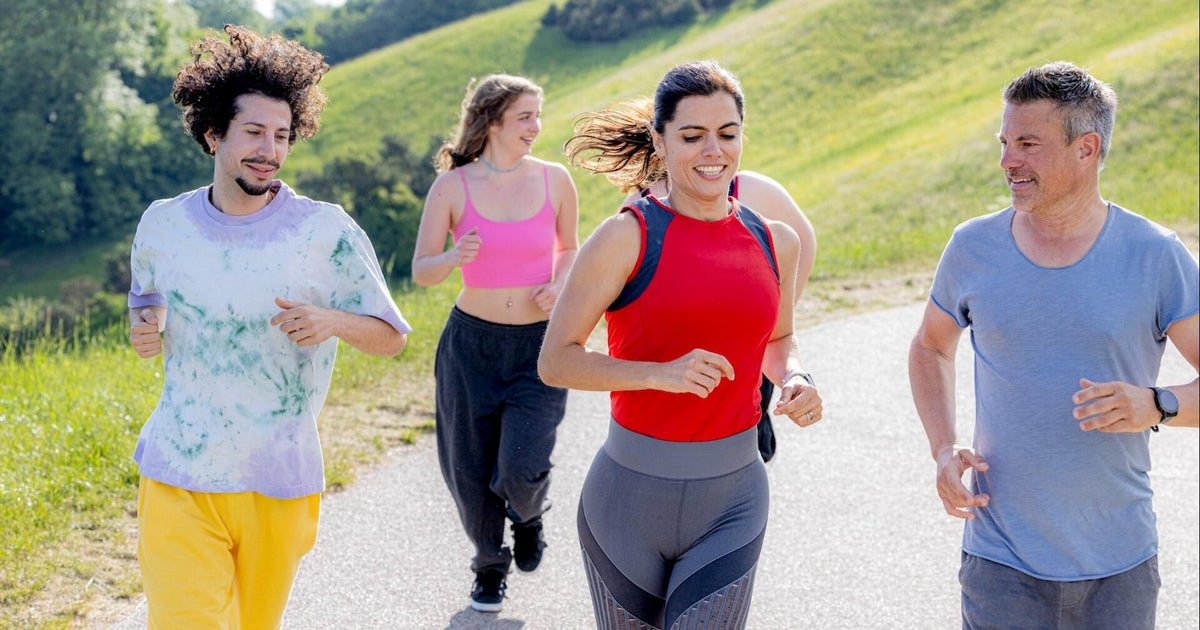
According to the NHS physical activity guidelines, adults should aim to do at least 150 minutes of moderate-intensity activity or 75 minutes of vigorous-intensity activity a week, spread over four or more days. They should also do full-body strengthening activities at least twice per week, among other recommendations. But is this enough to stay healthy?
Since this guidance was introduced by the World Health Organisation, many measures of health have actually dropped in the UK.
The most recent Health Survey for England data reports that two in every three adults aged 16 and above are either overweight or living with obesity. Meanwhile, healthy life expectancy has dropped by nearly two years in the last decade, according to The Health Foundation.
The real problem with the NHS guidelines
Are the NHS guidelines sufficient to support your health and fitness?
“For most people, yes,” says Jack McNamara, a clinical exercise physiologist, strength coach and course leader at the University of East London. However, he adds a caveat: “…if they actually follow them.”
Roughly two-thirds of adults meet the prescribed 150 minutes of moderate-intensity activity per week, while just 32 per cent hit the muscle-strengthening recommendations, according to the 2021 Health Survey for England.
“The guidelines are built on a solid evidence base showing that this level of activity significantly reduces the risk of cardiovascular disease, type 2 diabetes, certain cancers and premature death,” says McNamara. “The problem isn’t that the guidelines are insufficient; it’s that around a third of UK adults don’t meet them.”
Read more: The most time-efficient way to get in good shape – according to experts

“The 19 to 64 bracket is a large age range, and there are nuances that could be addressed within that,” adds Jordan Sahota, a sports therapist and founder of Active Motion Injury Clinic. For an active 19-year-old the guidelines may seem meagre, while for a sedentary 64-year-old they may feel out of reach. “But as general advice the guidelines are pretty good,” he adds.
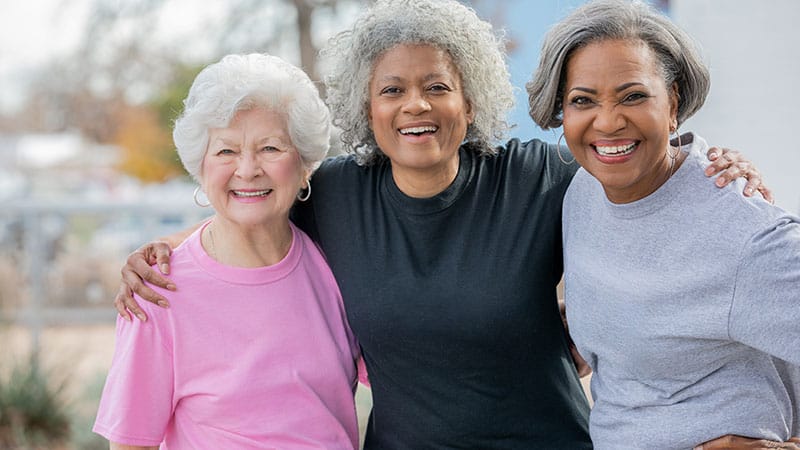
Some demographics are less likely to meet the activity guidelines than others. Sport England reports how numbers are significantly lower in those from lower socio-economic backgrounds, those with disabilities and long-term health conditions, older adults and certain ethnicities including Black adults and Asian adults.
There are many possible explanations for this, but the fact there are lower activity levels in less affluent groups suggests access and opportunity play an important role.
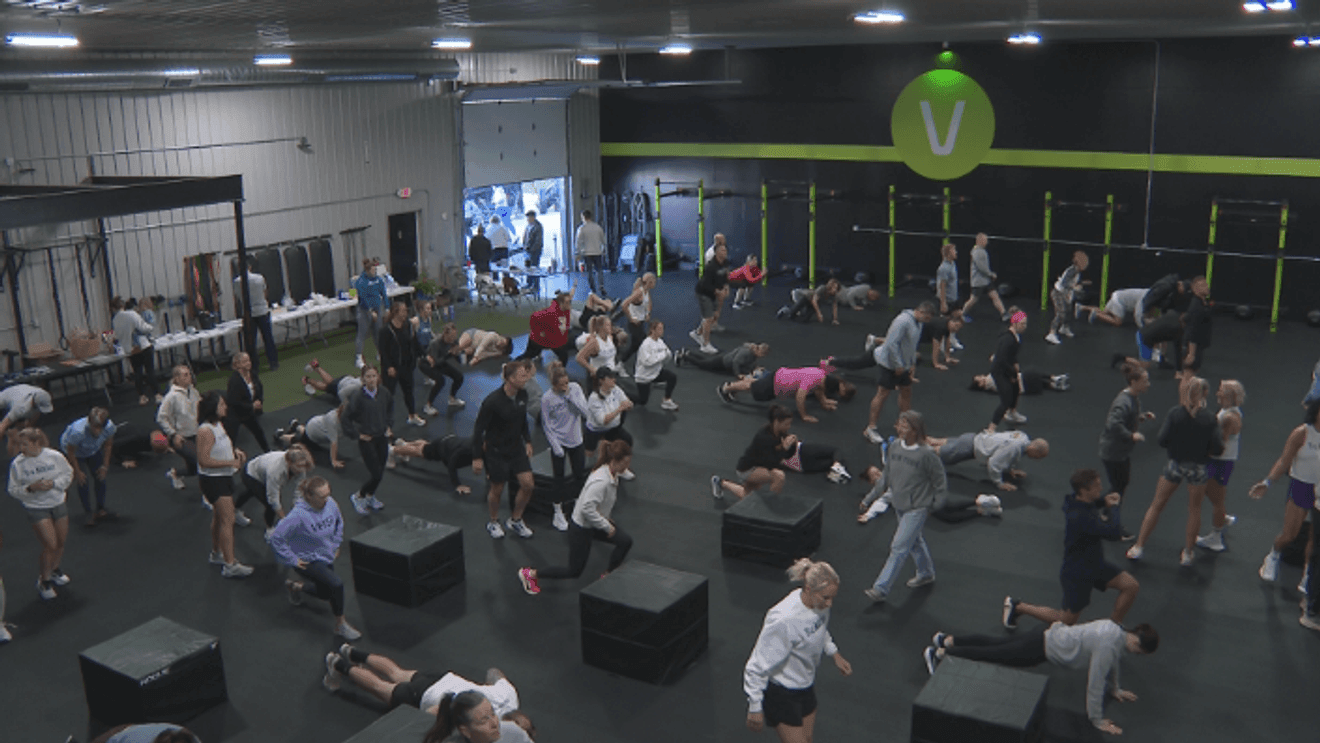
The guidelines are helpful as an educational tool, but exercise also has to be appealing and achievable. Without access to the right equipment, opportunities and environments, many people still face insurmountable barriers to regular participation.
Read more: The easiest way to strengthen your entire body, according to this expert coach
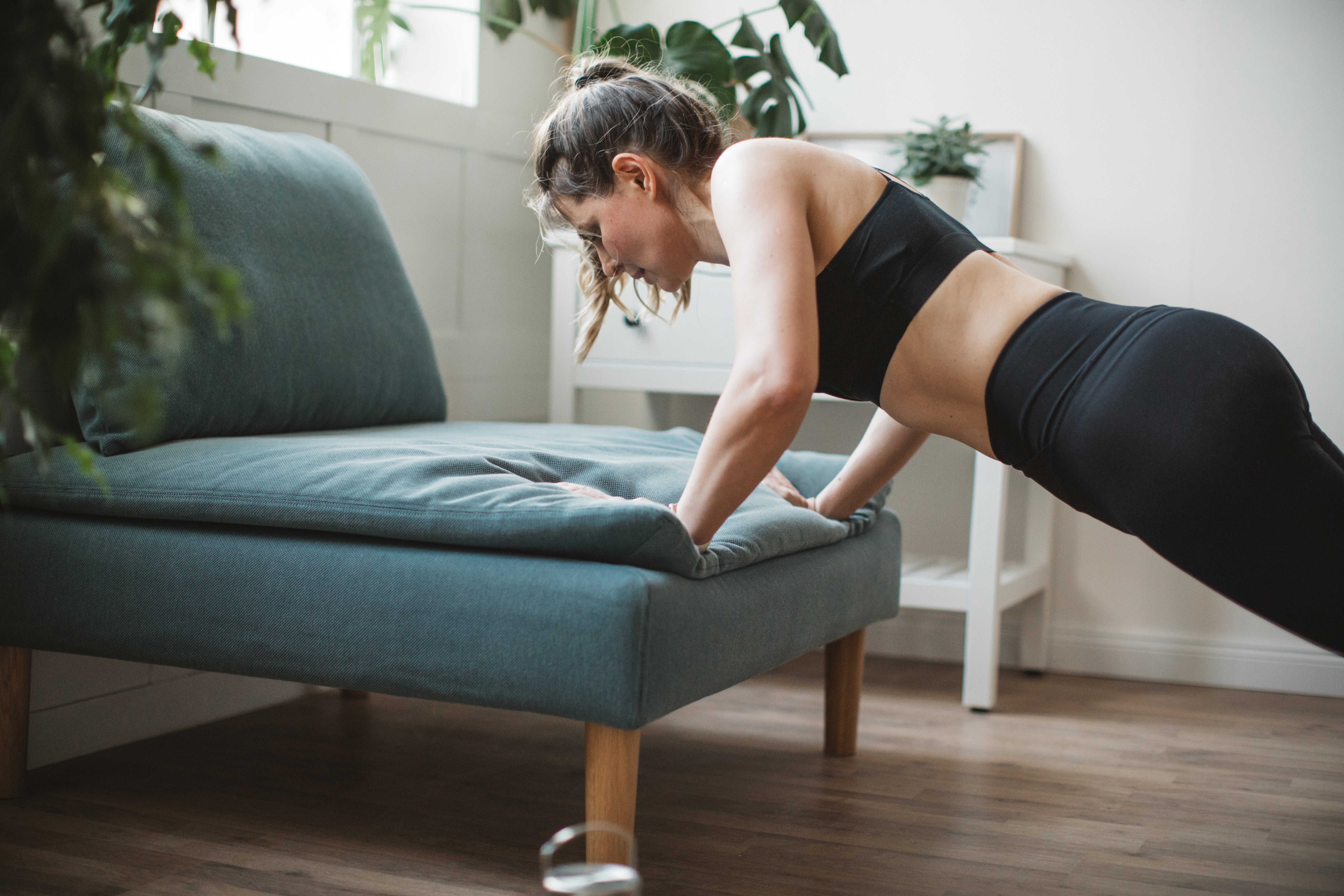
The uncomfortable truth about exercise
A significant proportion of the UK population is falling short of NHS physical activity guidelines. This is concerning when you consider these guidelines are intended as a lower threshold for weekly movement – not an optimal routine for all.
“The guidelines were designed as a public health floor, not a ceiling,” says McNamara. “If you’re aiming for basic health protection, the current recommendations represent a sensible minimum. If you’re looking to optimise fitness, body composition or athletic performance, you’ll likely need more.”
One reason humans might find these guidelines tricky to stick to is that exercise is an “artificial behaviour”.
“It is an adaptation to the lifestyles of the industrialised world we live in,” explains Professor Emmanuel Stamatakis, a leading physical activity researcher at the University of Sydney. “Most jobs are sedentary, mechanised transportation is the standard and most of our leisure pursuits are screen-based, so the norm is to be static for much of the day.
“Our civilisation, mostly for the sake of convenience, efficiency and speed, has removed the need to be physically active, and our bodies pay a high price for that.”
Exercise, while excellent for combatting chronic diseases and improving nearly every health marker going, is effectively a subsidy for the movement we no longer do in our daily lives. And to do it consistently, we have to overcome all manner of eye-catching distractions, from Netflix to social media, Sahota adds.
Pair this with the increased availability of energy-dense foods with limited nutritional value – often available at a lower cost than more nourishing alternatives – and it partly explains rising obesity rates.
Read more: How to start running when you’re a walker, according to an exercise physiologist
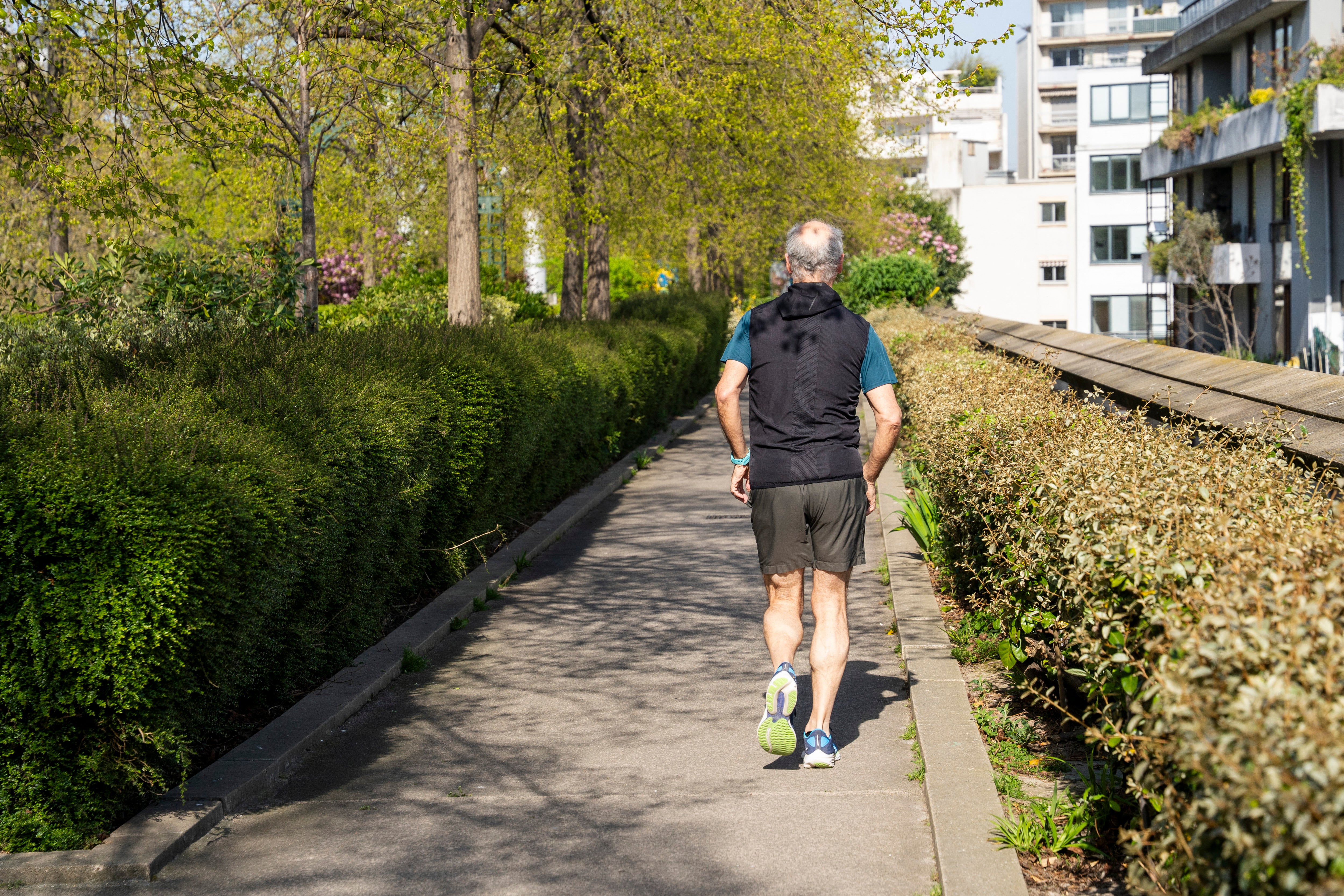
Why strength training matters
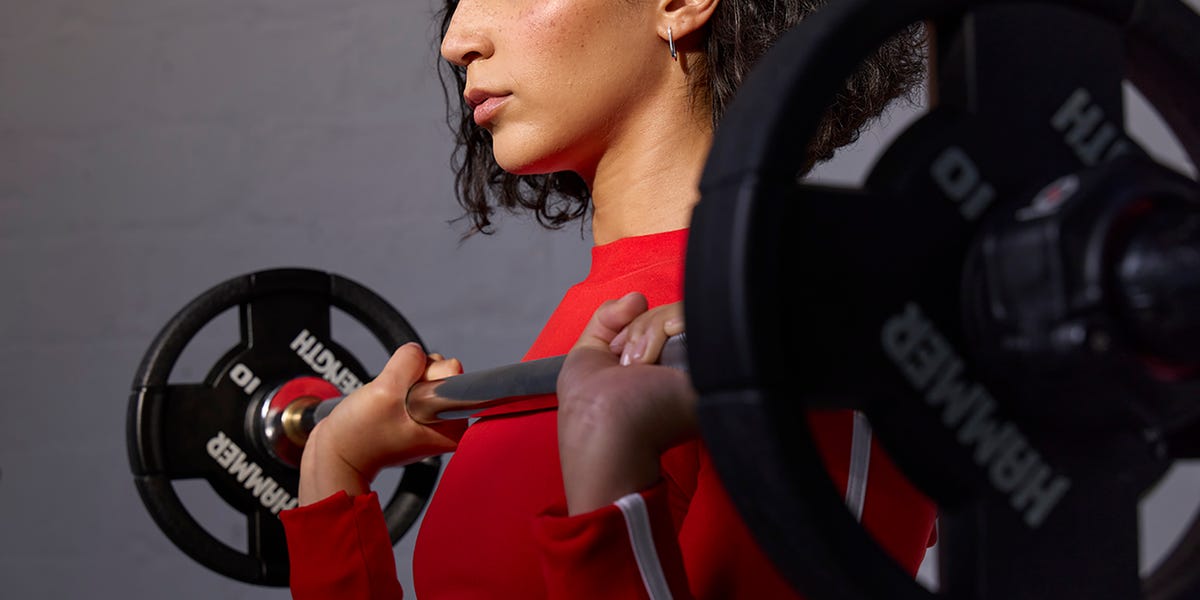
Muscle-strengthening activities are a relatively recent addition to NHS physical activity guidelines. This has been an incredibly valuable update, McNamara and Sahota agree.
“For years, physical activity guidance focused almost exclusively on aerobic exercise, but we now have robust evidence that resistance training independently reduces the risk of premature death from multiple causes by around 10 to 20 per cent,” says McNamara. “It’s also essential for maintaining muscle mass and functional capacity as we age.”
At his clinic, Sahota’s clientele are mostly aged 45 and up, and he regularly witnesses the merits of strength training.
“Without the strength element people don’t have their independence, because if they can’t get out of a chair, walk by themselves or go up and down stairs, that’s when problems start to arise,” he says.
Read more: This is what happened when I took the RAF fitness test

Improvements to the NHS physical activity guidelines
Our experts agree that existing guidelines are evidence-based and helpful – but they have some notes.
“With how sedentary many people’s lives have become, the current guidelines are probably on the lower end of the spectrum and in my opinion they could be slightly higher,” says Sahota.
However, he concedes, the NHS guidelines cover a wide cross-section of people and this higher barrier for entry might deter some from starting to exercise in the first place.
For this reason, Sahota suggests a tiered system where people can progress from initial, achievable physical activity guidelines to slightly more challenging prescriptions.
“We need progressive overload to get fitter and stronger,” he explains, describing the process of increasing exercise demands in line with our rising fitness levels.
Read more: Sitting all day wreaks havoc on your hips and spine – here’s how to stop that from happening
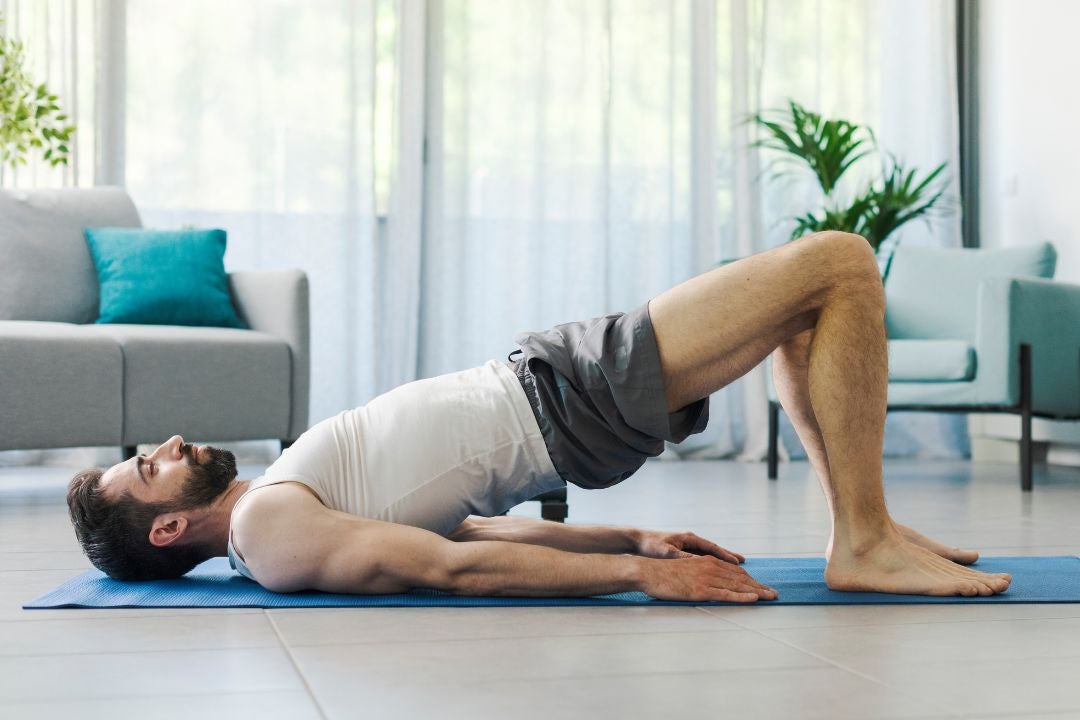
McNamara believes the guidelines could better reflect the differences between the way that men and women’s bodies respond to exercise.
“Recent UK Biobank research suggests women may achieve similar cardiovascular benefits from roughly half the exercise volume that men require,” he says. “Current recommendations are sex-neutral, but the science increasingly suggests they shouldn’t be.”
He also wants to see balance training given greater prominence among all age groups – not just those aged 65 and above, for whom it is recommended.
“Falls and fall-related injuries affect adults well before old age, and proprioceptive work – exercises that challenge stability and coordination – takes time to develop. Starting earlier makes sense,” says McNamara.
He also suggests that exercise snacking can be a helpful way for time-pressed people to hit their health goals.
“The guidelines could do more to legitimise exercise snacks – brief bursts of vigorous activity scattered throughout the day,” McNamara says. “A recent meta-analysis found that even very short bouts, such as climbing a few flights of stairs vigorously a few times daily, can meaningfully improve cardiorespiratory fitness in previously inactive people.”
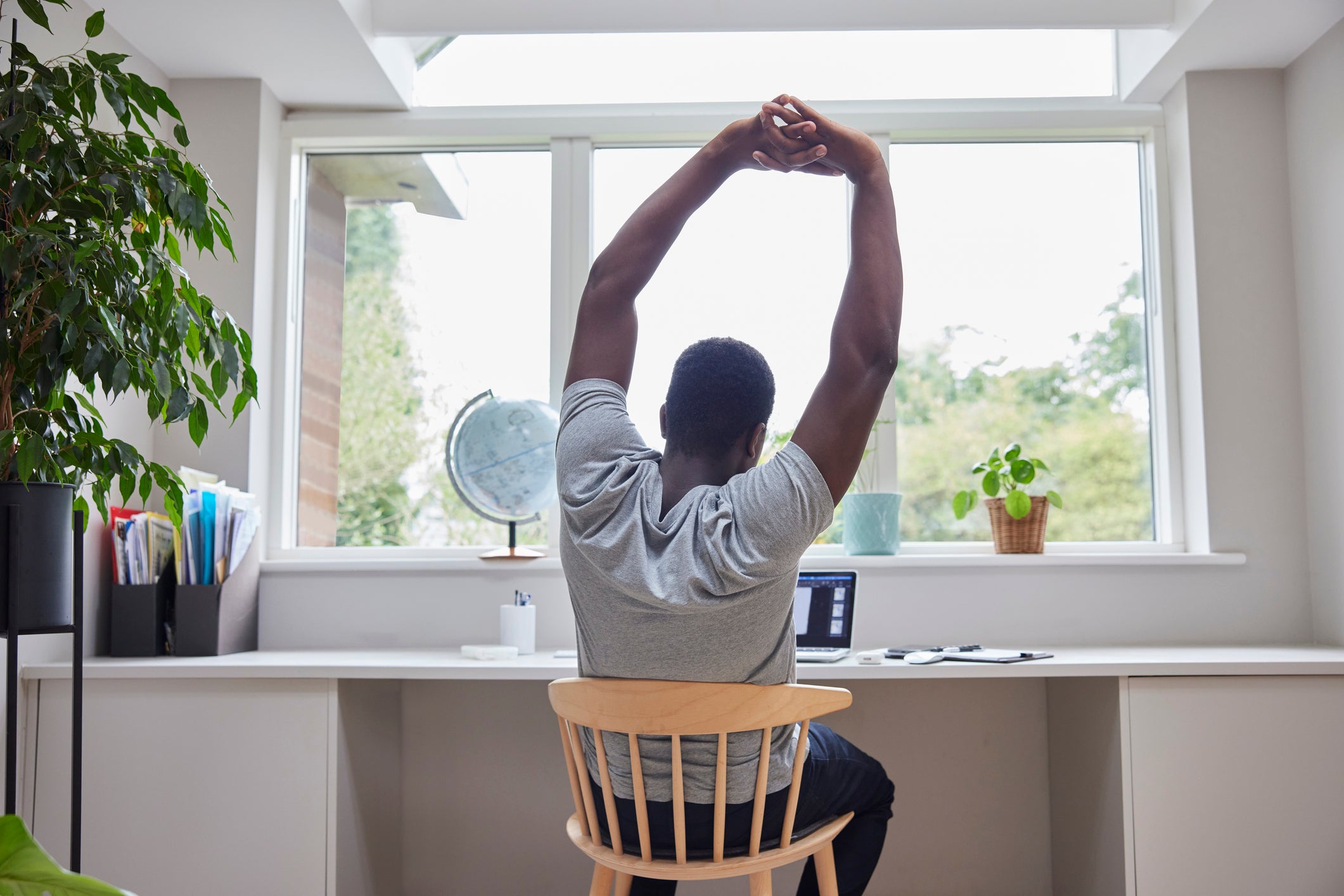
Easy ways to move more
For busy people looking to up their activity levels, the best thing you can do is build a solid foundation of daily movement around your schedule, says McNamara. The bulk of this can be formed by walking and exercise snacks.
He suggests attempting to follow the framework below:
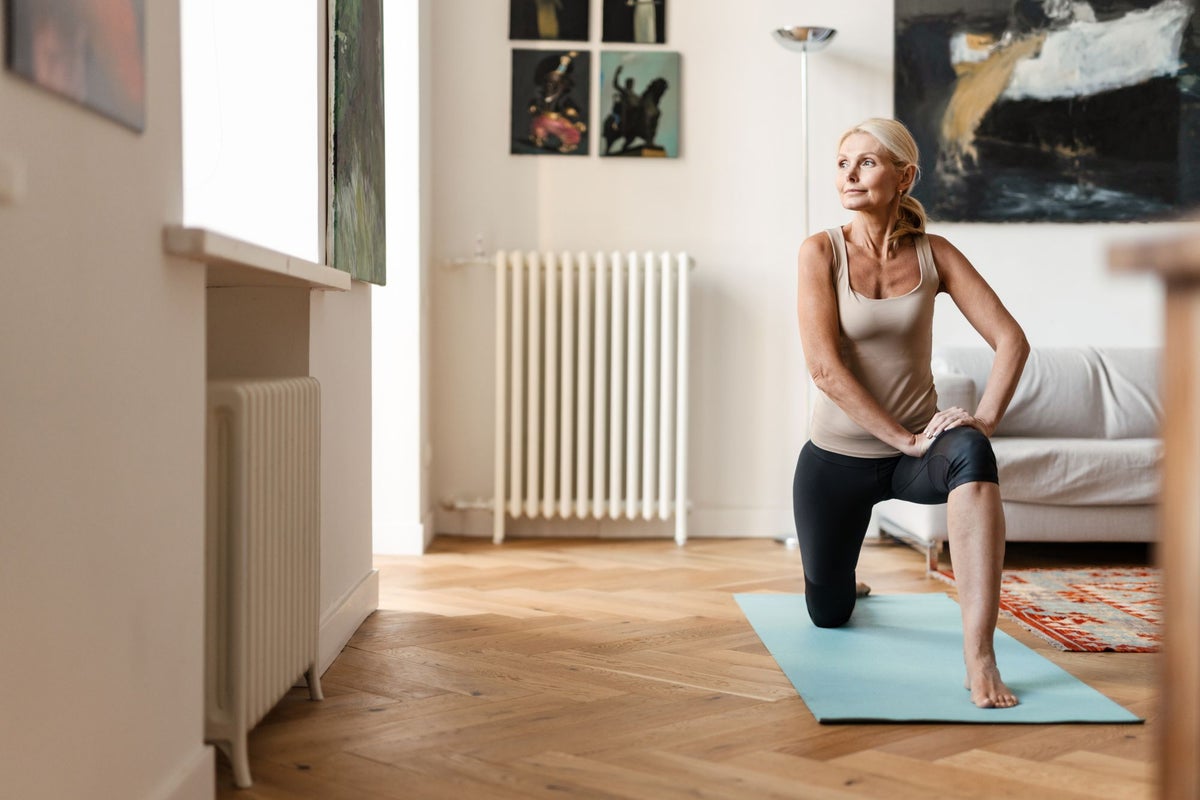
- Aim for two structured strength training sessions per week, even if they’re only 20-30 minutes. Compound movements such as squats, lunges, press-ups and rows will give you the most return for your time. (You can find guidance on starting strength training and strength training for over-50s here.)
- Supplement this with regular exercise snacks: take stairs vigorously when you encounter them, do a few squats or press-ups during a work break, or fit in a brisk five-minute walk after lunch. These brief efforts accumulate meaningfully. (You can find a few examples to help you get started in our exercise snacking explainer.)
- Add moderate-intensity movement where it fits naturally – walking or cycling for transport, for instance – rather than treating it as something separate that requires gym clothes and a shower afterwards.
“The key takeaway is consistency over severity,” McNamara says. “A sustainable routine you maintain for years will always outperform an ambitious programme you abandon after six weeks.”
Read more: Study reveals the small changes to your diet, sleep and exercise that can add years to your life