
Jay Shah
/
Delaware Public Media
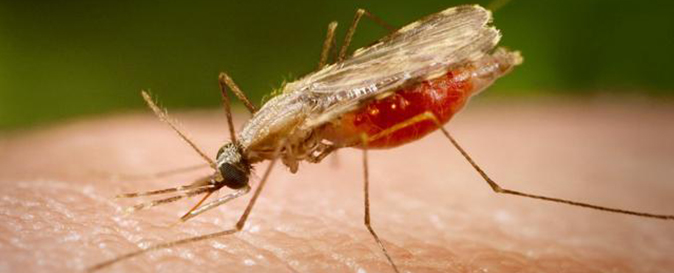
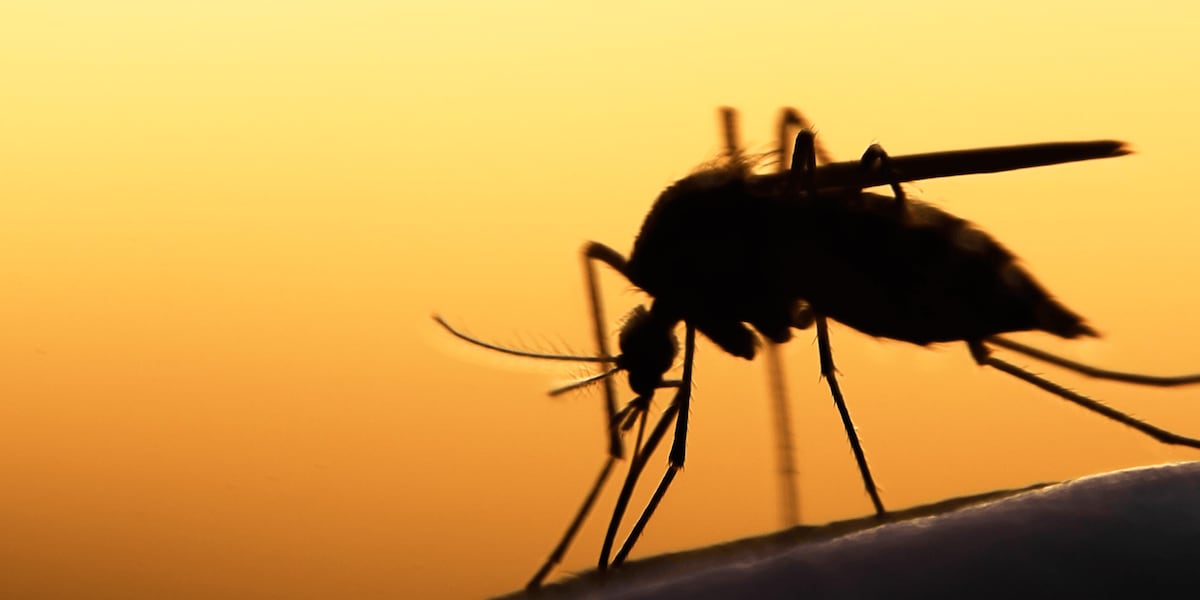
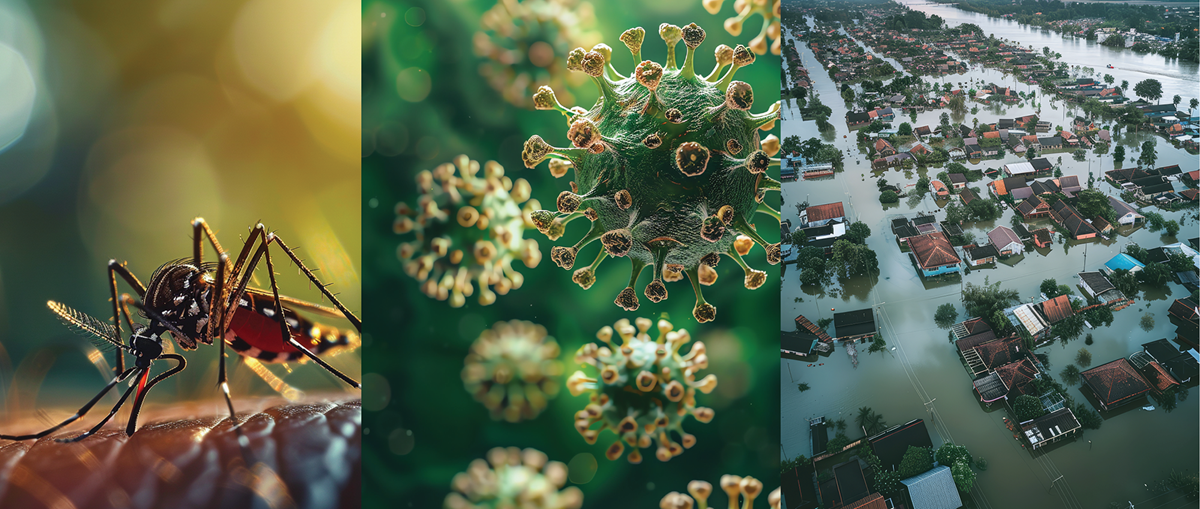
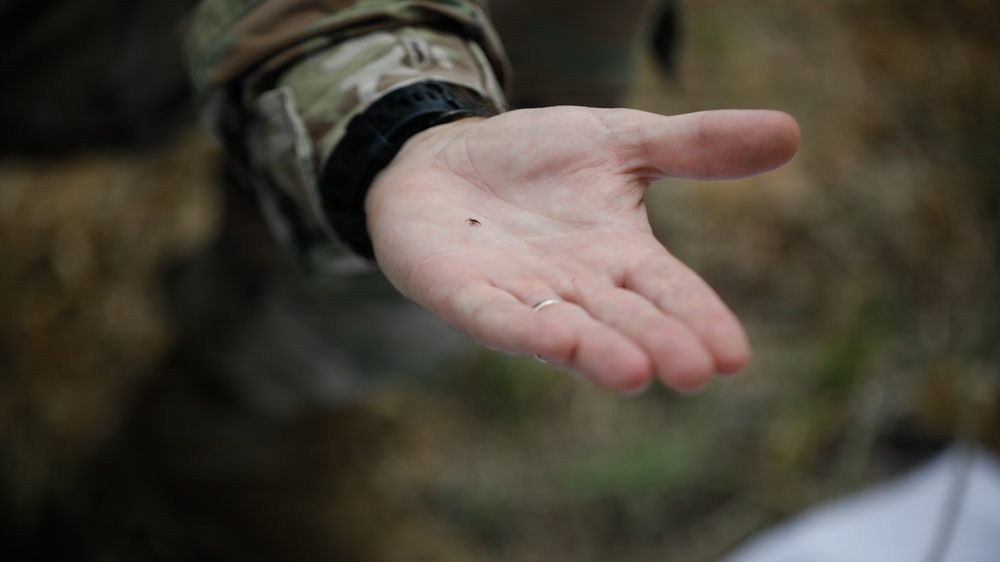
With the weather growing warmer, nature is awake again and new life is emerging. So are mosquitos. While they can be a nuisance, showering you with itchy bites, the most concerning aspect is the diseases they carry.
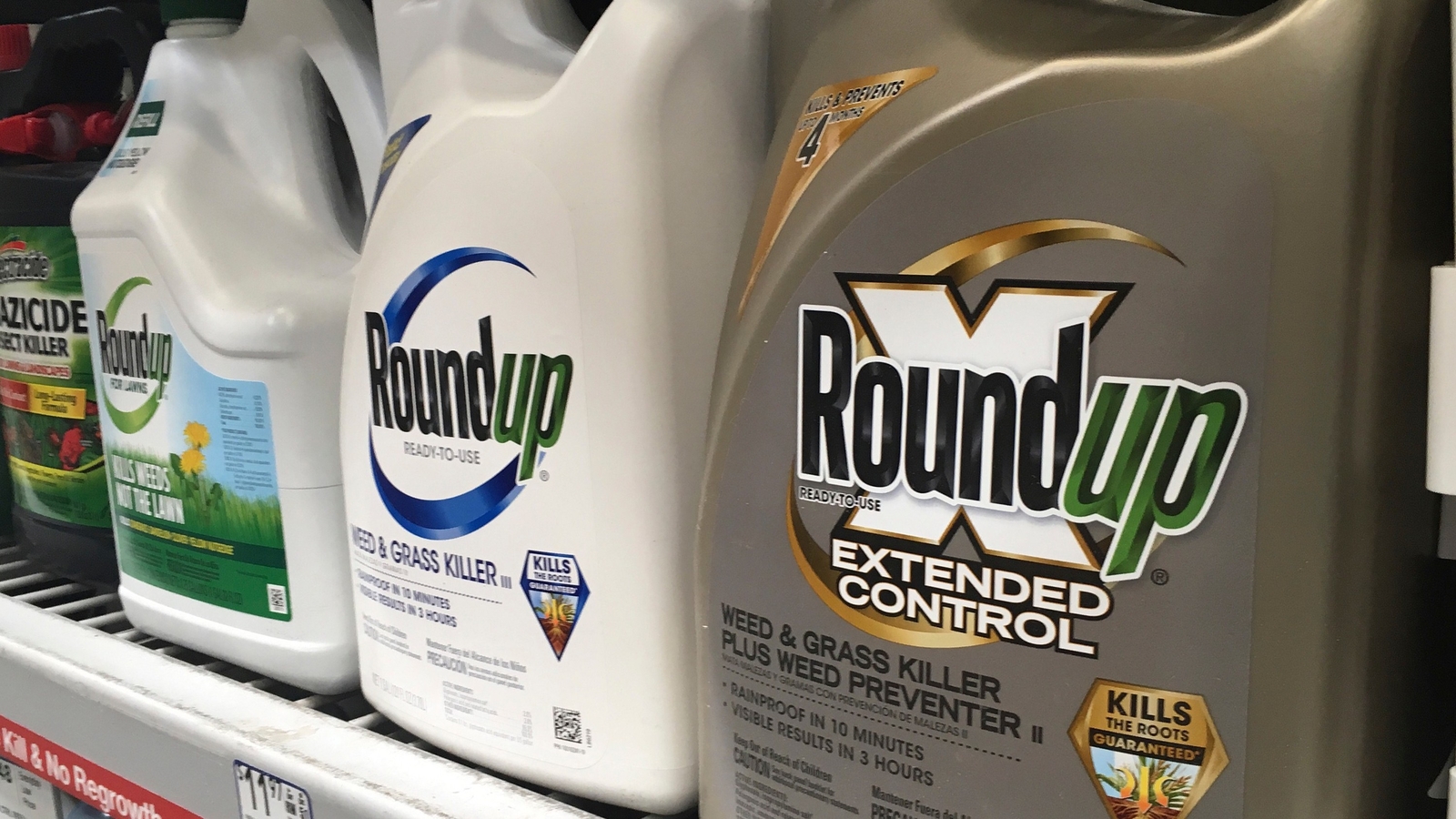
To get ahead of this, the Delaware Department of Natural Resources and Environmental Control applies various methods of controlling mosquito populations, one of which involves chemicals.
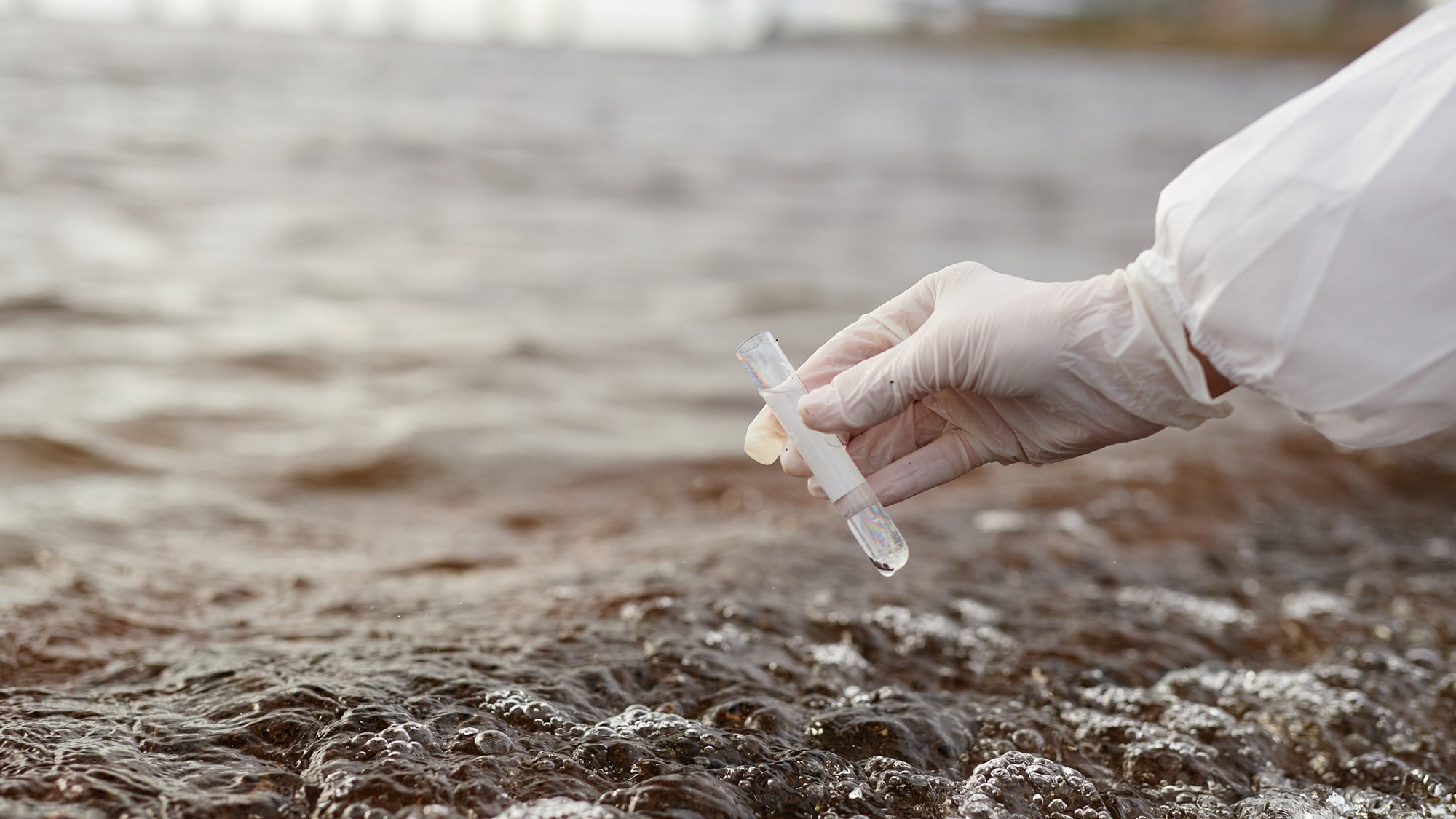
And while this method may curb the spread of those mosquito-bourne diseases, being exposed to those chemicals are a separate concern of its own to public health – and can affect environmental health.
To understand this better, Delaware Public Media’s Jay Shah spoke with Dr. Anneclaire De Roos – a professor of environmental and occupational health at the Dornsife School of Public Health at Drexel University – and the Delaware Nature Society’s Director of Advocacy Mark Nardone.