Mental health professionals within the AG discuss counseling as part of God’s design for healing.

For decades, conversations about mental health have stirred debate and theological discussions for Christians. Yet leaders and mental health professionals within the Assemblies of God say those conversations are changing, and they believe the Church has an important role to play in helping people pursue healing.
As Mental Health Awareness Month shines a spotlight on emotional and mental wellness, practitioners within the AG are encouraging believers to approach mental health through an integrated lens that includes body, mind, and spirit.
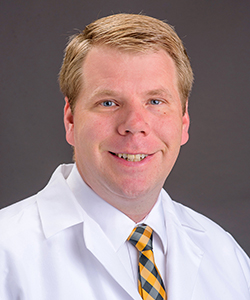
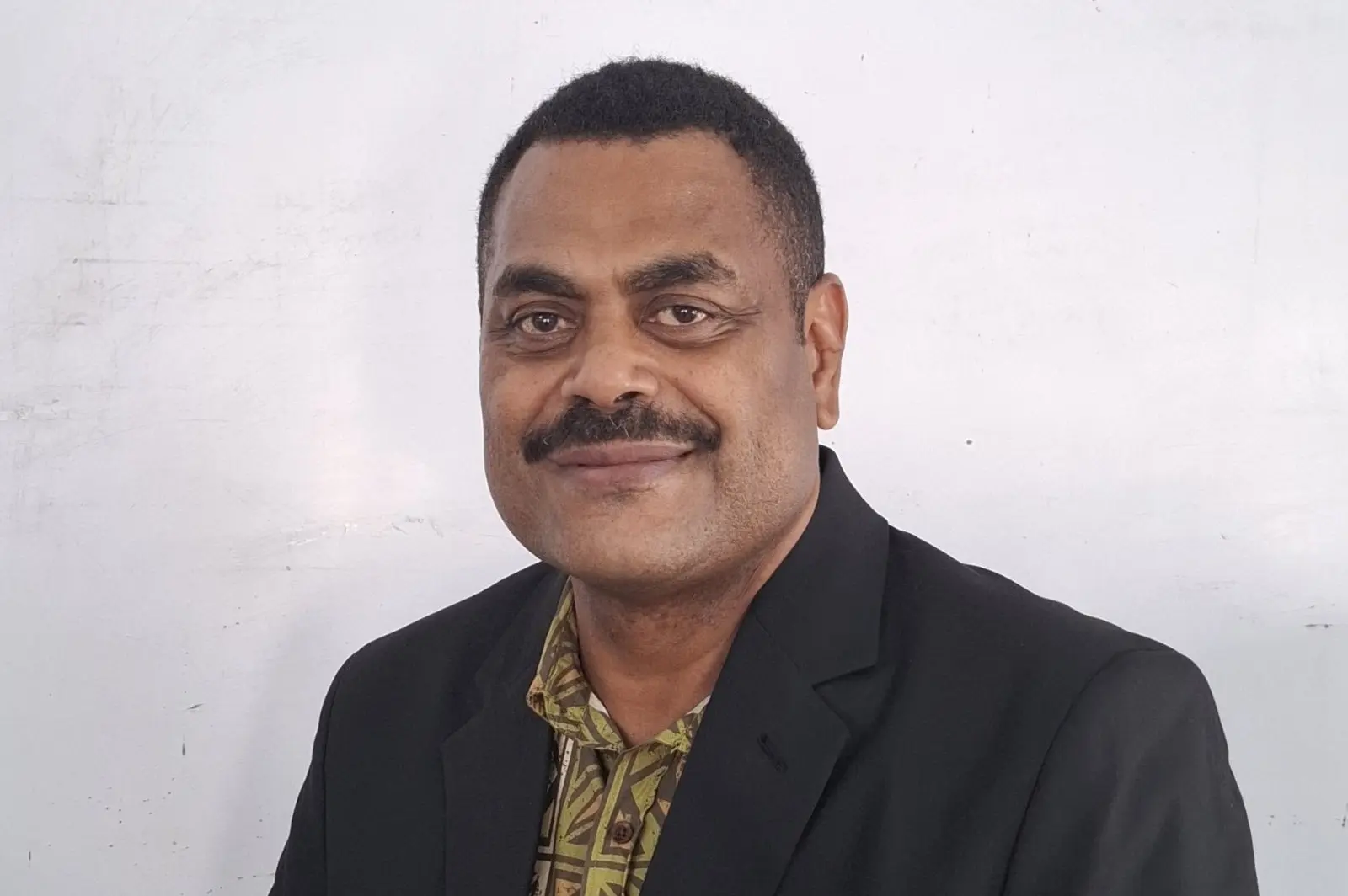
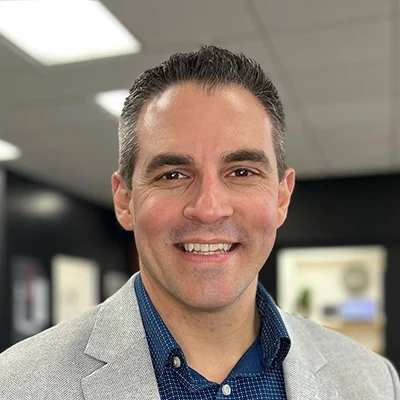
According to Jason Tourville, chair of the AG’s Mental Health Committee, faith-based counseling is not at odds with clinical care. Instead, he believes Christian counseling, which offers clinical care with a biblical worldview, offers a more thorough approach to healing.
Tourville points to 1 Thessalonians 5:23, where Paul speaks of being sanctified “through and through” in body, soul, and spirit. While clinical counseling often focuses on mental and emotional wellbeing, he said Christians also recognize that there is another layer that must be addressed for complete wholeness.
“The soul is where the mind, will, and emotions exist,” says Tourville. “It’s where the fruit of the Spirit grows – peace, joy, patience. Those things are connected to our mental and emotional health.”
Some believers, however, may be tempted to feel as though seeking counseling is admitting spiritual failure. Tourville says that misconception can keep Christians from getting help when they need it most.
He goes on to reference Proverbs 20:5, which describes the heart as “deep waters” that a person of understanding draws out.
“There are deep waters in people. Counseling helps draw those things out and makes sure they’re healthy,” he says.
The AG Mental Health Committee began in response to conversations such as these in 2018, with the goal of supporting ministers and their families. Today, the AG offers mental health resources through AG Minister Family Care.
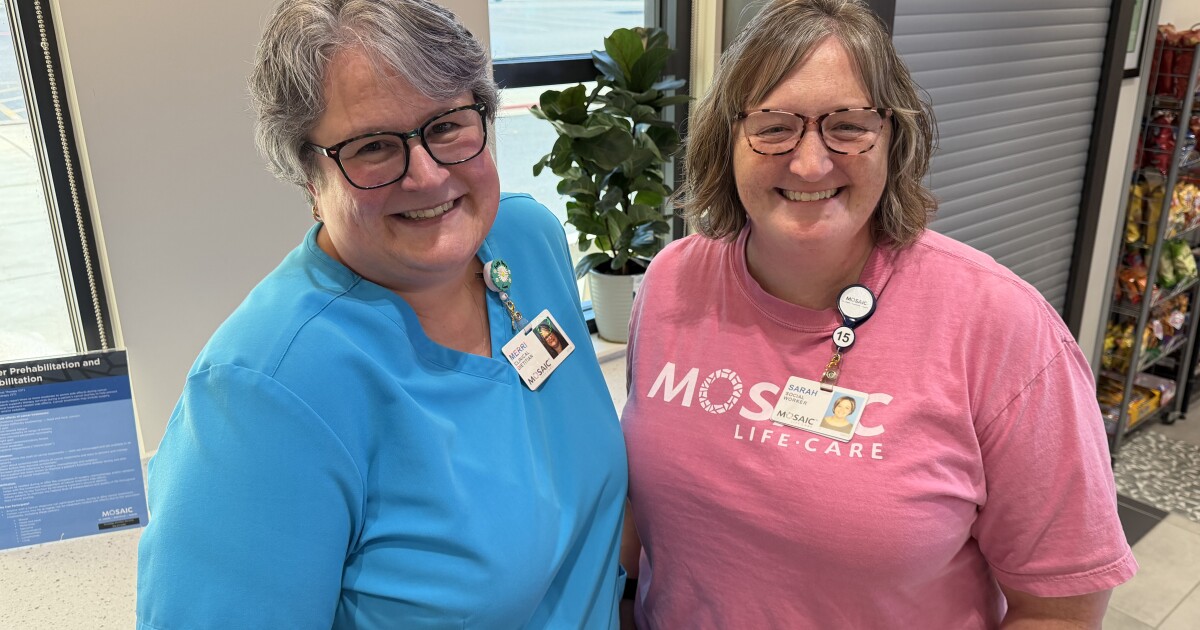
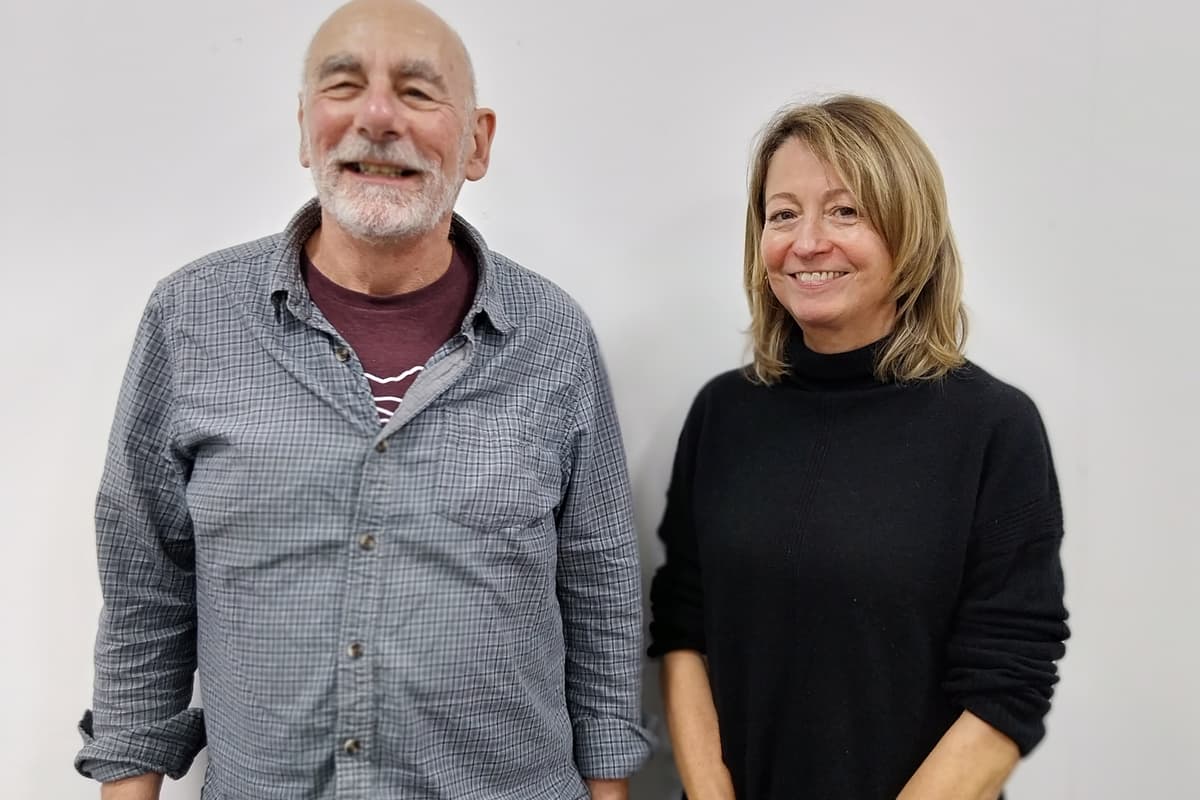
Kristen Kansiewicz, who holds a doctorate in counselor education and supervision and serves as an assistant professor at Evangel University, says mental health struggles are far more common than people realize, even among Christians.
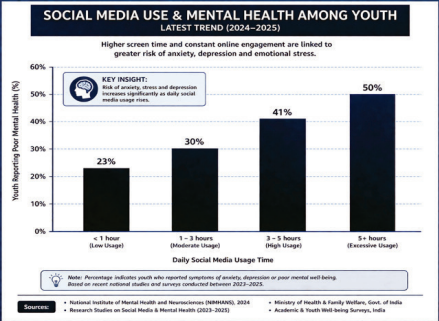
“The National Alliance on Mental Illness says one in five adults experience mental illness in a given year, and some estimates are even closer to 23% now,” Kansiewicz says.
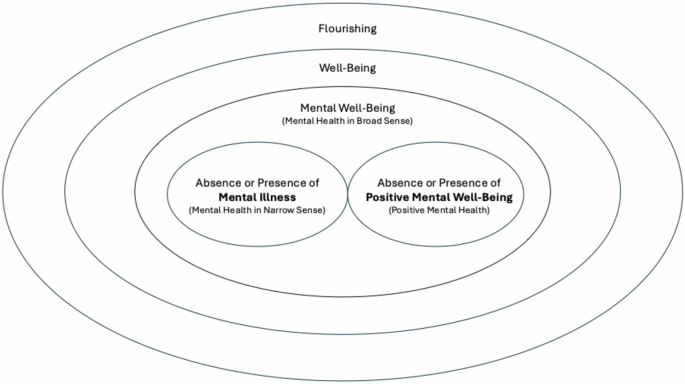
She emphasizes that while not everyone experiences mental illness, everyone has mental health that must be maintained.
“We all have mental health, just like we all have spiritual health,” she says. “We want to be our healthiest selves mentally, emotionally, spiritually, and physically.”
Kansiewicz says that many tend to associate mental illness with only severe diagnoses, while overlooking more common mental illnesses like anxiety, depression, or post-traumatic stress disorder.
“About 18% of adults will experience an anxiety disorder at some point. And among adolescents, we’re seeing those numbers rise even more,” she explains.
At times, erroneous thinking or interpretation of Scripture can make Christians think that they are immune to those struggles. But Kansiewicz says, “While spiritual beliefs and practices can absolutely help protect and support mental health, they don’t exempt us from genetic disorders, trauma, or difficult life experiences that trigger mental illness.”
She continues, “We often frame anxiety or depression as simply needing more faith or needing to ‘give it all to God,’”. But, just as many physical ailments require the intervention of medical professionals, clinical mental health issues may require professional treatment in addition to prayer and spiritual support.
Kansiewicz believes stigma remains one of the largest barriers preventing Christians from seeking professional counseling services.
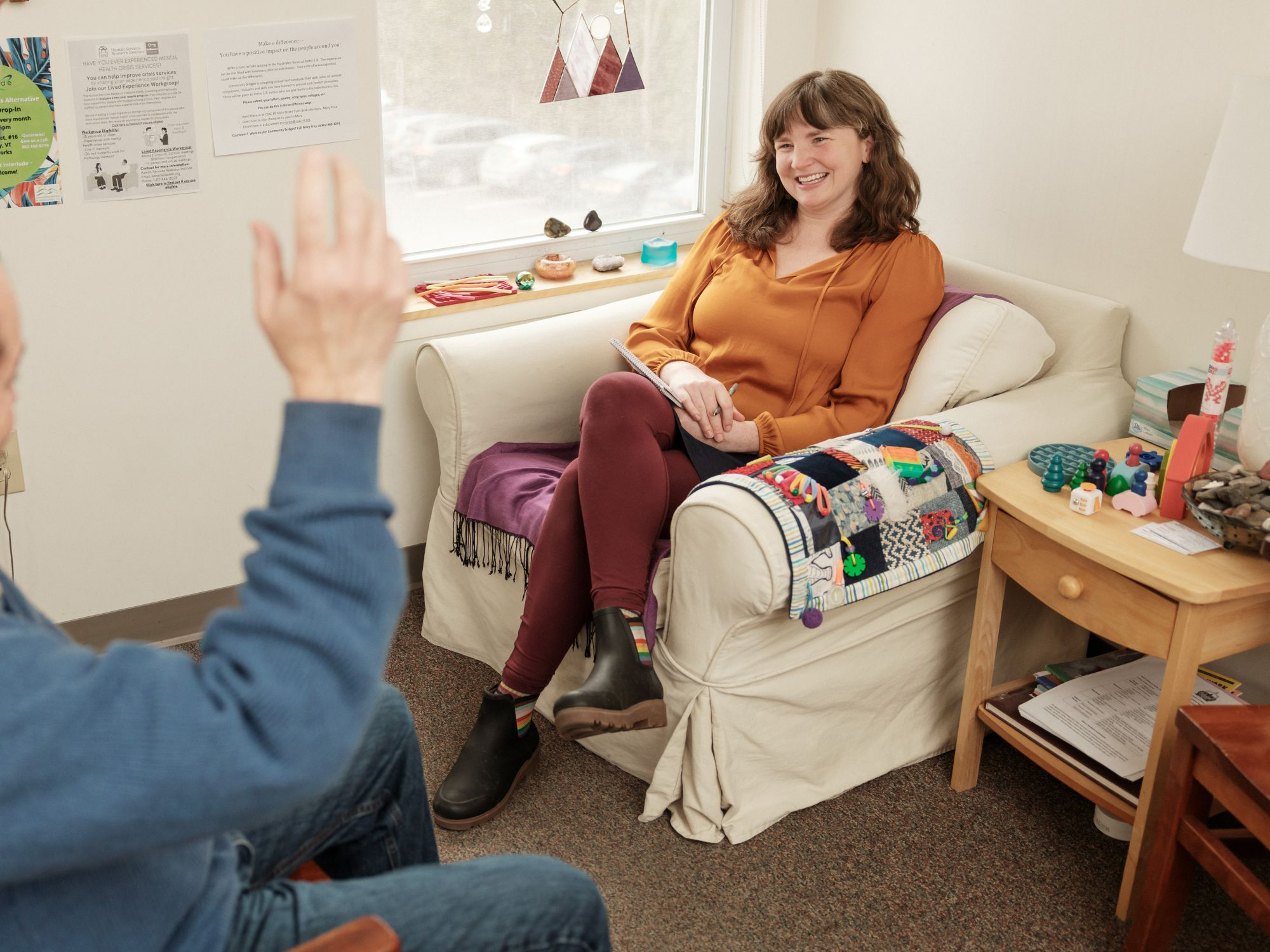
“People may think that going to counseling makes you weak or means that you’re broken, or that you don’t trust God. But counseling doesn’t mean you lack faith. God desires healing for us, and treatments like counseling and medication can bring us greater levels of physical and mental health.”
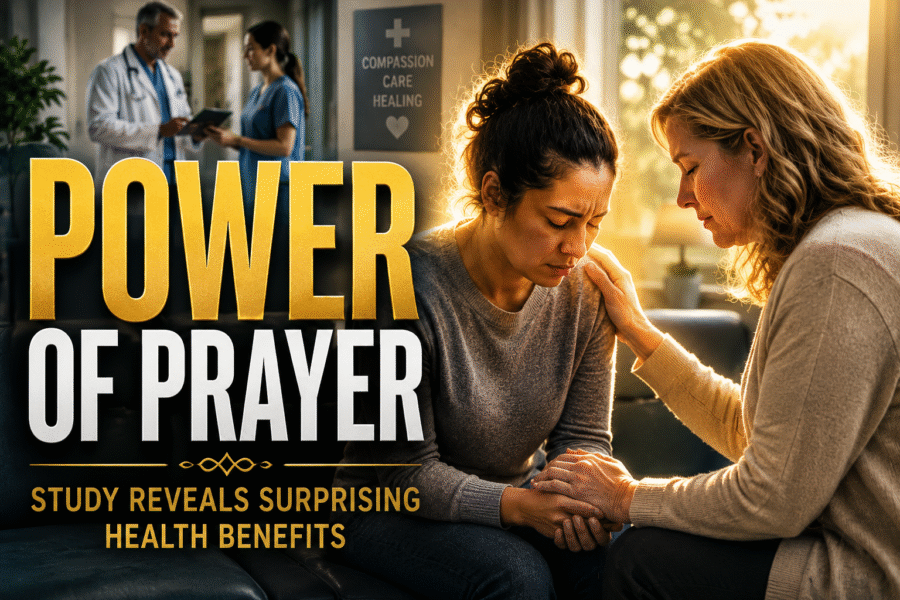
She also warns against waiting until a crisis has developed before checking in on one’s mental health. Instead of viewing counseling as a last resort, Kansiewicz encourages people to view counseling as a good way to maintain health, too, similar to exercise and regular physical check-ups.
“Another large barrier to counseling is low perceived need,” she says. “People think they aren’t ‘that bad’ yet, but asking for help early and often is one of the best ways to maintain wholeness in mental health.”
Kansiewicz states that she frequently returns to Galatians 5:1 which says, “It is for freedom that Christ has set us free.”
“When we think about freedom in Christ, we often think about salvation or about the future freedom we will find in heaven one day. But there’s also freedom that God wants us to experience and live in right now,” she says.
As conversations continue around mental health this month, both Tourville and Kansiewicz are hopeful that more and more believers will begin to recognize that caring for mental health is not separate from spiritual health but is part of loving God with the whole person, in whole health – body, mind, and spirit.