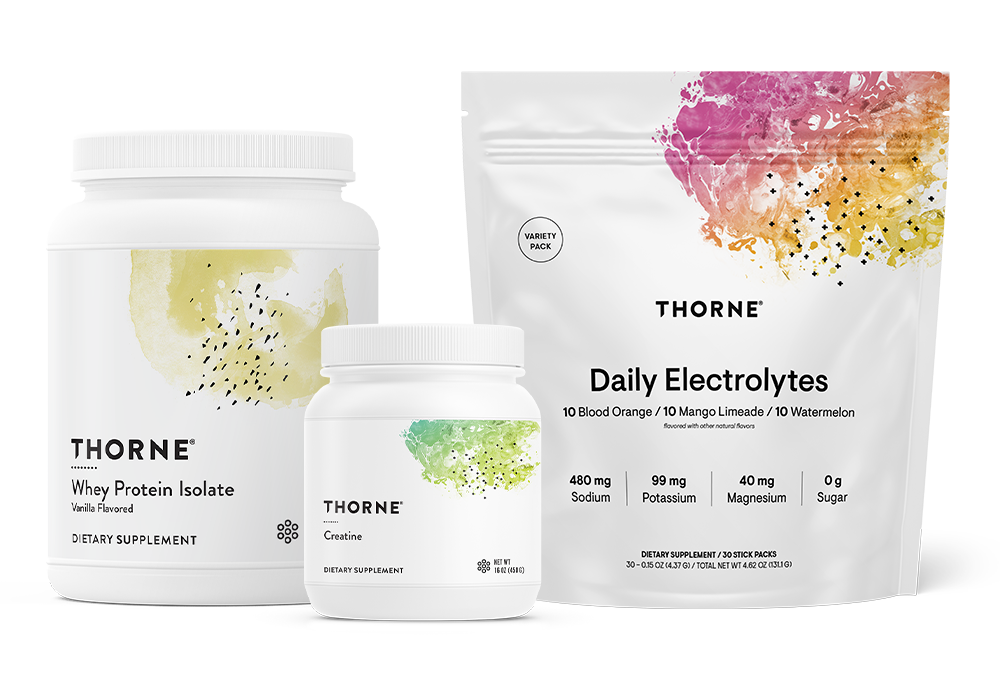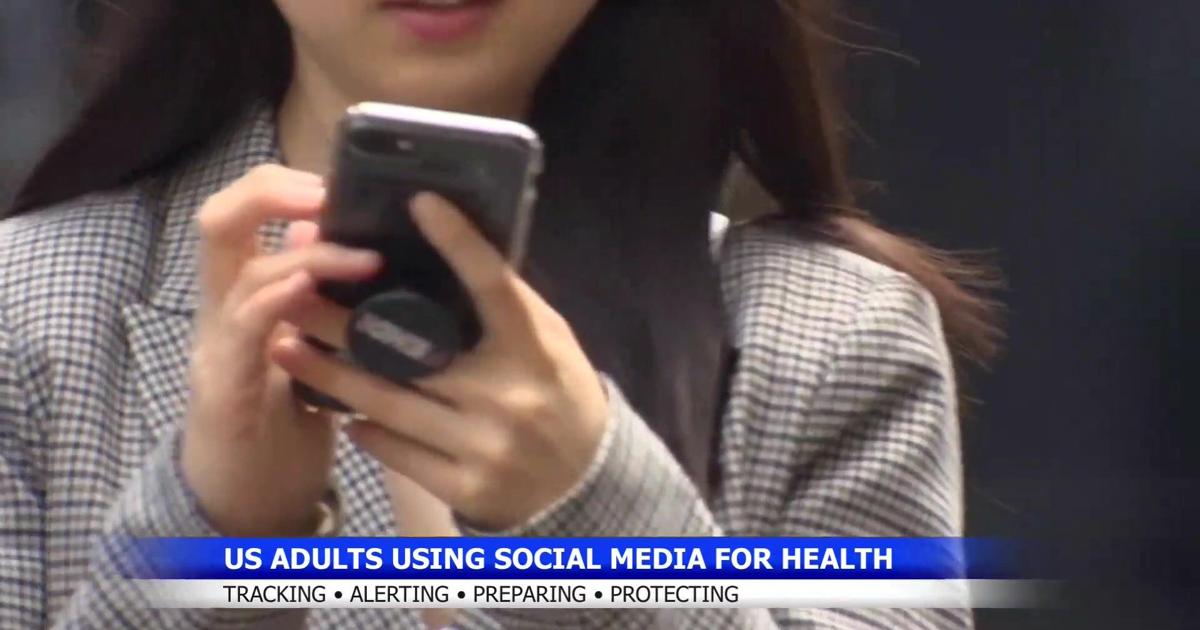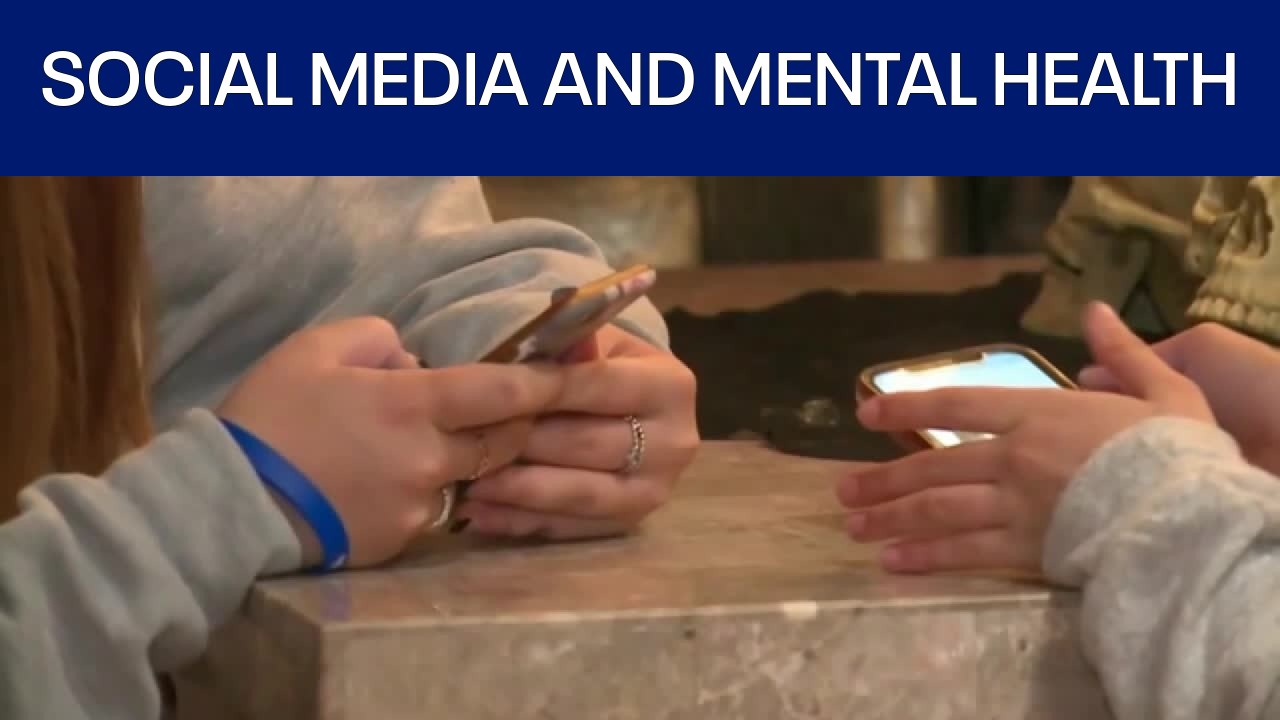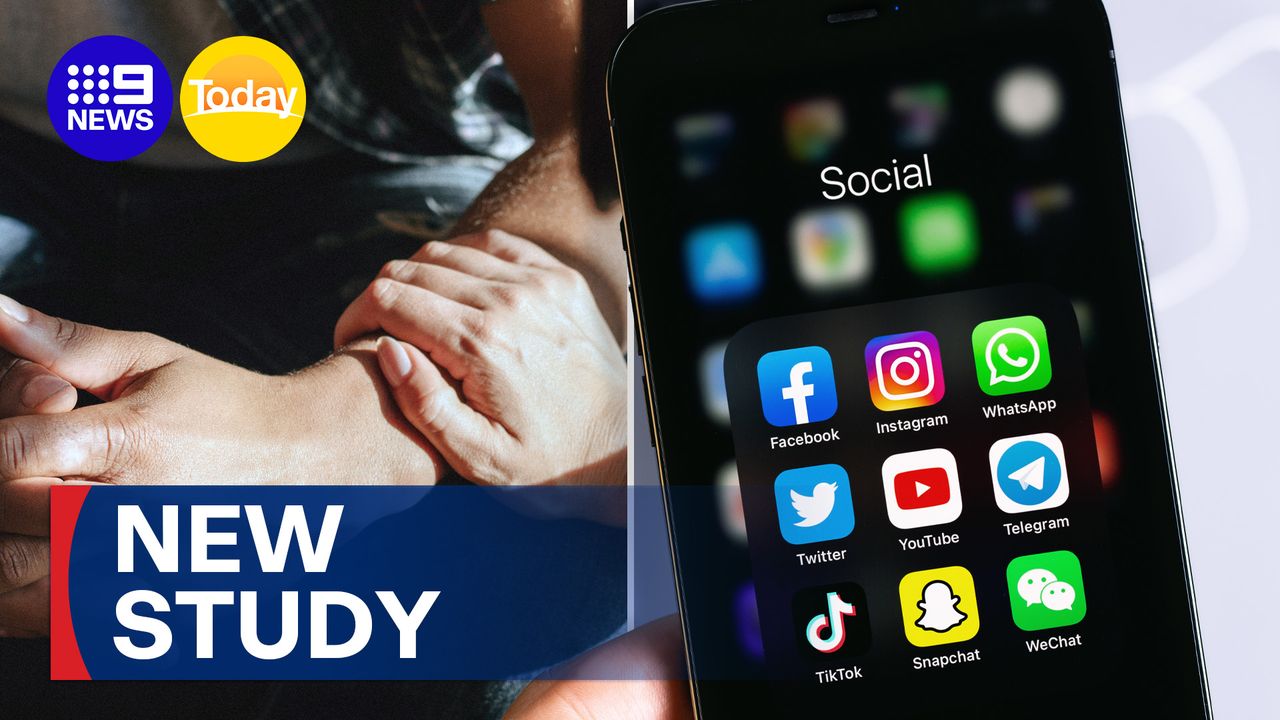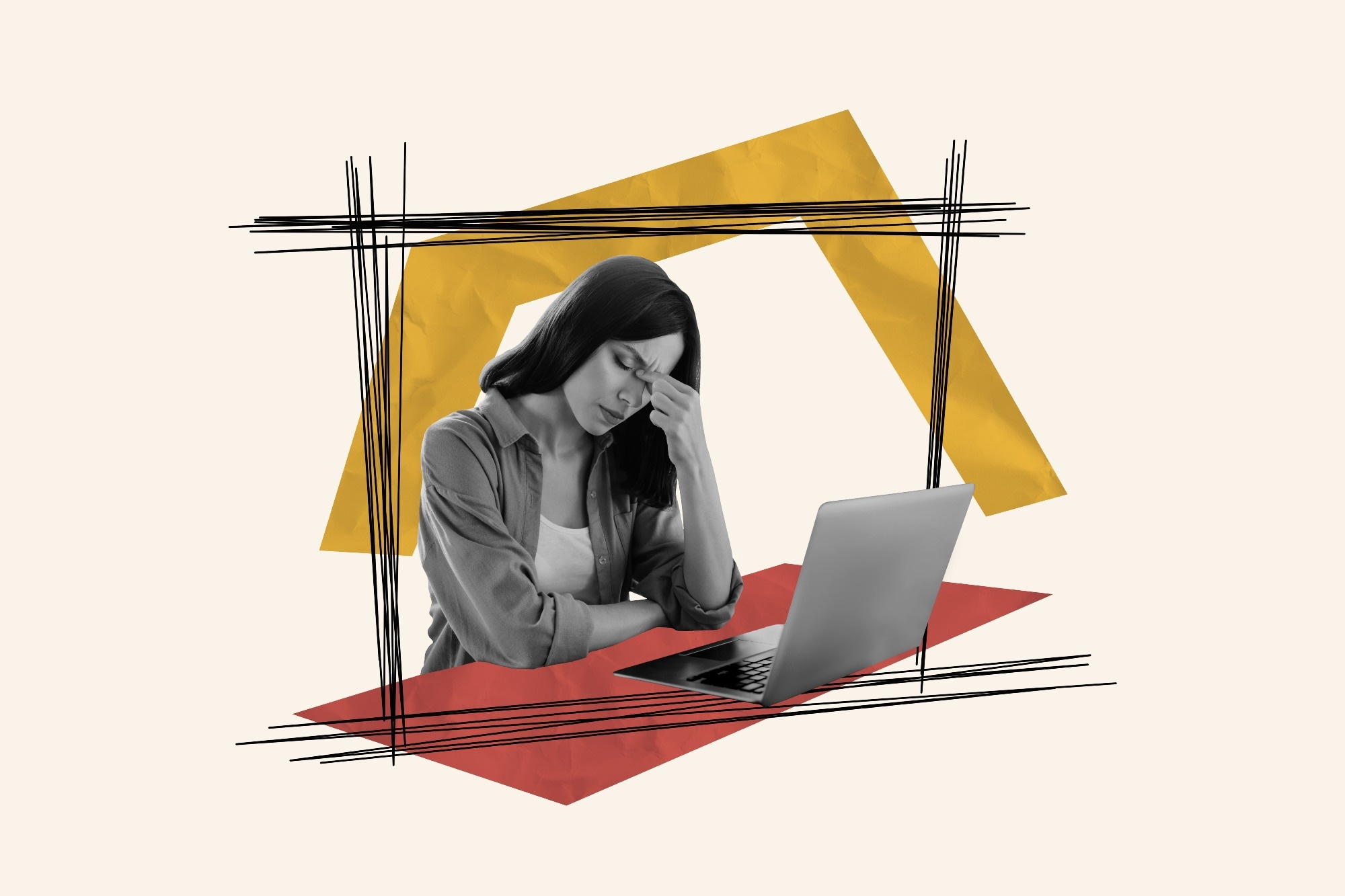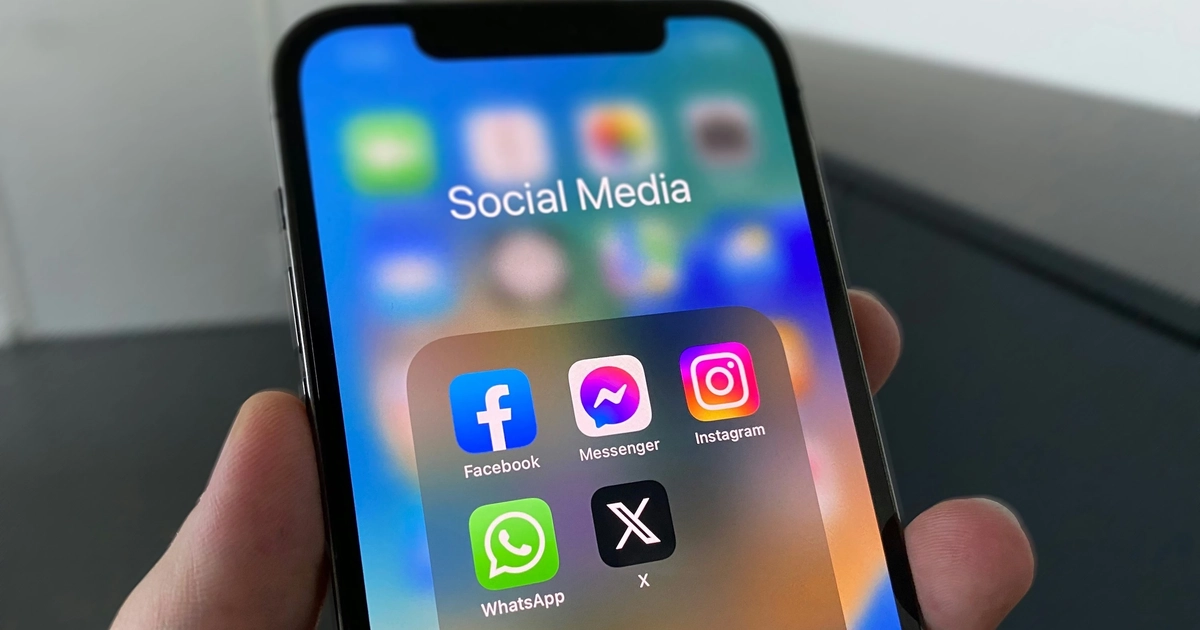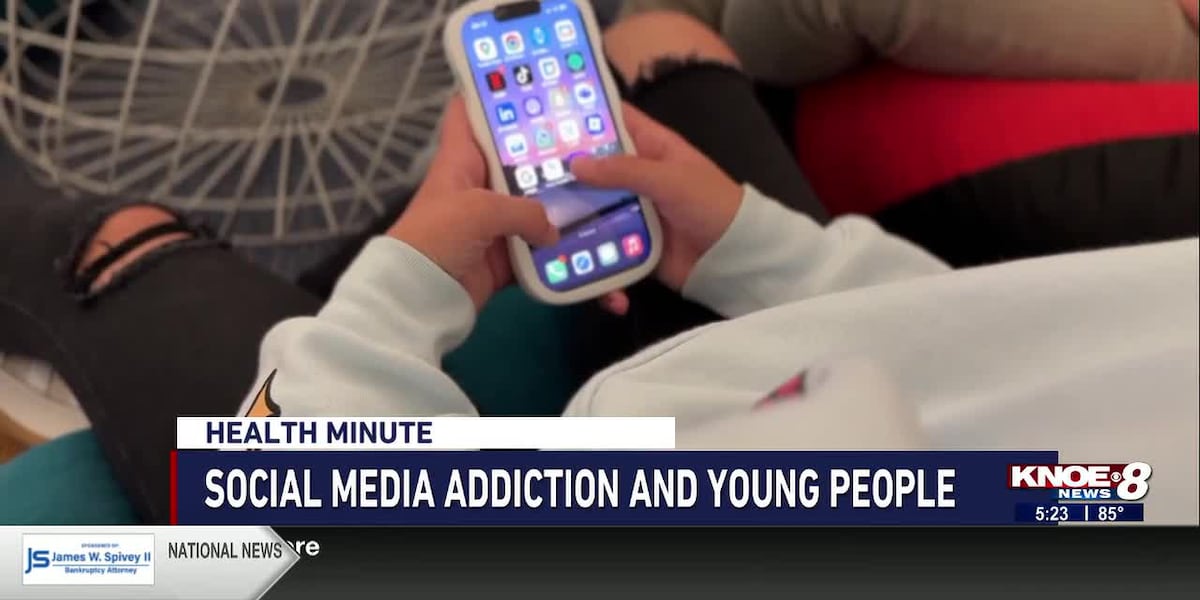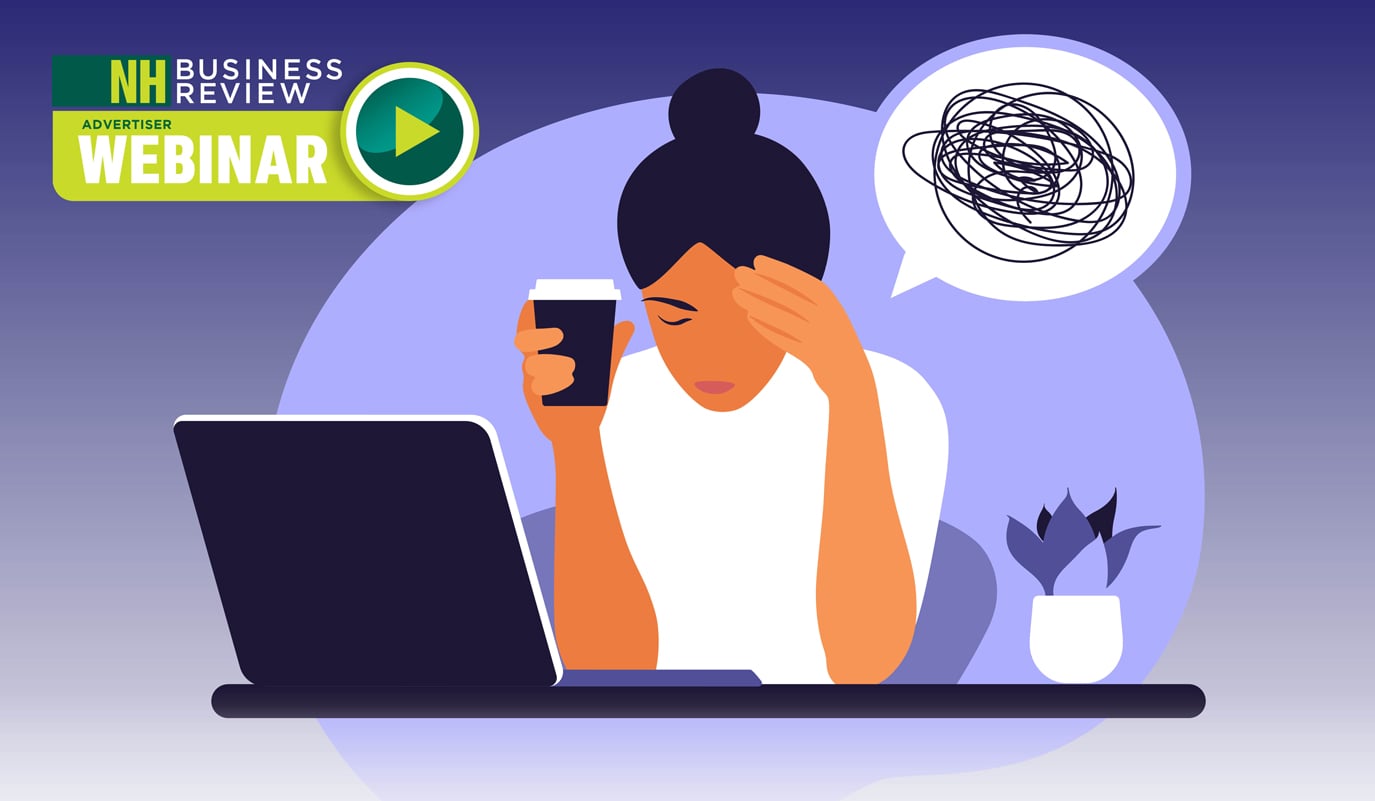
Imagine you’ve been struggling with your mental health, and you’re thinking about researching local therapists. But then you watch a video on social media made by someone who claims they fixed this very problem using an herbal supplement. After watching, instead of reaching out to a mental health professional, you rely on this influencer’s advice. You don’t get a professional opinion, and you don’t do any additional research because you can buy the supplement right now.
It’s understandable that we get fixated on solutions that claim to be immediate or easy, or make intuitive sense, but this can keep us from getting the help we need. Critical thinking skills help us avoid these traps and are an important part of maintaining our mental health and well-being.
What is critical thinking?
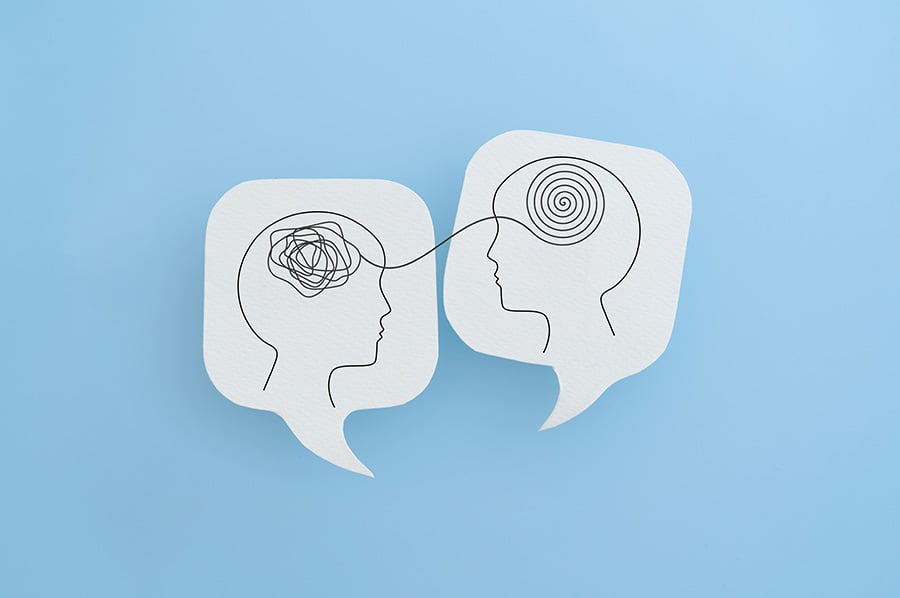
Critical thinking is defined as the objective analysis and evaluation of an issue to form a judgment. Typically, it requires an investigative process before making a decision, which may include gathering information from various sources, speaking with experts or reading their informed perspectives, and considering multiple viewpoints.
Practicing critical thinking before making a judgment or decision increases intellectual curiosity, personal growth, and emotional intelligence.
Some people are naturally inclined to be critical thinkers, but anyone can improve their critical thinking skills.
Why is critical thinking important?
When people do not employ critical thinking while making decisions and judgments, they often make impulsive decisions based on popular opinion, or they may be overly reliant on their personal experiences. They might make assumptions without having all of the facts.
If we don’t think critically, we might regret the decisions that we make. We might realize later that we did not have all of the information. Not only do we have regrets, but our decisions and judgments might affect our well-being, in addition to the well-being of others around us. Sometimes this results in us feeling guilty or ashamed. Not engaging in critical thinking can result in physical harm, emotional distress, and problems in our relationships.
How can you practice critical thinking?
You may wonder if critical thinking is hard. I would say that it is an acquired skill for some, and it comes naturally for others. To help you understand how to use critical thinking to improve your mental health, I have provided some steps that you can take to begin.
- If you are presented with information, and you are tempted to react emotionally, pause before acting. Remember that not everything you see or hear is true. Remind yourself that you have the power to make informed decisions, and that you don’t have to quickly decide what to do or how to think.
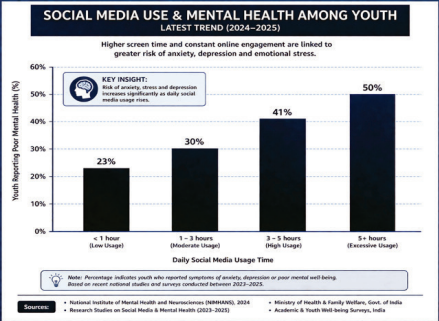
- Consider that not all information is created equally. Some sources of information are more accurate than others. Some are rooted in scientific research or analytical thinking. Others are rooted in popular opinion and propaganda. Whether it’s a political opinion posted on Facebook or mental health advice posted on TikTok, you shouldn’t automatically believe everything that you consume.
- Take some time to research what you just saw, especially if you’re tempted to believe it, buy it, or use it. Turn to Google Scholar, as well as multiple sources of information, to confirm what you learned. You can also seek the informed opinions of professionals, especially as this relates to physical or mental health. Taking advice from social media influencers can be risky. Remember that a lot of people online are getting paid for selling products and giving advice.
- Approach every decision with thoughtfulness. It’s OK to have healthy skepticism when you hear things that sound like they stem from extreme thinking.
- Remain flexible and open to new information. This piece of advice is key in developing critical thinking skills. Sometimes we make decisions based on the information available to us at the time, but then things change. New scientific data emerges, the social and political climate changes, or we learn things about people that we did not know before. We must be able to reevaluate the accuracy of information we previously had to determine whether it still reflects our values and opinions. Rigid, inflexible thinking often leads to poor decisions and repetitive cycles that keep us stuck.
So the next time you’re scrolling and you come across a remedy that claims quick and easy relief from anxiety, depression, or any emotional challenge, apply critical thinking skills so you can make the best decision. Taking a little time to think and research first will have a big payoff for your mental and physical well-being.