Despite the new Aged Care Act enshrining wellbeing and connection as central to care, there is a gap between the recognised importance of spiritual care and its consistent delivery, a new national benchmarking report has found.
Peak body for emotional wellbeing and spiritual care Meaningful Ageing Australia and provider peak body Ageing Australia collaborated on the report, which was published this month.
The Benchmarking report: Spiritual Care in Aged Care examined responses from 37 providers on how they were responding to the strengthened Aged Care Quality Standards and the new Act.
Of those who responded to the survey:
- 60 per cent were residential aged care providers
- 86 per cent were Home Care Package program providers or Commonwealth Home Support Program providers
- 40 per cent were palliative care providers – all except two delivered palliative care in conjunction with residential care.
Nearly half – 49 per cent – of respondents declared revenue of less than $25 million and 35 per cent reported revenue of over $100 million.
Charitable or not-for-profit organisations made up 70 per cent of the respondents – some of whom identified as faith-based – while 32 per cent identified as religious and 8 per cent were First Nations providers.
The survey found inconsistent delivery of spiritual care, with the top spiritual care methods including:
- one-to-one pastoral care visits (16 per cent)
- spiritual care practitioner visits (14 per cent)
- supporting personal meaningful spiritual connections, such as with nature or music (14 per cent)
- group activities with a spiritual lens (14 per cent).
Residential care was more likely to have structured models and dedicated staff than community care, with funding and time constraints identified as major barriers to its implementation.
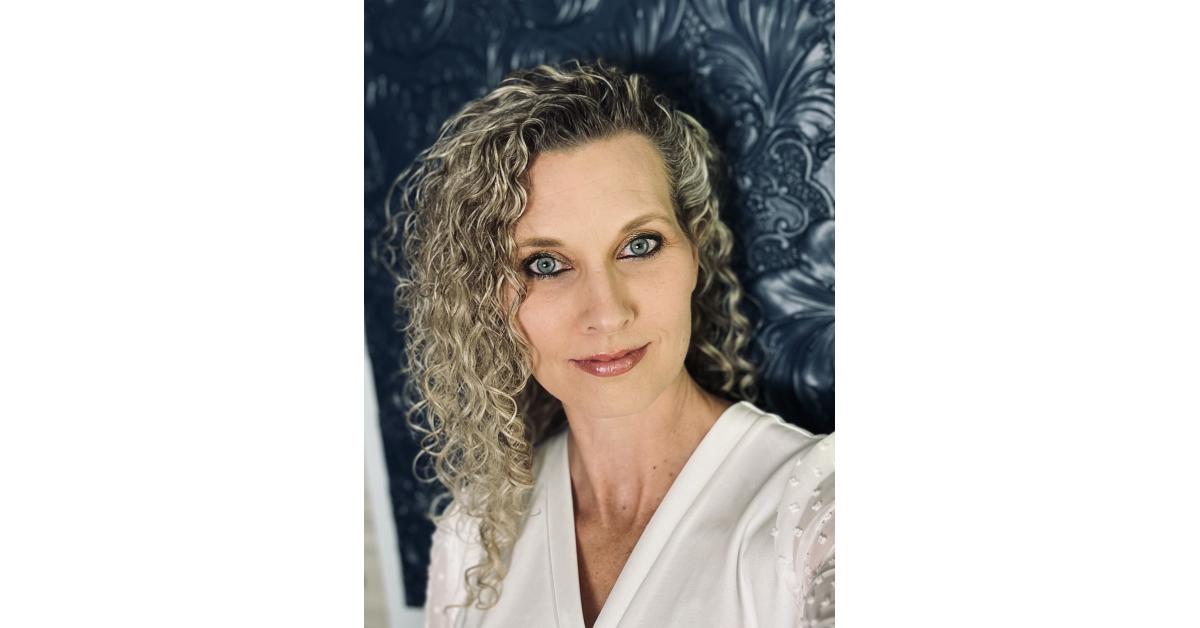
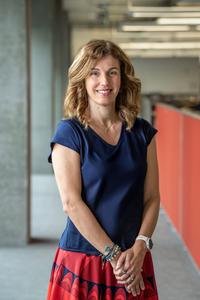
Meaningful Ageing Australia chief executive officer Rachel Wass said although spiritual care is being increasingly recognised as essential to person-centred care and supporting meaning, identity, connection and wellbeing, it is not consistently embedded.

“Providers are committed – but without dedicated funding, clearer guidance and workforce capability, it is difficult to deliver on these expectations consistently,” Ms Wass said.
The report recommended four actions to strengthen spiritual care delivery, including:
- investigate sustainable funding models for spiritual care
- increase awareness of what spiritual care is and what its benefits are
- increase capacity by embedding spiritual care into multidisciplinary teams and embedding evidence-based approaches
- undertake further research.
Meaningful Ageing Australia and Ageing Australia are also calling for stronger alignment between regulatory expectations and funding frameworks to ensure spiritual care is embedded as a core component of aged care delivery.
Better understanding needed of what spiritual care is

A lack of shared understanding of what constitutes spiritual care was another barrier to embedding spiritual care.
As highlighted by the report, spiritual care goes beyond religious practice, recognising spirituality as a concept that encompasses meaning, purpose, identity and connection.
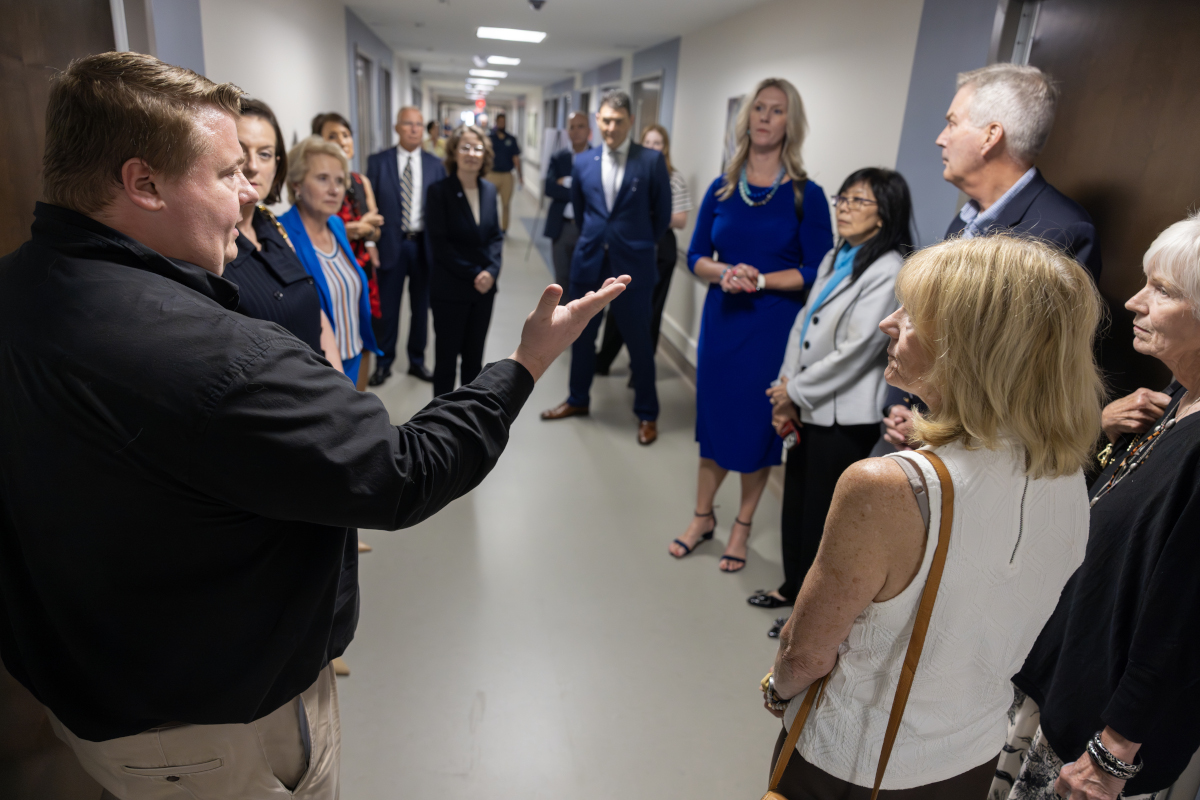
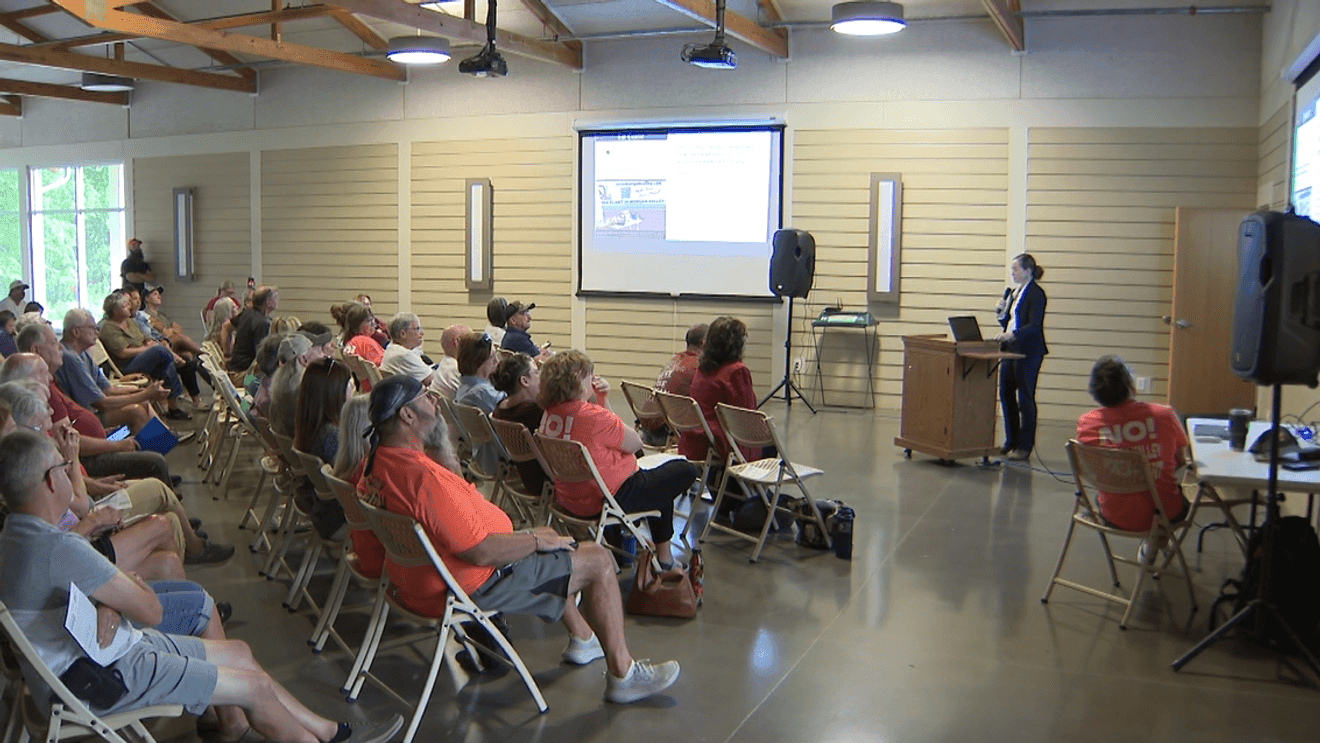
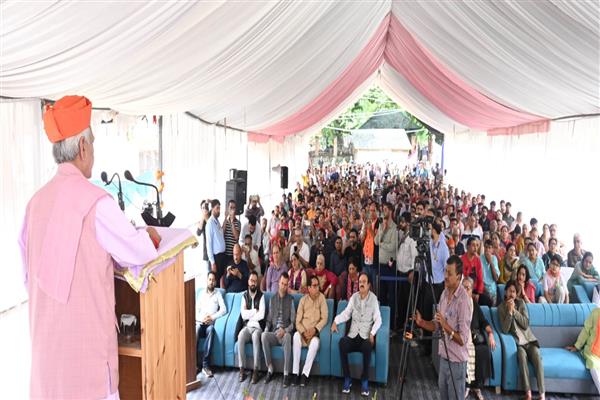
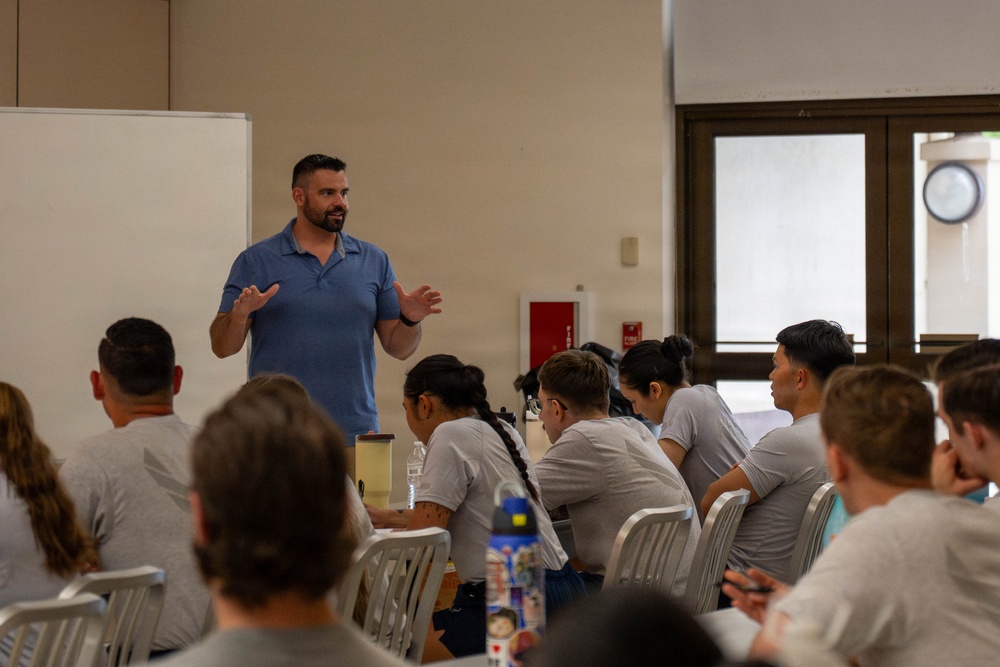
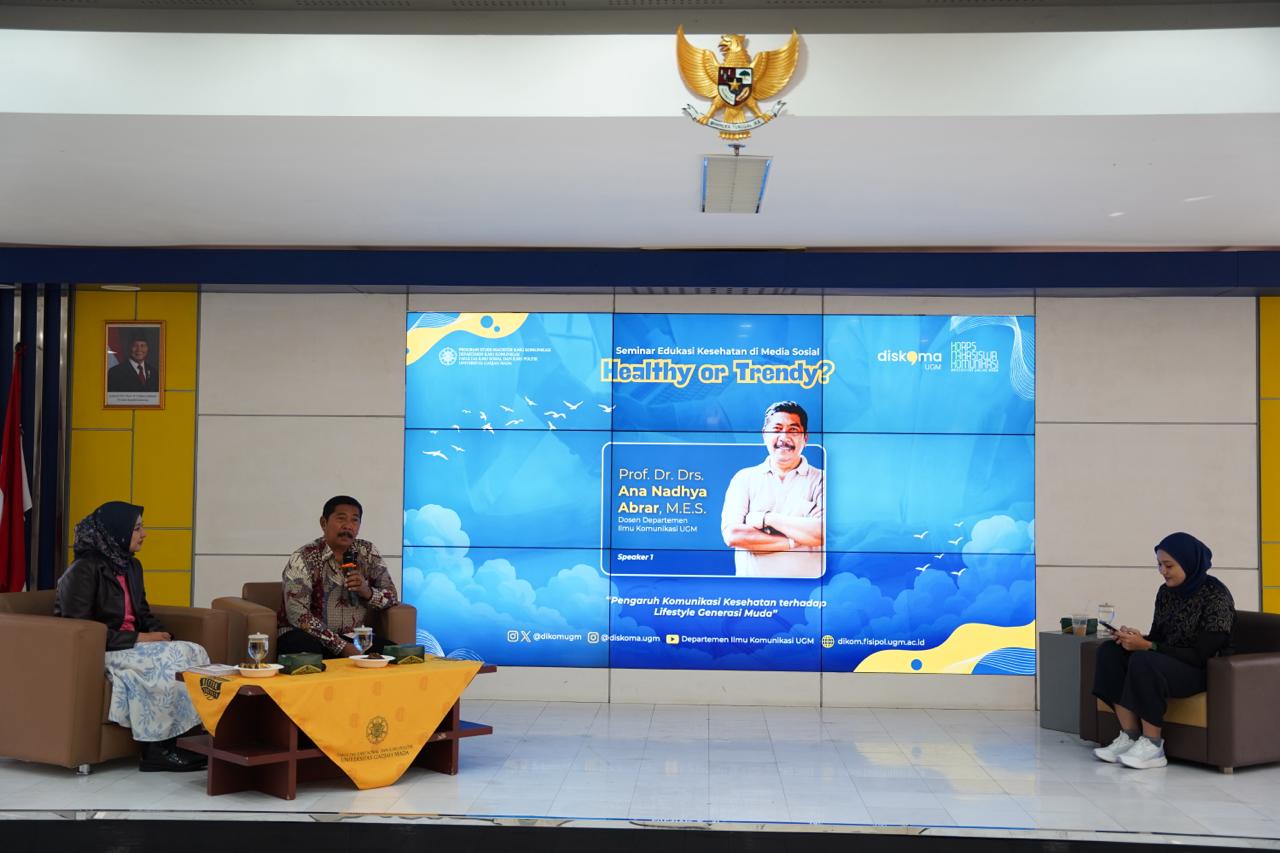
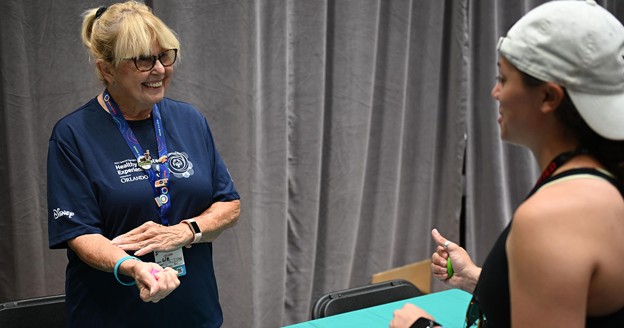
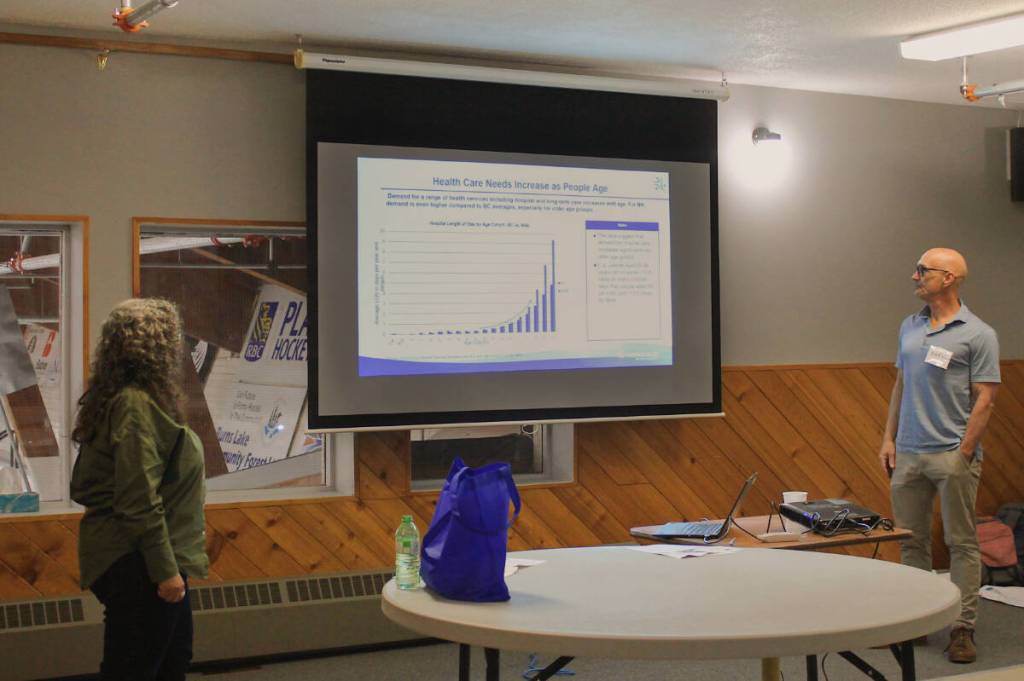
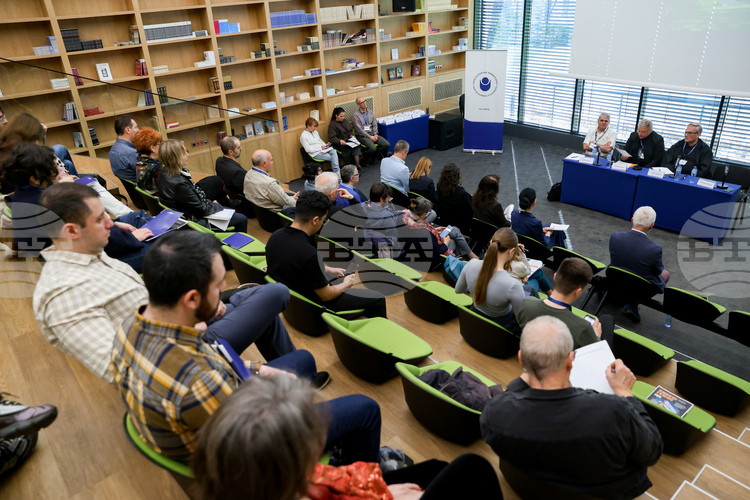
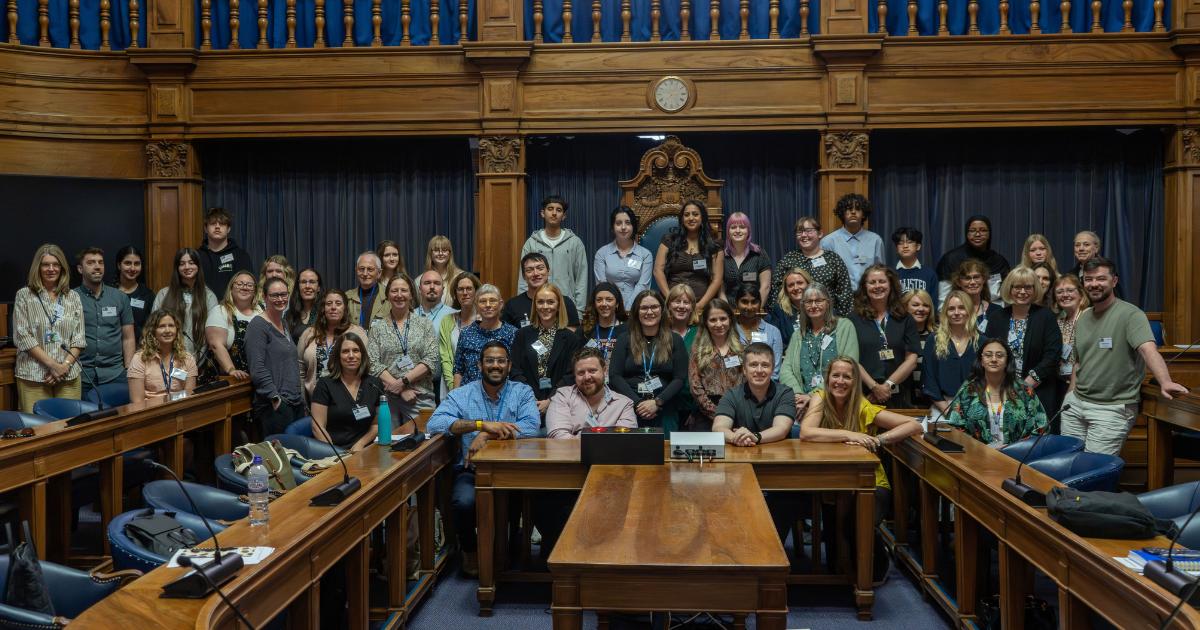
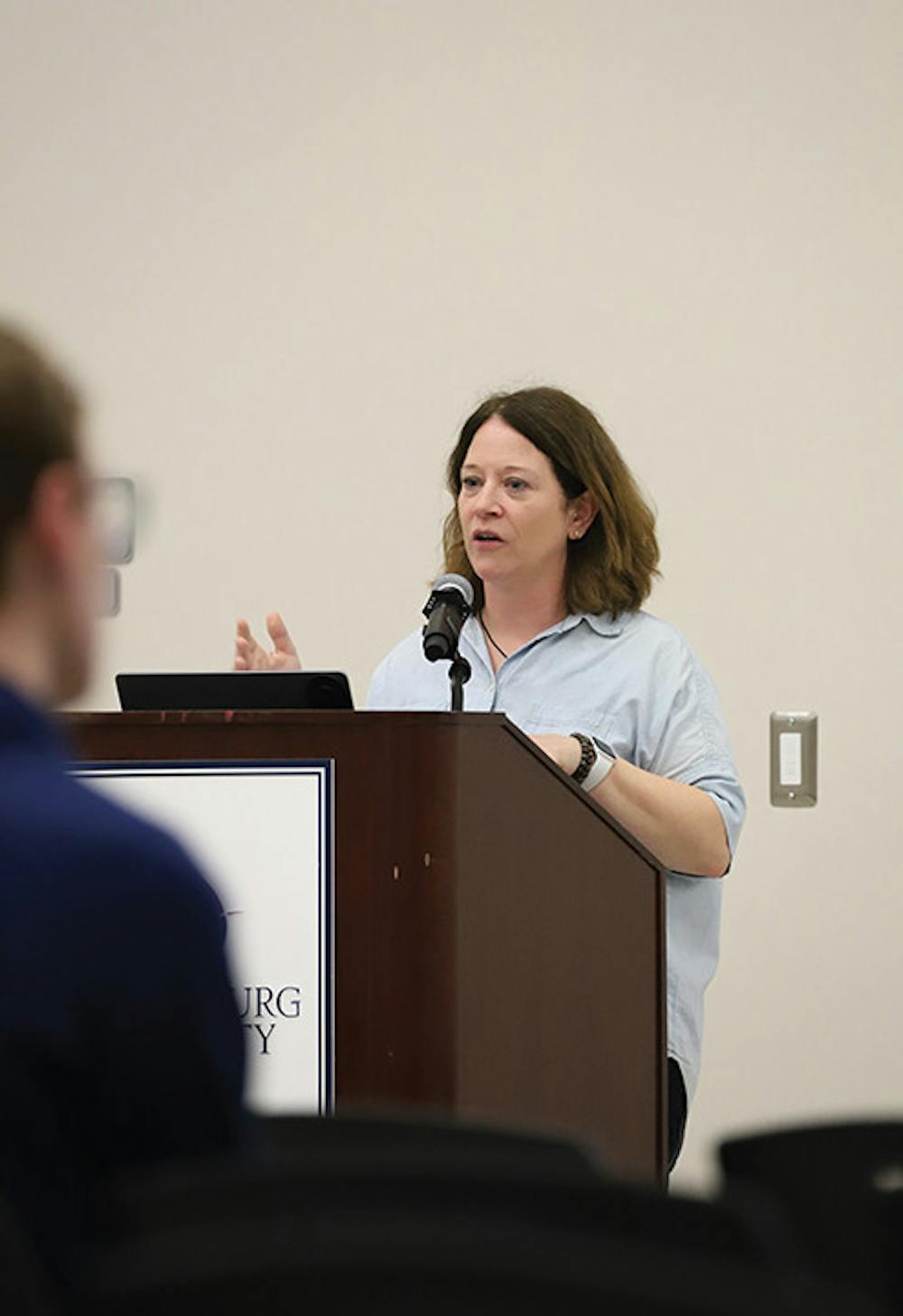
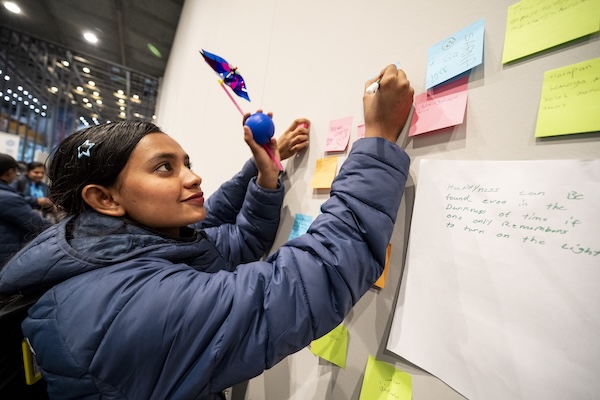
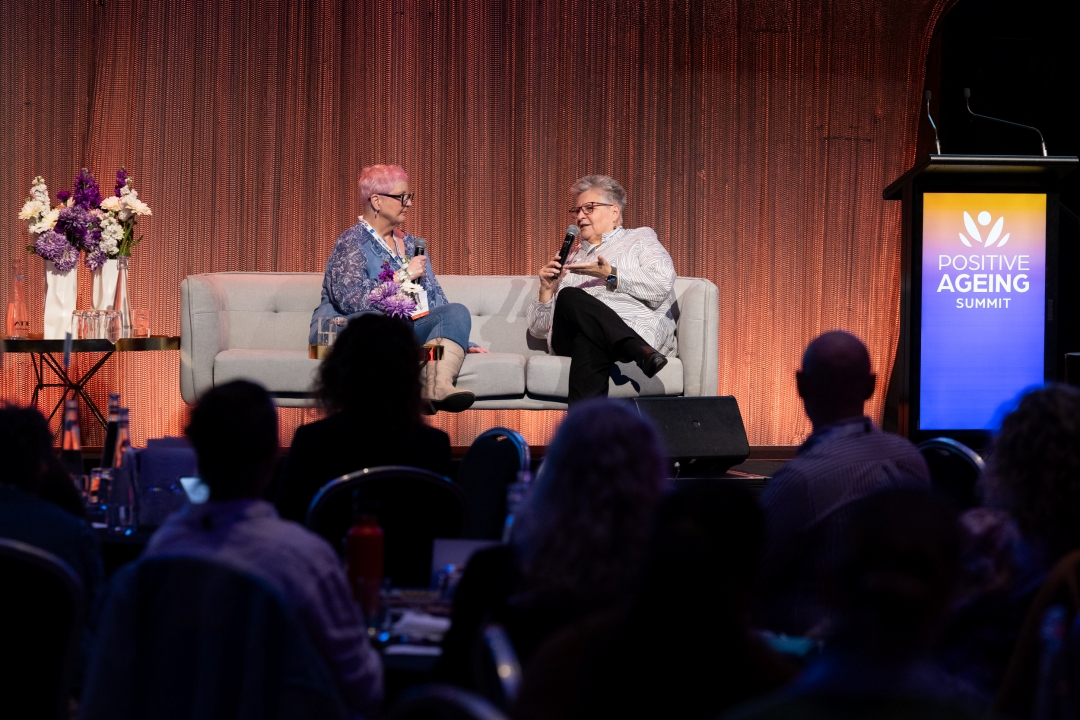
Meaningful Ageing Australia communications specialist Jacquie Molloy led an interactive presentation at this year’s Positive Ageing Summit on this topic, encouraging delegates to think more conceptually about spirituality and purpose.
“It might be a bit of a surprise to some but spirituality is not the same thing as religion – religion is spiritual but spirituality is much greater than that… Spirituality is universal, deeply personal and individual,” Ms Molloy told delegates.
“It goes beyond formal notions of ritual or religious practice to encompass the unique capacity of each individual, [and] the unique capacity of each individual is the core and essence of who we are.
“Spirituality is expressed through beliefs, values, traditions and practices, it’s all about meaning and purpose. So when we talk about meaningfulness we’re also talking about spirituality, spiritual wellbeing and the provision of that is spiritual care.”
A global survey of 41,000 people conducted by the McKinsey Health Institute – the not-for-profit arm of the global management consultancy company McKinsey & Company – found spiritual health is important across generations.
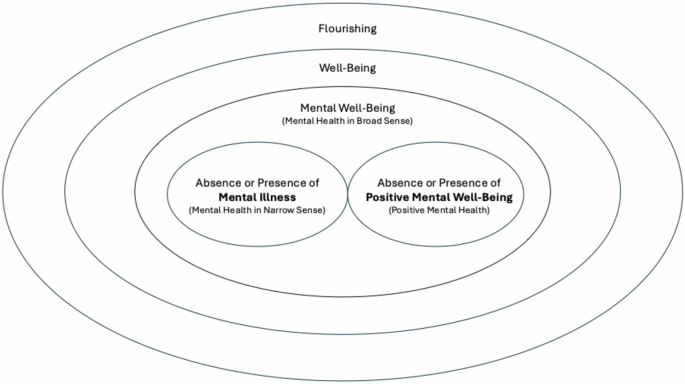
Ms Molloy pointed to this research in her presentation, highlighting how spiritual care was identified among the four dimensions of health and wellbeing – mental, social, physical and spiritual.
“And so this research reframes spiritual health as essential, not optional, in achieving holistic wellbeing,” she said.
“Positive ageing therefore is not just about chronological age but also our capacity to maintain meaning and purpose in all of our lives.
“Our life changes and the people that you care for … face trauma and challenge as they age. We need spirituality then more than ever.
“It provides guidance, reassurance, comfort, hope and inner strength. Attention to spirituality can help clients, residents and staff find peace, grieve a loss – which might be a loss of identity – and contribute to a healthy organisational culture.”

Ms Molloy told delegates that spiritual care can be viewed in five domains:
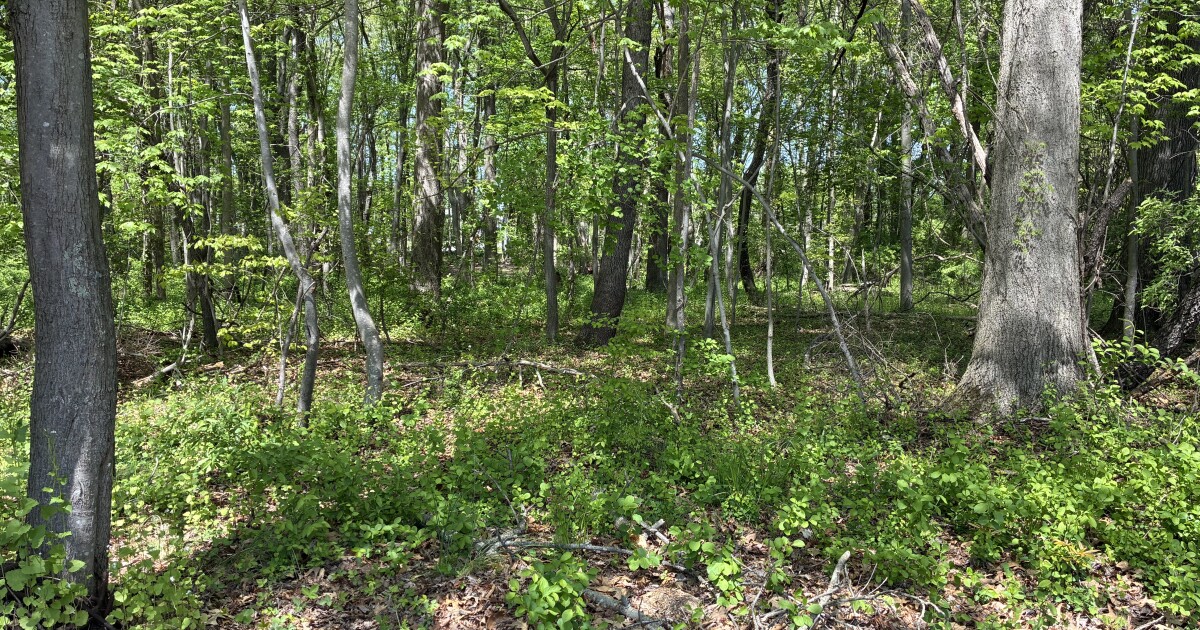
- connection to nature
- connection to others
- connection to creativity
- connection to self
- connection to something bigger.
But this is not a checklist, she emphasised.
“This isn’t about finding connection for each of these things and considering that the win,” she said. “The win is finding one that you’re deeply attached to, deeply connected to.”
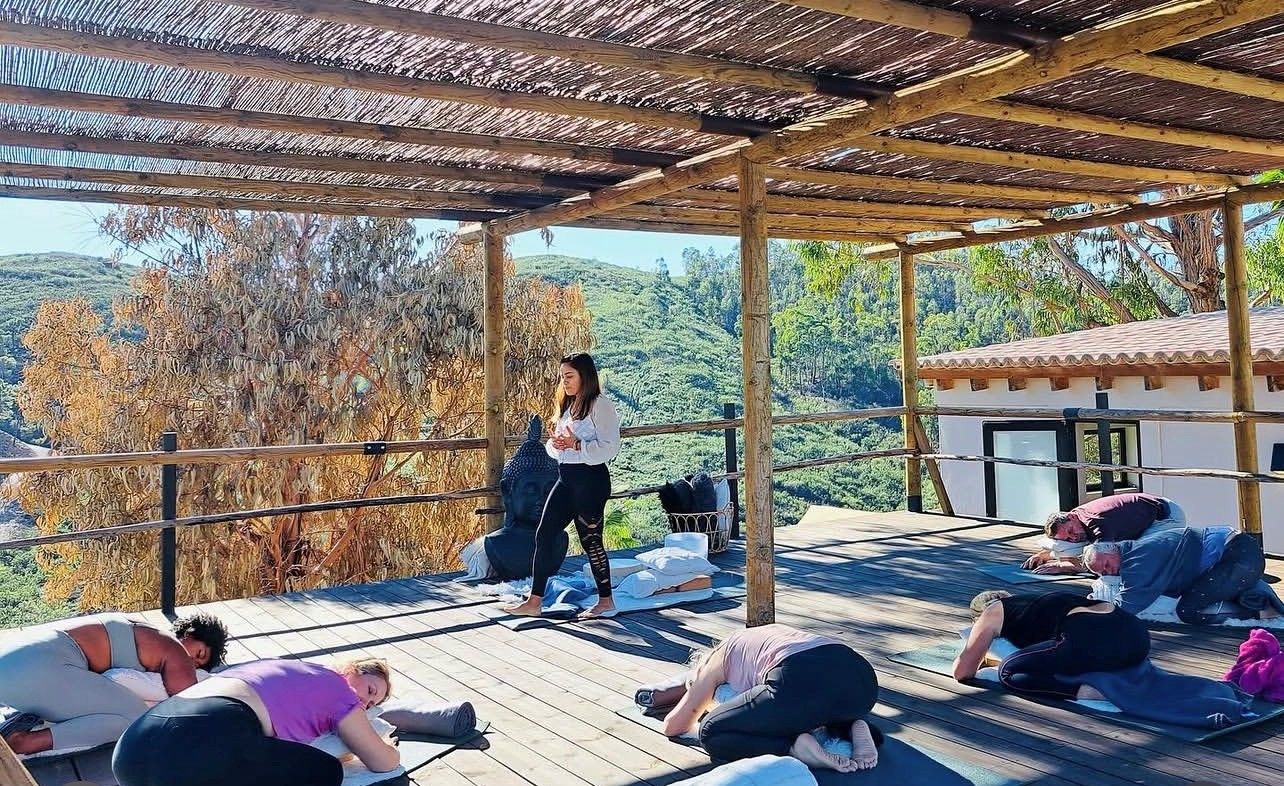
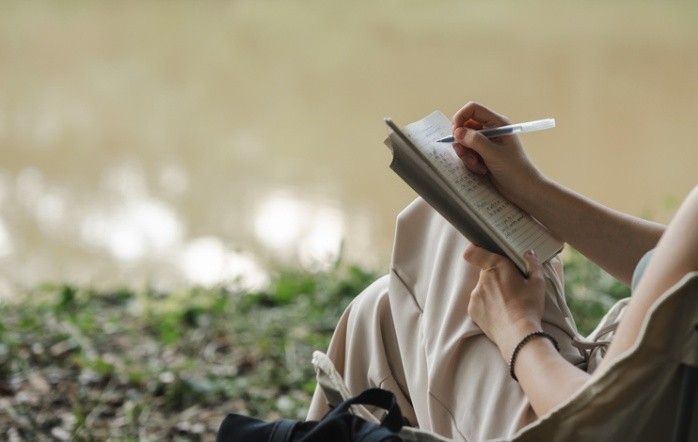
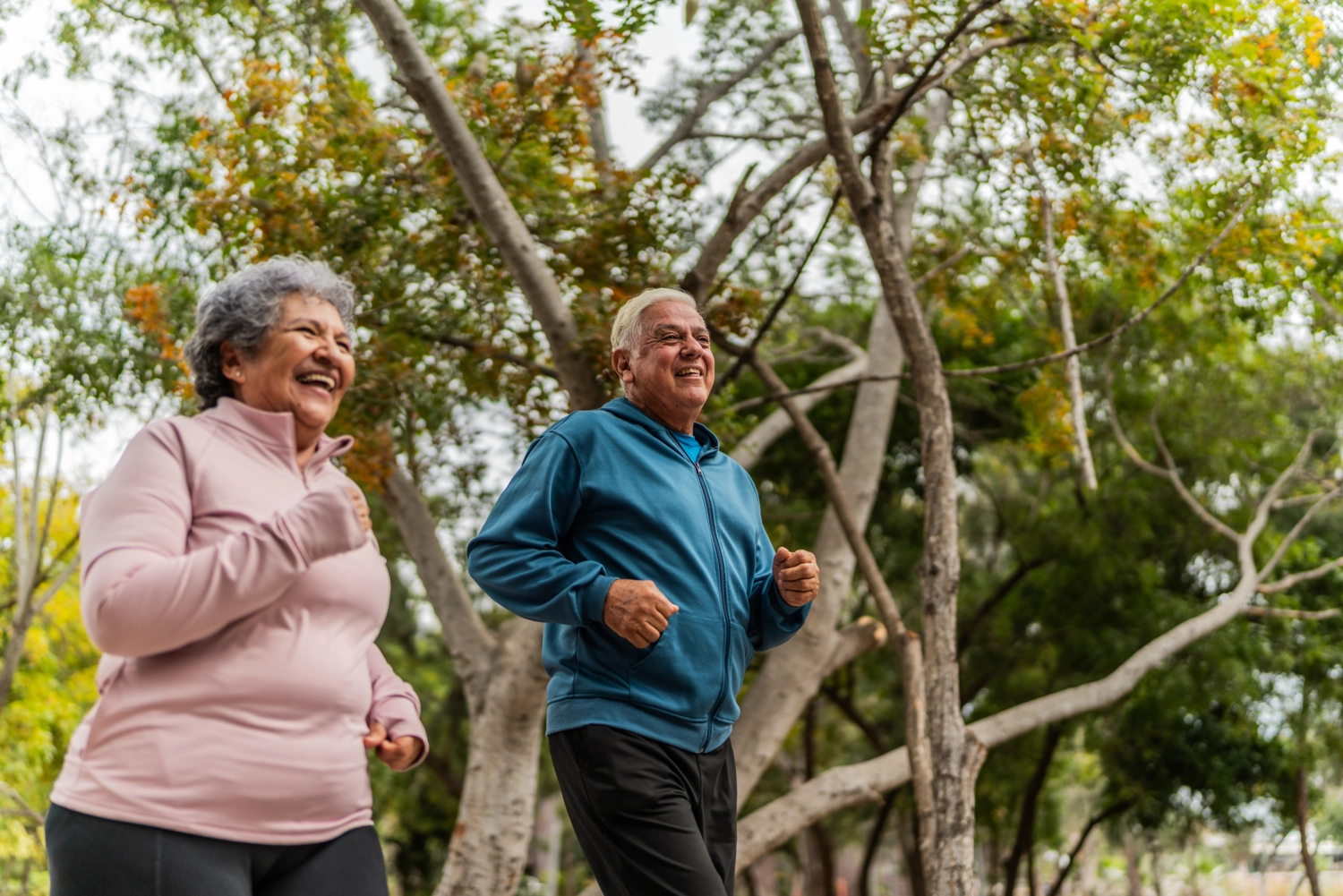
It can be about embracing nature, for example, or spending time with animals, or swimming in the ocean, going for a hike or spending time with loved ones.
“It can be big, it can be small,” Ms Molloy said.
“Spirituality can be about connecting with others, providing a service perhaps, or just being in the company of others. Wanting to be a good mate can be purpose. Wanting to be a good grandparent can be purpose. Spirituality can be about exploring creativity.”
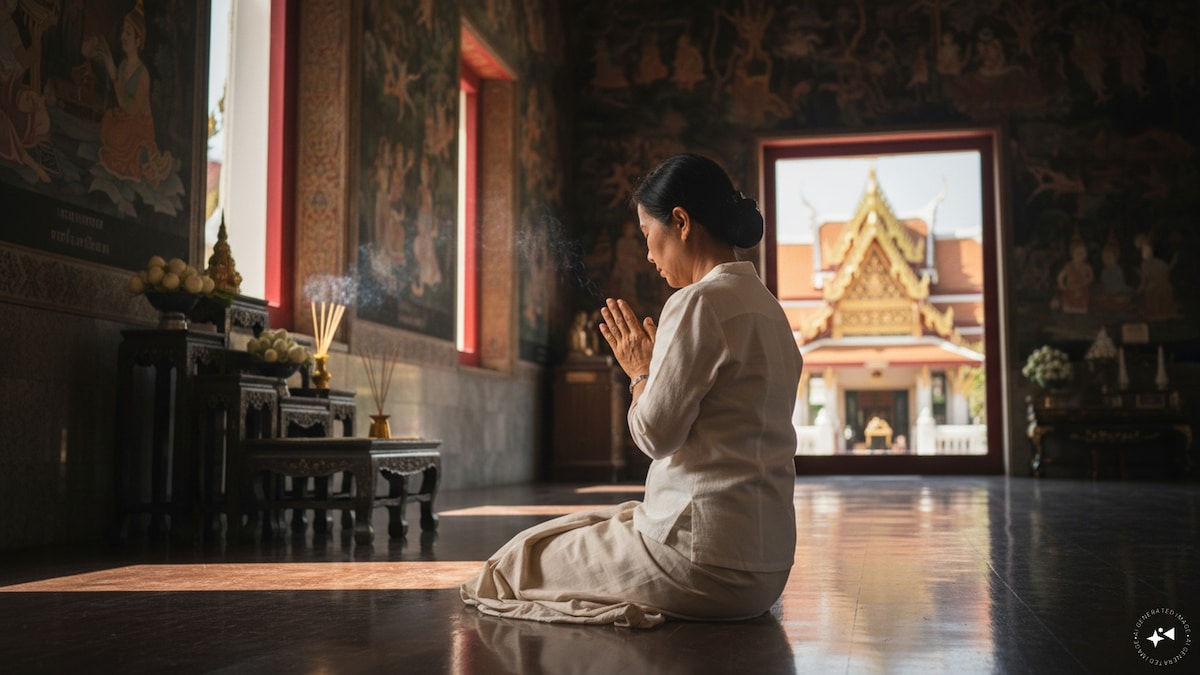
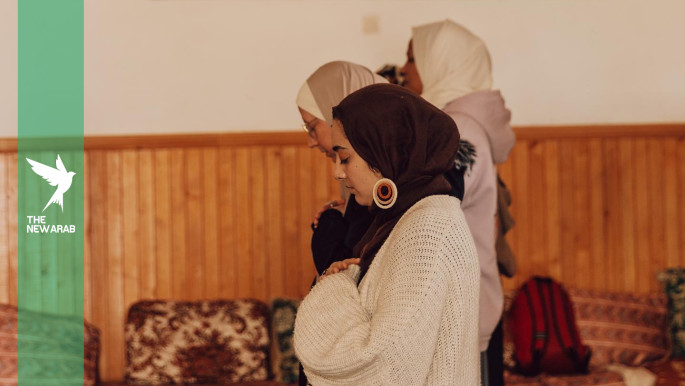
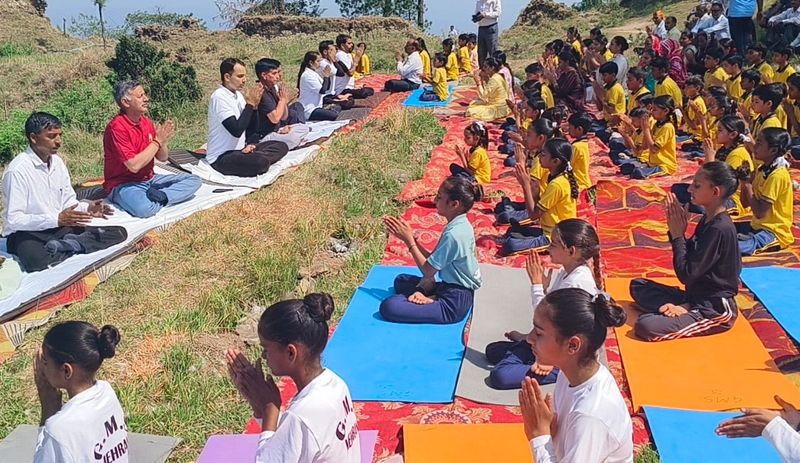
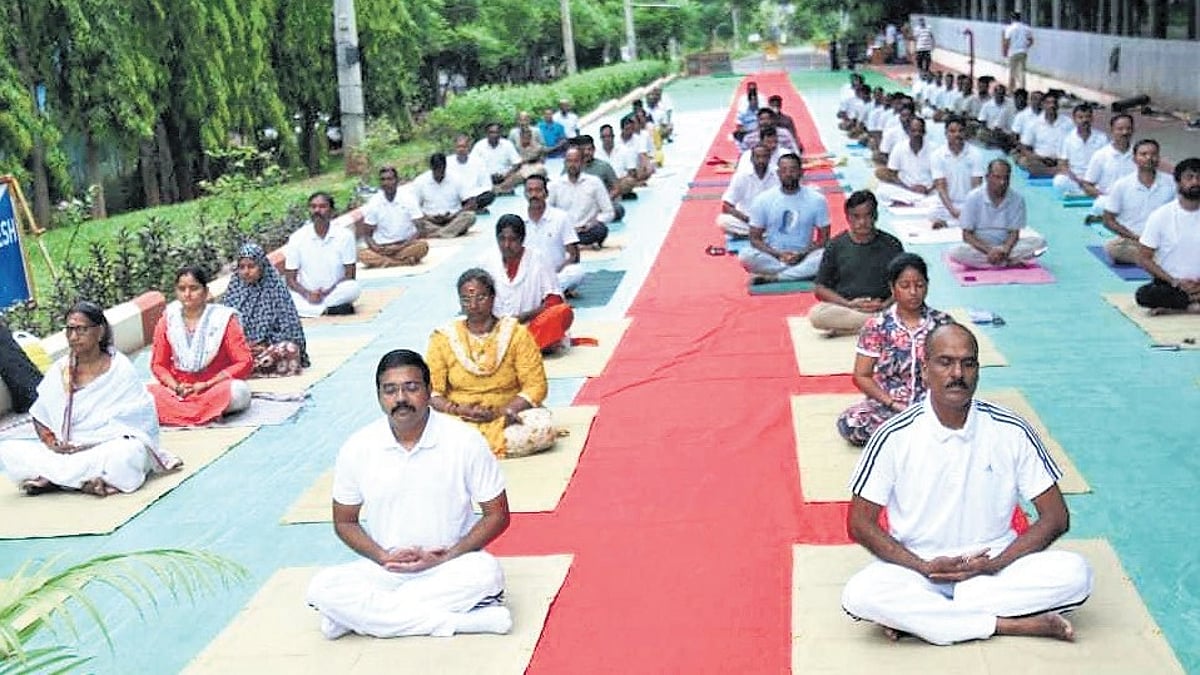
“Spirituality can be connecting to yourself – now religion might play a part here, it might look like prayer, but it might just be meditative practice, something that enables you to reflect and be mindful,” she said.
“And spirituality can be believing in something bigger than yourself; religion is obviously a part of this one. But something bigger than yourself can also just be what is awe-inspiring to you.”
The spiritual care in aged care benchmarking report can be read here.
Read more stories for executives here
Follow Australian Ageing Agenda on LinkedIn and Facebook, sign up to our twice-weekly newsletter and subscribe to AAA magazine for the complete aged care picture