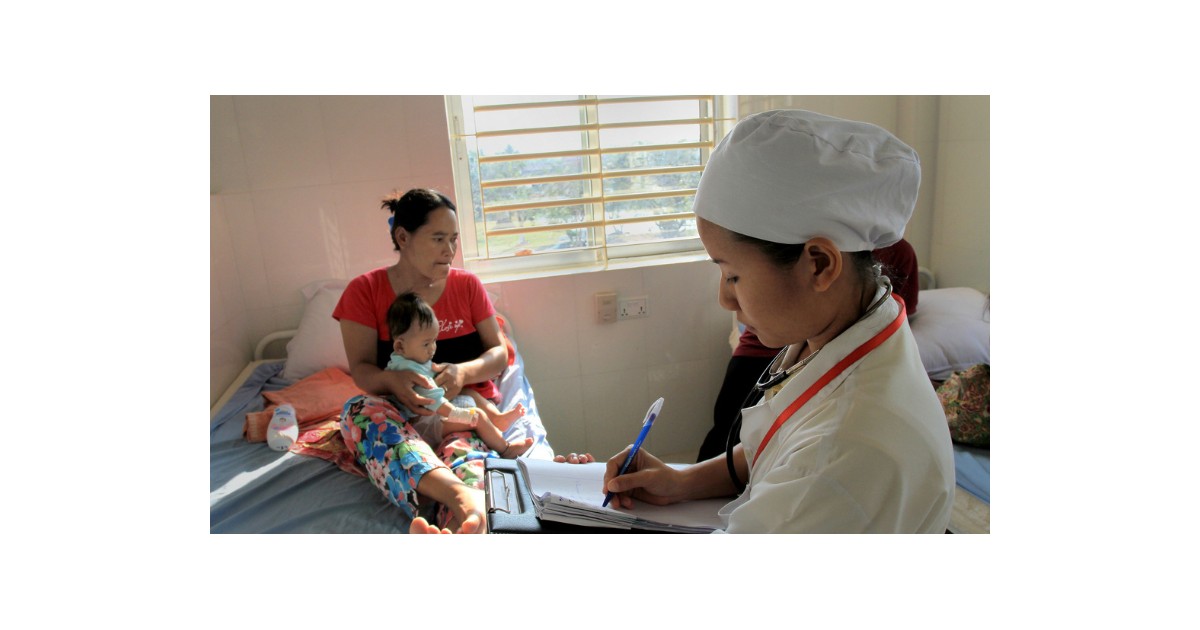
More Cambodian children are in school than ever, and more patients walk into a clinic and leave satisfied. Net primary school enrollment in Cambodia has reached 97 percent while life expectancy has climbed past 70 years and patient satisfaction sits at 94 percent. Yet, the average Grade 6 student can only answer less than half a basic math exam, and only a small share of health centers offer the full set of services they are meant to provide. Access has raced ahead but outcomes have not kept up.
Two new World Bank reports seek to explain this discrepancy. Status of Health Service Delivery draws on 288 public and private facilities across 11 provinces and Addressing Public Finance and Human Resource Bottlenecks to Education Outcomes traces six bottlenecks to learning. Together, they reinforce that Cambodia’s next gains depend on getting the basics right: improving frontline staff capacity, medicines, materials, and infrastructure, and on fixing the financing and management systems that prevent resources from reaching the clinic and the classroom.
The resource gap is a real binding constraint within Cambodia’s education system. Cambodia spends only about 2.2 percent of its national income on education, less than half the average for countries at its income level. Families fill much of the gap, covering roughly 59 percent of education spending, a burden that falls hardest on the poorest households.
Moreover, salaries now absorb 70 to 80 percent of the education budget, while capital spending fell from 21 percent of ministry spending in 2018 to just 6 percent in 2022, even as it runs short of more than 16,000 classrooms. Frontline health budgets are similarly tilted with health centers putting 63 percent of their resources into salaries and little into the medicines, equipment, and repairs that decide whether a service can be delivered.
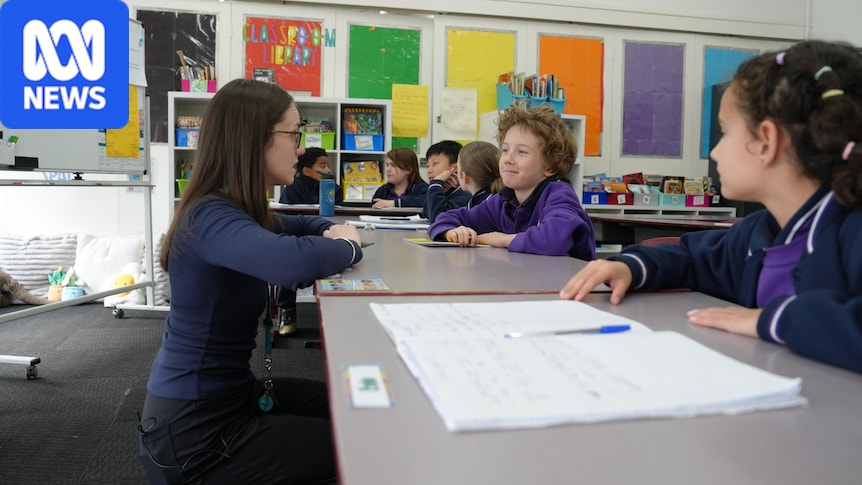
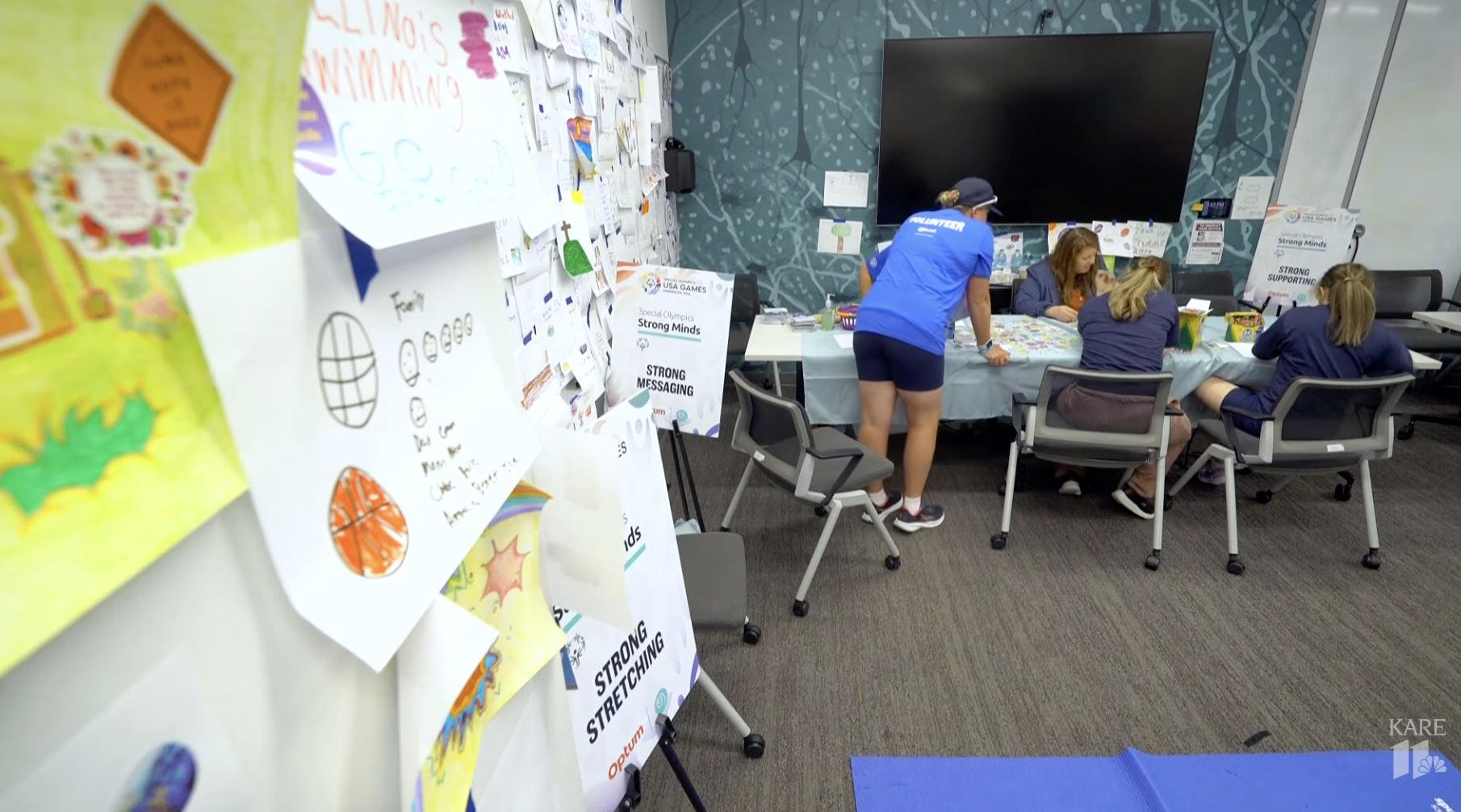
Weak outcomes often reflect gaps in the basics. In education, many teachers have not fully mastered the content or teaching methods they are expected to use. Although stronger graduates are entering the profession, classroom practice has yet to improve, and about one-fifth of teachers have received only minimal training. Students who fall behind rarely receive effective remedial support, and textbook shortages persist in rural and remote schools, even though students with their own textbooks learn significantly more.
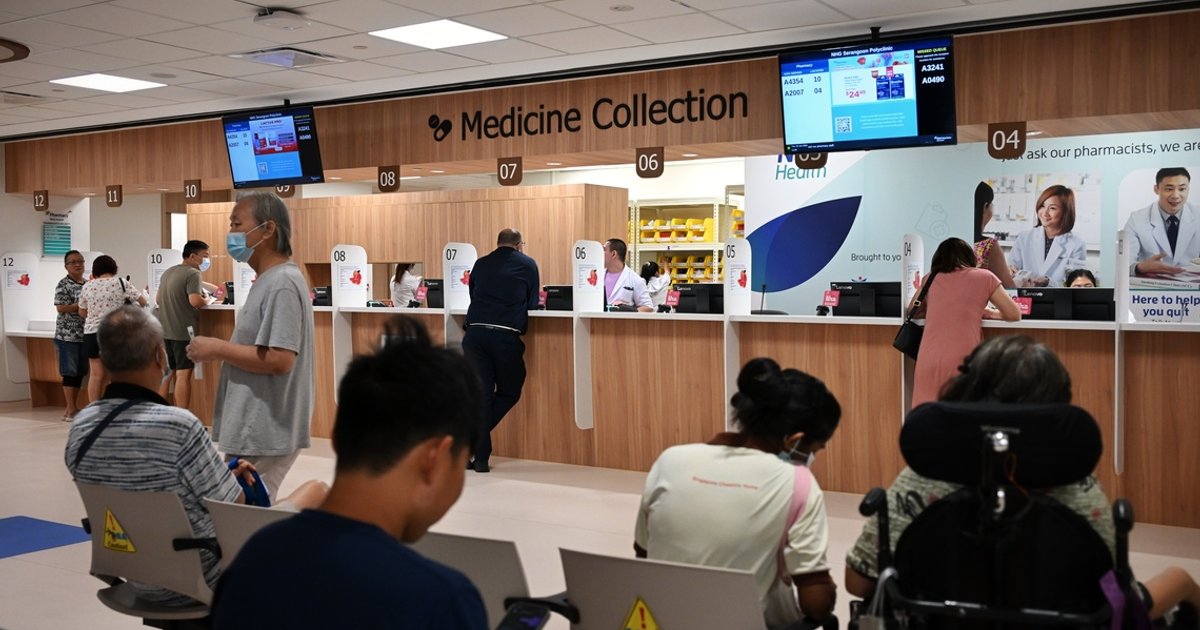
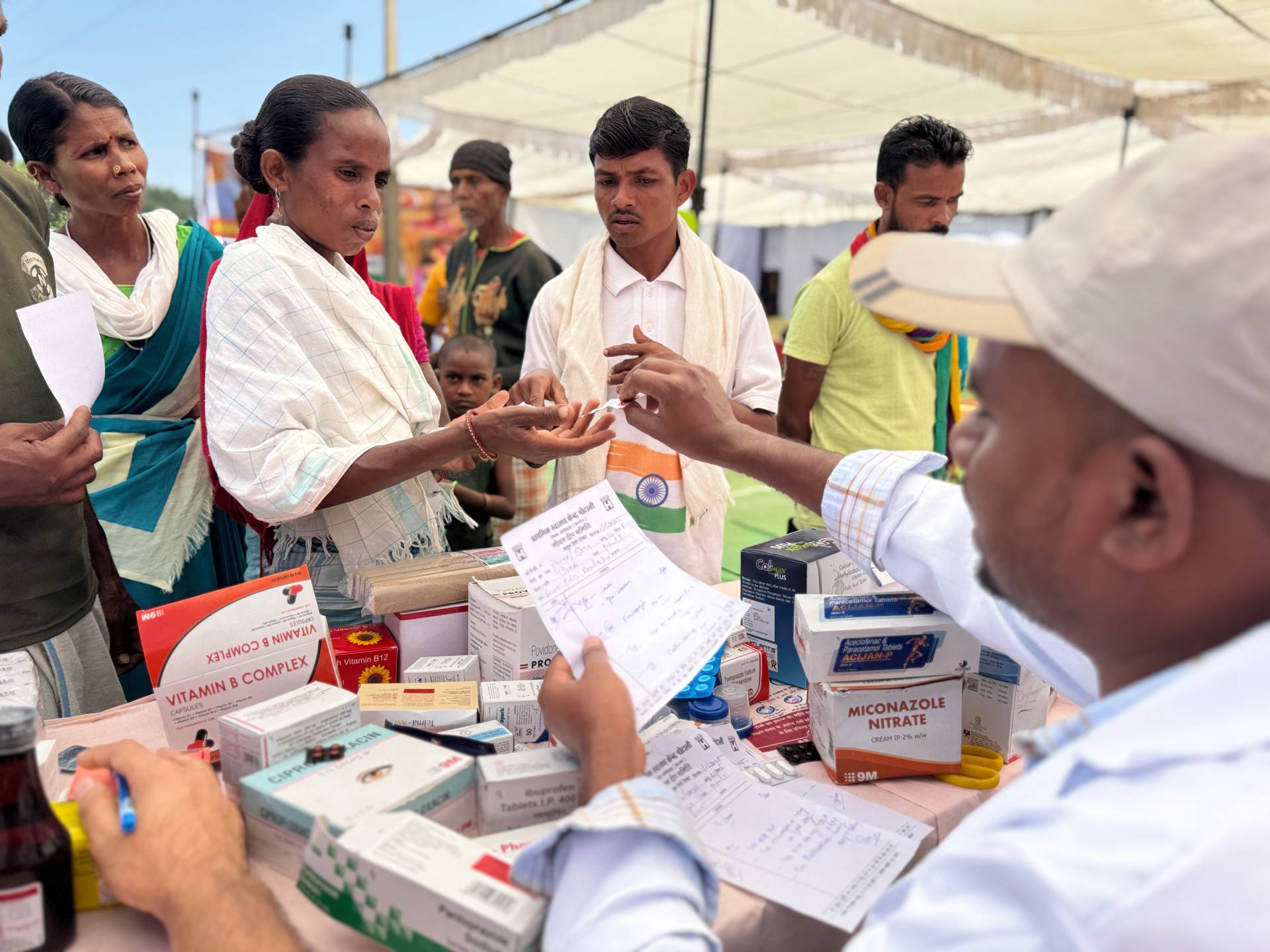
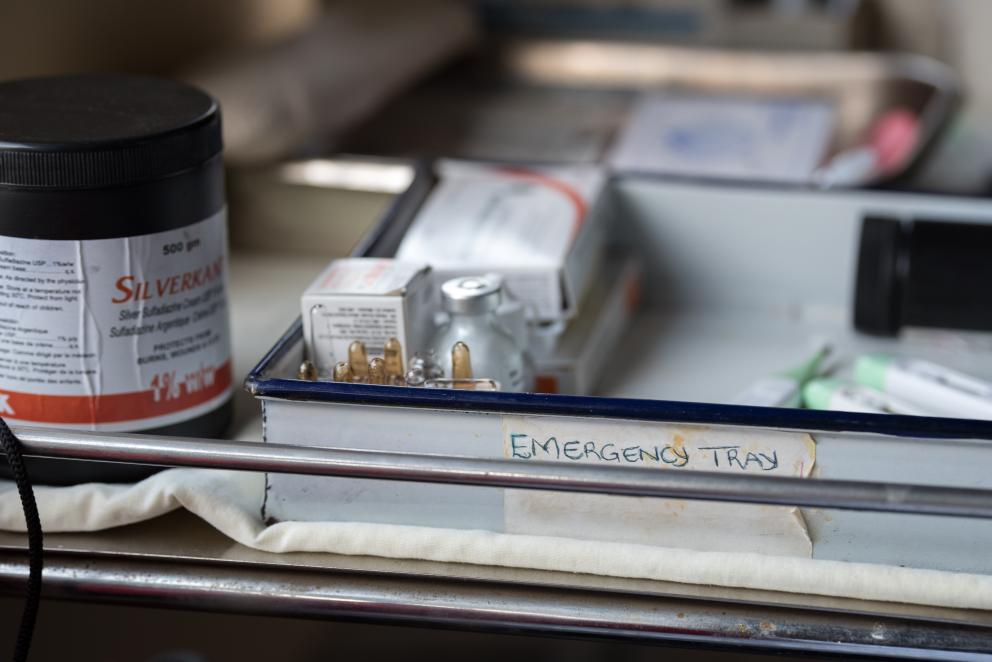
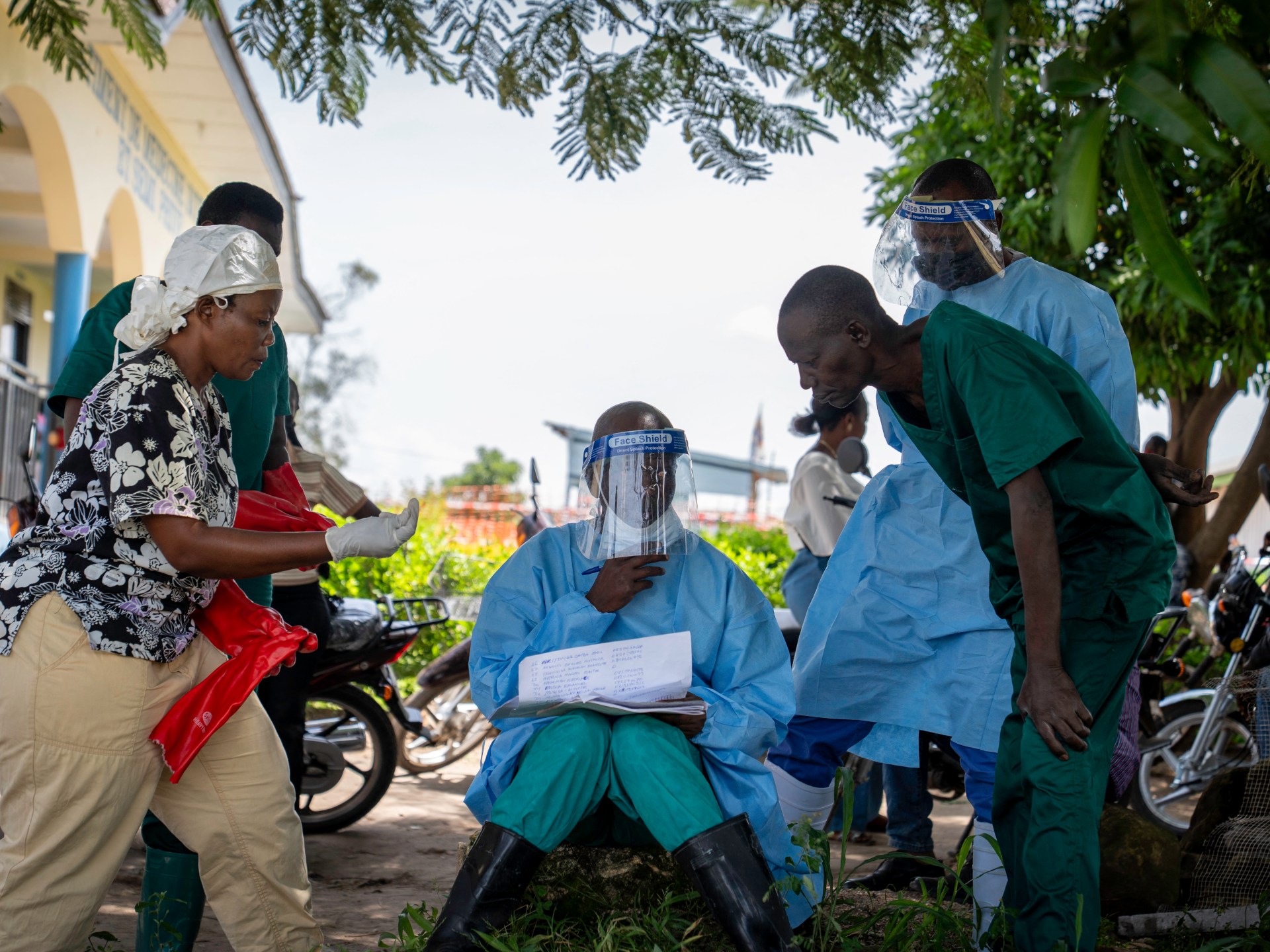
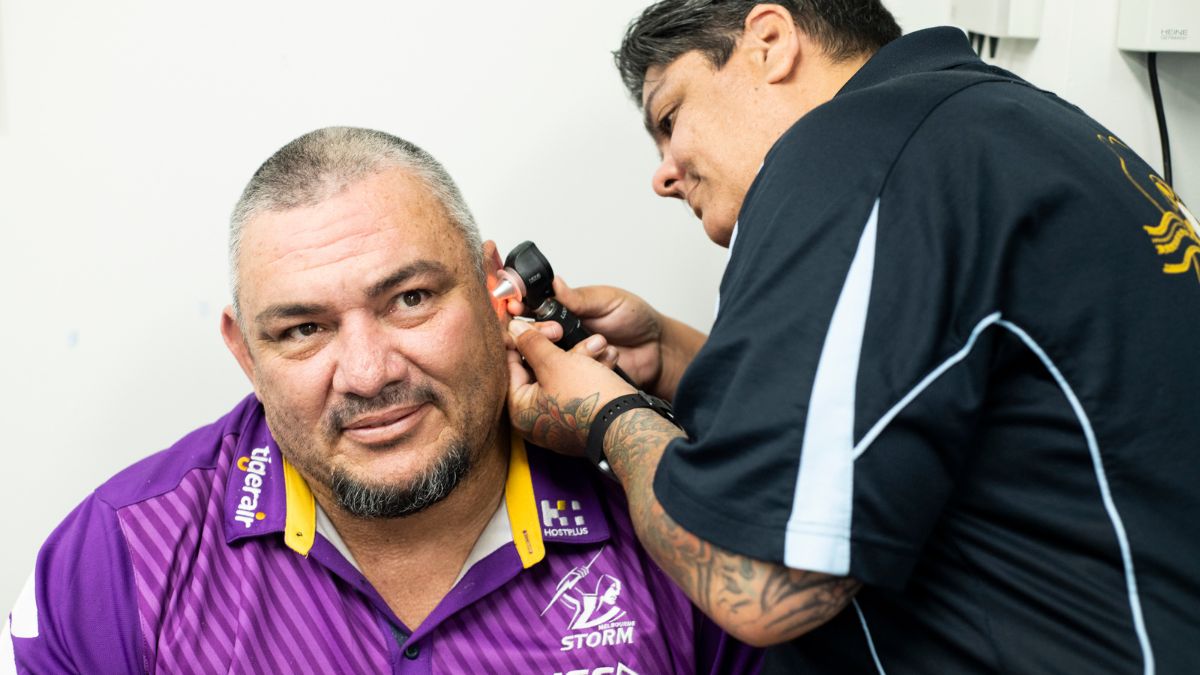
Similarly in the health sector, understaffing affects 88 percent of referral hospitals and 65 percent of health centers, and most health centers operate without a doctor at all. Electricity cuts hit more than half of health centers, fewer than one in ten has a working generator, and stockouts of everyday medicines remain common. Only 3 percent of health centers offer the complete required package of services, though most deliver most of it. These are the holes in the hull, and tidying the management around them will not help if the basics are missing.
Why resources don’t reach the frontline
Some governance constraints bite directly on these basics. Rigid rules on schools’ operating grants, and an underused system for tracking textbooks, make it hard for schools to buy the very textbooks and remedial materials that learning depends on.
Other constraints are shared across both sectors. Budgeting at the frontline is fragmented. 79 percent of health centers and 81 percent of referral hospitals manage separate budgets by funding sources, while schools cannot carry unspent balances into the next year. Spending rules reward year-end disbursement over strategic use, and frontline managers have little room to fill staffing gaps or move resources to where they are needed. Performance is rarely linked to financing, staff are unevenly distributed, and parallel data systems do not talk to each other, leaving managers without a clear picture.
Reform must now move into sectors
Cambodia’s Ministry of Economy and Finance has driven a respected reform program, modernizing budgeting and building the core financial management system.
As a next step, the MEF and the line ministries must now move together. MEF has built the foundations and remains the anchor, but the next phase depends on the health and education ministries owning reforms within their own systems: linking their financial information to the government’s central system, spending more on what raises results, capable teachers and learning materials in education, staff, medicines and equipment in health, and reworking the rules that keep money from reaching the frontline.
Cambodia has already brought millions of children into school and patients into clinics. The work that remains is turning that access into real learning and real care. Doing so is not only essential for better education and health outcomes but is also an investment in the country’s future workforce. By strengthening the human capital foundations of health and education, Cambodia can equip more people to participate in productive employment and support the country’s long-term job creation and economic growth.