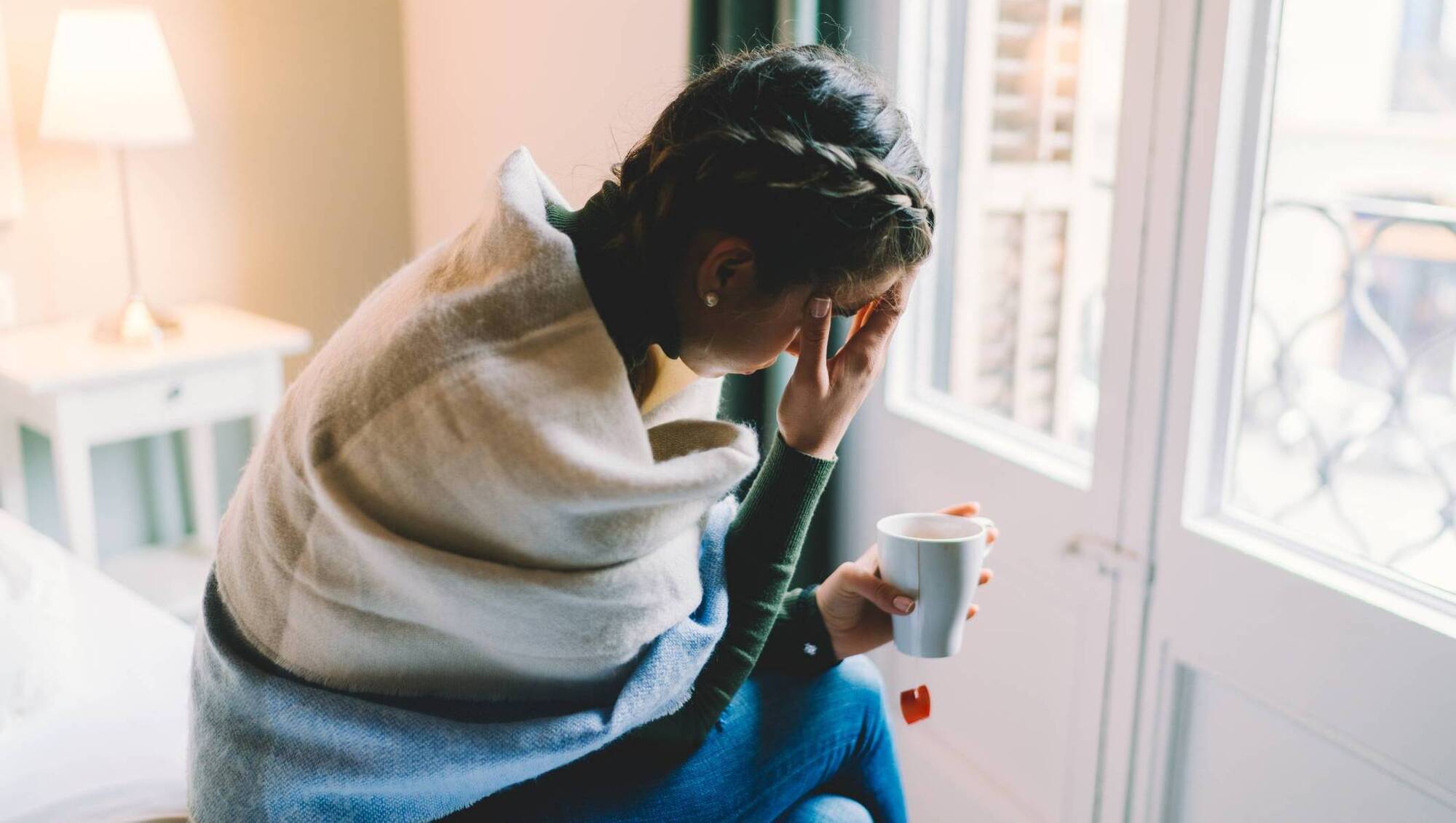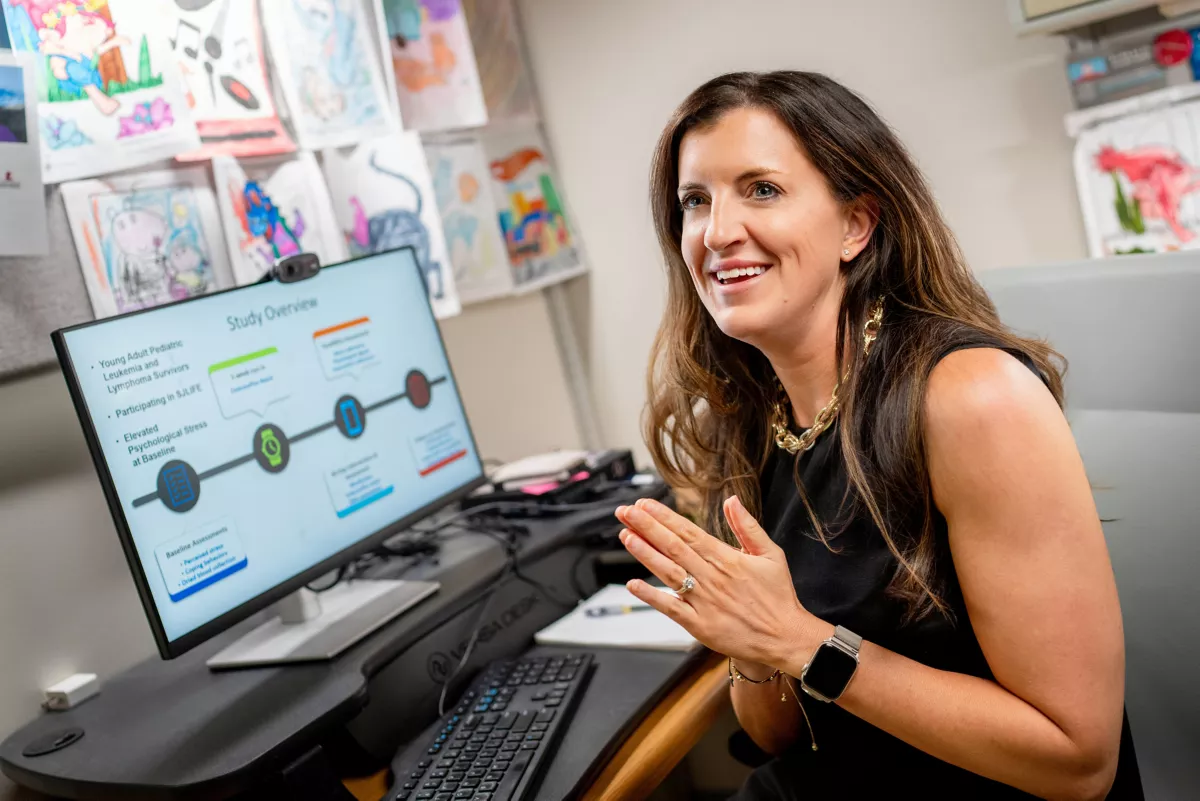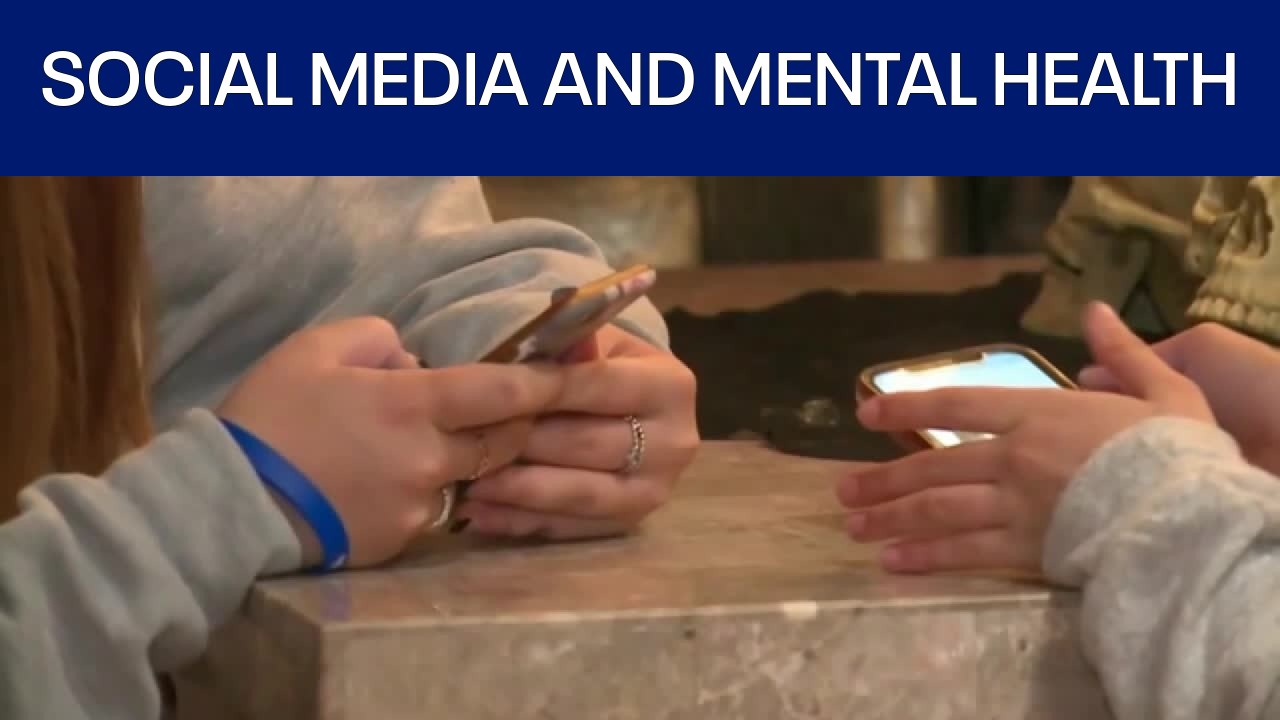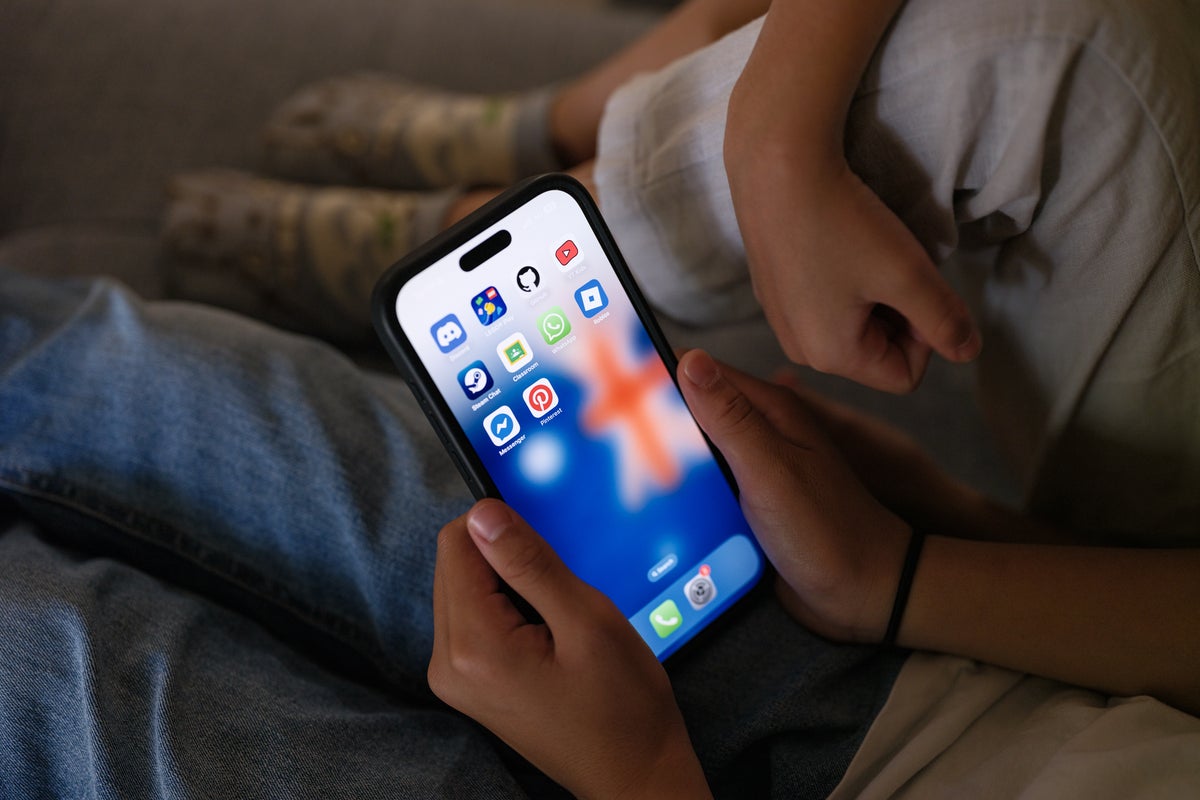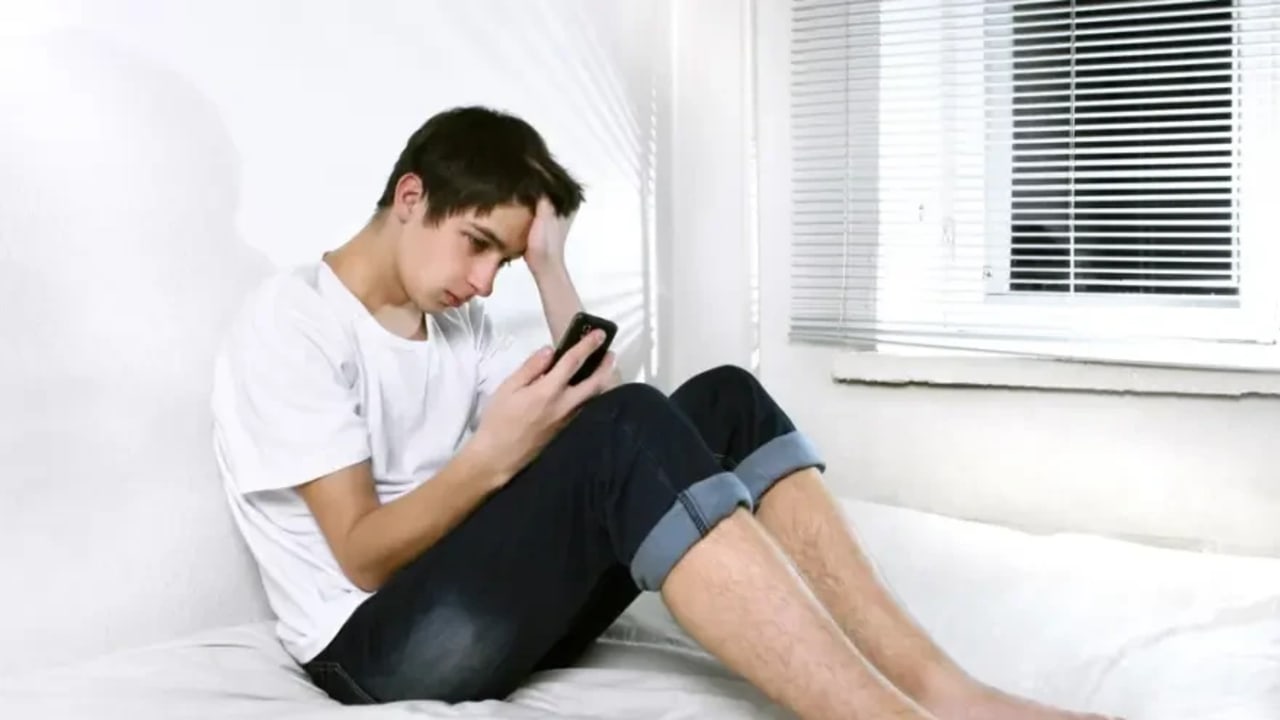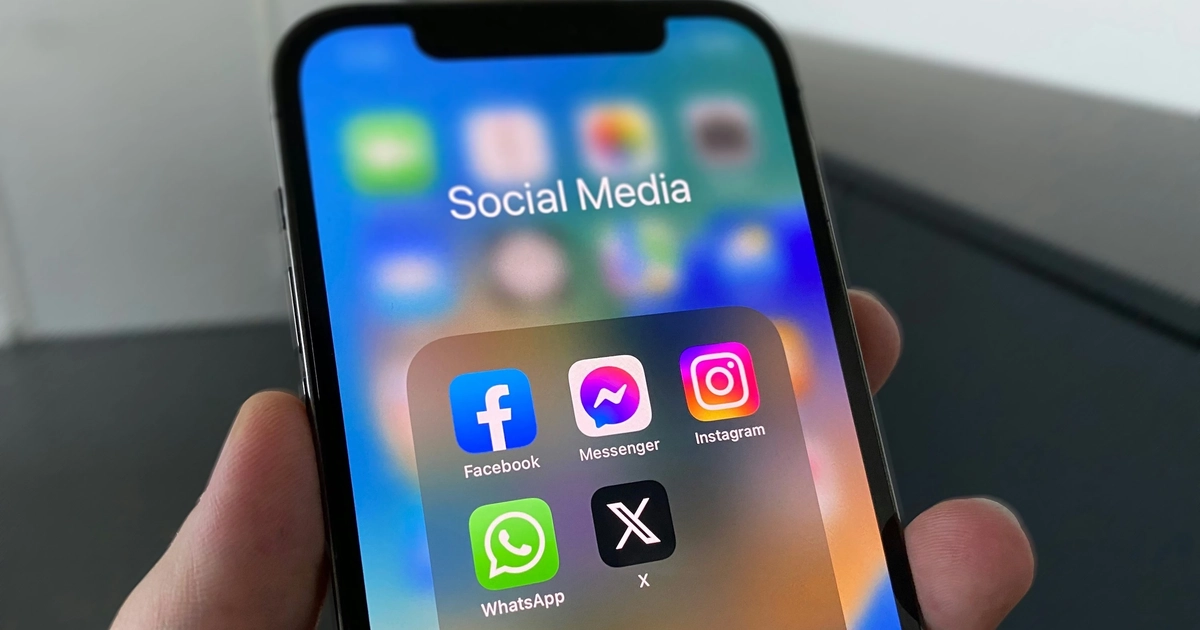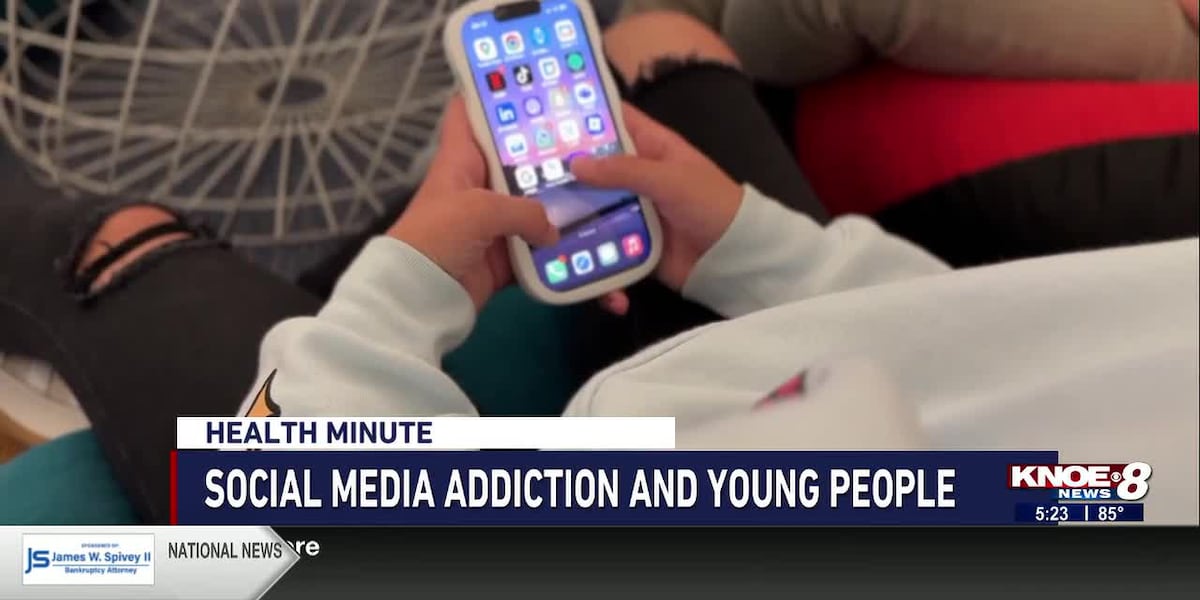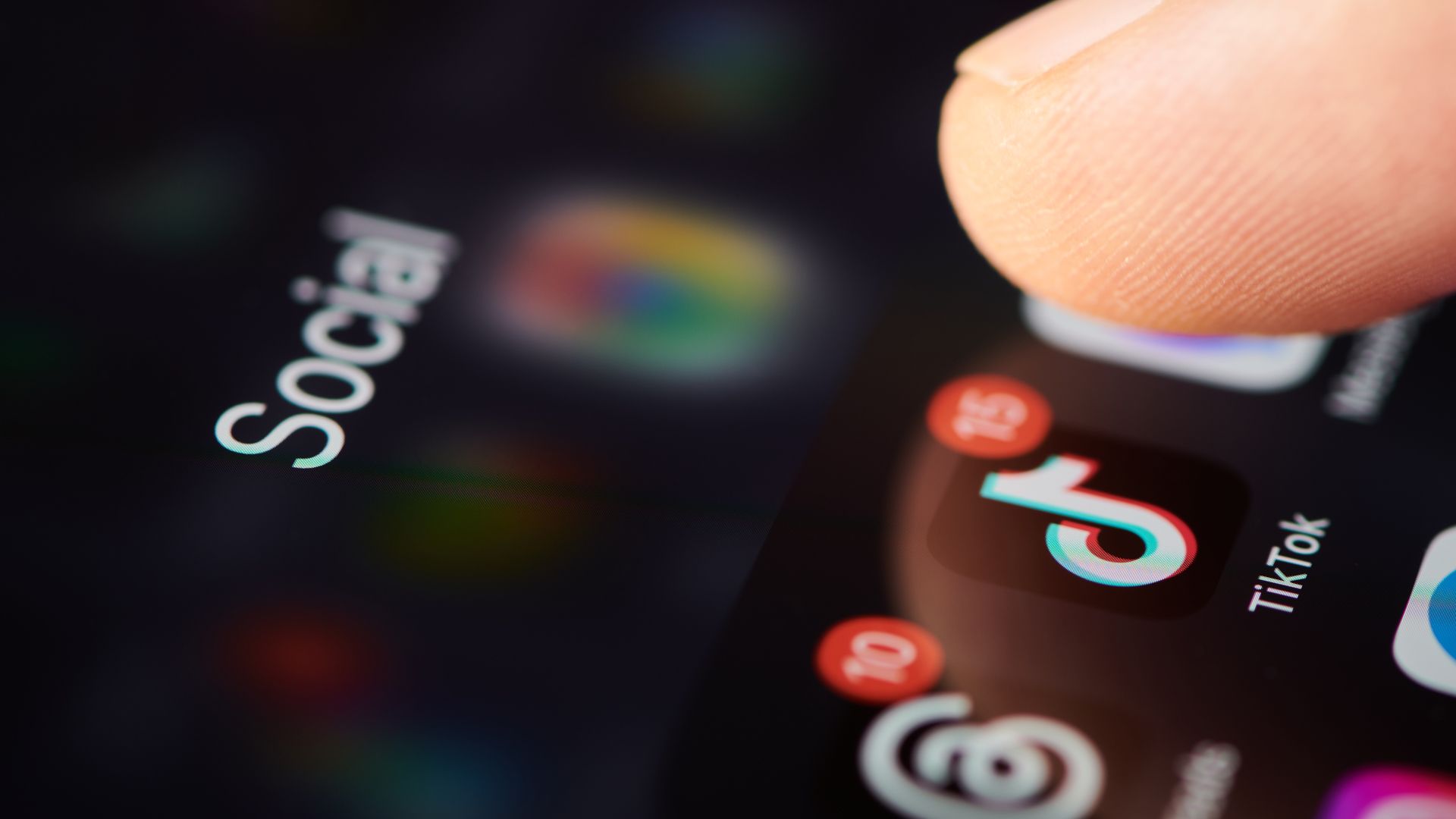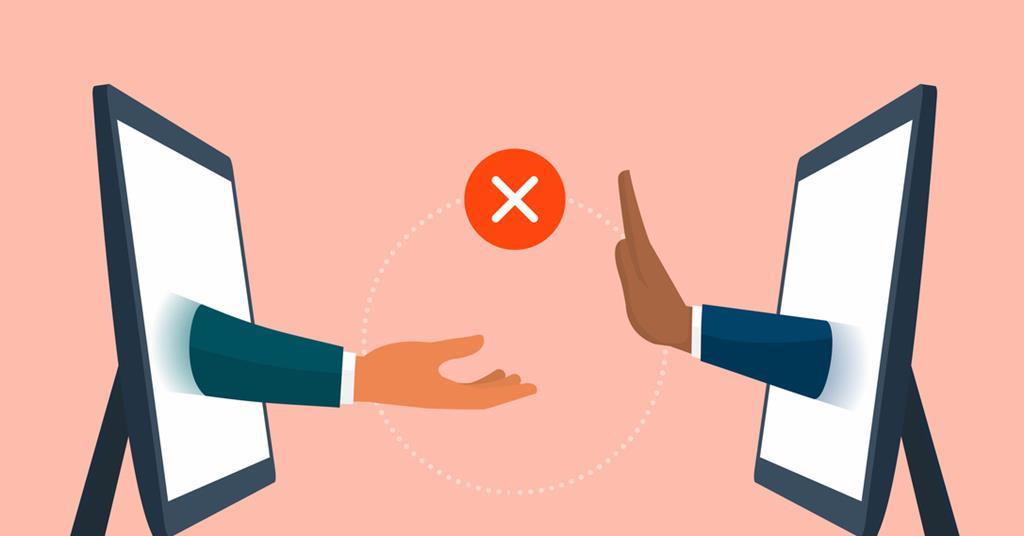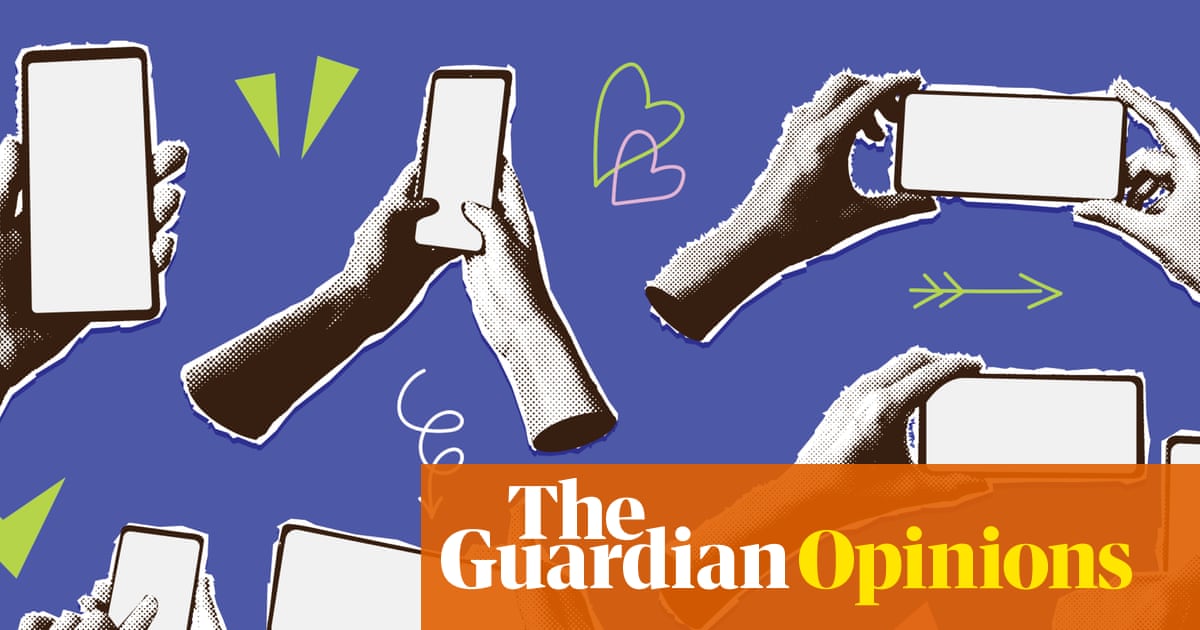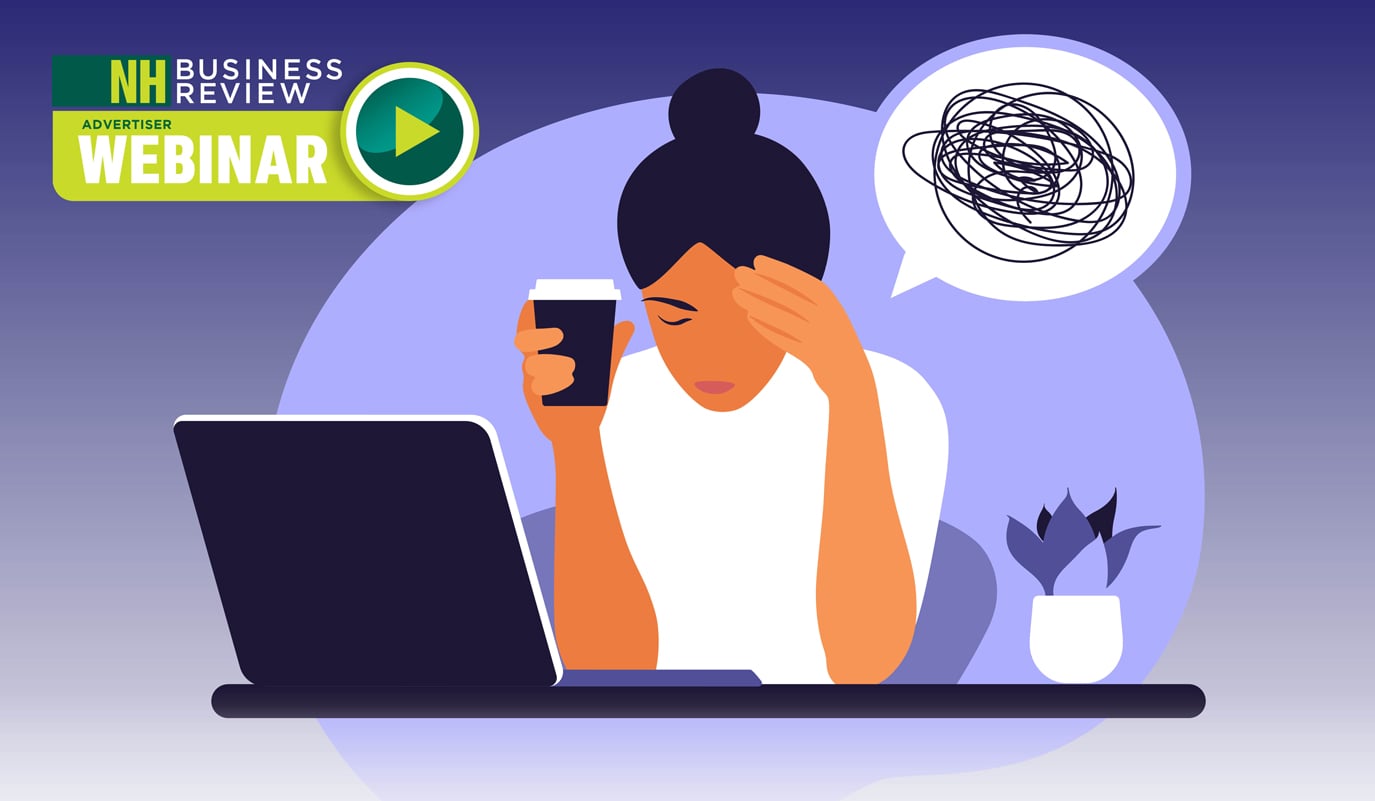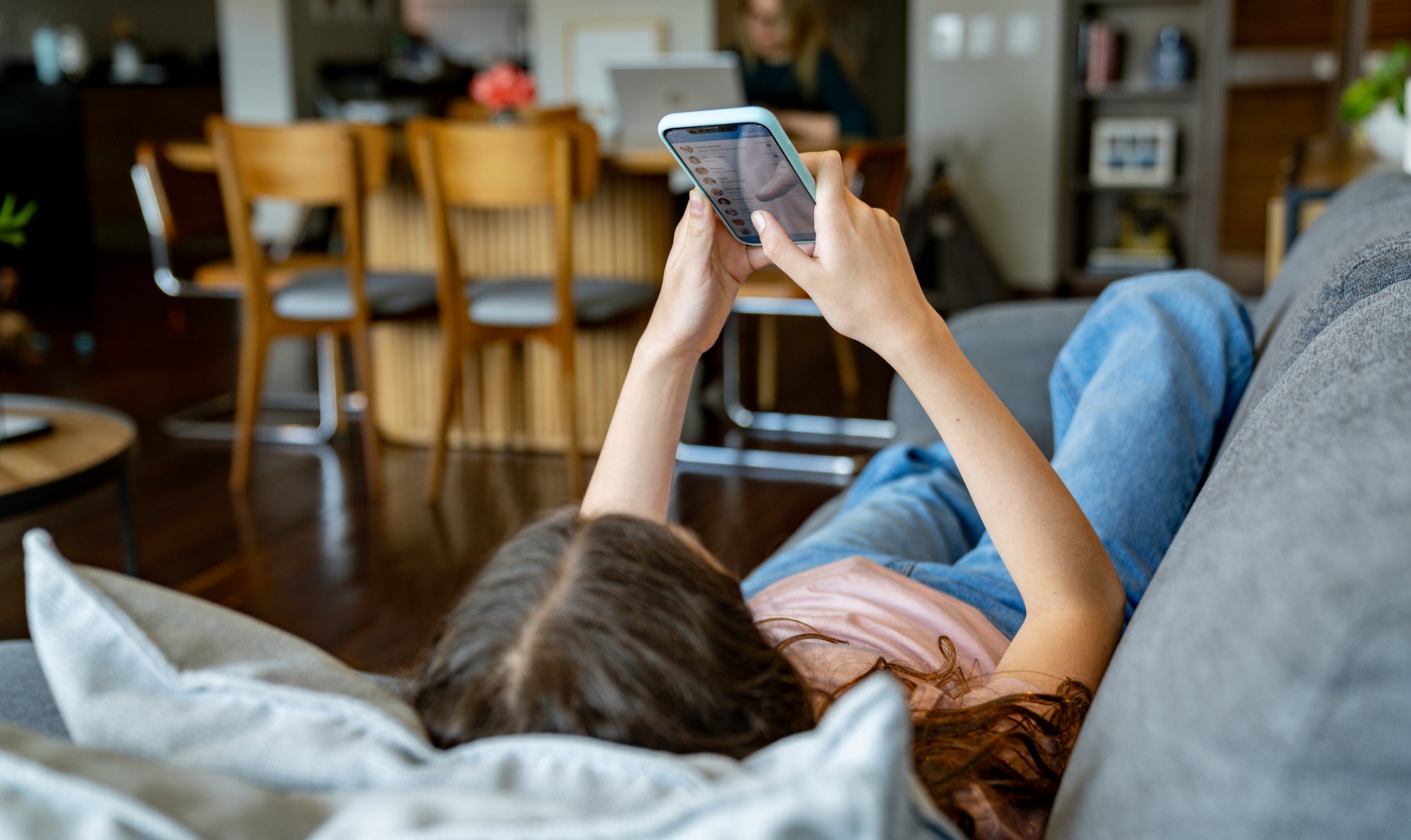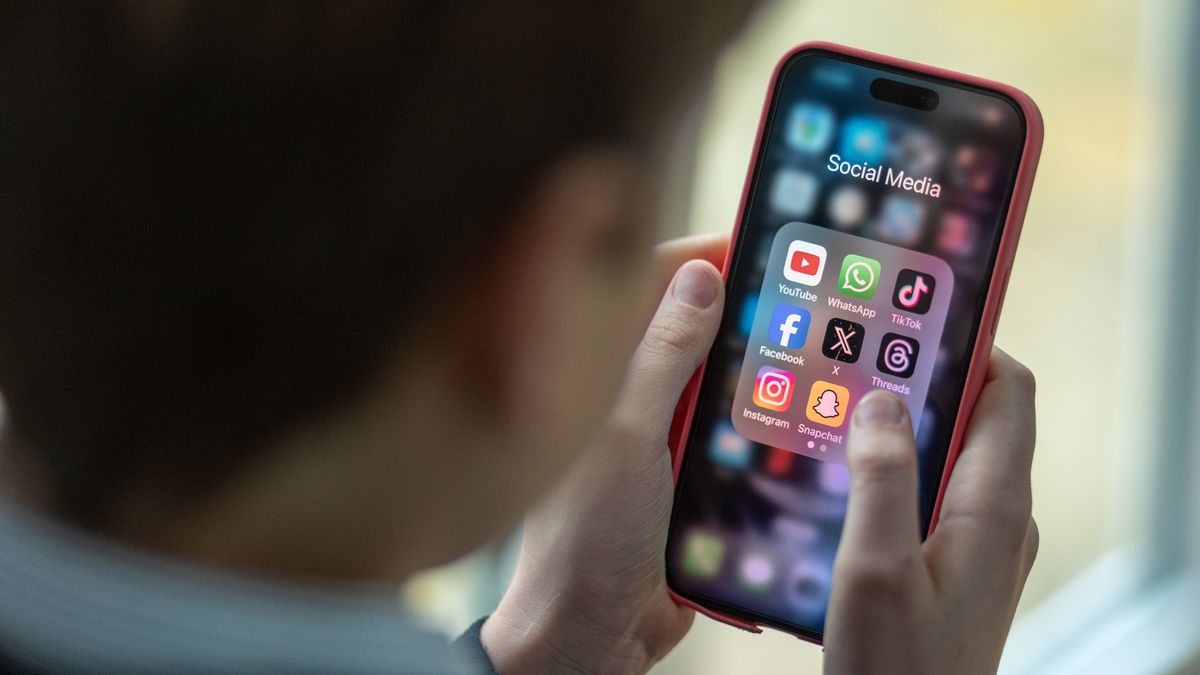
In light of the recent implementation of social media restrictions for under-16s, psychologists and mental health experts believe the measure may help protect young users but could also have unintended consequences.
Countless reports and headlines in recent years have highlighted the potential harm that social media can cause to children and other young users (read “Social Safety”, StarLifestyle, Aug 3, 2026; online at tinyurl.com/y52myyrd).
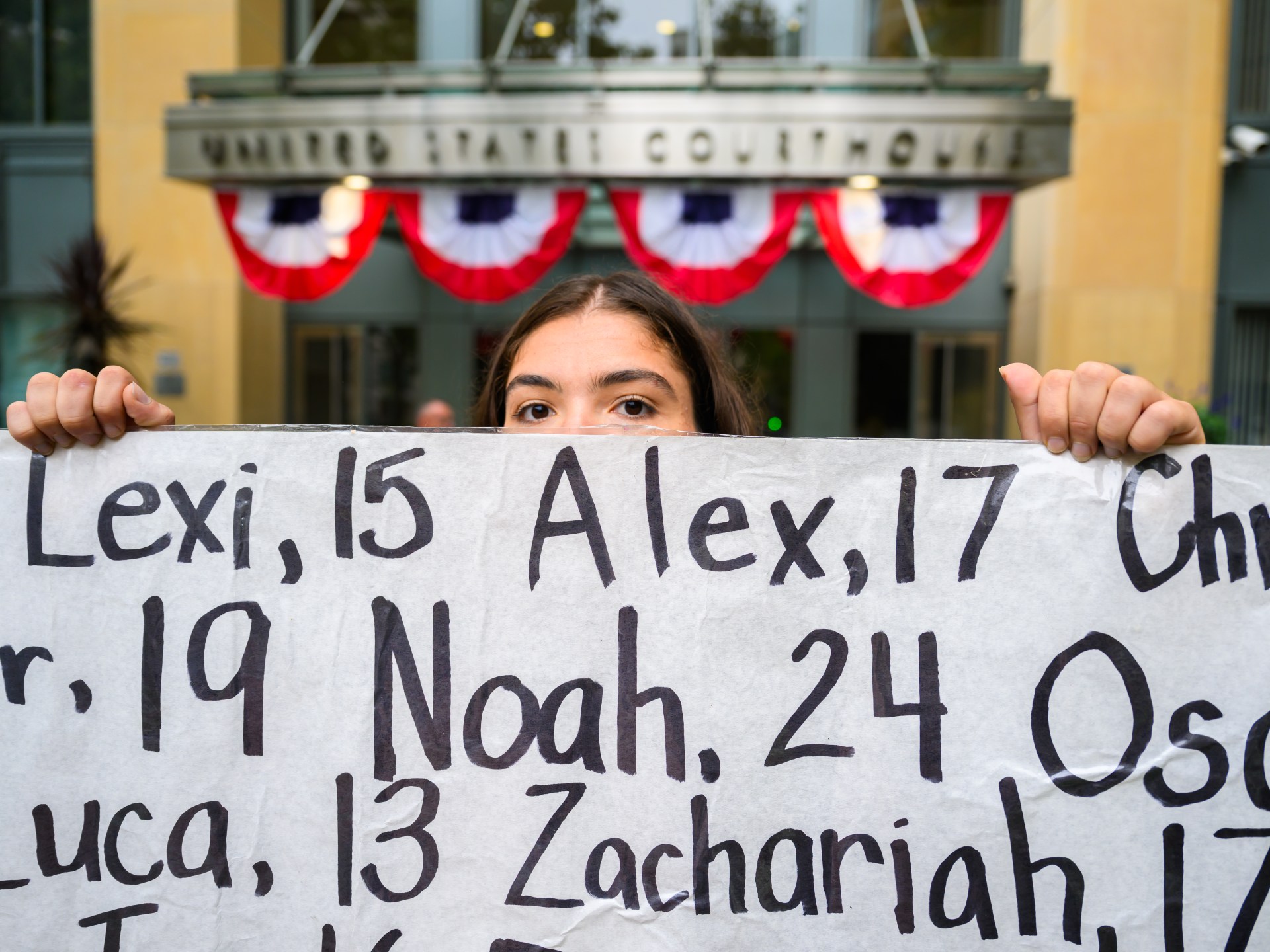
These concerns have been underlined by a wave of lawsuits against social media providers by individual users, families, school districts and governments.
In a report last week, TikTok agreed to settle three lawsuits brought by young people in the United States, claiming the platform harmed their mental health.
In March this year, Meta and Google were also reportedly ordered to pay US$6mil (RM24.5mil) to a young woman who reportedly developed depression and anxiety from compulsive social media use.
Later in May, Meta, Snap, TikTok, and YouTube agreed to pay a US school district US$27mil (RM110.4mil) to avoid trial in a lawsuit blaming them for a student mental health crisis, while just last week the state of New Mexico ordered Meta to pay US$567mil (RM2.31bil) into a teen mental health fund after the company was found liable for harming children’s wellbeing.
According to a June report, Communications Minister Datuk Fahmi Fadzil says Malaysia’s under-16 social media restrictions was introduced to protect children from online risks and harms, with those like Malaysian Mental Health Association (MMHA) president, Prof Datuk Dr Andrew Mohanraj, supporting the move.
Prof Andrew, who is also a consultant psychiatrist, says the minimum age requirement has the potential to result in significant benefits in terms of child mental health.

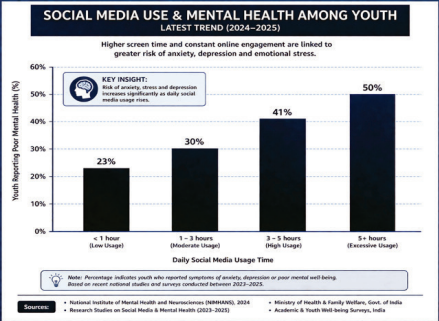
He points to established risks such as anxiety and depression, which have been associated with heavy social media usage by adolescents: “Children under 16 are still developing emotional regulation and critical thinking; therefore, they are more vulnerable.”
Aside from promoting better sleeping habits, reducing incidents of cyberbullying, along with increasing protection of self-esteem and body image among growing children, he adds that the ban could address other areas as well.
This includes improving “attention and cognitive development, as heavy media use has been linked to shorter attention span, increased distractability and reduced academic performance”.
“Also, there is reduced exposure to harmful content that has elements of encouraging self-harm and suicide, pornography, hate speech and gambling,” he says, adding that MMHA supports the under-16 social media minimum age restriction.
Similar thoughts are shared by University of Nottingham Malaysia Assoc Prof and head of psychology Dr Chung Kai Li, who believes that the age restriction may shield young people from such risks, on top of harmful advertising and unwanted sexual solicitation.
She points out that such protective measures could combat issues that affect the wellbeing of young people, with the risks including depression, self-harm, and suicidal behaviour.
“There may also be broader benefits, as reduced social media use could free up time for activities that support healthy development, such as getting adequate sleep, being physically active, and engaging in face-to-face interactions with peers and family members,” she says.
But these potential gains do not mean that a sweeping ban is a one-size-fits-all solution, she adds.
Better off offline?
Both Chung and Prof Andrew stress that it’s important to note that children using social media is not necessarily always a bad thing.
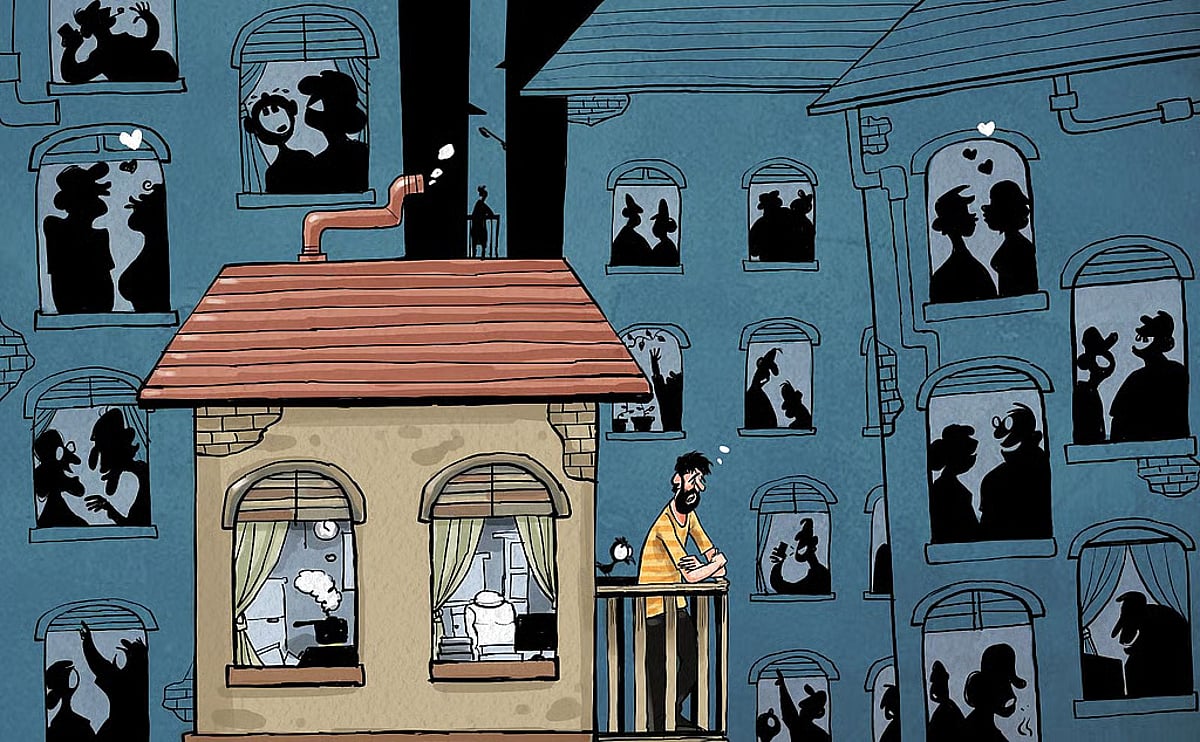
Prof Andrew points to supervised access to such platforms as being beneficial for isolated children, such as those facing chronic illness, social anxiety, or bullying.
“In these cases, supervised social engagement online can be an important source of connection and resilience,” he says, adding that many children in Malaysia already have established identities on social media.
This is something that Chung echoes, saying that social media can offer connection and validation for those experiencing mental health difficulties, as conversations around wellbeing can increase awareness and reduce stigma.

“For many young people, it provides opportunities for social connection, self-expression, and access to information and support that may not be readily available in their offline environments, particularly for those from marginalised groups.
“Blanket bans on adolescent social media use may therefore restrict access to these positive experiences,” she says.
Likewise, the way that University of Nottingham Malaysia Asst Prof at the School of Psychology Lee Eun Hee sees it, the ban could have unintended consequences for those who heavily rely on such platforms for friendship, community, and emotional support.
“For some children, online communication may provide an easier and less socially demanding way to connect with others. However, I do not think the answer is simply to allow unrestricted access or for adults to have complete access to every online interaction.
“The latter may be unnecessary and could easily become intrusive surveillance. Children also need privacy and opportunities to develop resilience, exercise judgment, and learn how to manage relationships with increasing independence.
“A better approach is for parents and teachers to remain involved through caring attention, open communication, and regular interaction, while creating a supportive environment in which young people feel comfortable discussing whom they communicate with online, raising concerns, and asking for help.
“To do this effectively, however, parents and teachers also need appropriate education and guidance so that they understand how young people use online spaces, recognise emerging risks, and respond in ways that are supportive rather than overly punitive or intrusive,” Lee says.
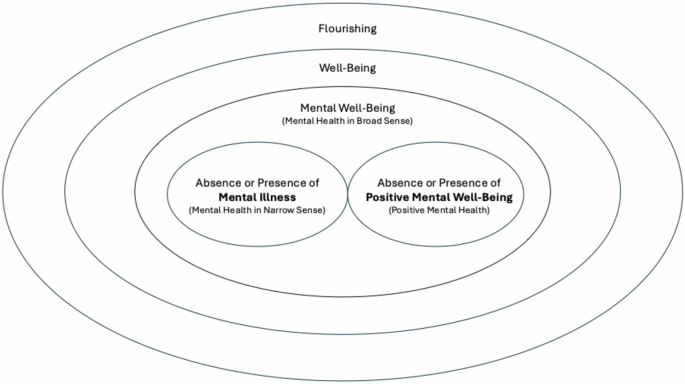
A key area that Chung points out is that mental health is influenced by a variety of risk and protective factors that come up at the individual, family, community, and societal levels. With the focus on social media, this could be overlooked.
“Factors such as difficulties with emotion regulation, predisposition to mental health conditions, substance use, and exposure to adverse or stressful environments can all increase our vulnerability to mental health problems.
“Rather than viewing social media bans as a standalone solution, it may be more useful to focus on the broader ecosystem that influences our mental health and wellbeing.
“To build resilience, we need opportunities to develop social and emotional skills, supportive relationships, access to quality education, safe neighbourhoods, and strong support networks.
“Effective strategies for promoting mental health therefore include supportive policies, resources for parents and caregivers, school-based initiatives, and efforts to create healthier online and offline environments,” she says.
Chung also draws attention to how simply removing social media as a risk factor is unlikely to produce a positive outcome, as it does not address developmental and social factors that make some users vulnerable to begin with.
“It may be more productive to identify why certain young people become heavily reliant on social media (are they being bullied at school, are they feeling socially isolated, are they experiencing family conflict, etc); there may need to be more concerted efforts in strengthening protective factors that promote resilience and wellbeing,” she says.
Parental part to play
While the Human Rights Commission of Malaysia (Suhakam) found that a small majority of children are receptive to the social media restriction in last week’s issue, Prof Andrew says that prohibition may still be met with resistance or even conflict.
Another point that he brings up is how children may interpret the removal of access to social media.
“Suddenly cutting children off from access to social media can trigger acute psychological withdrawal and intense emotional volatility in them. Use of social media triggers dopamine release, and an abrupt termination of access forces the brain into a ‘dopamine deficit’ state.
“In the immediate phase of cessation of access, there could be severe mood swings, intense anger or anxiety. There could be visible boredom – complete disinterest in other activities.
“Children might go through this phase thinking that cessation of social media access is a punishment to them,” Prof Andrew says, adding that children may thus attempt to find other ways to regain access.
This may in turn drive them to less regulated online spaces, and less likely to report harmful online experiences should they be using alternative means to circumvent the ban, making it harder for parents and other adults to provide support, according to Chung.
Lee shares a similar perspective, saying that as the restrictions begin, parents may need to have open conversations on topics including what the restriction means, why it has been introduced, and how it will affect the child’s existing friendships, routines, and sources of support.

“A sudden and purely punitive approach may create conflict or encourage secrecy, particularly when social media has already become embedded in a young person’s social life.
“Parents should therefore try to manage the transition through clear boundaries, ongoing communication, and proportionate supervision, while also recognising that children may experience a genuine sense of loss if online spaces have been important for maintaining friendships or belonging,” she says.
How to approach the topic with kids
For parents looking for some guidance on how to broach the topic with their children, the Malaysian Communications and Multimedia Commission (MCMC) has a portal on the under-16 social media restriction that outlines how parents can approach conversations about their children’s online interests (tinyurl.com/46mny6s2).
MCMC further recommends setting household rules for device usage, establishing that children will not be punished for turning to their parents when they encounter online harm, and making use of the types of parental controls commonly available on social media platforms.
Prof Andrew says the ban may not initially result in rapid improvement, as children will need to adjust to the new norm as they gradually begin directing their attention to physical hobbies, face-to-face friendship, family relationships, and interactions.
“During this transition, parents need to acknowledge that the children’s anger and emotional outbursts are natural biological responses and not to be seen as bad behaviour.
“Simultaneously, fill the void with offline sports or physical peer meet-ups. Parental understanding and support are crucial to comply with the ban on children accessing social media,” he says.
Both Lee and Chung note that as some children may already have established online friend groups, it’s important for parents to resasure them that their interests still matter, even if they can no longer access social media – adding that the simple phone call can be a relatively low-risk way of staying in touch.
Lee also emphasises the need to prepare children with strong foundations for online spaces such as media and digital literacy before they ever get the chance to get on them.
She adds that parents need to be genuinely open to listening to their children, understanding their individual interests, and developing an understanding of what they are up to online.
This includes being on top of digital trends to actually comprehend what children are seeing.
“Beyond social media and digital literacy, children also need broader psychological resilience to manage difficult online interactions.
“This resilience is often developed through face-to-face relationships and play-based childhood experiences, where children learn to handle conflict, rejection, emotions, and everyday social challenges.
“The current concerns surrounding social media use and children’s mental health should therefore not be understood solely as a consequence of the introduction of social media.
“They also reflect wider changes in society and parenting culture, including increasingly protective approaches to childhood, fewer opportunities for unstructured and independent play, and a growing emphasis on academic achievement, tutoring, and highly structured activities.
“These changes may reduce children’s opportunities to encounter manageable difficulties, negotiate social problems, and develop confidence in coping without immediate adult intervention,” Lee says.
She further advises that it falls to parents to give children a chance for physical play and direct social interaction rather than honing in solely on academic achievement.
It takes a village
Something that all three of them agree on is that the burden and responsibility should not all be left to the parents, with policymakers, regulators, and social media platforms having their respective parts to play.
“Simply asking parents to manage this transition is unrealistic, particularly when families differ greatly in time, money, space, digital knowledge, and available community resources,” says Lee.
“The current culture of heavy digital engagement was shaped not only by children and families, but also by wider social conditions, changing patterns of childhood, and the design practices of technology companies.
“It would therefore be unfair to remove an important form of interaction without also creating realistic alternatives. A ban may reduce access, but whether it improves children’s wellbeing will depend on what support, relationships, and opportunities are put in its place,” she says.
Chung also stresses the need for parents to serve as good role models when it comes to how children should be engaging the online world.
“What we’re concerned about is the excessive and problematic use of social media, both among adolescents and the adults around them. As parents, we recognise that our own technology habits can influence our children’s behaviours.
“When parents model healthy screen use, have open conversations about technology, and engage in other meaningful activities, children are more likely to develop a balanced relationship with technology,” she says.
Those suffering from problems can reach out to the Mental Health Psychosocial Support Service at 03-2935 9935 or 014-322 3392; Talian Kasih at 15999 or 019-261 5999 on WhatsApp; Jakim’s (Department of Islamic Development Malaysia) family, social and community care centre at 0111-959 8214 on WhatsApp; and Befrienders Kuala Lumpur at 03-7627 2929 or go to befrienders.org.my/centre-in-malaysia for a full list of numbers nationwide and operating hours, or email sam@befrienders.org.my.