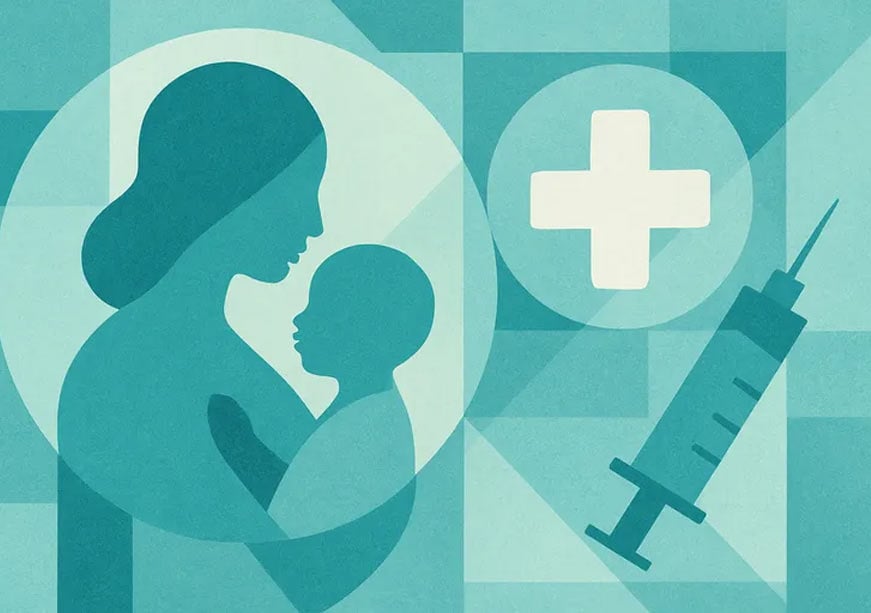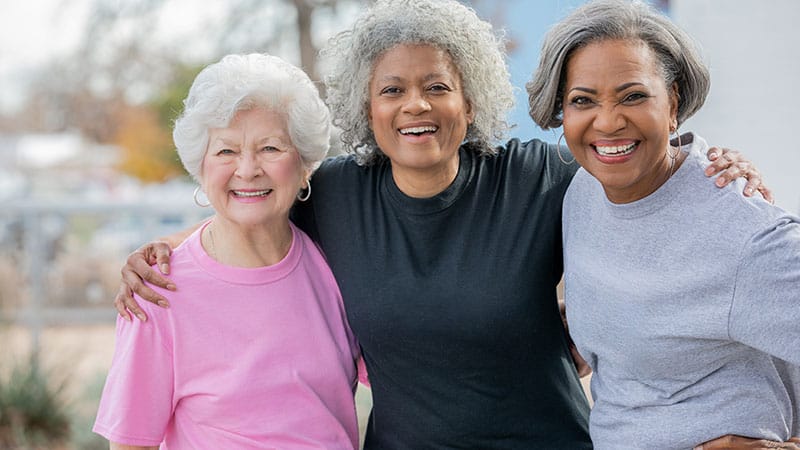
Women’s health is often viewed through the lens of reproductive health. Periods, pregnancy and menopause are central to the conversation — but women’s health also includes heart health, chronic disease, cancer, mental health, pain, aging and the many ways diseases can affect women differently.
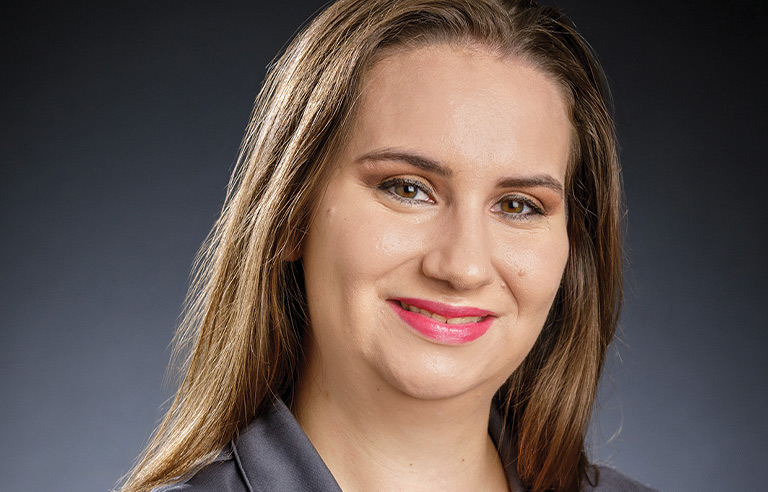
“When we define women’s health too narrowly, it can make it appear like it’s niche or small,” says Mary Byerly, Global Vice President of Marketing at Hologic. “But women represent over half the global population, and while there are specific conditions only women experience, there are many other health conditions that affect women differently than men, and with different frequency or complications.”
At Hologic, this broader view of women’s health shapes how the company listens to women, studies gaps in care and works with partners to help advance better health outcomes for women and, ultimately, all patients.
Better research starts with better representation
According to Byerly, improving health outcomes starts with understanding how diseases affect various populations. That includes differences across sex, race, ethnicity, age and other factors that can shape health risks, symptoms and outcomes.
Historically, women have not been well represented in medical research. For example, in the U.S., women were not consistently required to be included in clinical research until the 1990s, and women of childbearing age were often excluded.1 While there have been improvements since then, a 2020 study showed that only 38% of participants in cardiovascular trials were women.2
“Clinical trials are designed to help us understand the effects of medicines, procedures and technologies on a population,” Byerly says. “If women are excluded or underrepresented, then the research does not fully reflect the population. That means we may not fully understand the risks, benefits or outcomes for everyone who will use those treatments.”
The cost of missing sex differences
Most diseases that affect women are not women-specific conditions. Research shows that 95% of diseases affecting women also affect men.4 But many of these diseases can affect women differently.
Cardiovascular disease shows why sex differences matter. It is the leading cause of death globally, with heart attack and stroke causing approximately 85% of deaths related to the disease.3 While chest pain or discomfort is the most common heart attack symptom for both men and women, women may also experience symptoms that are less commonly associated with heart attacks, including nausea or upper back pressure.4
“Recognizing these differences can be lifesaving,” Byerly says. “Women may experience symptoms differently, and if those symptoms are missed or misunderstood, care can be delayed. We have to make sure the healthcare system is equipped to recognize how disease shows up in women.”
The same principle applies across healthcare. When sex differences are not fully studied or understood, patients may face delayed diagnoses, missed symptoms or care that does not fully meet their needs.
The conditions too often overlooked
Some conditions that primarily affect women remain underdiagnosed, undertreated or too often dismissed as normal.
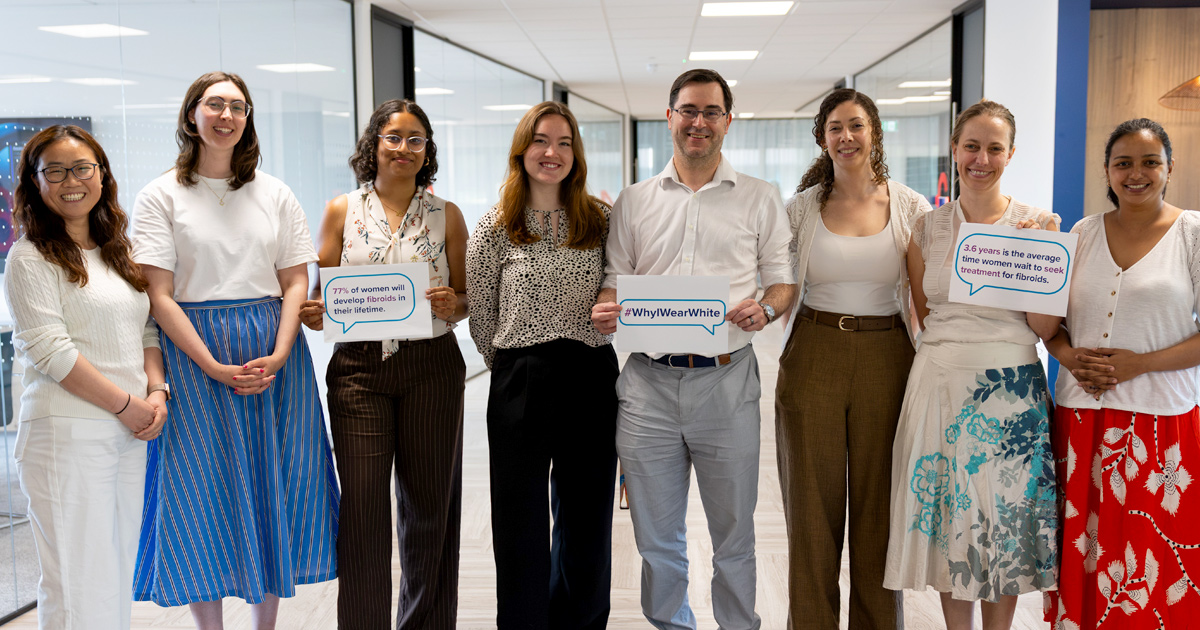
Fibroids, noncancerous growths that can cause heavy bleeding, pain and other symptoms, can severely affect a woman’s quality of life. And they are very common: Studies suggest that nearly 80% of women will develop fibroids during their lifetime.5 Yet for many women, treatment is delayed, because they have heard their symptoms are “just part of being a woman,” they don’t know they have options, or other reasons. One study found that, on average, women waited more than three and a half years before seeking care.6
Endometriosis is another women’s health condition that remains widely misunderstood and often misdiagnosed. It affects about 1 in 10 women of reproductive age worldwide.7,8 Many women experience years of severe pain and repeated medical visits before receiving a diagnosis.
Byerly says part of the challenge is that many women’s health issues aren’t talked about openly because of stigma or because they are normalized.
“Because so many of our pelvic health symptoms correlate to our periods, which occur on a monthly basis, it becomes a part of the normal cycle,” Byerly says. “But that can also mean women dismiss the challenges they are facing. Conditions like abnormal uterine bleeding and endometriosis are often private and not visible to others, so many women suffer in silence.”
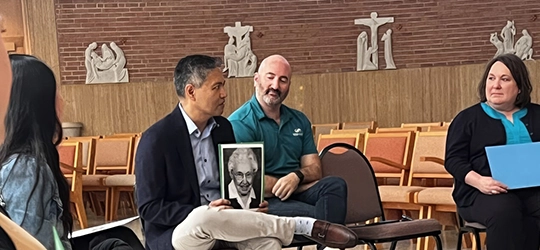
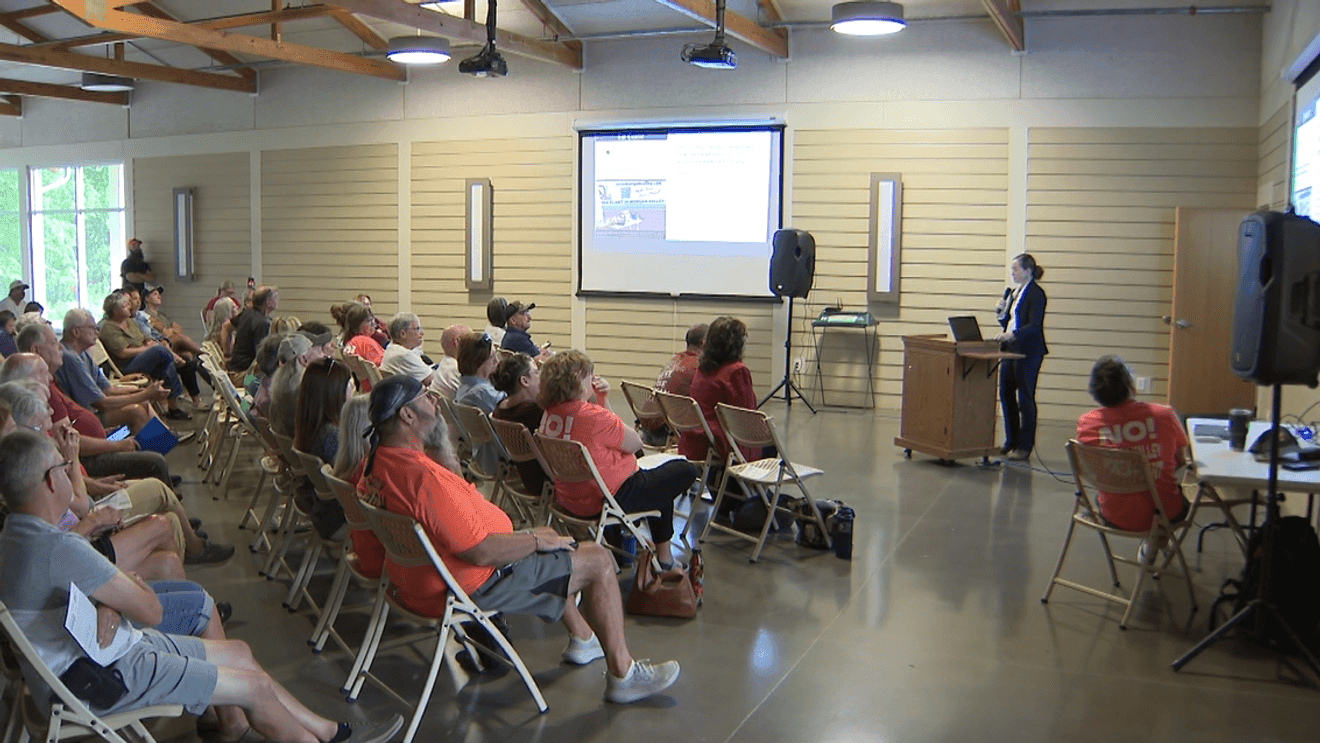
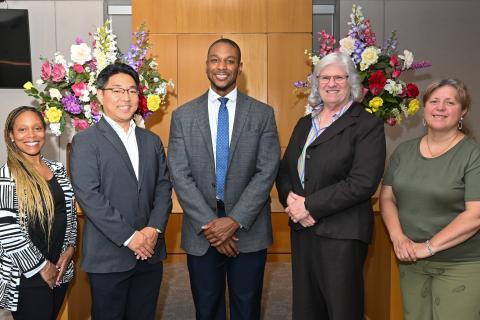
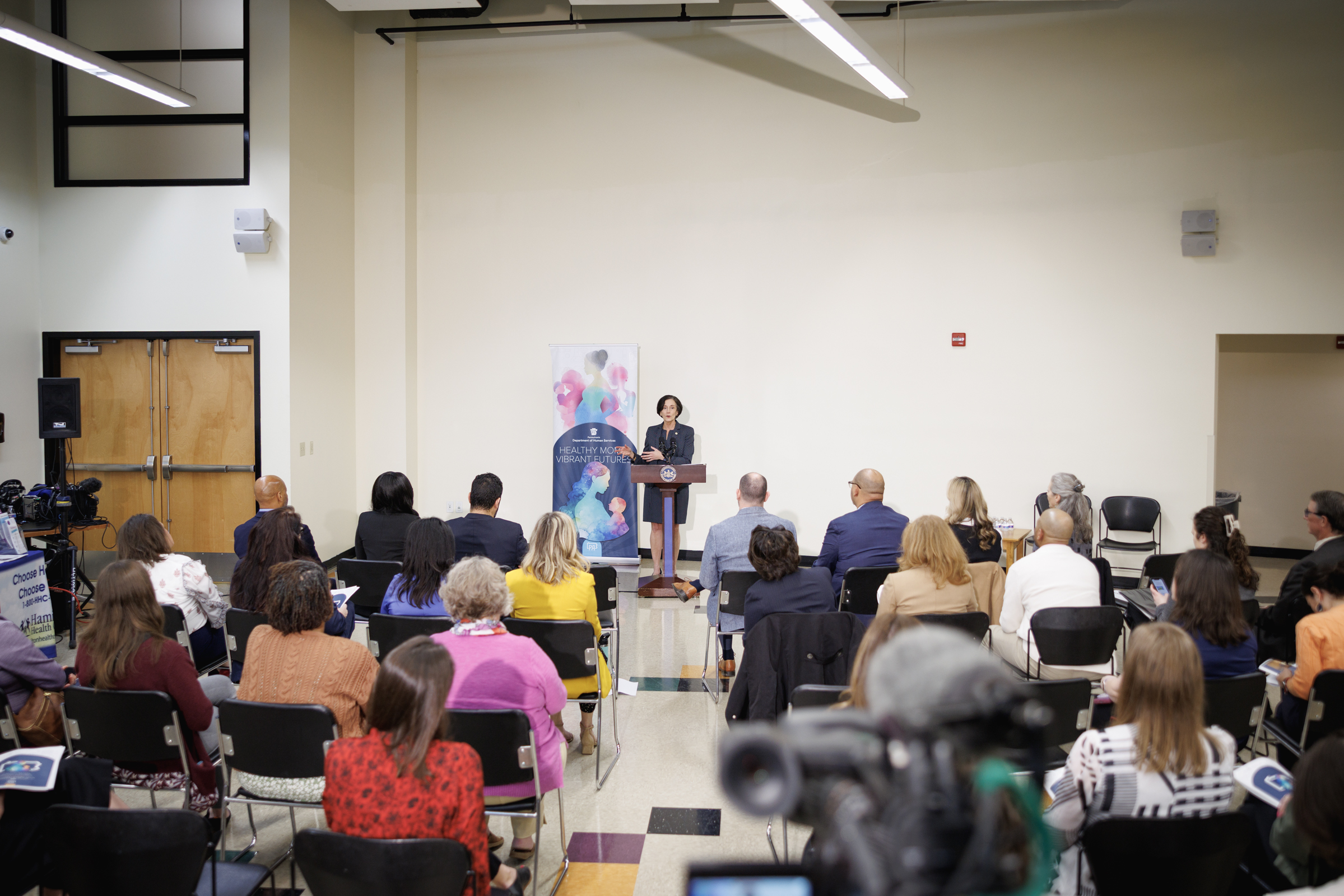
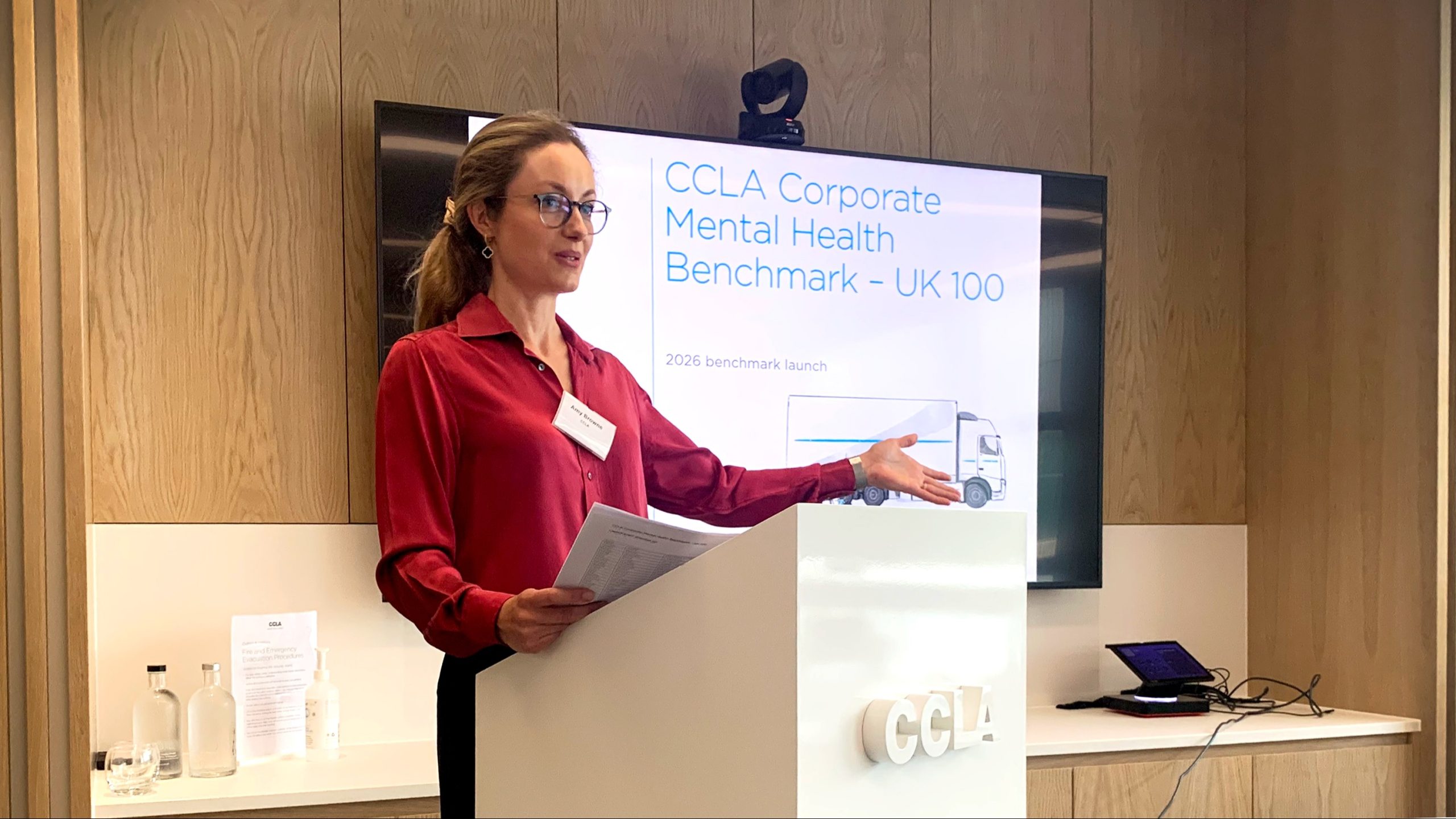
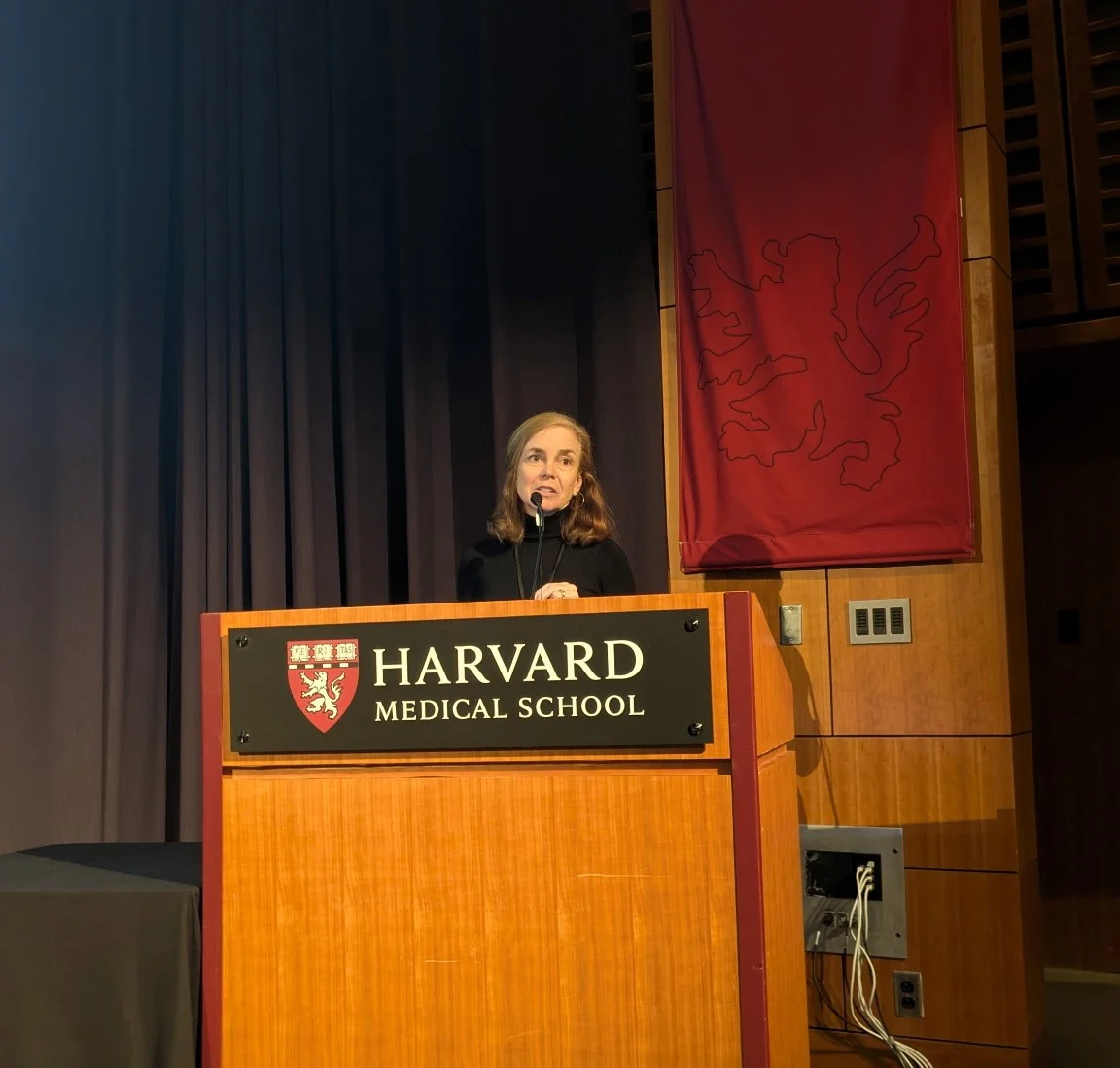
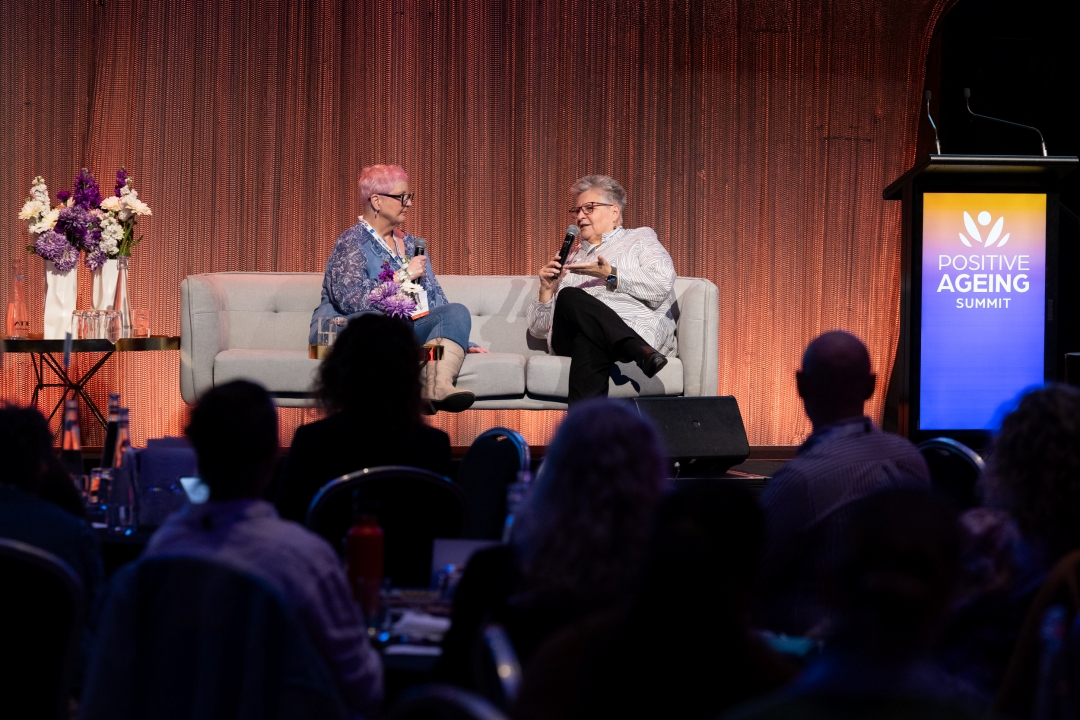
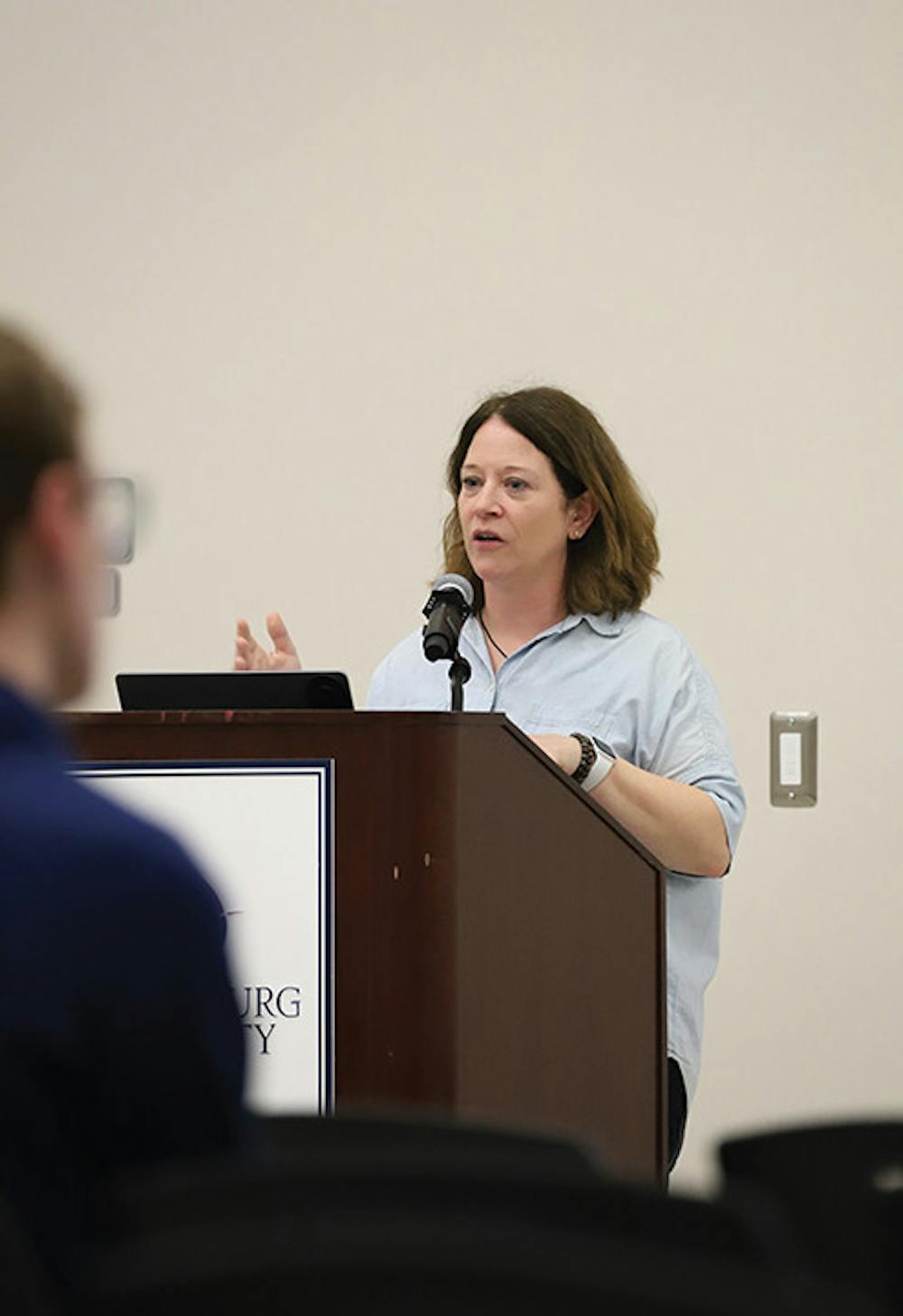
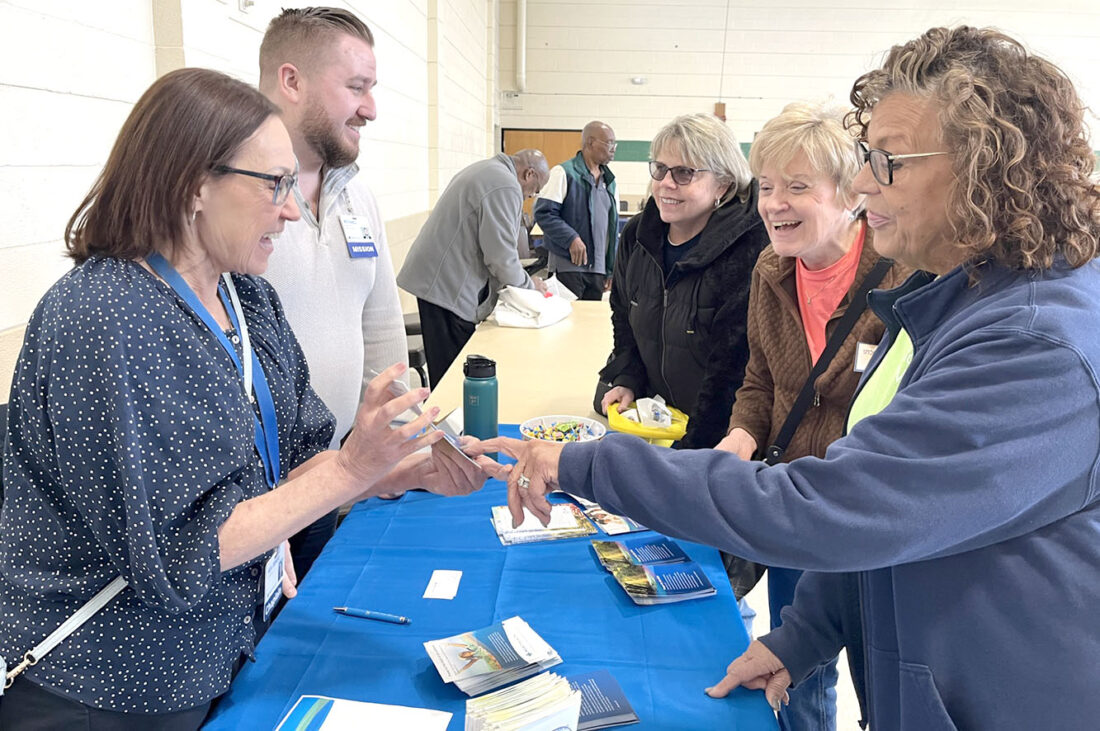
Mary Byerly speaks at a public women’s health event in Tennessee about period health, including what is considered abnormal uterine bleeding and when to seek care.
Education remains another barrier.
“There is still a fundamental lack of education about women’s bodies,” Byerly says. “Many women do not know what a normal period is. Many do not know the common causes of infertility, or what polyps or fibroids are. That lack of information can delay care.”
Progress requires collaboration
Closing the women’s health gap will require action across the healthcare ecosystem.
Policymakers, clinicians, researchers, innovators, payers and patients all play a role.
At Hologic, teams across the company are focused on advancing women’s health by elevating women’s voices, generating data-driven insights and working with partners around the world to turn those insights into action.
“Making progress requires collaboration across policymakers, clinicians, researchers, innovators, payers and patients,” says Byerly. “We need to keep investing in technologies, supporting access and reimbursement and advocating for women’s health to be understood as a broader health priority.”
The choices healthcare leaders make today will shape how women’s health is understood and treated for generations to come.
“Women’s health is a global health issue, a family issue, a workforce issue and an economic issue,” says Byerly. “When we invest in women’s health, the benefits reach far beyond women alone.”
Seeing women’s health more fully is the first step. Studying it more deeply, supporting it more consistently and investing in it more intentionally are what will drive lasting change.