
A comprehensive state-commissioned study released Thursday found that New Jersey’s mental health infrastructure is failing children and the families trying to reach it — and state lawmakers are already drafting legislation in response.
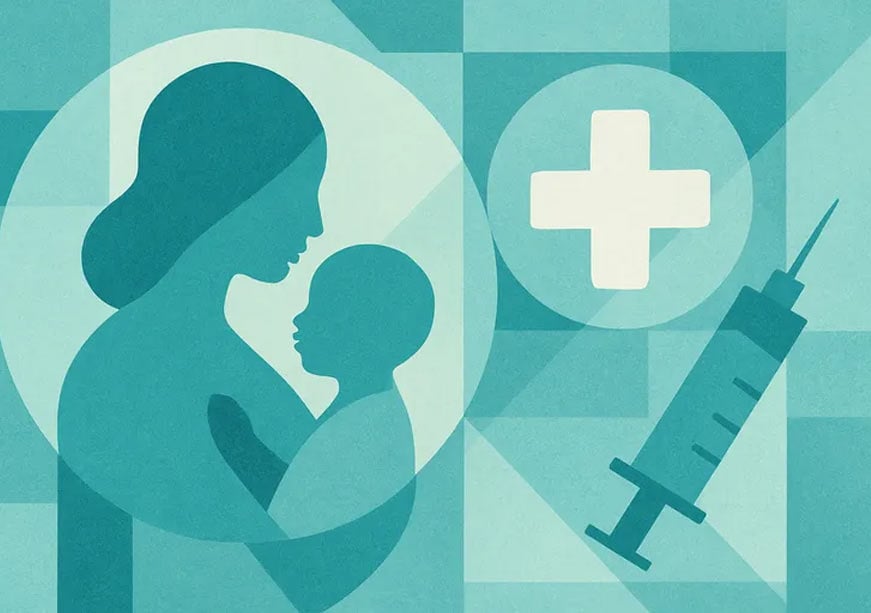
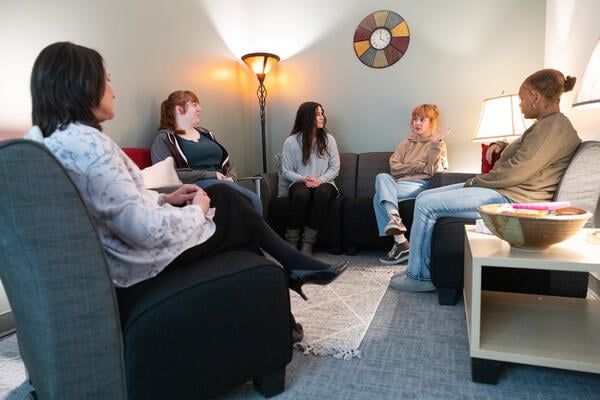
The New Jersey Health Care Quality Institute, hired by the state Department of Children and Families to map the system, published a report outlining 17 recommendations to address widespread access failures. Hospitals treated more than 50,000 children annually for mental health issues in recent years, according to the report, yet families report being placed on extended waitlists, unable to locate available providers, and facing a system with poor coordination between its own programs.
The delays carry real consequences. Children held in acute care waiting for a spot in a specialized group home faced average delays of more than 100 days — double that for children who also had intellectual or developmental disabilities. One child waited more than four years, researchers found.
Linda Schwimmer, the Quality Institute’s president and CEO, acknowledged the system has bright spots, including a state Department of Children and Families program offering coordinated services to children with serious behavioral health needs, and a psychiatry collaborative pairing pediatricians with mental health experts by phone — but said delays in reaching care drive greater complexity, higher costs, and worse outcomes for children and families.
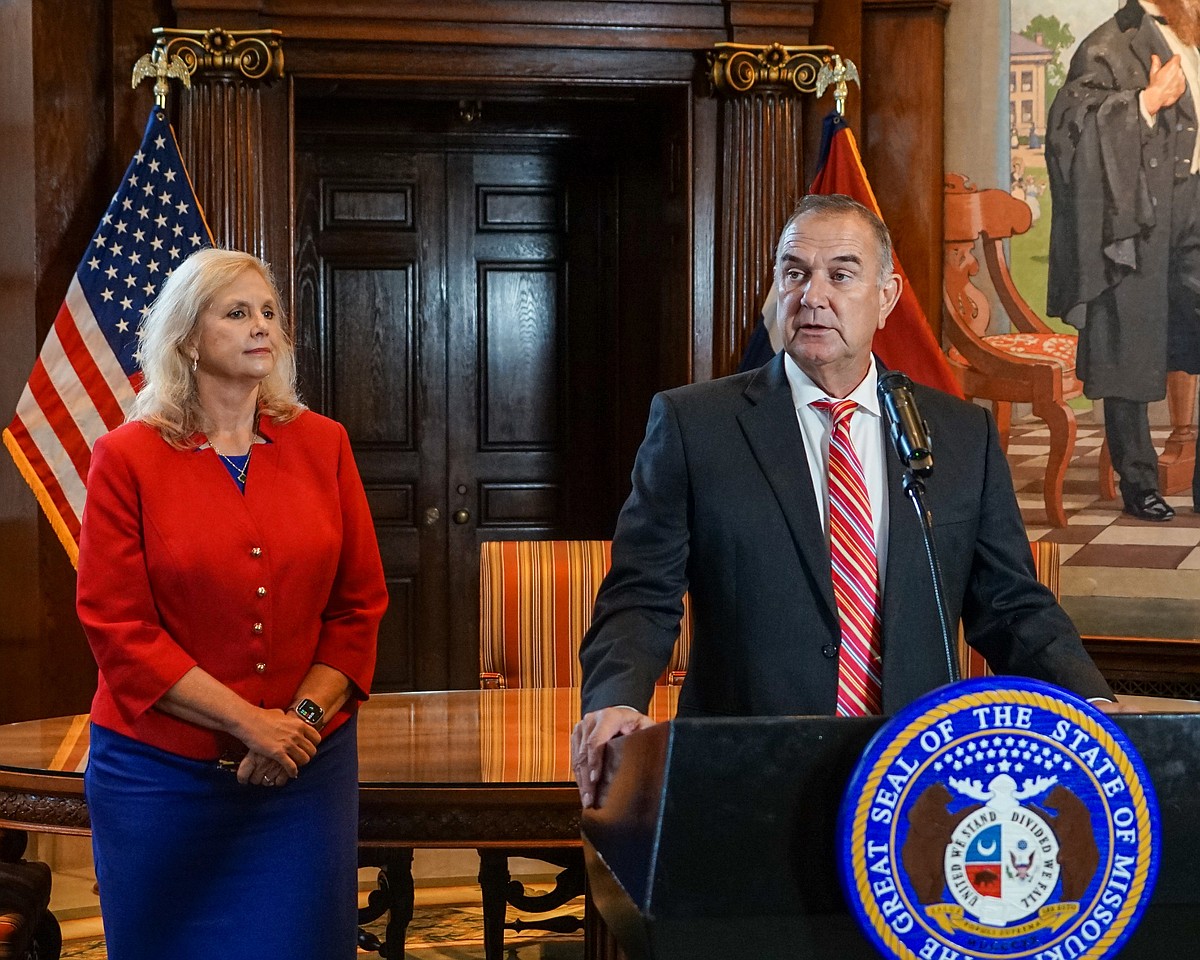
Senate President Nicholas Scutari and Sen. Joe Vitale, both Democrats, announced they are drafting a legislative package to address the report’s findings. Vitale said lawmakers are working with Gov. Mikie Sherrill’s office on the bills, with the first hearings scheduled for next week. The legislation would target workforce shortages, insurance network accuracy, school-based services, and coordination between state agencies. Assemblywoman Linda Carter of Union County will sponsor the Assembly versions.
The Quality Institute was hired 18 months ago, when roughly one in five children in New Jersey was reportedly struggling with mental health issues — a figure that helped prompt the $1 million study allocation signed by former Gov. Phil Murphy in 2024. “If we leave this unaddressed, it will continue to impair their educational achievement, emotional development, and ability to realize their full potential in life,” Scutari said.
The study arrives amid an unresolved budget conflict over how the state funds school-based mental health services. Gov. Sherrill’s $60.7 billion budget proposal includes $33 million for a new program called Spark — School-based Partnerships for Access and Resilience for Kids — which would replace the existing NJ4S program with a competitive grant program allowing school districts to hire on-site mental health professionals directly. NJ4S received $43 million in the current budget.
Following feedback from stakeholders, Sherrill’s office said it now plans to continue NJ4S contracts while the budget is resolved. “The Sherrill Administration has continued to engage with stakeholders — including mental health providers, school district officials, and community members — about how we can best support young people and ensure continuity of services through strong, long-term implementation partnerships,” spokeswoman Maggie Garbarino said.
Lawmakers have until July 1 to finalize the state budget, which will determine whether NJ4S contracts continue alongside any new Spark funding.
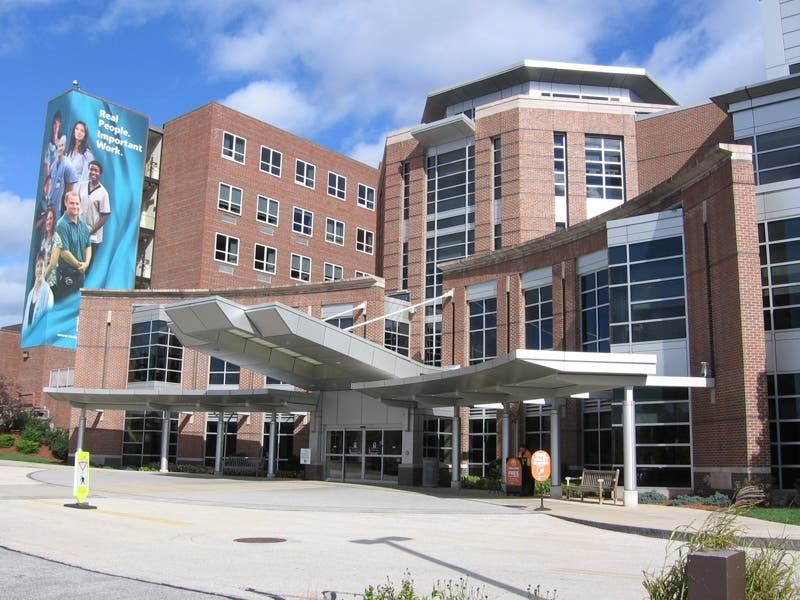
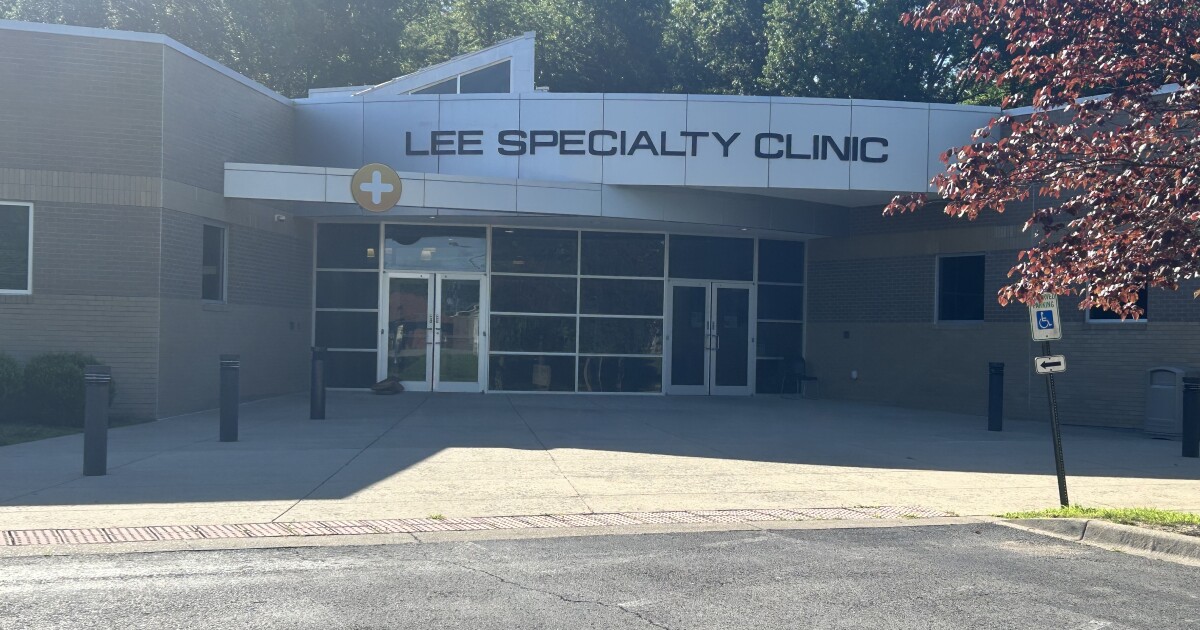
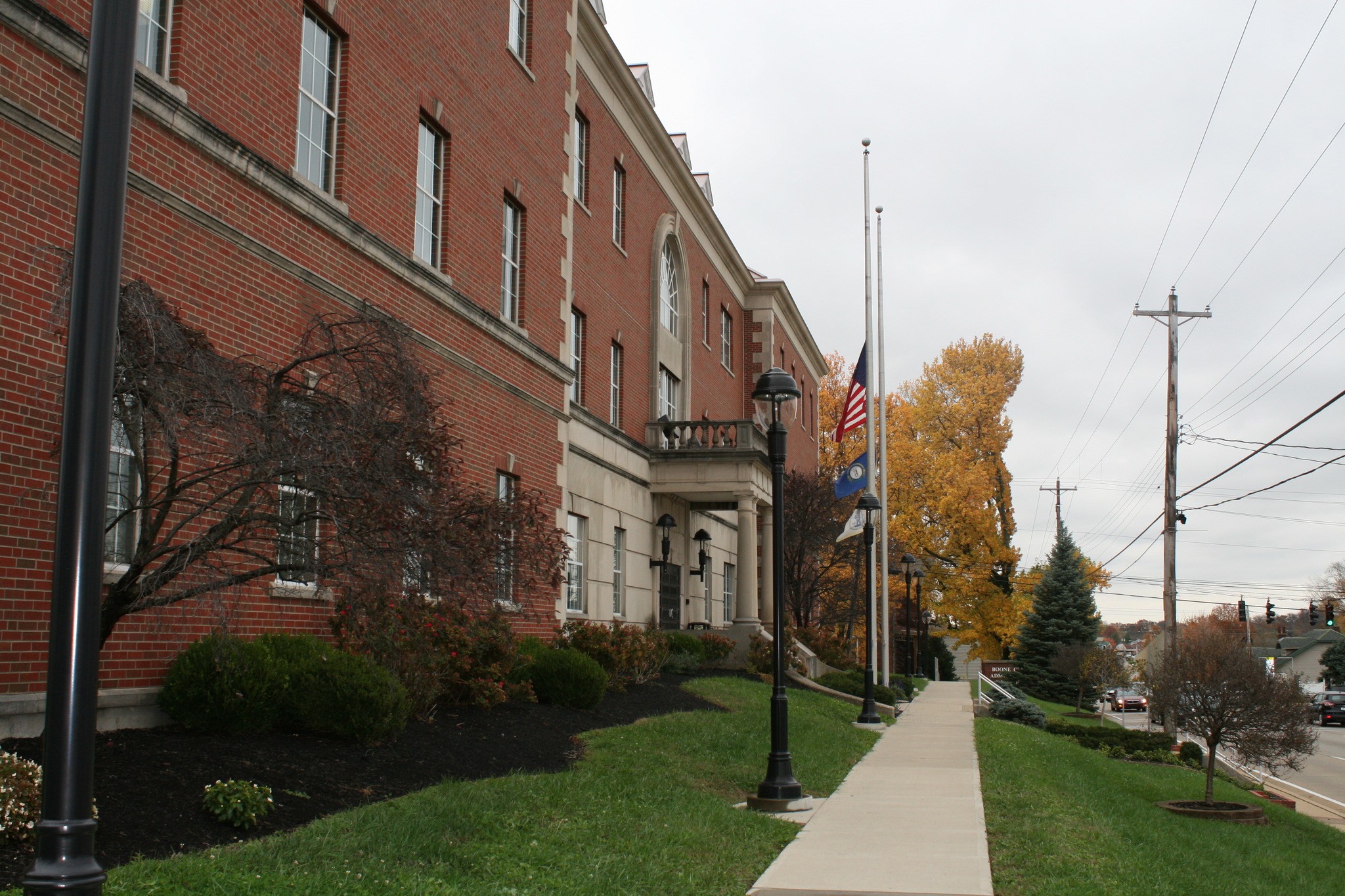
Photo: Famartin / Wikimedia Commons / CC BY-SA 4.0