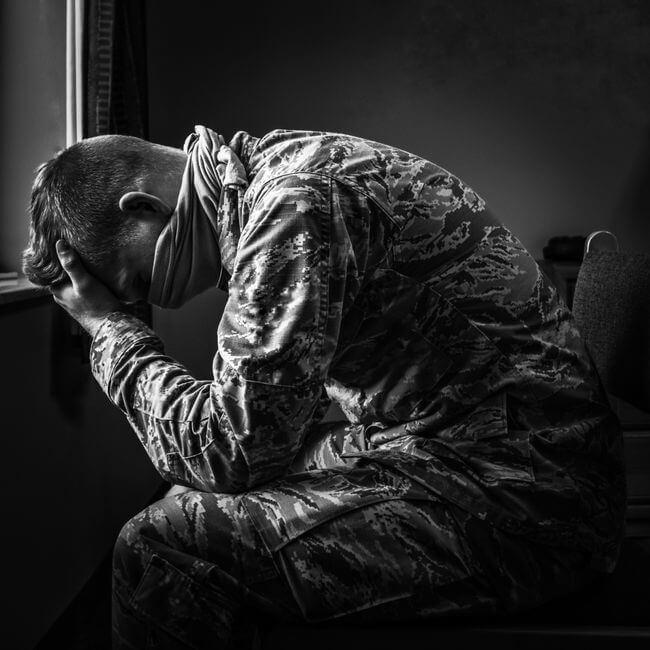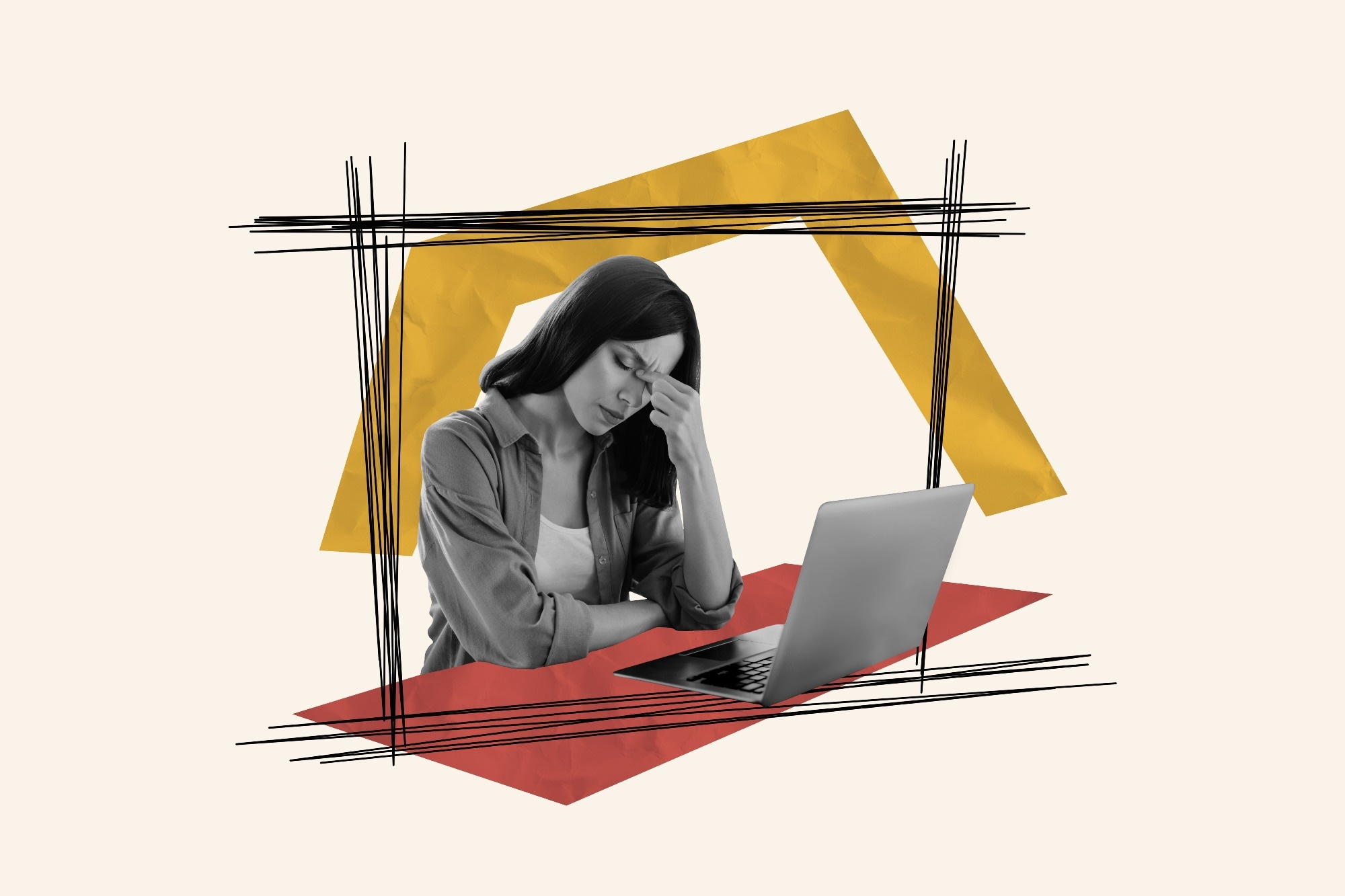
Post Traumatic Stress Disorder (PTSD), originally discussed in terms of combat trauma, is a psychological condition which can affect people of any age and background.
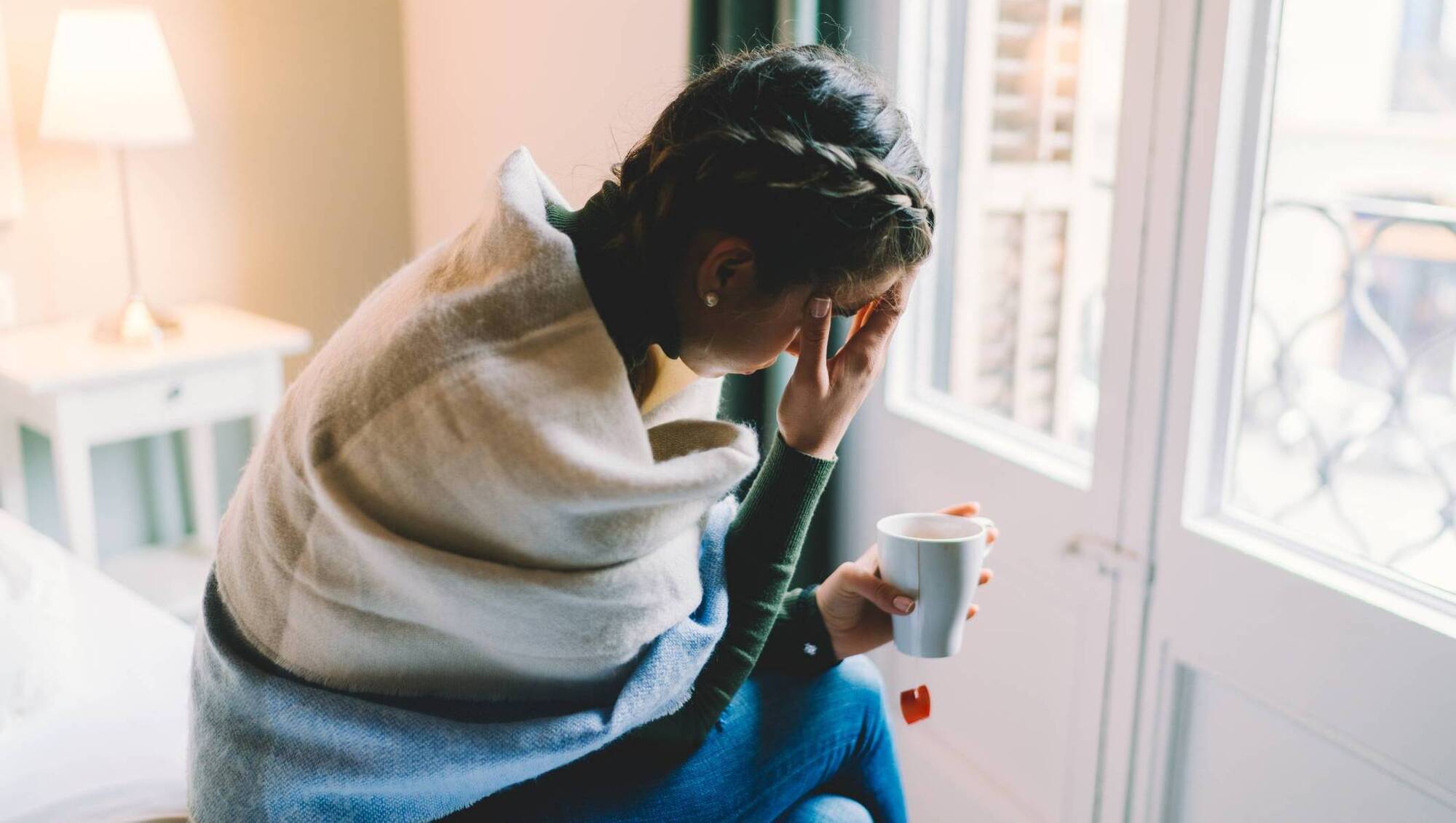
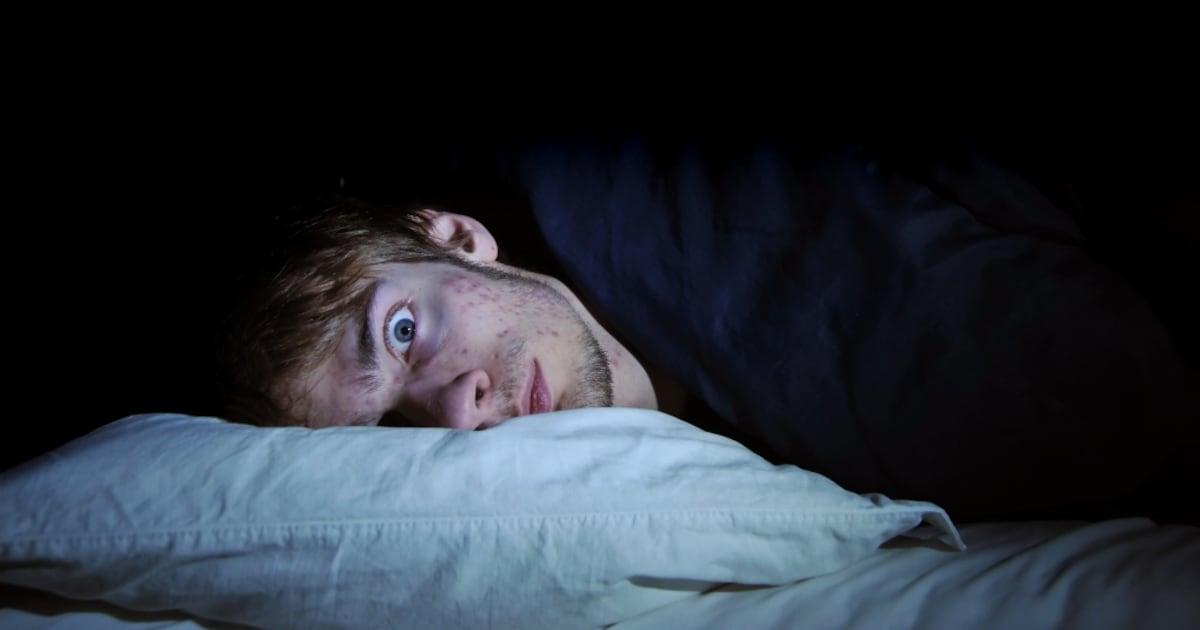
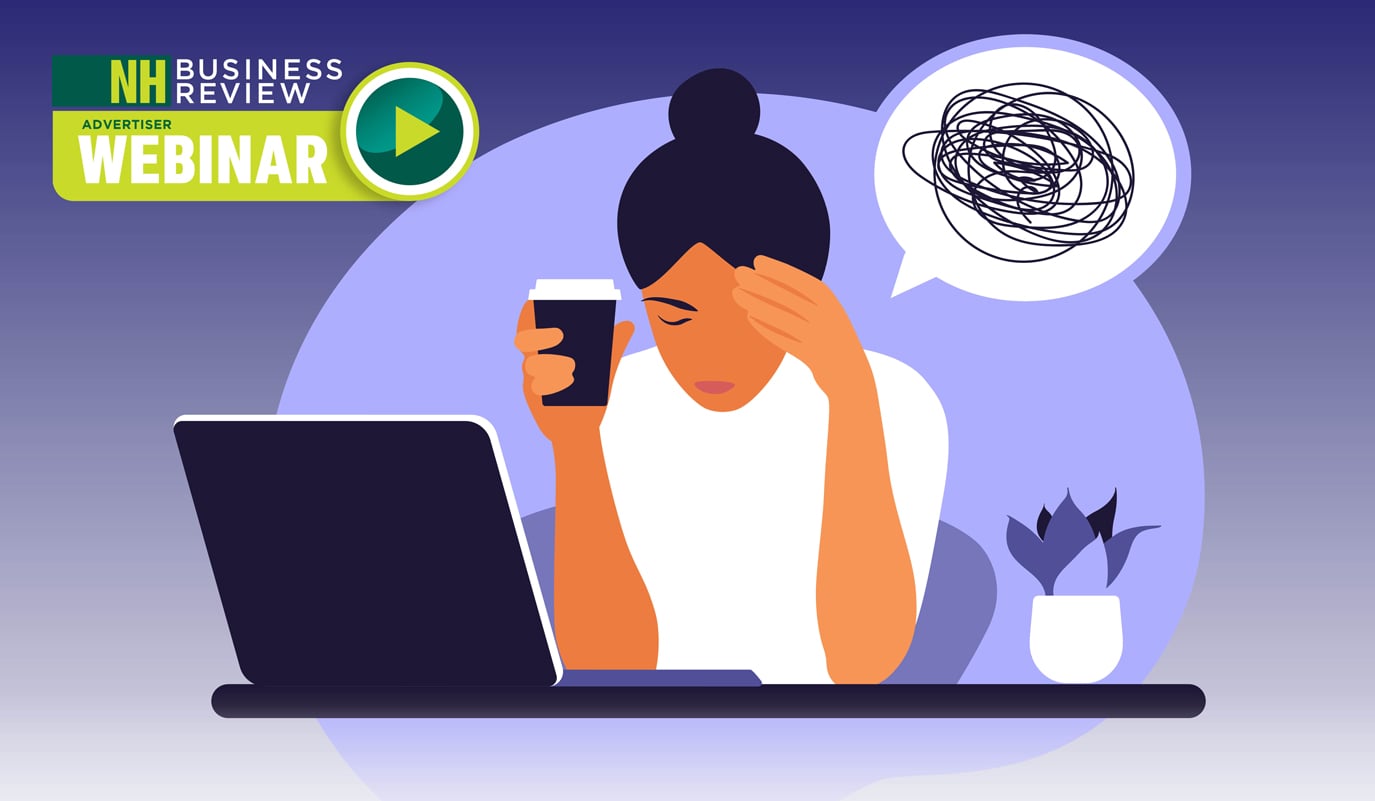
People can re-experience trauma through flashbacks, intrusive memories, nightmares or strong emotional reactions to reminders. They may avoid things and places, feel on edge, angry and irritable. It affects all aspects of everyday life.
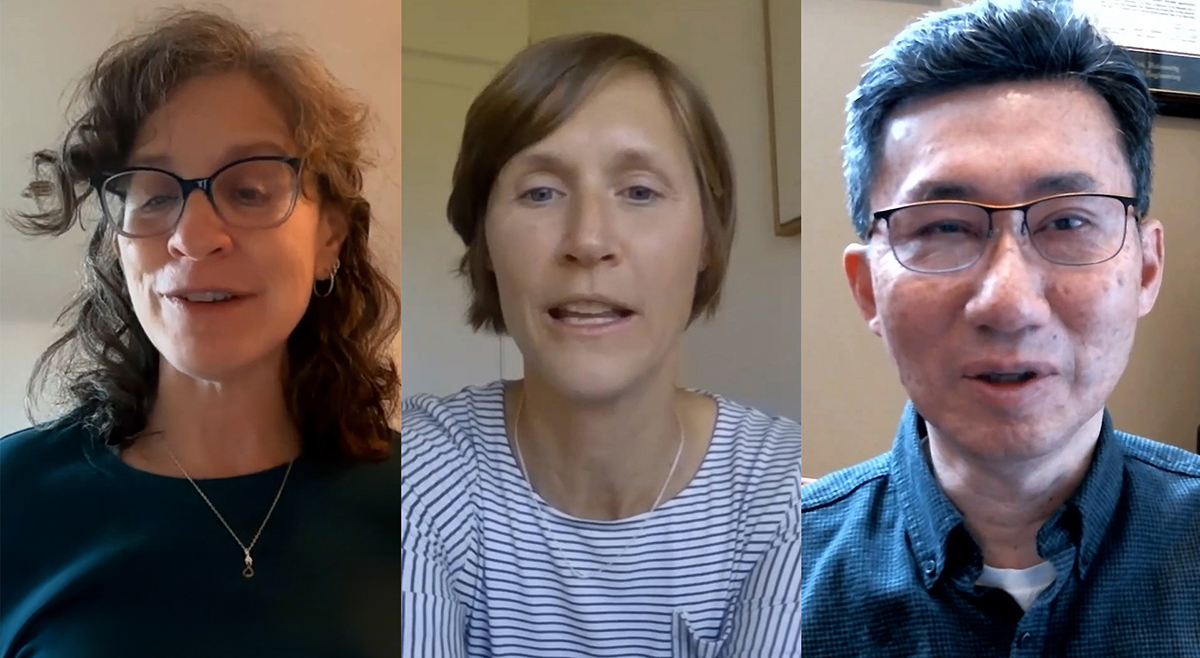
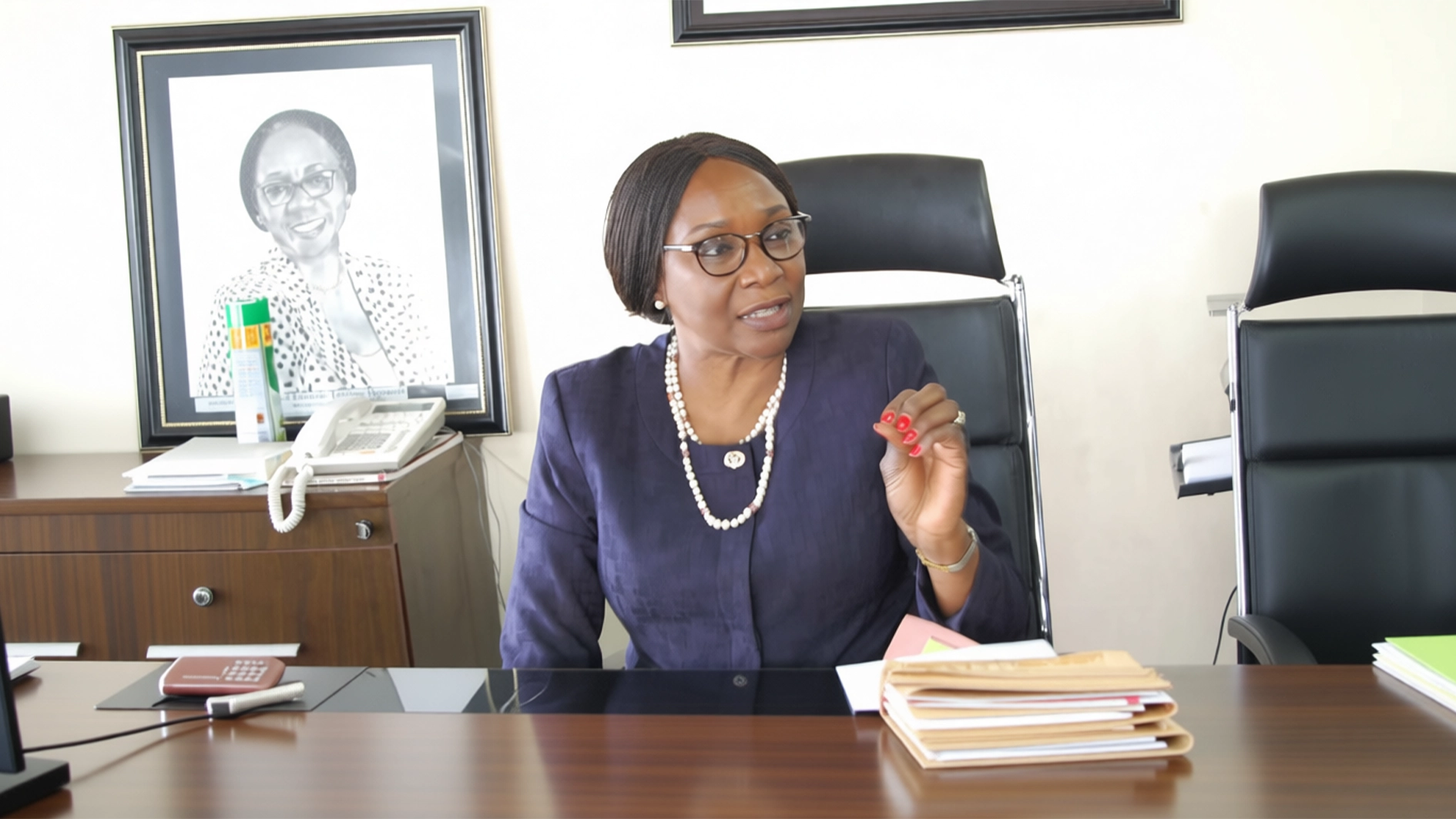
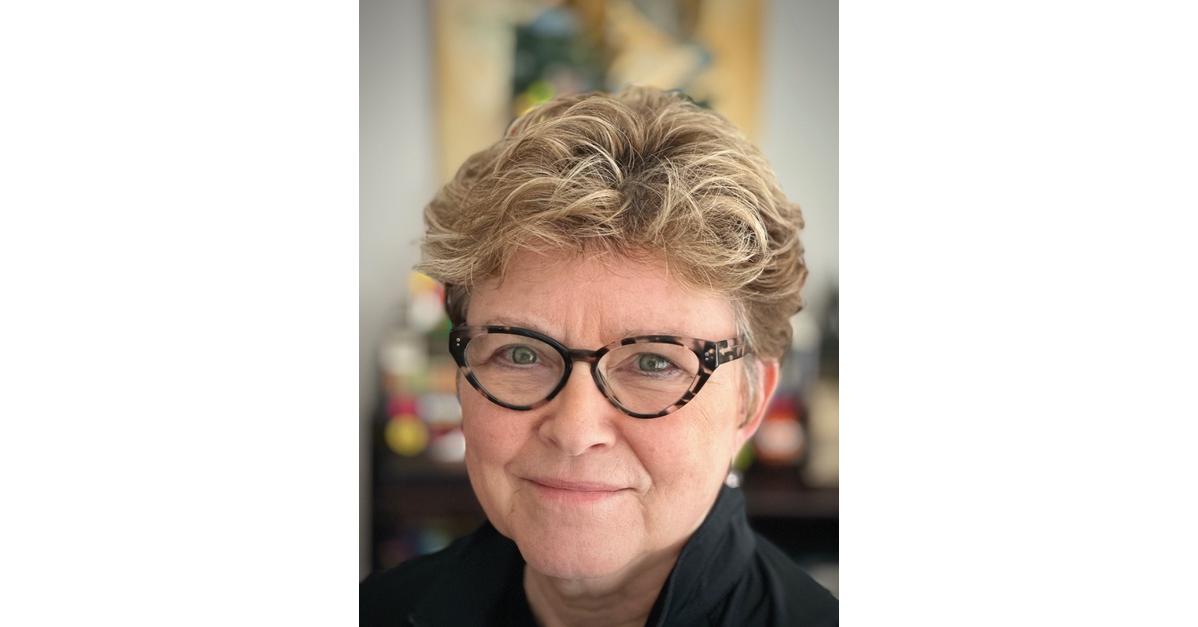
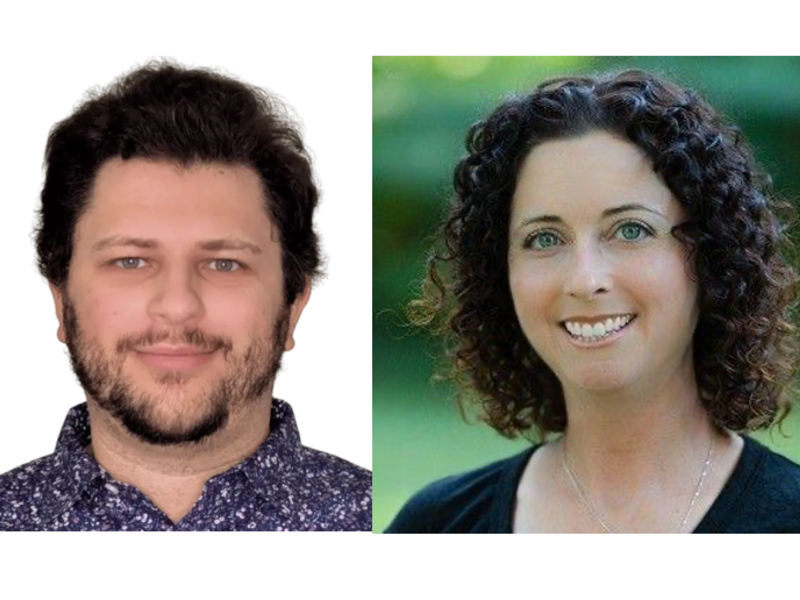
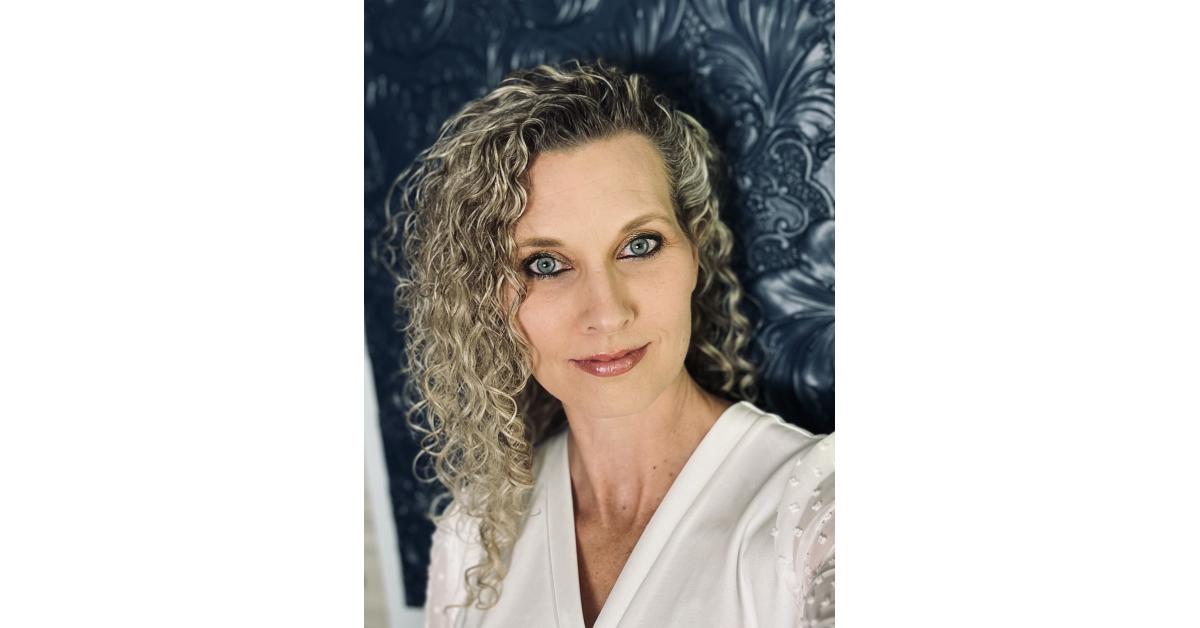
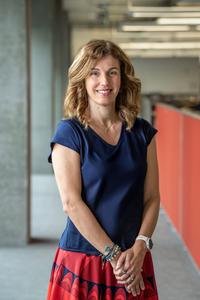
Consultant Counselling Psychologist and Associate Director of Psychological Therapies Professions in Oxfordshire Joanne Ryder said: “PTSD can affect anyone after experiencing, witnessing or being repeatedly exposed to traumatic events. For some it’s a one-off event but for many it is ongoing of working in emergency services, abuse, coercion, or repeated exposure to a frightening or unsafe situation.
“It is not a sign of weakness. It is not something people can simply “get over”. People respond to traumatic events in different and sometimes unhealthy ways. It is important not to label people without considering what may sit underneath the behaviour. The important message is PTSD is treatable.
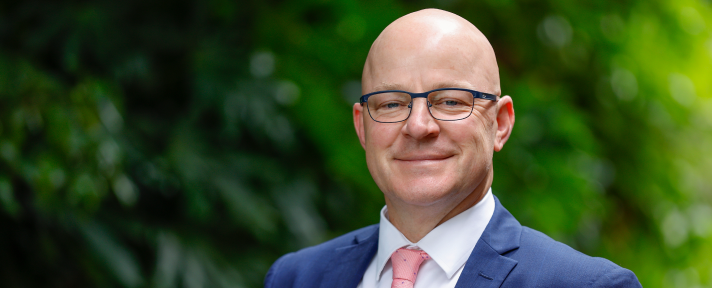
Clinical Lead for Buckinghamshire Psychological Therapies Pathway and Psychological Services in the county added: “A trauma-informed response starts with curiosity, safety, consistency and compassion. Many people recover with time, safety and support or learn to manage symptoms so that life feels safer and more manageable again.”
Possible signs of PTSD in adults
- Re-experiencing the trauma through flashbacks, intrusive memories, nightmares or strong emotional reactions to reminders.
- Avoiding people, places, conversations, activities or feelings that bring back memories of what happened.
- Feeling on edge, jumpy, watchful, irritable, angry or easily startled.
- Changes in mood, such as feeling low, guilty, ashamed, numb, detached or unsafe.
- Difficulties with sleep, concentration, relationships, work or everyday routines.
- Physical reactions such as a racing heart, nausea, shaking, pain, exhaustion or feeling frozen when reminded of the trauma.
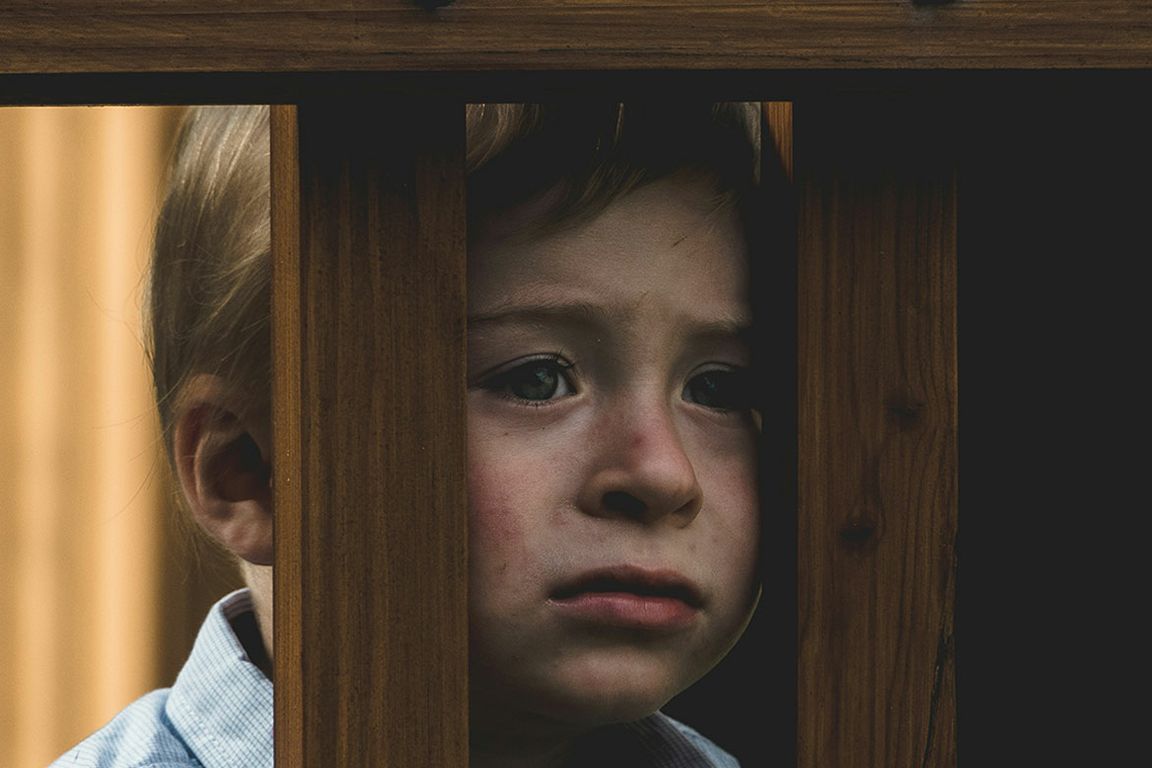
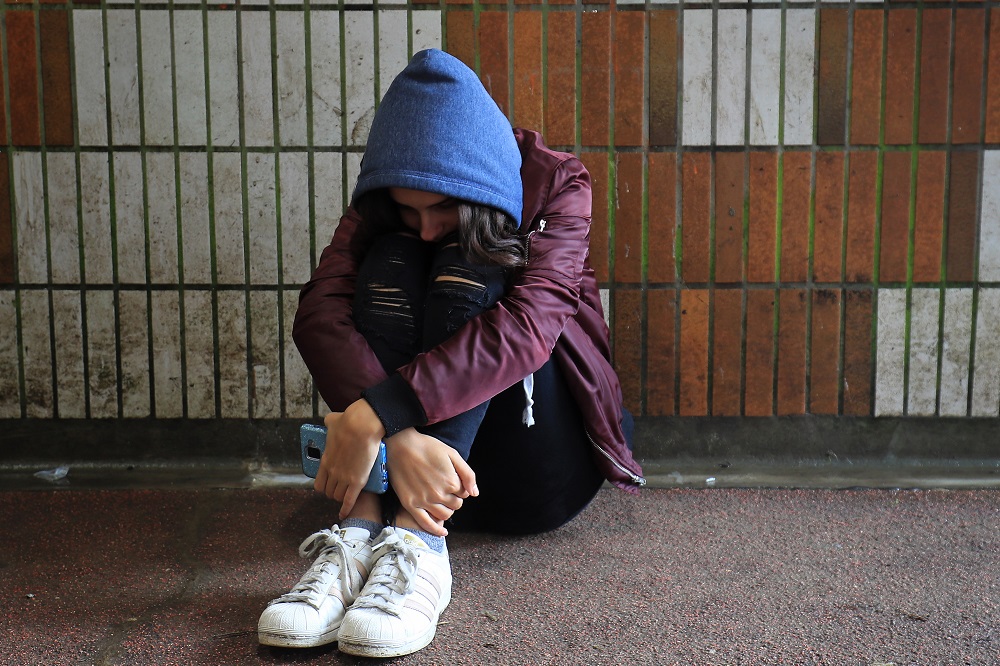
Possible signs of PTSD in children and young people 
- Nightmares, sleep problems, fear of being alone, being clingy.
- Flashbacks, intrusive memories, repetitive play or drawings linked to the event.
- Avoiding reminders of what happened, including places, people, conversations, sounds or smells.
- Being constantly alert, easily startled, irritable, angry, tearful or emotionally numb.
- Loss of interest in friends, school, hobbies or activities they previously enjoyed.
- Difficulty concentrating, changes in school performance, or appearing distracted and restless.
- Physical symptoms such as stomach aches, headaches, tiredness or changes in appetite.
- Regression in younger children, such as bedwetting, thumb-sucking, separation anxiety or behaviour that seems younger than their age.
- Risk-taking, withdrawal, self-blame, shame or feeling that the world is unsafe.
Where to get help