A coalition of charities campaigning for better cancer care for Black and minority ethnic people is calling on the Scottish government to ignore UK national screening guidance on prostate screening, which they say is “fatally flawed”.
The UK national screening committee (UK NSC), which advises all four UK nations’ health departments, concluded late last month that it could not recommend screening all men for prostate cancer using the prostate specific antigen (PSA) test, saying screening everyone “is likely to cause more harm than good”.
The UK NSC instead recommended a targeted screening programme of PSA testing every two years for men aged 45 to 61 who have a disease-causing BRCA2 gene variant with a family history of breast, ovarian, pancreatic or prostate cancer.
But the UK NSC acknowledged there is “ongoing uncertainty” about screening in Black men.
Black men have a lifetime prostate cancer risk of approximately 1 in 4, compared with around 1 in 8 for white men. Black men are twice as likely to die from the disease.
In response to the UK NSC, the UK government announced additional funding to allow more black men to take part in the UK-wide TRANSFORM trial into finding best ways to identify prostate cancer early.
In Scotland, ministers set screening policy based on both the advice from the UK NSC and their own advisers, the Scottish Screening Committee.
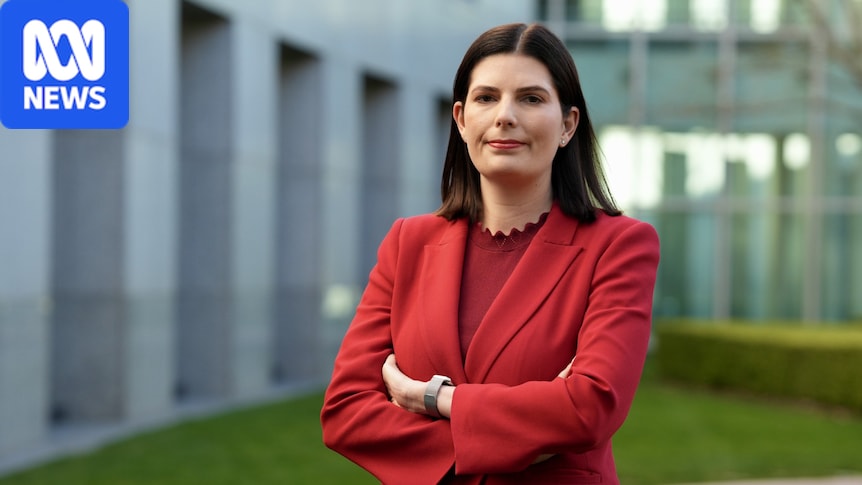
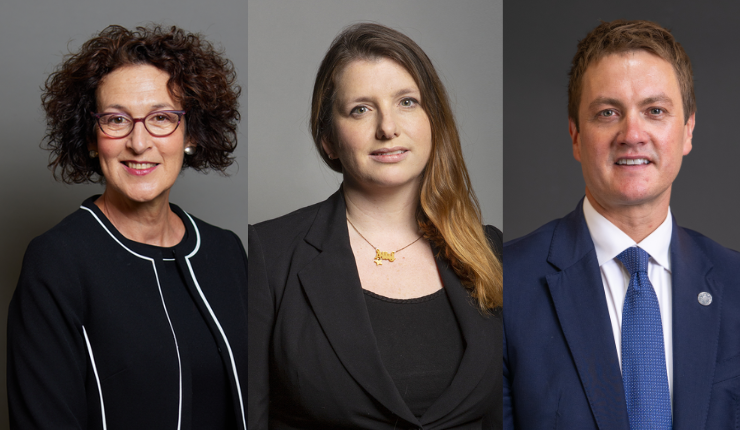
Now a coalition of Black health campaigners has written to the new health secretary Angela Constance urging her to reject the UK advice and “to protect Black men” from what they describe as “a fatally flawed” recommendation.
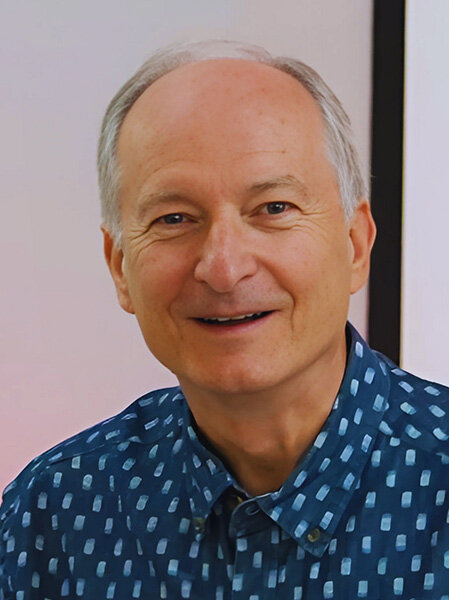
Professor Francis Chinegwundoh, a consultant urological surgeon who is chair of trustees for the charity Cancer Black Care and a member of the governing committee of the British Association of Black Surgeons, says excluding most Black men will cost lives:
“This is not a close call.
“Contemporary MRI-based diagnostic pathways mean overdiagnosis is a fraction of what the UK NSC claims. The evidence for screening Black men is strong. The evidence against it is outdated.
“We are asking Angela Constance to look at the science, not follow a flawed UK-wide recommendation.”
The campaigners argue the UK NSC’s recommendations rely on trial data that is “nearly four decades old”, and point out that the advice was issued ahead of the committee’s planned recalibration of its own economic model for ethnicity, later this year.
ADVERTISEMENT

Another of the signatories to the letter, Professor Patrick Vernon, Pro Chancellor for Health at the University of Wolverhampton, says there is an opportunity for Scotland to “pave its own path”:
“Angela Constance has just taken on one of the most important health briefs in Scotland. The first test of her tenure is right here. Scotland has the worst late-stage prostate cancer diagnosis rate in the UK and black men are dying at double the rate of white men.
“The UK NSC’s narrow recommendation does not reflect the lived experience of Black men, who are the group most at risk. The TRANSFORM funding is welcome, but we will not see those results for years, possibly decades. How many men and families have to suffer before we act?”
The campaigners say Scotland can help address its low rate of early detection of prostate cancer – where almost a third of cases are diagnosed too late for curative treatment – by committing to a targeted early detection pathway for Black men and all high-risk men, including those with a family history, and men from the most deprived communities.
They also say that Scotland can close a data gap on race and cancer by introducing “immediate and systematic ethnicity coding” for PSA tests, MRI referrals and biopsy outcomes.
Read more: Deprivation gap in cancer “unacceptable” says charity; Patients benefiting from clinical trials progress; Scotland’s cancer strategy “not delivering”
Sign up to receive our bulletin for key health & social care updates straight to your inbox.