New Hamlyn-Hong Kong Joint Lab
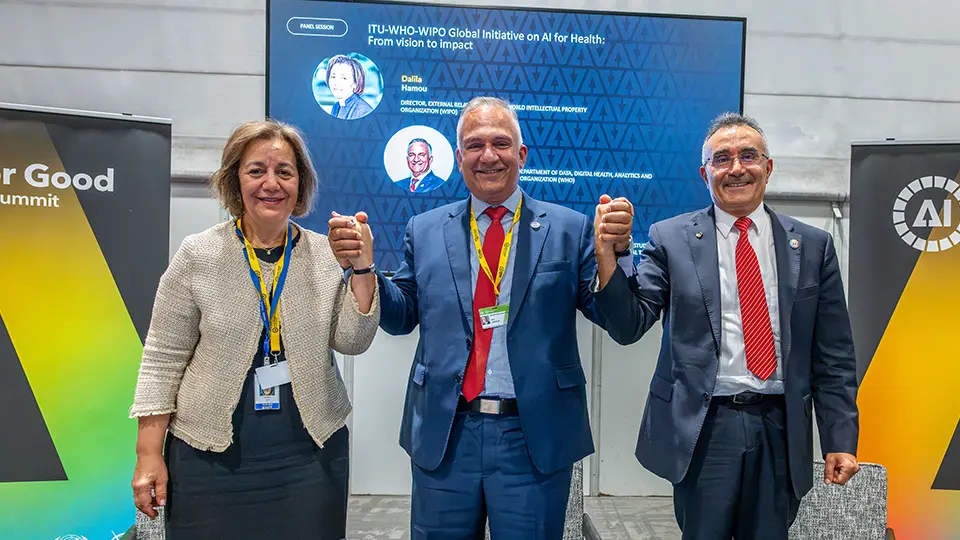
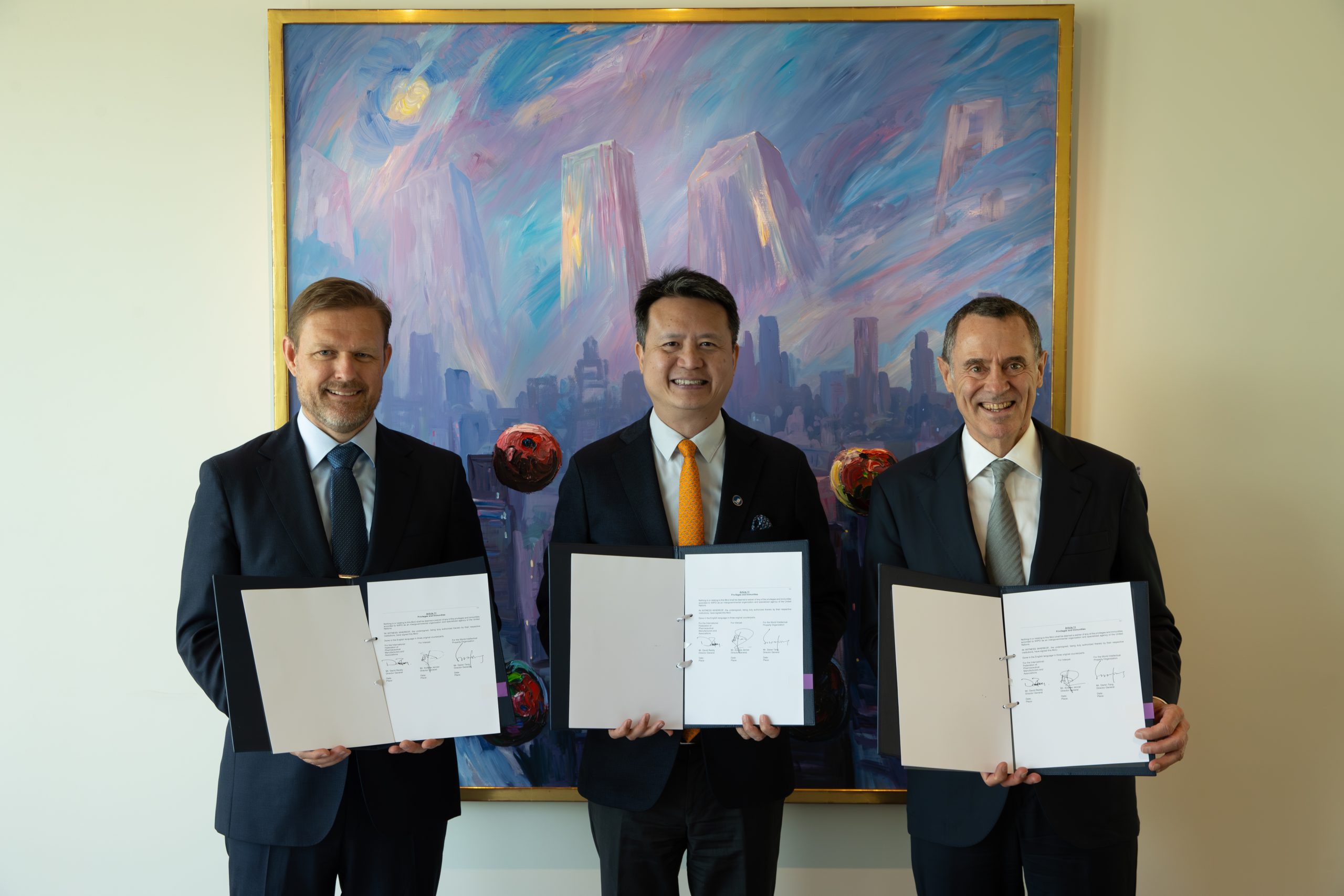
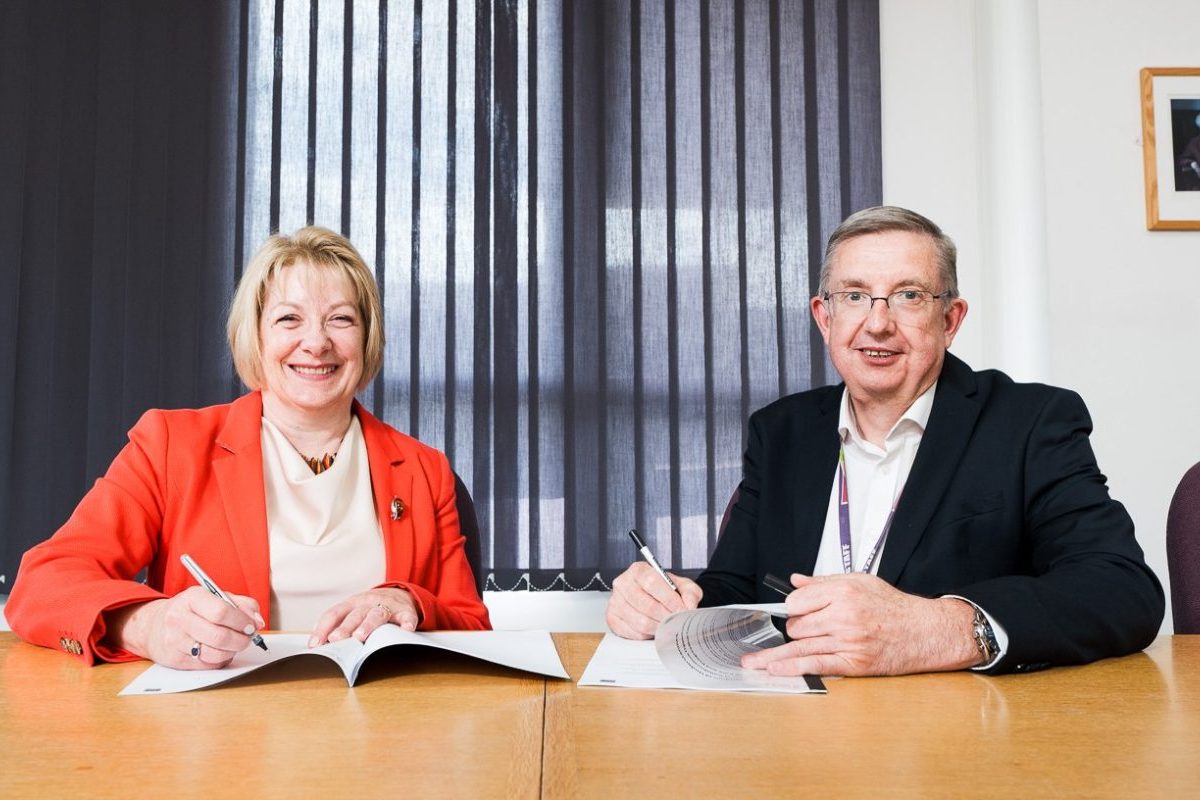
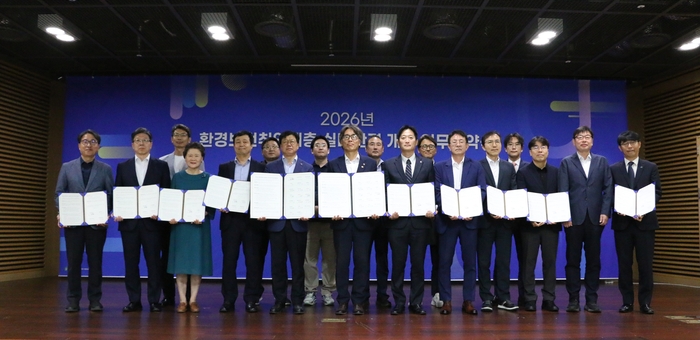
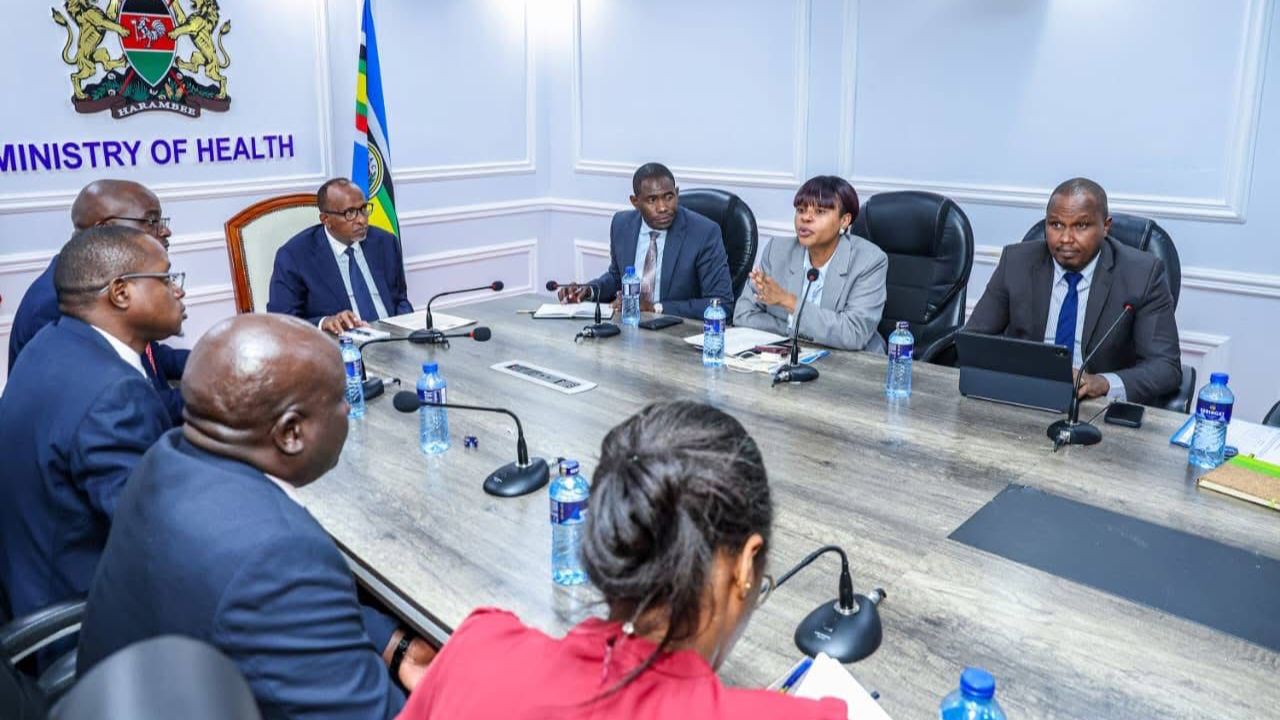
In November 2025, a new Hamlyn–MRC Joint Lab – a multiscale medical robotics programme – was established between our Hamlyn Centre and the Chinese University of Hong Kong.
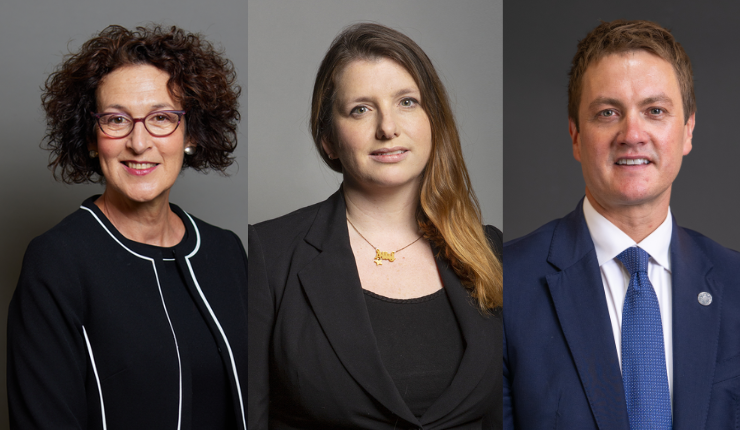
The five-year, $ 6.3mn collaboration will have its headquarters in the Paterson Wing of St Mary’s Hospital in London. It brings together the complementary strengths of Philip Chiu and Sam Au in Hong Kong with Professor the Lord Ara Darzi and Hamlyn’s Professor Ferdinando Rodriguez y Baena.
The research spans remote telesurgery, soft robotics, and surgical data science, and will create creating a shared platform for translational innovation across the two institutions.
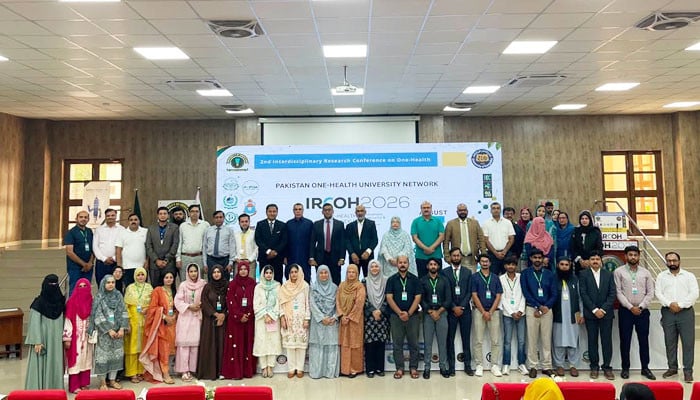
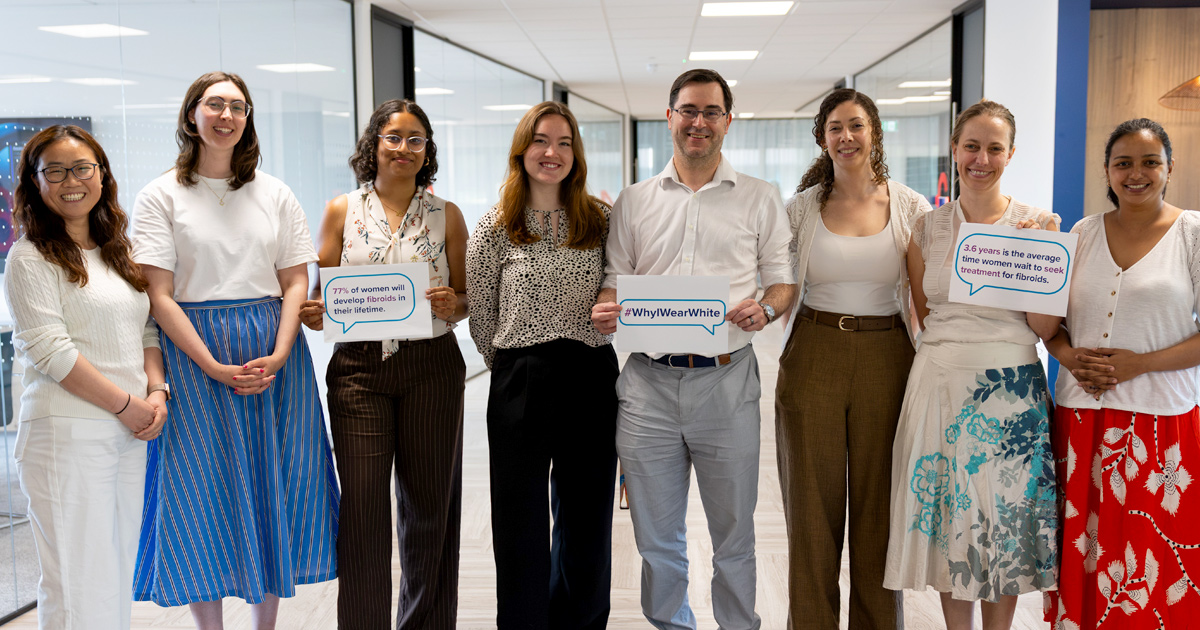
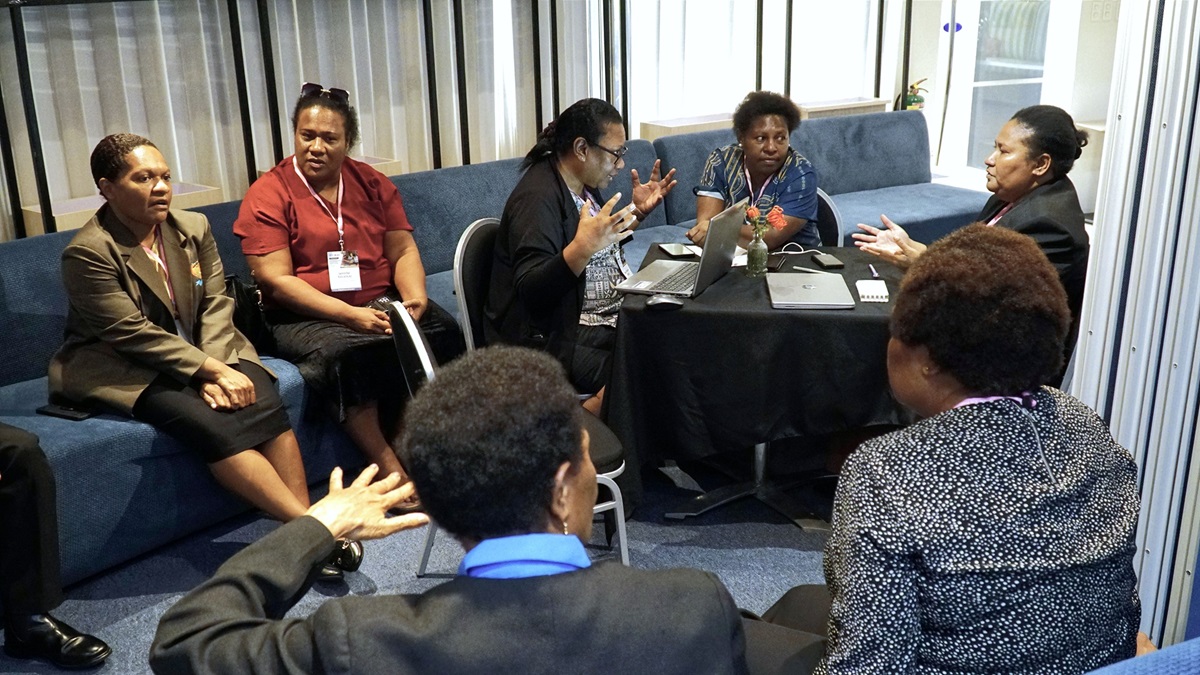
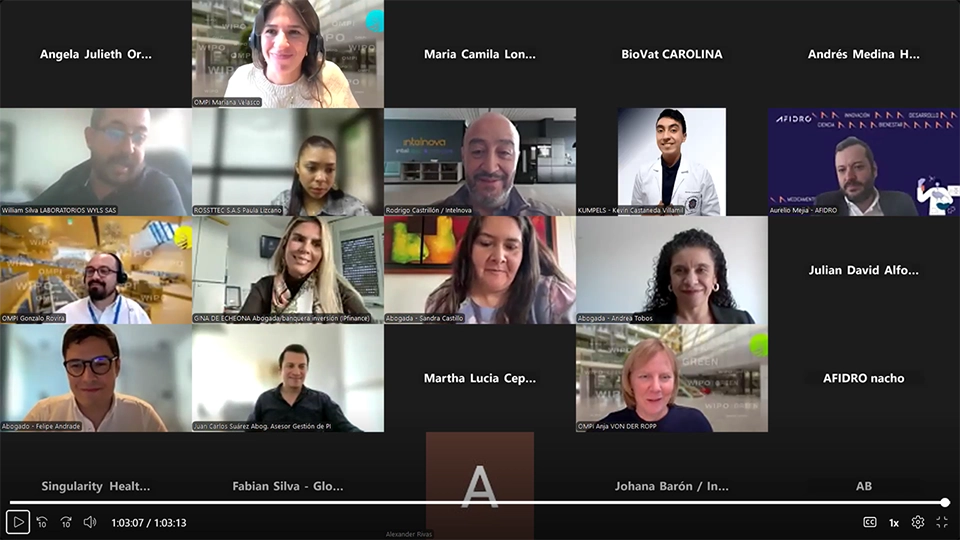
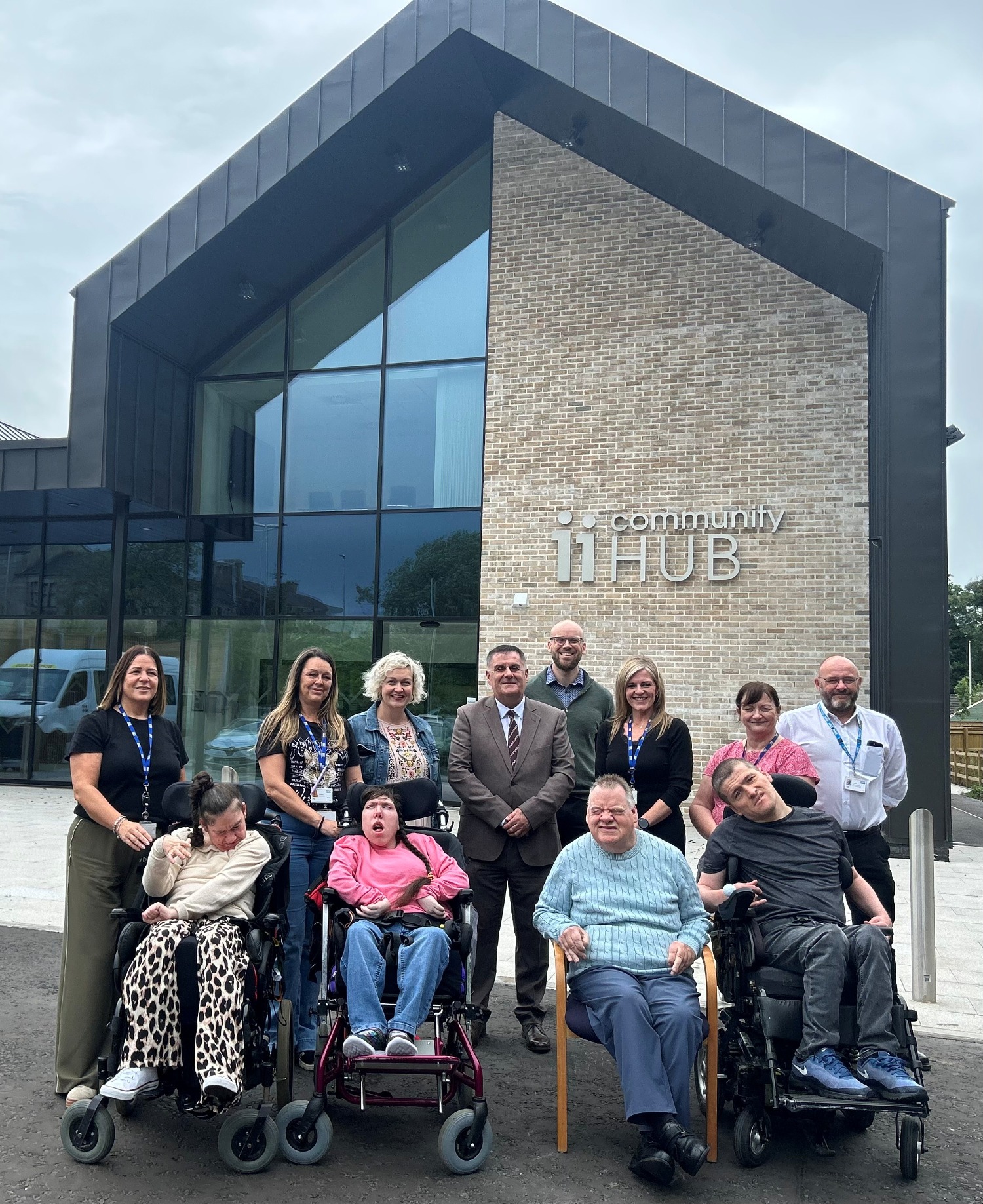
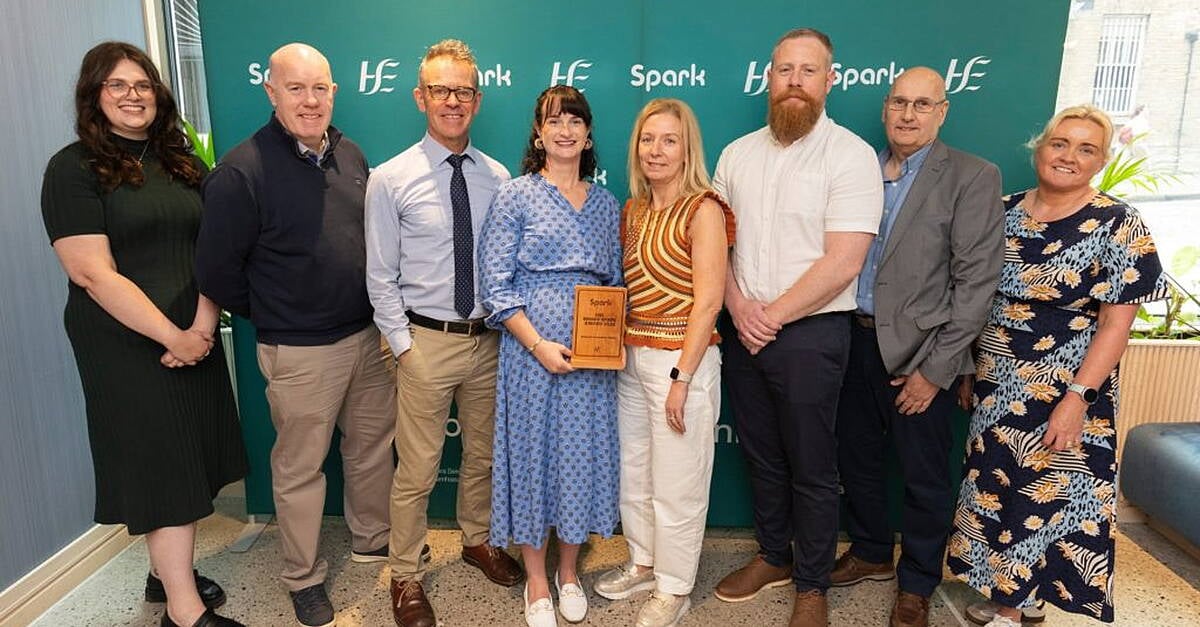
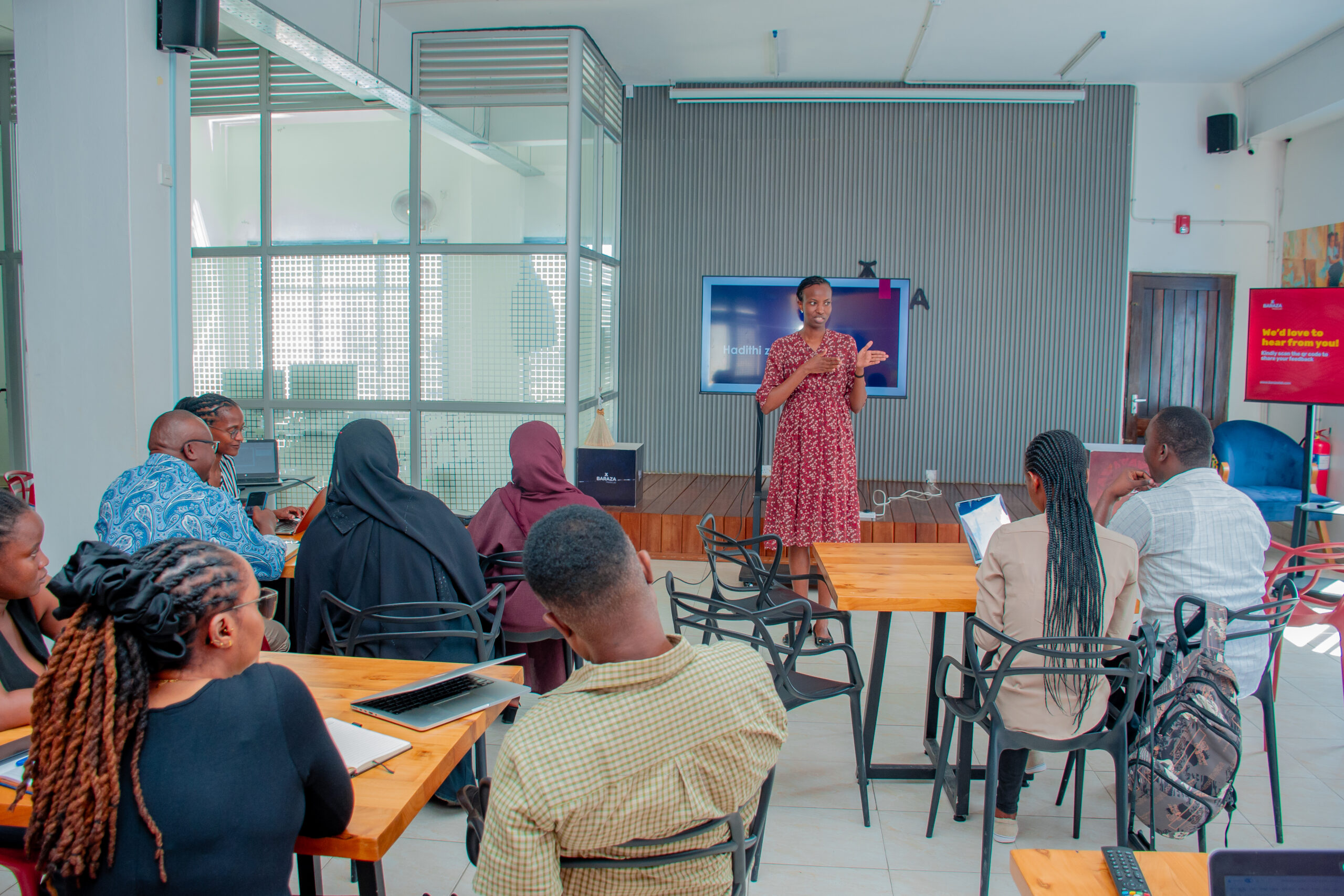
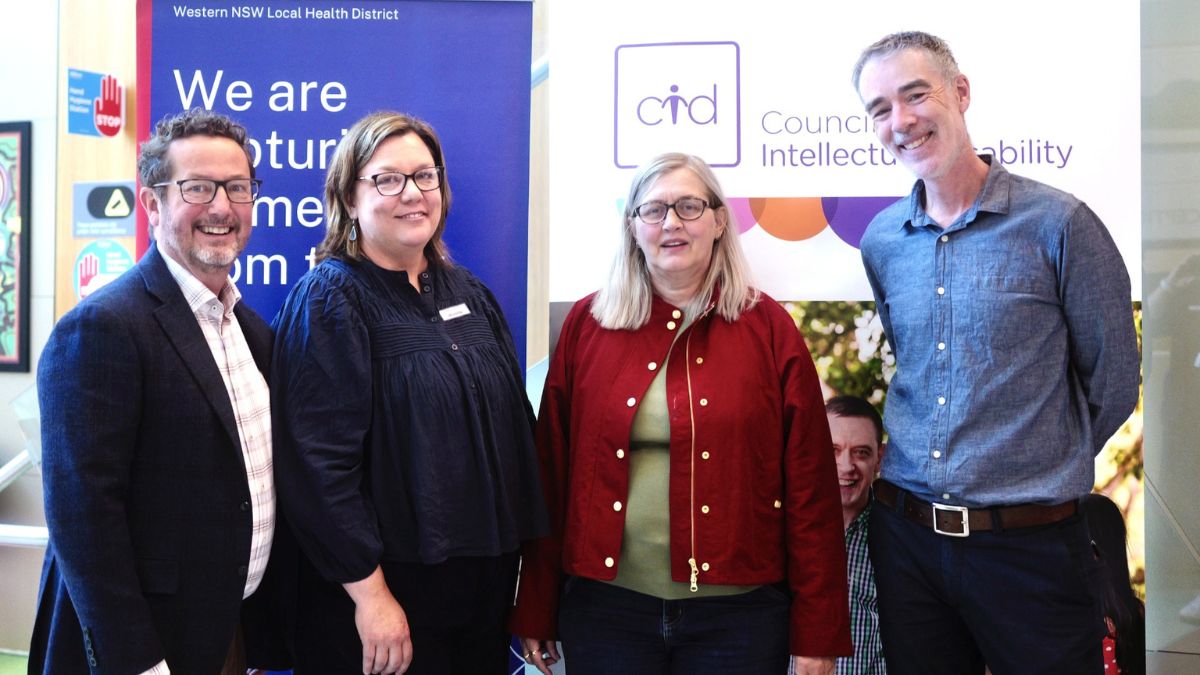
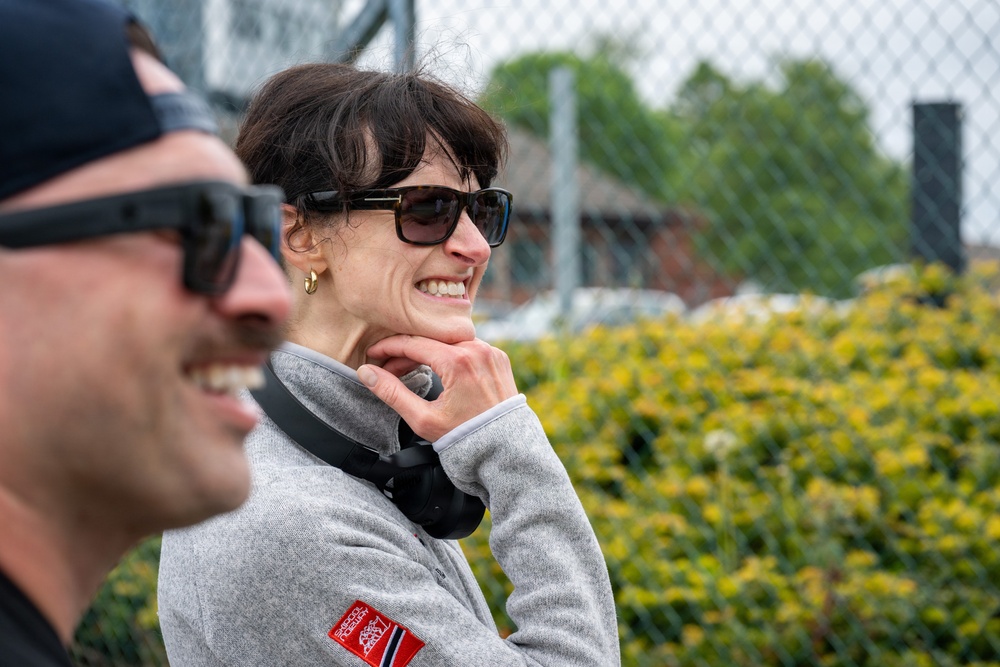
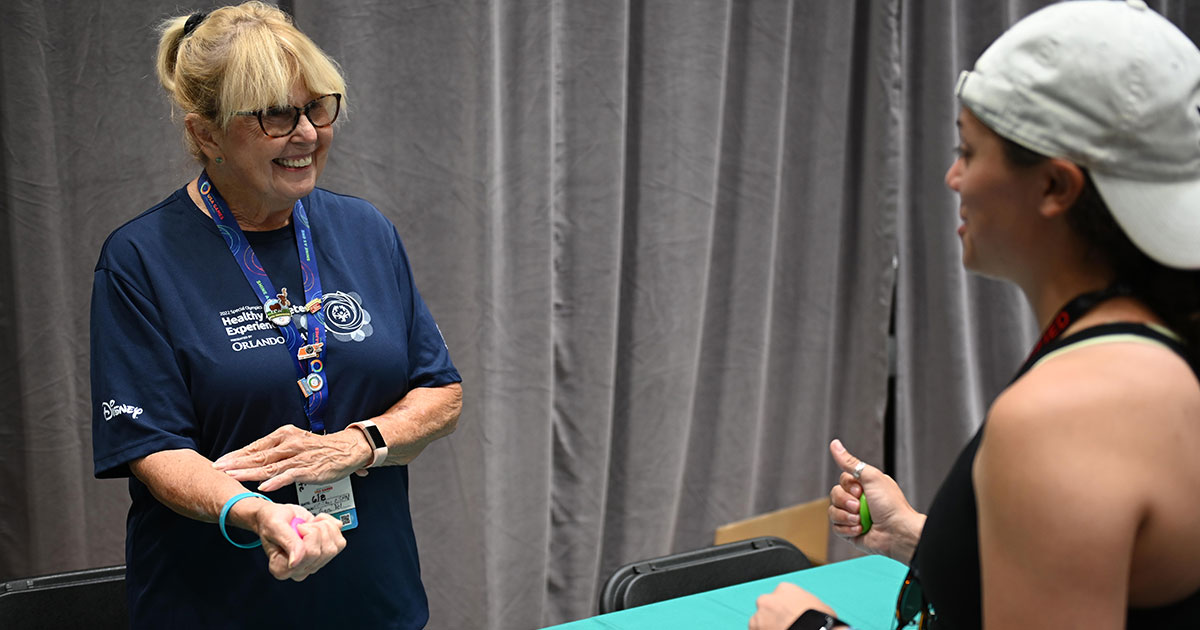
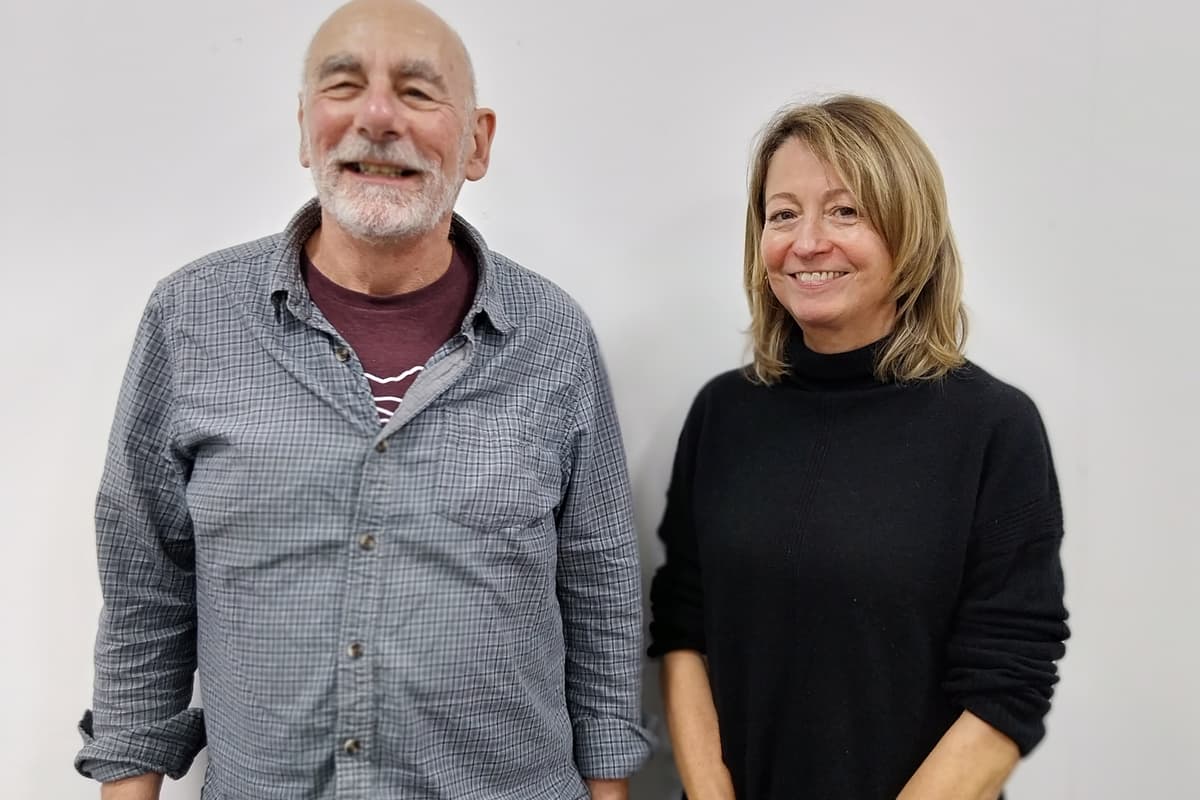
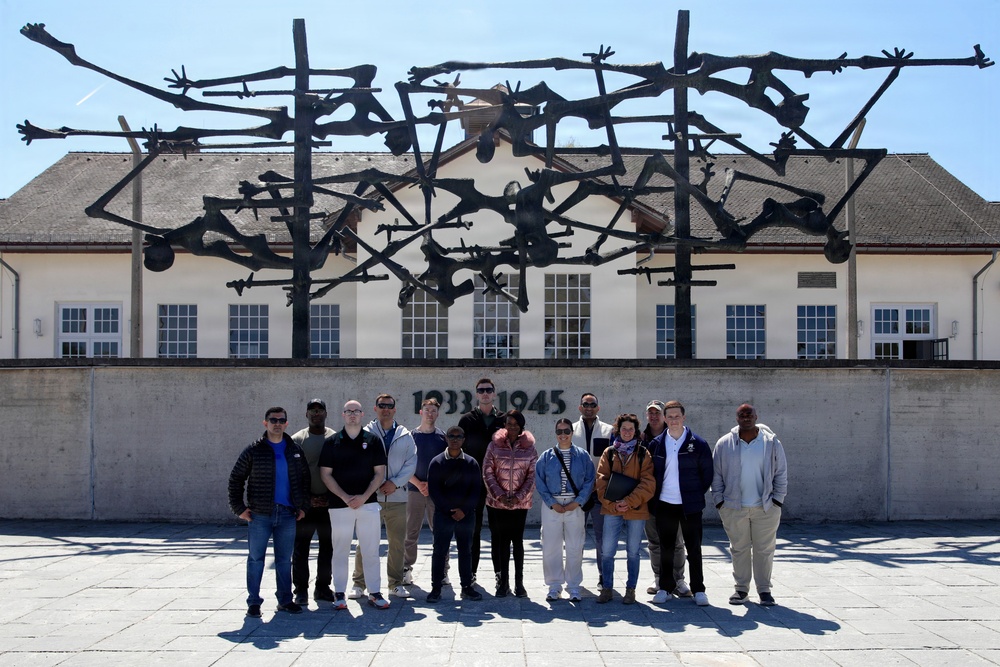
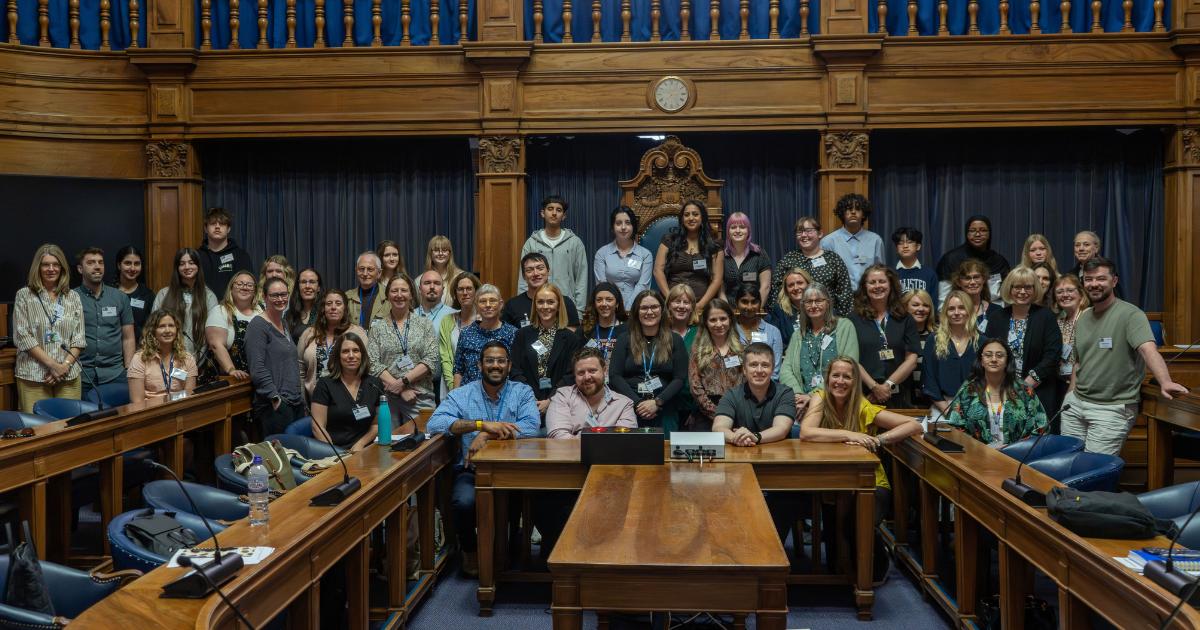
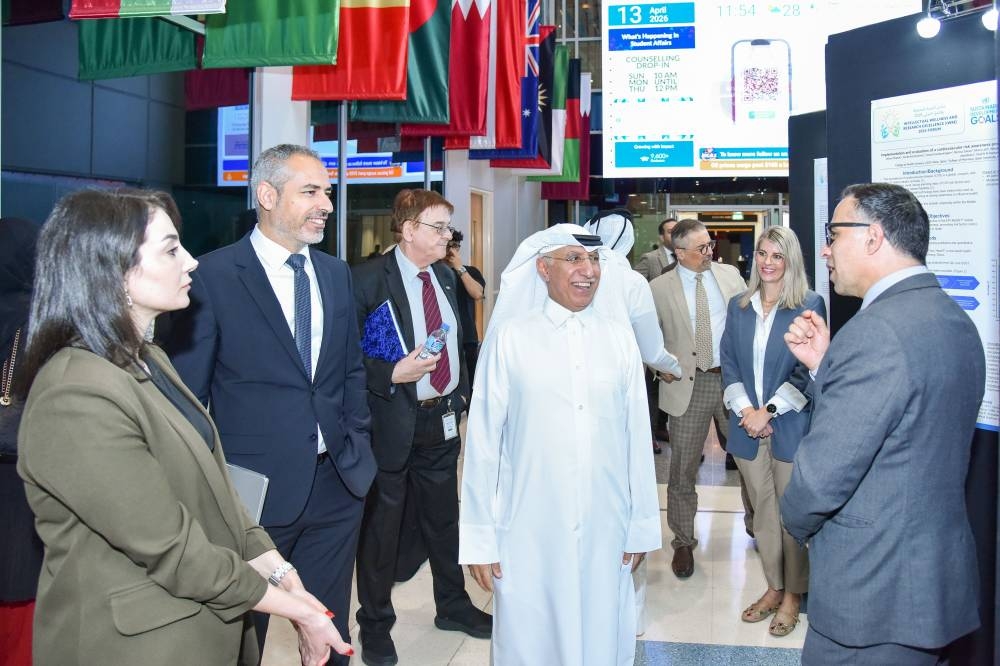
Hamlyn Centre staff with colleagues from Hong Kong
Hamlyn Centre staff with colleagues from Hong Kong
25 Years of Telesurgery
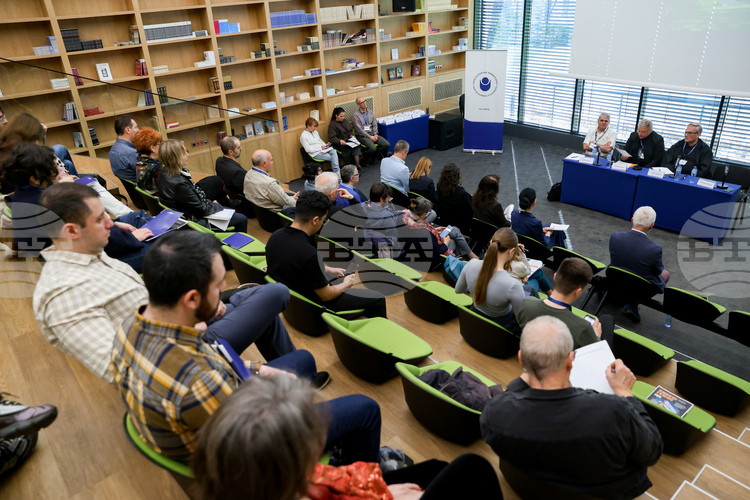
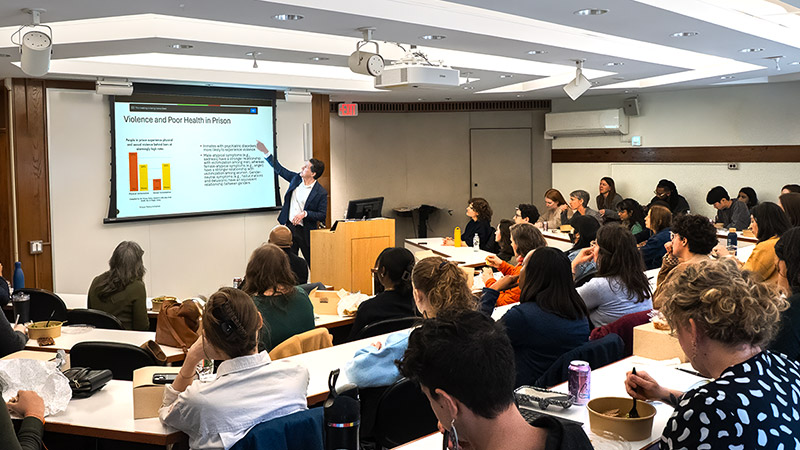
In June, the Hamlyn Centre hosted their annual symposium on medical robotics. Themed “Back to the Future: Telesurgery in 2025”, the symposium commemorated nearly 25 years since the first successful telesurgical operation (surgery that uses remote-controlled robotics). The programme covered a broad spectrum of topics ranging from imaging and visualisation in robotic surgery to smart devices, and from surgical autonomy and AI to clinical adoption.
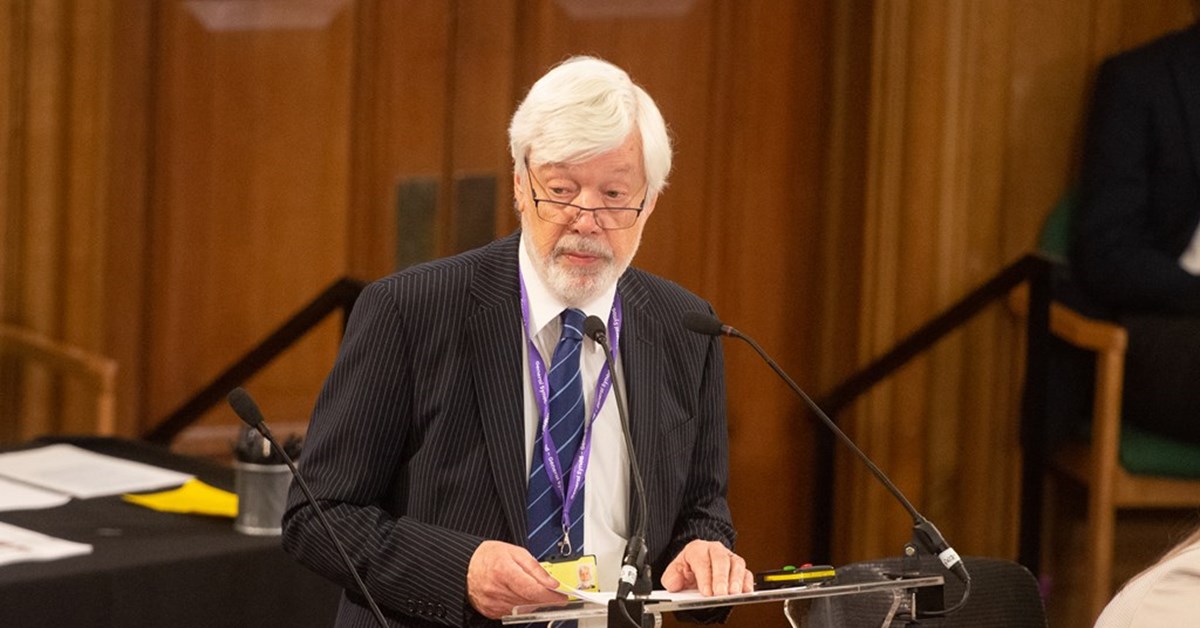
Professor the Lord Ara Darzi delivered a keynote on the past, present, and future of telesurgery. He was joined by a distinguished panel of fellow keynote speakers whose insights spanned clinical practice, technology innovation, and global education in surgery.
One of the flagship components of the symposium – the industry forum – brought together leading voices from the world of medical technology. This session explored the technological, clinical, and systemic innovations driving the evolution of telesurgery. Experts examined transformative advances – from AI and machine learning to 5G and robotic autonomy – and their direct impact on improving surgical precision, patient outcomes, and accessibility, especially in under-served and remote areas.
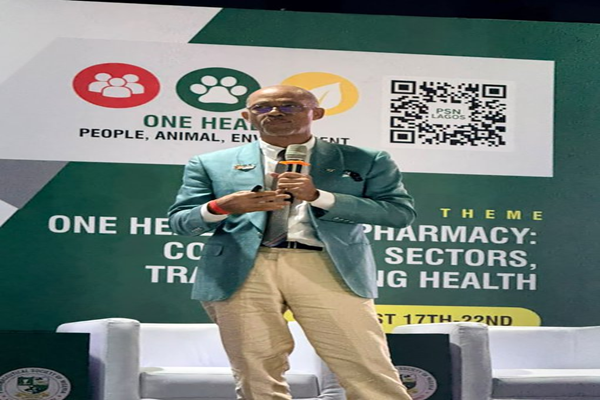
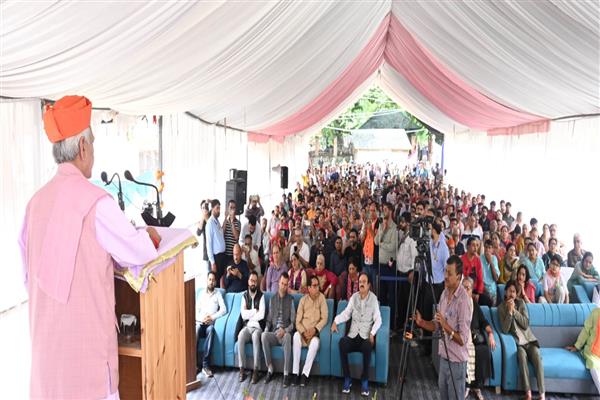
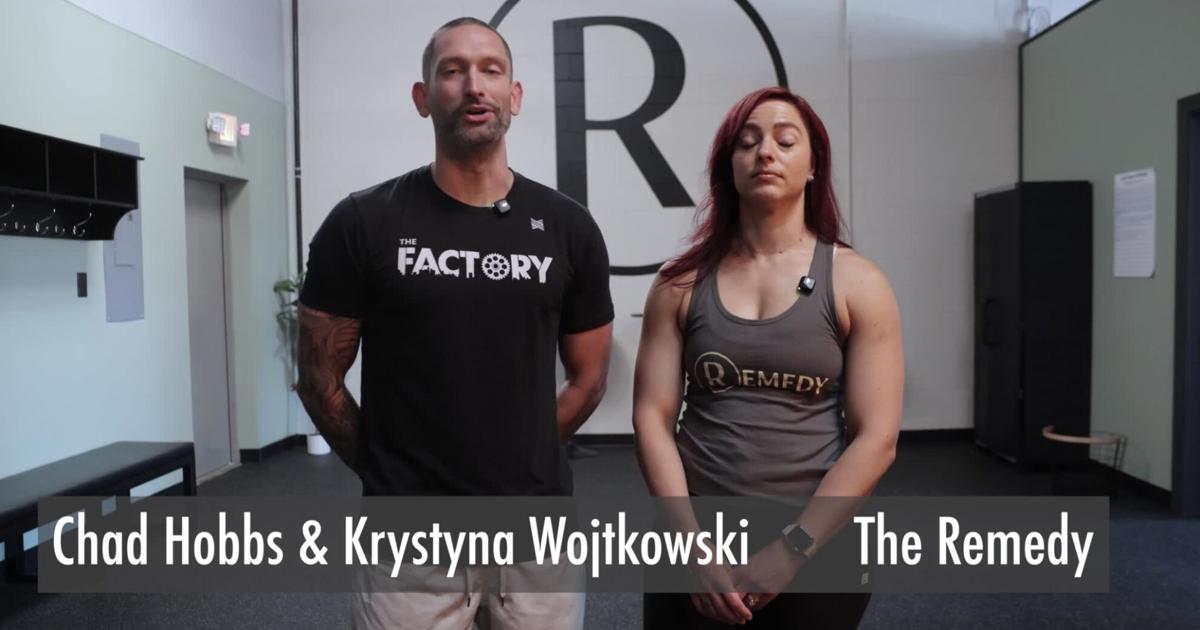
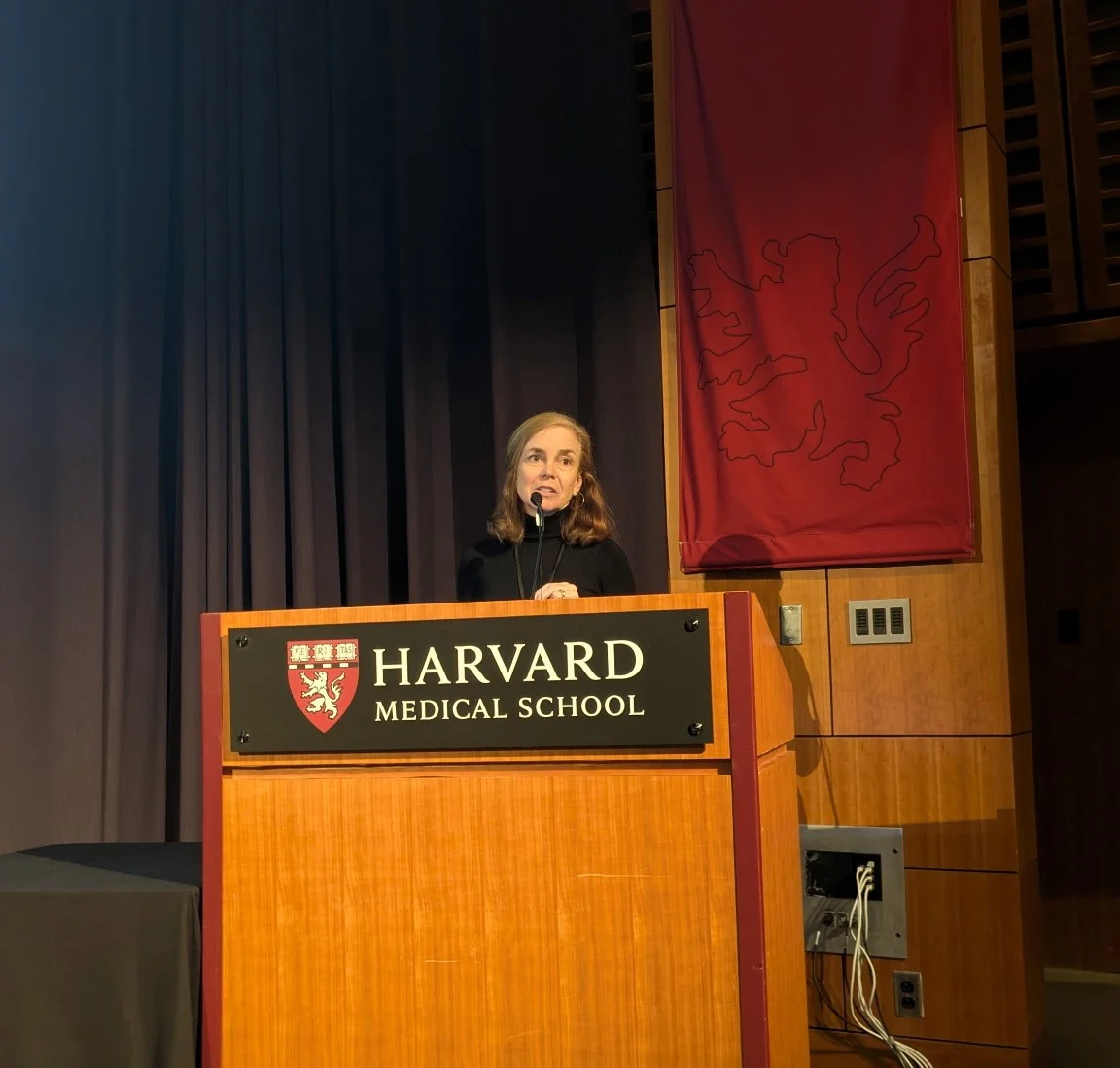
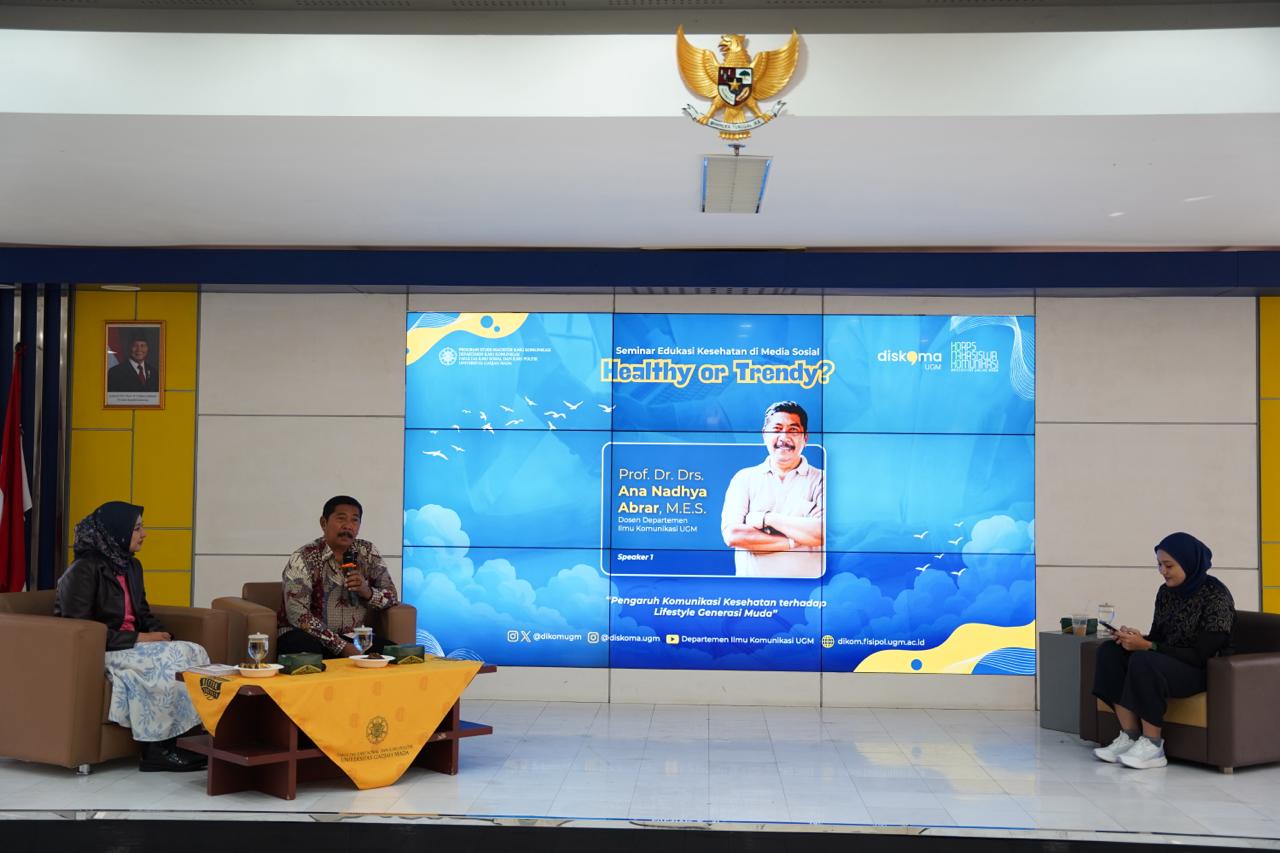
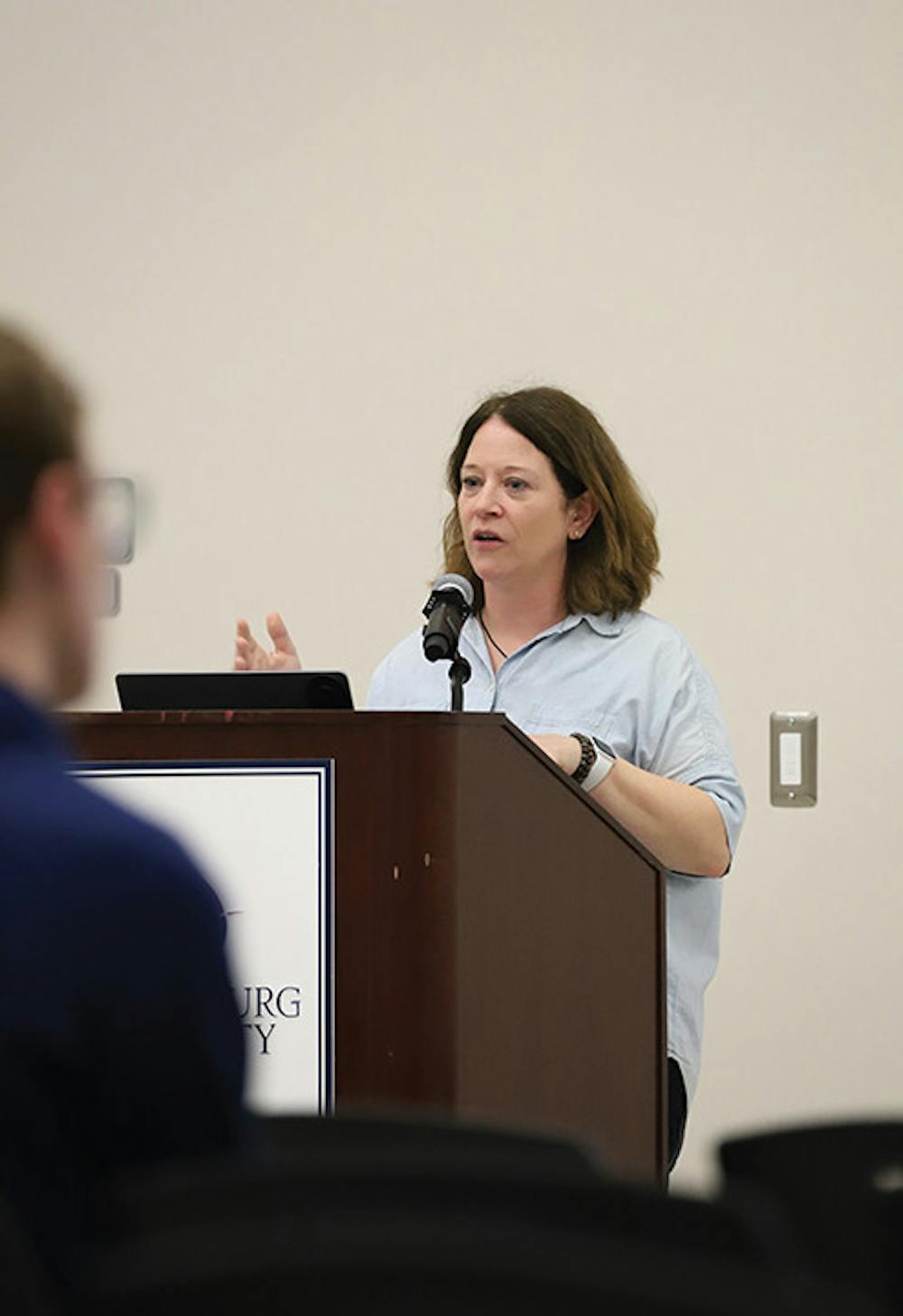
Professor Yuman Fong delivering a keynote
Professor Yuman Fong delivering a keynote
Robotic Gastro-Intestinal Endoscope
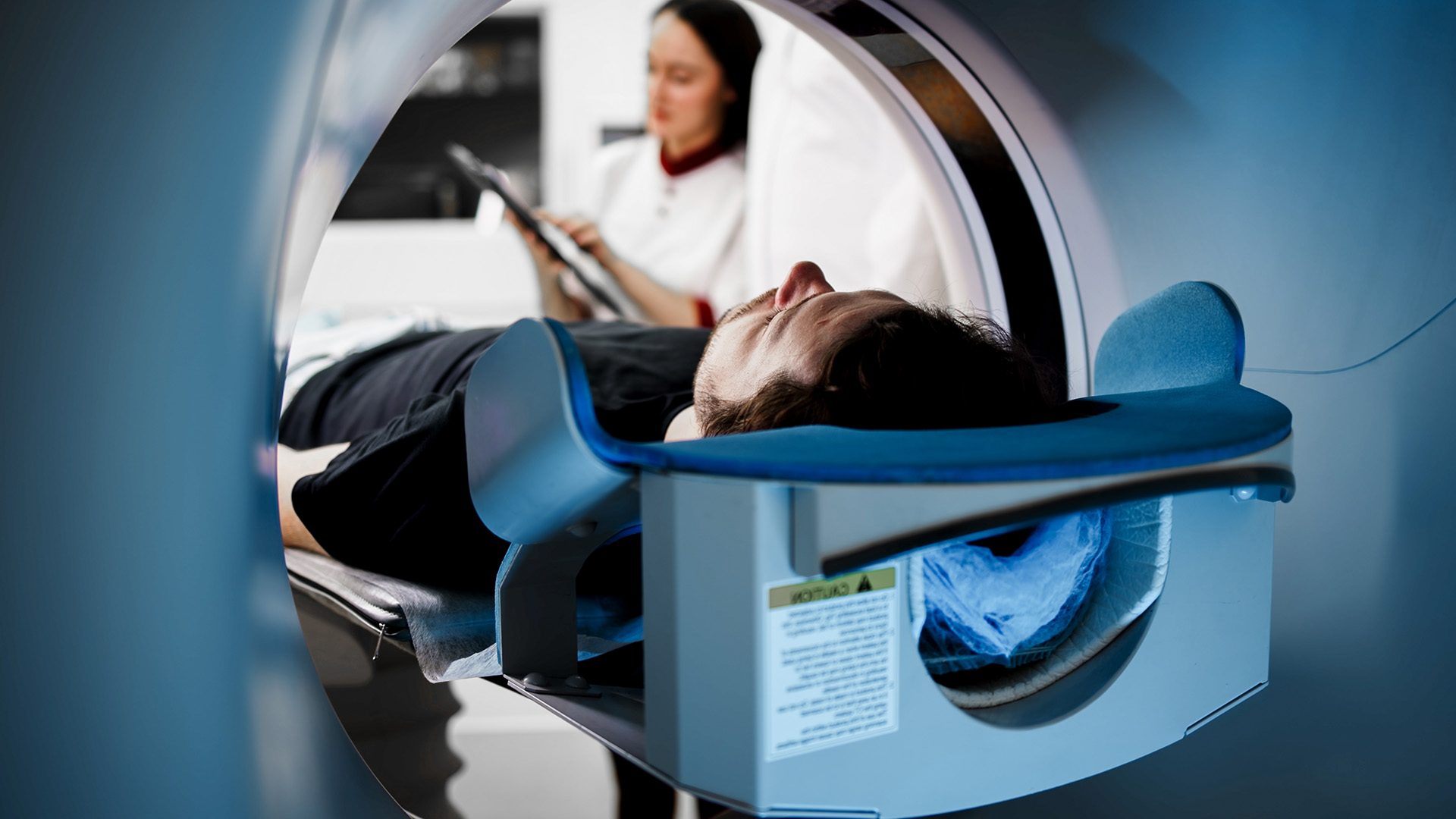
In 2025, the Hamlyn Centre’s RoboGast project achieved significant milestones in developing a pain-free robotic platform to support next-generation gastro-intestinal endoscopy – a test that uses a long, thin, flexible tube with a small camera inside to check inside the digestive system.
The team created a refined robotic prototype that combines enhanced dexterity with sophisticated software instructions. This allows the endoscopy to be carried out with greater stability and intuition.
The researchers’ feasibility studies showed promising improvements in patient outcomes and workflow efficiency, and reduced operator burden. The team collaborated with clinical partners on ongoing refinements to user requirements and system integration, to ensure it addresses real-world clinical needs. These developments put RoboGast in a strong position for the next stages of development – including clinical evaluation – in 2026. This work reinforces Hamlyn’s commitment to delivering more comfortable, intelligent and accessible gastro-intestinal care.
Real World Medical Technologies
In 2025, MedTechONE helped our Hamlyn researchers move their medical technologies from research to the real world in three ways:
- The MedTech Accelerator, funded by the Wellcome Trust, provided project management, regulatory advice, and funding to help translate their innovations more effectively.
- The foundation stream created a network for early career researchers. Its knowledge base for medical device entrepreneurship offered practical guidance on regulation, funding and commercialisation.
- The collaborative stream helped them move their technologies into clinical trials and applied research projects.
The Future State of Health and Healthcare 2035
Our director, Professor the Lord Ara Darzi, was asked by Health Secretary Wes Streeting to look at how healthcare will change over the next 10 years. To do this, we worked with institutional partners the Royal Society, Wellcome and NESTA; industry partners Google, Siemens, GSK and Narayana Health; and consultancies Boston Consulting Group, Deloitte, CF, and RAND Europe. The result was four themed reports on the shift to prevention, better diagnosis, more efficient care, and the impact of data, digital and AI on healthcare.
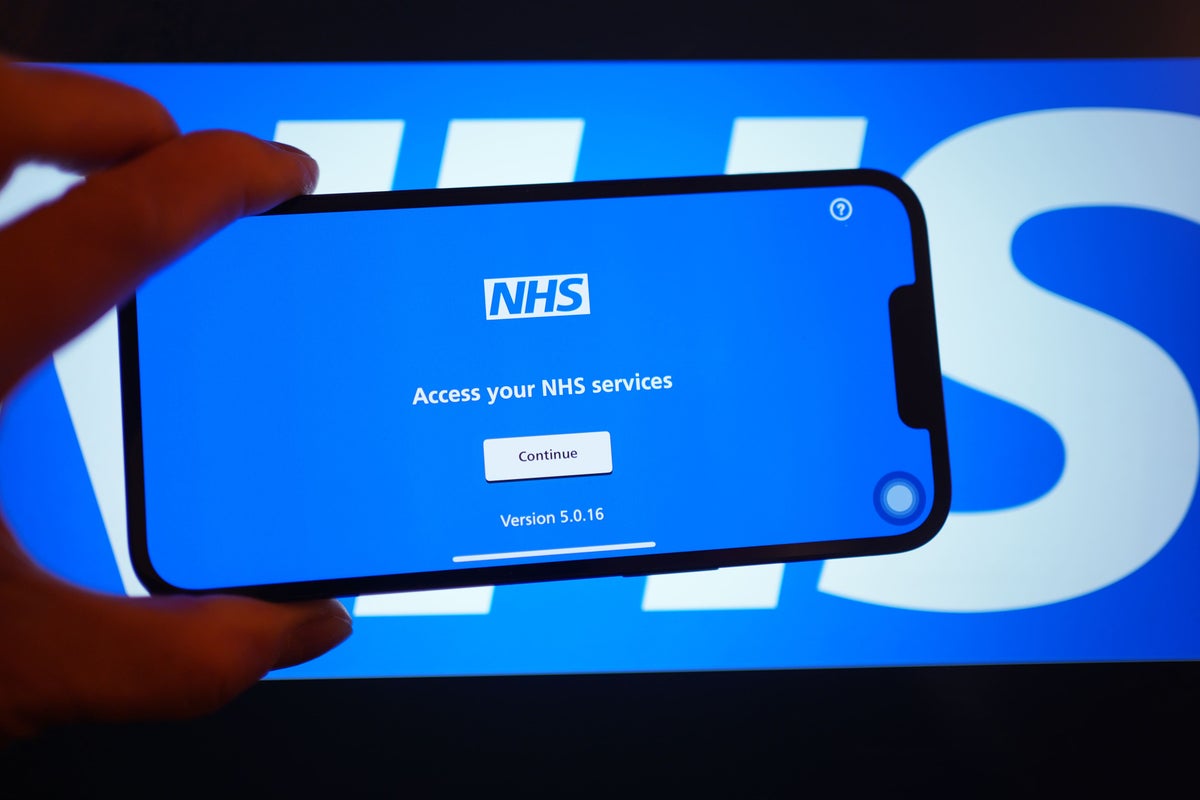
The final report drew on this work, as well as extensive interviews with a range of leading health technology thinkers such as Eric Topol and Victor Dzau, to identify seven technologies that will reshape the NHS. These were integrated data, an improved NHS App, GLP-1 medication, wearables, genomics, AI and robotics. The focus on these technologies was adopted wholesale by the government’s 10 Year Health Plan for England, thereby directly influencing government policy.