
As Europe grapples with shifting demographics and an influx of migration, researchers are mapping how undocumented migrants navigate the administrative cracks of the continent’s healthcare systems – helping to fill a critical data gap identified by the World Health Organization.
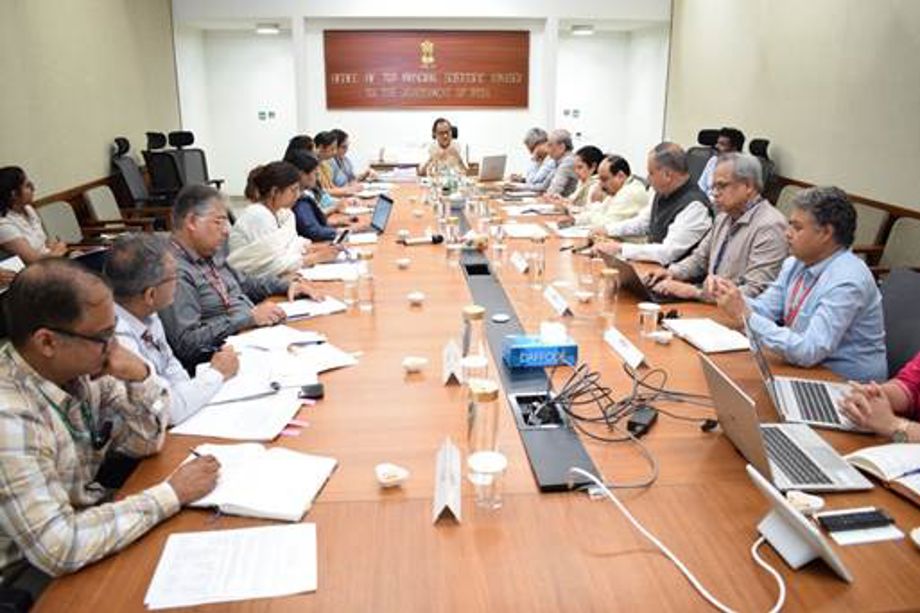
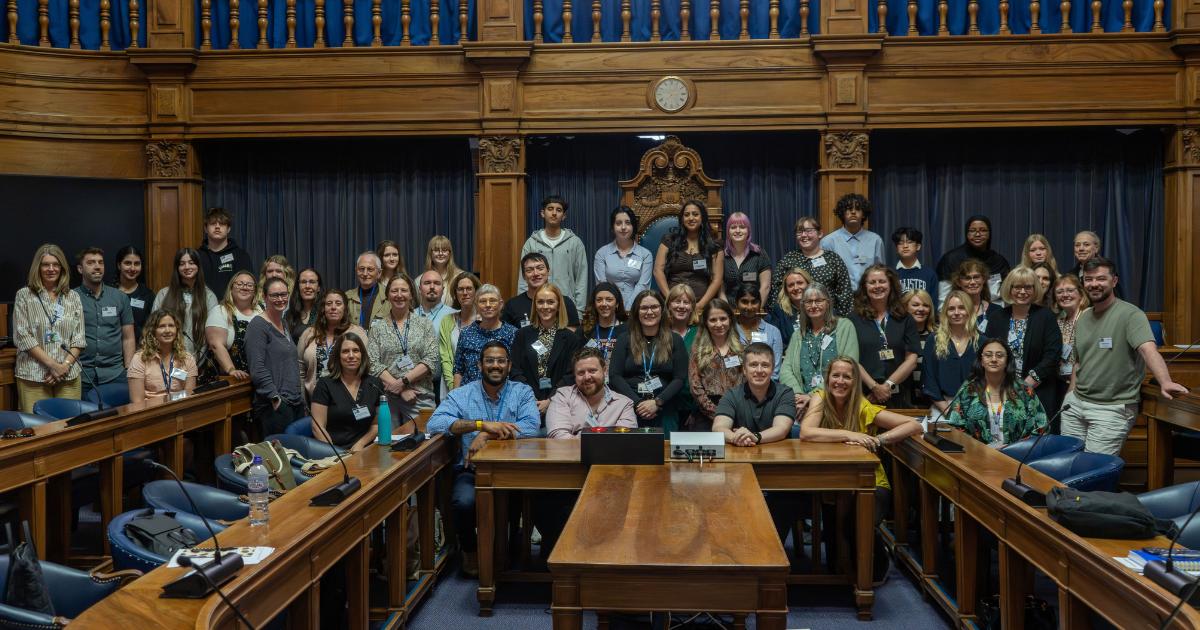
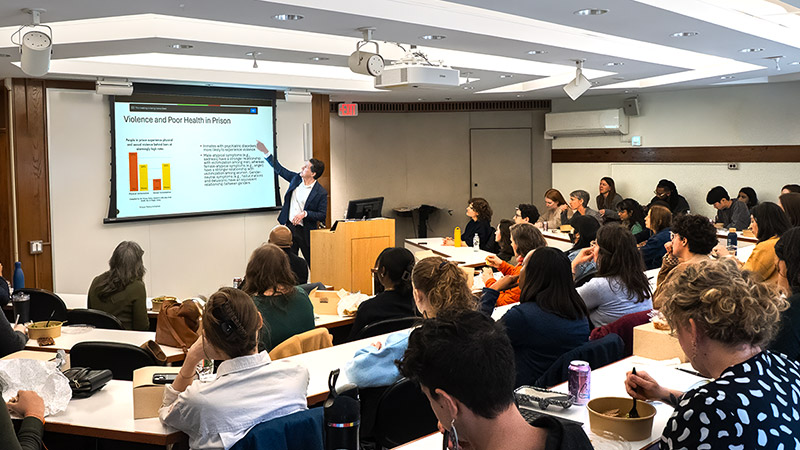
Inside the neoclassical venue of La Pastorale in Geneva, around 30 participants from six European universities convened on Monday on the sidelines of the World Health Assembly to dissect an expanding public health crisis related to the healthcare of immigrants, whose status and lack of resources means they often seek care in the shadows of the formal system – or fall through the cracks altogether until an emergency.
The Geneva Health Forum event highlighted how complex administrative barriers keep undocumented migrant children and the elderly across the continent from accessing essential healthcare, leaving untreated chronic conditions, severe mental health crises, and emergencies to strain local resources.

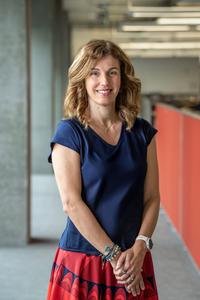
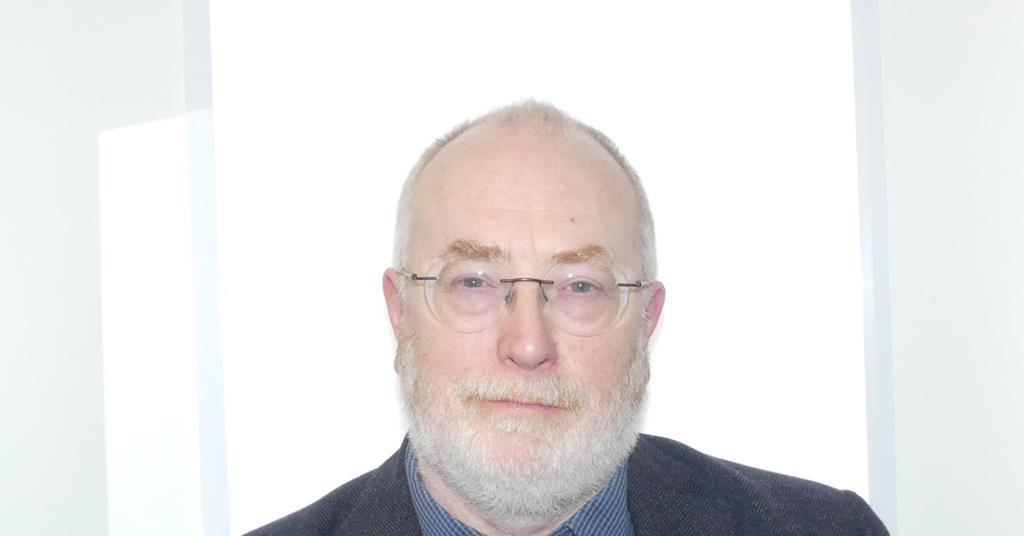
The “Growing and ageing in the shadows” (GRACE) project, co-directed by Professor of Medicine Yves Jackson and health sociologist Professor Claudine Burton-Jeangros of the University of Geneva, explores these disparities as part of the European University Alliance (4EU+). The consortium unites scholars from the universities of Geneva, Heidelberg, Prague, Milan, Paris Sorbonne, and Copenhagen.
Mapping the barriers and needs in Europe’s cities remains exceptionally difficult, as a lack of information and personnel, coupled with a profound fear of discrimination or deportation, drives undocumented migrants away from clinical settings and creates severe data deficits. The scale of this blind spot is particularly evident among minors; in Germany, for example, population estimates for undocumented children range wildly from a few thousand to over 100,000, the researchers noted.
To enable evidence-based policymaking, the GRACE consortium navigates these blind spots by conducting in-depth interviews with frontline healthcare providers, social workers, and non-governmental actors to uncover the practical realities these vulnerable groups experience. While the results presented on Monday were preliminary, the consortium projects final results by the end of the year. They aim to use the findings to inform and advocate to policymakers on how to improve healthcare access.
Fragmented bureaucracies erode rights of undocumented migrants
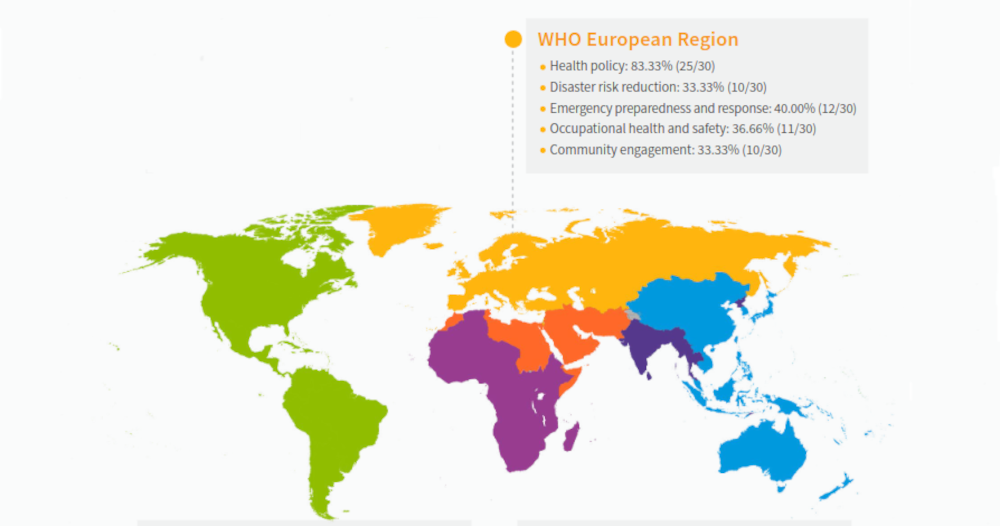
Access to equitable healthcare is a fundamental human right, reinforced by international frameworks such as the WHO Global Action Plan and the 2026 Progress Declaration of the International Migration Review Forum (IMRF) – the primary UN platform for tracking global migration commitments. Although the WHO notes significant recent progress – such as the WHO European Region’s action plan to improve legal access to care – these theoretical rights continue to routinely erode within the continent’s complex bureaucracies.
In universal healthcare systems like Denmark’s – where the uninsured population also includes European Union citizens who have simply fallen out of the formal labour market – the mandate for a central registration number excludes those without formal residency documents. Lacking this registration number, undocumented individuals are forced to rely on a parallel, privately funded network of volunteer-run clinics for even the most basic medical care.
Even in jurisdictions with progressive entitlements specifically designed for undocumented populations, such as France – where, notably, children cannot legally be classified as undocumented – administrative labyrinths and illegal discrimination by providers severely limit practical access. Although the French State Medical Aid guarantees free access to essential care after three months of residency, eligible patients are still frequently turned away by providers who illegally refuse to treat those relying on state support.

Germany also sees a growing number of uninsured EU citizens falling through the cracks. And this is not surprising since it enforces a severe legal Catch-22, the researchers found: while doctors maintain confidentiality, social welfare offices must report undocumented patients to immigration authorities if public funds cover their care. Additionally, hospitals frequently deny expensive treatments to avoid unpaid hospital bills. Ultimately, this systemic threat breeds a profound fear of deportation, driving undocumented migrants away from clinics entirely.
Switzerland’s mandatory healthcare system grants all residents the right and legal obligation to purchase expensive insurance. Undocumented migrants – strictly excluding asylum seekers with pending applications – cannot opt out but face severe barriers to state subsidies. Forced to pay out of pocket, they accumulate massive debt, which accounts for an estimated 90% of their total arrears in Geneva. University of Geneva researchers concluded this financial burden traps individuals in poverty and paralyses future regularisation attempts, since being debt-free is a primary requirement for legal residency.
Healthcare hinges on relationships instead of rights
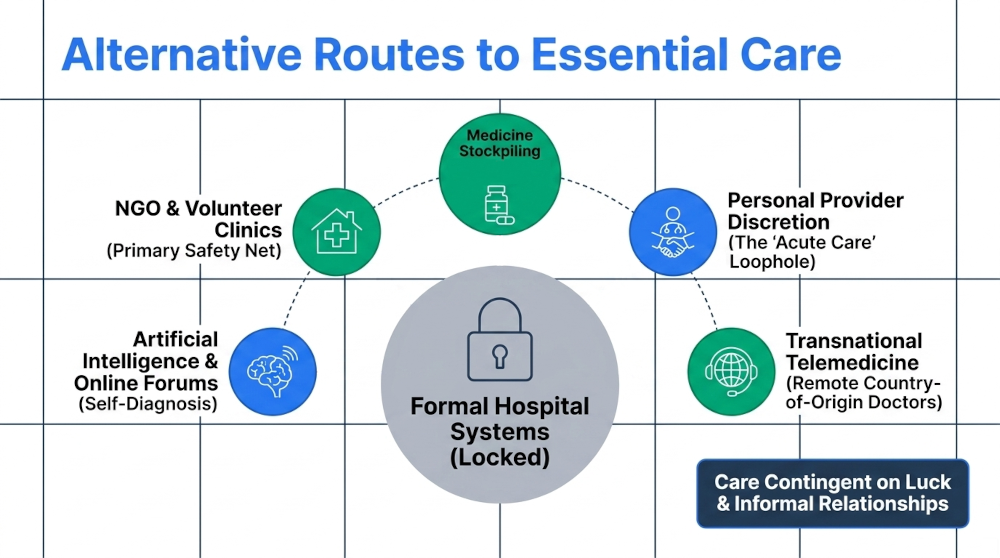
Because official avenues remain blocked, fragmented NGO clinics and volunteer doctors often serve as the primary safety net for basic care. To bridge the gap between theoretical rights and practical access, social workers must frequently intervene to defend marginalised patients, while physicians in countries like the Czech Republic utilise personal discretion to classify treatments as “acute care” to legally compel hospitals to provide treatment.
Ultimately, receiving medical attention often depends on the willingness of individual healthcare providers to bypass restrictive frameworks. As a result, securing essential treatment is often reduced to a matter of luck, depending heavily on the informal networks of the doctors and the specific resources of the patients themselves.
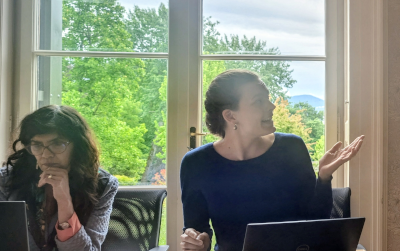
“It’s really contingent on personal relationships and healthcare providers… instead of being a right,” Veronika Wiemker, a researcher at the Heidelberg University on the situation in Germany, reflecting the shared reality across the continent.
Faced with such systemic exclusion, undocumented migrants utilise alternative routes to care, the joint research found. To treat their conditions, individuals proactively stockpile medicine, consult online forums or artificial intelligence, and rely on transnational healthcare – such as travelling across borders for treatment or using telemedicine to maintain remote consultations with doctors in their countries of origin.
Young migrants navigate fragmented care
The situation for undocumented children is particularly dire, despite being specially protected under international provisions. As undocumented parents often lack official birth certificates, their newborns remain largely under the administrative radar. The living conditions for these youngest migrants are frequently severe; in France alone, researchers from Paris Sorbonne University report that an estimated 3,000 homeless newborns and their mothers are discharged from hospitals directly onto the streets each year.
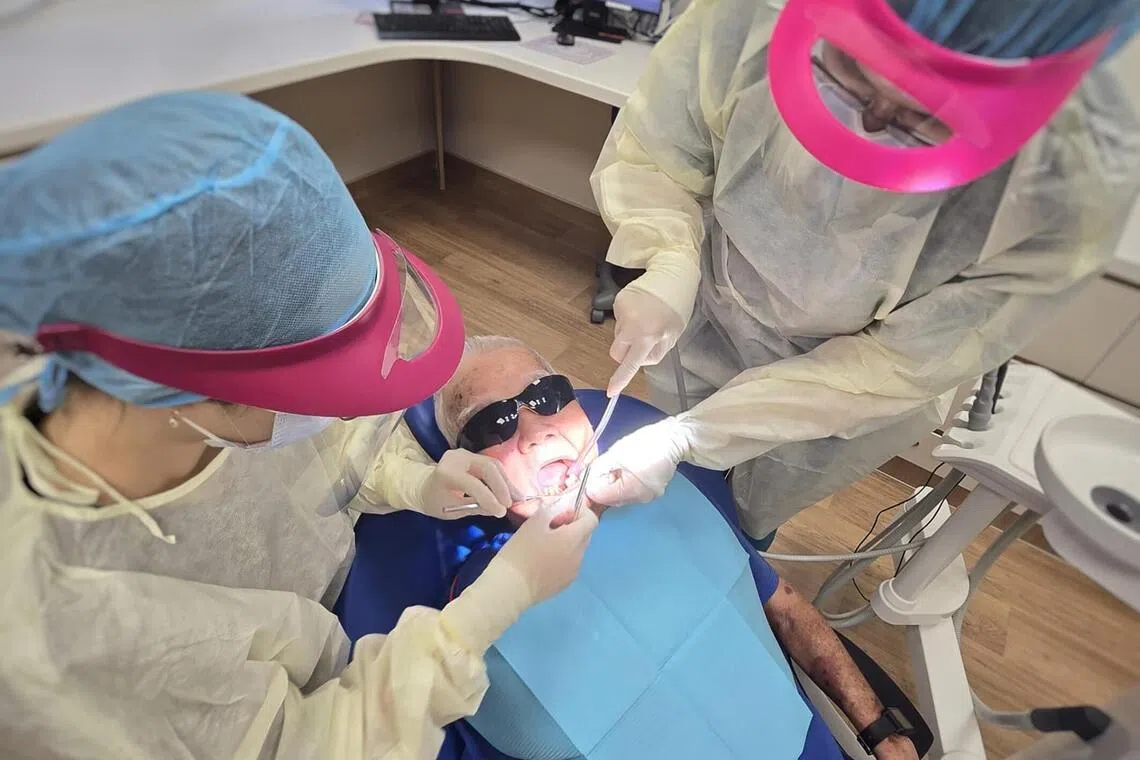
Without stable housing or formal documentation, young migrants across the continent frequently miss out on crucial immunisations and preventive measures, mental health support, and basic dental care. While school-aged children occasionally receive basic entry assessments or see school nurses – as is the practice in countries like Germany and Denmark – the ongoing absence of holistic, continuous care exposes them to severe developmental risks and untreated chronic conditions.
Unaccompanied minors endure even deeper vulnerability, often surviving on the streets while facing malnutrition and severe trauma. Despite being theoretically protected by local authorities, these youths remain highly vulnerable to exploitation, sex work, and chronic stress.
Ultimately, the transition to adulthood introduces a severe, continent-wide cliff edge for these adolescents. Upon turning 18, temporary legal protections abruptly dissolve – either plunging the young adults into mandatory insurance systems they cannot afford or stripping them of their rights entirely.
Ageing populations undergo unique crises
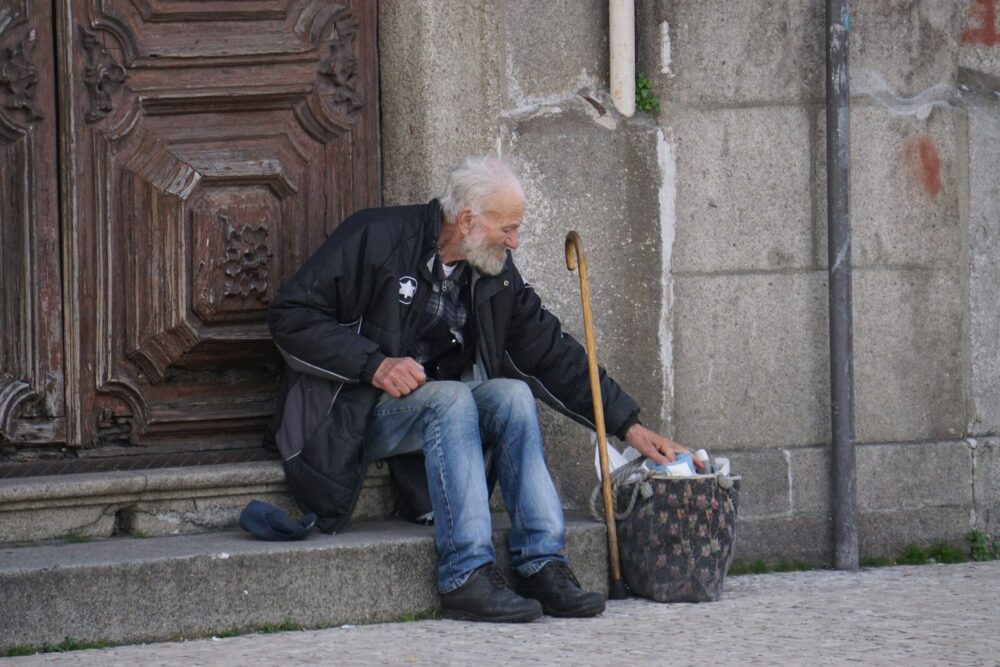
The plight of the elderly introduces an entirely distinct set of challenges for local administrators, revealing severe gaps in long-term care. While some older migrants are newly arrived parents joining their children, many others are former labourers who planned to briefly work abroad but ultimately remained for decades.
After years of surviving precarious, physically demanding jobs in the informal economy, these individuals frequently experience “accelerated ageing”, untreated chronic pain, and rapid cognitive decline. Furthermore, returning to their countries of origin is rarely a viable solution, as many have lived in Europe for well over a decade and no longer possess any social ties or family networks back home.
Their vulnerability is compounded by European health systems that intrinsically tie medical entitlements to formal employment. Once these individuals age out of the workforce or lose their physical capacity to continue their demanding labour, they lose their economic value – frequently stripping them of their eligibility for public health subsidies and plunging them into poverty.
This loss of economic value and legal status leaves elderly undocumented migrants completely excluded from formal long-term care solutions. Fearing that elderly, homeless migrants will become permanent “bed blockers” with no follow-up care options, hospitals in countries like France sometimes even deny them access to inpatient admission.
Fear fuels harmful data gaps
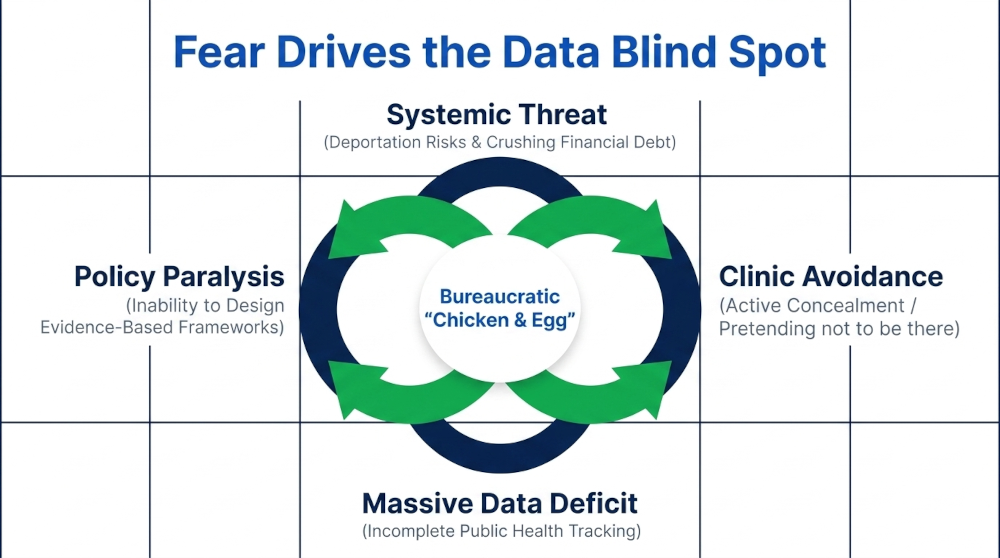
Beyond the immediate health consequences, the overarching fear of deportation forces individuals to “pretend not to be there.” Because undocumented migrants often actively avoid clinics, they remain completely hidden from formal health frameworks, creating a massive data blind spot for policymakers. Closing this gap is a global mandate, forming the core of the third and fifth priorities of the WHO Global Action Plan regarding migration health research and data.
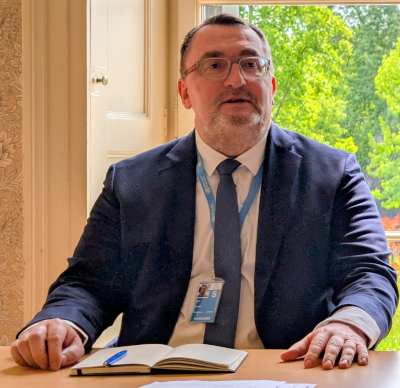
Daniel Míč, representing the World Health Organization (WHO) Special Initiative on Health and Migration, stressed that this dynamic creates a bureaucratic “chicken and egg” scenario.
“If you are in a vulnerable situation, and you are afraid of being deported, or you are afraid of being punished by the system that you seek health or care from, there’s a problem,” he warned, noting that capturing necessary public health data becomes difficult when fear drives individuals away from the frontline clinics that would otherwise document their conditions.
This data deficit is further compounded by the fact that defining who exactly qualifies as an “undocumented migrant” remains a major challenge. Because each national system applies its own administrative labels, the practical barriers these individuals face are dictated entirely by the bureaucracy of the country they reside in. Ultimately, “we will understand the challenges only if we have the data,” Míč said, stressing that concrete evidence is the only way to bridge political divides and present actionable solutions to policymakers.
To close this harmful data gap, the GRACE consortium plans to synthesise its preliminary findings into targeted case studies and scientific reports by the end of the year. Recognising the immense value of this frontline research guiding European member states in building inclusive healthcare systems, Míč expressed a readiness to resume dialogue with the 4EU+ Alliance, hoping to translate previous discussions into a concrete collaboration.
More Countries Refer to Refugees in Health Policies, but Access and Data Gaps Persist
Image Credits: Adhitya Ginanjar/Unsplash, Tim Mossholder/Unsplash/HPW, University of Geneve/HUG, WHO/HPW, Felix Sassmannshausen/HPW, Beth Macdonald/Unsplash.
Combat the infodemic in health information and support health policy reporting from the global South. Our growing network of journalists in Africa, Asia, Geneva and New York connect the dots between regional realities and the big global debates, with evidence-based, open access news and analysis. To make a personal or organisational contribution click here.