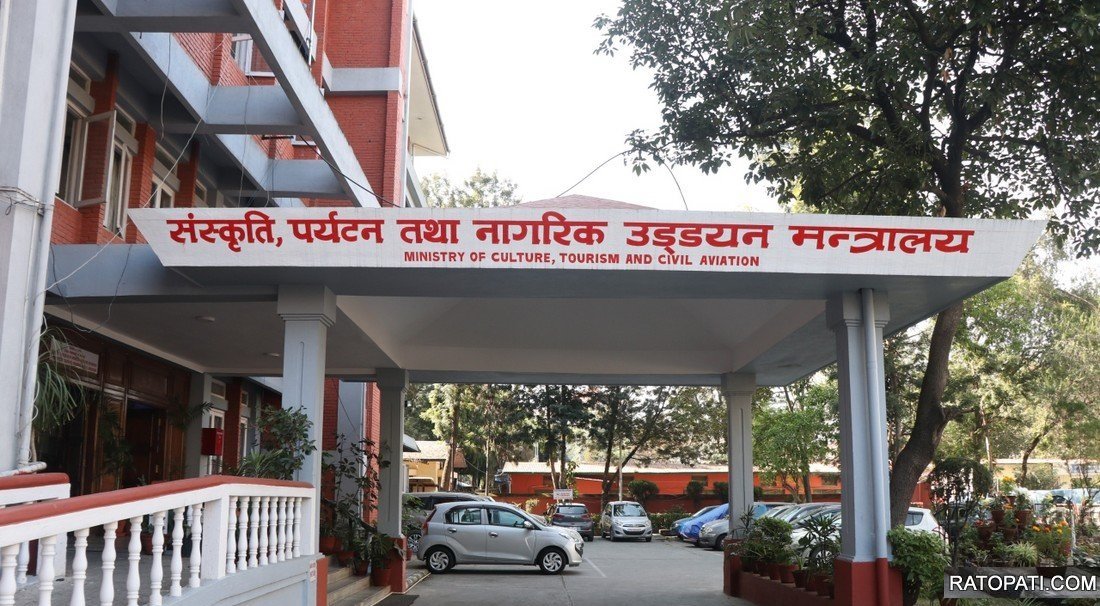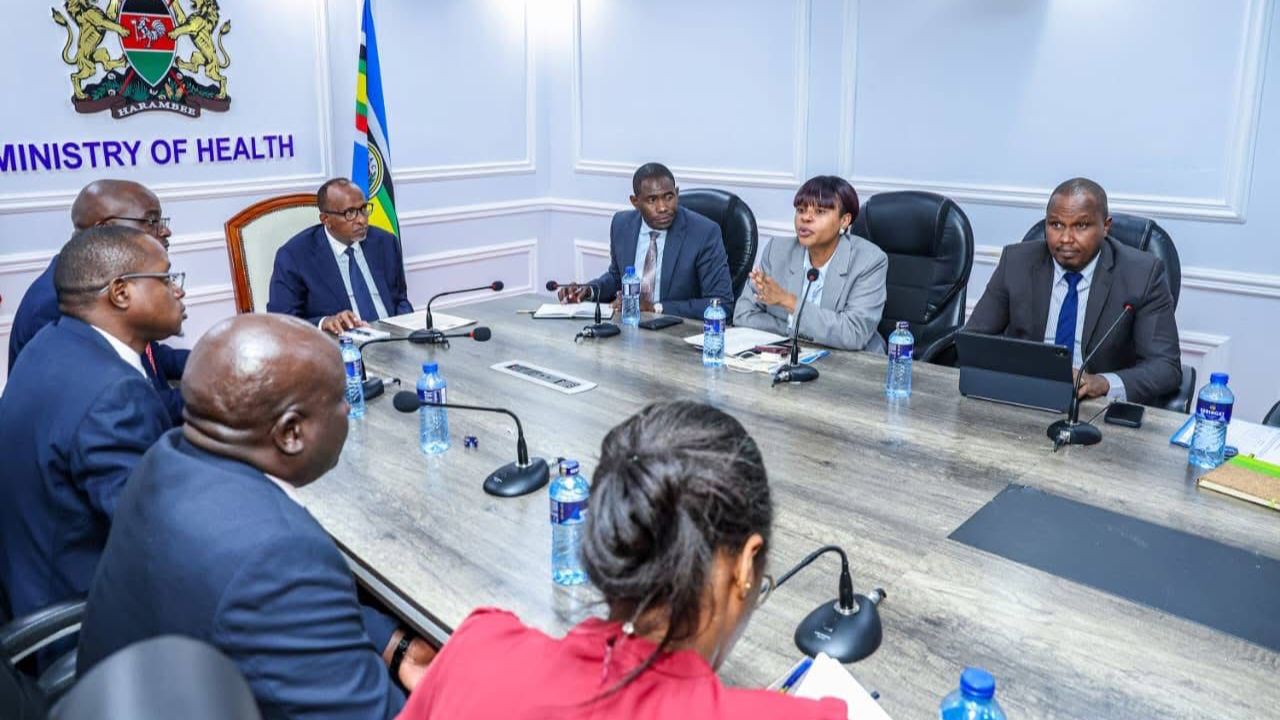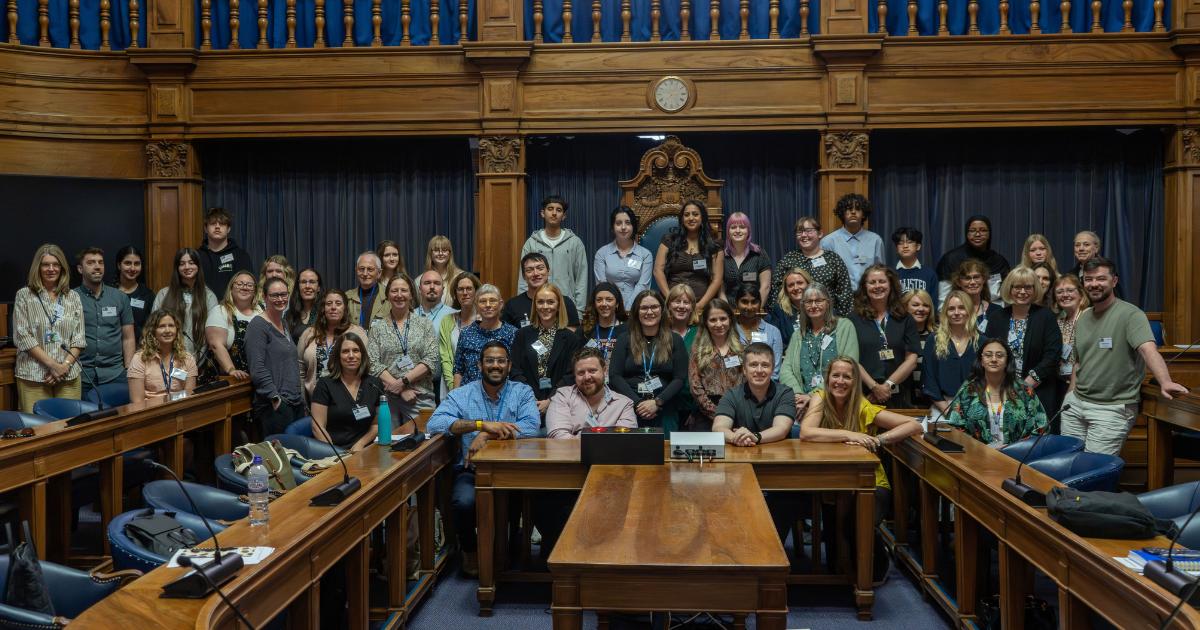
Kathmandu. It is emphasized that laws that provide social justice should be made as there are problems due to the lack of clear legal provisions for the health sector. In the three-day conference on medical and health service laws that began in the capital on Friday, participants emphasized that laws should be drafted to provide social justice as various problems have arisen due to the lack of legal clarity in health.
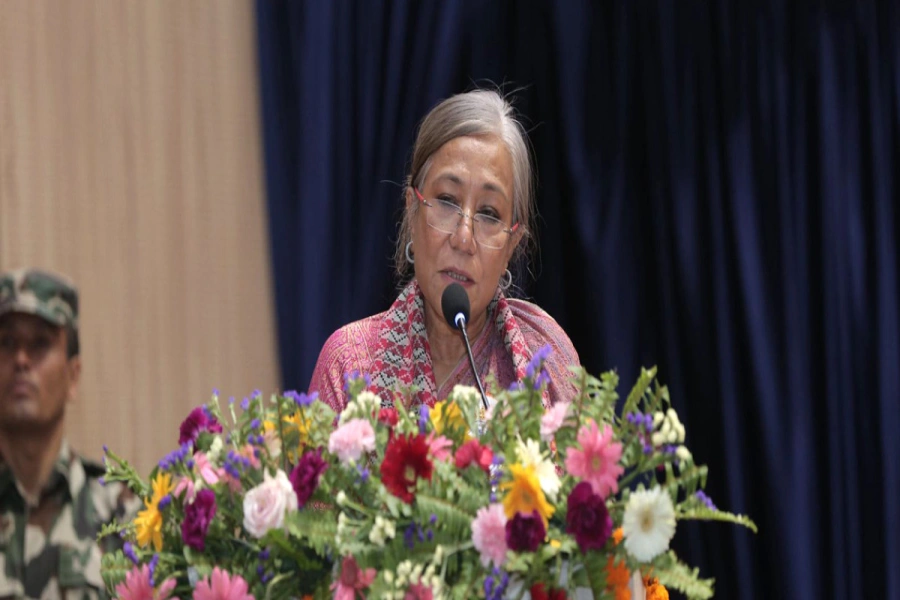
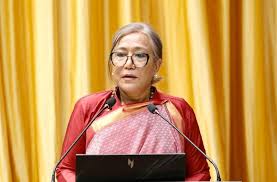
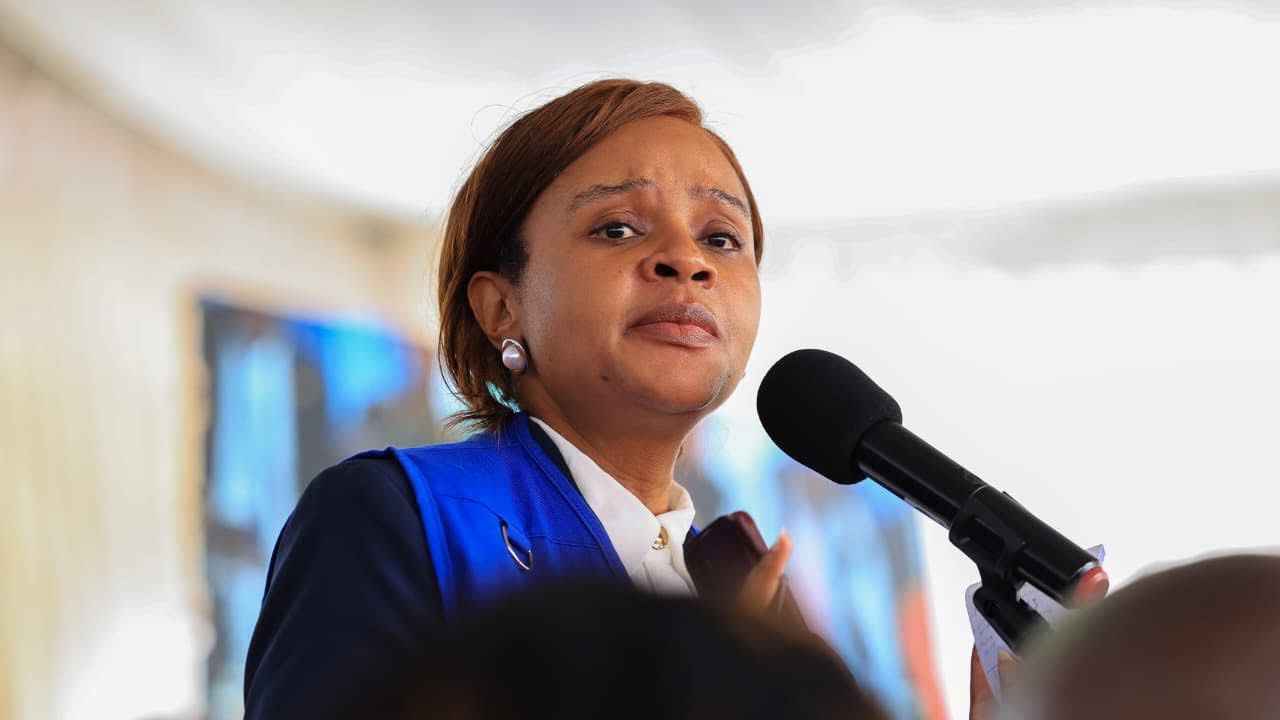
Acting Chief Justice Sapana Pradhan Malla emphasized at the program that laws should be formulated to be a security shield for both patients and doctors. “The right to health is ensured in the constitution, and the Public Health Act has also been enacted. Even so, due to the lack of adequate legal provisions in the health sector, the Supreme Court has made detailed legal provisions through the interpretation of the law,” she said.
Acting Chief Justice Malla stated that it should be determined who will do ‘medical insurance’. She informed that the judiciary is repealing old laws in accordance with the spirit of the constitution. She thanked the organizers for organizing such important programs related to Ayurveda and alternative medicine at the conference.
Secretary of the Ministry of Law, Justice and Parliamentary Affairs, Parashwor Dhungana, said that due to not paying attention to language earlier, Nepal’s laws have become ‘complex’ and there is a problem that ordinary people cannot understand them. He informed that the ministry is working to resolve this by discussion in the coming days, as the language aspect was neglected in law writing. He said that the ministry has prioritized drafting laws in simple language.
Secretary Dhungana emphasized that the health and law sectors should understand each other’s problems. He urged all stakeholders to provide suggestions necessary for the construction of laws that even ordinary people can read and understand through the three-day conference.
Nepal Bar Association President Prof. Dr. Vijayprasad Mishra said that the security of health workers has been legally ensured, as doctors have faced cases of medical malpractice when they beat patients while wearing white coats. He emphasized that health workers should also provide health services responsibly.
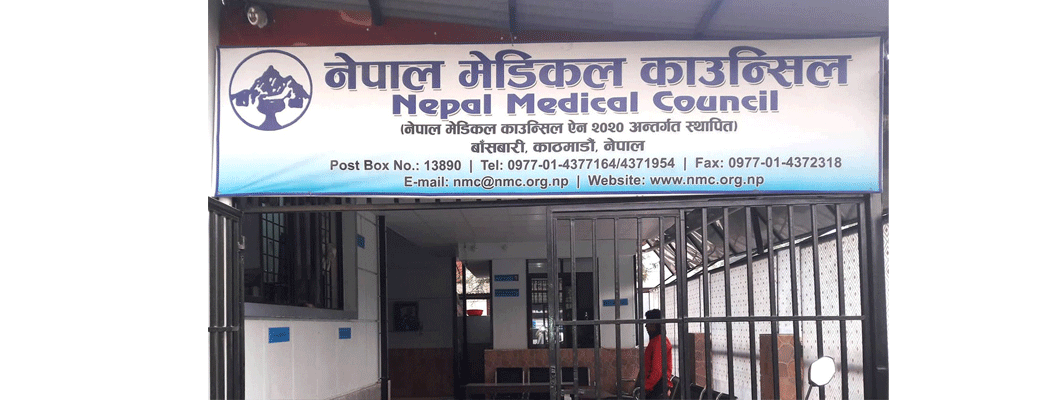
Nepal Medical Association President Dr. Anil Bikram Karki said that new laws should be made so that doctors can provide health services safely without fear or terror. He said that it is not possible to get quality treatment services by blaming all the faults on the doctors.
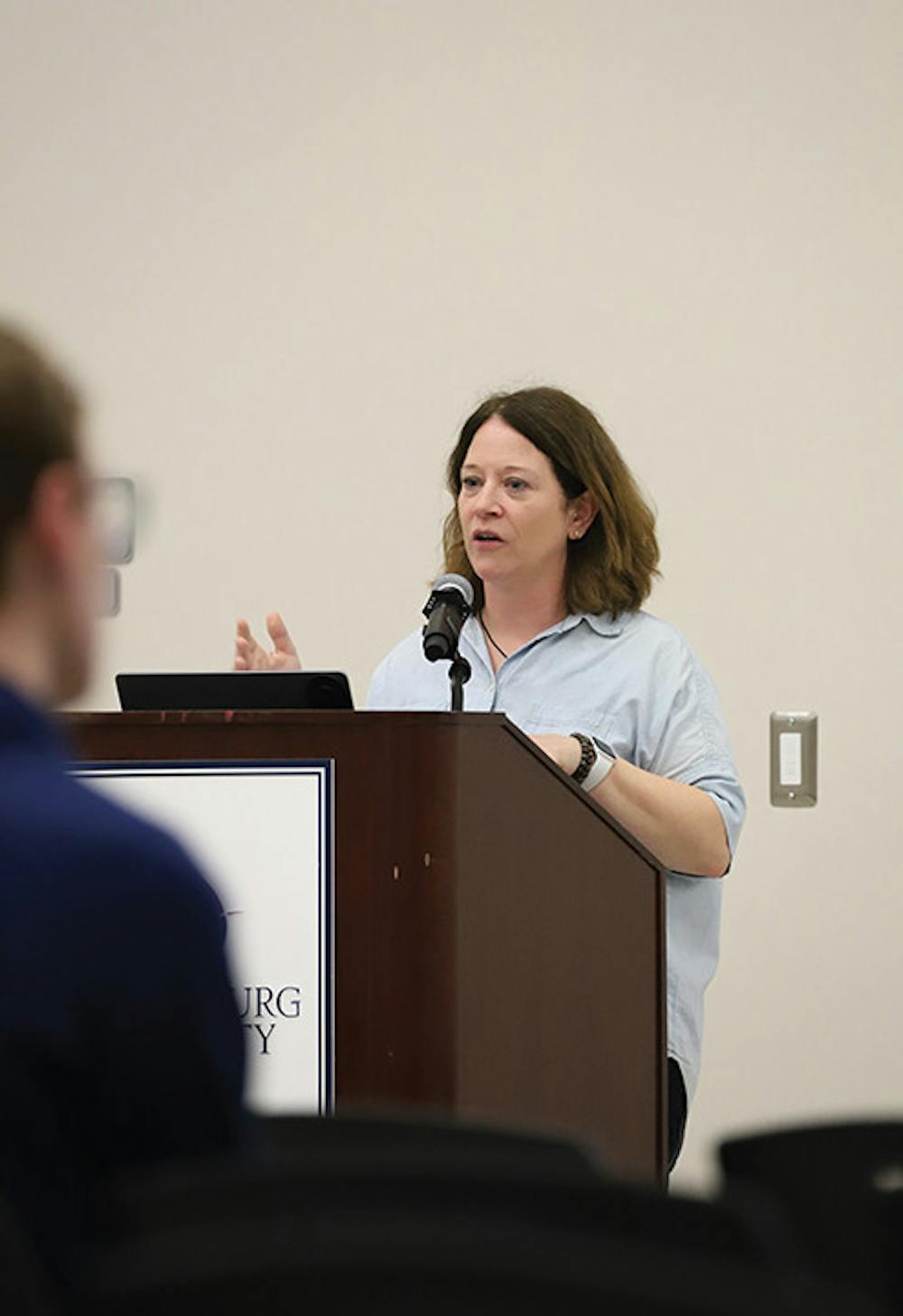
Presenting a working paper at the conference, Prof. Dr. Sanjeev Kumar Sharma expressed the view that many issues of spiritual health have now emerged and they should also be legally linked to health services. He said that a debate is necessary on what legal provisions should be made regarding the fact that the seller has control over which medicine to give to the patient that the doctor has prescribed. Dr. Sharma said that appropriate legal provisions should be made as there is a situation where one doctor has to look after one and a half lakh population in rural areas.
Chief organizer of the conference, Associate Prof. Dr. Premraj Neupane, Chairman of the Policy Research Institute, informed that the program was organized to help in making the necessary legal arrangements to solve various problems seen in health laws. According to him, the conference will run until Sunday.
Program coordinator Nikesh Kumar Lamsal said that the three-day conference was organized to help in formulating evidence-based health policies and laws, and informed that about a dozen working papers have been presented and in-depth discussions have started on them.
He said that the program was organized by calling and selecting research-based working papers for the last three months as the state has not been able to provide guidance for the health sector. Program coordinator Lamsal also informed that the institute will publish a book incorporating the working papers presented at the conference and their main discussion points.
Professor In-charge of Kathmandu School of Law, Prof. Dr. Geeta Pathak Sangraula, said that although many reports have come out from the National Demographic Health Survey, they have not been reflected in the law. She said that when discussing issues of access to medicine and treatment, the issue of food security should not be forgotten.