What we think
William Pett, Head of Policy, Public Affairs and Research, Healthwatch England: “NHS administration failures cause a three-fold problem for the health service. First, they frustrate patients, leaving people feeling forgotten during waits for care and damaging confidence in services. Second, admin errors, such as incorrect medical records, can have serious implications for patient safety. And third, poor admin affects the efficiency of the NHS, for example when clinicians’ time is wasted with patient no-shows caused by wrong or delayed appointment letters.”
Dan Wellings, Senior Fellow at The King’s Fund and co-author of the report: “These findings should be a real cause for concern for government and NHS leaders. Not only has there been no improvement in patients’ experiences of these issues over the past year, but wider public awareness of these administrative failings is growing. Once negative perceptions take hold, they are difficult to reverse. Recent gains in public satisfaction with the NHS may be short-lived unless rapid action is taken to tackle this problem.”
Jacob Lant, Chief Executive of National Voices: “After last year’s report we saw very senior leaders across the NHS pick up our mantra on the importance of getting the basics right, but acknowledging the problem is only half the battle. The government needs to take admin seriously. From the upcoming workforce plan to the national quality strategy, fixing the basics needs to be top of the to-do list.”
What needs to change
Along with our research partners, we are now calling for NHS admin to be made a national priority, supported by clear standards that ensure processes work better for patients and carers.
The NHS could take an important first step by publishing promised new minimum elective patient experience standards, which would set out a guarantee on how soon people should be told that hospitals have received their GP’s referral or how often they should get updates on appointment or operation dates, among other changes.
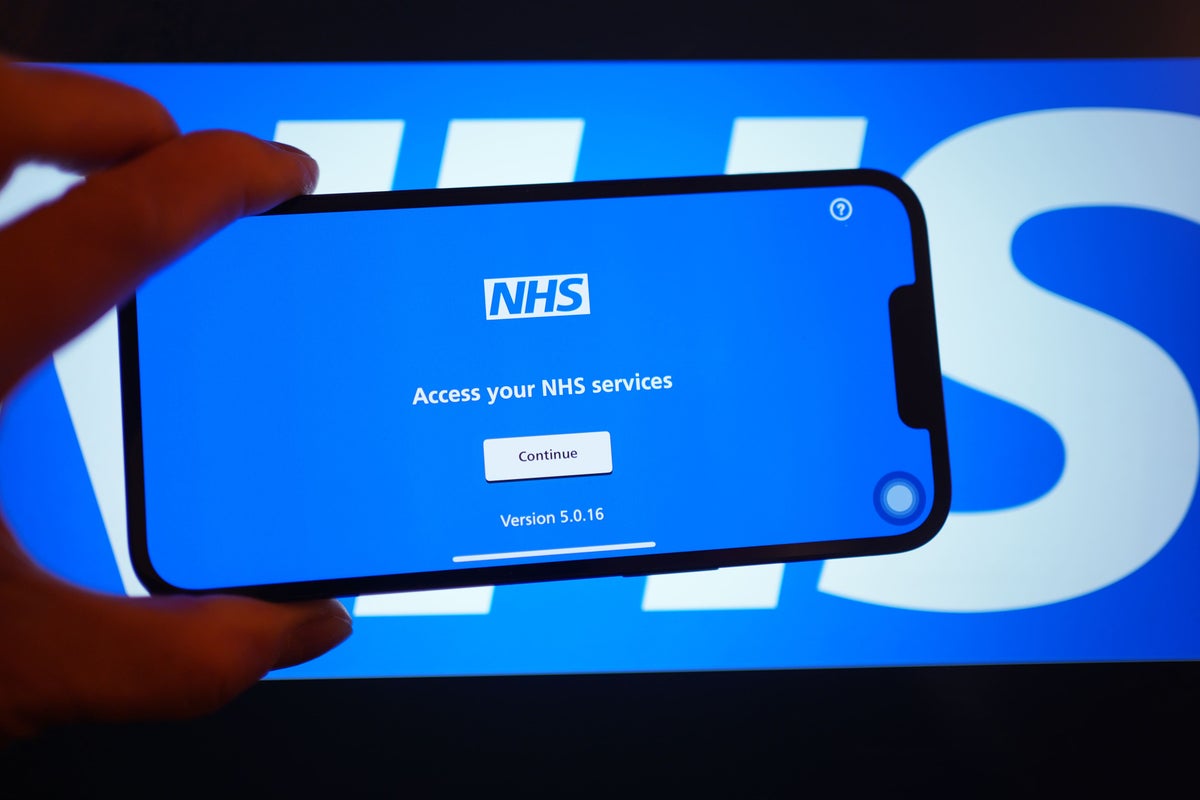
Digital tools, including the NHS App, should also be intuitive, accessible, and designed to work together so people aren’t left confused by navigating a labyrinth of different platforms.