,,that ,,,,Seasoned environmental health experts and pharmacists have warned that the practice of flushing unused and expired medicines down toilets or discarding them in waste bins is fuelling antimicrobial resistance, contaminating soil and water sources, and exposing millions of Nigerians to toxic pharmaceutical residues.
They stressed that active pharmaceutical ingredients in disposed drugs do not disappear after being flushed, dumped or burned, but persist in soil and water systems, eventually finding their way back into the human body through drinking water, food and the environment at concentrations sufficient to disrupt hormones, fuel drug resistance and cause long-term health damage.
In exclusive interviews with PUNCH Healthwise, the experts described Nigeria’s regulatory framework on pharmaceutical waste as woefully inadequate at the household level, noting that while the National Agency for Food and Drug Administration and Control maintains guidelines for manufacturers, importers and healthcare facilities, there is no policy specifically guiding how ordinary Nigerians should dispose of leftover or expired medicines, leaving millions of households without direction and the environment without protection.
The experts called for the introduction of a national drug take-back programme anchored by community pharmacies as frontline collection points, backed by government funding, clear regulatory guidelines and sustained public awareness campaigns.
They warned that without urgent systemic action, Nigeria would continue to pay a mounting environmental and public health price for a problem that is largely unaddressed.
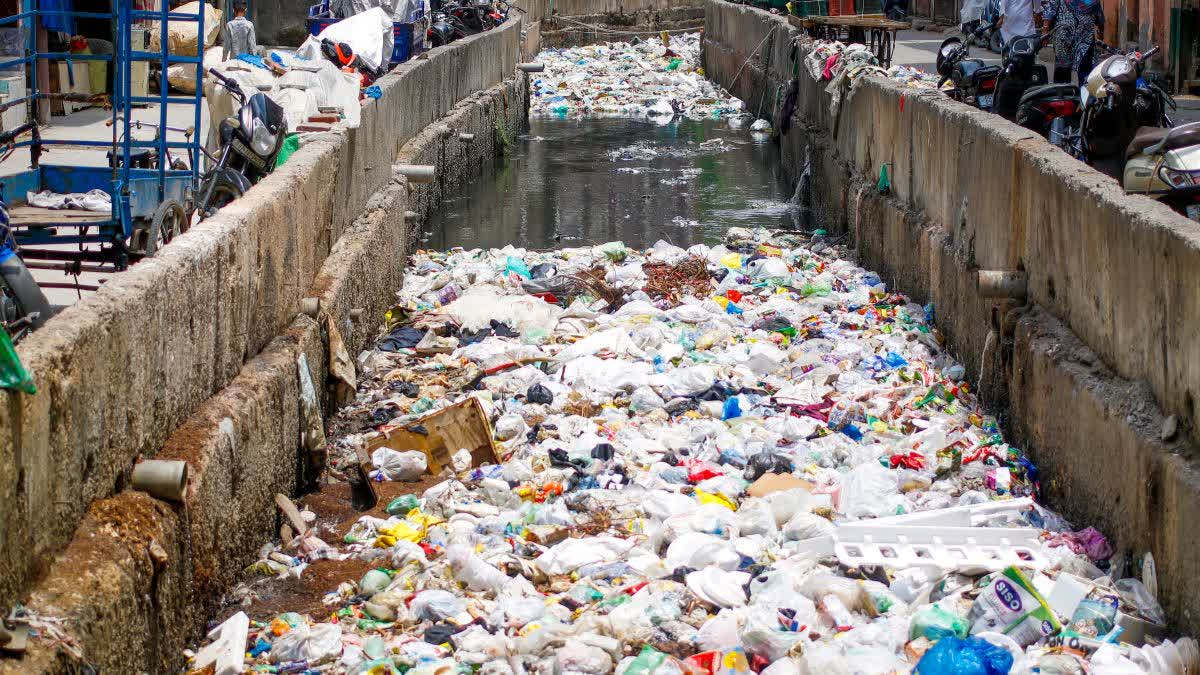
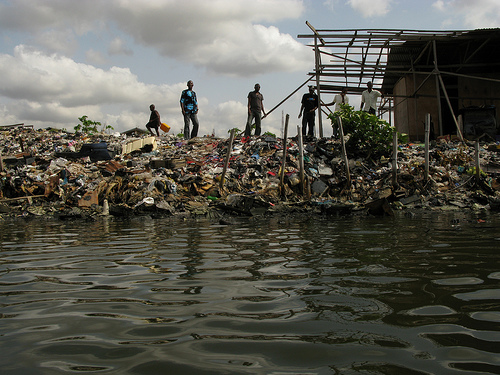
Findings show that Nigerians often throw unfinished or expired medications into dustbins, water bodies and open spaces, flush them into toilets, or burn them, largely due to lack of awareness on proper disposal methods.
Commenting on the matter, a Professor of Environmental Health and Toxicological Risk Assessment at Ladoke Akintola University of Technology, Ogbomoso, Prof Olayinka Adewoye, described the practice as “very wrong and unsafe.”
He told PUNCH Healthwise that Nigerians misunderstand what happens to medicines after disposal because they operate under the illusion that flushing or binning makes them disappear.
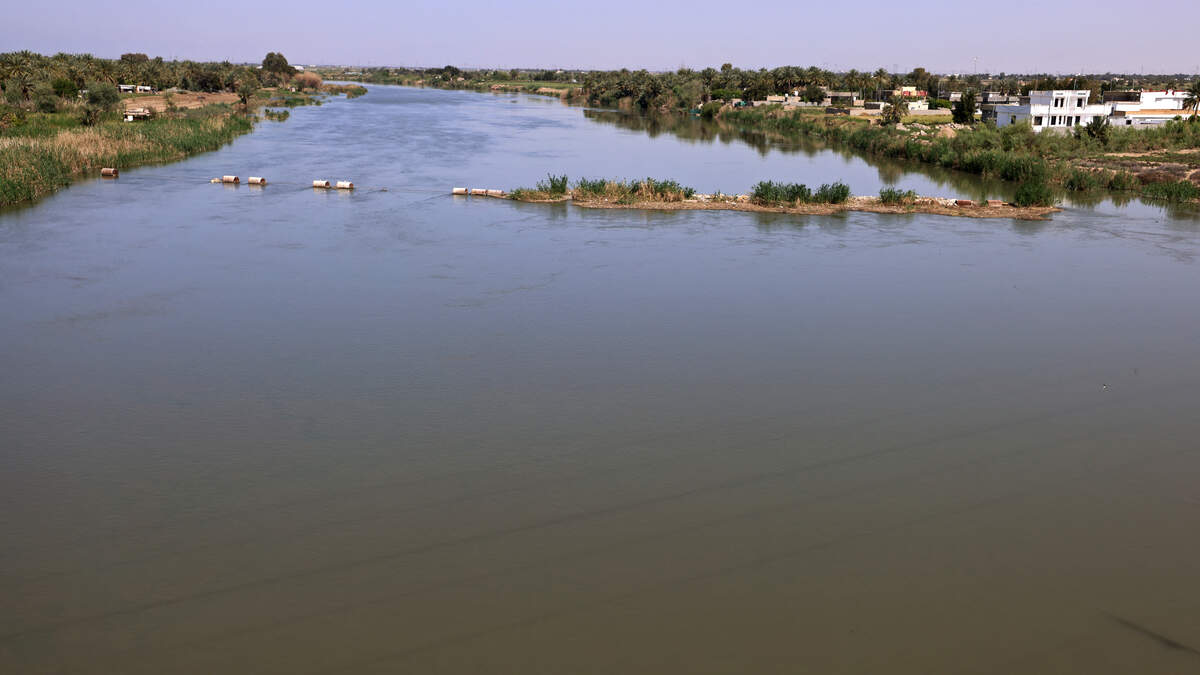
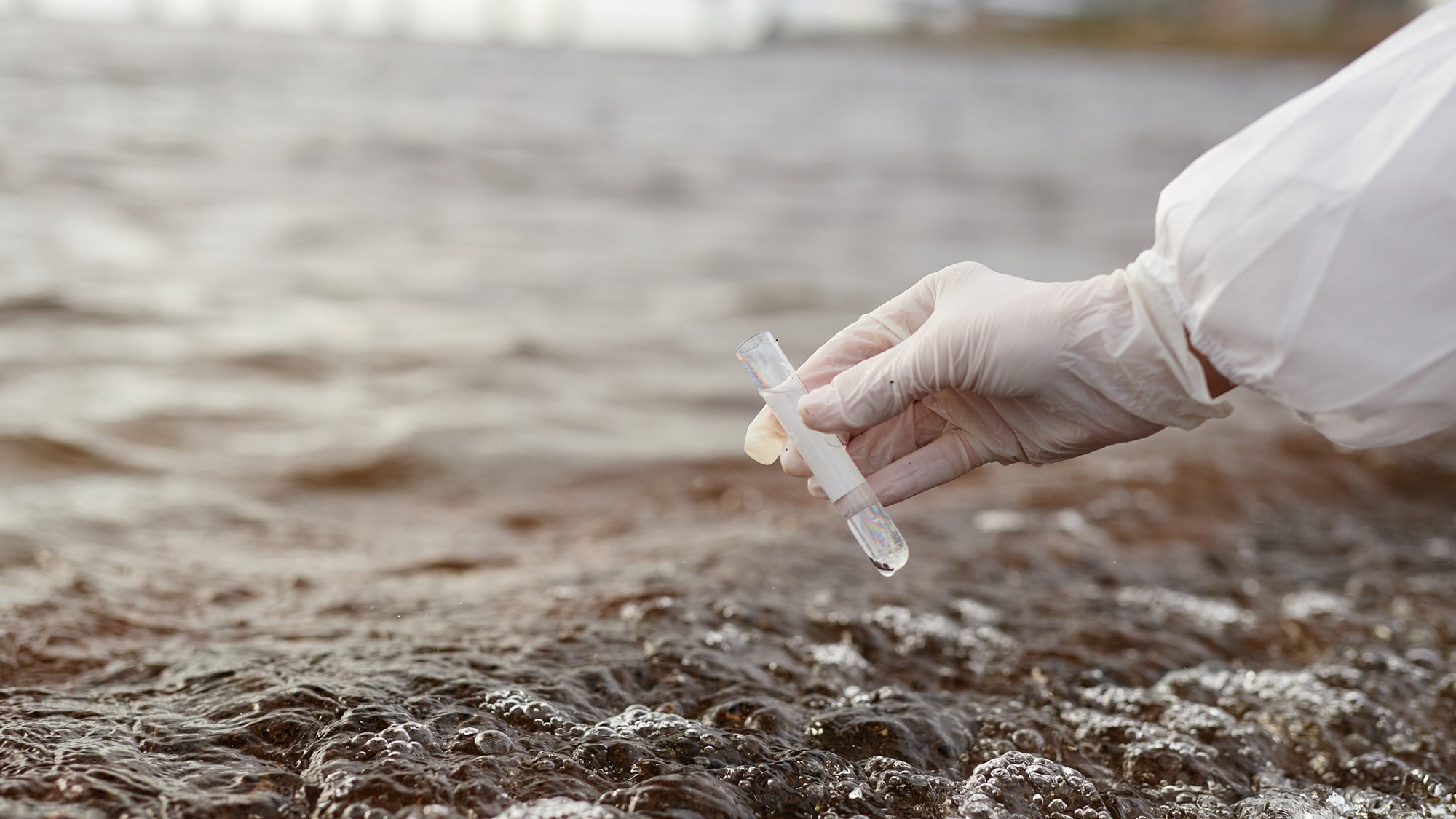
The environmental toxicologist explained that when drugs are flushed, their active ingredients remain chemically active and seep through soil layers into groundwater, boreholes and other water sources.
“Whatever we send into the environment, the environment has a way of bringing it back to us, even in multiple ways. When you flush unused or expired drugs down the toilet, the active ingredient still remains. It has its half-life, and it will settle into soil layers and seep into well water and boreholes. The active ingredients will no longer act individually. They form what we call a synergistic or additive effect with other compounds in the soil, forming leachate, which is very dangerous to human health,” he said.
Adewoye added that such practices disrupt soil microbial communities, reduce soil fertility and introduce toxic residues into ecosystems, while also harming aquatic life.
He noted that contaminated water bodies could affect fish and other aquatic organisms, with risks extending to humans who consume them.
The expert also warned that burning expired drugs, a method sometimes used by regulatory agencies, releases toxic compounds into the atmosphere.
On the link between improper drug disposal and antibiotic resistance, the professor said exposure to trace amounts of antibiotics in water, soil and food could make infections harder to treat.
“Some of the antibiotics we are using are not really working. Some people will say they hardly use antibiotics, but they are using antibiotics. Some of these antibiotics get into our system through the soil, through plants, or even through the water we drink. So yes, improper drug disposal causes antibiotic resistance,” he said.
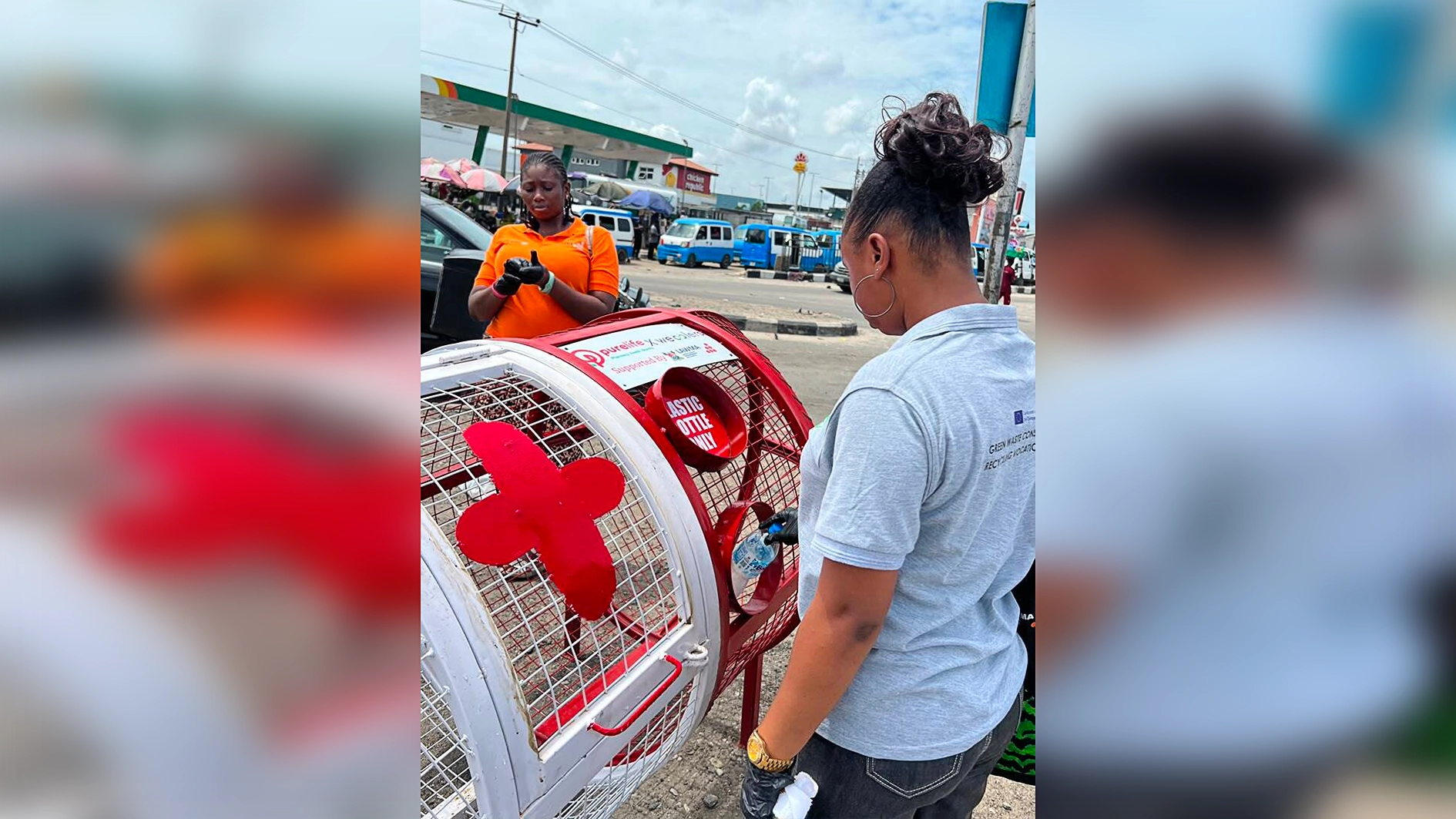
Adewoye called for government establishment of dedicated collection and treatment centres for unused and expired drugs, similar to models used in plastic waste recycling.
“The same thing that was done for plastics can be done for drugs. Unused and expired drugs can be collected, treated, and recycled. The government needs to establish collection centres where individuals, store owners, and pharmacists can bring unused drugs. People can even be incentivised. You will see people ready to do that,” he said.
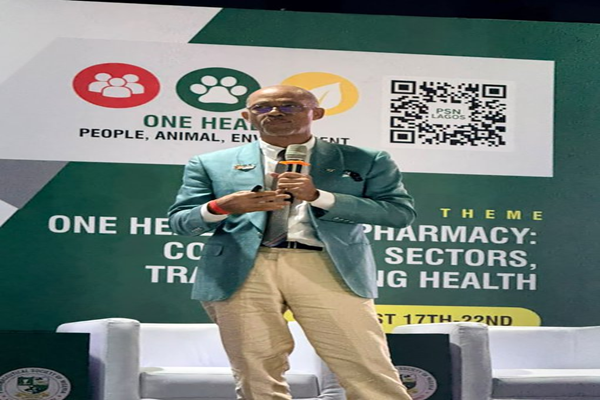
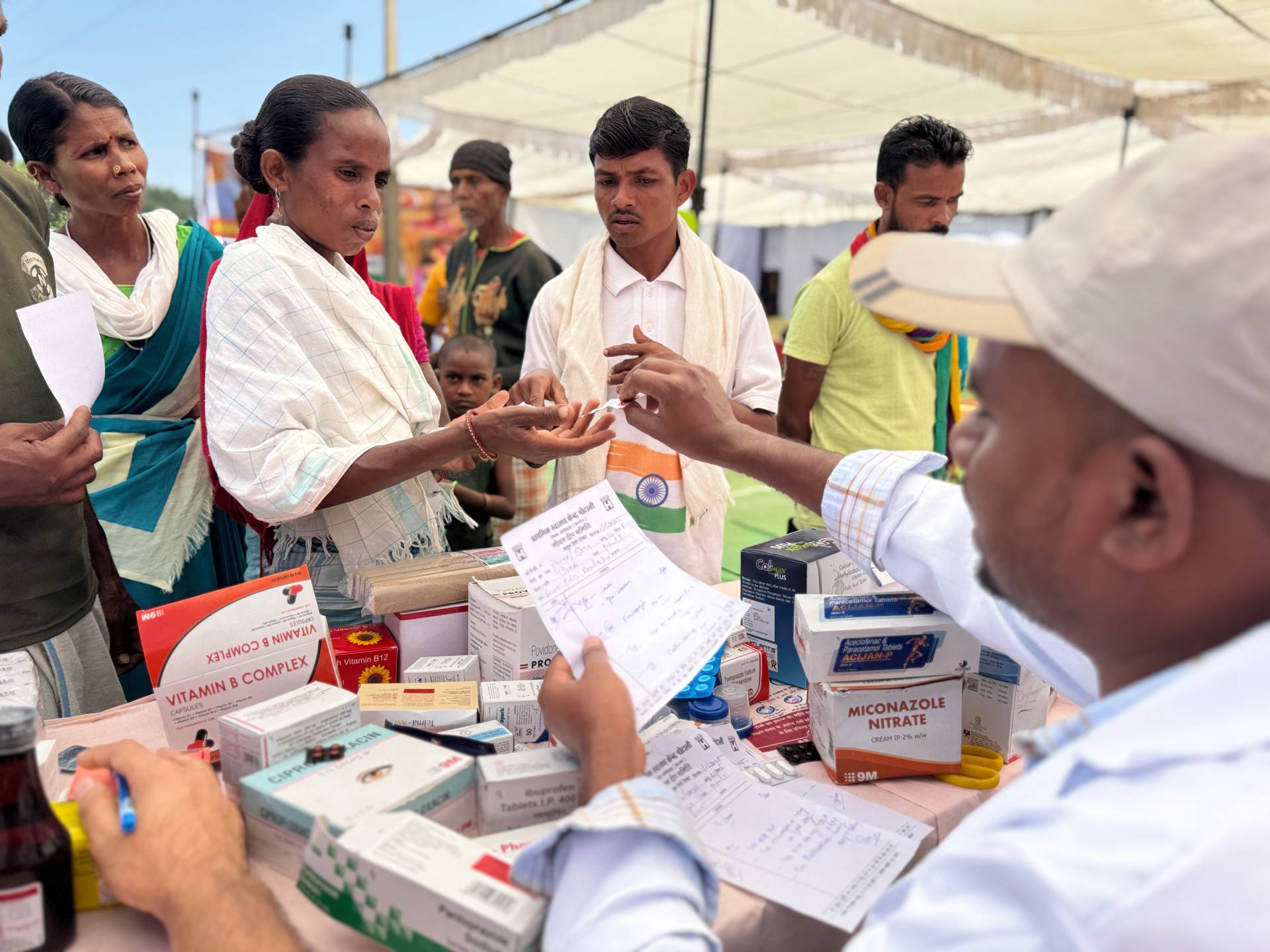
A Consultant Pharmacist and Managing Director of Merit Healthcare Limited, Dr Lolu Ojo, said the dangers of keeping unused medicines at home extend beyond environmental risks to immediate household safety concerns.
“Keeping unused medicines at home increases the likelihood of self-medication and misuse. They create a risk of accidental poisoning, especially among children, the elderly, and domestic staff. Medicines like opioids and sleeping pills can also lead to abuse, misuse, and addiction, particularly among teenagers,” he said.
Ojo, a Fellow of the Pharmaceutical Society of Nigeria, said flushing medicines down toilets is among the most environmentally damaging disposal methods, noting that Nigeria’s wastewater systems are not designed to remove pharmaceutical compounds.
“Most wastewater treatment systems in Nigeria are not designed to remove pharmaceutical compounds. When medicines are flushed, their active ingredients pass through sewage systems largely unchanged and enter rivers, lakes, and groundwater. Hormones can disrupt the reproductive systems of aquatic organisms. Antibiotics create resistance in bacteria. Toilets are not safe disposal systems for medicines,” he maintained.
Ojo added that disposing of expired medicines in household bins also creates risks, as scavengers could retrieve and repackage them for resale.
“When medicines are discarded in bins, they can be retrieved, repackaged, and reintroduced into the market. Medicines in landfills also leach into soil and groundwater over time,” he said.
Ojo called for a structured national drug take-back programme anchored by pharmacies and backed by regulatory agencies.
“Community and hospital pharmacies should serve as designated collection centres. Nigeria should implement medicine return days and permanent drop-off points. Investment in safe destruction methods like high-temperature incineration is essential. This is a public health, environmental, and regulatory necessity,” he said.
The General Secretary of the Association of Community Pharmacists of Nigeria, Lagos Branch, Mosunmola Dosunmu, also lamented the absence of a structured drug disposal system in the country.
She said pharmacists often bear the cost of disposing of expired medicines, as regulatory processes require payment for destruction.
“There is no organised system. Even when pharmacies want to dispose of expired drugs, they have to pay, and this discourages proper disposal,” she said.
Dosunmu noted that, unlike developed countries, where manufacturers participate in take-back systems, Nigeria lacks such coordinated frameworks.
She called for government support, funding, and legal backing to enable pharmacies participate effectively in a national programme.
“This is something people do not talk about. Many homes are going through this, and they just do not know the implications. It is something that will transform our healthcare sector if properly addressed,” she said.
Dosunmu warned that without urgent intervention, continued unsafe disposal of medicines could worsen public health challenges and environmental degradation in Nigeria.