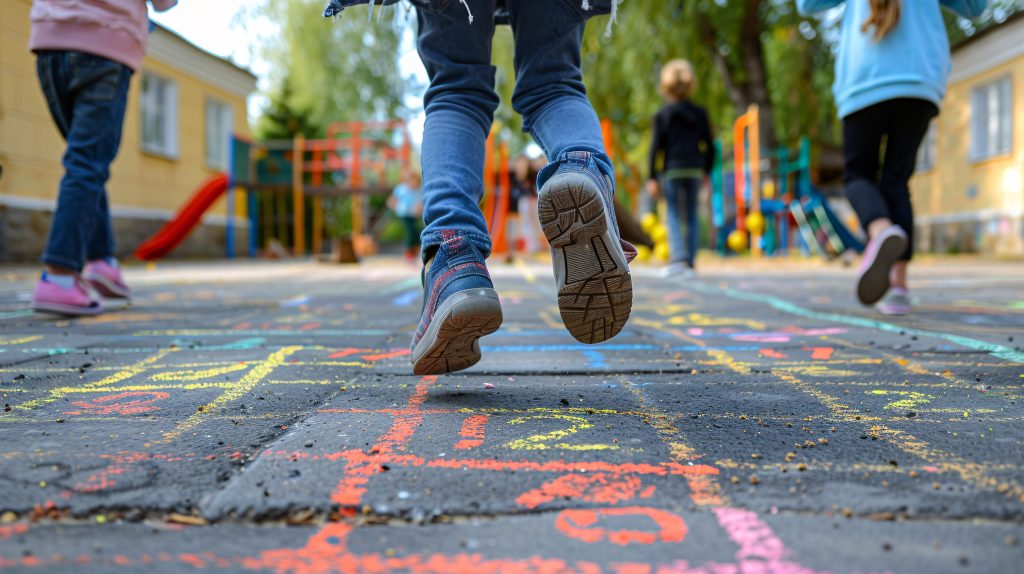
The American Academy of Pediatrics (AAP) is sounding the alarm on a growing trend in American schools: the steady erosion of recess. In its first major policy update on the subject in over a decade, the AAP recommends that all students—from kindergarten through high school—receive at least 20 minutes of unstructured play each day, and warns that cutting recess puts children’s health, behavior and learning at risk.
Katie Kidwell, Ph.D., assistant professor of psychology in Syracuse University’s College of Arts and Sciences (A&S), says the research backs that up. She provides the following quote which can be used directly:
“Play and physical activity are essential for children’s mental and physical health, not optional extras during the school day. Recess supports emotional regulation, attention, stress reduction and social development. Losing recess as punishment can be especially harmful because the children struggling behaviorally are often the ones who most need opportunities for movement and regulation.”
“Research consistently shows that recess and unstructured physical activity support children’s physical and mental health in meaningful ways. Regular opportunities for movement during the school day are associated with better attention, emotional regulation, mood, social functioning and overall well-being. Recess should not be viewed as separate from learning—because children learn through play.”
To arrange an interview with Professor Kidwell, contact Daryl Lovell, associate director of media relations, at dalovell@syr.edu.