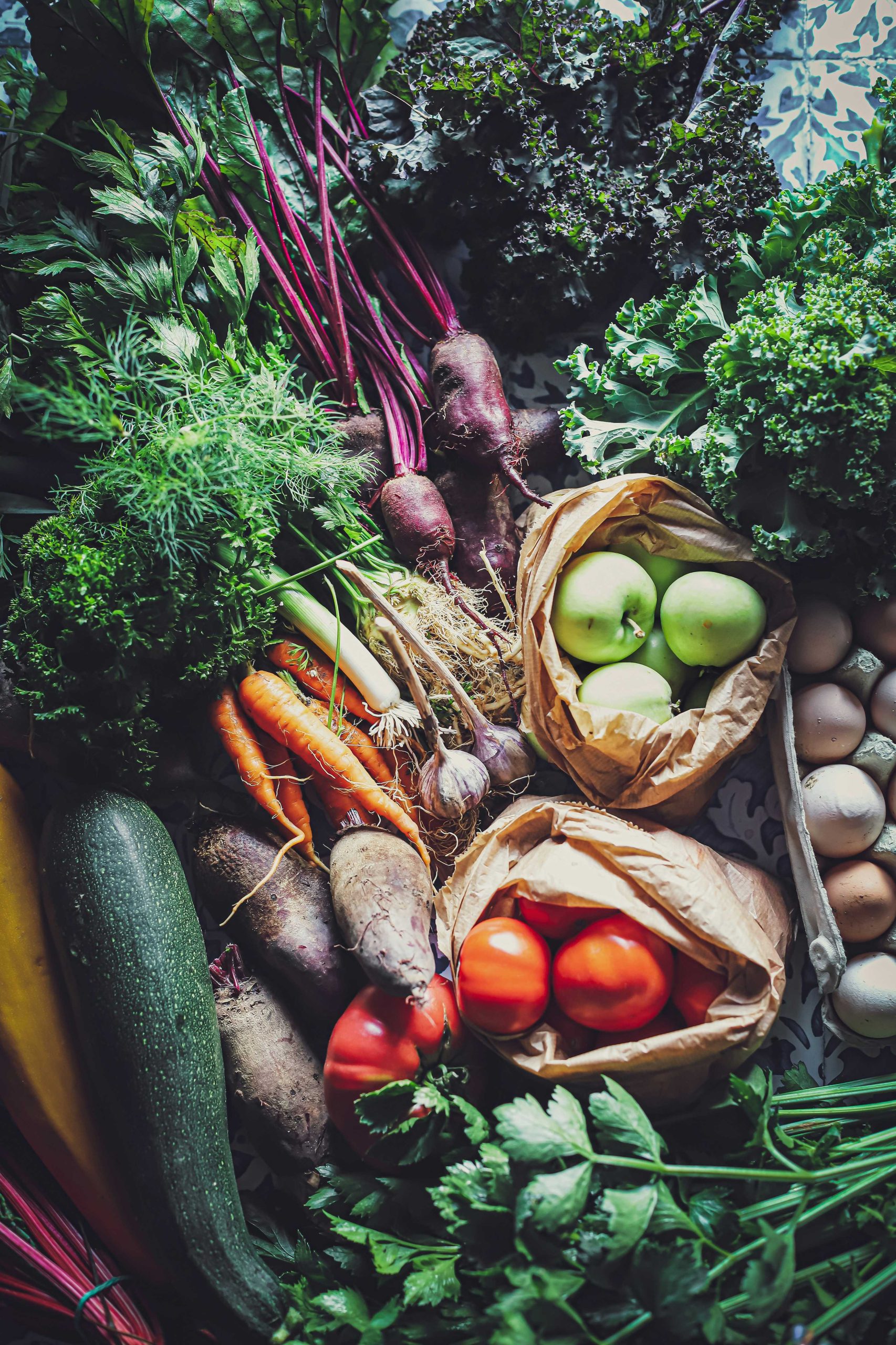
China and the United States may differ in geography, demography and political systems, but in agriculture they share a remarkable distinction: both are global breadbaskets whose success has an impact far beyond their borders.
China, with a population of over 1.4 billion and 129 million hectares of arable land, produced about 714 million tons of food-grain in 2025. The US, with around 350 million people and roughly 150 million hectares of arable land, produced around 546 million tons in 2025. Together, they demonstrate that feeding the world is not merely an economic activity, but also a civilizational achievement through science — based agriculture.
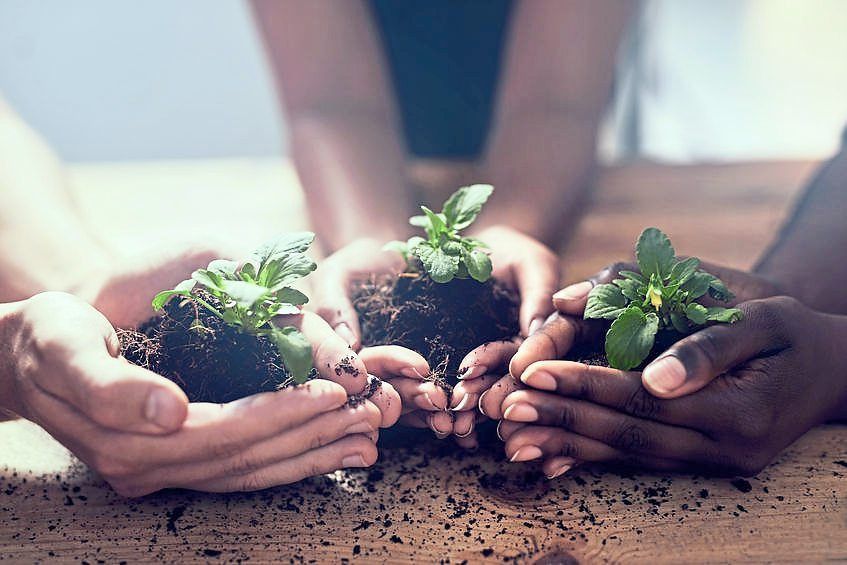
However, the challenge of the 21st century is not simply to produce more food but to do so while restoring the soil health that sustains it.
Agriculture in both countries needs to be transformed from being part of the environmental problem into becoming part of the solution.
This evolution is key to achieving the United Nations” Sustainable Development Goals under Agenda 2030. Key agriculture-related SDGs include ending poverty, eliminating hunger, ensuring good health, combating climate change, protecting life on land, strengthening institutions for peace and justice and fostering global partnerships.
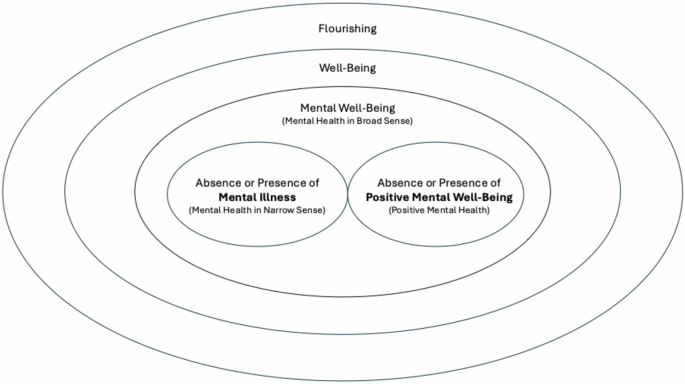
Particularly important is the concept of “One Health”, which recognizes that the health of soil, plants, animals, people, ecoregions and the planet is interconnected and inseparable.
For this reason, China and the US must cooperate to strengthen agroecosystems and address global challenges. There are a range of strategies that are of common interest for China and the US.
A promising approach is eco-intensification, which applies ecological principles to agriculture instead of relying on the heavy use of fertilizers and pesticides. The concept focuses on “producing more from less” by enhancing the efficiency of inputs and reducing leakage into the environment.
Fertilizers and pesticides are not enemies of agriculture, but they should be used as supplements or medicine. Their indiscriminate use makes them poisonous. The difference between poison and medicine is the dose, formulation, timing and method of application.
The world must also get over the outdated obsession with high yields. Adopting nutrition-sensitive agriculture is more important than harvesting record yields.
Dietary diversity and complex farming and cropping systems can alleviate malnutrition and hidden hunger problems not only in China and the US but also around the world.
In addition, greater attention should be given to so-called “forgotten” or “orphan” crops that were largely marginalized by the Green Revolution of the 1960s which focused on rice, wheat and corn.
The emphasis should be on growing diverse crops of native origin such as sorghum, millet, cowpeas, beans, pulses and root crops. They require less water, tolerate climatic stress and enrich soils naturally through biological processes.
Equally important is the re-carbonization of soils and terrestrial agroecosystems by capturing atmospheric carbon dioxide and storing it in soil, trees and other landscape units.
The organic matter content in soils should be 2 to 3 percent in the root zone.
However, most soils of the agroecosystems in China and the US have lost their soil organic matter stock due to excessive plowing, accelerated soil erosion and extractive farming practices. Re-carbonization of the soil is a win-win strategy because it mitigates climate change, restores soil and environmental health and boosts biodiversity above and below the ground.
Soils can also be viewed metaphorically as a “bank”, with carbon as its currency. This requires continuous deposition of carbonaceous biomass — such as compost, manure and crop residue mulch — at rates exceeding losses from decomposition, respiration, soil erosion and leaching.
To increase carbon stocks in this “soil bank”, the deposits must consistently exceed the withdrawals.
From a policy perspective, it is also important to move beyond traditional subsidies and instead pay land managers for providing key ecosystem services through the adoption of best management practices.
Until the carbon market develops for trading carbon credits, it is important to pay farmers for carbon sequestration in soil and trees. The rate of payments must be equivalent to the social value of soil carbon which may be equal to $50 per credit, or the equivalent of one metric ton of carbon dioxide computed by converting methane and nitrous oxide into carbon dioxide.
At the institutional level, a stronger soil protection policy is needed to safeguard the finite and irreplaceable soil resources. Some agricultural land in China and the US is being converted to urban and industrial uses. Prime agricultural land must be mapped and designated as protected against urbanization and other uses. Prime soil must be saved for future generations.
Education reform is also essential. The curricula in schools should include soil and environmental health education at all levels.
It is important to attract the best and the brightest to study agriculture, soil sciences and environmental conservation at an early age. Even children’s alphabet books must be soil and environment-oriented.
Beyond production systems, saving land and water for nature should become a guiding principle, supported by dietary choices that promote planetary health, reductions in food waste, and the return of agriculturally marginal lands to natural ecosystems. The objective is to live in harmony with nature rather than dominate and exploit it.
Ultimately, the restoration of soil health is critical for sustaining terrestrial life. Access to adequate, healthy and nutritious food is essential for human well-being. An empty stomach leads to violence, civil strife, political unrest and war.
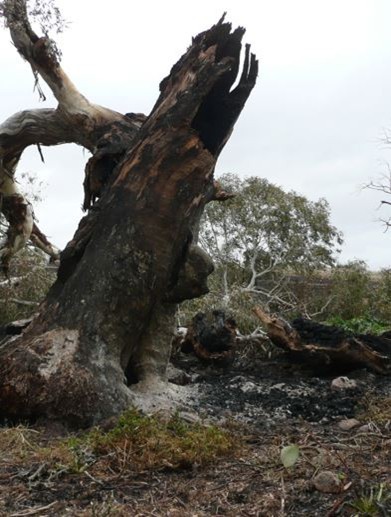
War and hunger are both human-made tragedies that must be tackled urgently. While war destroys soil and its life-support system, peace restores soil health.
In that sense, science-based and nutrition-sensitive agriculture is the foundation of long-lasting peace and tranquility in the world. Let us therefore promote the food-energy-water-soil nexus for human well-being and living in harmony with nature.
The author is the laureate of the 2020 World Food Prize and 2024 Gulbenkian Prize for Humanity and is a Distinguished University Professor of soil sciences at Ohio State University.
The views don’t necessarily reflect those of China Daily.
If you have a specific expertise, or would like to share your thought about our stories, then send us your writings at opinion@chinadaily.com.cn, and comment@chinadaily.com.cn.