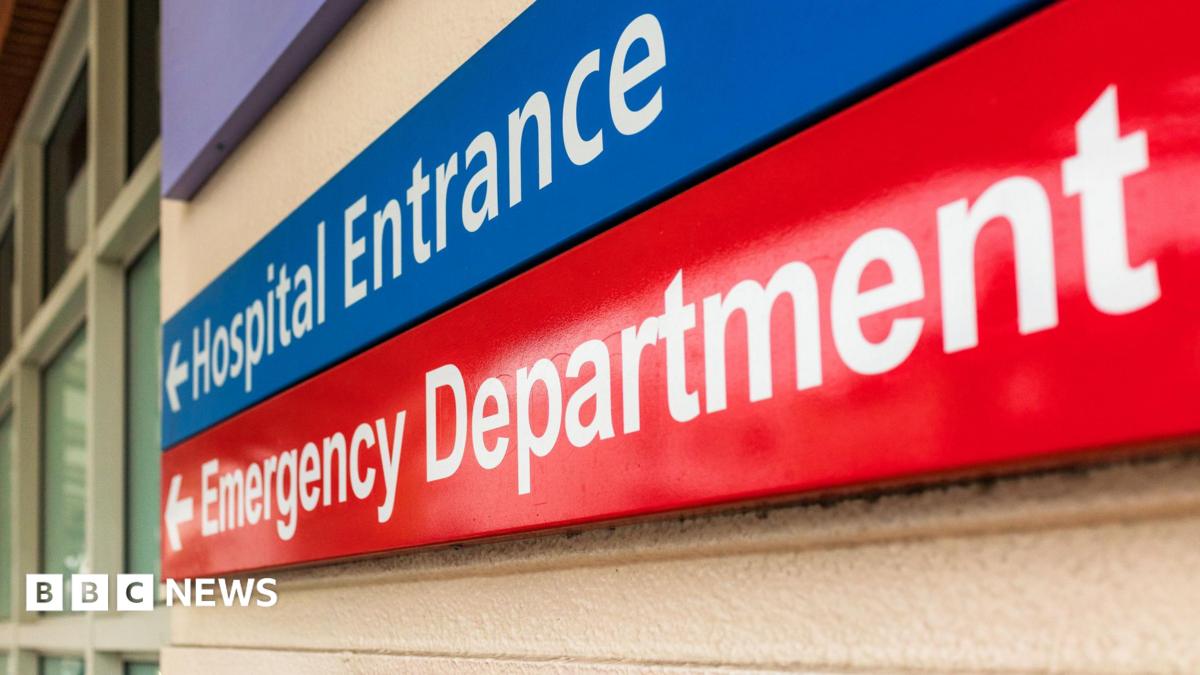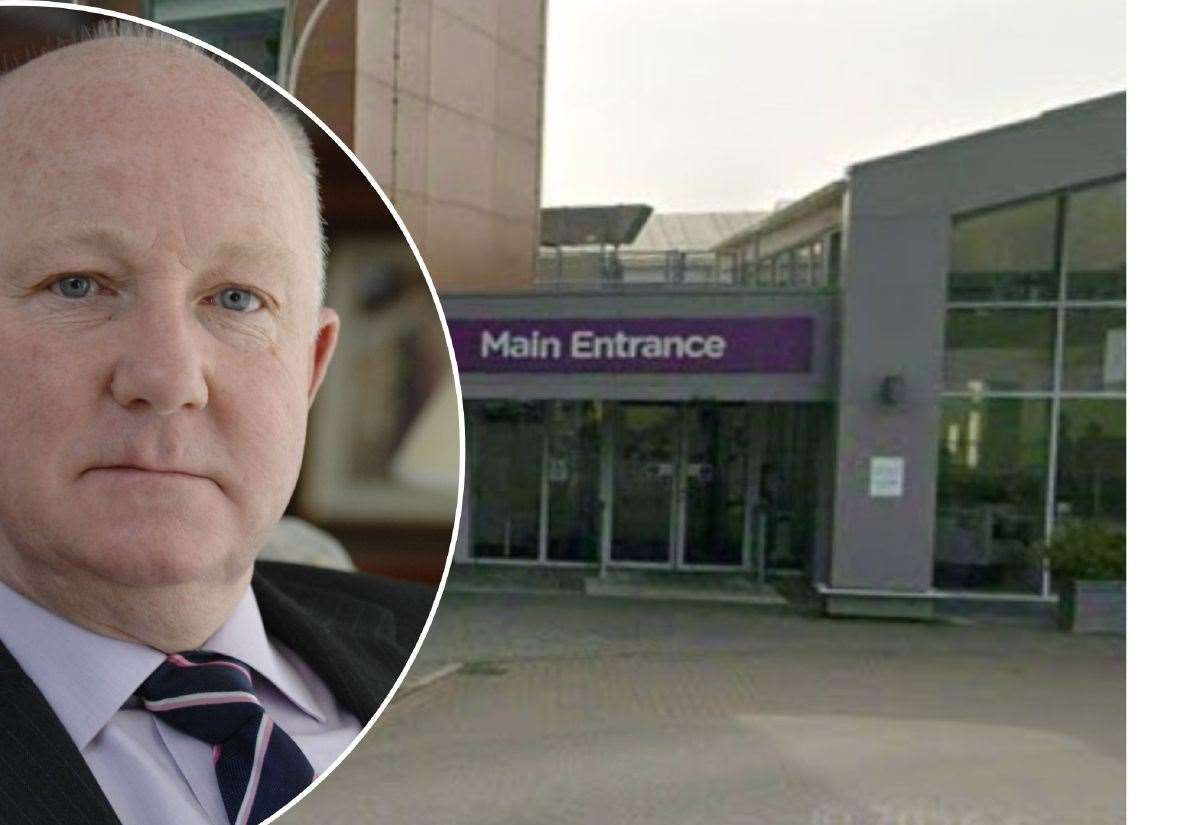
Figures show the number of patients receiving treatment in corridors in Worcester’s Worcestershire Royal Hospital and Redditch’s Alexandra Hospital increased in June.
According to NHS data, an average of 80 people a day had corridor care for at least 45 minutes compared to an average of 72 people a day in May.

Nationally, an average of 2,432 patients received corridor care in A&E departments in England each day in June, along with 749 elsewhere in hospital wards, totalling 3,181.
This is up from 2,242 in A&E and 658 in hospital wards each day in May, totalling 2,900.
Hayley Flavell, chief nursing officer at Worcestershire Acute Hospitals NHS Trust, said: “We recognise that corridor care is unacceptable and creates a poor experience for patients and low morale for our hard-working teams.
“Although always subject to safe staffing levels and careful risk assessment, we are committed to ending its use in line with national guidance and are developing further actions to support improvements.
“We are continuing to work hard to ensure patients are prioritised appropriately and receive the quality, safety and dignity of care they deserve, as well as continuing to remind our local population to use NHS 111 and alternatives to ED whenever possible.”
‘Corridor care’ means treatment did not take place in a clinically appropriate and safe setting where patients have privacy, access to food, water and toilets, and lights can be turned off and noise levels minimised to allow sleep.
The Worcestershire acute trust has previously said it does rota nurses specifically to look after patients in corridors.
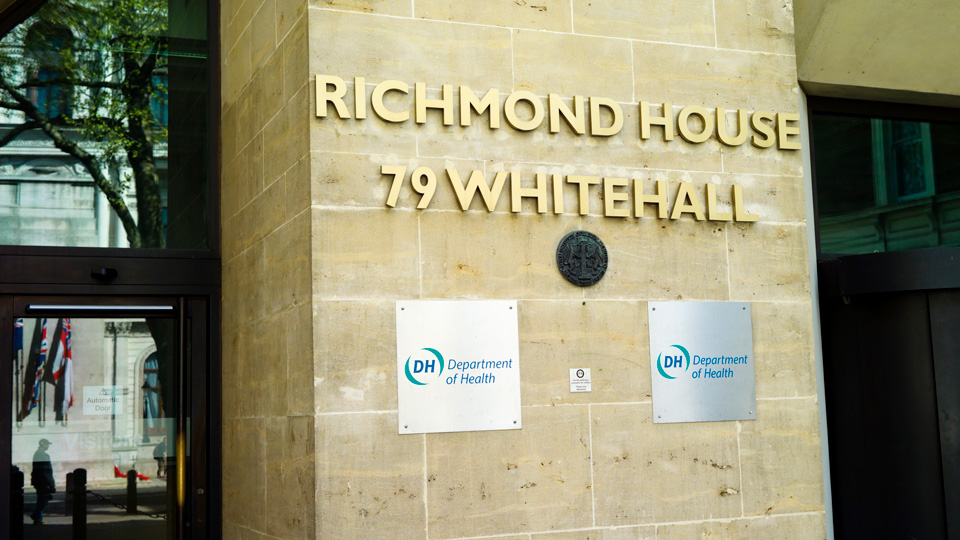
Health secretary James Murray has pledged to “eliminate it by the end of this Parliament”.
“The first step to eliminating it is to identify where it is,” he said, hence the new data being published by NHS trusts.
“The NHS is very used to stepping up around winter pressures, and that’s well established as a part of the NHS.
“I want to make sure we’re prepared for heatwave pressures, and so some of my work has been to work with NHS leadership to make sure the plans are in place to respond to heatwaves when they come to minimise their impact on the service that we provide.”
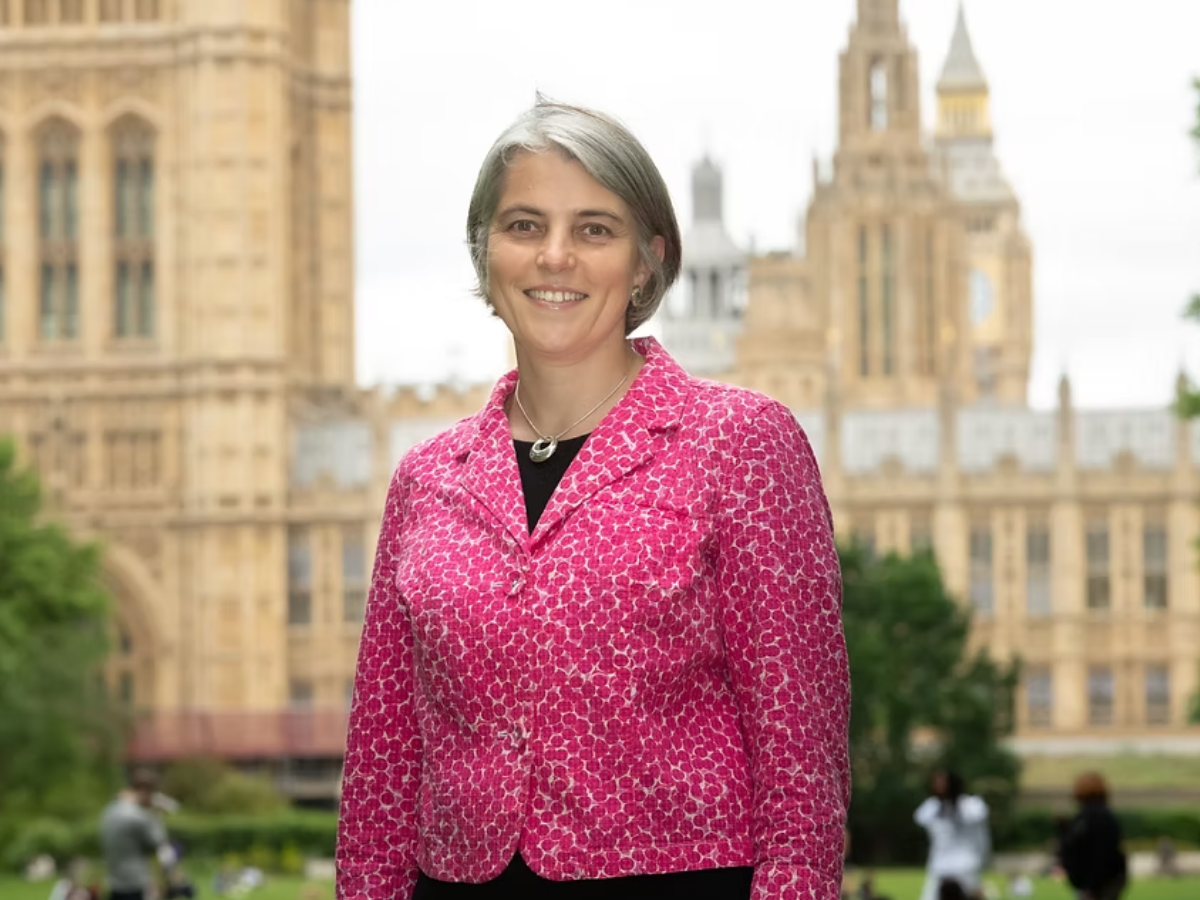
Bea Taylor, fellow at think tank Nuffield Trust, said there is “no doubt” heatwaves are putting additional strain on the health service.
“The health service is used to dealing with the extra pressure that winter brings each year, but climate change means hospitals are now facing multiple shocks throughout the summer months too,” she said.