Story audio is generated using AI

Health systems that focus only on treating illness while ignoring the social conditions that make people sick will continue to face rising costs, widening health inequalities and mounting pressure on health-care services, delegates at the 25th Board of Healthcare Funders (BHF) conference in Cape Town heard this week.
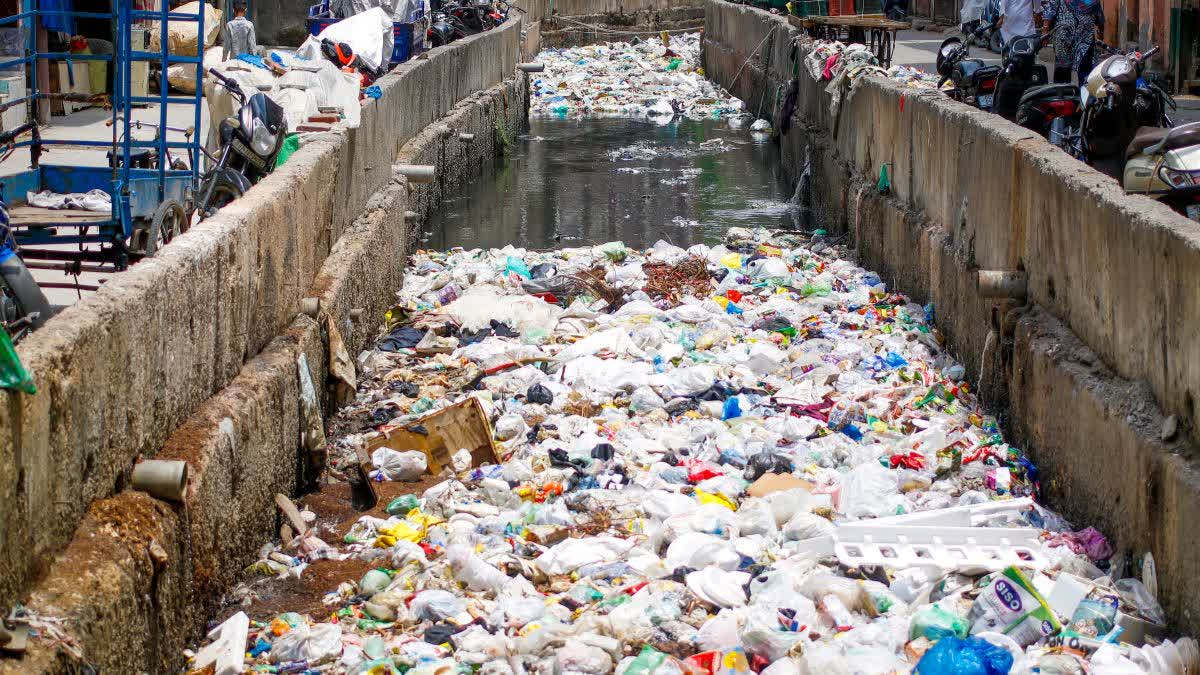
Experts said South Africa’s persistent challenges of poverty, unemployment, food insecurity, inadequate housing, poor sanitation, gender-based violence, unequal access to quality education and health care, and the legacy of apartheid continue to shape people’s health long before they enter a clinic or hospital.
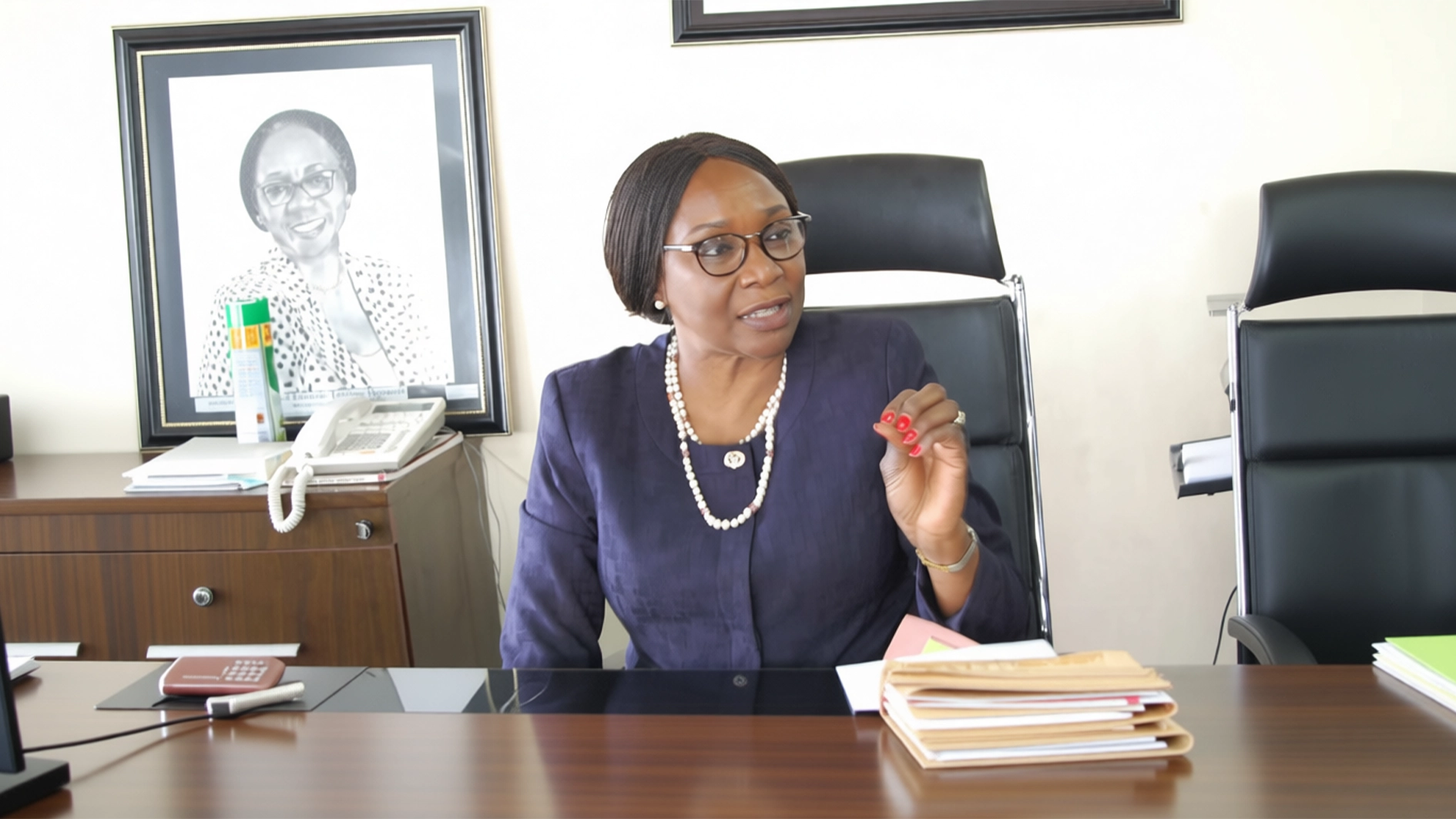
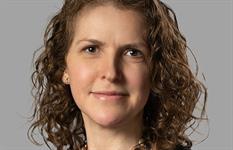
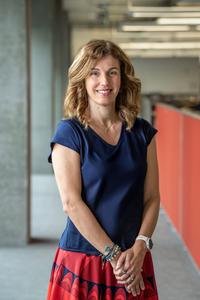
Prof Annie Temane, dean of health sciences at the University of Johannesburg, said social determinants of health are no longer simply a public health concern but have become a health-care financing issue.
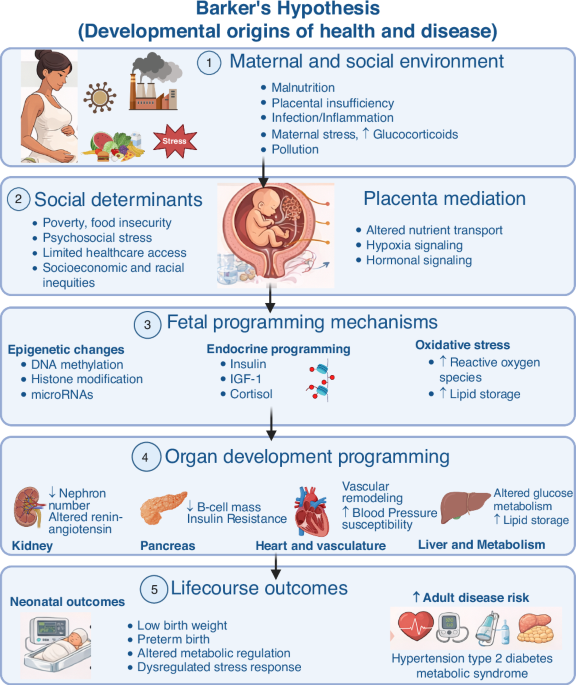
She explained that the conditions in which people are born, grow, live, work and age, including access to nutritious food, safe housing, education, employment opportunities, clean water, sanitation and transport, directly influence health outcomes and health-care costs.
“When social determinants are unfavourable, people are more likely to receive late diagnoses, experience poorer health outcomes, require more hospital admissions and have higher mortality rates,” Temane said.
Health systems can no longer focus only on treating disease. They must also address the social, economic and environmental conditions that shape health throughout people’s lives.
— Prof Annie Temane, dean of health sciences at UJ
She said the Covid-19 pandemic exposed the weaknesses of health systems that fail to address the broader social and economic conditions affecting health.
“Social determinants are no longer optional or outside the responsibility of health systems. They are essential to improving population health, achieving health equity and ensuring the sustainability of health-care financing,” she said.
Temane said South Africa faces a growing burden of both communicable and non-communicable diseases, while health-care costs continue to rise. Meanwhile, health-care funders, policymakers and providers are grappling with difficult choices, including:
- investing in prevention while managing acute care;
- responding to the increasing prevalence of chronic diseases;
- addressing health-care worker shortages and burnout; and
- deciding which new technologies and medicines to fund.
As South Africa works towards Universal Health Coverage through the implementation of the National Health Insurance (NHI), she said financing health-care services alone will not improve the nation’s health.
“Health systems can no longer focus only on treating disease. They must also address the social, economic and environmental conditions that shape health throughout people’s lives,” she said.
Temane argued that greater investment in primary health care, prevention and community-based services would reduce the demand for expensive hospital care and improve long-term health outcomes.
“Prevention means addressing the root causes of illness through community-based and multisectoral interventions. This requires more investment in primary health care, as well as sufficient health-care workers, particularly nurses and doctors,” she said.
She said integrating social determinants into health policy would:
- improve population health;
- reduce inequalities;
- make better use of limited health-care resources; and
- strengthen the health system’s resilience against future crises.
Universal health coverage is not simply about expanding healthcare services. It is about ensuring that people can access the care they need without suffering financial hardship while making the best use of the resources available
— Dr Simon Strachan, South African Private Practitioners Forum CEO
Temane called for stronger collaboration among government departments, the private sector, civil society and communities, saying that health cannot be improved by the health sector alone.
“We cannot discuss what is best for communities without involving them. Communities must be part of designing interventions so that they respond to local needs and are culturally appropriate,” she said.
She identified several priorities, including:
- stronger leadership and governance;
- shared accountability across sectors;
- meaningful community participation;
- improved data sharing and monitoring;
- sustainable financing models; and
- an equity-focused approach that prioritises the country’s most vulnerable populations.
Meanwhile, the BHF announced it will explore developing a core package of essential health services for South Africa, providing a practical starting point for defining the health-care services that should be available to all citizens within the country’s limited resources.
BHF MD Dr Katlego Mothudi said South Africa’s health system needs to shift from a predominantly curative model to one that places greater emphasis on prevention and keeps patients at the centre of care.
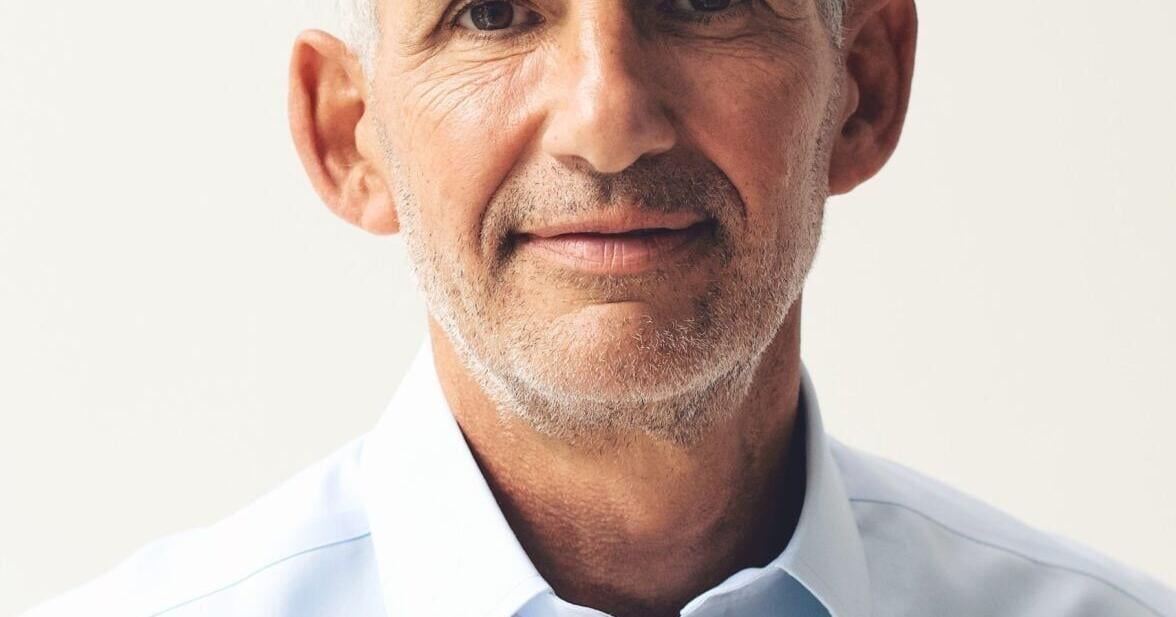
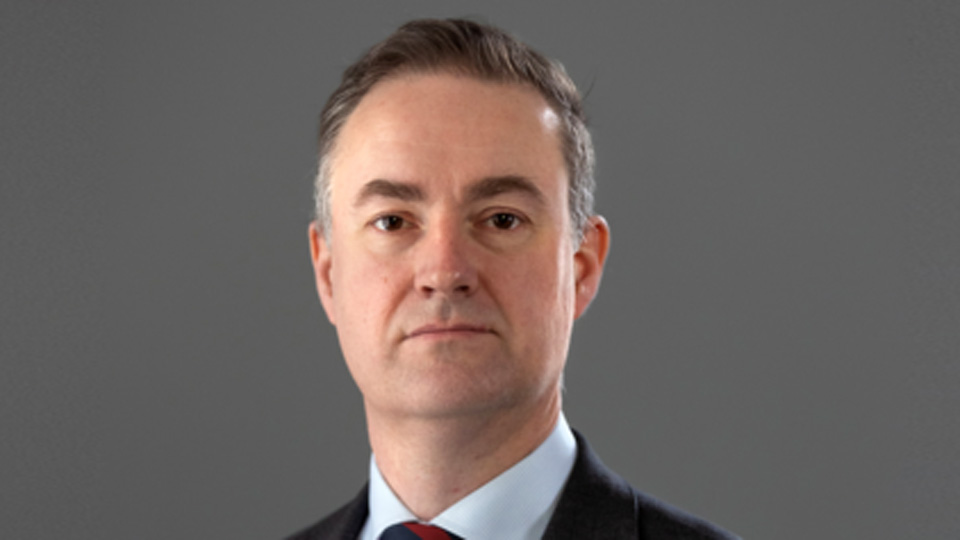
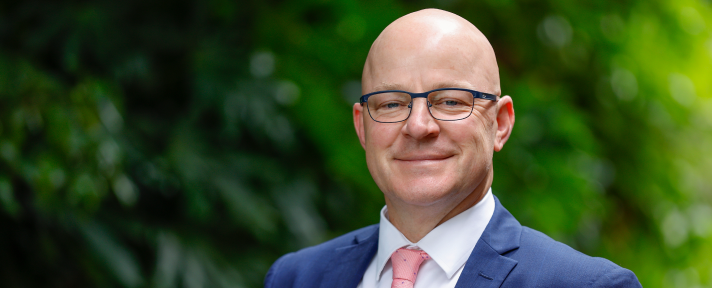
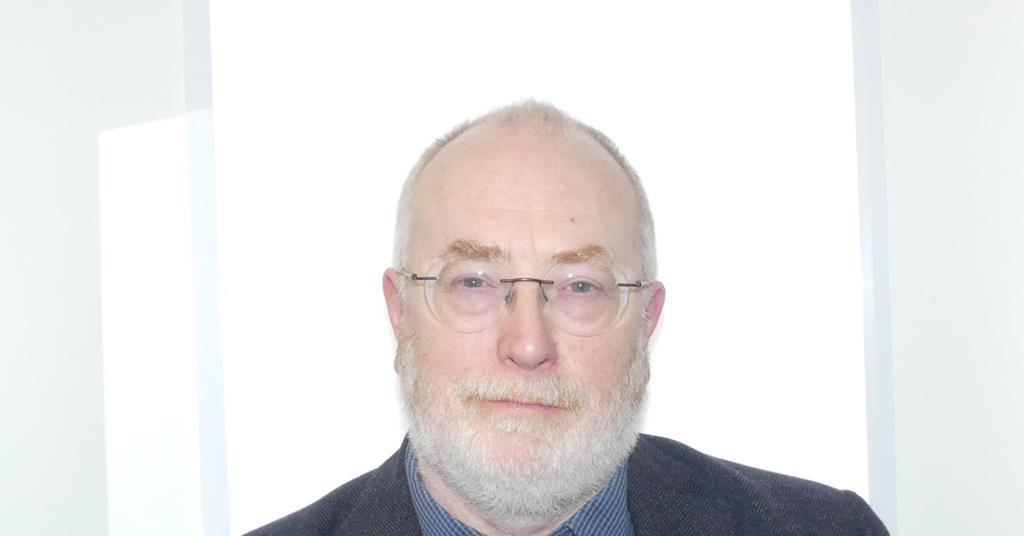
Delivering a presentation, “Universal Health Coverage in Transition”, Dr Simon Strachan, CEO of the South African Private Practitioners Forum (SAPPF), said the growing burden of out-of-pocket health-care spending is placing increasing financial pressure on households.
He called for practical discussions on how an essential package of health-care services could be funded through a social solidarity model, adding that South Africa’s struggle to achieve equitable access to healthcare mirrors challenges faced by many countries across Africa.
“Universal health coverage is not simply about expanding healthcare services,” Strachan said. “It is about ensuring that people can access the care they need without suffering financial hardship while making the best use of the resources available.”