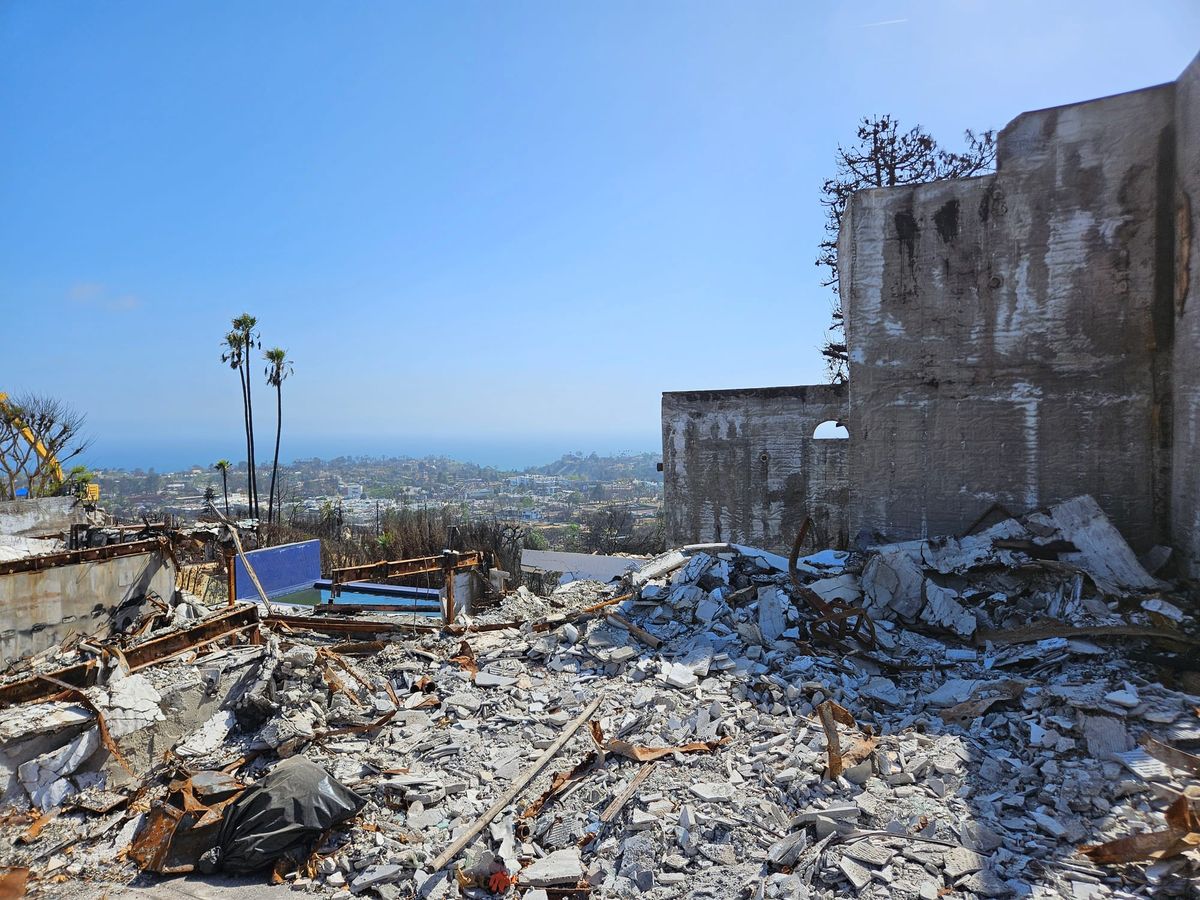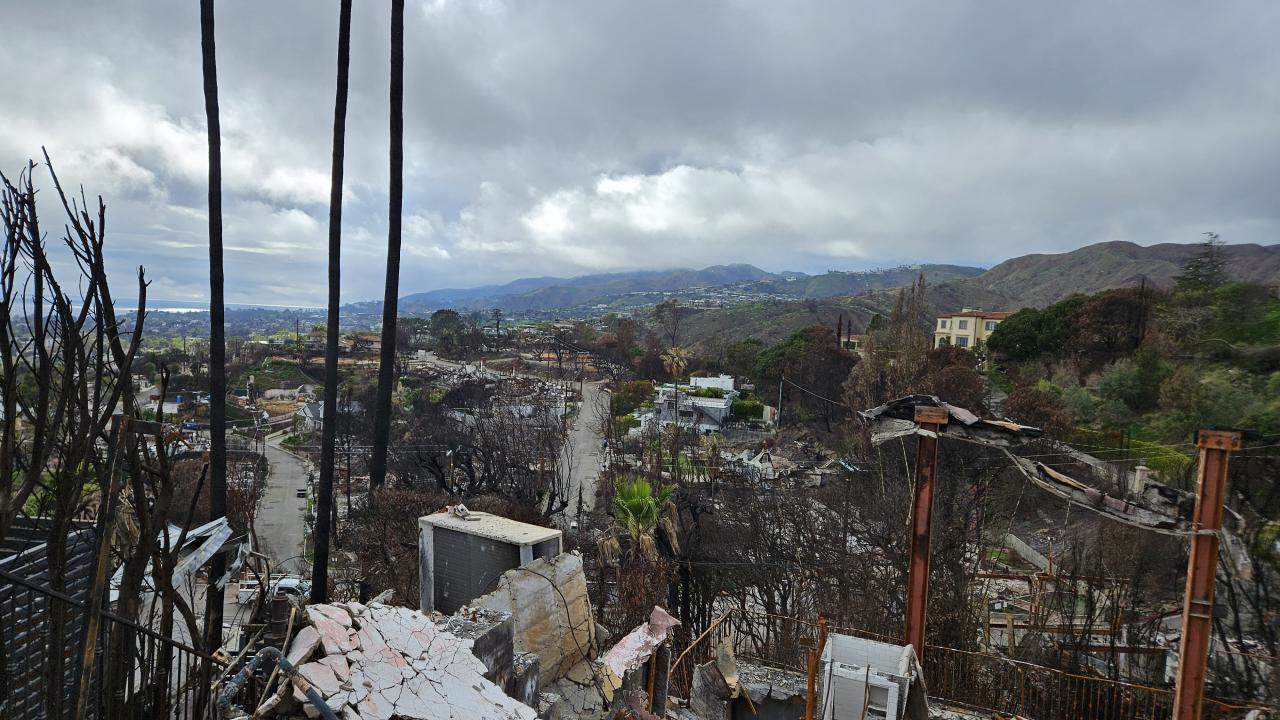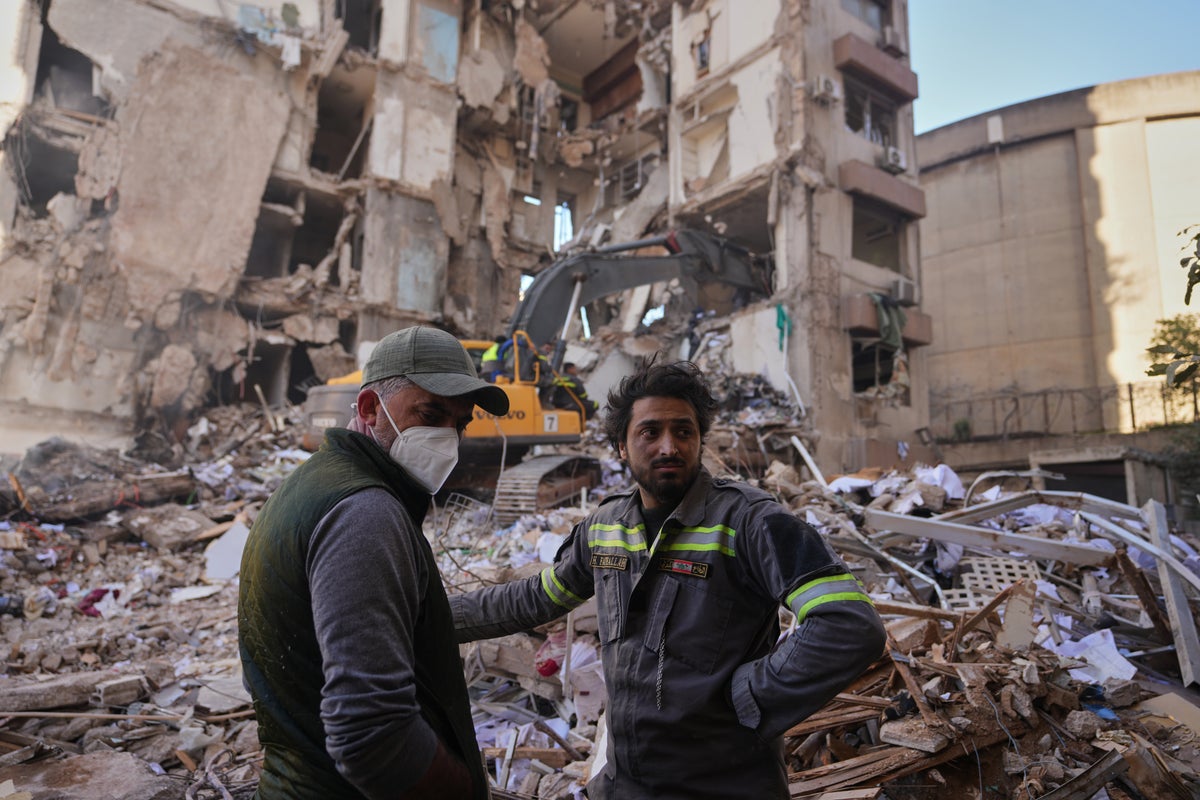
HONOLULU (HawaiiNewsNow) – Three years after the devastating Lahaina wildfires, UH researchers continue to track the physical and emotional toll on survivors.
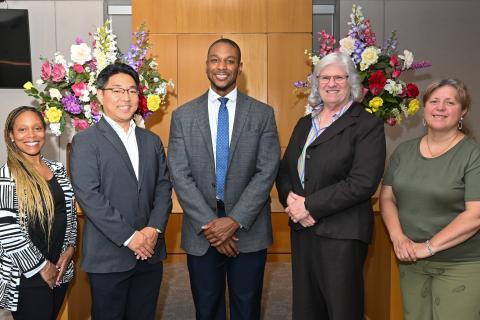
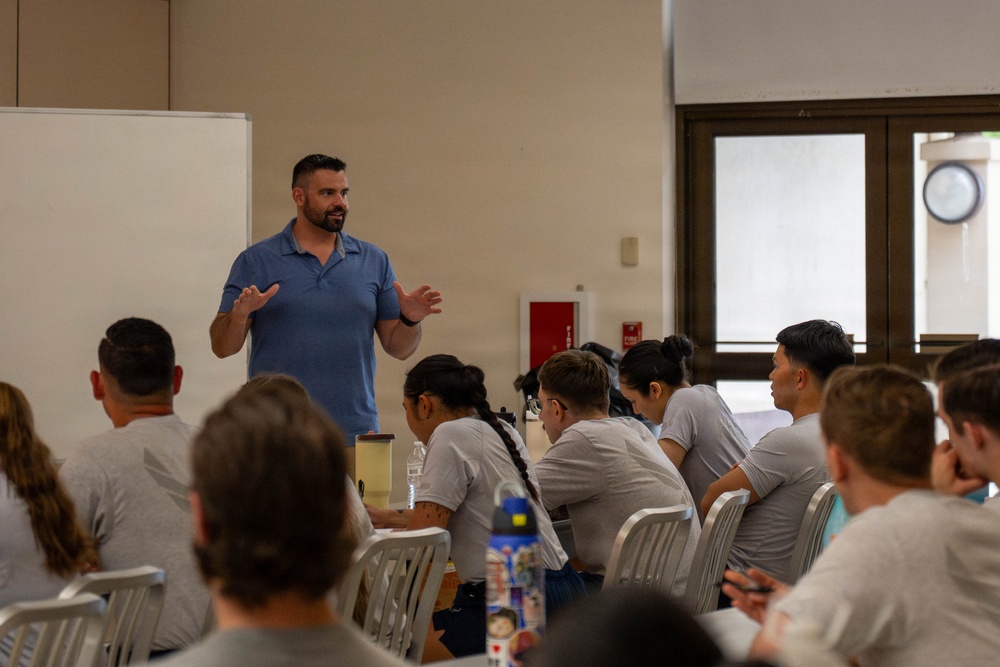
Mental health therapist Dr. Christopher Knightsbridge is part of the UH Maui Wildfire Exposure Study (MauiWES) and joined HNN’s Sunrise to talk about what they’ve learned and why long term monitoring matters.
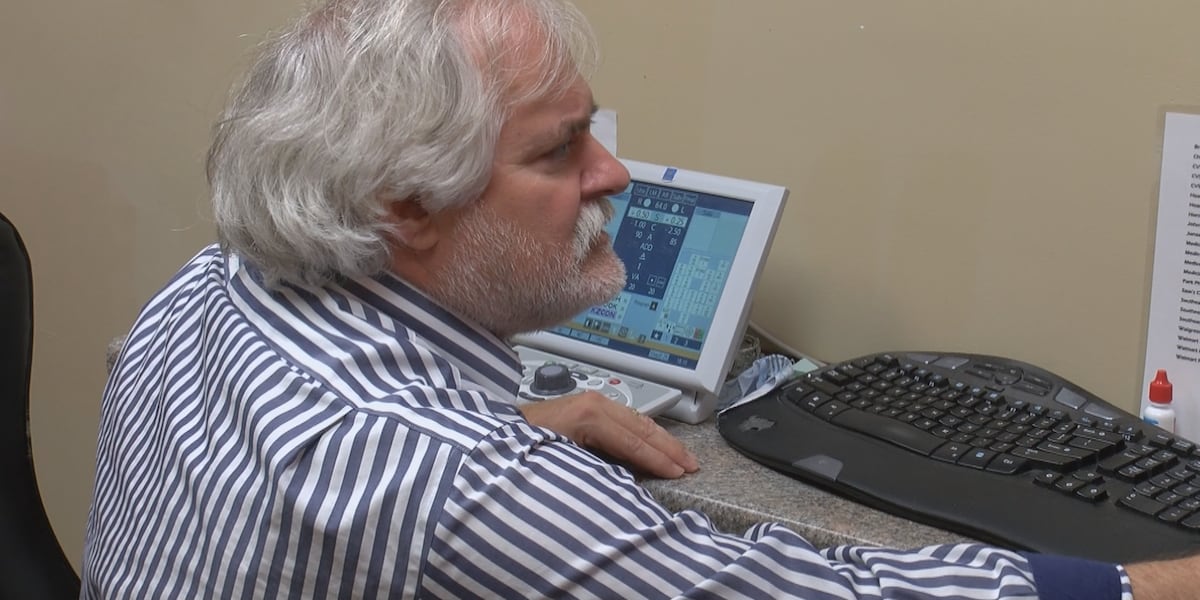
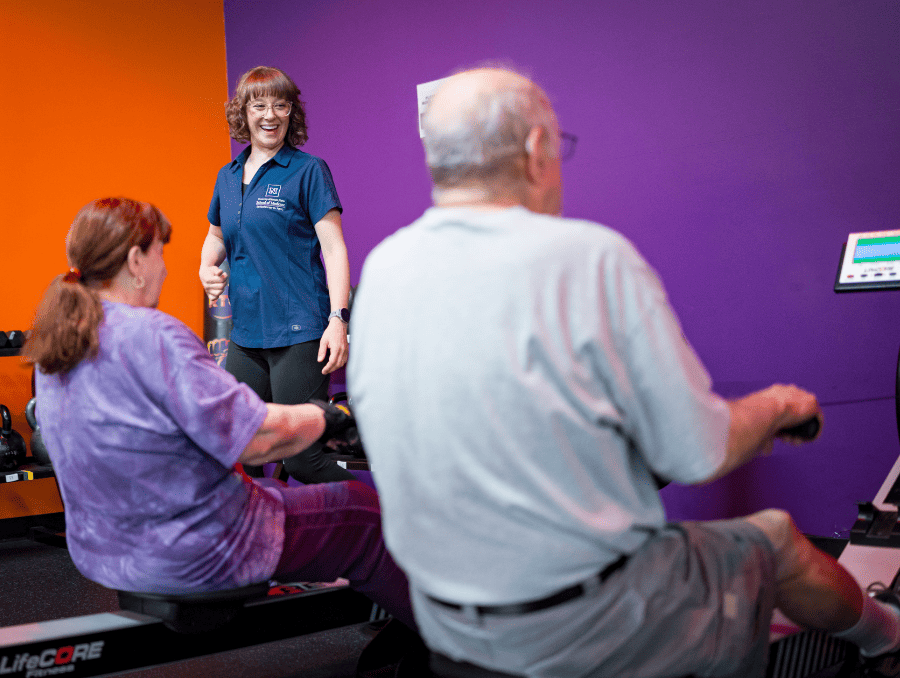
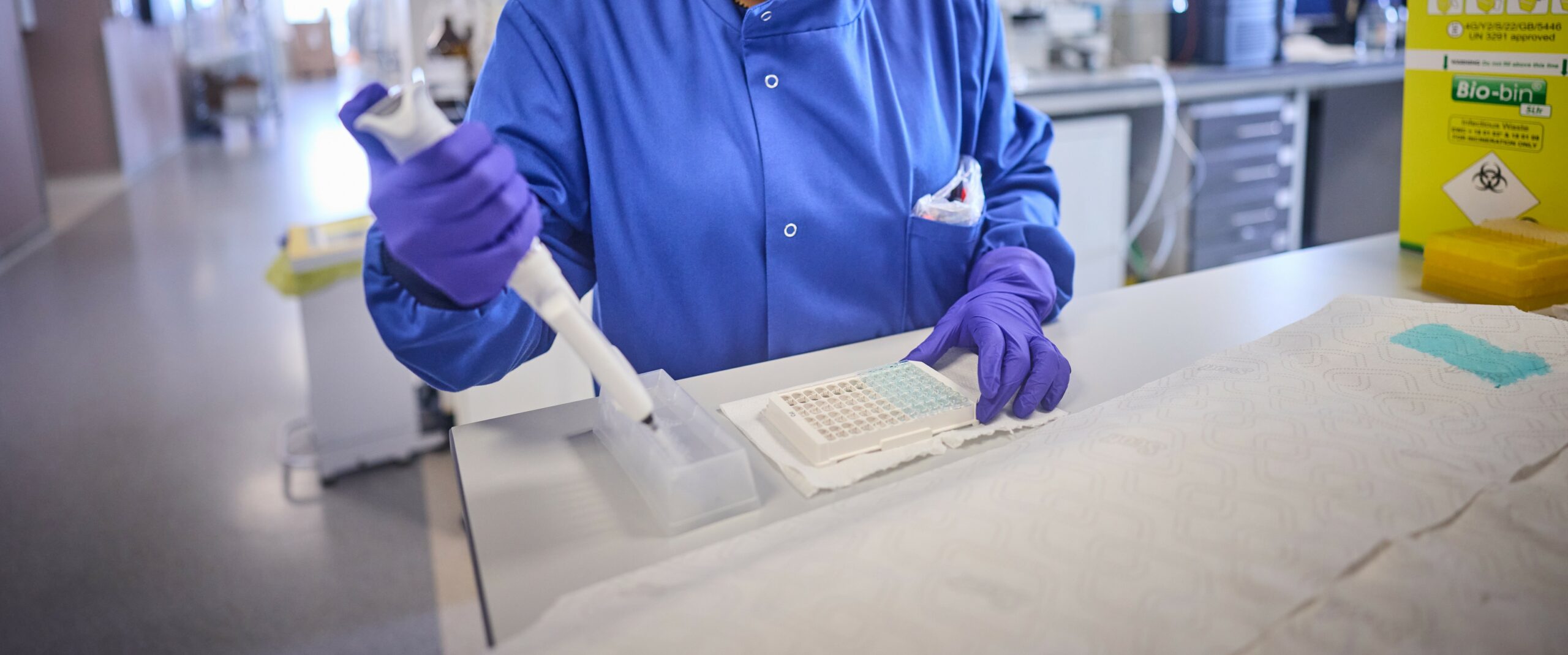
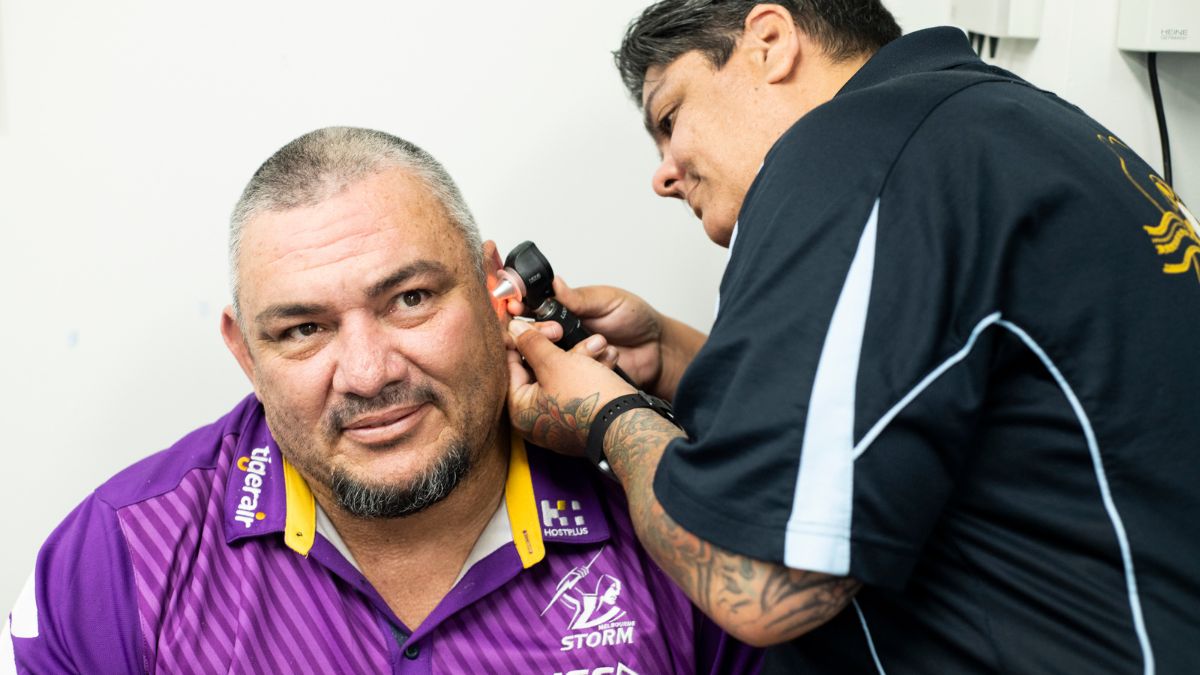
As part of the study, Lahaina fire survivors are given free comprehensive medical and mental health checks for five years and tested for possible exposure to toxic heavy metals. The goal is to understand and address the health and social effects of the wildfires and contribute to essential research aiding Maui’s recovery.
Researchers released a community report on July 27, “The Road to Recovery: Strengthening Health, Stability, and Resiliency Three Years After the Maui Wildfires,” and found recovery is underway, but that progress remains uneven across Maui families.
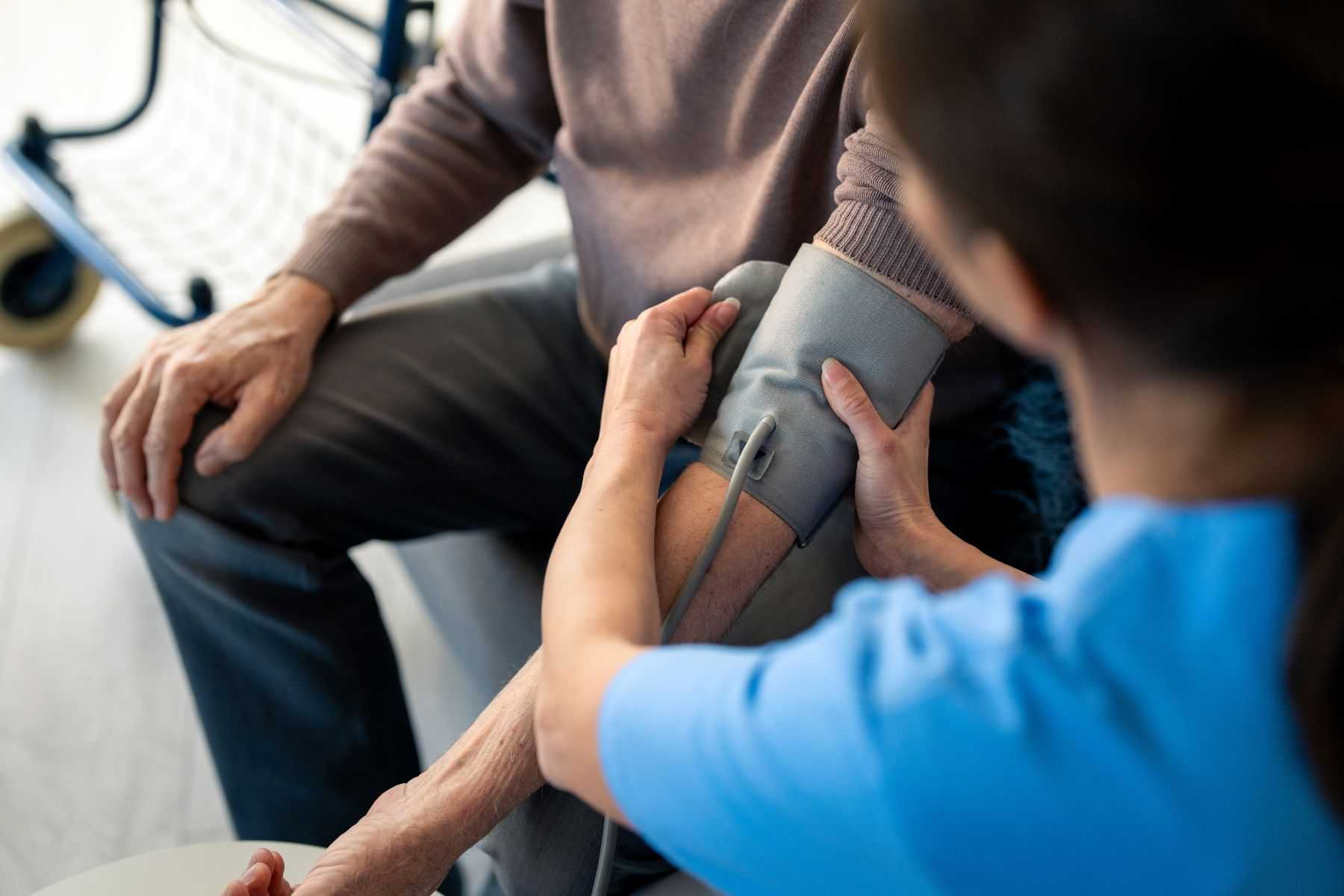
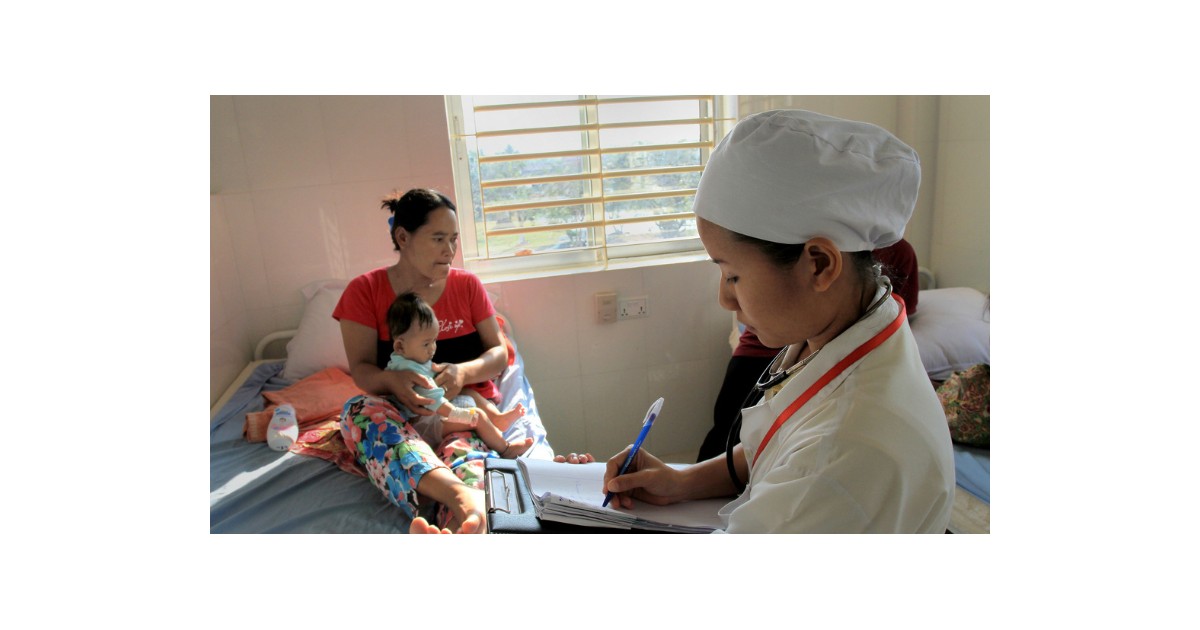
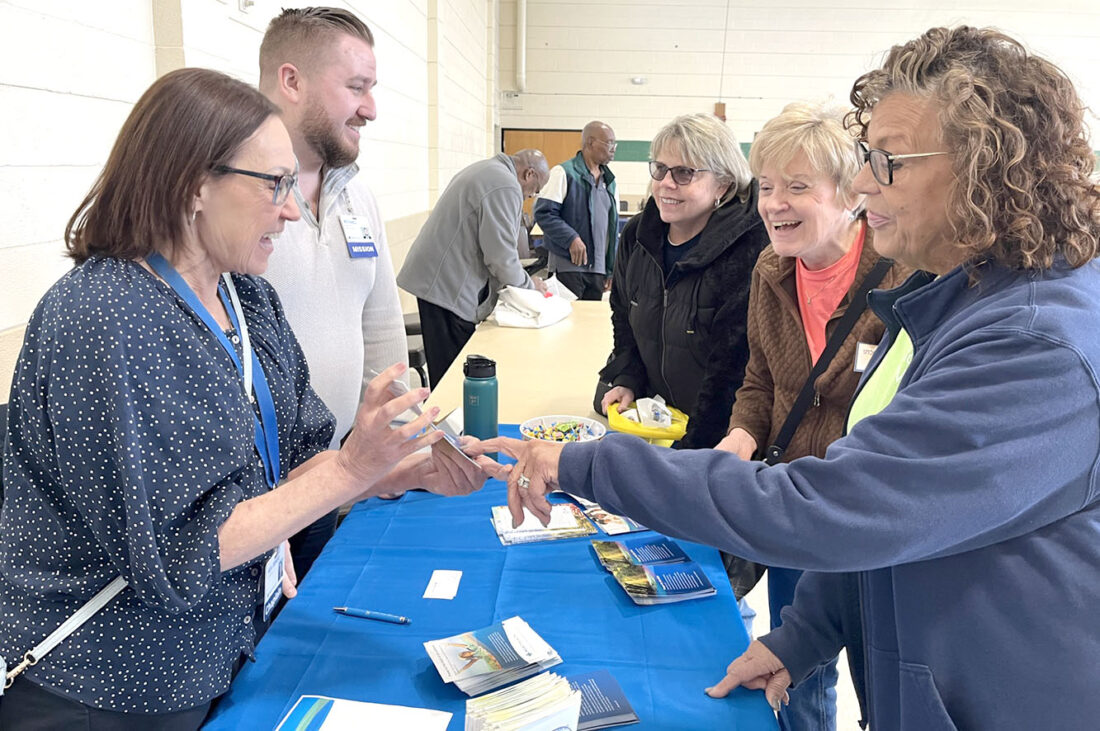
MauiWES says it conducted more than 4,000 appointments and screenings to more than 2,500 participants, providing residents with mental health assessments, blood pressure checks, lung function testing, blood testing, social needs screening, health information and referrals.
Here are some of the key findings:
- Employment among returning adults increased from 62.0% to 80.9%.
- Health insurance coverage increased from 85.1% to 90.5%.
- Participants living in temporary housing declined from 40.6% to 34.4%, while those who felt secure in their housing increased from 72.2% to 79.6%.
- Food insecurity remained widespread, affecting 44.9% of returning adults. The most severe level of food insecurity remained essentially unchanged at approximately 23%.
- High social support declined from 62.3% to 53.7%, suggesting growing recovery fatigue and strain on families and community networks.
- Nearly one in two adults continued to report depressive symptoms, approximately one in four screened with moderate-to-severe anxiety and nearly one in three reported post-traumatic stress symptoms.
- Overall anxiety and mild-to-moderate depression declined, but severe depressive symptoms increased from 11.8% to 15.1%, and severe post-traumatic stress symptoms increased.
“Children may appear resilient while still carrying significant emotional and physical effects beneath the surface,” said Knightsbridge. “Supporting children means supporting the entire family—including their housing, food security, daily routines and access to trusted care.”
“These findings show that Maui’s recovery is moving forward, with real progress in employment, insurance coverage and housing stability,” said Ruben Juarez, co-director of MauiWES and UHERO–HMSA Distinguished Professor of Health Economics. “The opportunity now is to build on that progress by connecting housing, food, healthcare and social support so that every family has the foundation needed to recover and thrive.”
Study organizers say funding was dramatically been cut after the last legislative session, but the research is more important than ever. To support the study, visit mauiwes.info.
Copyright 2026 Hawaii News Now. All rights reserved.