Do countries in the Western Pacific have the workforce they need to prevent disease, protect communities and respond to health emergencies?
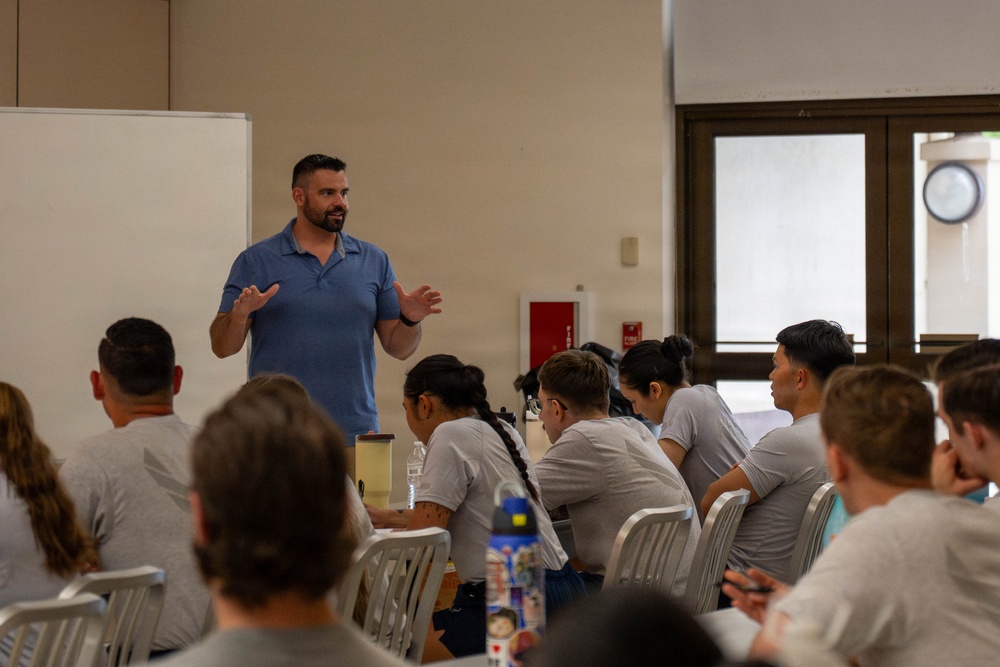
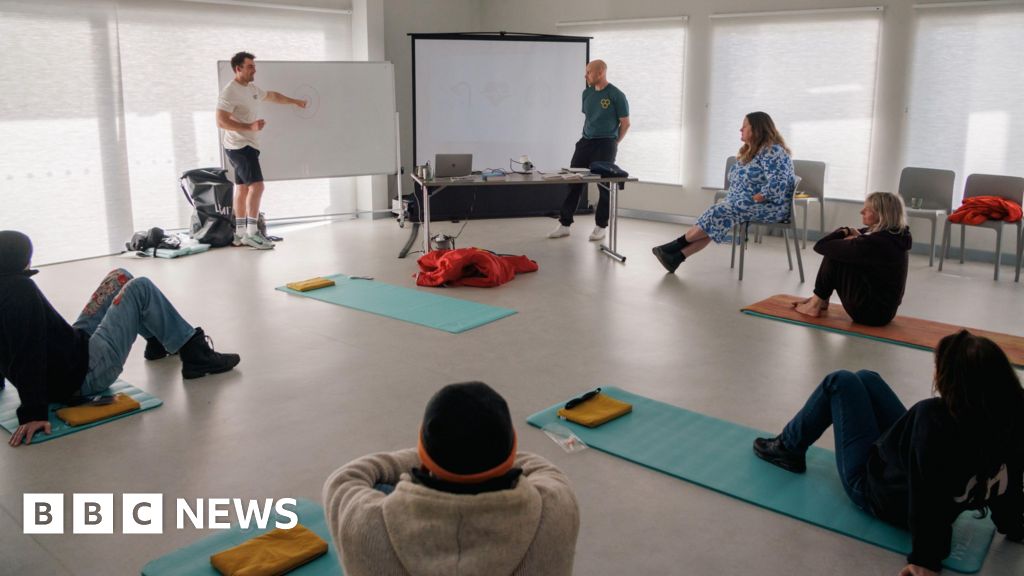
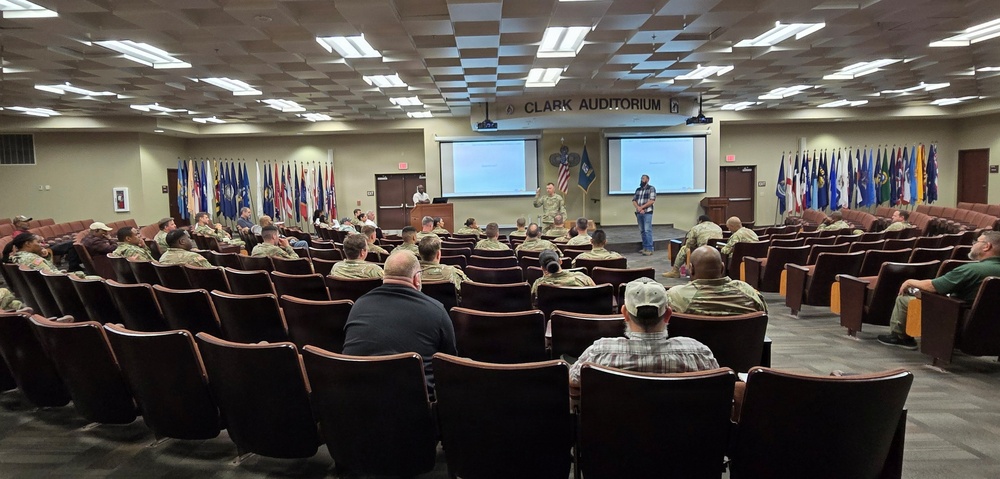
On 8–10 June 2026, health workforce leaders and public health professionals from Papua New Guinea and the Philippines joined experts from the World Health Organization (WHO) for a Training of Trainers Workshop on Strengthening National Workforce Capacity to Implement Essential Public Health Functions (EPHF).
Why does the public health workforce extend beyond the health sector?
The EPHF covers the core capacities needed to protect and improve population health: disease prevention, health promotion, health protection, surveillance, preparedness and response, and governance. These are increasingly important as countries face overlapping challenges such as ageing populations, antimicrobial resistance, changing disease patterns and climate-related disasters.
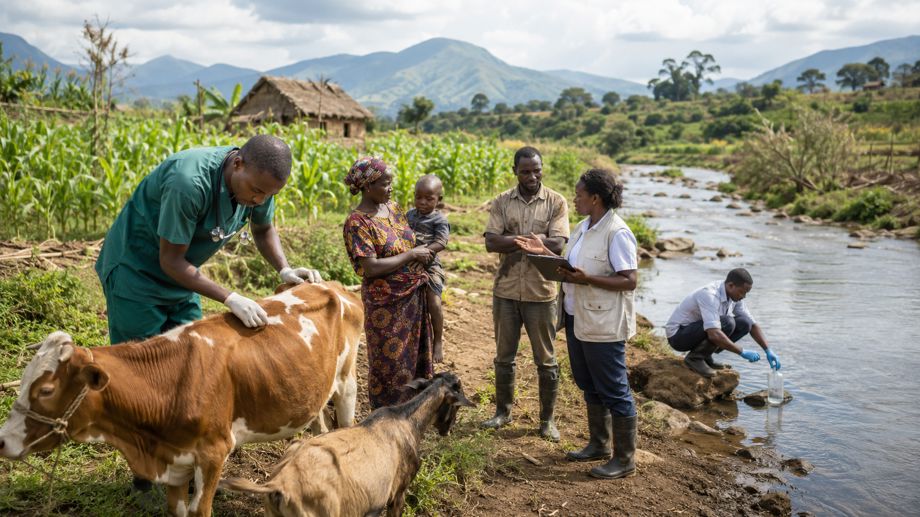
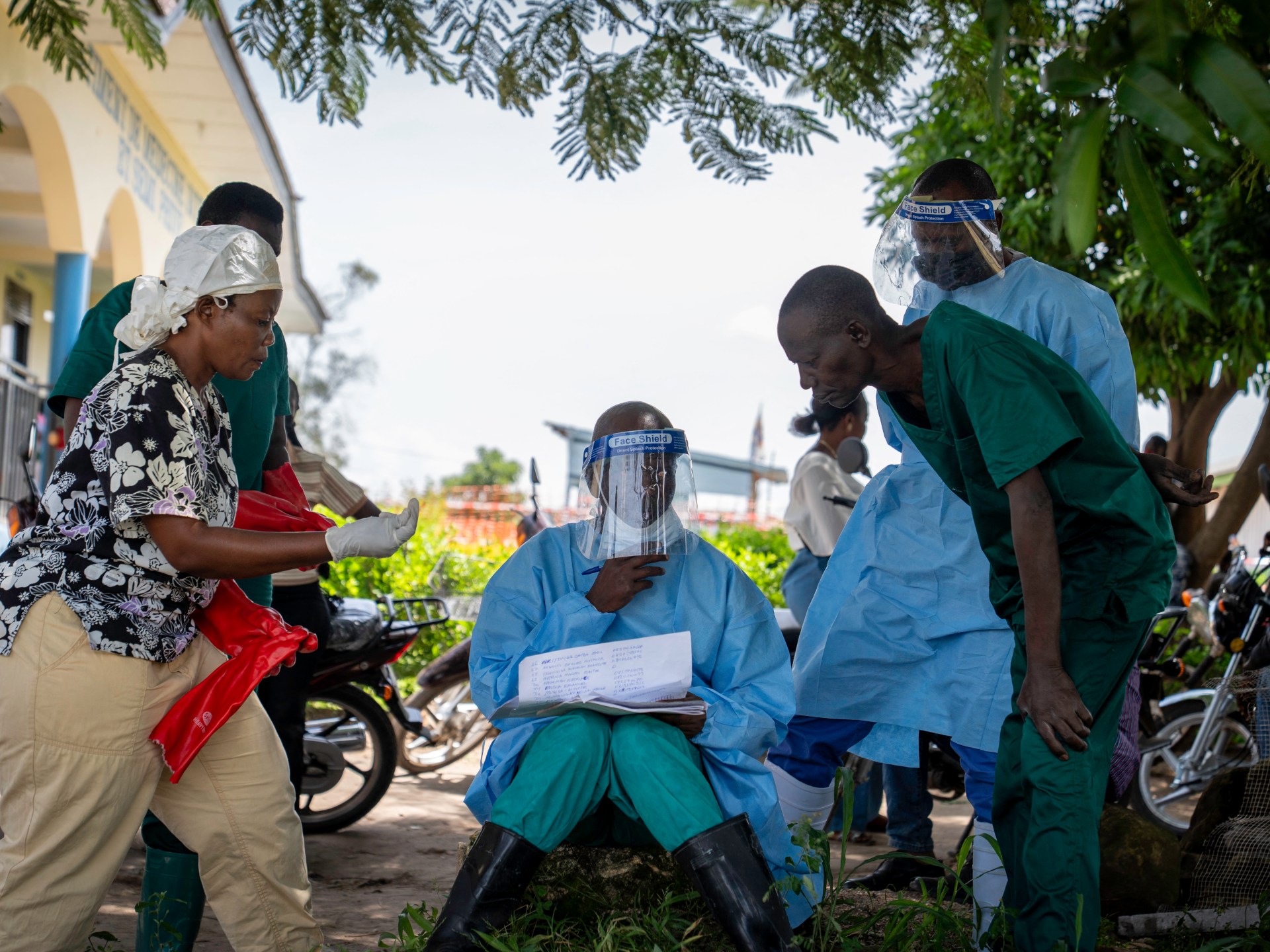
However, delivering these capacities requires more than core public health personnel. The workforce spans health and care workers who carry out public health tasks, emergency preparedness personnel, and professionals from education, water and sanitation, environment, agriculture, and One Health, whose work directly affects health outcomes.
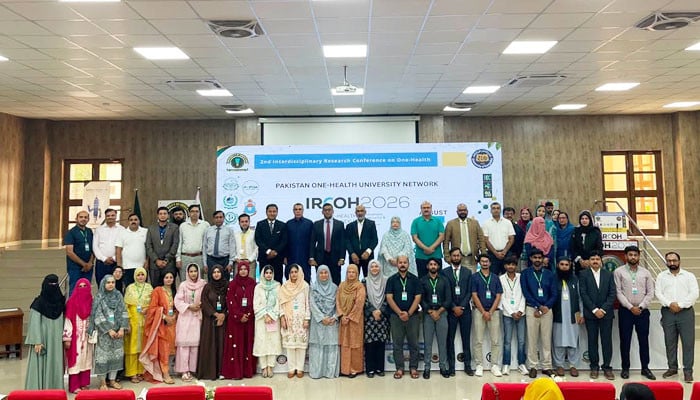
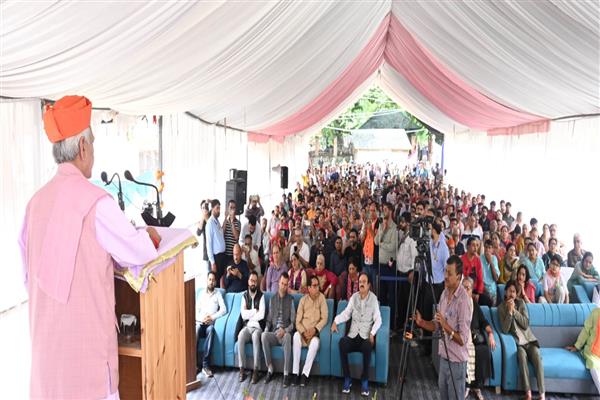
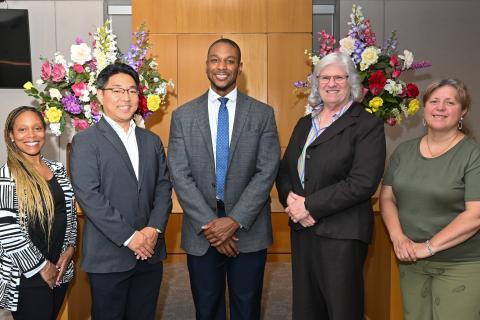
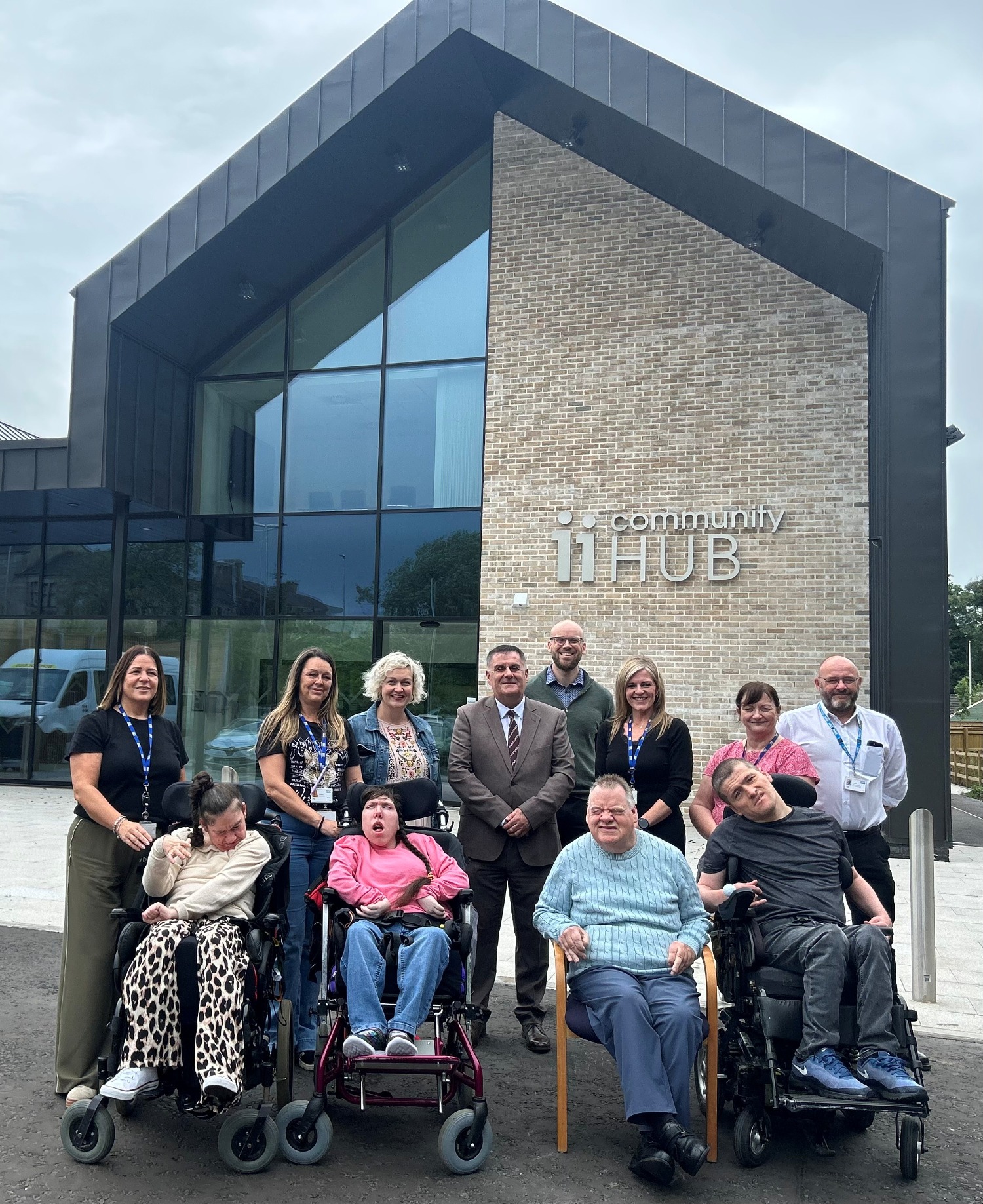
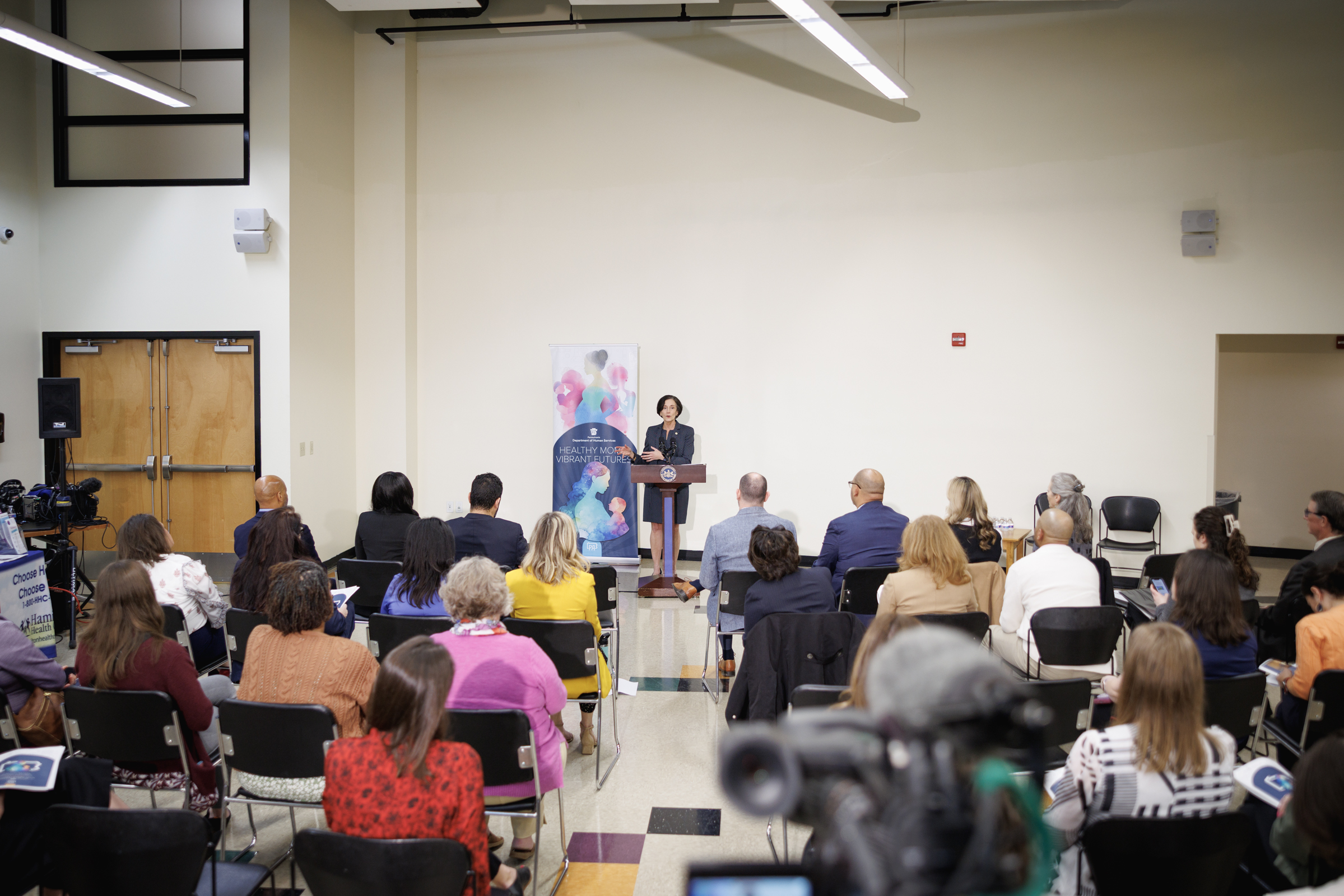
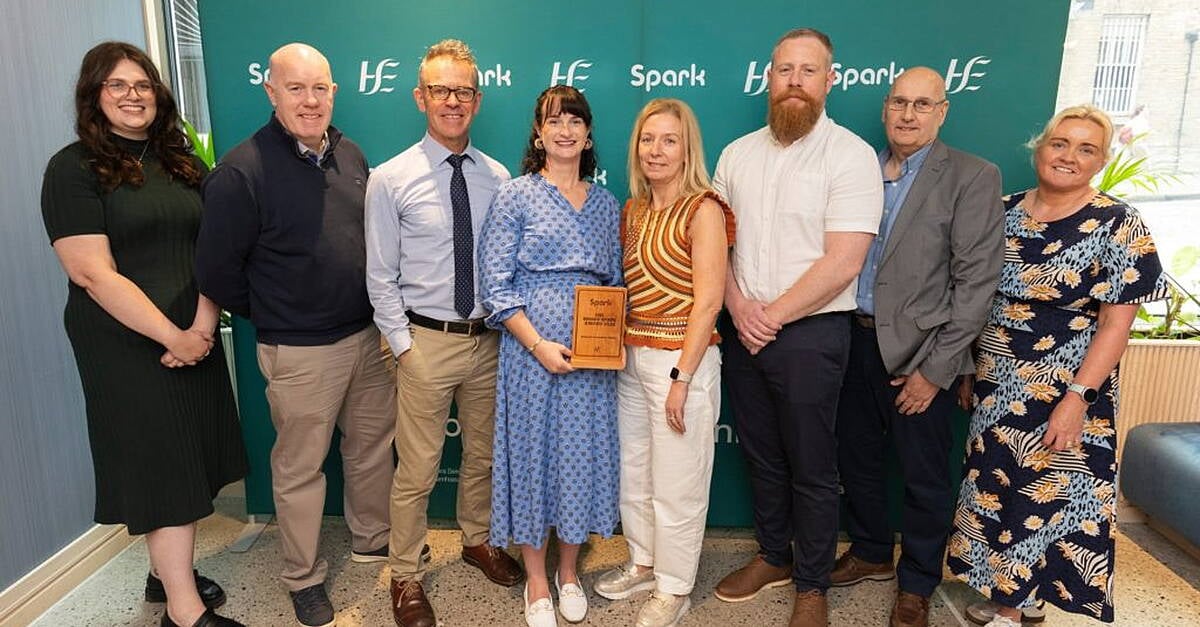
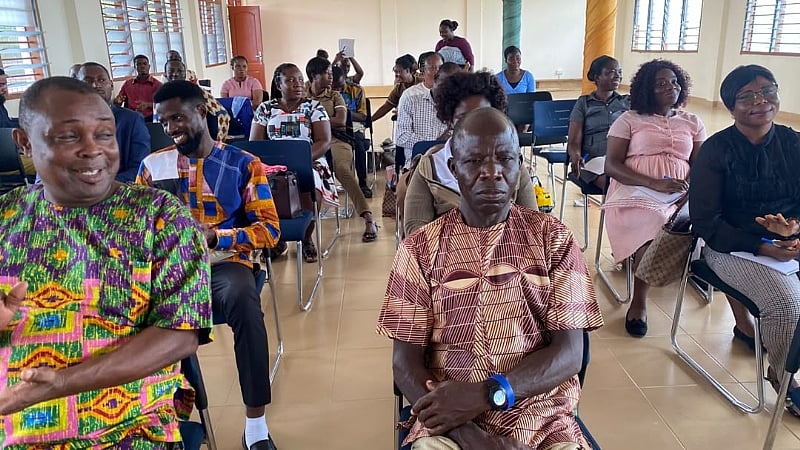
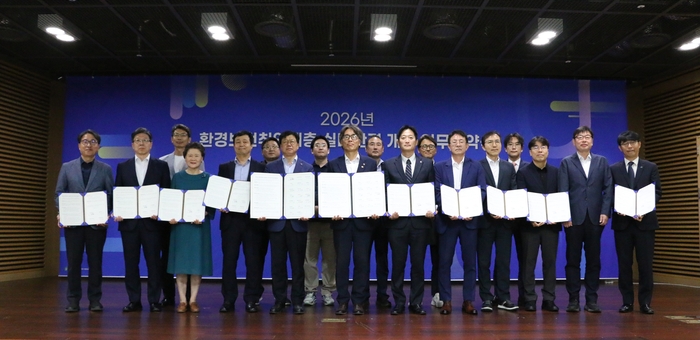
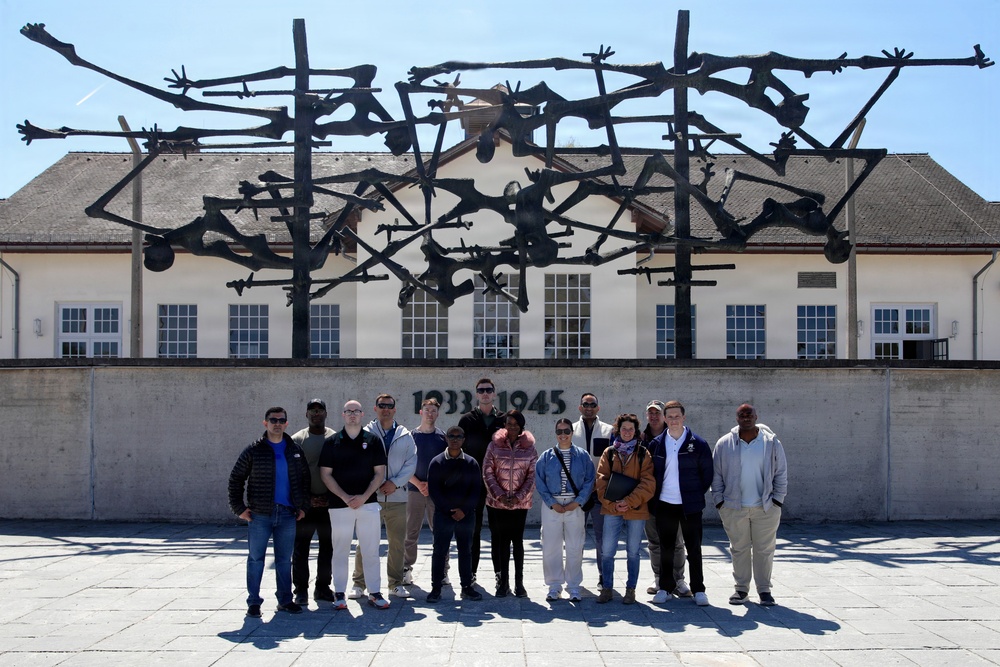
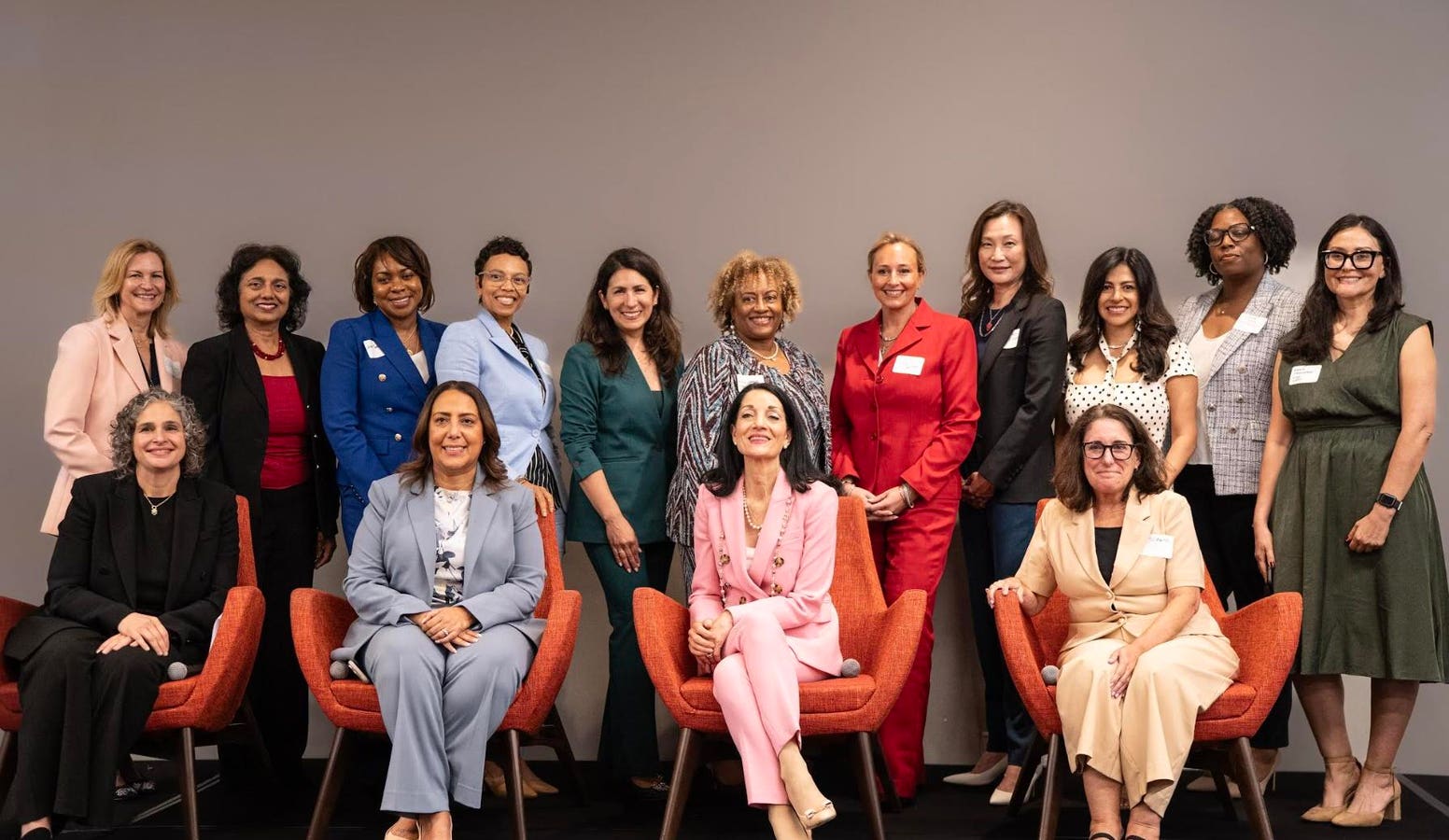
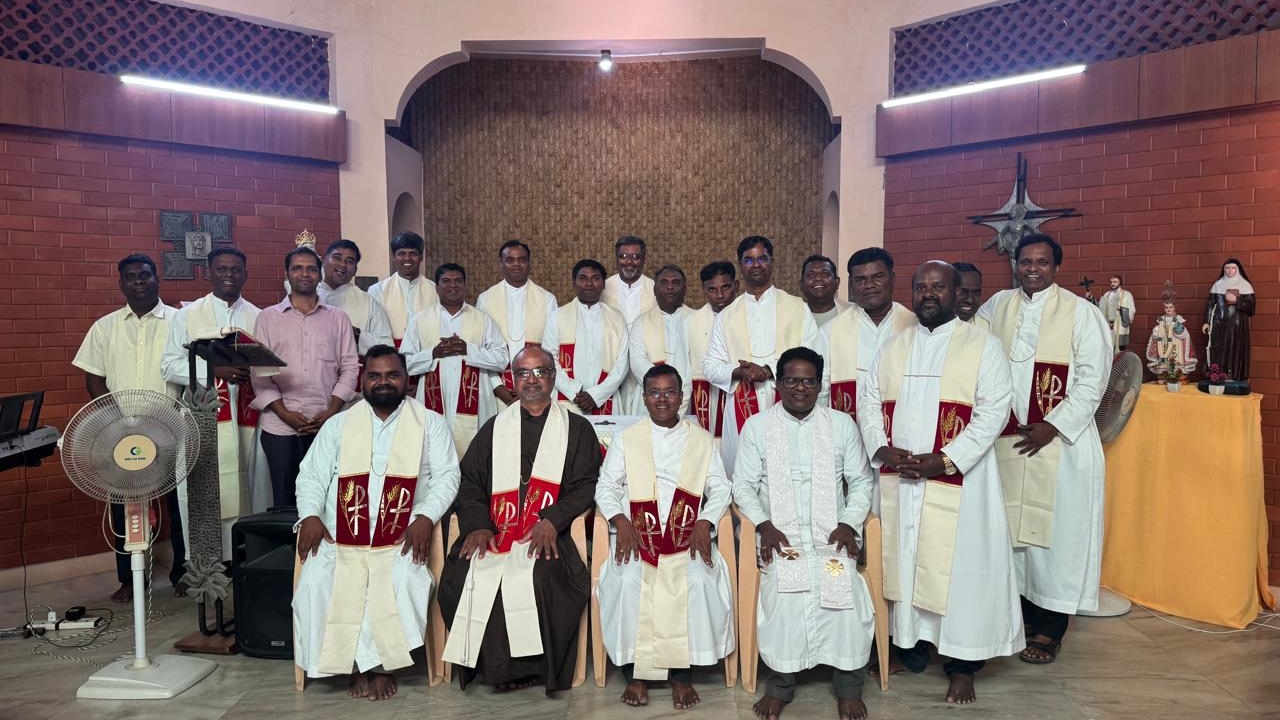
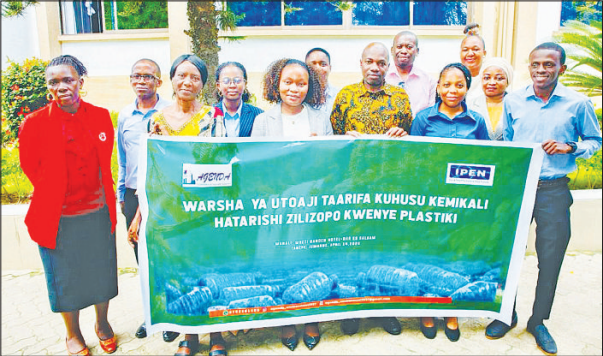
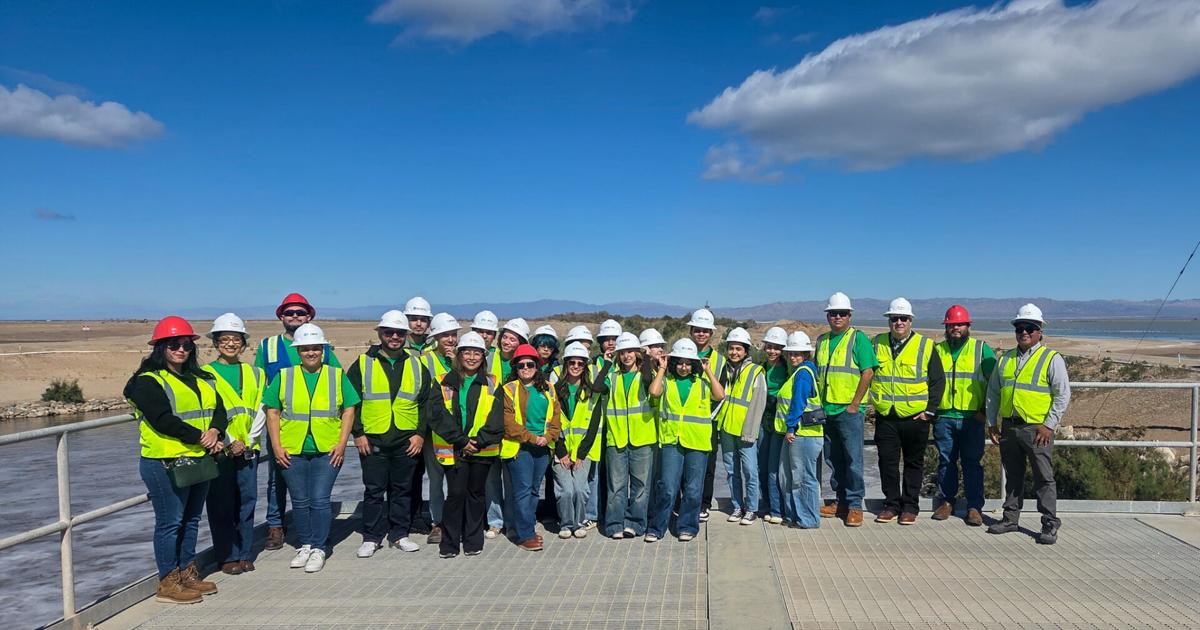
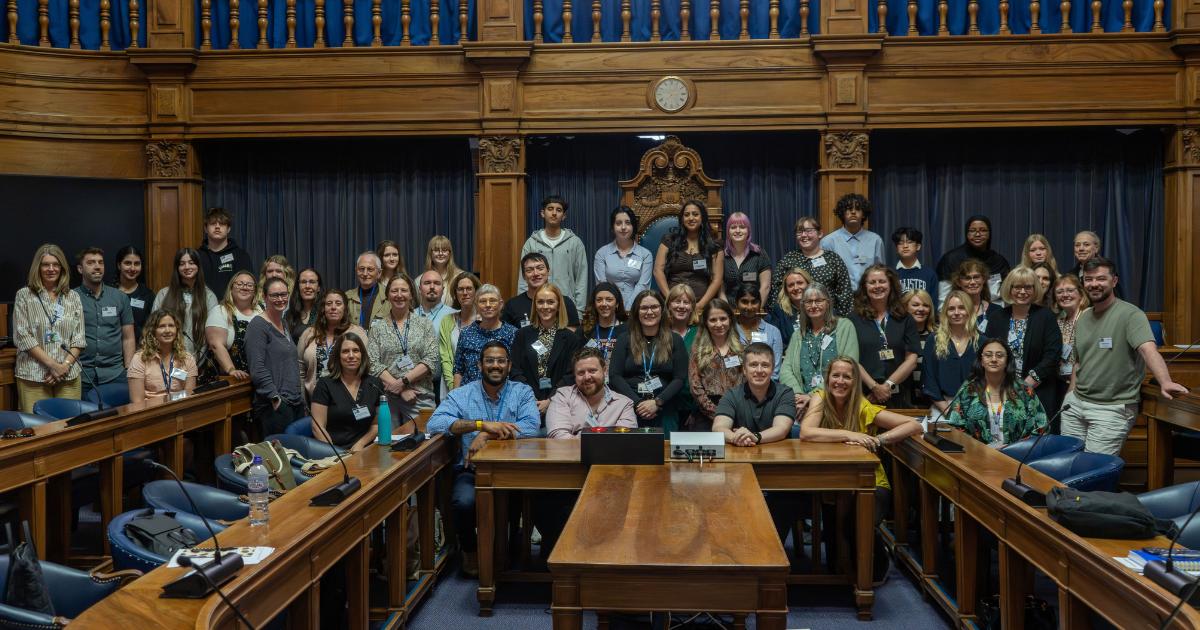
/teams/division-of-health-systems-and-services-(dhs)/202606_ephf-tot_4.jpg?sfvrsn=25859b3b_3 "Essential Public Health Functions workshop") Participants, WHO experts and partners gather for a group photo during the WHO workshop on EPHF. © WHO / Rocel Ann Junio
Participants, WHO experts and partners gather for a group photo during the WHO workshop on EPHF. © WHO / Rocel Ann Junio
Opening the workshop, Dr Kidong Park, Director of Programme Management at WHO Western Pacific, emphasized that strengthening this workforce is central to advancing universal health coverage (UHC), health security and health-related Sustainable Development Goals.
Countries cannot address public health challenges through the health sector alone. Clarifying roles, responsibilities and coordination across sectors before an emergency occurs is what sustains both routine health services and resilient health systems.
How did participants build national implementation plans?
Over three days, participants worked through WHO’s roadmap and operational tools to strengthen national workforce capacity for essential public health functions, covering how to define and contextualize EPHF, strengthen competency-based education, and map and measure the occupations and skills needed to deliver these functions. The tools complement the Regional framework to shape a health workforce for the future of the Western Pacific, which calls on countries to strengthen health workforce policies, human resources for health (HRH) stewardship, and data systems to advance UHC.
Through facilitated group work, country teams from Papua New Guinea and the Philippines shared workforce realities, identified priorities and technical assistance needs, and developed draft national implementation plans by the end of the workshop.
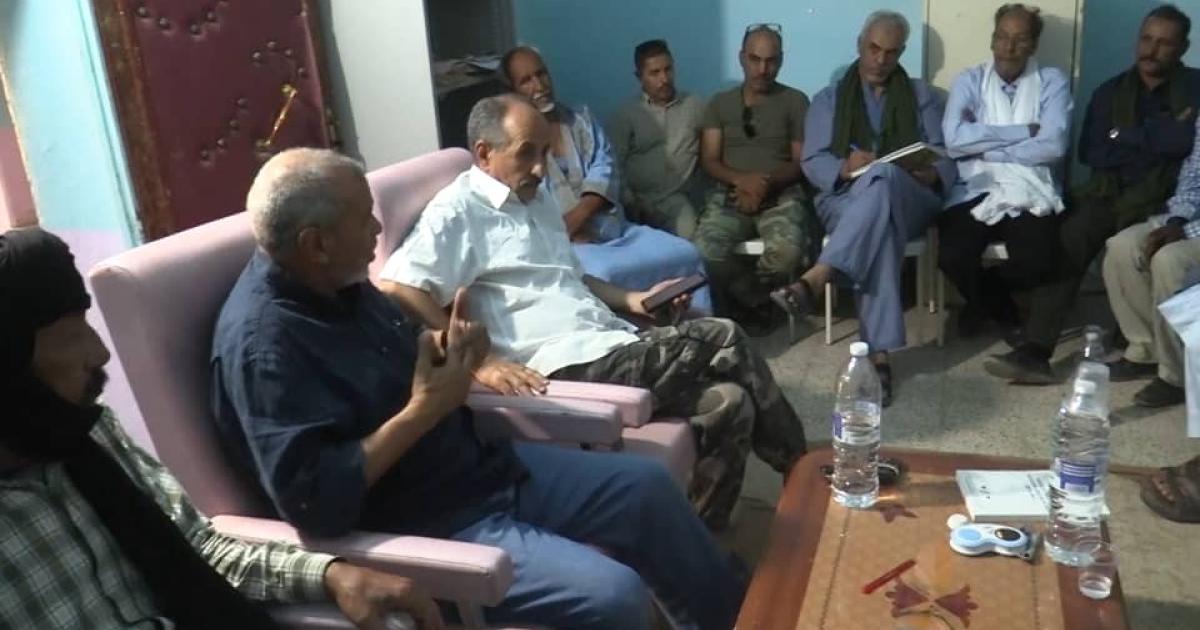
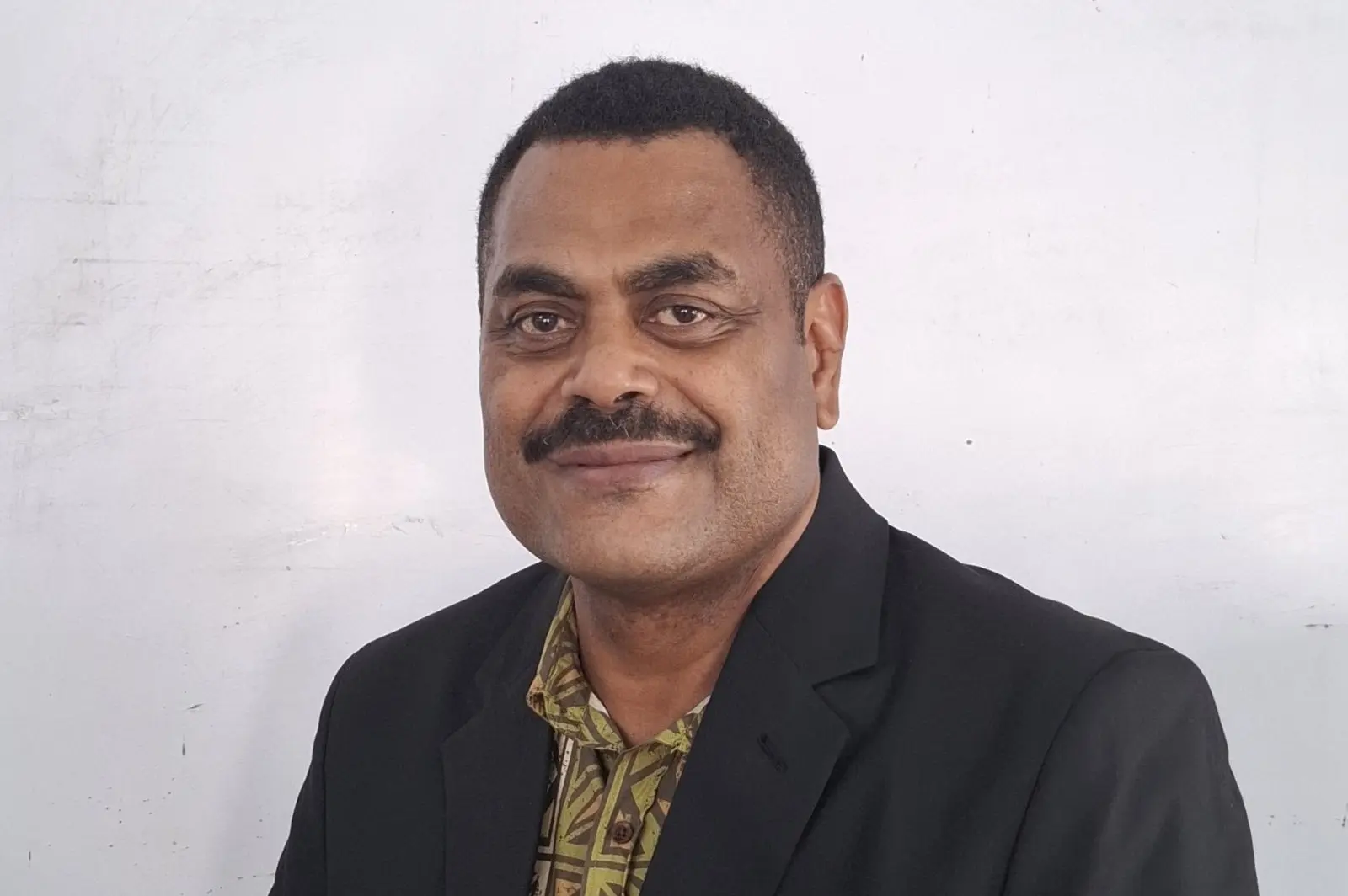
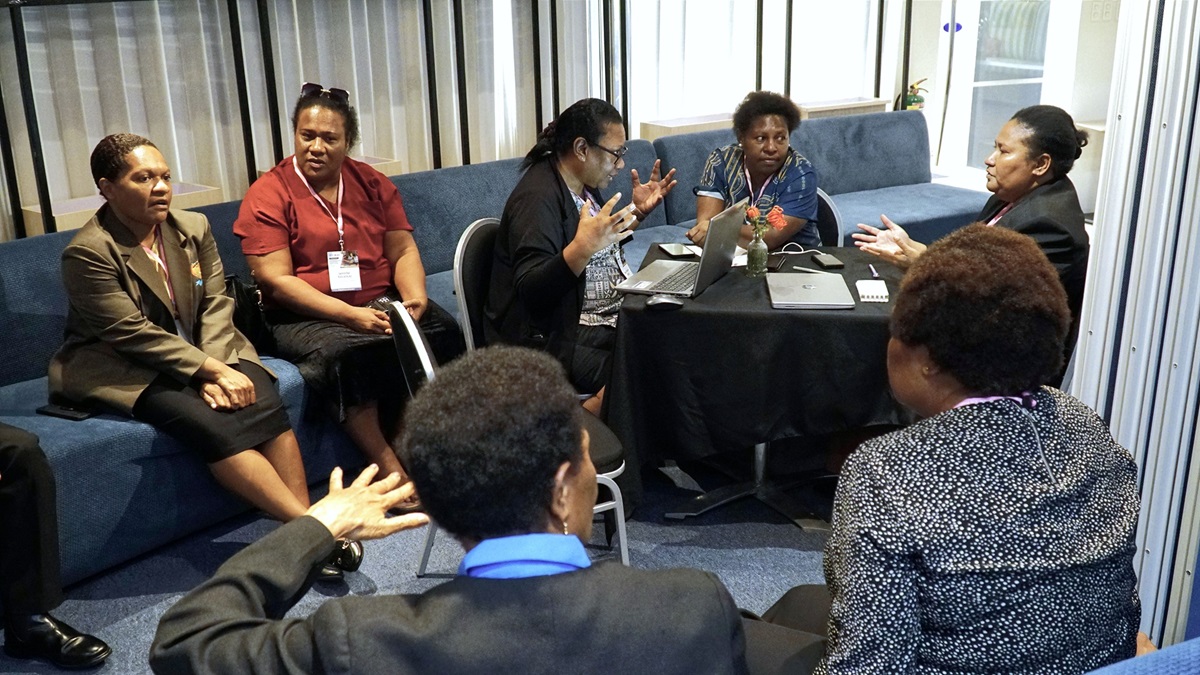
Dixon Dimiri, Manager for Health Workforce Standards at the Papua New Guinea National Department of Health, described what the EPHF approach makes possible. “When disasters or emergencies occur, health workers attend to them, and routine service delivery is disrupted. With EPHF and the mapping exercise, we identify partners who can help us so there is continuity of care.”
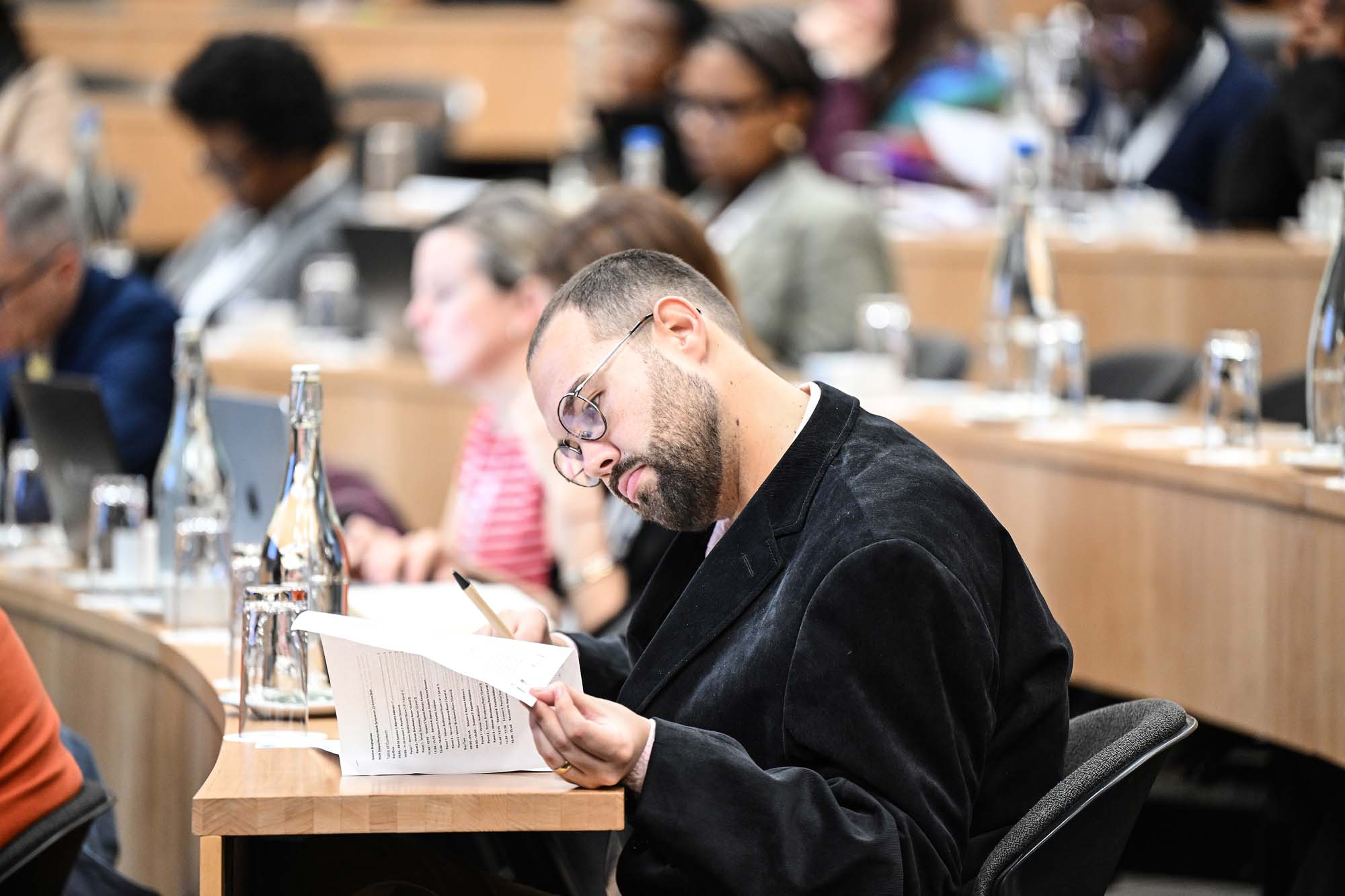
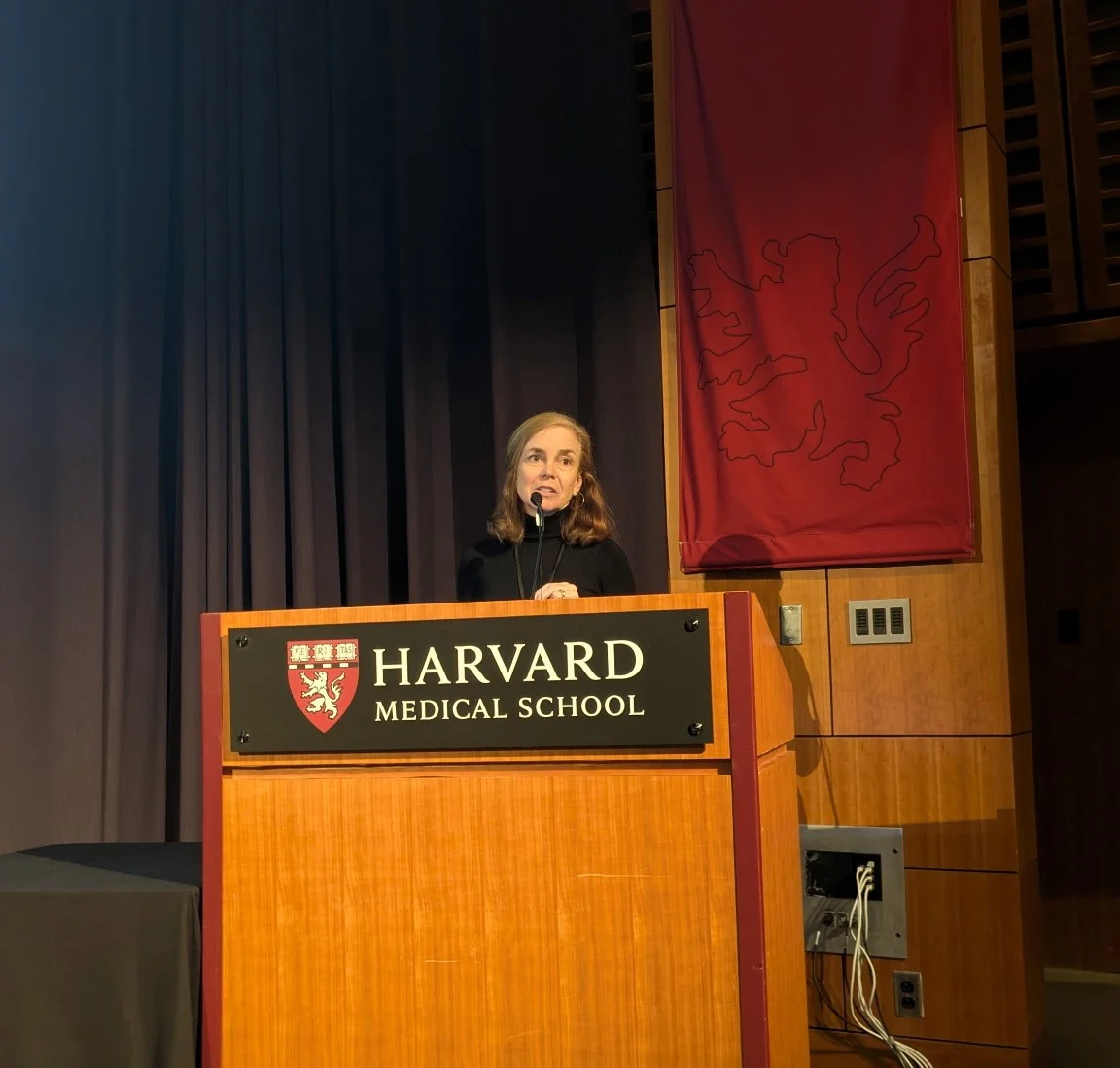
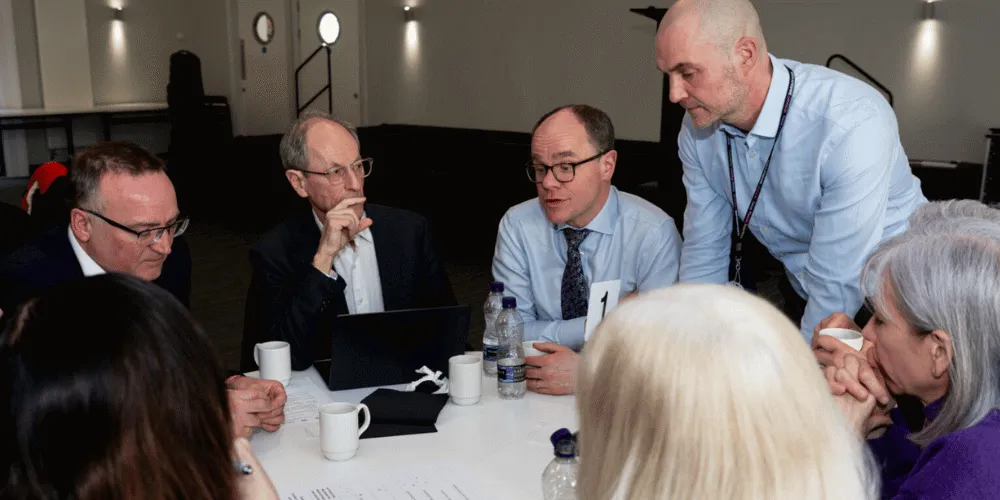
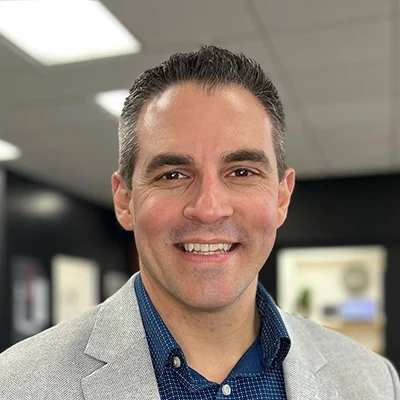
/teams/division-of-health-systems-and-services-(dhs)/202606_ephf-tot_49.jpg?sfvrsn=f874caf9_3 "Essential Public Health Functions workshop") Dixon Dimiri, Manager for Health Workforce Standards at Papua New Guinea’s National Department of Health, participates in group discussions during the WHO workshop on EPHF. © WHO / Rocel Ann Junio
Dixon Dimiri, Manager for Health Workforce Standards at Papua New Guinea’s National Department of Health, participates in group discussions during the WHO workshop on EPHF. © WHO / Rocel Ann Junio
The workshop was designed as a training of trainers. Participants leave equipped not only to apply these tools in their own countries, but to adapt and cascade them further to build national and subnational capacity.
How does South-South cooperation support scale-up across the region?
The workshop was part of a broader WHO initiative supported by the Government of China through the Global Development and South-South Cooperation Fund to strengthen national workforce capacity for essential public health functions in four countries from the WHO South-East Asia and Western Pacific regions.
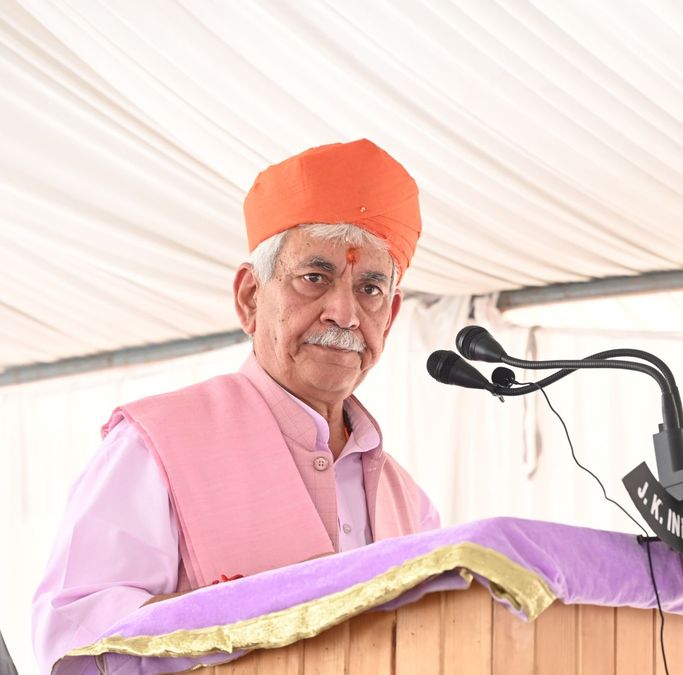
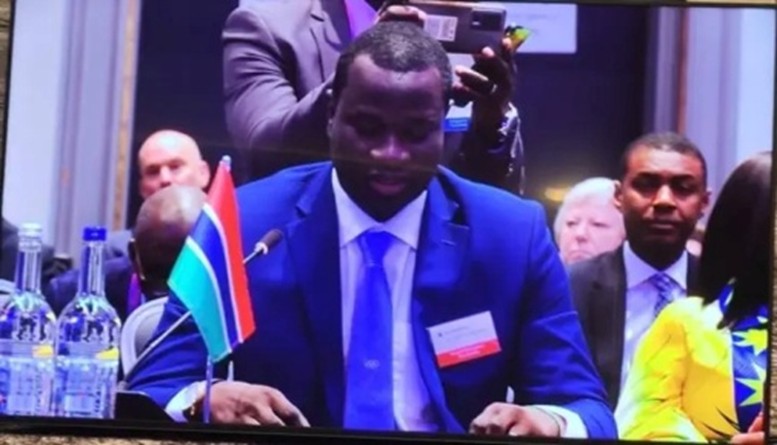
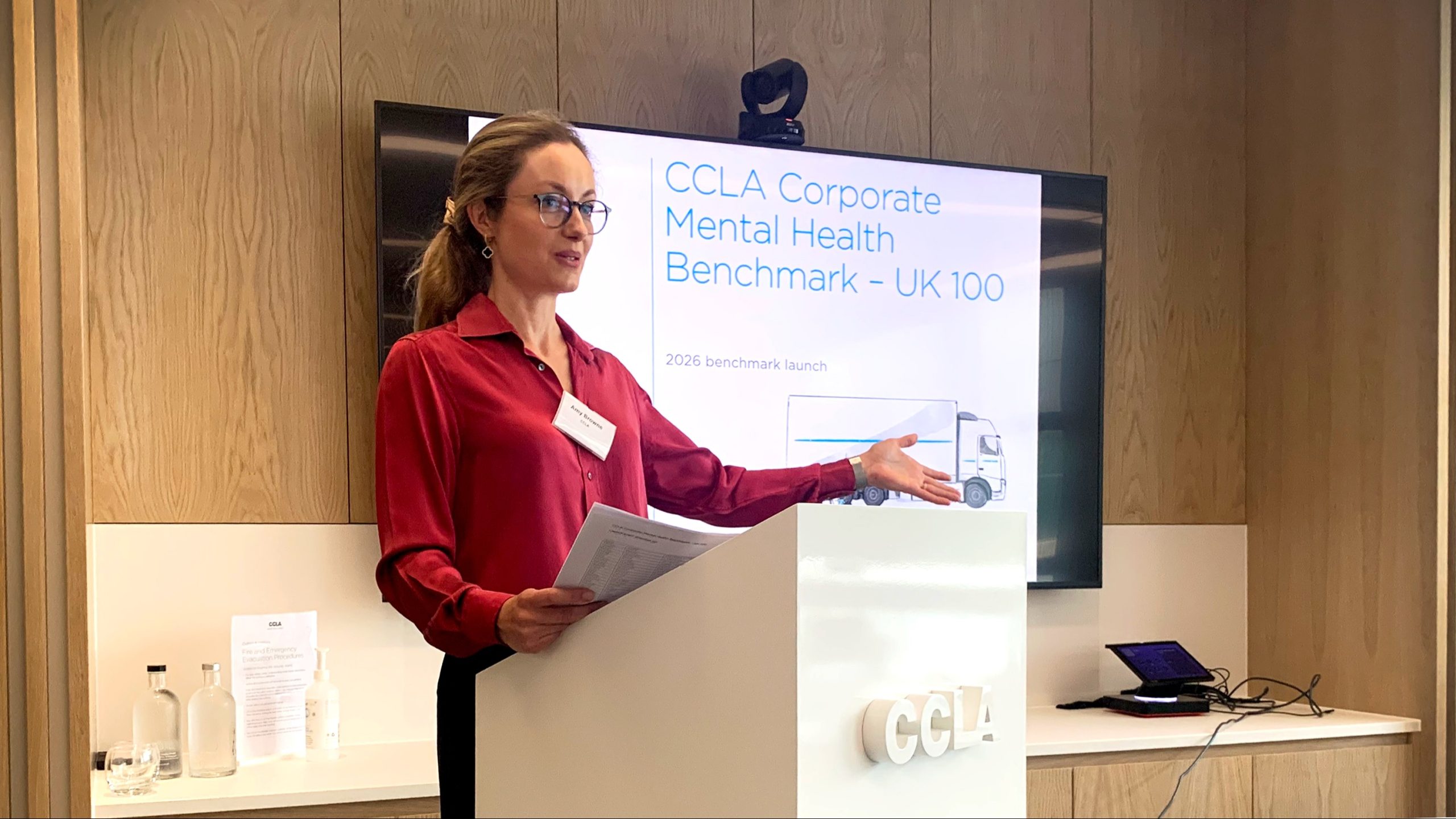
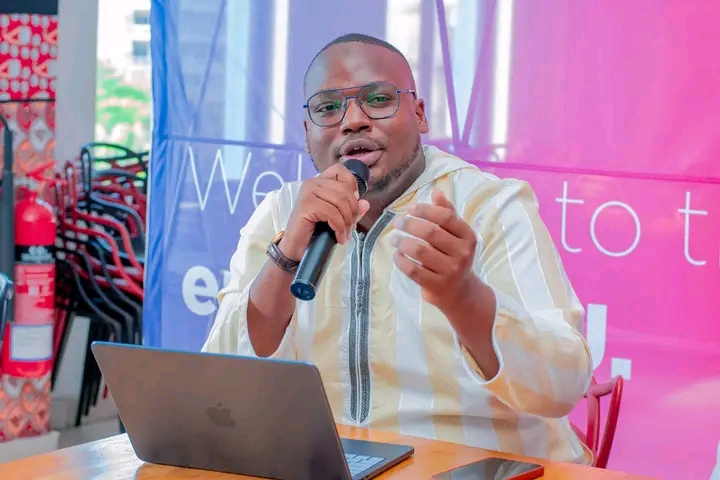
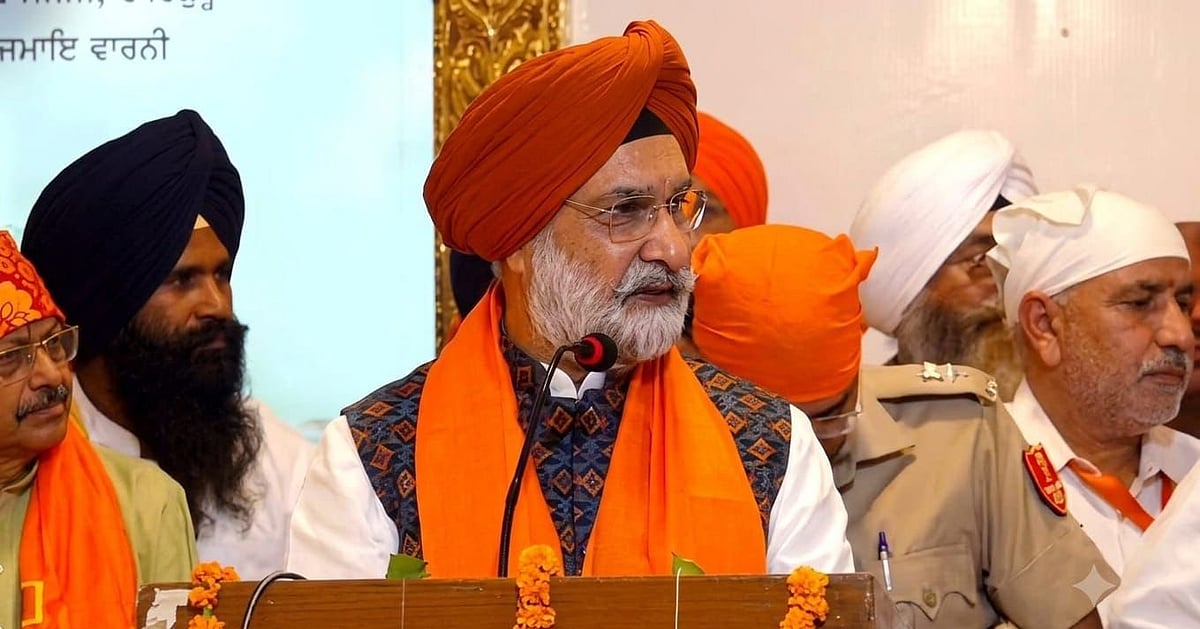
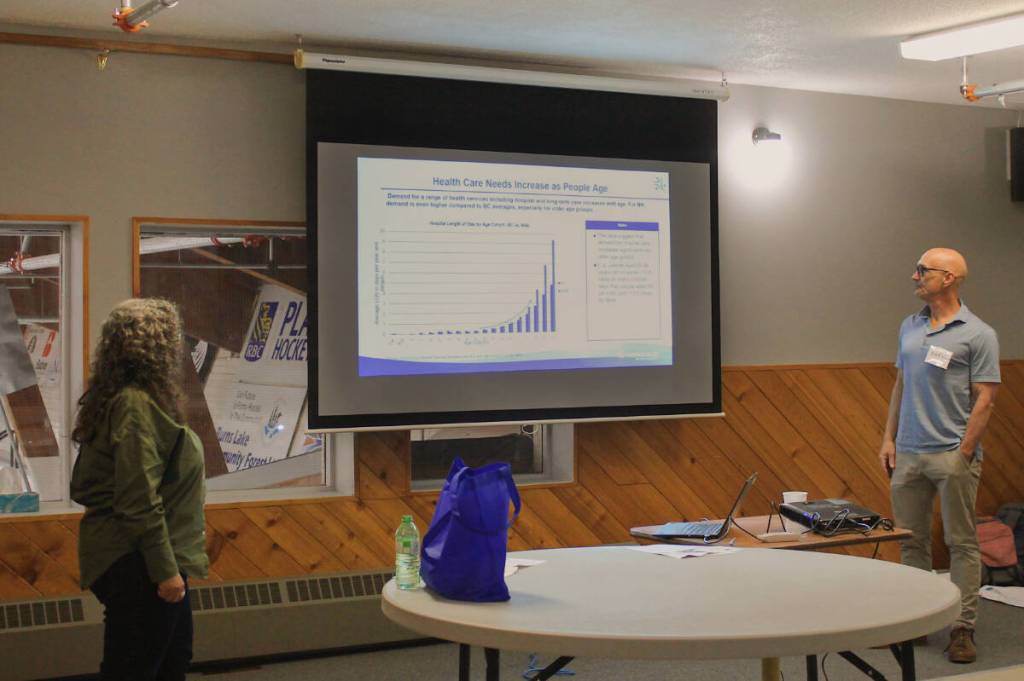
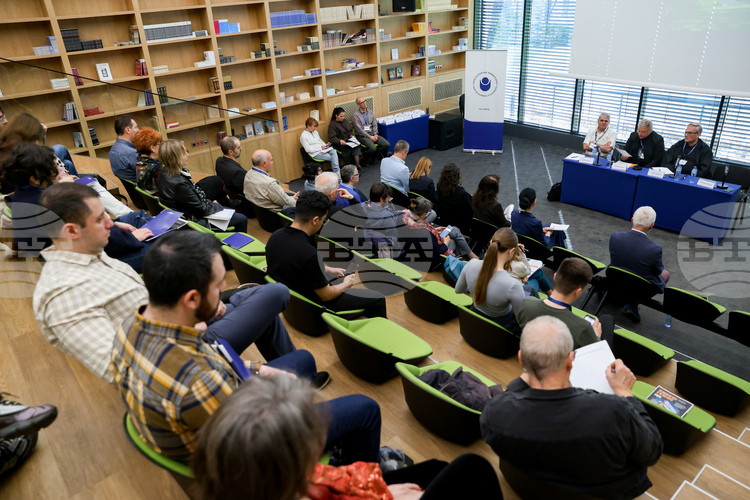
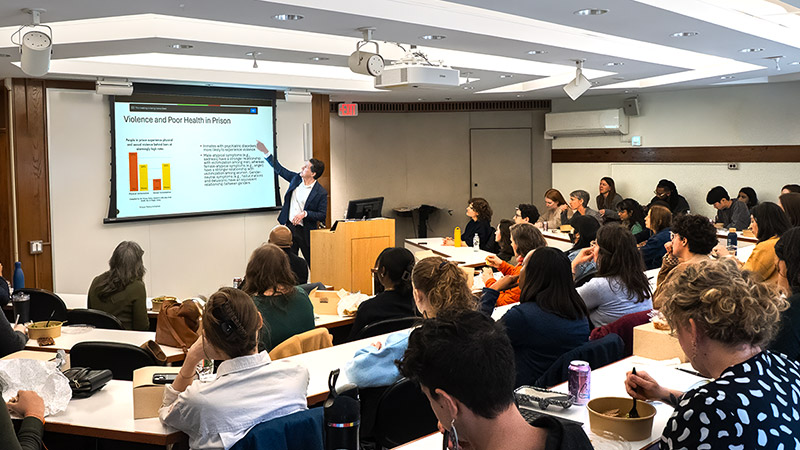
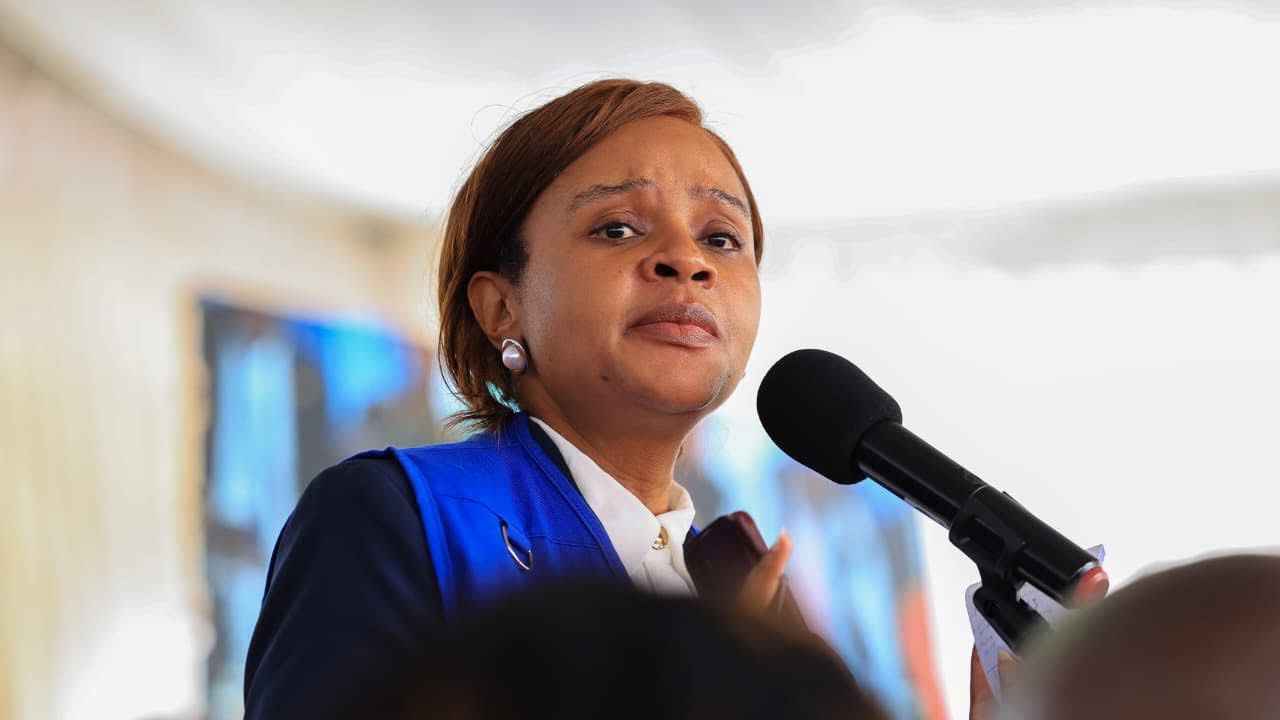
/teams/division-of-health-systems-and-services-(dhs)/202606_ephf-tot_52.jpg?sfvrsn=31fb735_3 "Essential Public Health Functions workshop") Dr Yanchun Zhang, Director of Primary Health, China National Health Development Research Center, shares China’s HRH development practices at the primary health care level and its implication on public health at the WHO workshop on EPHF. © WHO / Ruikan Yang
Dr Yanchun Zhang, Director of Primary Health, China National Health Development Research Center, shares China’s HRH development practices at the primary health care level and its implication on public health at the WHO workshop on EPHF. © WHO / Ruikan Yang
Experts from the Chinese Center for Disease Control and Prevention and the China National Health Development and Research Center contributed to discussions, sharing experience on public health capacity-building and primary health workforce development. China’s Basic Public Health Services programme was offered as an example of how broad public health functions can be translated into a nationally defined, publicly financed service package delivered through primary health care. The key enabling components for these include team-based workforce arrangements, national service standards, financing, data systems and accountability mechanisms.
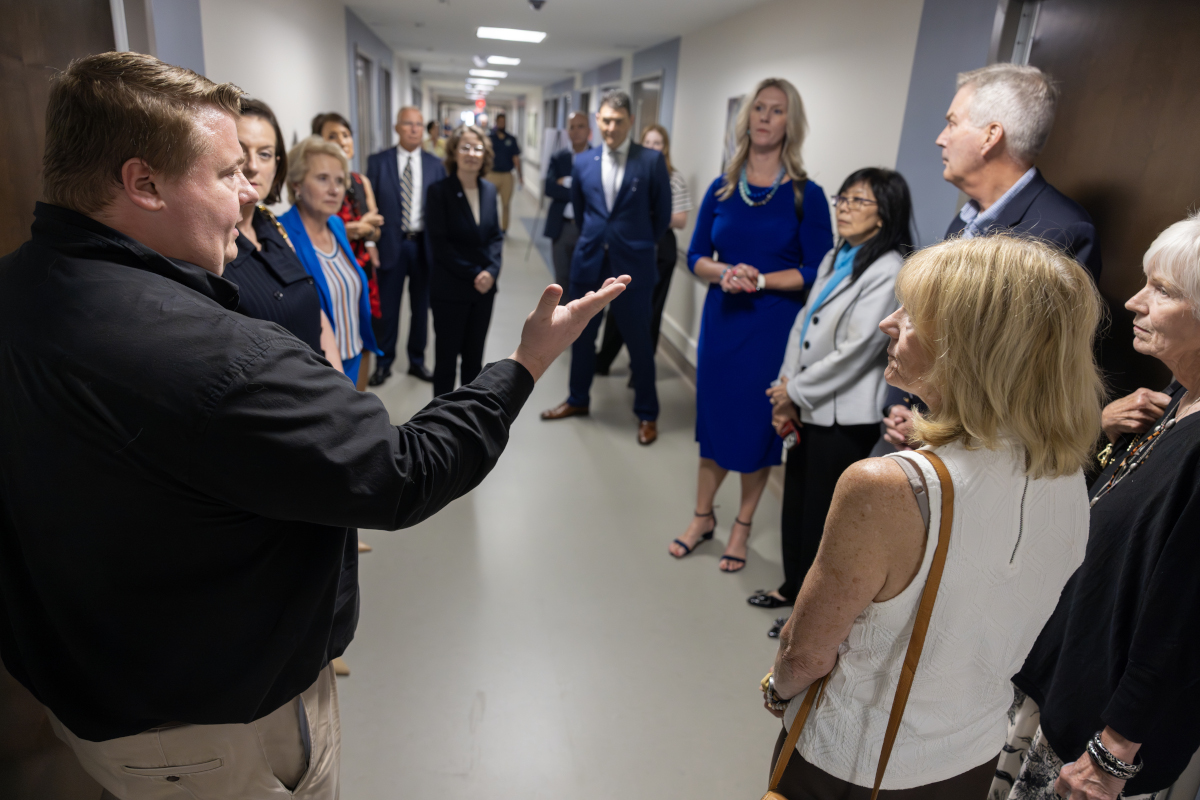
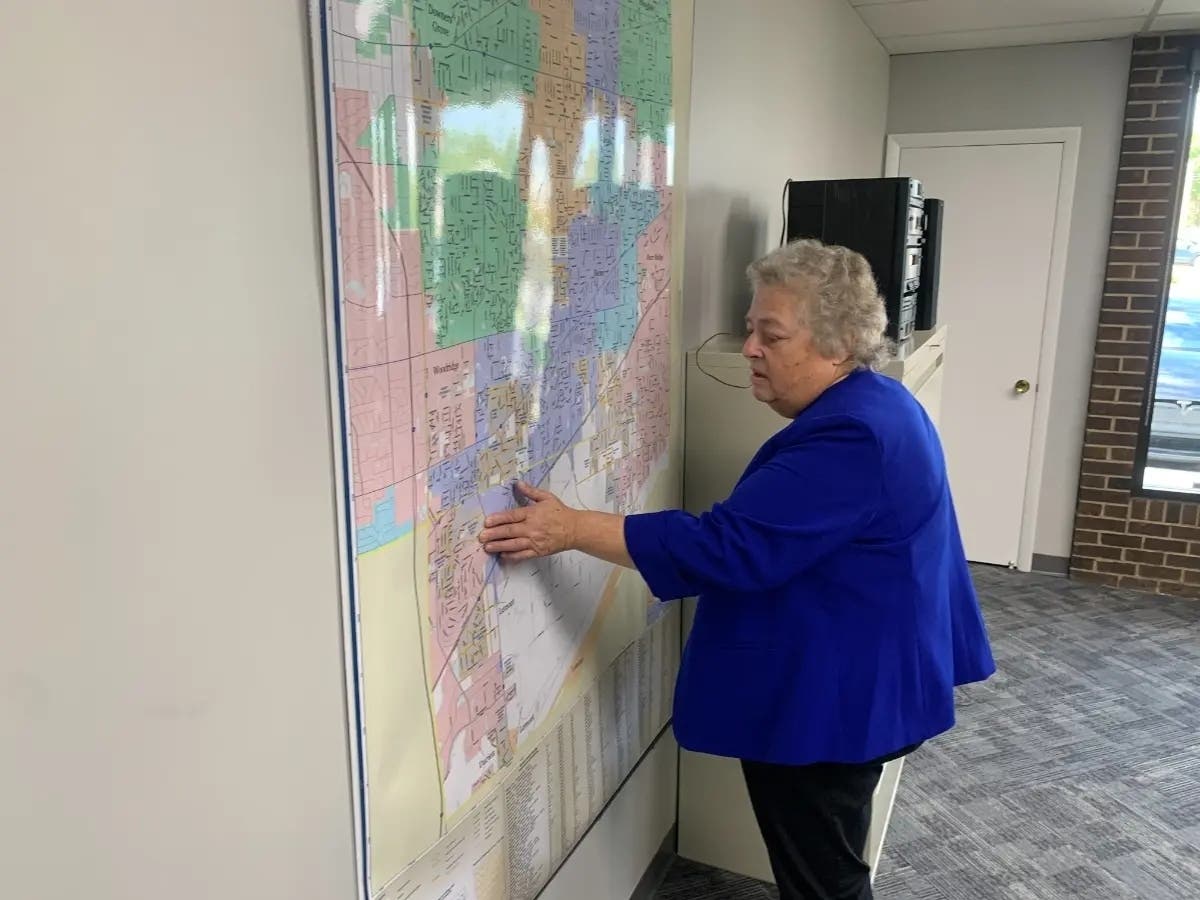
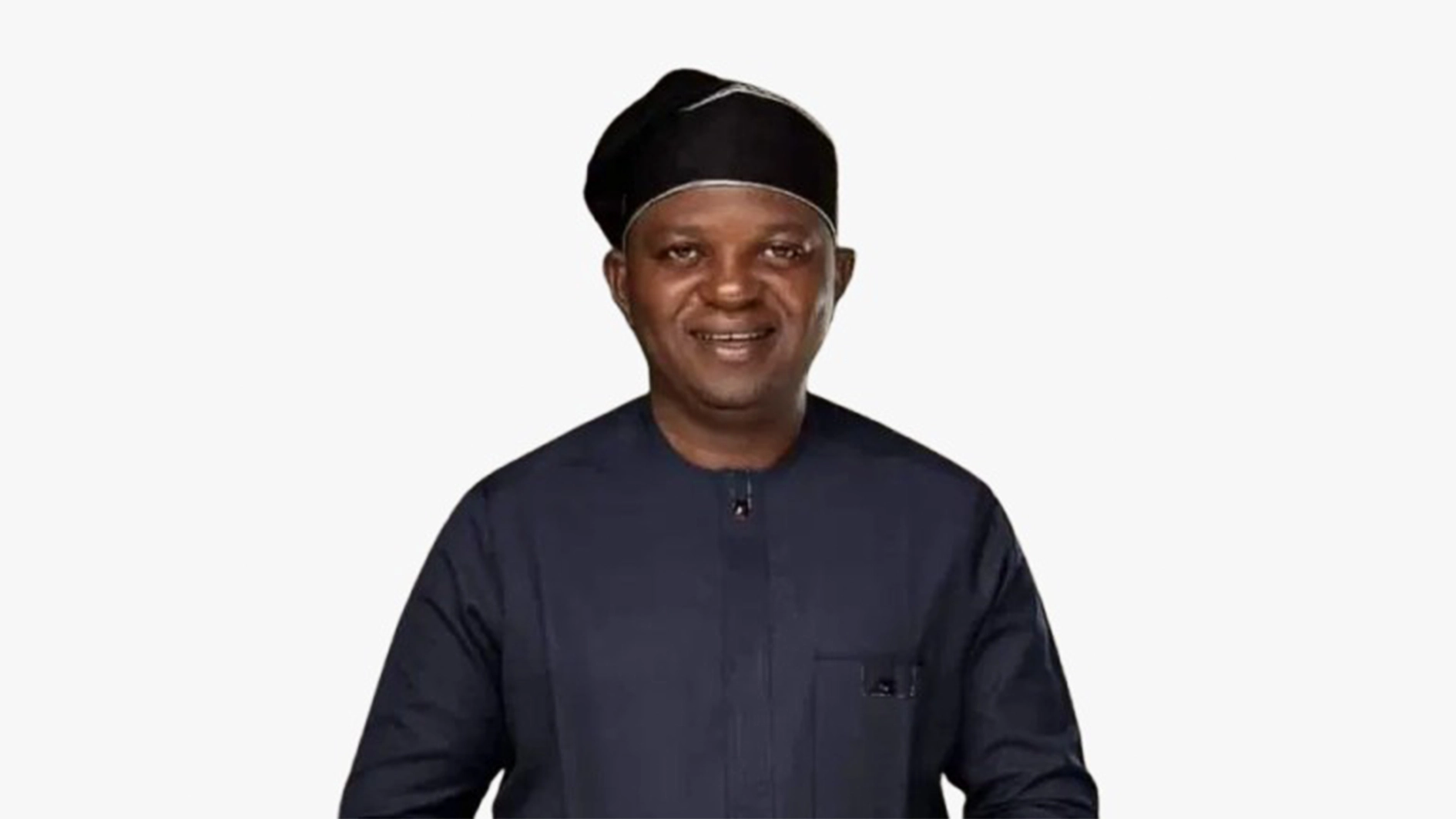
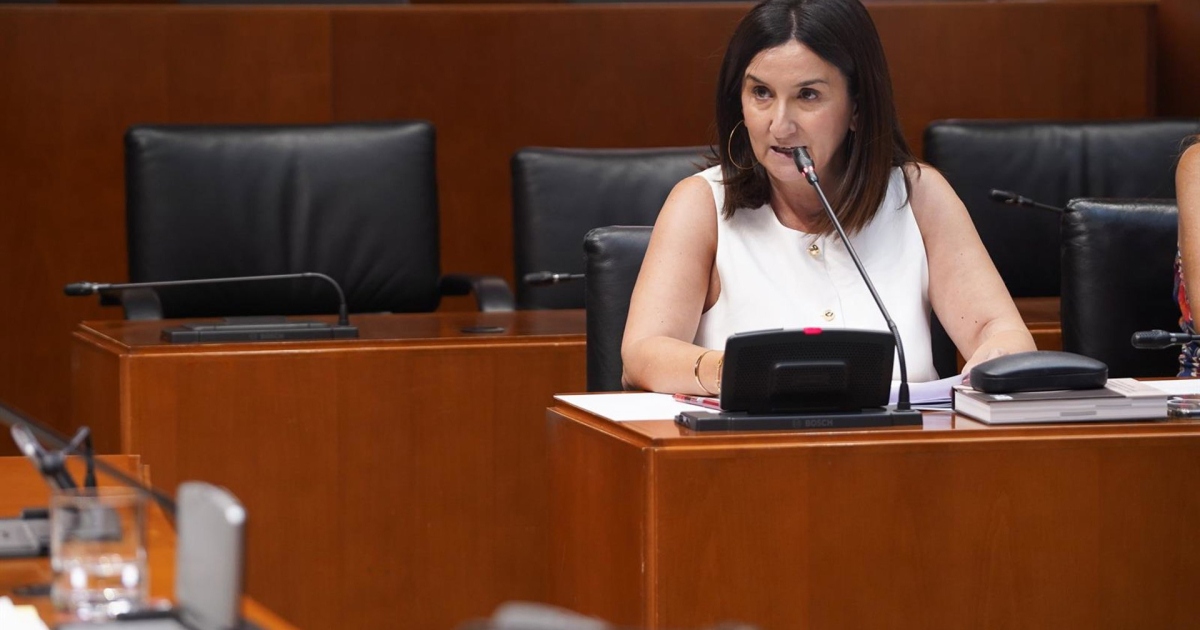
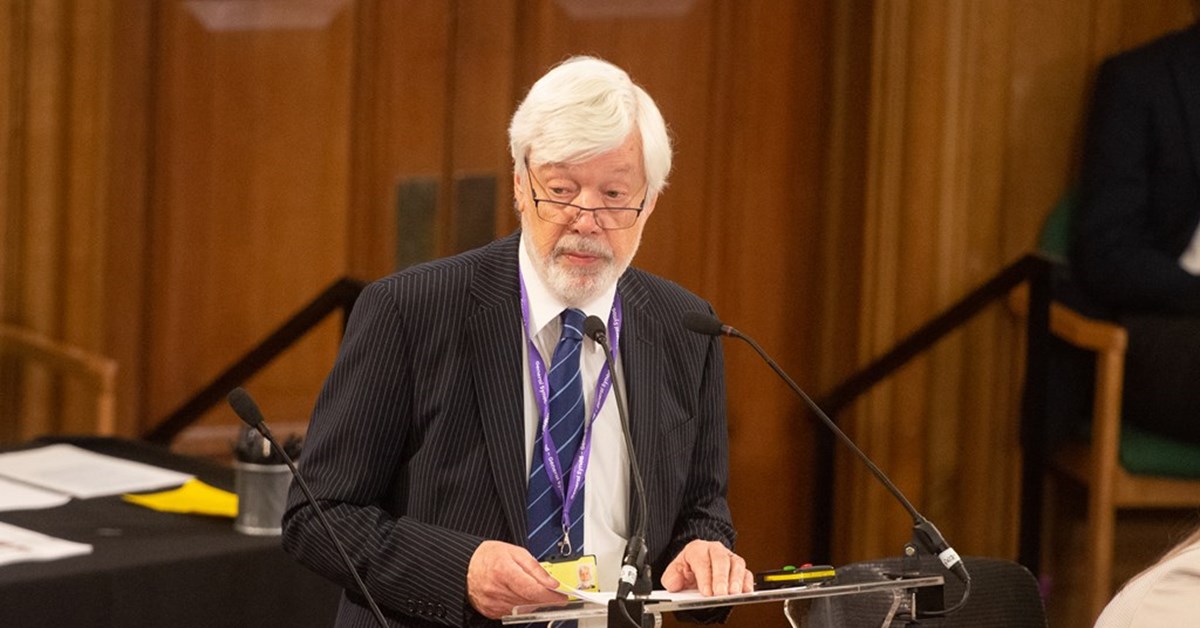
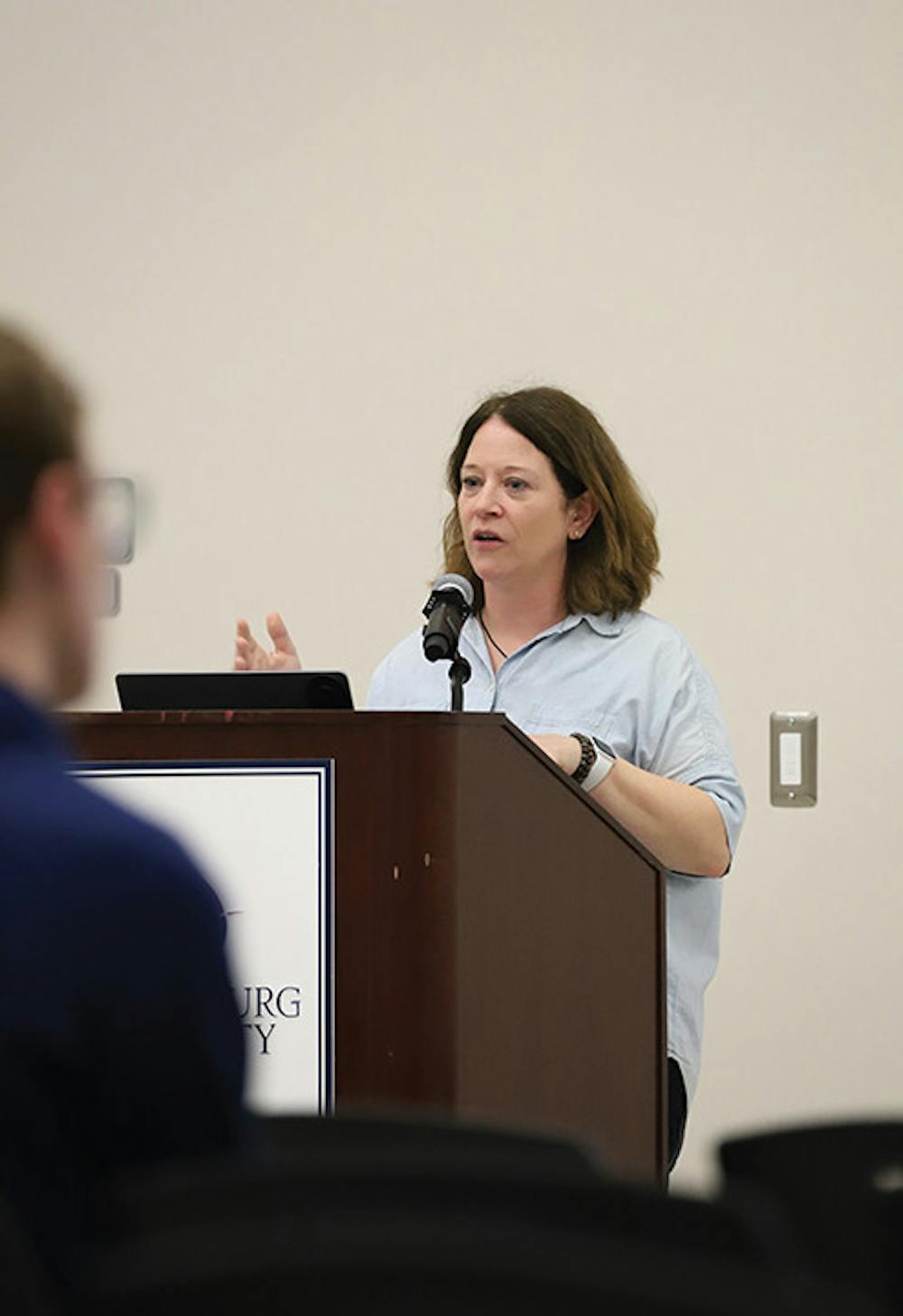
/teams/division-of-health-systems-and-services-(dhs)/202606_ephf-tot_43.jpg?sfvrsn=3708b55d_3 "Essential Public Health Functions workshop") Johanna Solon Banzon, former Director of Health Human Resource Development Bureau at the Philippines’ Department of Health, shared country experience on health workforce capacity during the WHO workshop on EPHF. © WHO / Rocel Ann Junio
Johanna Solon Banzon, former Director of Health Human Resource Development Bureau at the Philippines’ Department of Health, shared country experience on health workforce capacity during the WHO workshop on EPHF. © WHO / Rocel Ann Junio
For the Philippines, the workshop connects to the Philippine–Pacific Health Initiative (PhilPAC), which positions the country as a regional hub for peer learning and scale-up across Pacific Island countries and areas facing shared challenges, including workforce shortages, climate risks, service continuity and geographic isolation.
Experts from the WHO headquarters, Regional Office for the Western Pacific and country offices provided coordinated technical support throughout the workshop, reflecting the shared commitment to translating global guidance into practical, country-led action for stronger health systems across the Western Pacific.