Newswise — DETROIT – The National Institute of Environmental Health Sciences of the National Institutes of Health has awarded a $2.15 million R01 research grant to Dr. Jayanth Ramadoss of the Wayne State University School of Medicine to investigate how maternal electronic cigarette exposure during pregnancy affects fetal brain development and to identify potential strategies to prevent or mitigate these effects.
The five-year project, “Novel Approaches for Gestational E-Cigarette Vaping-Induced Neuronal Adaptations,” addresses a growing public health concern as e-cigarette use continues to rise among reproductive-age women. Although often perceived as a safer alternative to traditional combustible cigarettes, the effects of e-cigarette vaping during pregnancy on the developing fetus remain poorly understood.
“This award recognizes the importance of understanding how emerging environmental exposures affect the developing brain,” said Ramadoss, professor of obstetrics and gynecology and of physiology. “As e-cigarette use becomes increasingly prevalent, particularly among younger populations, it is critical that we determine the long-term consequences of prenatal exposure and identify strategies that can protect maternal and fetal health.”
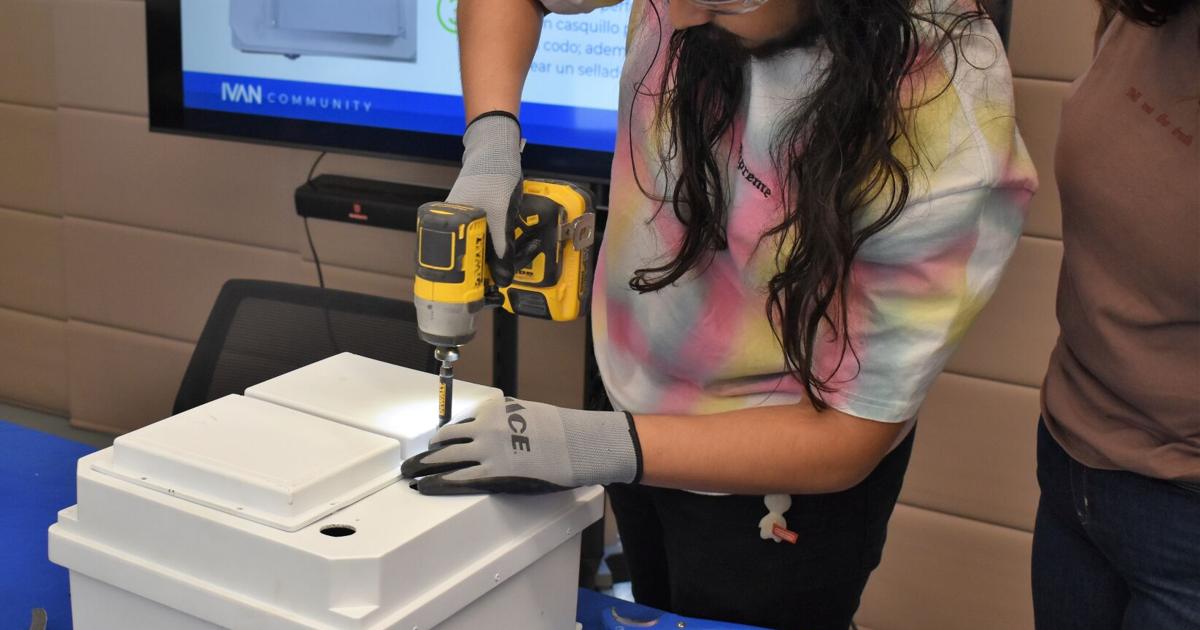
The research team will utilize a state-of-the-art custom-engineered vaping system that incorporates commercially available e-cigarette devices and atomizers commonly sold in vape shops. This innovative platform will allow investigators to closely model real-world vaping exposures and examine their effects on fetal neurodevelopment.
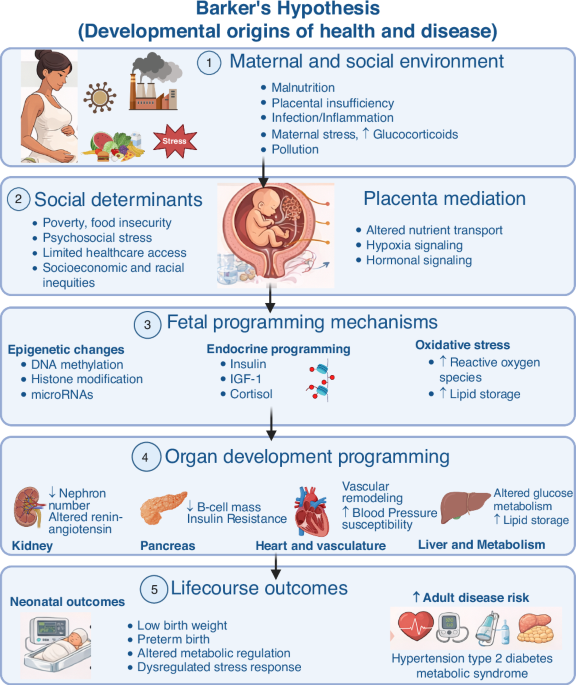
The study will focus on understanding the mechanisms by which gestational e-cigarette exposure alters brain development, including changes in neuronal structure, function and developmental programming. By identifying the biological pathways affected by vaping during pregnancy, the project aims to establish a strong mechanistic framework for understanding e-cigarette-induced neurodevelopmental adaptations.
The findings are expected to provide critical insights into the health risks associated with prenatal e-cigarette exposure and help guide the development of evidence-based interventions and treatment strategies. The research directly addresses several priority areas outlined in the NIH/NIEHS Strategic Plan 2025-29, including environmental influences on human health and the developmental origins of disease.
“This prestigious NIH R01 award reflects Dr. Ramadoss’s leadership in the field of developmental physiology and environmental health,” said Dr. Gil Mor scientific director of the C.S. Mott Center for Human Growth and Development, where Ramadoss has a joint appointment. “The outcomes of this work have the potential to significantly advance our understanding of how prenatal environmental exposures shape lifelong neurological health and may ultimately inform public health policies and clinical recommendations for pregnant individuals.”
The award further strengthens Wayne State University’s commitment to advancing innovative research that addresses critical challenges in maternal, fetal, and child health.“This NIH award is an excellent example of the importance of research to discover the potential impact that an environmental exposure may have on fetal development,” said Dr. Ezemenari Obasi, vice president for Research & Innovation at Wayne State. “I look forward to Dr. Ramadoss’s future findings from his research that may identify strategies to protect fetal health.”
Ramadoss’s research focuses on developmental physiology, fetal programming, and the effects of environmental exposures on maternal and fetal health. His work seeks to understand how prenatal factors influence lifelong health outcomes and to develop strategies that improve maternal and child well-being.
Research cited in this release was supported by the National Institute of Environmental Health Sciences of the National Institutes of Health under award number R01ES037921. The content of this release is solely the responsibility of the authors and does not necessarily represent the official views of the National Institutes of Health.
# # #
Wayne State University is one of the nation’s pre-eminent public research universities in an urban setting. Through its multidisciplinary approach to research and education, and its ongoing collaboration with government, industry and other institutions, the university seeks to enhance economic growth and improve the quality of life in the city of Detroit, state of Michigan and throughout the world. For more information about research at Wayne State University, visit research.wayne.edu.