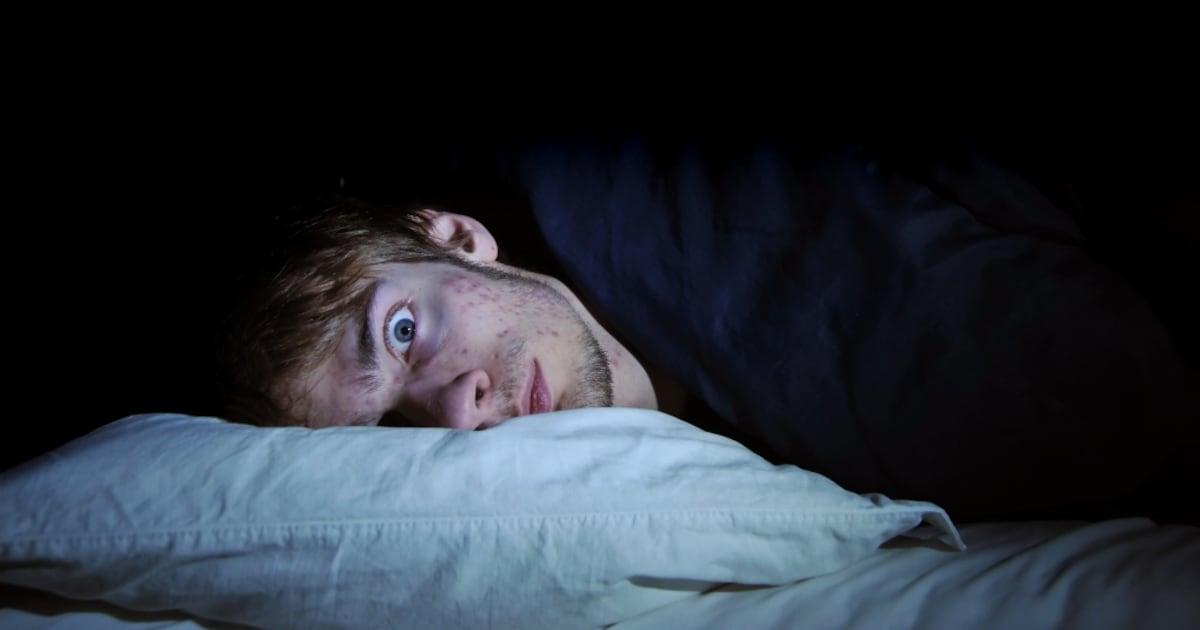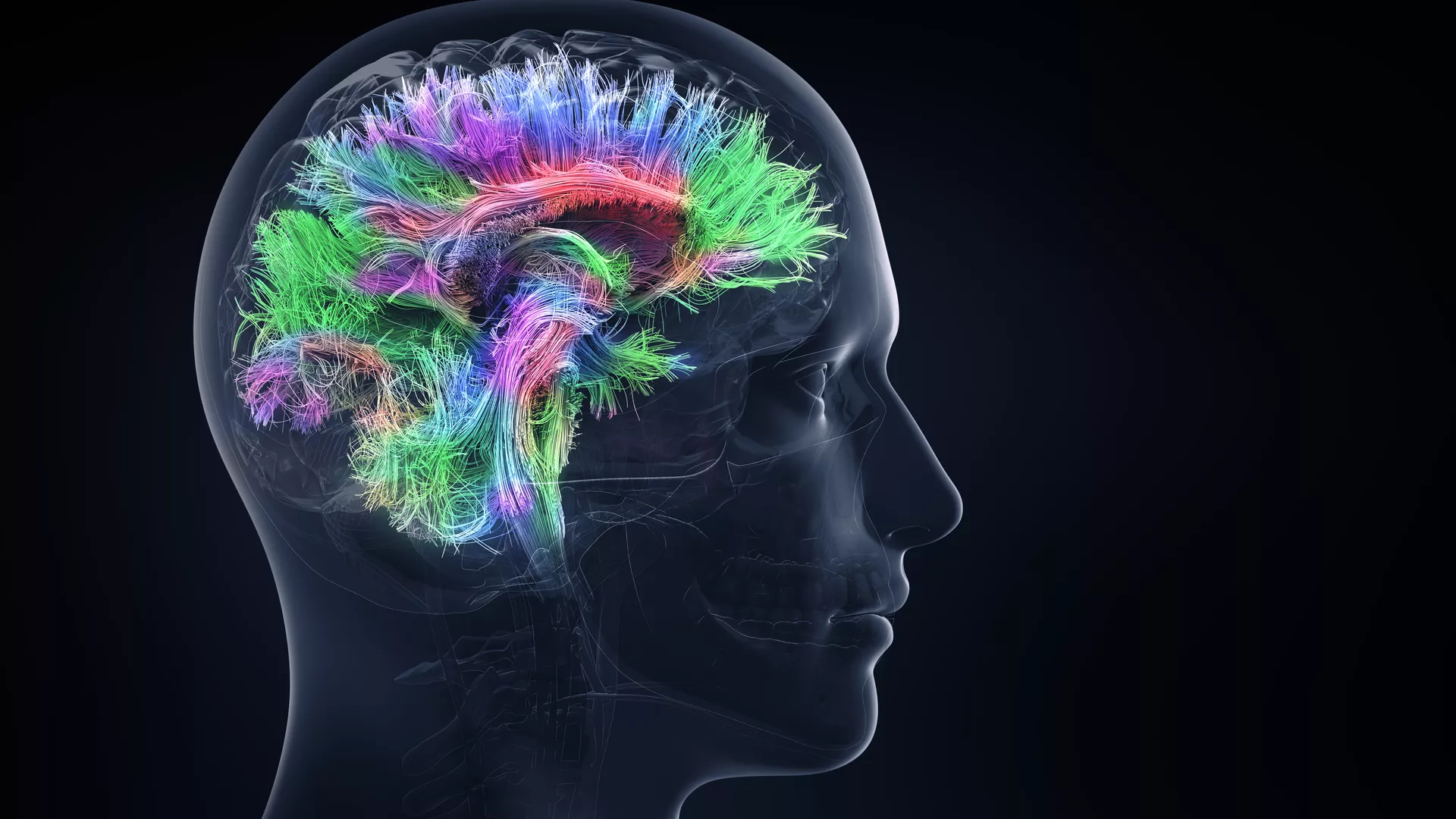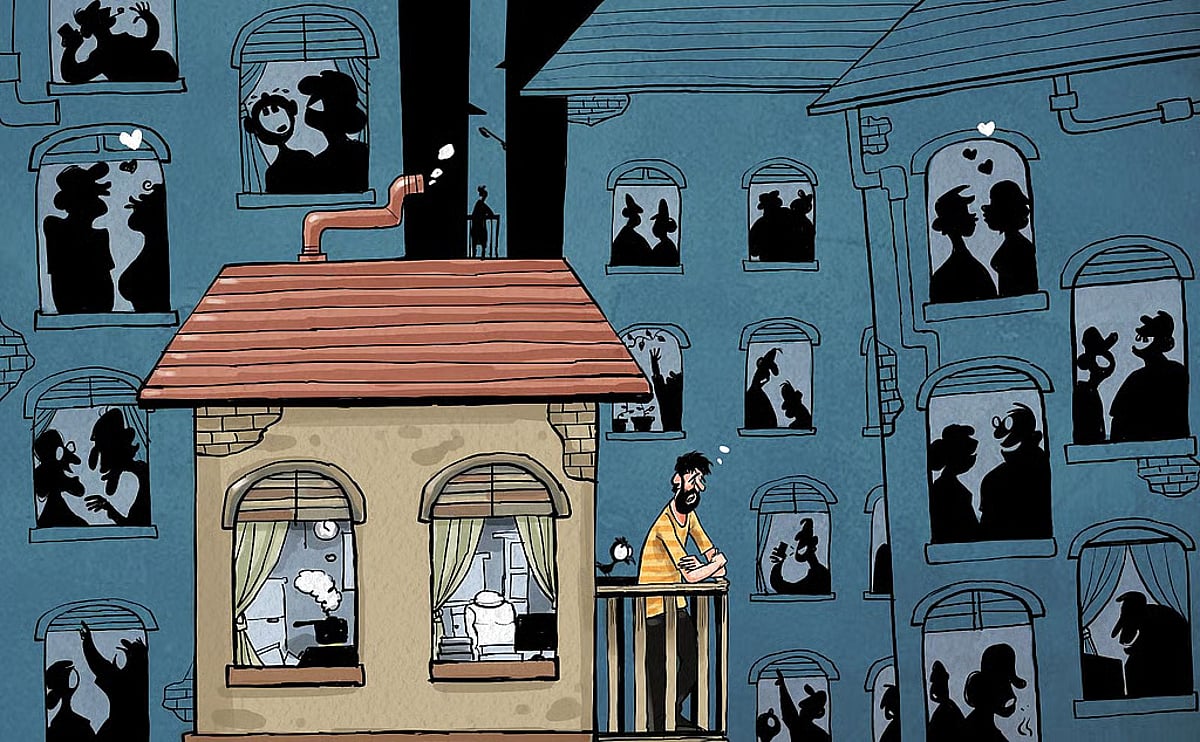
People who feel lonely are more likely to succumb to poor mental health, and a large new study suggests the feeling of loneliness itself is part of the cause rather than just a bystander.
Researchers paired genetic data with health records from hundreds of thousands of people.

By doing so, they separated the experience of loneliness from the circumstances that usually surround it, and its pull on mental health held firm.
Loneliness has long been tied to worse health, yet earlier studies could rarely show whether it was a cause or merely a companion.
This work suggests the feeling can drag the mind down on its own, and that how connected people feel counts for more than how many people they actually see.
Cause and effect
Loneliness and poor health tend to coincide. People who feel lonely report more depression and anxiety. Some studies have linked loneliness to heart trouble and even earlier death.
The biggest challenge has always been figuring out which comes first. Poor mental health can keep people at home and socially disconnected, creating loneliness rather than resulting from it.
Low income, disability, and a hard childhood can feed both at once, producing a link that looks causal but is not. Sorting cause from coincidence is hard.
Dr. Zoe Reed at the University of Bristol worked with her colleagues on a strategy called triangulation.
This approach tackles the same question using three methods with different strengths and weaknesses. When all three point to the same conclusion, researchers can be more confident the finding is real.
Analyzing lifestyle and genetics
One method compared people who were lonely with those who were less lonely, while adjusting for factors such as income, education, and other differences.
A second compared brothers and sisters from the same family, stripping out the shared background, the same parents, and the same childhood home that ordinary comparisons overlook.
The third methods leaned on genetics. Mendelian randomization uses the genetic variants people inherit at conception as a kind of natural experiment.
Because those variants are fixed for life and dealt out at random between siblings, no illness or hardship can nudge them.
A link between loneliness-linked genes and later health is difficult to dismiss as coincidence.
Most of the evidence came from the UK Biobank, which has tracked the health of about 500,000 middle-aged and older adults in Britain since the late 2000s.
The genetic analysis relied on separate studies involving up to two million people.
Insights in the data
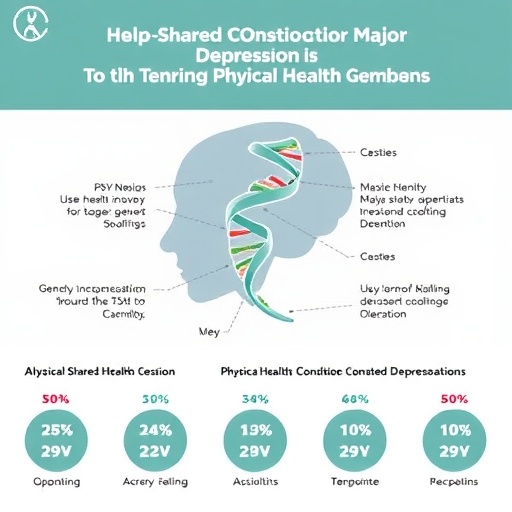
Across all three methods, the results lined up most clearly for the mind. People who felt lonely showed consistently higher rates of depression and anxiety.
They also had a greater chance of self-harm, lower scores for happiness and life satisfaction, and lack of a sense of meaning in life.
Social isolation is the objective side, measured by household size and how often someone sees friends or family.
This left a fainter mark, touching wellbeing but little of the rest. Loneliness, the felt experience, did far more damage across the board.
When the researchers set the two against each other, loneliness carried the effect on its own while isolation’s small tie to happiness faded once loneliness was accounted for.
Feeling alone matters the most
Feeling lonely mattered more than being socially isolated. A 2024 analysis reached a similar conclusion, using genetic evidence to show that the link between loneliness and mental health is more complex than simple correlations suggest.
Loneliness also affected general health. Lonely people were more likely to live with multimorbidity, having two or more long-term conditions at once.
They also lost more quality-adjusted life years, a measure that blends how long someone lives with how well they live.
The effect on mental health was large, comparable to figures from earlier surveys, but here it held up under methods designed to expose false leads.
“Our findings suggest that loneliness, and possibly social isolation, are still important public health concerns, especially for mental health and general health,” said Reed.
A physical health puzzle
Earlier research had connected loneliness and social isolation to heart disease, stroke, high blood pressure and type 2 diabetes, sometimes with striking numbers.
One line of work put the extra risk of heart problems from social isolation at around 1.5 times. Under the stricter tests, most of those links dissolved.
That is not the same as saying loneliness leaves the body untouched. The genetic analyses were often too imprecise to settle the question.
Their margins of uncertainty were too wide, so the team framed the physical health results as an absence of evidence rather than evidence of absence.
Physicality is less clear
One explanation is that the earlier physical links came from the very background factors that the new methods strip away.
These include poverty, existing illness, and hard early lives, factors that may contribute to poor health independently of loneliness.
Another is that loneliness does wear on the body through many small effects, spread across conditions this study was not designed to catch.
Study limitations and future research
Cause and effect appear to run both ways. The same analyses suggested that poorer mental health and lower wellbeing can also increase feelings of loneliness.
This hints at a loop in which each side feeds the other and grows harder to break.
The study has some limitations. It relied on a single yes-or-no question about loneliness, asked only once, and focused mainly on middle-aged and older adults.
Whether the same patterns hold for teenagers, young adults, or people who experience chronic loneliness remains unclear. Those questions are likely to be the focus of future research.
Loneliness as a public health priority
What the work adds is a firmer reason to treat loneliness as a cause of poor mental health rather than a mere symptom.
The more useful target, the results imply, is the feeling of being alone itself – not simply the number of people someone sees.
For the researchers, that strengthens the case for building loneliness into public health planning alongside more familiar risks.
“This research underlines that loneliness is likely to have a detrimental impact on our mental health and wellbeing,” said Lauren Bowes Byatt, director of the healthy life mission at Nesta.
The study is published in the journal Nature Communications.
—–
Like what you read? Subscribe to our newsletter for engaging articles, exclusive content, and the latest updates.
Check us out on EarthSnap, a free app brought to you by Eric Ralls and Earth.com.
—–