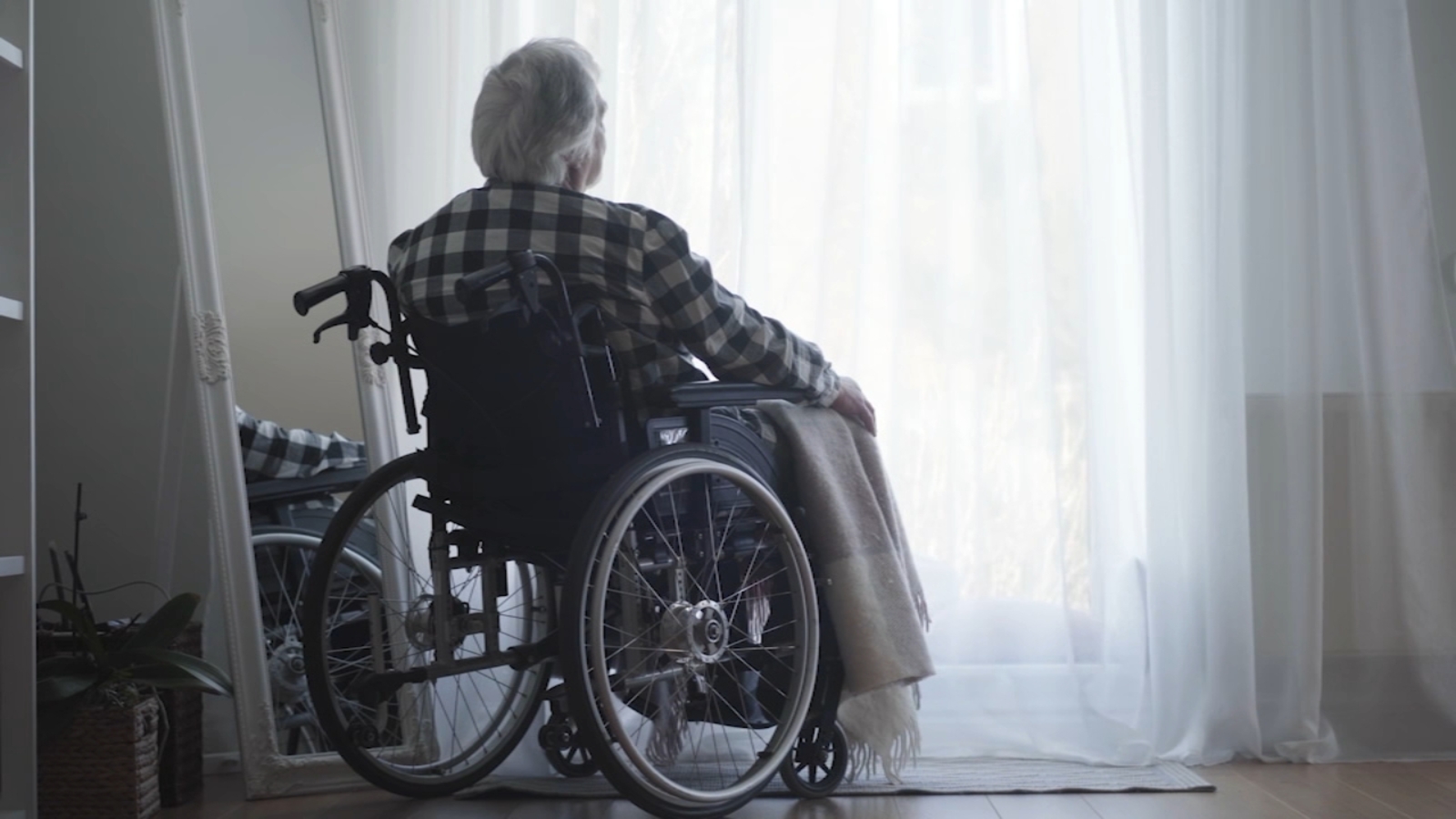
Health chiefs say ‘significant change’ is needed to fix the social care system which hasn’t adapted to the rising demand.
Lincolnshire County Council has supported a Local Government Association (LGA) a report into the issues facing the social care sector – and say local authorities need more powers to be able to offer early intervention to help people live independent and healthier lives.
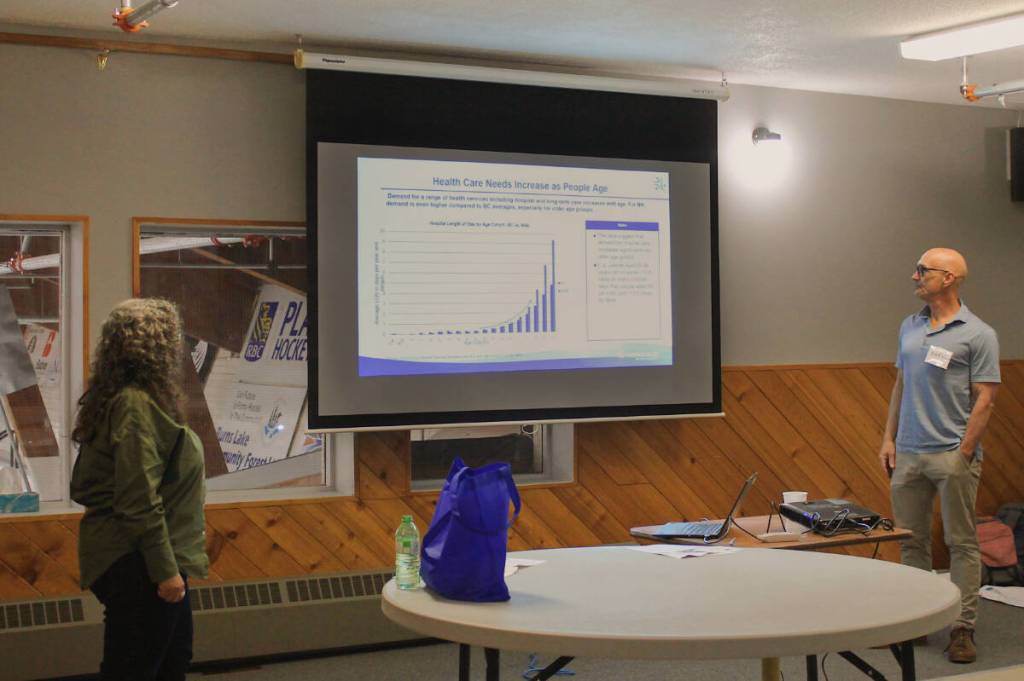
The LGA report says that the social care system has not kept up with the rising number of people requiring support and is calling on the Government to provide more funding for councils.


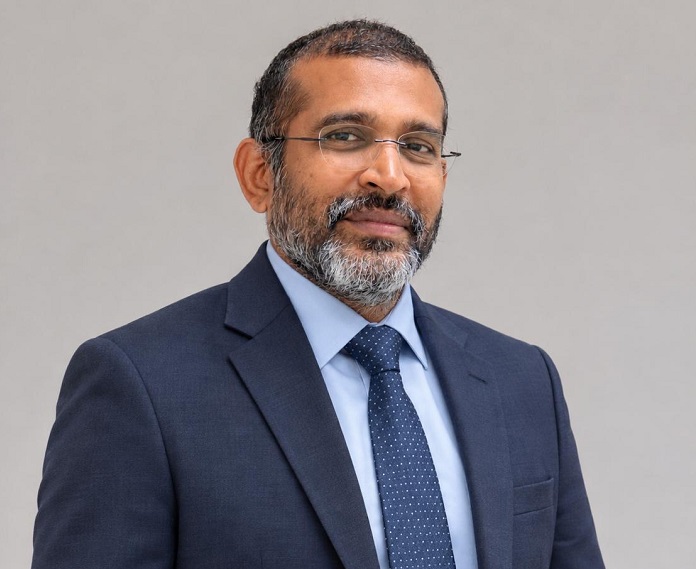
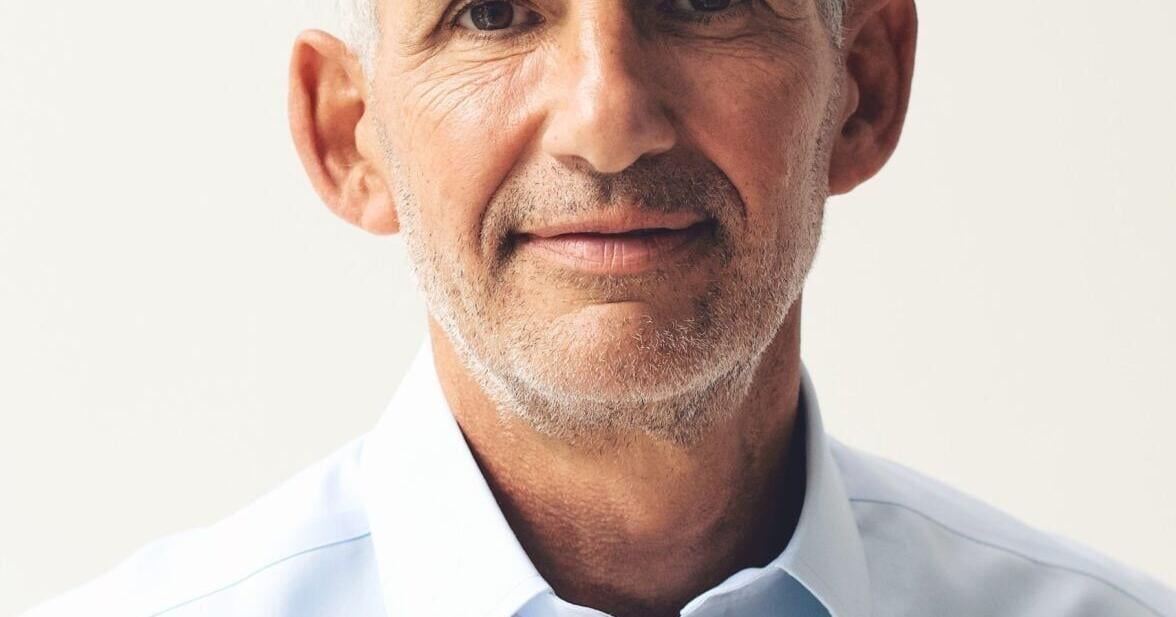
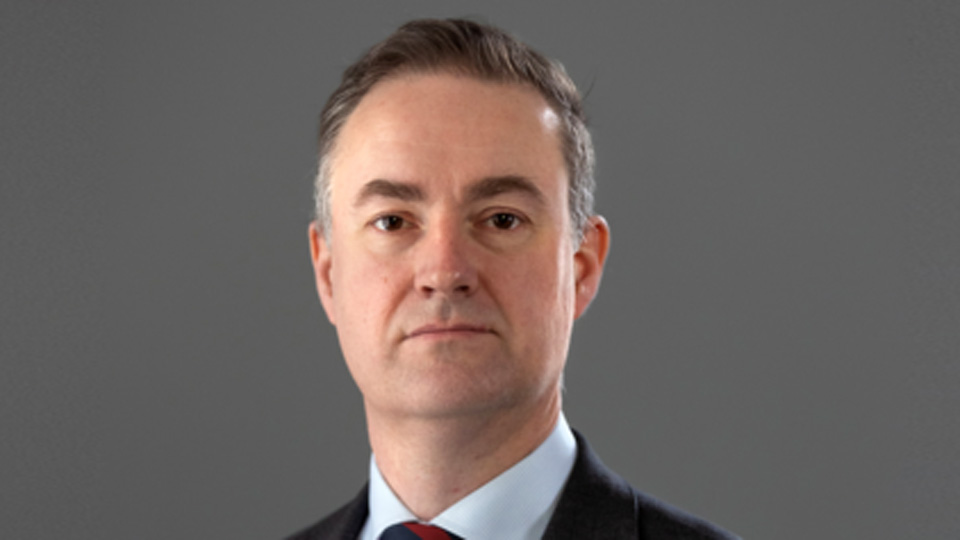
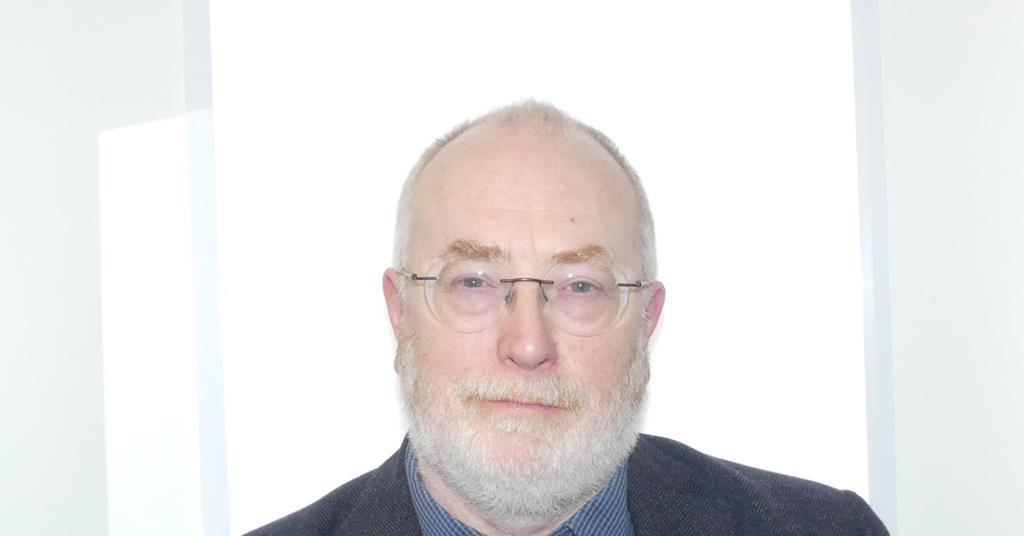
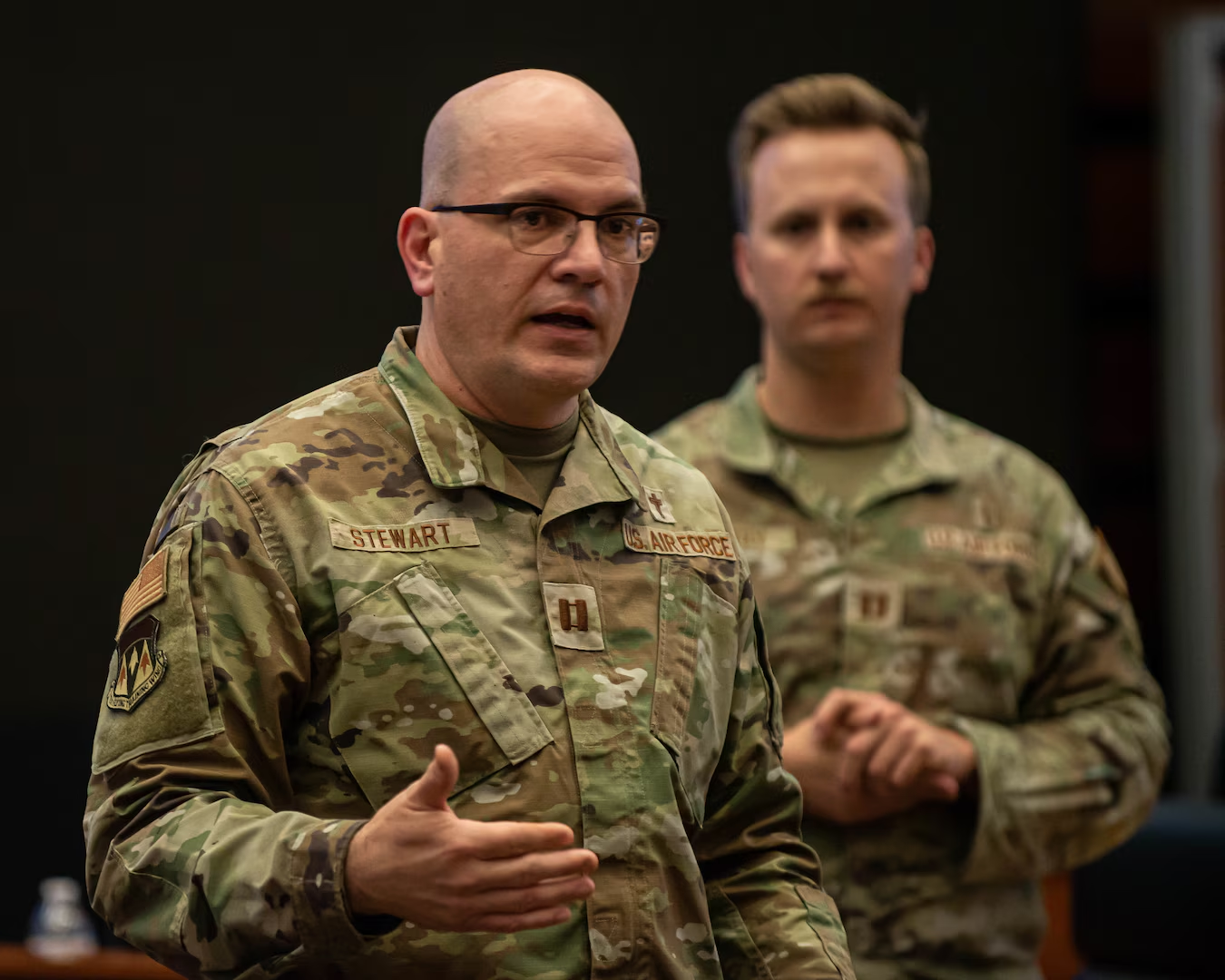
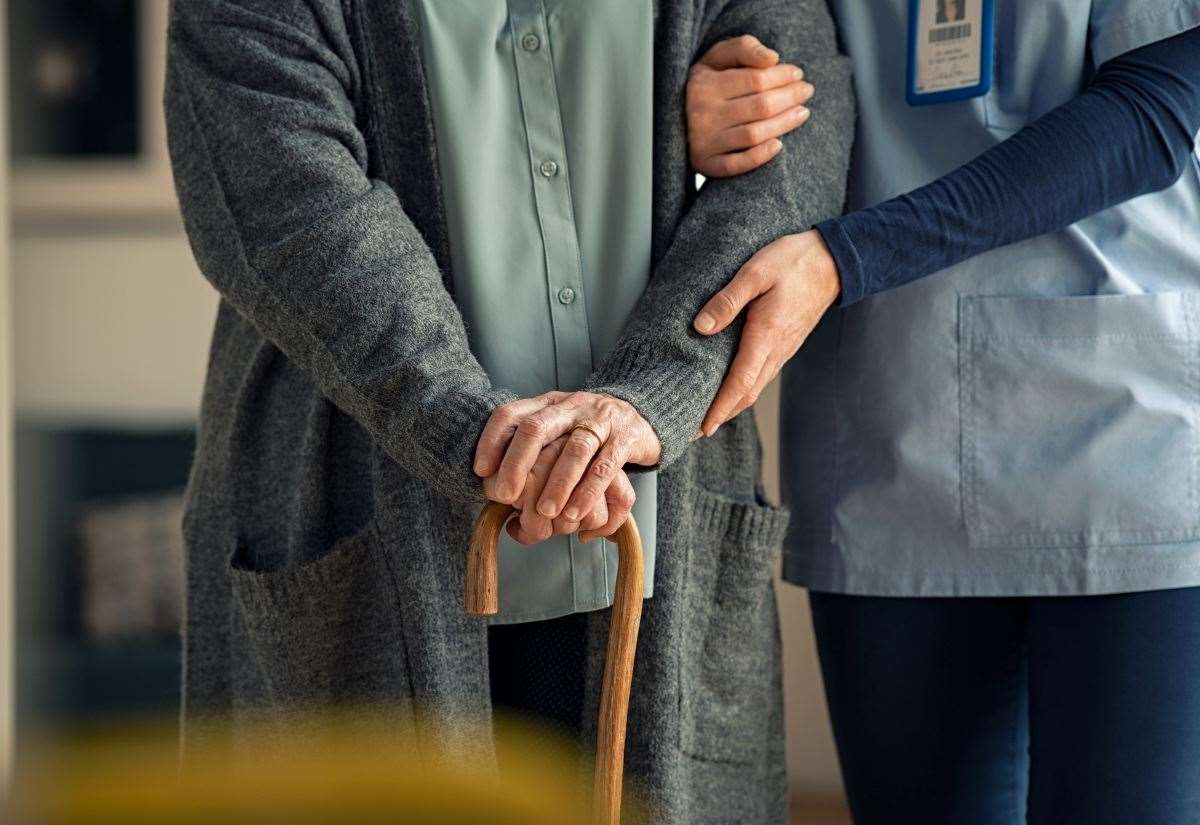
Martin Samuels, executive director for adult care and community wellbeing at Lincolnshire County Council, said: “One of the successes of the modern era is that most people can now look forward to a long life, including those with lifelong disabilities.
“As a result, the number of people needing care is far greater than it used to be, with the level of need also increasing significantly.
“The system of social care put in place in 1948 has not kept pace with these realities, and this is putting increasing pressure on the system.”
Baroness Louise Casey is leading a commission into adult social care in England and will present her findings at a LGA annual conference in Bournemouth this week.
The LGA recommendations include giving local authorities greater responsibilities on the placement and integration of social care services, focus on early intervention and prevention and assess whether the council tax system is fit for purpose to support the social care system or if a different funding mechanism is required.
Mr Samuels said Baroness Casey’s review ‘offers an opportunity for a fundamental examination of these issues’ and that there needs to be greater emphasis on early intervention – which would help to reduce costs further down the line.
He added: “There’s a need for a significant change in the public’s understanding of adult care, along with a far stronger focus on prevention.
“Not only would this offer better outcomes for people, but it would be far more efficient in the long run.
“Local councils are perfectly positioned to lead this focus on prevention, having a unique understanding of their communities and the wide range of services required to deliver effective action.”

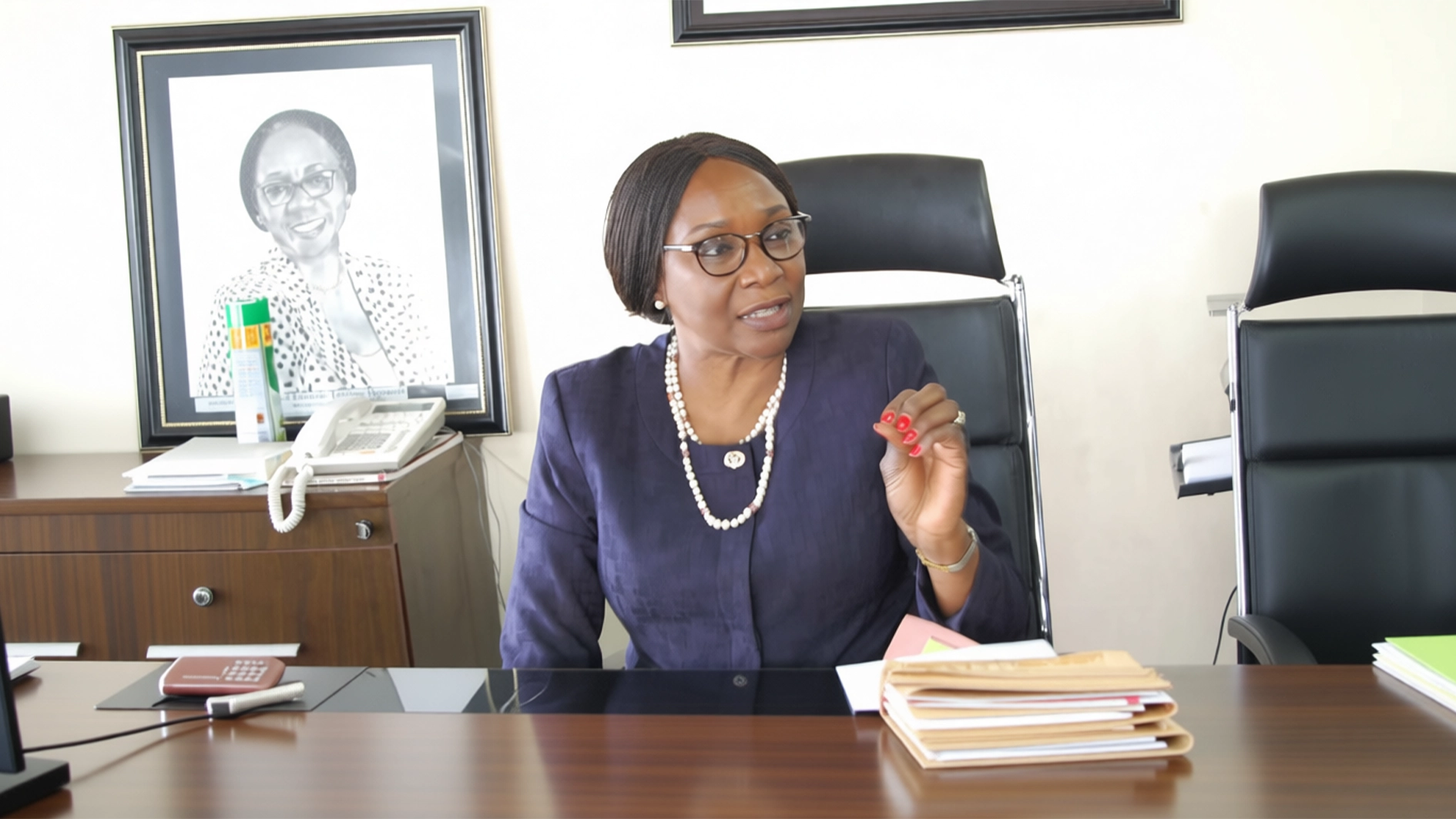
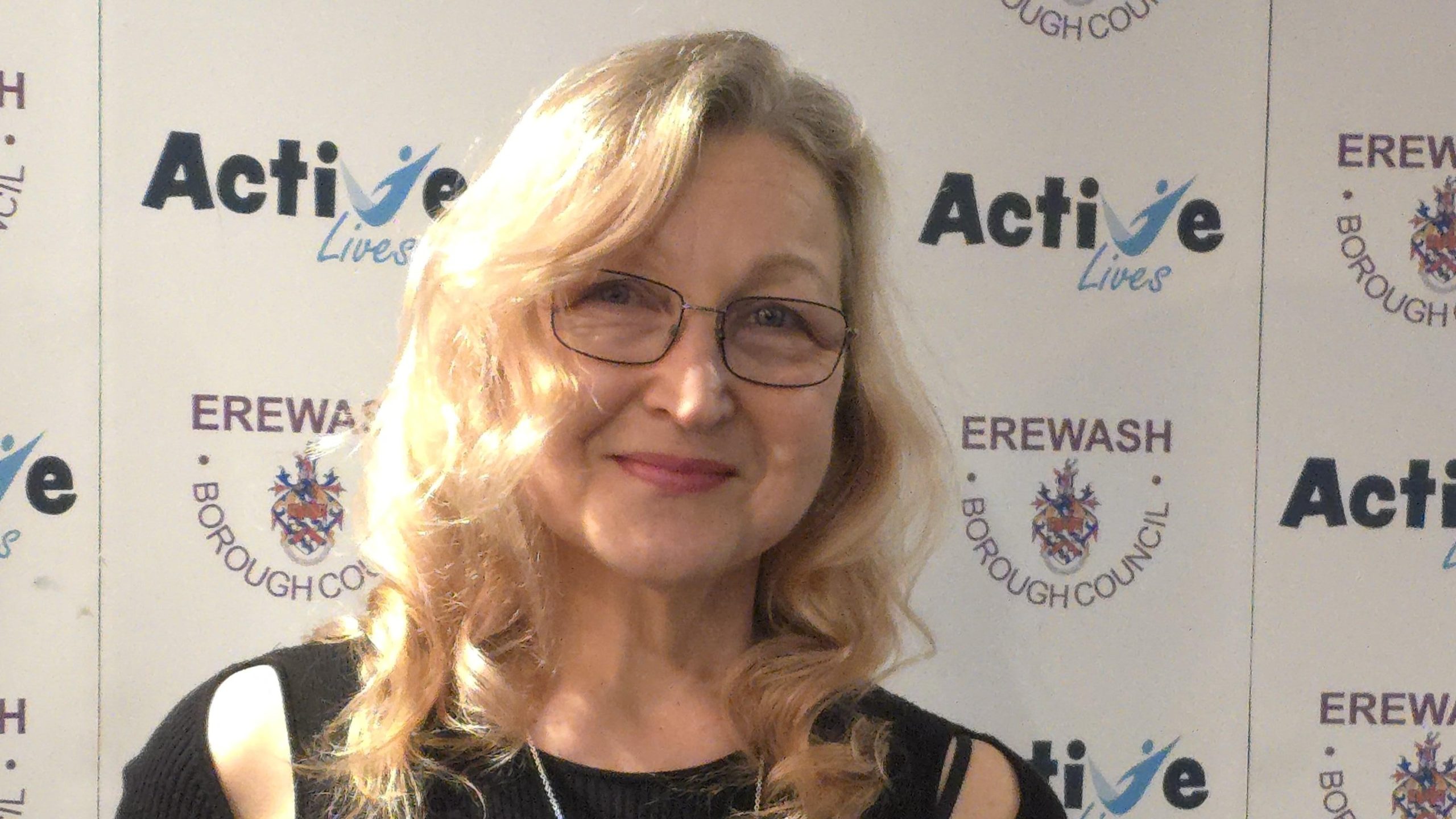
Melanie Weatherley MBE, chair of the Lincolnshire Care Association, has also backed the call for more public awareness about social care.
She said: “There is a need for a national public campaign to change how the public thinks about social care, but this is all of our responsibility, not just Baroness Casey’s.
“The new National Care Service must strengthen consistency and entitlement, not replace local democratic leadership of social care.
“We need a new approach to supporting unpaid carers and a new package of practical support measures for them.
Mrs Weatherley agreed that there needs to be a focus on prevention to help reduce the number of people entering the system.
She added: “Prevention of illness and injury is key, but it is already in the government’s 10-year plan.
“When it comes to reviewing the role of council tax in funding adult social care, we should look at funding strategically across the whole system, not in a piecemeal way.
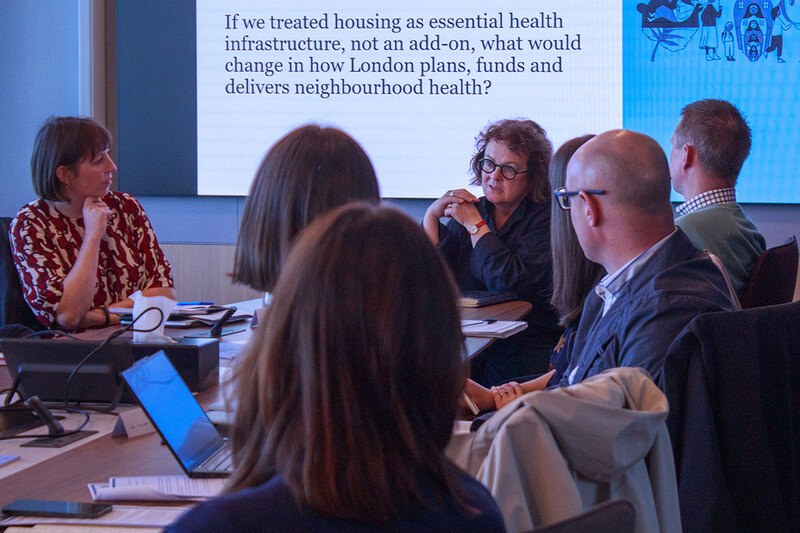
“We are sympathetic to the idea of recognising housing as a core component of care, prevention and independence, but we don’t agree that we need another new plan.”