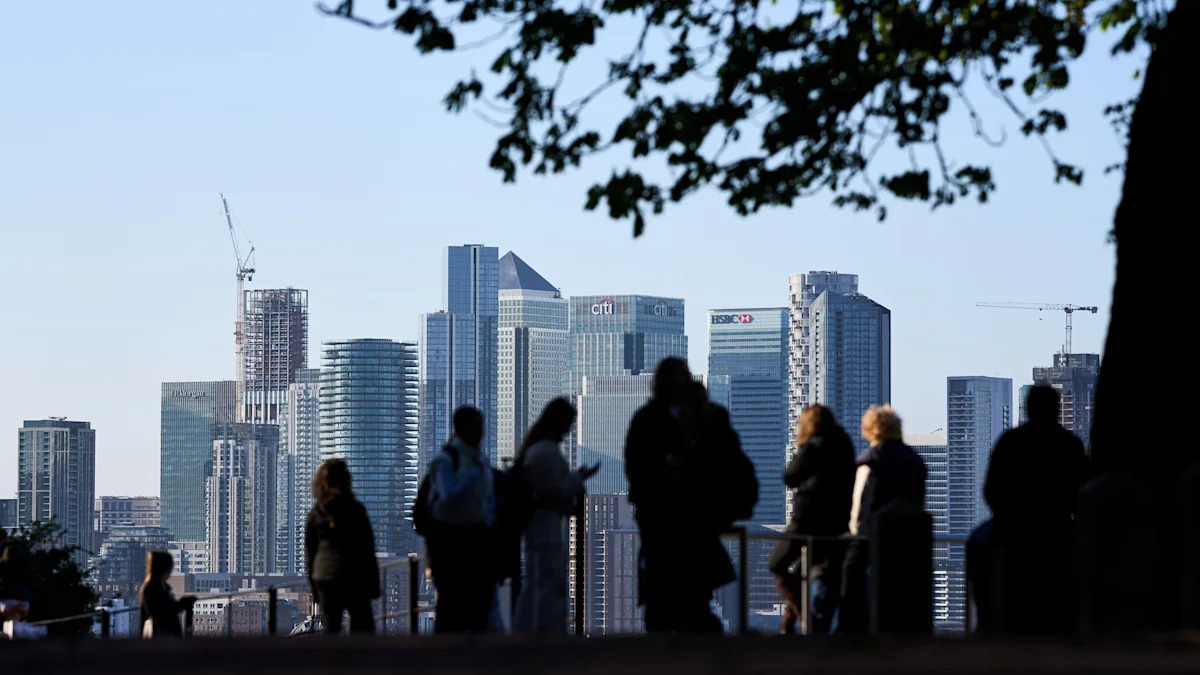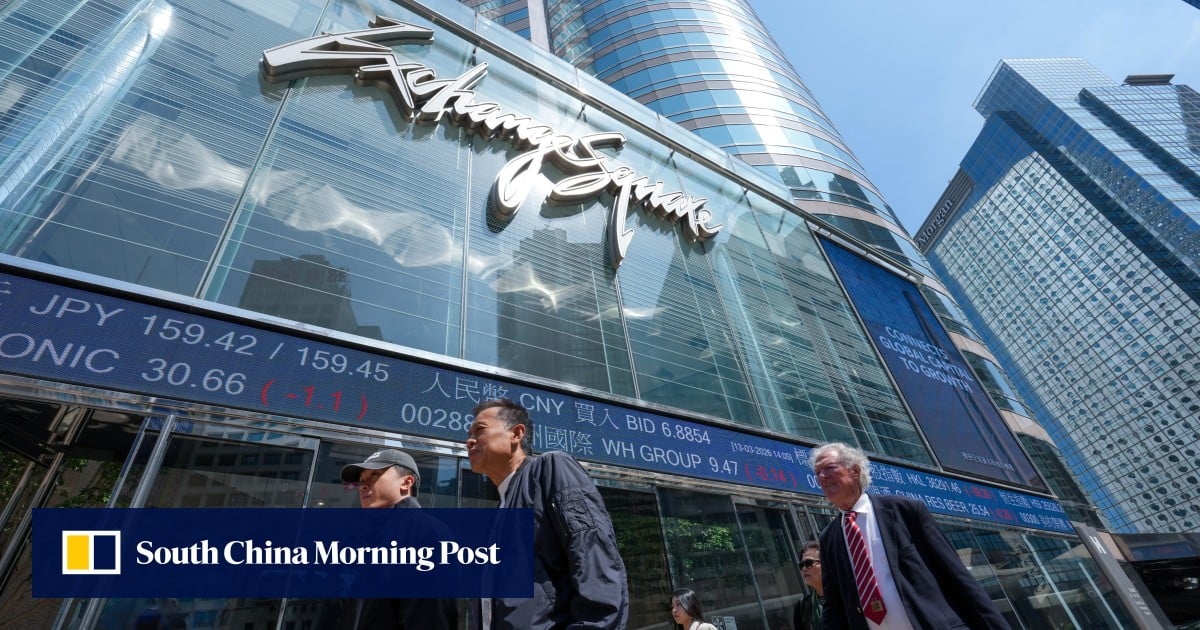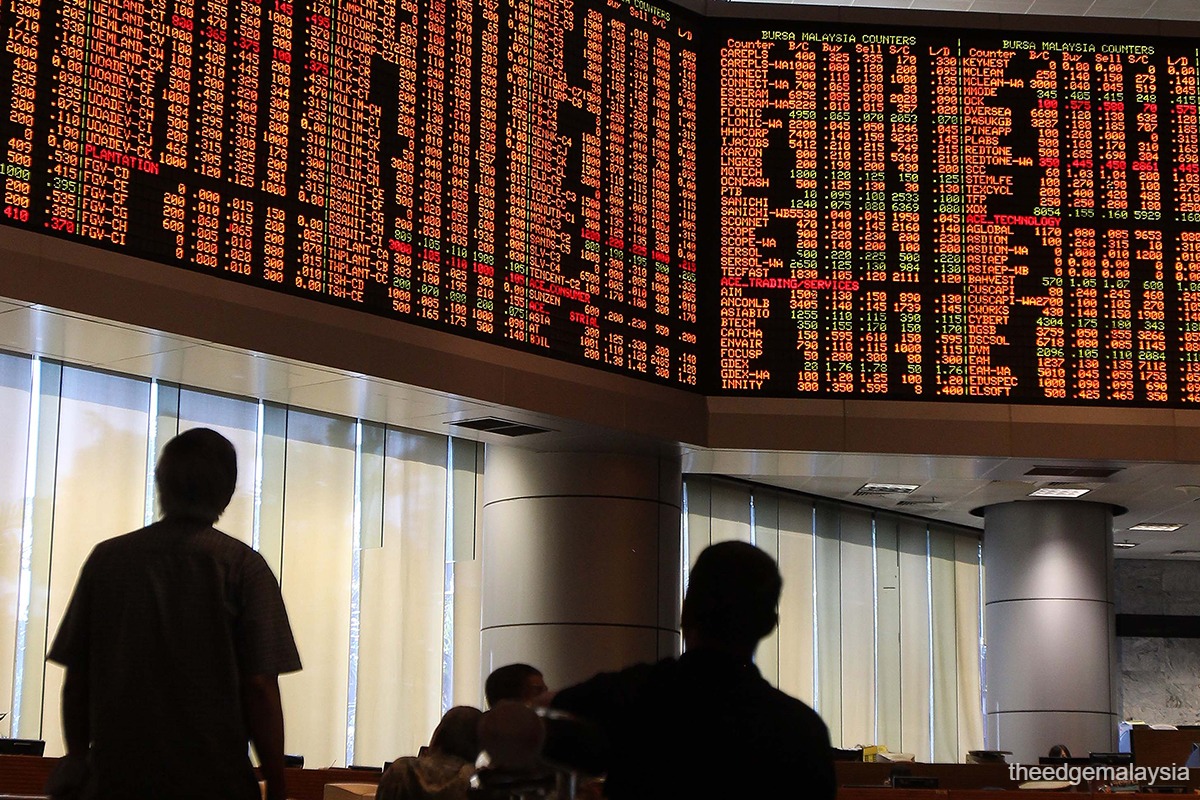
Singapore companies spent more on share buybacks in the first seven months of 2026 than over the same stretch in either of the two preceding years.
More than 70 primary-listed companies repurchased S$1.9 billion of shares, up from around S$1.3 billion in the first seven months of 2025 and S$772 million over the similar period in 2024.
Four blue-chip firms supplied roughly two-thirds of that total.
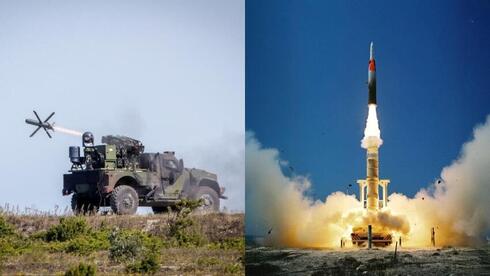
Singapore Telecommunications (SGX: Z74), or Singtel, Keppel Ltd (SGX: BN4), Singapore Technologies Engineering (SGX: S63), or ST Engineering, and Seatrium (SGX: 5E2) repurchased S$1.25 billion among them.
They also share a major shareholder.
As at 31 March 2026, Temasek held 52% of Singtel, 51% of ST Engineering, 36% of Seatrium and 21% of Keppel.
What is Singtel buying back with?
Singtel led both the July and 7M2026 tallies.
It repurchased 195.3 million shares for S$893.0 million, close to half the national figure.
Group revenue for the year to 31 March 2026 remained stable year on year (YoY) at S$14.3 billion.
A 2% depreciation in the Australian dollar masked underlying growth.
Operating profit rose 8.9% YoY to S$1.5 billion and underlying net profit climbed 12% to S$2.8 billion.
NCS lifted operating profit 34% to S$340 million, and Optus added 23% to A$550 million.
Singtel Singapore ran counter to both.
Operating profit there fell 4.6% YoY to S$795 million amid mobile competition and roaming pressure from travel eSIMs.
Management declared a total dividend of S$0.185 per share, up 9% YoY, which comprises a core dividend of S$0.134 and a value realisation dividend of S$0.051.
The group also sold a 0.8% stake in Airtel for S$1.5 billion during the year.
Shares bought under the S$2 billion Value Realisation Share Buyback programme are cancelled.
Each remaining shareholder’s ownership interest rises.
Can ST Engineering’s cash cover both?
ST Engineering repurchased 7.8 million shares for S$81 million over the same seven months.
The group reported first-half results on 13 August 2026.
Revenue rose 11.1% YoY to S$6.6 billion.
Operating profit climbed 24.6% to S$701.5 million and net profit attributable to shareholders rose 27.1% to S$512.1 million.
Earnings grew faster than revenue in all three segments.
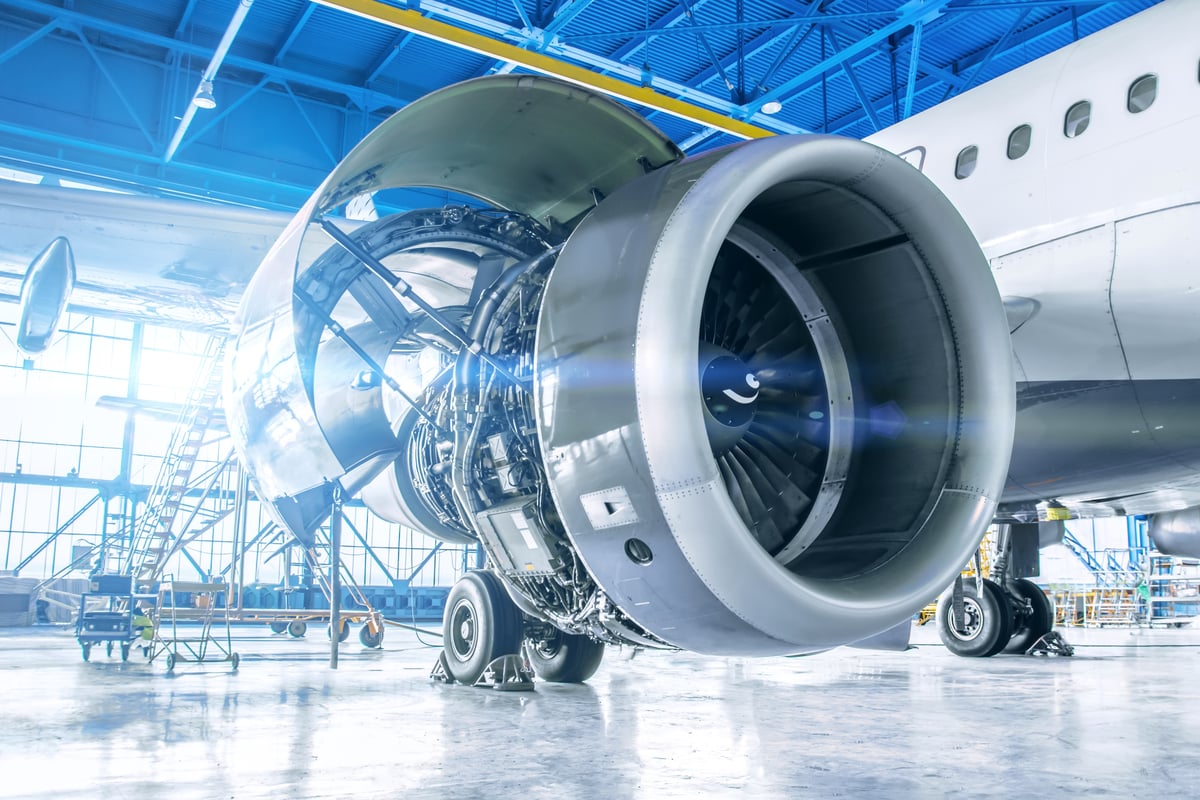
Commercial Aerospace led with 15% revenue growth on higher engine MRO, nacelle and spares sales.
Urban Solutions & Satcom matched that rate, with rail and tolling deliveries lifted its operating profit fourfold.
Defence & Public Security added 7%.
Net finance costs fell 14.9%.
Free cash flow reached S$591.6 million, against S$484.6 million a year ago.
Ordinary dividends declared for the half came to S$0.09 per share, roughly S$281 million, and the buyback took S$81 million.
Both are covered.
The order book reached a record S$35.7 billion as at 30 June 2026, with S$5.7 billion due over the rest of 2026.
Around S$1.7 billion of that record reflects an E-ZPass contract entering the order book this quarter, more than a year after work began.
Why is Keppel’s cash flow moving the other way?
Keppel repurchased 21.6 million shares for S$246.7 million, second only to Singtel.
First-half revenue rose 24.6% YoY to S$3.8 billion.
Infrastructure led the gain as the Keppel Sakra Cogen Plant began commercial operations.
Net profit attributable to shareholders fell 59.0% to S$154.7 million after a S$375 million loss in the non-core portfolio.
Stripping out that portfolio and net profit rose 25% to S$530 million.
Cash generation told a different story.
Operating cash flow fell to S$96.8 million from S$219.4 million a year ago on higher working capital needs.
Keppel reported a free cash inflow of S$570 million, though that measure includes investing activities.
Divestment proceeds and dividends received of S$1.1 billion supplied most of it.
The interim dividend was held at S$0.150 per share, payable on 21 August 2026.
Free cash flow is the lifeblood of dividends, and a buyback draws from the same pool of cash.
The next set of results will show whether operating cash flow recovers before the divestment proceeds thin out.
What is Seatrium returning, and from what?
Seatrium repurchased 14.1 million shares for S$31.7 million, the smallest sum of the four.
First-half revenue rose 4.7% YoY to S$5.6 billion.
Ship and rig building or conversion revenue climbed 17.5% to S$4.2 billion.
That more than offset a 29% decline in offshore platforms.
Profit attributable to owners rose 158.3% YoY to S$372.9 million.
Other operating income included a S$171.7 million gain on disposal of non-core assets.
Free cash flow stayed negative at S$11.6 million, against negative S$31.9 million a year ago.
A S$1.6 billion build-up in contract assets accounted for most of the drag.
Revenue was recognised ahead of billings.
Seatrium declared no interim dividend, unchanged from a year ago.
It pays annually.
Management guided that FY2026 net profit will be materially higher than FY2025.
One-off divestment gains explain part of that.
Get Smart: Follow the cash, not the announcement
Add what a company spends on buybacks to what it pays out in dividends.
Set the total against cash generated from operations after capital expenditure.
Where the two sides no longer meet, find out what is closing the gap.
Divestment proceeds can fund capital returns for a year or two.
They cannot fund them forever.
Carry one question into the next earnings season: if the proceeds stopped arriving, which would this company pause first?
The STI keeps hitting record highs. Some investors are piling in, worried about missing out. Others are sitting on the sidelines, worried they’ve missed the boat. Both instincts can cost you. So join our upcoming webinar to avoid those mistakes. We’ll show you how to build a S$100,000 dividend portfolio that works whether the market is climbing or cooling off. Seats are limited. Save your spot now.
2008. 2020. 2022. Three of the toughest stretches for Singapore markets in a generation. We found 6 SGX companies that paid a dividend every single year through all three. Our free report reveals the six companies and what allowed them to keep paying when others couldn’t. Click here to download now.
Follow us on Facebook, Instagram and Telegram for the latest investing news and analyses!
Disclosure: The Smart Investor does not own any of the stocks mentioned.