Article by: Tide Research

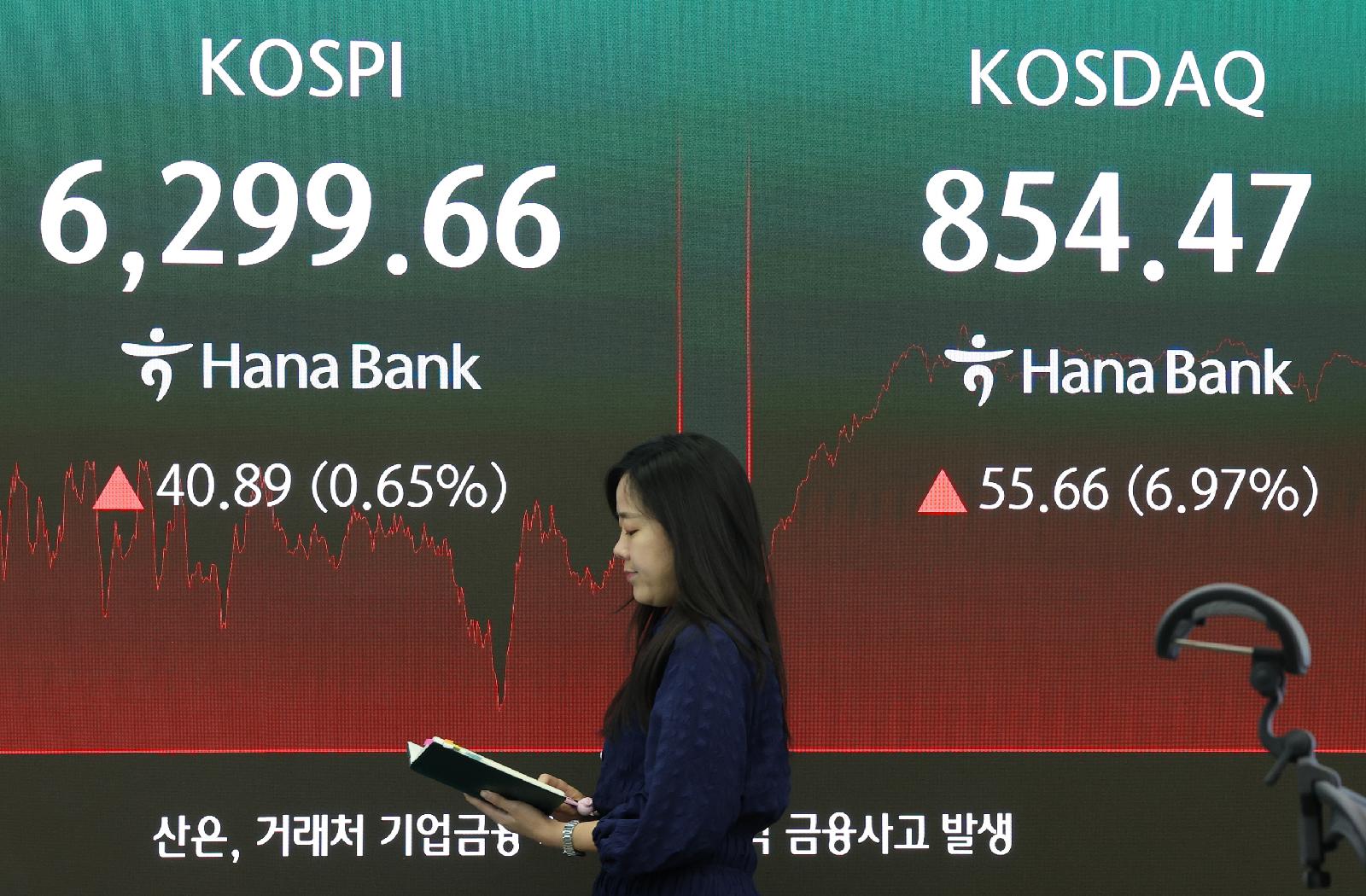
Last Friday, U.S. equities were closed for the Independence Day holiday, but Nasdaq 100 futures rose over 1% against the trend, as concerns over the AI sector clearly eased. Over the weekend, talks between Russia and Ukraine did not lead to de-escalation; instead, both sides intensified their attacks. Meanwhile, risk premiums in the Middle East retreated ahead of schedule, and gold posted a weekly rebound, ending a four-week losing streak. This week, the Fed meeting minutes, tariff hearings, and SpaceX’s entry into the Nasdaq are all converging on the market—whether the accumulated bullish sentiment from the holiday break can be realized depends on whether liquidity can withstand the pressure.
Market Performance
At the start of Asian trading on Monday, S&P 500 futures rose 0.4%, and Nasdaq 100 futures gained 1.2%, continuing last Friday’s futures rebound. Spot gold climbed 2.16% for the week to $4,176.94 per ounce, while spot silver rose 5.52% to $62.4158 per ounce; both assets’ strength reflected continued demand for safe-haven assets during the U.S. stock market holiday. Brent crude fell 0.66% for the week to $72.12 per barrel, marking its fourth consecutive weekly decline—the longest such streak in nearly two years—primarily due to the fading risk premium from the Middle East. Bitcoin is trading around $63,600, up 0.8% over 24 hours and 7.9% over seven days; Ethereum is at $1,784.58, up 15.1% over seven days, significantly outperforming Bitcoin—strength in high-volatility assets is typically seen as a leading indicator of rising risk appetite.
Macro and Forward-Looking
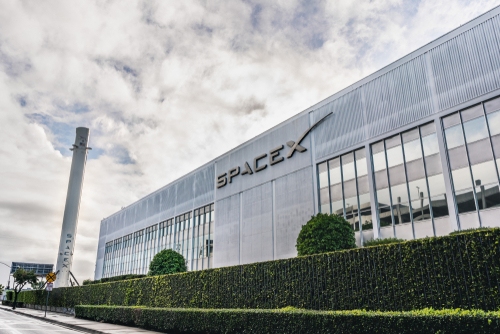
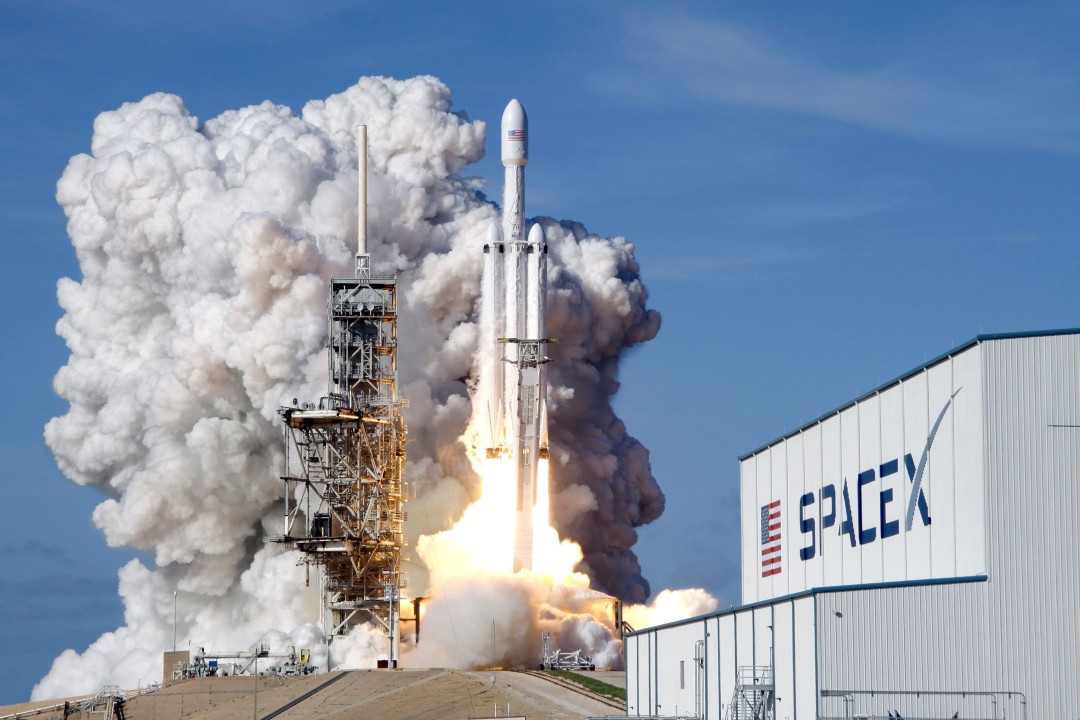
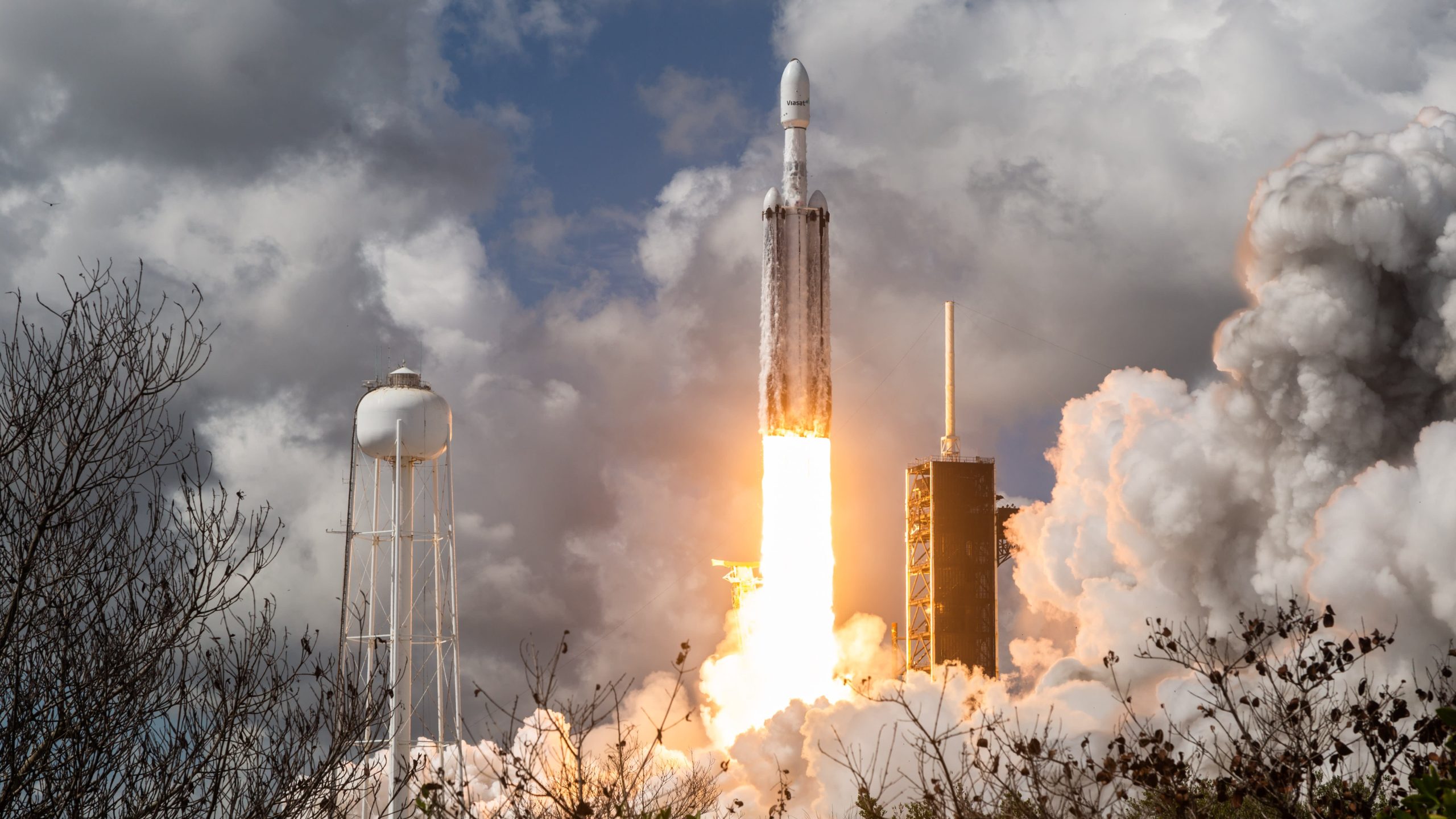
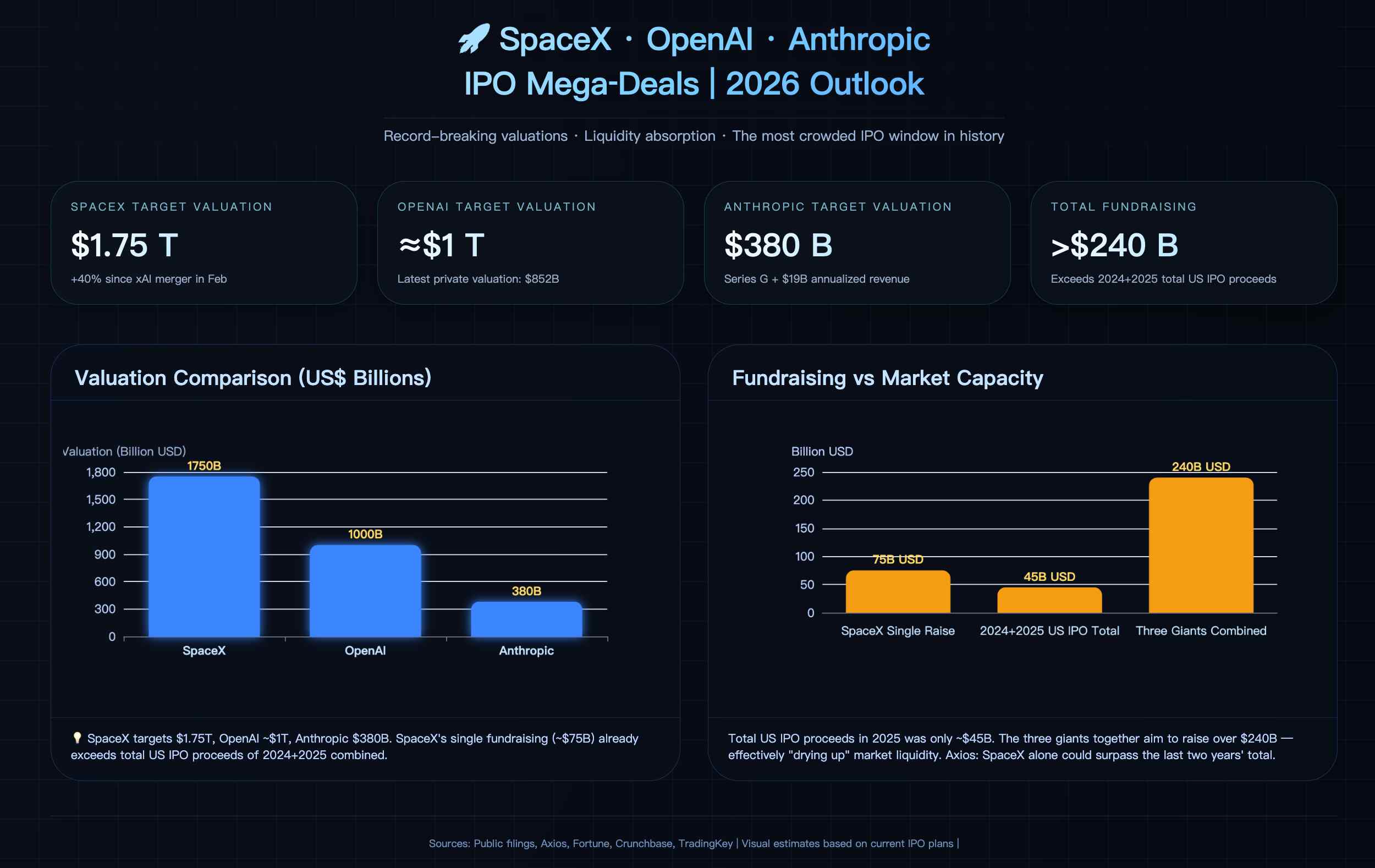
On Tuesday, SpaceX will be added to the Nasdaq-100 Index, setting a record for the fastest transition from listing to index inclusion, forcing passive funds tracking the index to buy in; on the same day, the U.S. Trade Representative’s office holds hearings on imposing tariffs on 60 economies, reigniting trade friction risks; the annual Sun Valley Summit kicks off simultaneously, with CEOs from Apple, Amazon, Meta, and OpenAI in attendance—but neither Jensen Huang nor Elon Musk are on the guest list, and absences often merit more scrutiny than appearances; OpenAI has scheduled the release of GPT-5.6 to coincide with the expiration of Claude Fable 5’s limited access plan—a timing that is unlikely to be coincidental; the AI model arms race has escalated to the level of release calendars, potentially recalibrating pricing logic for stocks tied to chips and computing power.
On Thursday, the Fed released its first meeting minutes under Waugh’s leadership; half of the participants in the June dot plot favored rate hikes this year, and the market was looking to see if the minutes contained any stronger language to confirm this stance. In the same week, two voting members were also scheduled to speak, but this round of speeches was notably sparser than usual—this unusual silence has previously occurred around policy shifts.
Around Friday, SK Hynix’s U.S. ADRs are expected to list, with an offering size exceeding 45 trillion Korean won—a scale reminiscent of Alibaba’s record-breaking U.S. IPO—which could boost sentiment across semiconductor and memory-related stocks. This week, companies such as Fast Retailing, PepsiCo, and Delta Air Lines have kicked off the Q2 earnings season, with overseas giants’ earnings previews set to peak starting July 9.
Tide View
The bulls’ logic is straightforward: the futures market has already rebounded during the holiday break, with gold and cryptocurrencies moving in tandem, indicating that risk appetite has not been disrupted by geopolitical or tariff noise. The bears’ concerns are equally clear: the combination of the rate hike minutes, tariff hearings, and SpaceX’s entry into the Nasdaq all occurring in the same week means that any misstep in one of these areas could undo the optimism accumulated during the break. The true turning point lies in the wording of the rate hike minutes—if the minutes, under Waugh’s leadership, are no more hawkish than market expectations, the futures rebound is likely to continue after Monday’s open; if the minutes confirm an inclination toward rate hikes, high-volatility assets like Bitcoin and Ethereum will likely be the first to signal a pullback.