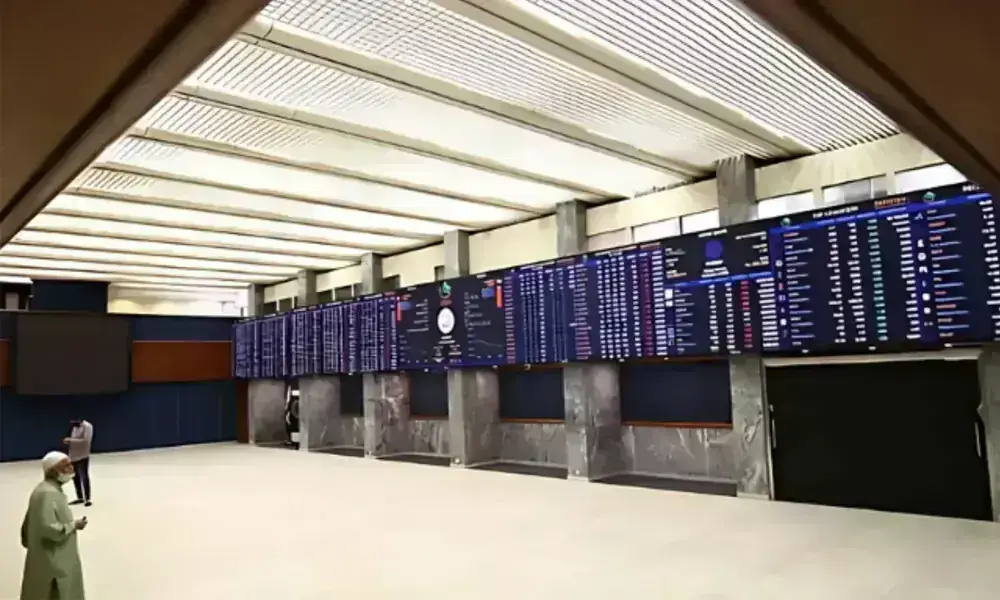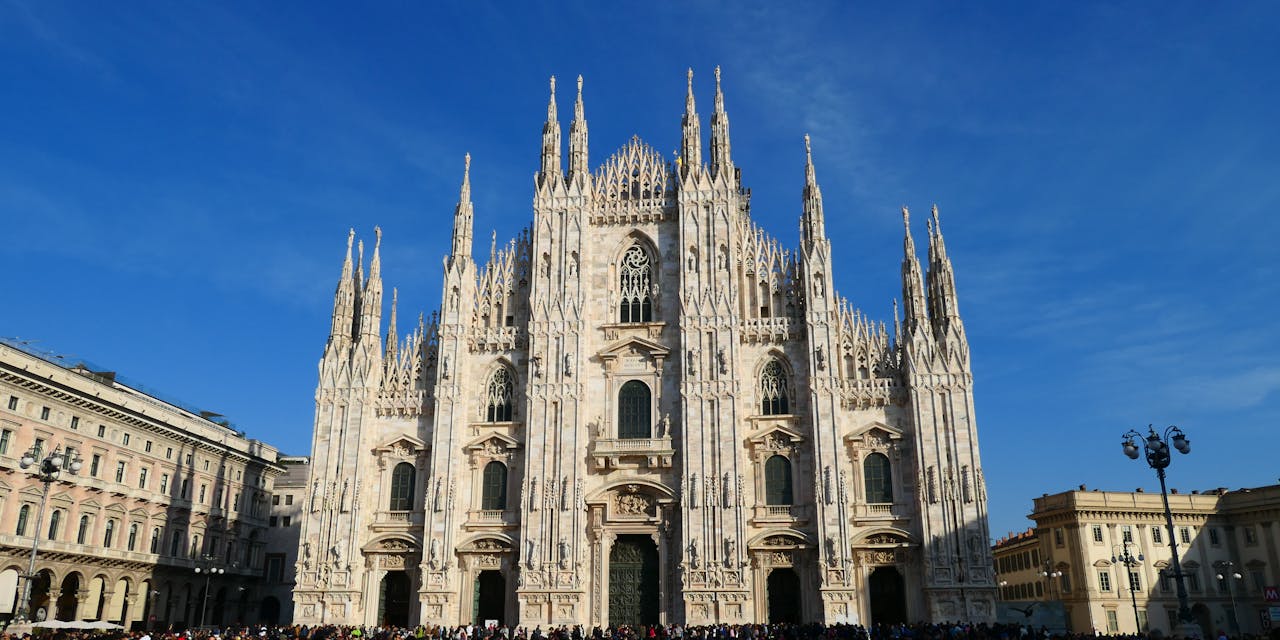
Italy’s FTSE MIB — the benchmark equity index of Borsa Italiana, tracking the 40 most liquid and capitalised companies listed on the Milan Stock Exchange — fell approximately 1.2% on Monday, 20 April 2026, as the renewed deterioration in U.S.–Iran ceasefire conditions weighed on European risk appetite.
The decline placed the FTSE MIB among the weaker European performers on the day, alongside Germany’s DAX 40 which fell 1.3%, while outperforming marginally compared to some continental indices. The UK’s FTSE 100 fell only 0.4%, buffered by its energy sector exposure.
The move reversed a portion of the strong gains accumulated through the previous week, when ceasefire optimism had driven European markets sharply higher. The pan-European Stoxx 600 fell 0.9% on the day, and all major bourses ended the day in negative territory by afternoon trade.
The Weekend Catalyst and Its European Impact
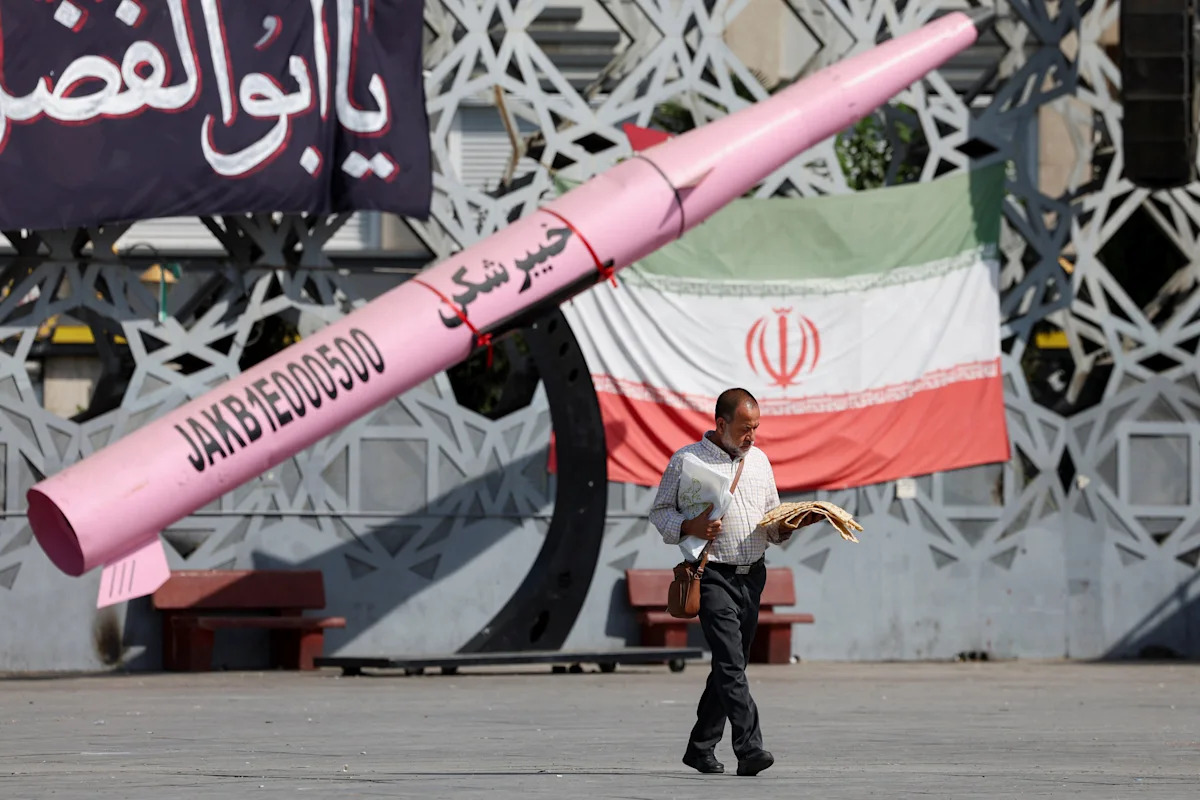
The sequence of events that drove Monday’s European sell-off was identical across all major markets. On Sunday, President Trump announced that a U.S. Navy guided-missile destroyer had fired on and disabled an Iranian cargo vessel in the Gulf of Oman before Marines seized it. Iran had reversed its Friday decision to reopen the Strait of Hormuz, citing U.S. breach of ceasefire terms. Brent crude surged approximately 5% to $94.80 per barrel, reigniting inflation concerns that had appeared to be easing.
For Italy — a significant oil importer with a large manufacturing base sensitive to energy costs — the return of elevated crude prices represented a direct economic headwind. The fragile ceasefire expiration this week added a further layer of time pressure to negotiations, making the risk of sustained disruption more concrete.
The FTSE MIB’s Composition and Sectoral Sensitivities
The FTSE MIB is dominated by financial institutions, utilities, energy companies, and large industrial groups — a composition that creates both specific vulnerabilities and partial hedges in an energy shock environment. The banking sector, heavily represented through UniCredit, Intesa Sanpaolo, and Mediobanca, faces headwinds from higher inflation expectations that could complicate the European Central Bank’s rate-cutting trajectory. Higher rates for longer would weigh on bond portfolios held by Italian banks and suppress loan demand from Italian households and businesses.
UniCredit added a stock-specific dimension to Monday’s trading following CEO Andrea Orcel’s detailed announcement of plans for a merger with German lender Commerzbank. UniCredit fell 2.5% as investors assessed the complexity and risk of the proposed cross-border transaction. The Italian banking giant had been pursuing Commerzbank for an extended period, and the formal announcement of far-reaching merger plans introduced execution risk into an already uncertain macro backdrop.
On the energy side, ENI — Italy’s integrated oil and gas major — was expected to benefit from the oil price surge, providing a natural offset to the index’s financials-driven weakness. ENI is one of the FTSE MIB’s largest constituents and has been one of the standout performers in European energy equities during the Iran conflict period.
Italy’s Macroeconomic Backdrop
Italy’s economy entered 2026 with modest growth momentum, supported by a resilient tourism sector, improving labour market conditions, and significant EU structural fund disbursements under the National Recovery and Resilience Plan. However, Italy’s high public debt-to-GDP ratio — among the largest in the eurozone — meant that any sustained rise in European government bond yields, driven by oil-price inflation, would weigh disproportionately on Italian sovereign spreads relative to German Bunds, creating pressure on the financial sector.
The European Central Bank had been cautiously easing monetary policy, and any sustained disruption to that trajectory from renewed energy inflation would be particularly consequential for Italy. Milan-based financial companies represent a significant share of the FTSE MIB’s market capitalisation and earnings, making the index more sensitive than some peers to ECB policy signals.
Ceasefire Context: The Rally That Was
The FTSE MIB’s recent history is a microcosm of European markets more broadly. When the U.S.–Iran ceasefire was announced on 8 April, European stocks soared. The pan-European Stoxx 600 gained 3.7%, with travel and leisure stocks up 7.1%, industrials advancing 6.6%, and construction names gaining 6.2%. Antofagasta, Lufthansa, and EasyJet were among the biggest risers, each gaining approximately 10%. Italian equities participated fully in that relief rally.
The subsequent week had extended those gains as U.S.–Iran negotiations appeared to be making progress, with reports of second-round talks being considered and oil prices declining toward the $90–$95 range. By Friday’s close, the FTSE MIB was significantly higher than its conflict-period lows. Monday’s 1.2% decline was therefore a significant but far from devastating partial reversal of those gains.
Technical and Strategic Outlook
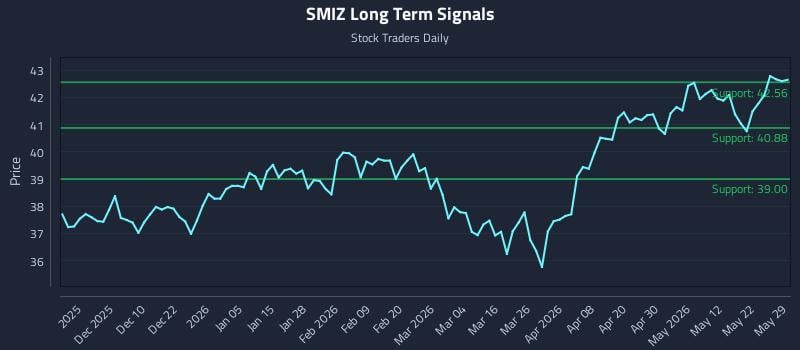
For investors tracking the FTSE MIB, the key support level to monitor is the range around which the index consolidated following the initial ceasefire rally. A sustained break below that support — driven by a complete collapse of the ceasefire — would likely trigger a more material sell-off. Conversely, any resumption of diplomatic talks that pushed oil prices below $90 per barrel would likely produce a sharp relief rally in financials, industrials, and consumer names.
Italy’s equity market remains one of the more attractively valued in Europe on a price-to-earnings basis, and the country’s improving fiscal position — supported by EU fund inflows — provides a medium-term positive backdrop. Domestic and international investors seeking exposure to eurozone recovery themes have increasingly viewed Milan as a market offering a combination of reasonable valuations and improving fundamentals.
The FTSE MIB’s 1.2% decline on 20 April 2026 reflected the index’s sensitivity to both global energy market developments and the specific challenges facing its financial sector heavyweights. As with its European peers, the near-term outlook depends primarily on whether the U.S.–Iran ceasefire can be salvaged and whether oil prices can resume their retreat. Italy’s equity market offers genuine investment merit on a medium-term view, but Monday’s session underscored the continuing dominance of geopolitical risk in the near-term trading environment. The FTSE MIB trades on Borsa Italiana and is the primary reference benchmark for Italian equity market performance.