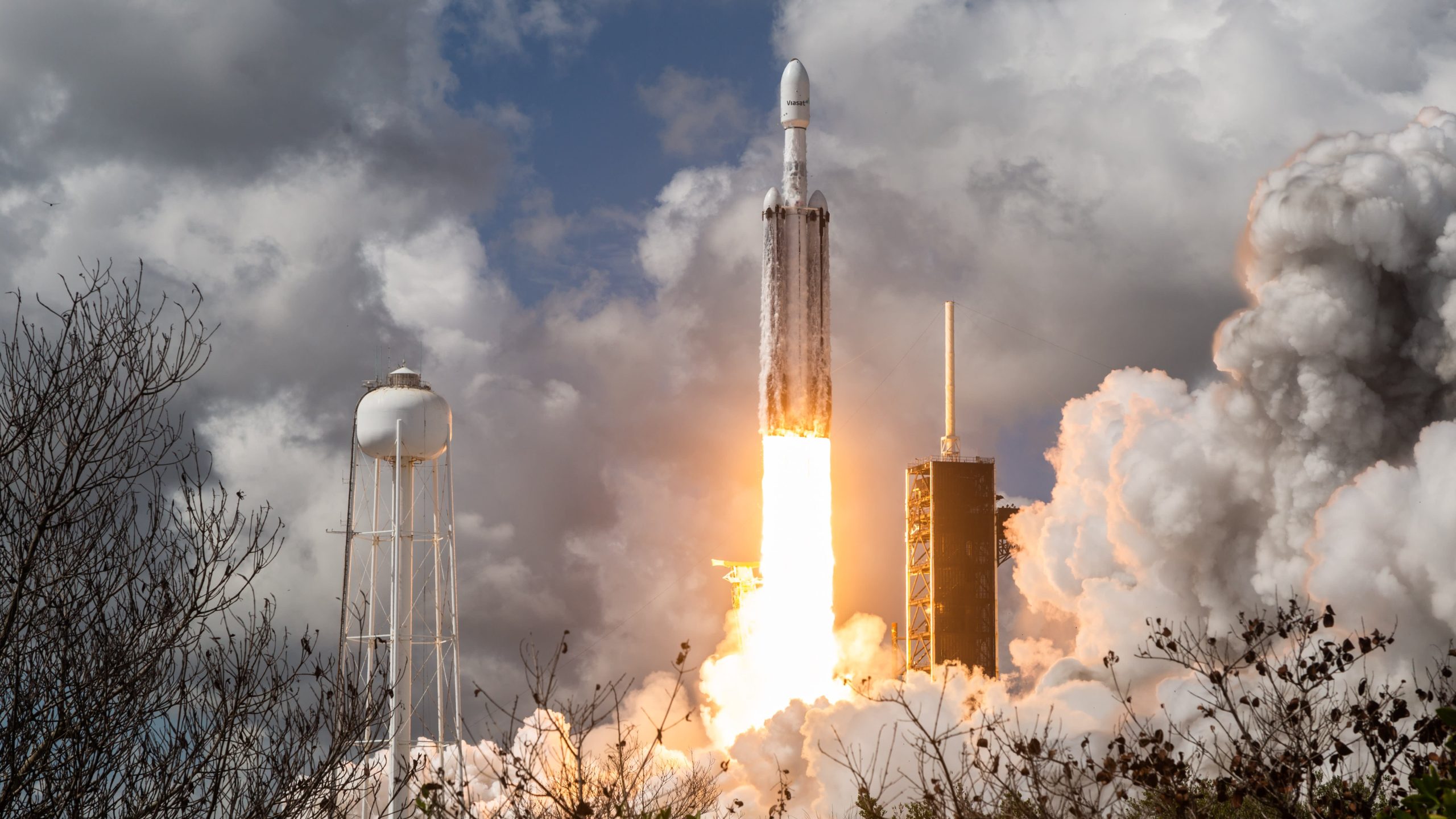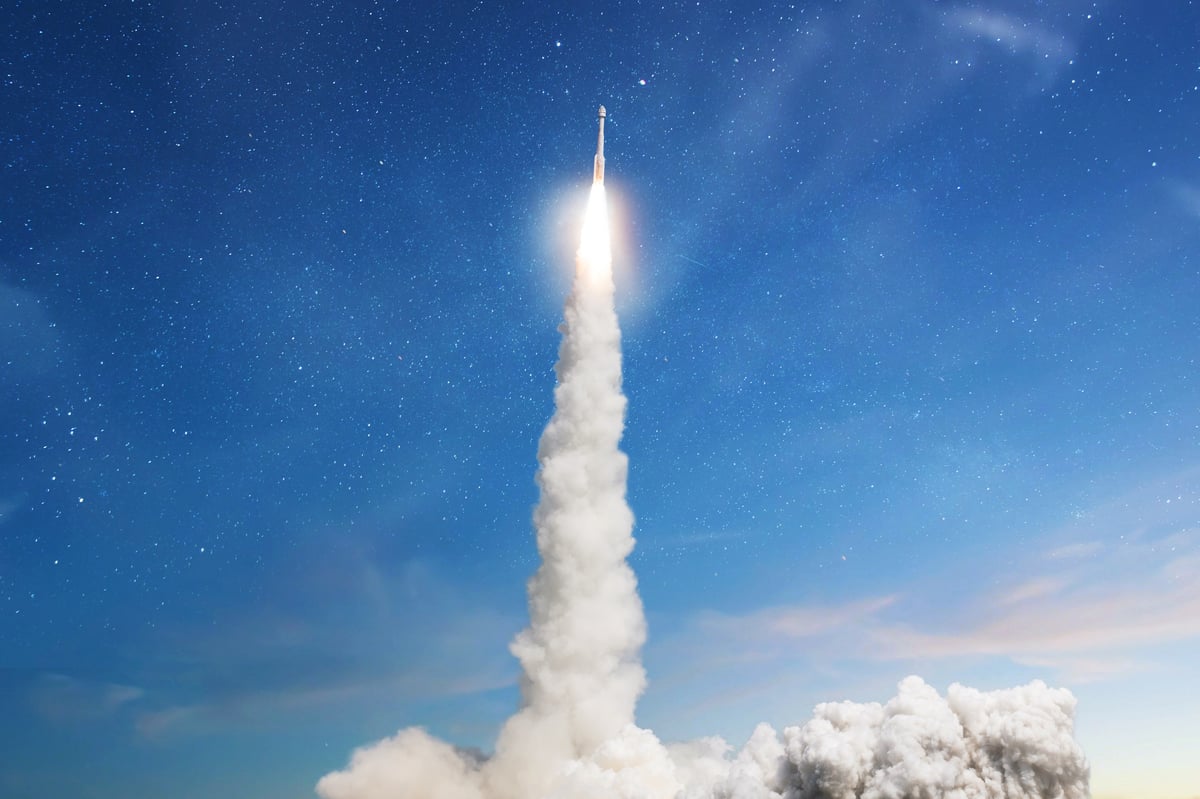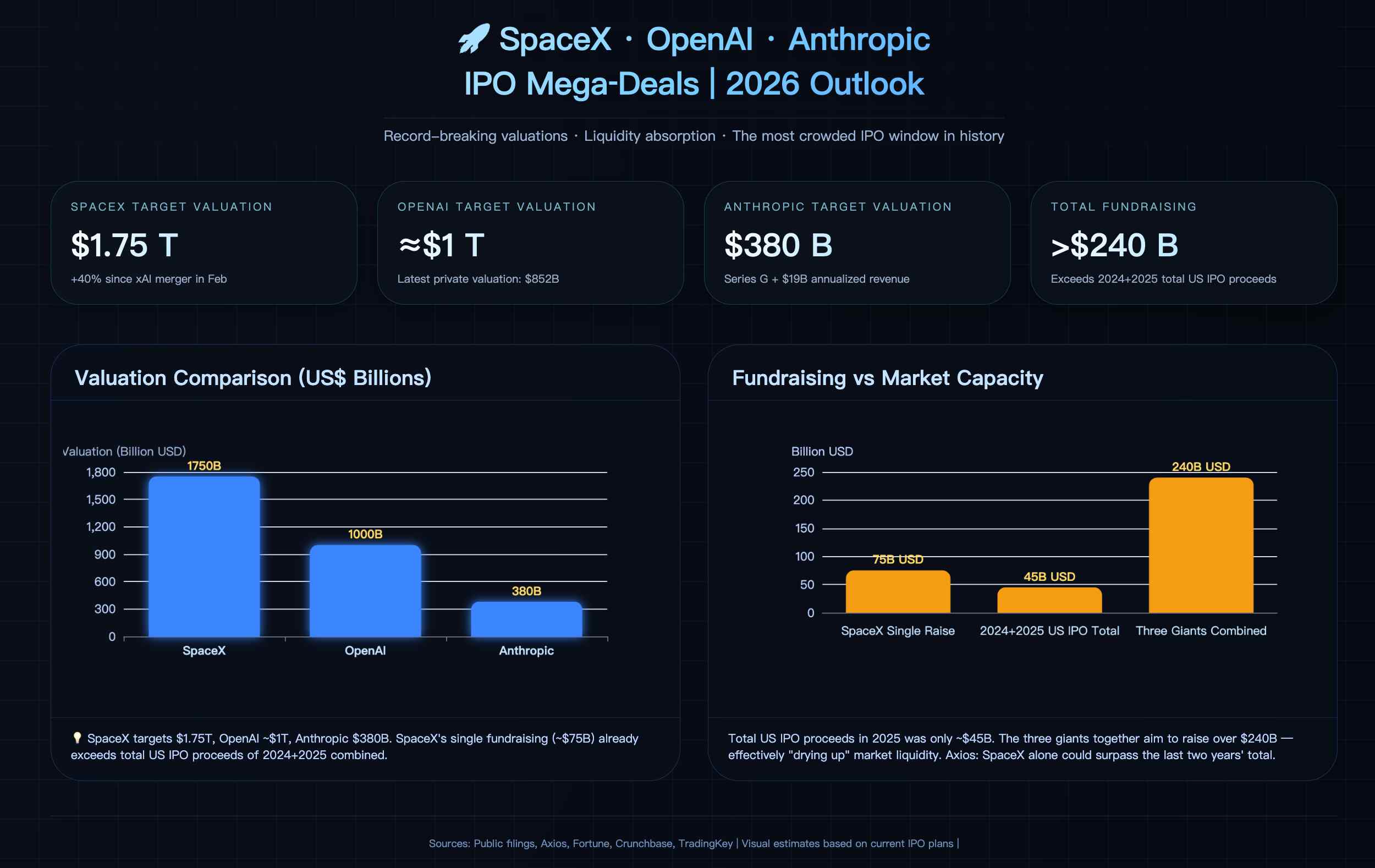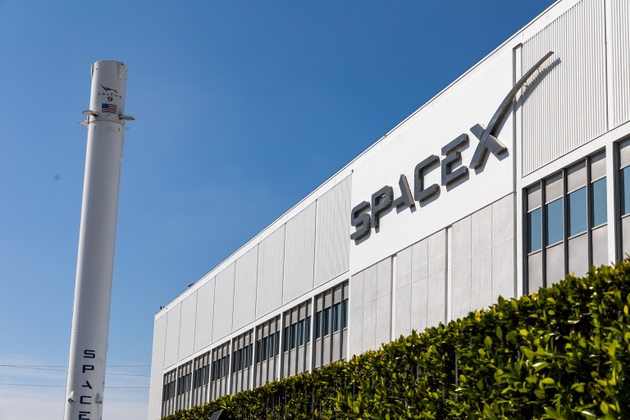
In early April, SpaceX submitted its initial public offering (IPO) paperwork to the Securities and Exchange Commission. The documents were filed confidentially, which means financial statement are not yet available. Reuters has reported that the rocket and satellite company turned an $8 billion profit on about $16 billion in revenue in 2025, but The Information has reported a $5 billion loss on about $18 billion in revenue.
SpaceX will host its IPO roadshow in early June, where executives will pitch the stock to institutional investors. That puts the company on track to list shares at some point over the summer. SpaceX merged with xAI earlier this year in a deal that valued the combined entity at $1.25 trillion, but the company is reportedly seeking a $1.75 trillion valuation in its IPO.
If that figure sticks, SpaceX would be the largest IPO in history, and it would immediately become one of the 10 most valuable public companies in the world. But prospective investors may want to stay on the sidelines. History says SpaceX stock could fall sharply during its first year on the market, and it will likely underperform the S&P 500 (^GSPC +1.18%) in the long run.
Here are the important details.

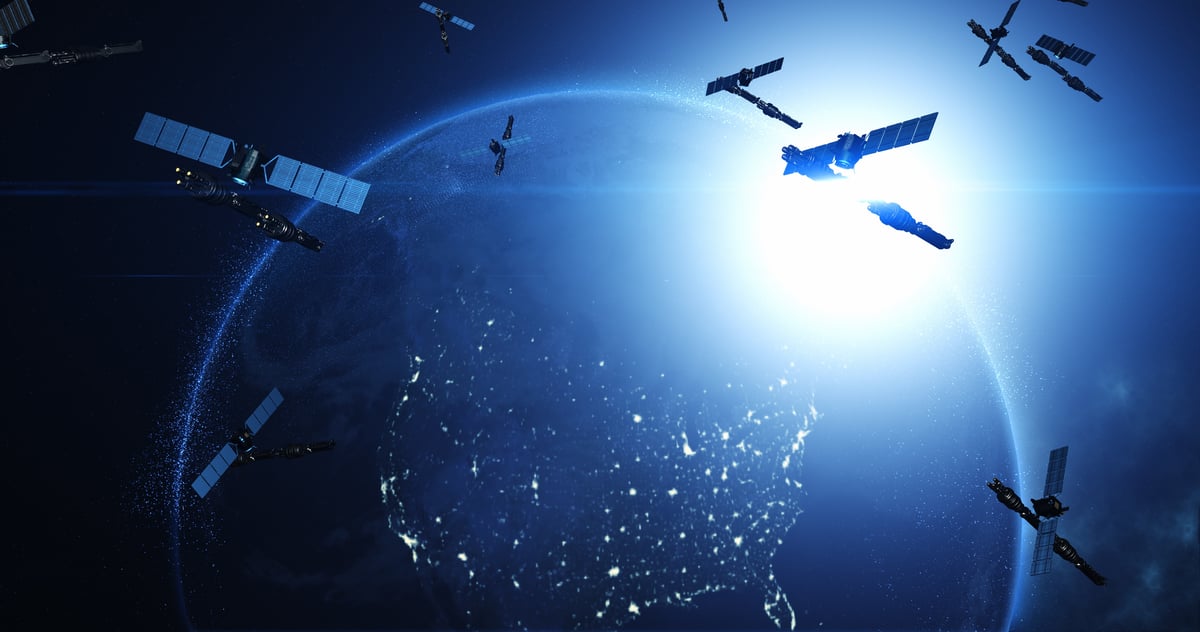
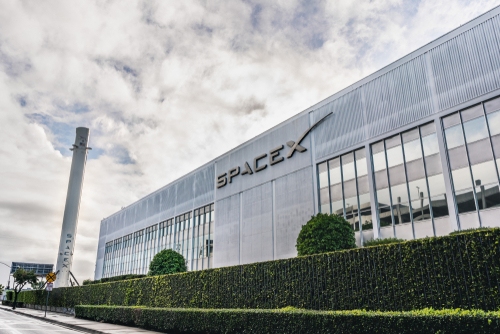
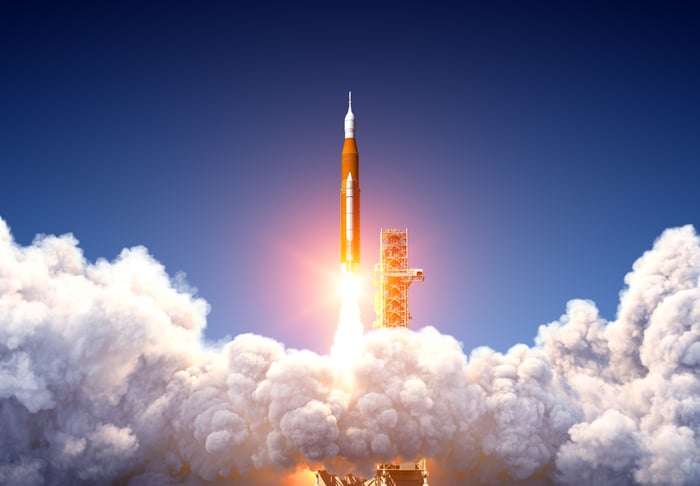
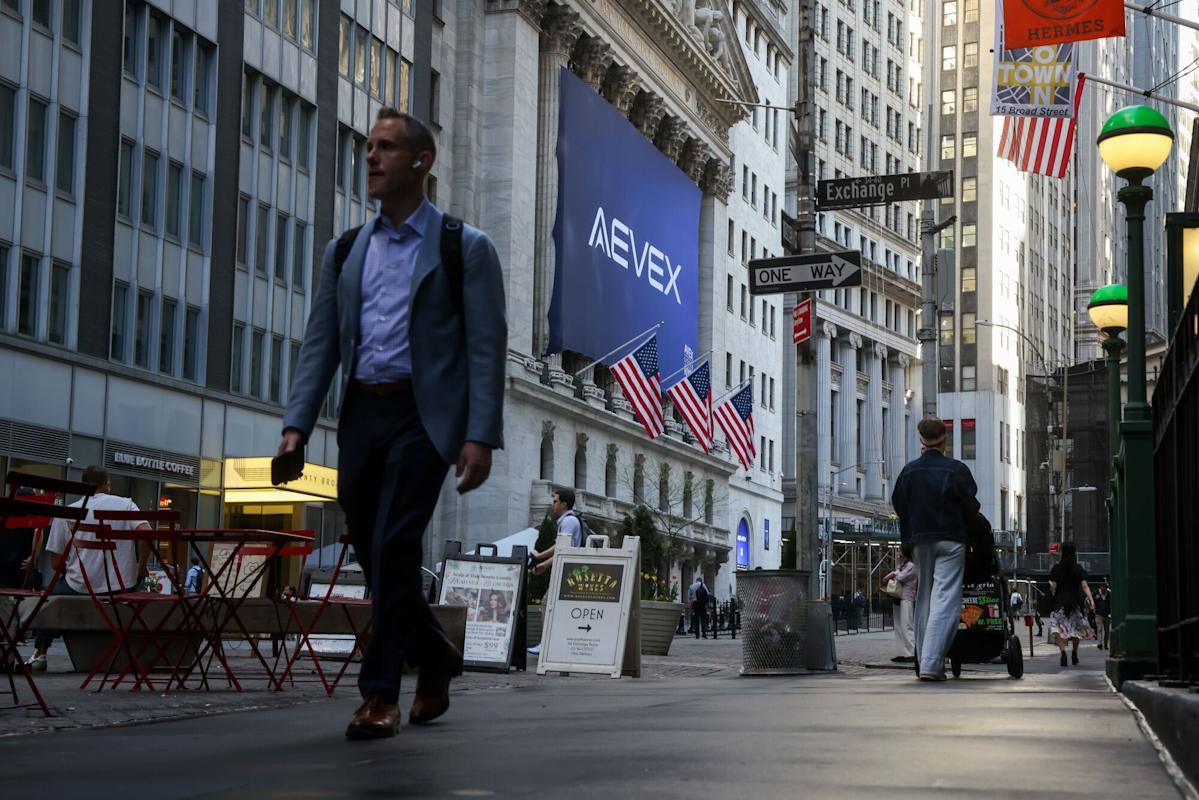
Image source: Getty Images.
SpaceX stock could pop on day one, but history says it will underperform the S&P 500 in the long run
Between 1980 and 2025, about 9,300 companies listed on the New York Stock Exchange or Nasdaq Stock Exchange held initial public offerings (IPOs). Those stocks returned an average of 19% on their first trading day, according to Jay Ritter, director of the IPO initiative at the University of Florida.
However, IPO stocks (especially the ones that go public with larger valuations) have often delivered dismal returns once the initial excitement has faded. The chart below lists the 10 largest U.S. IPOs (as measured by the company’s initial market value), and it gives the three-month and one-year returns following the listing.
|
Stock |
3-Month Return (Post-IPO) |
12-Month Return (Post-IPO) |
|---|---|---|
|
Alibaba |
18% |
(30%) |
|
Meta Platforms |
(50%) |
(31%) |
|
Uber Technologies |
(4%) |
(21%) |
|
AT&T Wireless |
(1%) |
(3%) |
|
Rivian Automotive |
(36%) |
(67%) |
|
DiDi Global |
(45%) |
(79%) |
|
United Parcel Service |
(16%) |
(15%) |
|
Coupang |
(22%) |
(65%) |
|
Enel |
(5%) |
1% |
|
Arm Holdings |
29% |
189% |
|
Average |
(13%) |
(12%) |
Data source: Stansberry Research, YCharts.
As shown above, the 10 largest IPO stocks fell by an average of 13% over the three-month period following their public debut, and they declined by an average of 12% during their first year on the market.
Additionally, six of the stocks listed above have underperformed the S&P 500 since going public, as detailed below:
- Alibaba is up 36% since its 2014 IPO, trailing the S&P 500 by 200 percentage points.
- Uber is up 73% since its 2019 IPO, trailing the S&P 500 by 60 percentage points.
- Rivian is down 84% since its 2021 IPO, trailing the S&P 500 by 130 percentage points.
- DiDi is down 73% since its 2021 IPO, trailing the S&P 500 by 130 percentage points.
- UPS is up 50% since its 1999 IPO, trailing the S&P 500 by 350 percentage points.
- Coupang is down 59% since its 2021 IPO, trailing the S&P 500 by 130 percentage points.
What about the others? Meta Platforms, Arm Holdings, and Enel have beat the S&P 500 since their IPOs, and the long-term performance of AT&T Wireless cannot be determined because it was acquired by Cingular (which later changed its name to AT&T Mobility, a wholly owned subsidiary of AT&T).
Here’s the big picture: IPO stocks often surge on their first trading day, and the momentum can easily carry into subsequent days. As one of the most highly anticipated IPOs in recent memory, SpaceX shares could skyrocket following its public debut. Nevertheless, large IPO stocks have historically been poor long-term investments. So the most prudent course of action is to stay on the sidelines until an opportunity to buy the dip presents itself.