
What Happened?
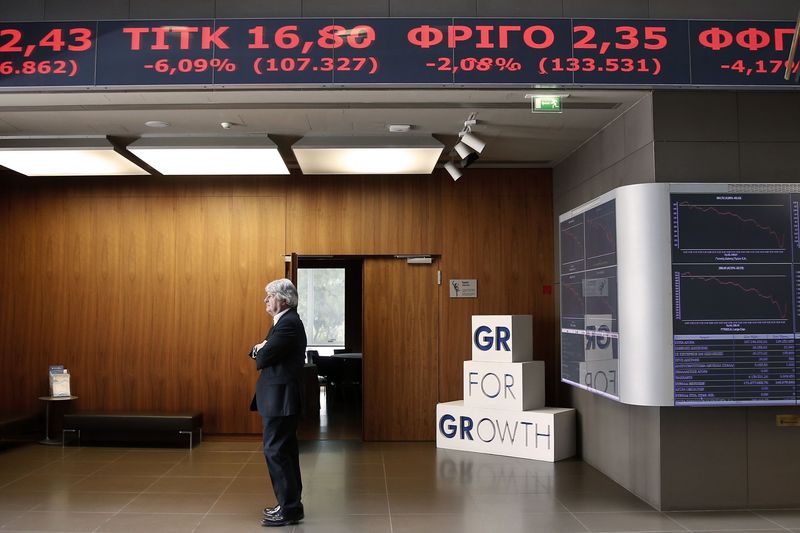
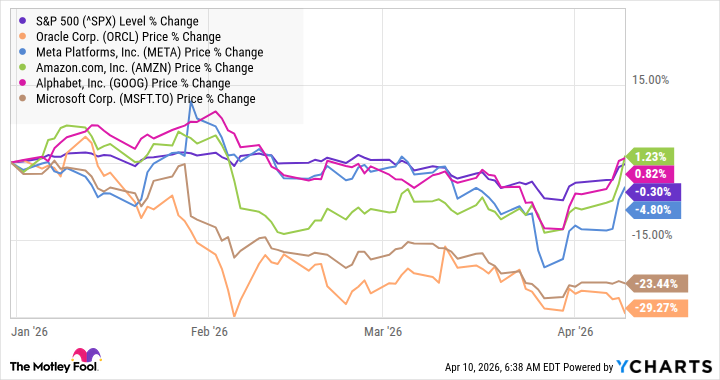
A number of stocks fell in the afternoon session after sentiment continued to weaken as tech stocks faced a dual headwind of deteriorating macro conditions and an unwinding of retail leverage.
The fundamental pressure stems from a sudden oil shock. A reinstated U.S. naval blockade on Iran pushed Brent crude past $85 a barrel, raising expectations that the Federal Reserve will hold rates in the 3.50%–3.75% range. For the software sector, this higher cost of capital could drive stricter scrutiny of AI investments. Investors might be hesitant to fund massive, margin-dilutive infrastructure buildouts without a clear timeline for returns.
The stock market overreacts to news, and big price drops can present good opportunities to buy high-quality stocks.
Among others, the following stocks were impacted:
Zooming In On Upstart (UPST)
Upstart’s shares are extremely volatile and have had 57 moves greater than 5% over the last year. In that context, today’s move indicates the market considers this news meaningful but not something that would fundamentally change its perception of the business.
The previous big move we wrote about was 9 days ago when the stock dropped 5.1% on the news that President Trump declared the Iran ceasefire “over” and threatened renewed strikes, sending oil higher and bond yields up in a session that punished high-multiple tech.
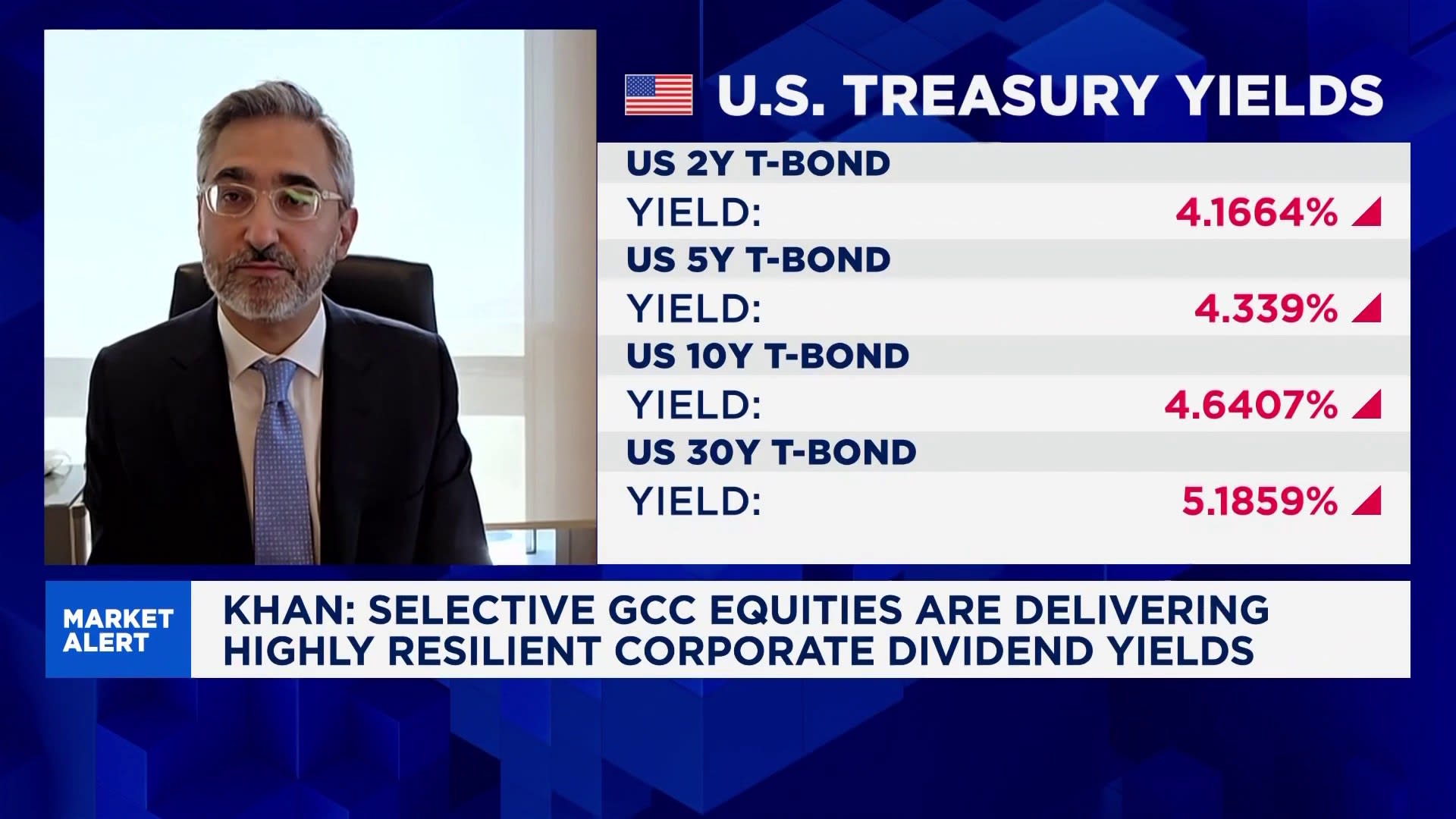
Software companies are quintessential long-duration growth stocks, valued on cash flows expected far into the future, which makes them acutely sensitive to interest rates. When a crude spike revives inflation fears and pushes government bond yields higher, as it did, the discount rate applied to those distant earnings rises and rich software valuations compress fastest.
The move was amplified by a risk-off rotation: with geopolitical tensions flaring, investors rotate out of the market’s most expensive, momentum-driven corner and into energy and defensives. Though software has little direct exposure to oil as an input, its valuation math and its role as a funding source when investors de-risk make it a casualty of these shocks.