
© Billion Photos / Shutterstock.com
Income investors keep coming back to the same playbook in choppy markets: own businesses that have raised their payouts every single year, no matter what the economy is doing. June is a natural moment to reposition into dividend growers because mid-year cash needs to be put to work, and the three names below have done the one thing that matters most to compounders. They keep writing bigger checks, year after year, through every recession, crash, and inflation cycle since the 1960s.
Here are three Dividend Kings (or king-adjacent) names worth a hard look this month.
Coca-Cola (KO)
Coca-Cola (NYSE:KO | KO Price Prediction) is the cleanest expression of the “pay you more every year” thesis. Management confirmed on the Q4 2025 call that this marks the 63rd consecutive year of dividend increases, putting it among the most elite Dividend Kings in the market. The company paid $8.8 billion in dividends during 2025, and the most recent quarterly payout sits at $0.53 per share, with an ex-dividend date of June 15, 2026 and a payment date of July 1, 2026.
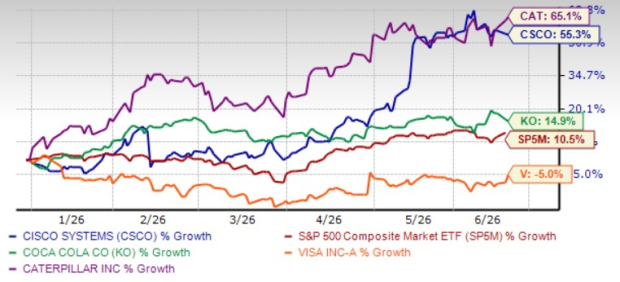
The bull case got stronger in April. Q1 2026 revenue rose 12% year over year to $12.47 billion, organic revenue grew 10%, and operating margin expanded to 35% from 33%. Coca-Cola Zero Sugar volumes jumped 13%. Management is guiding to comparable EPS growth of 8% to 9% and roughly $12.2 billion in free cash flow for 2026, which more than covers the dividend. Shares are up 17% year to date at $80.36, and the Street’s average target sits at $85.97.
Risk: The pending sale of Coca-Cola Beverages Africa creates a roughly 4% revenue headwind, and Asia Pacific operating income fell 17% last quarter. Trailing valuation at a 26 P/E is not cheap for a low-single-digit organic grower in a normalized year.
Procter & Gamble (PG)
Procter & Gamble (NYSE:PG) recently checked the box on its 70th consecutive annual dividend increase and its 136th consecutive year of dividend payments since incorporation in 1890. That is roughly a century and a half of uninterrupted cash returns. The current quarterly dividend stands at $1.0885 per share, with an ex-dividend date of April 24, 2026. Management has earmarked roughly $10 billion in dividends for FY2026 on top of $5 billion in planned buybacks.
Q3 FY26 results showed the engine is still running. Net sales rose 7% to $21.24 billion, organic sales grew 3%, and the Beauty segment posted 7% organic growth. CEO Shailesh Jejurikar called it “a solid acceleration in top-line results… with broad-based growth across product categories and regions.” The stock trades at $152.52 after a 7% YTD gain, with the analyst target average at $163.43 and a current yield of 3%.
Risk: P&G is absorbing roughly $400 million in after-tax tariff costs and a $150 million commodity headwind in FY2026, and Core EPS is now expected toward the low end of the $6.83 to $7.09 range. Core gross margin compressed 100 basis points, which is the kind of slow drip that can mute total return even if the dividend keeps climbing.
AbbVie (ABBV)
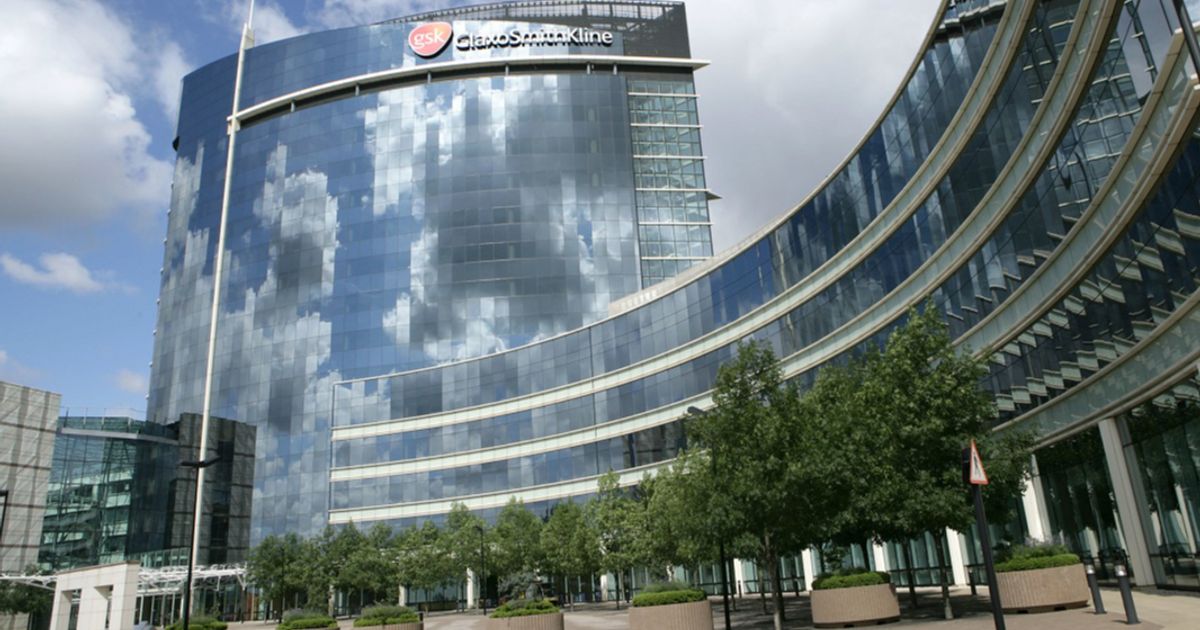
AbbVie (NYSE:ABBV) is the highest-yielding name of the three at 3%, with a most recent quarterly payout of $1.73 per share and an ex-dividend date of April 15, 2026. The dividend has been raised every year since the 2013 spinoff from Abbott, and combined with the parent’s heritage, the lineage qualifies it as part of a 50-plus-year Dividend Aristocrat track record. Quarterly payouts climbed from $1.55 in 2024 to $1.64 in 2025 to $1.73 in 2026.
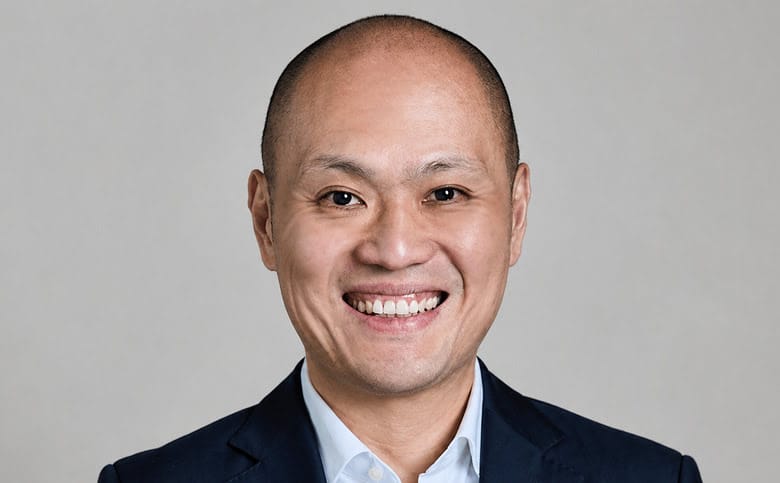
The Humira-to-immunology handoff is working. Q1 2026 revenue rose 12% to $15.00 billion, with Skyrizi up 31% to $4.48 billion and Rinvoq up 23% to $2.12 billion. Management raised full-year adjusted EPS guidance to $14.08 to $14.28. CEO Robert A. Michael said AbbVie is “off to an excellent start in 2026, with first-quarter results exceeding our expectations.” Shares trade at $221.80, off slightly year to date, and the analyst average target is $253.55 based on 8 strong buys and 16 buys.
Risk: Humira sales fell 39% to $688 million, the trailing GAAP P/E reads at 111 on IPR&D-charge noise, and shareholders’ equity is negative. The forward P/E of 16 is a far more accurate read on the underlying business.
What To Watch Next
All three names share a single common feature: they have raised payouts through every recession of the past half century, and each is doing it again in 2026. KO is the steadiest compounder, PG is the deepest moat, and ABBV is the highest yield with the most growth attached. For June income hunters wanting durable raises rather than chasing yield traps, this is the bench to study.