Market Review and Analysis
The macroeconomic landscape during the week of July 20 to July 26, 2026, was defined by a notable deceleration in inflationary pressures alongside resilient business activity. Consumer price data released during the week showed a surprise decline, marking a significant milestone in the disinflationary trend, while wholesale inflation figures also unexpectedly retreated. However, the S&P Global Flash US Composite PMI rose to an eight-month high of 53.6 in July, indicating that the services sector remained robust despite a slight easing in manufacturing activity. These domestic data points were countered by rising geopolitical tensions as escalating military strikes between the United States and Iran disrupted maritime traffic in the Persian Gulf and Red Sea, leading to a sharp surge in crude oil prices that introduced new inflationary risks.
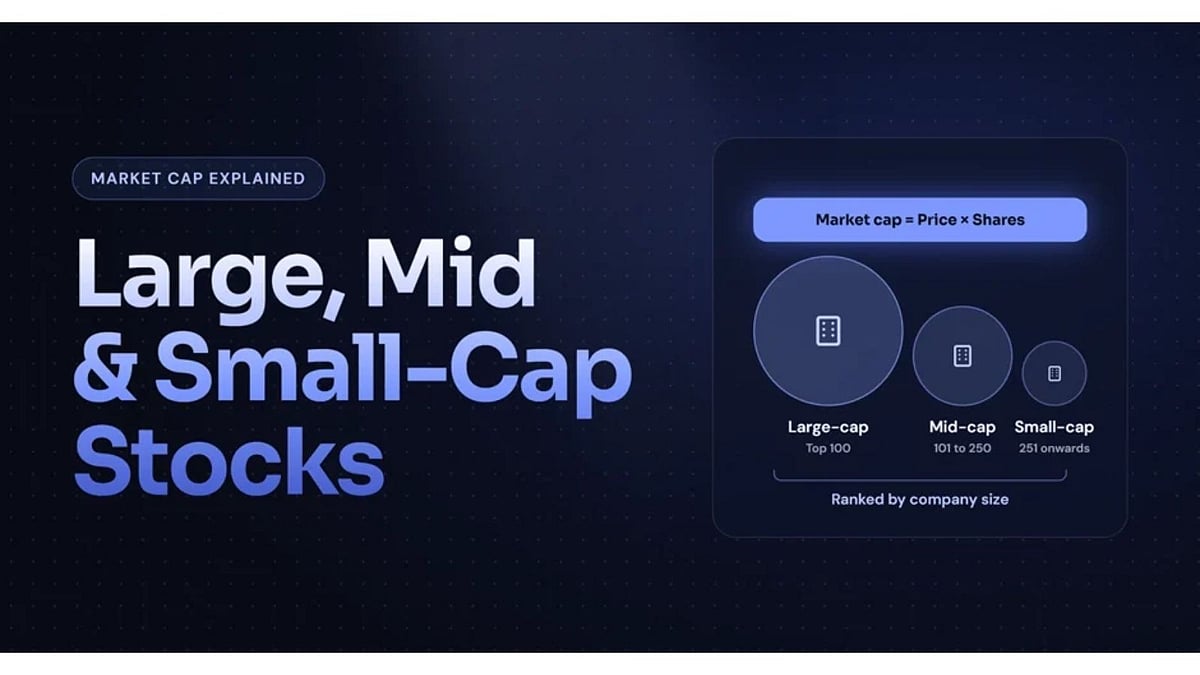
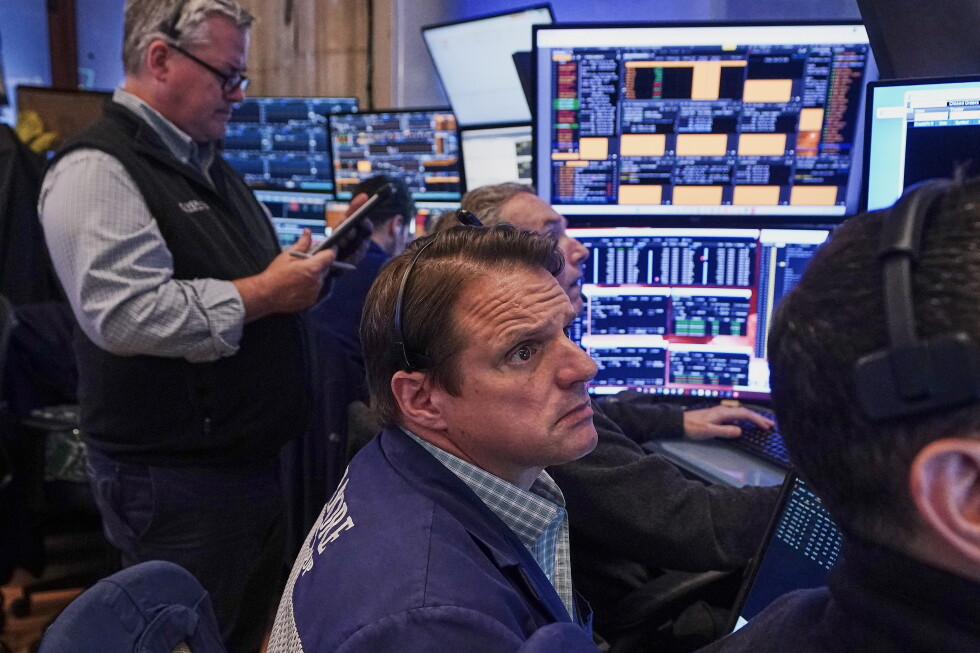
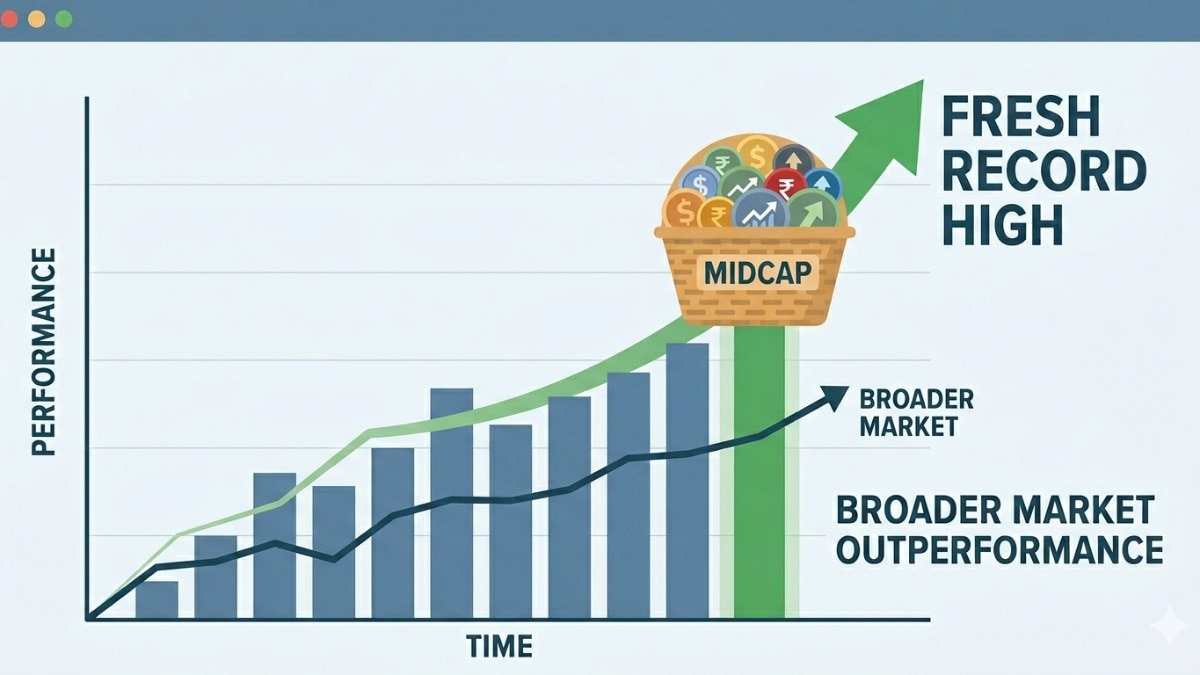
Major U.S. equity indexes ended the week in negative territory, reflecting a period of heightened volatility and aggressive sector rotation. The tech-heavy Nasdaq Composite was the week’s worst performer, falling 2.90% as investors retreated from high-valuation semiconductor and growth stocks. The S&P 500 recorded a weekly decline of 1.55% to close at 7,411.98 on July 24 Eastern Time, while the Dow Jones Industrial Average showed relative resilience with a smaller loss of 0.93%, finishing at 51,947.25. While large-cap benchmarks struggled, small-cap and mid-cap stocks displayed divergent strength, with the S&P MidCap 400 managing to gain 0.23% for the week as capital flowed away from mega-cap technology leaders.
Corporate earnings and regulatory shifts were the primary drivers of market activity throughout the week. Reports from eighty-six S&P 500 companies, including Alphabet and Tesla, sparked investor concern regarding the high capital expenditures required for artificial intelligence relative to immediate revenue returns. Alphabet faced selling pressure as its free cash flow outlook was weighed down by heavy infrastructure spending, while Tesla shares declined following earnings that missed expectations amidst increased spending on autonomous driving. Additionally, the media sector was jolted on July 20 Eastern Time when a California federal judge issued a temporary restraining order to halt the 110-billion-dollar merger between Warner Bros. Discovery and Paramount Skydance for 14 days, citing antitrust concerns.
Flows and sentiment indicated a distinct shift toward risk aversion, as the CBOE Volatility Index increased by 12.2% to end the week at 18.77. The “Magnificent Seven” group of stocks experienced a significant collective loss of nearly 800 billion dollars in market value, suggesting that the AI-driven enthusiasm of previous months has reached a phase of critical reassessment. Trading volume on Friday, July 24 Eastern Time, was recorded at 17.55 billion shares, which remained below the 20-session average, yet decliners significantly outnumbered advancers on both the New York Stock Exchange and the Nasdaq. Fund flows suggested a defensive tilt, with increased positioning in energy and materials as a hedge against geopolitical instability and new trade measures.
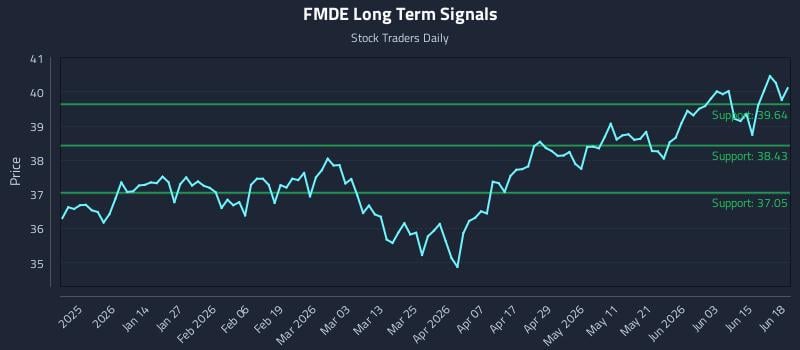
The overall assessment of the market points to a corrective phase where the logic of “AI optimism” is being replaced by a more rigorous evaluation of fundamental earnings and macroeconomic stability. The equity market is currently navigating a cyclical rotation where the previous dominance of technology is giving way to more cyclically-oriented sectors like energy and financials. This transition is being complicated by external shocks, specifically the surge in energy costs and the implementation of new trade tariffs of 10% to 12.5% on imported goods that took effect on July 24 Eastern Time. The market appears to be testing critical support levels as it balances positive domestic inflation news against worsening global supply chain risks.
Next Week’s key market drivers and Investment Outlook
The upcoming week will be centered on the Federal Reserve’s July policy meeting and the release of the Personal Consumption Expenditures price index. Although the central bank is currently in a blackout period through July 30 Eastern Time, the market is pricing in high expectations for a potential policy pivot in the coming months following the recent cooling in inflation data. Investors will also focus on a heavy schedule of remaining corporate earnings and the July labor market report to determine if the economy is maintaining its “soft landing” trajectory amidst high interest rates.
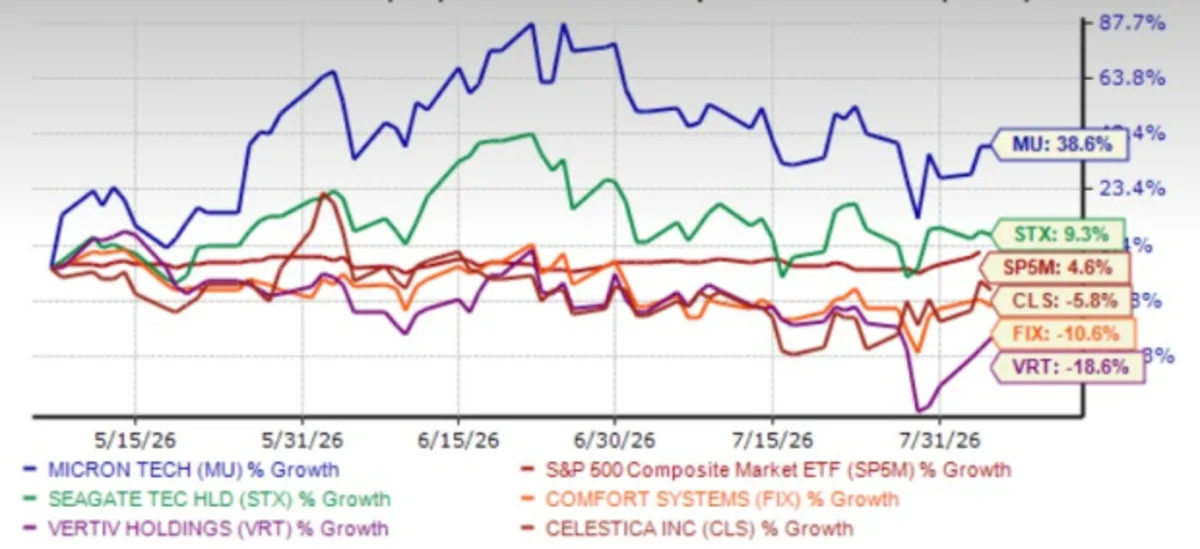
Market logic is expected to evolve from a focus on thematic growth toward a focus on fundamental execution and margins. The recent selloff in chip stocks suggest that the bar for technology earnings has been raised, and companies will need to demonstrate clear monetization of their capital investments to stabilize their stock prices. Furthermore, the divergence between the robust services sector and the easing manufacturing sector may lead to a volatile reaction to any surprises in the upcoming employment data, as the Fed seeks a better balance between its dual mandates of price stability and maximum employment.
Strategy and allocation recommendations favor a defensive rotation with an emphasis on quality and value-oriented sectors. Given the ongoing geopolitical tensions in the Middle East and the resulting pressure on energy prices, the energy sector and commodities remain attractive as tactical hedges. Investors are advised to maintain exposure to mid-cap and small-cap equities, which have shown resilience and may benefit further from a broadening market rally if interest rate expectations continue to soften. Risk appetite should remain moderate, with a preference for companies with strong balance sheets that are less susceptible to the rising costs of imported goods following the new tariff announcements.
Risk alerts for the period ahead include the potential for a sustained energy shock if disruptions in the Red Sea and Persian Gulf intensify. A sharper-than-expected cooling in the labor market could also pivot market concerns from inflation toward recessionary risks, potentially leading to increased volatility in cyclical sectors. Additionally, any hawkish surprises from the Federal Reserve or a rebound in the PCE price index could challenge the current market assumption of imminent rate cuts, putting further pressure on growth-oriented equity valuations that remain near historical highs.