For years, the MFDs have focused on returns, rankings, star ratings and fund manager track records while selecting the funds for their client portfolios. While these metrics remain important, the stress-test disclosures on AMFI opens a new dimension of fund evaluation that can help mutual fund distributors (MFDs) build portfolios that are better aligned with client suitability.
The latest analysis of small-cap and mid-cap funds highlights that two funds belonging to the same category and delivering similar returns may carry very different risks beneath the surface.
Recent industry data reveals that a fund may have lower volatility but poor liquidity. Another may have excellent liquidity but a highly concentrated investor base. A third may have a stable portfolio but frequent portfolio churn.
For distributors, these parameters offer a practical framework to move beyond performance chasing and toward suitability-driven advice.
This framework is based on five key parameters which include volatility (standard deviation and beta), portfolio turnover, asset concentration, liability concentration and liquidity (stress test).
Rather than using these metrics to rank funds, MFDs can use them to match funds with specific client profiles.
Parameter 1: Volatility – How much turbulence can the client tolerate?
Volatility measures how sharply a fund’s returns can fluctuate. While many investors say they can tolerate risk during bull markets, their behavior often changes dramatically during corrections.
A young investor with a 15-year investment horizon may be comfortable with a more volatile portfolio if it offers greater upside potential. On the other hand, a retiree investing a lump sum or a first-time investor beginning a SIP may be uncomfortable with large drawdowns.
For such clients, funds with relatively lower standard deviation and beta may provide a smoother investment journey.
Client suitability
The MFDs should keep in mind that the funds with higher volatility are suitable for the investors who are okay with their portfolio going down during troubling periods. These clients often have longer investment horizons, allowing them to remain invested during cycles.
MFDs can recommend these funds to young investors, long-term wealth creators, aggressive investors and investors comfortable with market corrections.
On the other hand, lower volatility funds can be suitable for first-time investors who need to have good experience of investing, conservative equity investors who cannot tolerate volatility, near-retirement clients requiring regular income and investors with lower behavioral risk who can tolerate corrections in the portfolio values.
While dealing with this parameter, the key question for MFDs is not whether a fund is volatile, but whether the client can stay invested when volatility arrives.
Parameter 2: Portfolio Turnover – Indicator of the fund manager’s style and conviction
Portfolio turnover indicates how frequently the fund manager reshapes the portfolio. High turnover often signals a tactical, momentum-driven or opportunistic investment approach, while low turnover usually reflects a buy-and-hold philosophy with high conviction in underlying businesses and the growth of the economy.
The MFDs should understand that, in the mutual fund framework, neither approach is inherently superior or inferior to another, because in mutual funds high churn does not significantly impact the cost of managing the fund.
However, they suit different client expectations. Investors who prefer consistency and stability may be more comfortable with lower-turnover funds where the investment philosophy remains relatively unchanged. Further, the clients who appreciate active management and tactical calls may prefer managers who frequently reposition portfolios.
Suitability
High-turnover funds can be suitable for investors seeking active management, clients comfortable with changing portfolio positioning and clients who are comfortable with tactical allocation strategies.
While the funds with low-turnover can be suggested to clients who want to have long-term SIPs, clients who are comfortable with buy-and-hold approach and clients seeking consistency in portfolio construction.
For distributors, the turnover of the fund indicates what the fund owns today and how the fund manager is likely to behave in specific market conditions.
Parameter 3: Asset Concentration – Purity of category exposure
Asset concentration is one of the most important parameters to decide the asset class exposure of the clients. According to the data, the fund category can have very meaningful differences when it comes to their exposure to various segments that include large cap, mid cap, small cap and cash.
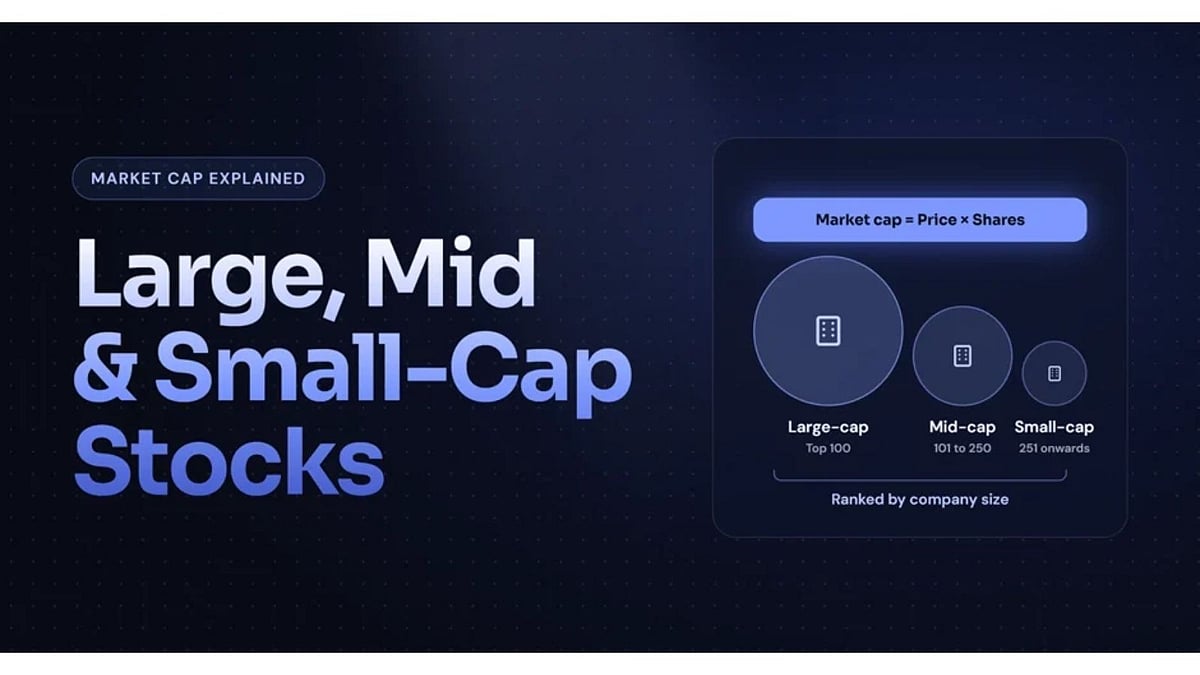
The industry data highlights that many mid-cap funds have meaningful allocations to large-caps and small-caps and similarly, several small-cap funds carry significant exposures to large-cap, mid-cap or cash positions.
This difference in the exposure creates different risk-return experiences for investors.
A client selecting a small-cap fund may assume that they are getting pure small-cap exposure, while in reality, some funds use large-cap allocations to reduce volatility and improve liquidity. Similarly, a mid-cap fund with significant small-cap exposure may generate higher returns during bull markets but may also face deeper drawdowns during corrections.
Suitability
By focusing on this parameter, MFDs can take a call on the purity of the category. High category purity funds can be suitable for investors seeking targeted exposure, looking for satellite portfolio allocations and interested in tactical market-cap allocation strategies.
Diversified market-cap exposure can be allocated to core portfolio investors, clients with moderate risk profile and seeking smoother returns.
By utilizing the asset concentration parameter, MFDs can understand what their clients are actually holding in their portfolios. This reduces their blind reliability on the name of the funds which may not be true to their label.
Parameter 4: Liability Concentration – The hidden redemption risk
Liability concentration is perhaps one of the most underappreciated metrics available today in the Indian mutual fund industry. It measures how much of a fund’s assets are held by its largest investors.
A fund may have a well-diversified portfolio, but if a handful of investors own a large percentage of the AUM, sudden redemptions can create pressure on the fund manager, which may drastically impact the NAV of the fund as he will be forced to sell liquid securities and an unfavorable price band.
This can be a good indicator for any kind of fund but it becomes even more relevant in small-cap and mid-cap categories where underlying stock liquidity is limited.
Suitability
MFDs should keep in mind that low liability concentration funds are suitable for retail-focused portfolios, long-term investors and clients who are prioritizing portfolio stability over return potential.
Overall, the higher liability concentration funds are suitable for the investors willing to accept additional redemption risk.
Parameter 5: Liquidity Stress Test – Test of resilience
Liquidity can be attributed as the most important parameter in category selection. Stress-test framework measures how long it would take a fund to liquidate portions of its portfolio under stressed market conditions.
The data indicates that some funds can liquidate half their portfolio within a day while others may require several weeks.
MFDs should keep in mind that a fund with high liquidation period may not necessarily be an inferior fund. In many cases, longer liquidation periods reflect ownership of high-conviction.
Suitability
High-liquidity funds are suitable for investors requiring flexibility, clients nearing financial goals and conservative equity investors while lower-liquidity funds match the client profiles of long-term investors with no foreseeable liquidity needs and aggressive investors seeking exposure to less-discovered opportunities.
While using this framework, MFDs should know that liquidity is not about daily redemption capability. It is about understanding how the portfolio behave when markets face stress.
Fund selection based on this five-parameter framework
The real value of these metrics is not in their individual existence, rather the real value of these parameters emerges when we use them together.
Here are some of the examples to use these metrics based on the client profile:
|
Investor Profile
|
Volatility
|
Portfolio Turnover
|
Asset Concentration
|
Liability Concentration
|
Liquidity (Stress Test)
|
What the MFD is Solving For
|
|
Aggressive Wealth Creator
|
Higher volatility acceptable
|
Moderate to high turnover
|
High category purity (more mid-cap/small-cap exposure)
|
Moderate concentration acceptable
|
Can tolerate lower liquidity
|
Maximizing long-term wealth creation and alpha generation
|
|
Disciplined SIP Investor
|
Moderate volatility
|
Low turnover
|
Diversified market-cap exposure
|
Low concentration
|
Strong liquidity
|
Consistent wealth accumulation with fewer portfolio surprises
|
|
Near-Retirement Investor
|
Lower volatility
|
Low turnover
|
Higher allocation to large-caps and cash buffers within category
|
Low concentration
|
Strong liquidity
|
Capital preservation and easier access to money when required
|
|
Sophisticated HNI Investor
|
Can tolerate high volatility
|
Flexible; depends on strategy
|
Comfortable with concentrated and high-conviction portfolios
|
Moderate to high concentration may be acceptable
|
Can accept lower liquidity
|
Pursuing long-term alpha and differentiated investment strategies
|
|
First-Time Equity Investor
|
Low to moderate volatility
|
Low turnover
|
Diversified exposure across market caps
|
Low concentration
|
Strong liquidity
|
Building confidence and reducing behavioral risk during market corrections
|
|
Goal-Based Investor (5–7 year horizon)
|
Moderate volatility
|
Moderate turnover
|
Balanced exposure across market caps
|
Low concentration
|
Good liquidity
|
Achieving specific goals such as education, home purchase, or retirement corpus
|
|
Tactical Market Participant
|
Higher volatility acceptable
|
High turnover
|
High category purity
|
Moderate concentration
|
Moderate liquidity acceptable
|
Capturing market opportunities and sector/style rotations
|
|
Conservative Equity Investor
|
Low volatility
|
Low turnover
|
Diversified exposure with meaningful large-cap allocation
|
Low concentration
|
High liquidity
|
Seeking equity participation while minimizing downside risk
|
Quick thumb rule for MFDs
|
Parameter
|
Best suited for
|
|
High Volatility
|
Young investors, long investment horizons, aggressive risk profiles
|
|
Low Volatility
|
Retirees, conservative investors, first-time equity investors
|
|
High Turnover
|
Tactical investors who prefer active fund management
|
|
Low Turnover
|
Long-term SIP investors seeking consistency
|
|
High Category Purity
|
Investors seeking targeted exposure to a specific market-cap segment
|
|
Diversified Asset Mix
|
Core portfolio investors looking for smoother return experience
|
|
Low Liability Concentration
|
Investors prioritizing stability during redemption cycles
|
|
High Liquidity
|
Investors who may need access to capital in emergencies
|
|
Lower Liquidity
|
Investors with long horizons and no near-term cash requirements
|