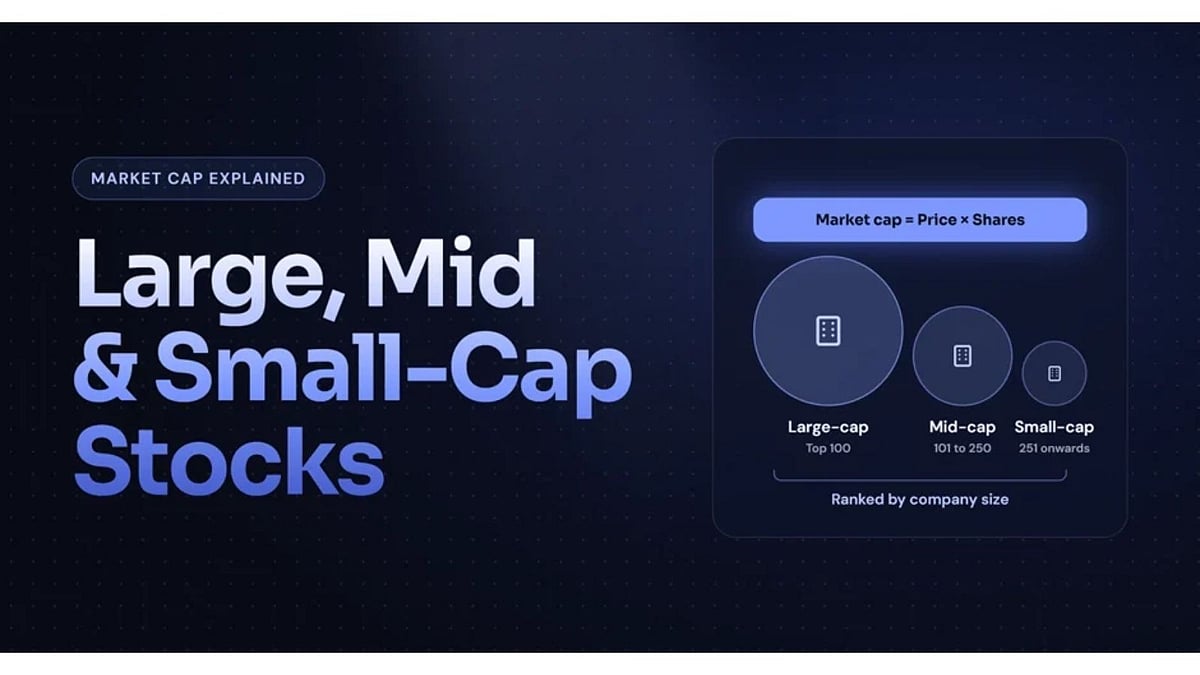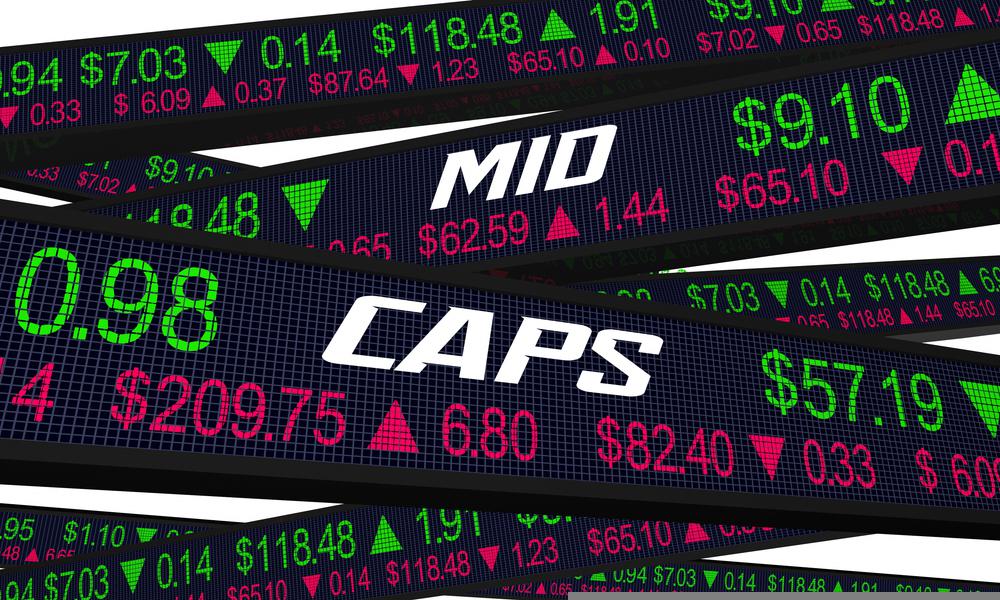
Mid-cap and small-cap stocks often come under scrutiny whenever markets turn volatile. Concerns over expensive valuations, liquidity, and sharper corrections frequently dominate investor discussions.
However, a look at 20 years of market data suggests these segments have consistently rewarded investors during strong market cycles, despite experiencing steeper declines in weak years.
Highlighting this trend in a recent post on X, Niranjan Avasthi, President at Edelweiss Asset Management, argued that the criticism directed at mid- and small-caps often overlooks their long-term wealth-creation potential.
“Mid & smallcaps get scolded a lot. They get scolded in every correction. Get questioned on their volatility, governance, liquidity, valuations, etc. But when you look at 20 years of calendar-year returns, the scolding gets questionable,” he wrote.
The numbers tell an interesting story
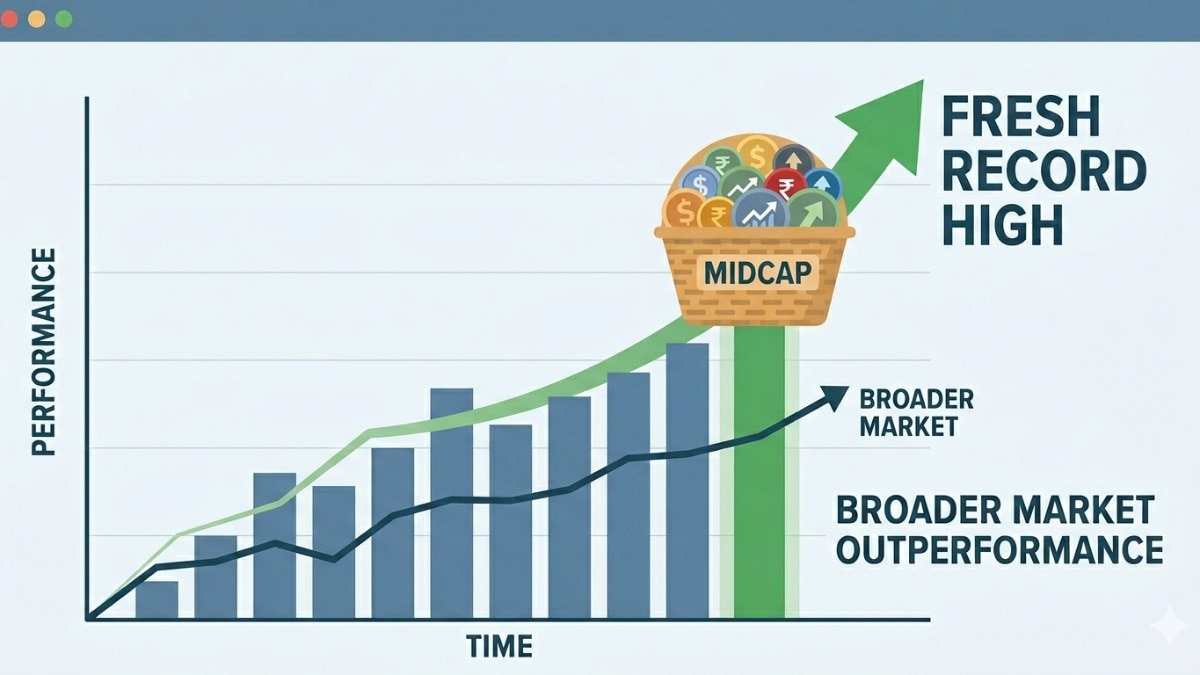
The calendar-year returns over the past 20 years show that while large-caps have generally held up better during weak markets, mid- and small-caps have delivered significantly stronger returns whenever the broader market has rallied.
As Avasthi notes, 2009, 2014, 2017, 2021, 2023 and 2024 all saw wide gaps in favour of mid- and small-caps, underscoring their ability to outperform during strong market cycles.
- 2009: Nifty 100 (Largecap) gained 84.9%, while the Nifty Midcap 150 surged 113.9% and the Nifty Smallcap 250 climbed 117.4%.
- 2017: Nifty 100 rose 34.2%, while the Nifty Midcap 150 and Nifty Smallcap 250 gained 56.6% and 60.2%, respectively.
- 2024: The Nifty 100 delivered 13% returns, compared with 24.5% for the Nifty Midcap 150 and 27.2% for the Nifty Smallcap 250.
Large-caps offer better downside protection
In difficult years such as 2008, 2011 and 2018, the Nifty 100 declined less than the Nifty Midcap 150 and Nifty Smallcap 250.
During the 2008 global financial crisis, the Nifty 100 fell 53.1%, compared with 64.9% for the Nifty Midcap 150 and 68.6% for the Nifty Smallcap 250.
Similarly, in 2011, the Nifty 100 declined 24.5%, while the Nifty Midcap 150 and Nifty Smallcap 250 lost 30.2% and 34.3%, respectively.
According to Avasthi, this is where large-caps have historically outperformed. “The only years largecaps win are the bad years — 2008, 2011, 2018 — where they simply fall less.”
Align portfolio with your economic outlook
According to Avasthi, investors should decide their allocation to large-, mid- and small-caps based not just on volatility but also on their conviction in India’s long-term growth story.
“Which means the choice isn’t really about market cap. It’s about your view on India over medium term,” he adds.
“If you are bullish, you have to have mid & smallcaps; that’s where the wealth is created. If you are bearish, stick with largecaps; that’s where you protect downside,” he explained.
At the same time, he warns that being optimistic about India‘s economic growth and avoiding the mid- and small-caps could limit long-term gains.
“But if you are bullish on the economy and bearish on mid and smallcaps, then it can dent your portfolio returns on the upside,” he concluded.
Disclaimer: This is purely for educational/ informational purposes and should not be taken as any sort of investment advice. Always consult a SEBI-registered advisor before making any investment decisions.