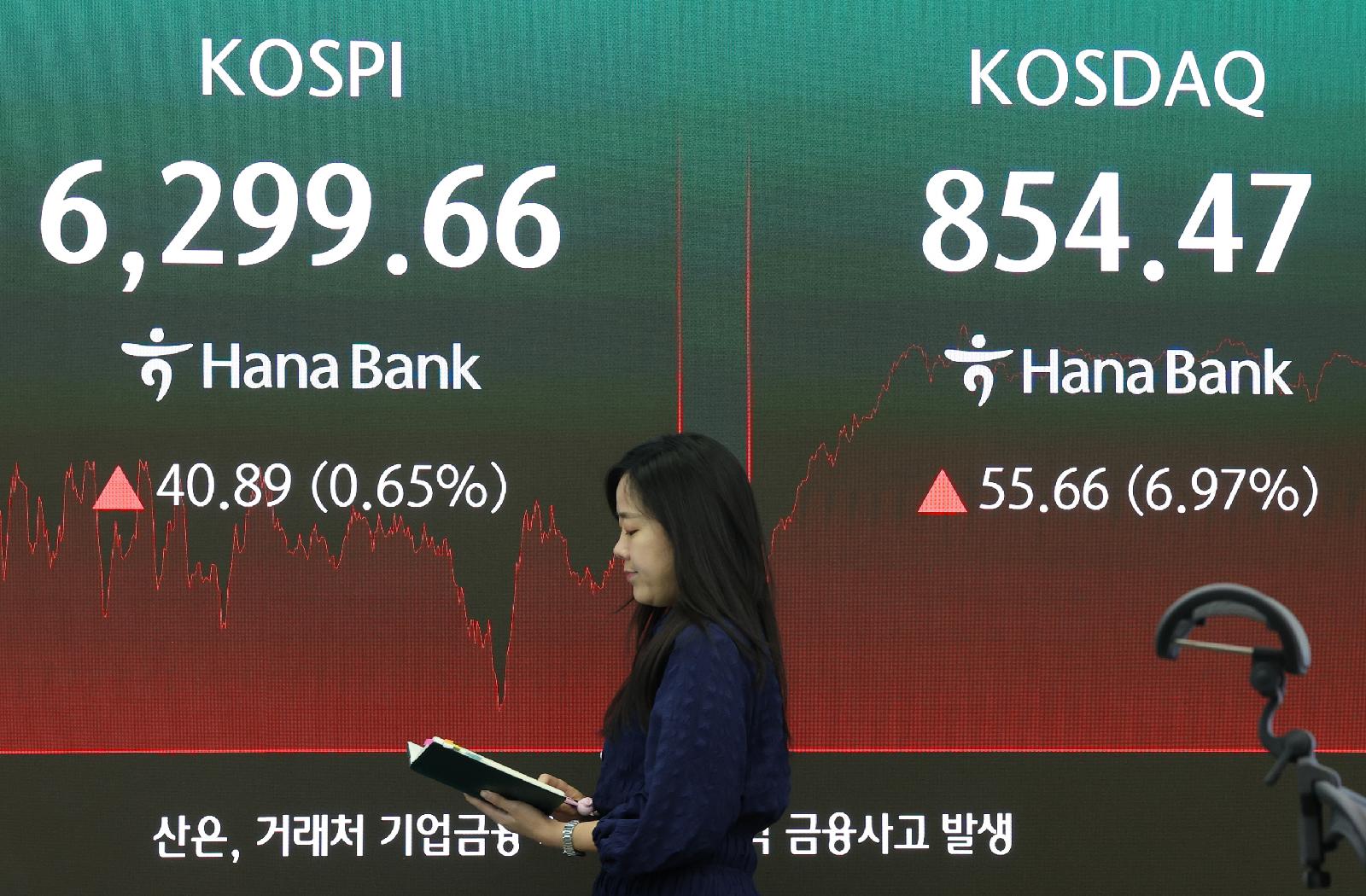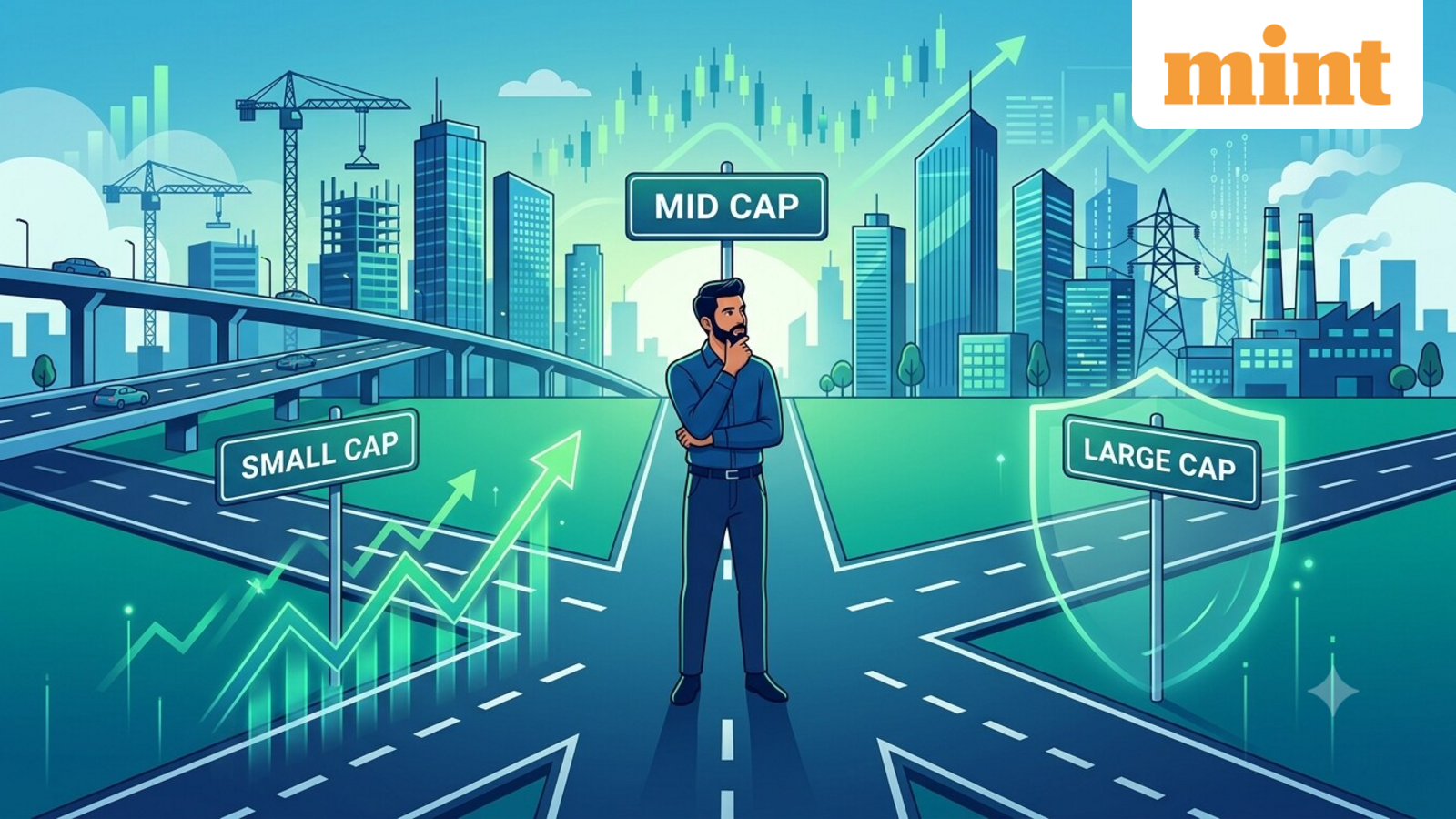
Understand how large-, mid- and small-cap stocks differ on size, stability, growth potential and risk.
Published:
Ever notice how a massive, decades-old brand and some fresh new player selling the exact same product hit you completely differently. One feels safe just because it’s been around forever. The other feels exciting because who knows, it might blow up. Stocks split along a similar line, and that split comes down to something called market cap.
Overview
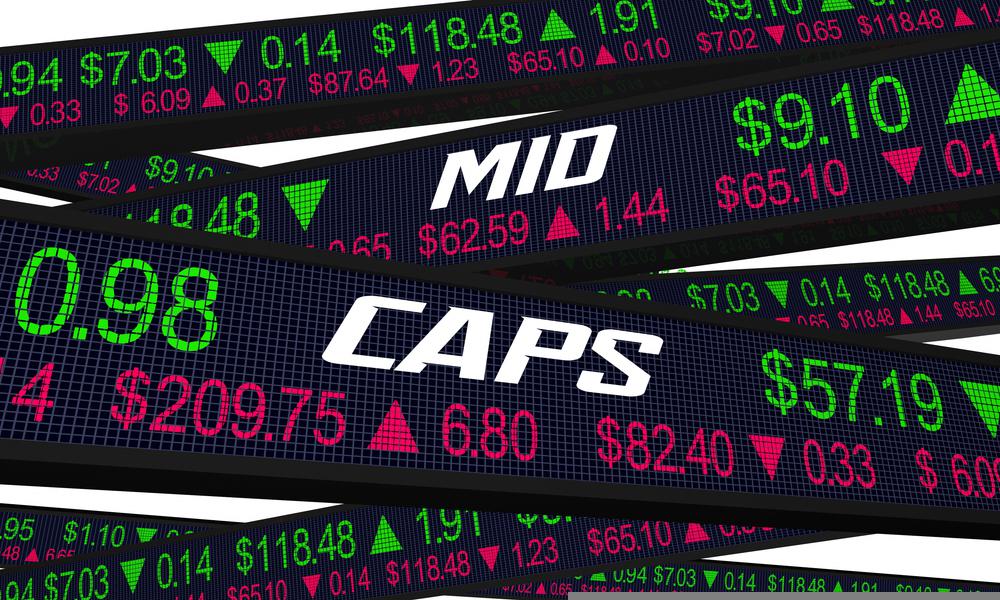
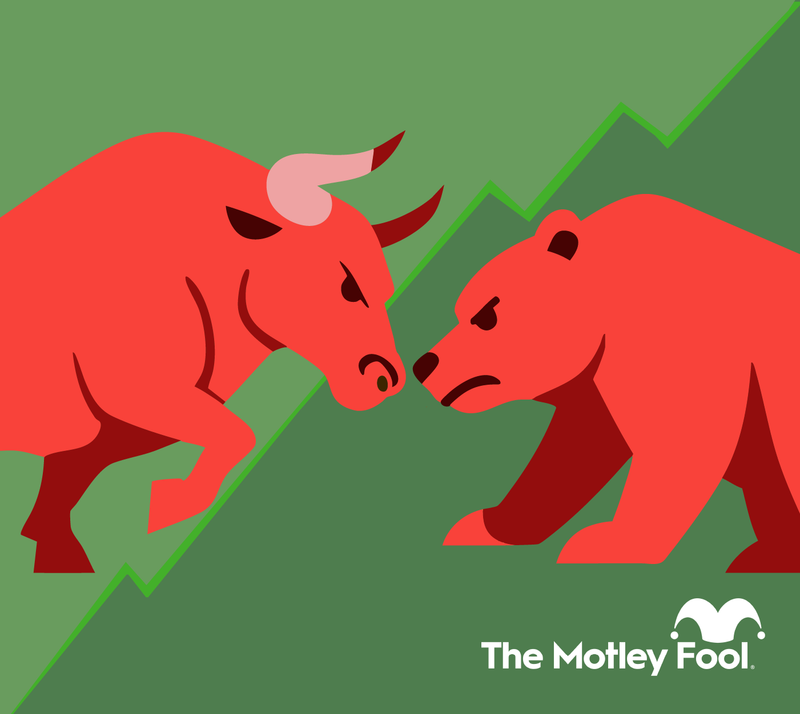
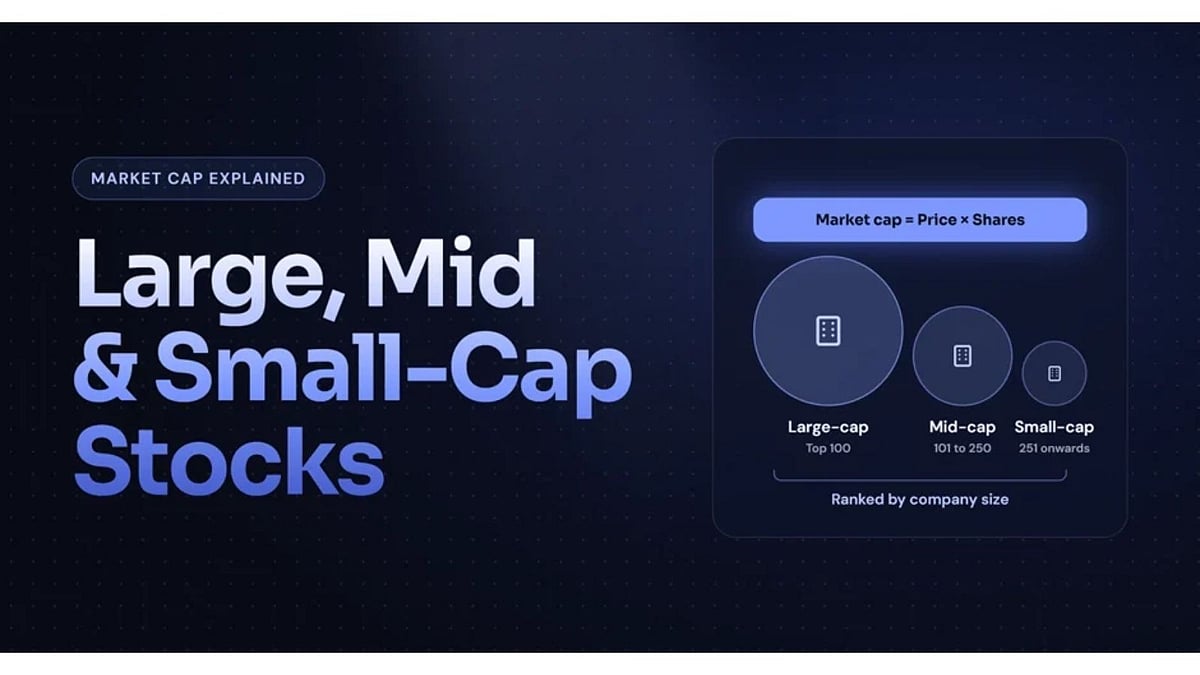
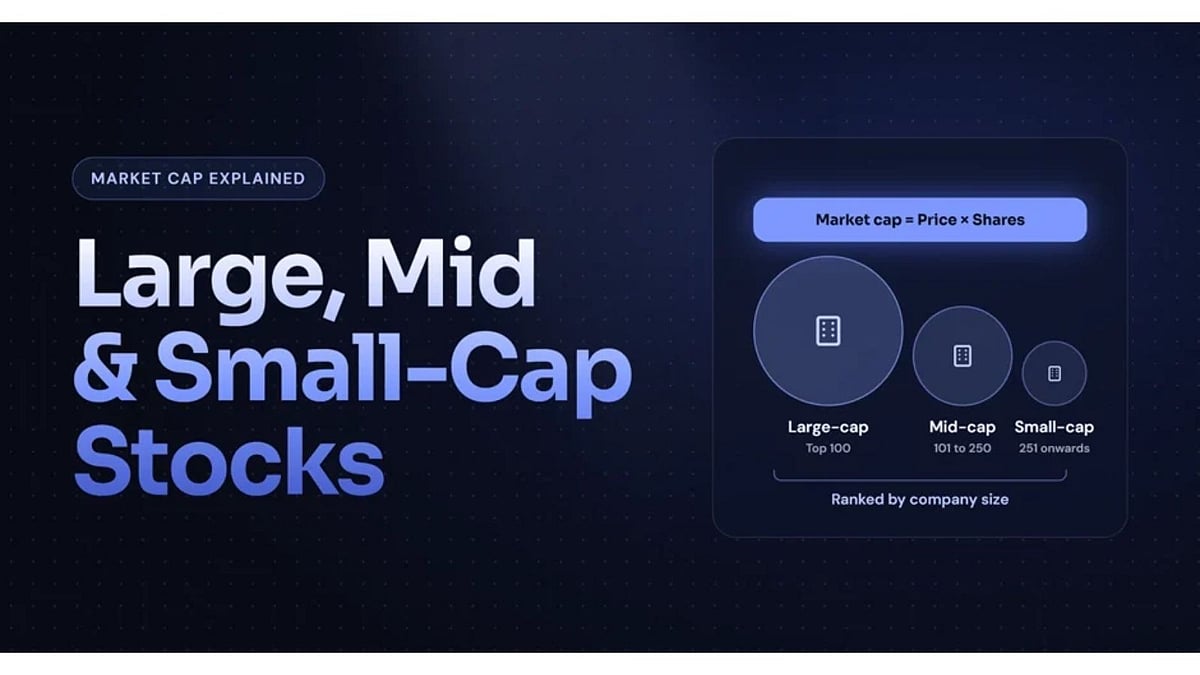
Market cap, short for market capitalization, is just a company’s total value on the stock exchange, its share price multiplied by however many shares it has out there. Based on that number, companies generally fall into three buckets, large-cap, mid-cap, and small-cap. It’s not really a quality label, more a rough size marker telling you how big and established a company already is.
A Quick Comparison
| Large-Cap Stocks | Mid-Cap Stocks | Small-Cap Stocks | |
|---|---|---|---|
| Size | Biggest, most established companies | Mid-sized, still growing | Smaller, early-stage companies |
| Stability | Usually steadier | Some ups and downs | Can swing a fair bit |
| Growth potential | Slower, more predictable | Decent mix of growth and risk | Higher upside, higher risk too |
| Good for | Beginners wanting stability | Folks okay with some risk | Investors chasing faster growth |
None of this makes small-cap “bad” or large-cap “boring” by default. It’s really just about how much risk you’re okay sitting with.
Using Trackk to Compare Across Caps
Figuring out which cap actually fits you gets a lot simpler with the right tool. On Trackk, you can pull up large cap stocks, mid cap stocks, and small cap stocks and check them side by side using the Compare Stocks feature, valuation, volatility, debt levels, promoter confidence, risk meter, all on one screen instead of hunting across five different sites. That’s what a Trackk investing platform is really for, comparing properly instead of guessing off a name you’ve only heard once.
A Mix Worth Knowing
A quick look at three names that sit across different caps. Not a push to buy any of them, just worth knowing what they actually do before you decide anything either way.
1. HDFC Bank Large-cap, one of India’s biggest private banks, doing pretty much everything, savings accounts, loans, credit cards. Its scale and long, steady track record are hard to argue with. What works against it is how closely banking stocks move with interest rates and the broader economy, so when things slow down, lending’s usually first to feel it.
Best for: someone who wants large-cap stability and isn’t looking for anything dramatic, just steady exposure to one of the country’s biggest banks.
Strength: is its scale, brand trust, and a long track record of consistent growth, the kind of profile that tends to hold up reasonably well even when markets get shaky.
Risk: comes from how tightly banking stocks are linked to interest rate changes and the broader economy, when the economy slows down, lending activity and loan repayments usually take the hit first.
2. Polycab India Sits in mid-cap territory, known for cables and wires, along with a growing line of electrical products. Riding India’s ongoing infrastructure and housing push has worked out well for it, which is where the growth potential comes from. Being mid-cap though, it’s more exposed to raw material cost swings and however the broader infra sector’s doing at any given moment.
Best: for someone comfortable with a bit more risk than a large-cap in exchange for a shot at faster growth, especially if you believe in India’s infrastructure story playing out over the next several years.
Strength: lies in its exposure to a sector that’s been growing steadily, along with a strong position in cables and wires specifically, a space it’s built a solid reputation in over time.
Risk: shows up through raw material cost fluctuations, since copper and other input prices can swing its margins around, plus general mid-cap volatility that tends to be sharper than what large-caps usually see.
3. CDSL Central Depository Services, smaller-cap, and it plays a fairly unique role, it’s one of the depositories that holds your shares electronically once you start investing through a demat account. Its business tends to grow alongside how many new people are entering the market, so more new investors usually means more business for CDSL. Since it’s smaller and closely tied to market activity, a quiet year for the markets can hit it harder than it would a large-cap.
Best for someone specifically interested in small-cap exposure tied to India’s growing investor base, rather than a typical product or manufacturing business.
Strength is its fairly unique position, there aren’t many companies doing exactly what it does, and its revenue naturally grows as more people open demat accounts and start investing.
Risk is that its fortunes are closely tied to market activity itself, so a slow year for the stock market, fewer new investors, less trading volume, can directly hurt its business in a way that wouldn’t necessarily affect a company in a completely different sector.
Factors to Consider
Think about how much volatility you can actually sit through without panicking, small-caps swing a lot more than large-caps do. Check the sector each company’s in, and whether it’s genuinely growing or just riding a temporary wave. Look at valuation, is the price fair next to what the company’s actually earning, or is it running purely on hype. And be honest about your time horizon, chasing a best stocks in India list means something very different depending on whether you’re in it for five years or five months.
Conclusion
Large, mid, and small-cap stocks were never really about which one’s better, just different levels of risk and stability, and the right mix depends on what you’re actually comfortable with. A Trackk investing platform setup makes comparing across all three a lot less of a headache.
So, are you team steady large-cap, or are you eyeing something with a bit more risk baked in?