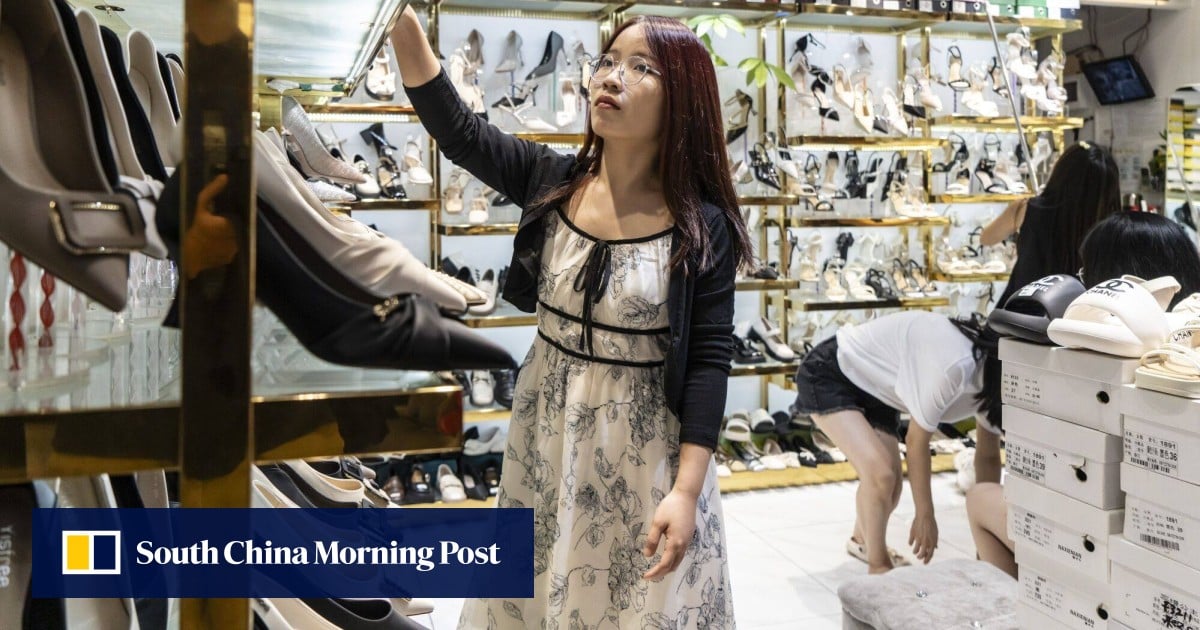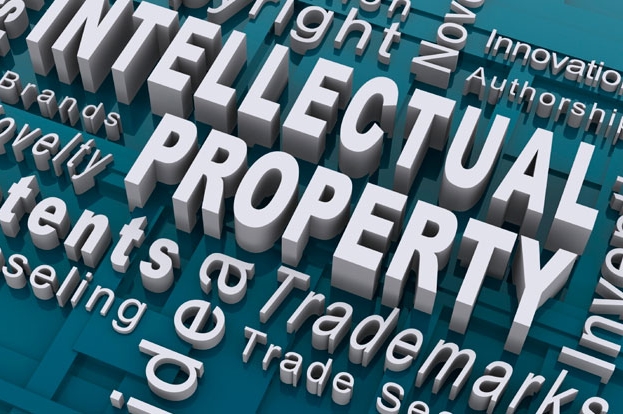
Fashion, beauty, and furniture companies all face the same intellectual property issue: their best, most popular designs are often easy to copy and increasingly hard to protect.
While IP law protects many types of creations, flagship designs — such as a unique shoe shape, a sleek mascara bottle, or an iconic chair — rarely fit squarely into a single type of IP. Suing copycats and defending such lawsuits is inefficient, costly, and jeopardizes brands’ most prized designs.
But sometimes lawsuits are inevitable. Understanding the relevant IP laws and available defenses before launch can help win them. The most effective protection against this “dupe culture” is to layer trademarks, design and utility patents, copyrights, trade secrets, and smart contracts over a single product. In-house counsel should take steps to:
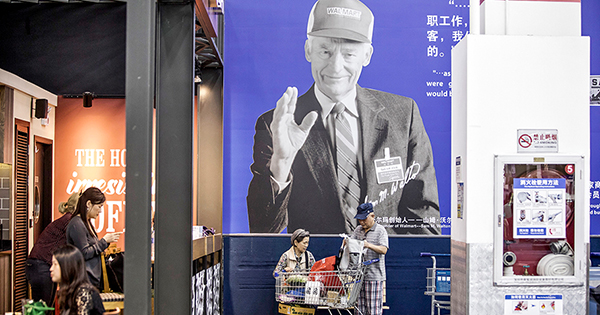
Invest in brand association for your company’s designs. Product-design trade dress is one tool. Unlike patents, trade dress rights can last indefinitely. But as the US Supreme Court explained in Wal-Mart Stores, Inc. v. Samara Bros, product configurations are never inherently distinctive. Companies must show that consumers associate their design with a single source, a legal concept known as secondary meaning.
Advertising and marketing departments are critical to the IP strategy: consistently promoting distinctive design elements, maintaining advertising and sales records, and preserving evidence that consumers associate the designs with a particular brand will help show that the design is protectable trade dress.
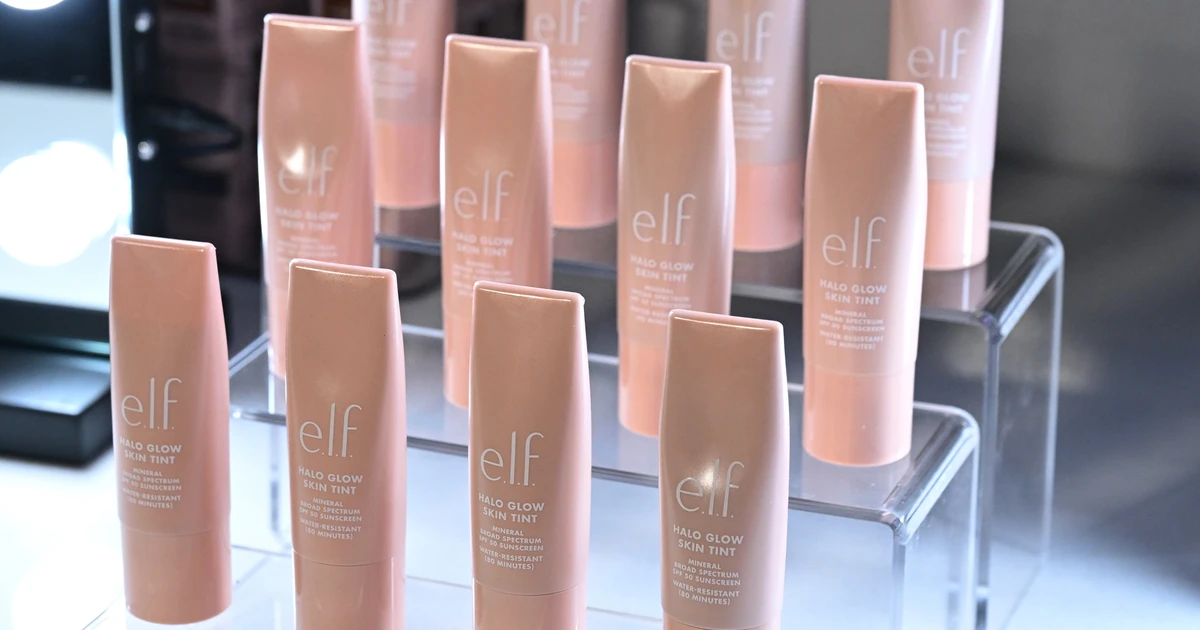
The beauty litigation in Benefit Cosmetics LLC v. e.l.f. Cosmetics, Inc. illustrates both the potential and the difficulty of showing secondary meaning. Benefit asserted trademark and trade-dress rights involving its ROLLER LASH mascara against e.l.f.’s Lash ’N Roll product. Benefit successfully showed secondary meaning using evidence of its advertising, sales numbers, press coverage, industry recognition, and copying by others.
Furniture and fashion companies face the same challenge. Furniture designs such as the Eames chairs, Noguchi table, and Nelson Bubble Lamp might have acquired secondary meaning, but Deckers’ UGG boots have not. Two separate district courts recently held that the prevalence of shearling boots in the market prevents Deckers’ UGG boots from having secondary meaning.
Start building evidence to protect designs before they become iconic or competitors arrive.
Imitation isn’t always infringement. For brand owners, copying isn’t always unlawful. Trademark law protects consumers from confusion about source, sponsorship, or affiliation — not imitation itself. A consumer may knowingly (and purposefully) buy a cheaper lookalike if she likes the design but wants to save money.
Benefit Cosmetics demonstrates the distinction. Even after Benefit showed secondary meaning, it ultimately lost because consumers weren’t confused as to the source of e.l.f.’s copycat mascara.
That distinction matters across fashion, beauty, and furniture. Don’t treat every lookalike as an infringement problem. Identify what was copied and which IP right protects it: A logo may implicate trademark law, decorative artwork may implicate copyright, an ornamental product configuration may be protected by a design patent, and confidential technology may implicate trade-secret law.
Identify the right protection, not just the copy.
Don’t forget about patents. Design-focused companies often prioritize trademarks and copyrights but forget about patents, which can be a costly mistake.
Design patents protect the unique look of your products without making you prove secondary meaning or that customers confuse your brand with a copycat. Additionally, recent court rulings like the US Court of Appeals for the Federal Circuit’s decision in LKQ Corp v. GM Global. Tech have changed how design patents are evaluated, making it the perfect time to review and update your overall protection strategy.
Utility patents can be important, too, especially for the technology behind your products. In the fashion, beauty, and furniture industries, utility patents are often obtained for new materials or methods of manufacturing. For example, a high-profile battle between Olaplex and L’Oréal involved the patents and trade secrets behind hair treatments.
Though a jury ruled for Olaplex and the district court ordered L’Oréal to pay $66 million, the Federal Circuit reversed, finding several of Olaplex’s patents invalid and no liability for trade secret misappropriation and breach of contract.
Given the time it takes to obtain a patent, it’s best to think about patent protection early in the development phase.
Consider contractual protection. Companies should remember to use agreements with designers, manufacturers, distributors, licensees, and retailers to establish ownership and restrict copying, unauthorized manufacturing, use of confidential information, and exploitation of designs outside agreed channels.
The Sixth Circuit’s decision in Nelson v. MillerKnoll, Inc. illustrates why documentation matters for legacy designs: assignments, royalty agreements, licenses, and chain-of-title evidence can become critical for enforcing designs decades after they are created.
The practical takeaway is to ask two questions: What IP rights do we own, and what contractual rights can we create?
The First Amendment might not save copycats. Brands should reconsider previous assumptions about parody and artistic expression after the Supreme Court’s 2023 decision in Jack Daniel’s Properties Inc. v. VIP Prod. LLC, and subsequent cases like Vans, Inc. v. MSCHF Product Studio, Inc.
The takeaway for collaborations, bootlegs, artistic products, and customization is significant: Calling something “art” or “parody” doesn’t end the trademark inquiry. How the challenged design functions in the marketplace matters.
Legal teams should work with business teams to identify commercially important designs early and build overlapping IP and contractual protection around them.
Defensively, legal teams should understand that in the US there’s no “product-design” protection law. Fair competition is allowed, so unless a specific IP right attaches to the design, it can be freely copied.
This article does not necessarily reflect the opinion of Bloomberg Industry Group Inc., the publisher of Bloomberg Law, Bloomberg Tax, and Bloomberg Government, or its owners.
Author Information
Scott P. Shaw is an intellectual property trial attorney and partner at Merchant & Gould in Los Angeles.
Marra M. Clay is an associate and intellectual property litigator at Merchant & Gould in Minneapolis.
Interested in writing? Review our author guidelines and submit pitches to Insights@bloombergindustry.com.