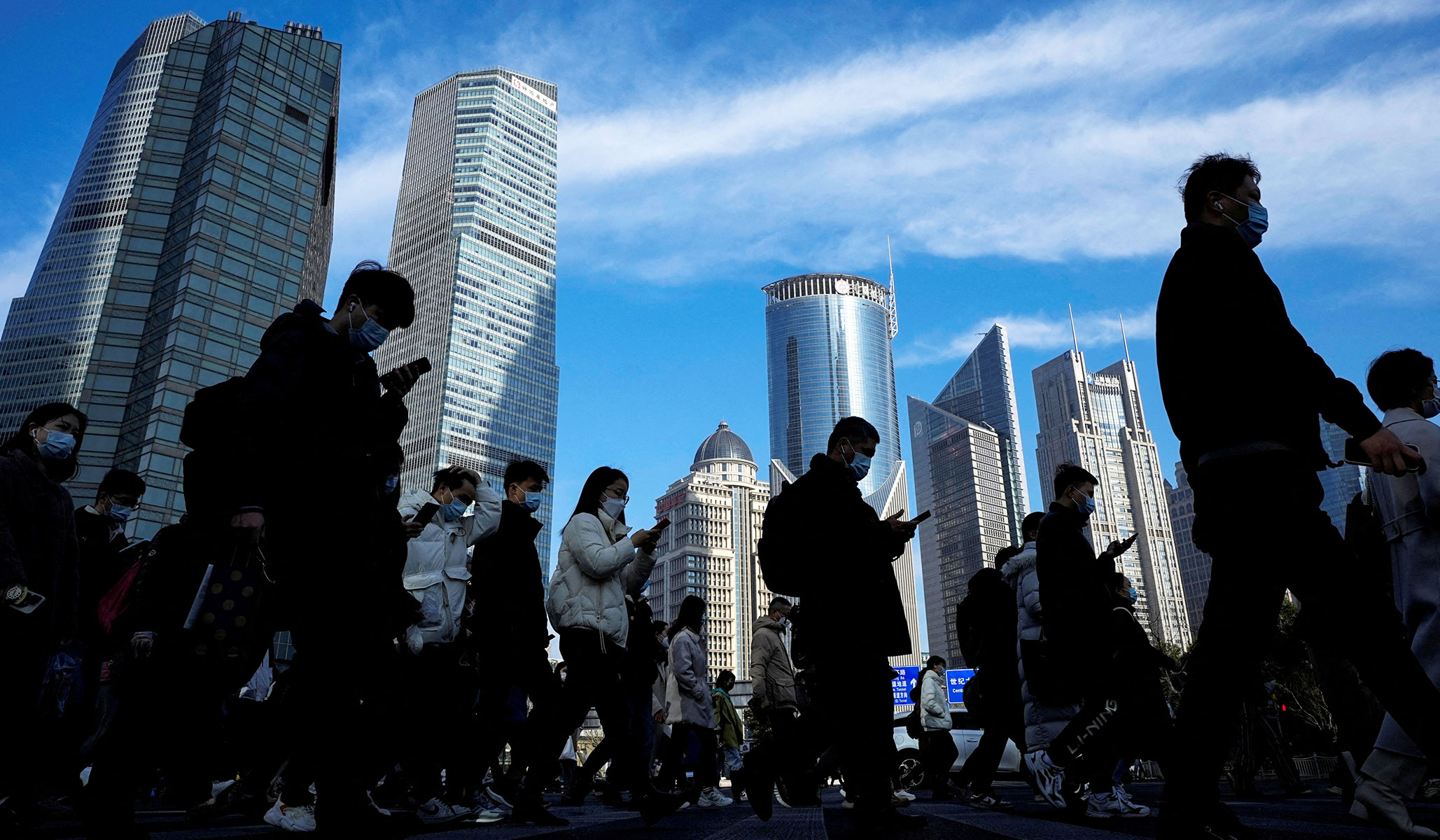
MALAYSIA’S economic resilience has prompted economists to raise the country’s full-year gross domestic product (GDP) growth forecast for 2026 to 4.8 per cent from 4.6 per cent, following a stronger-than-anticipated first-half performance despite an increasingly volatile global environment.
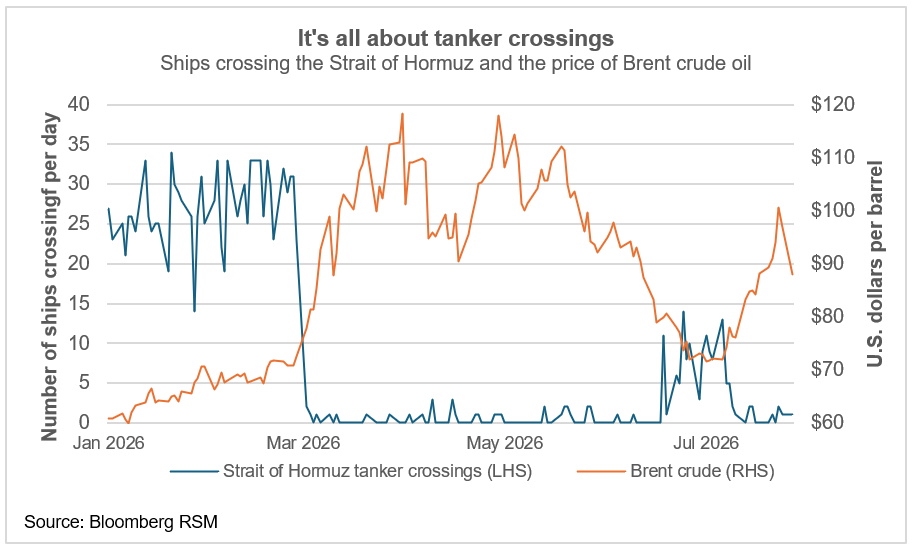
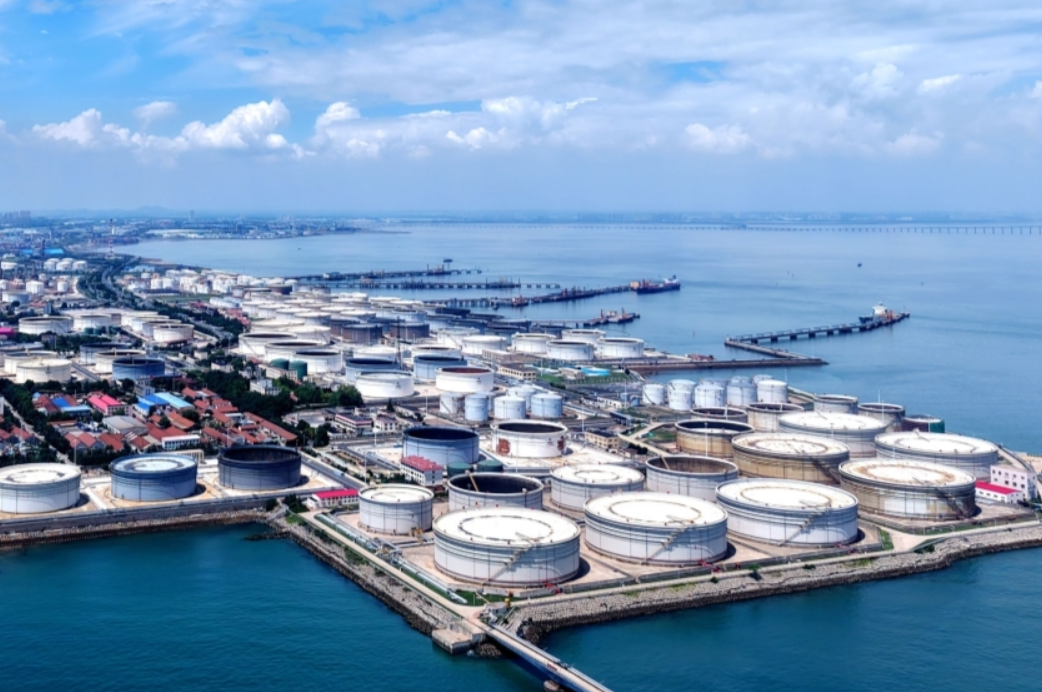
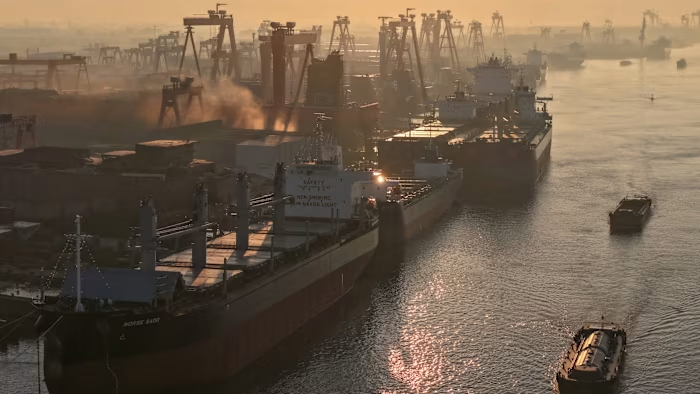
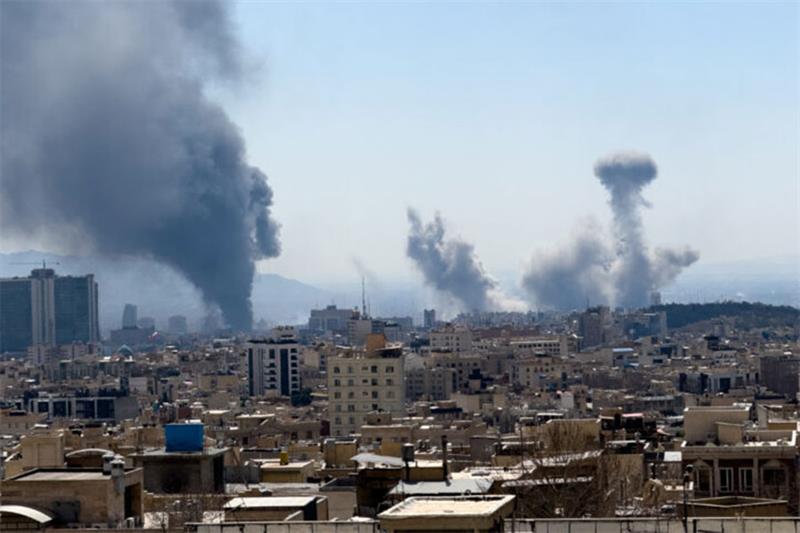
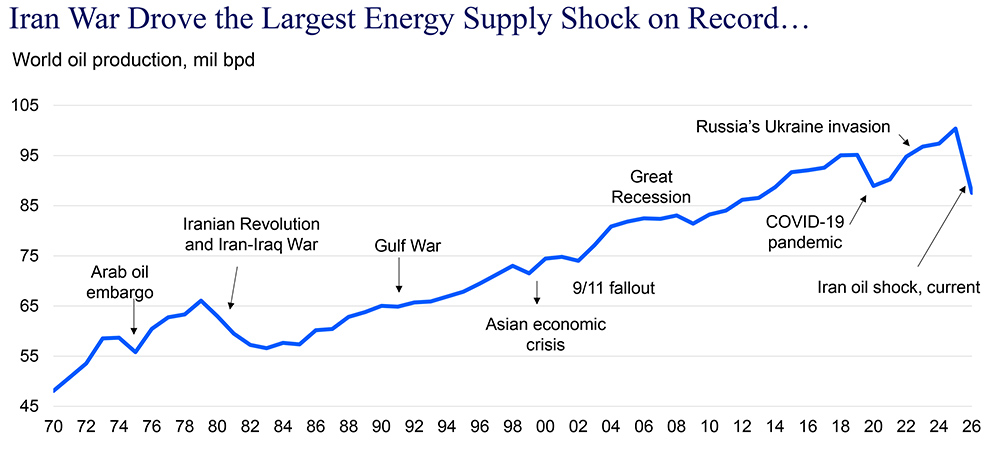
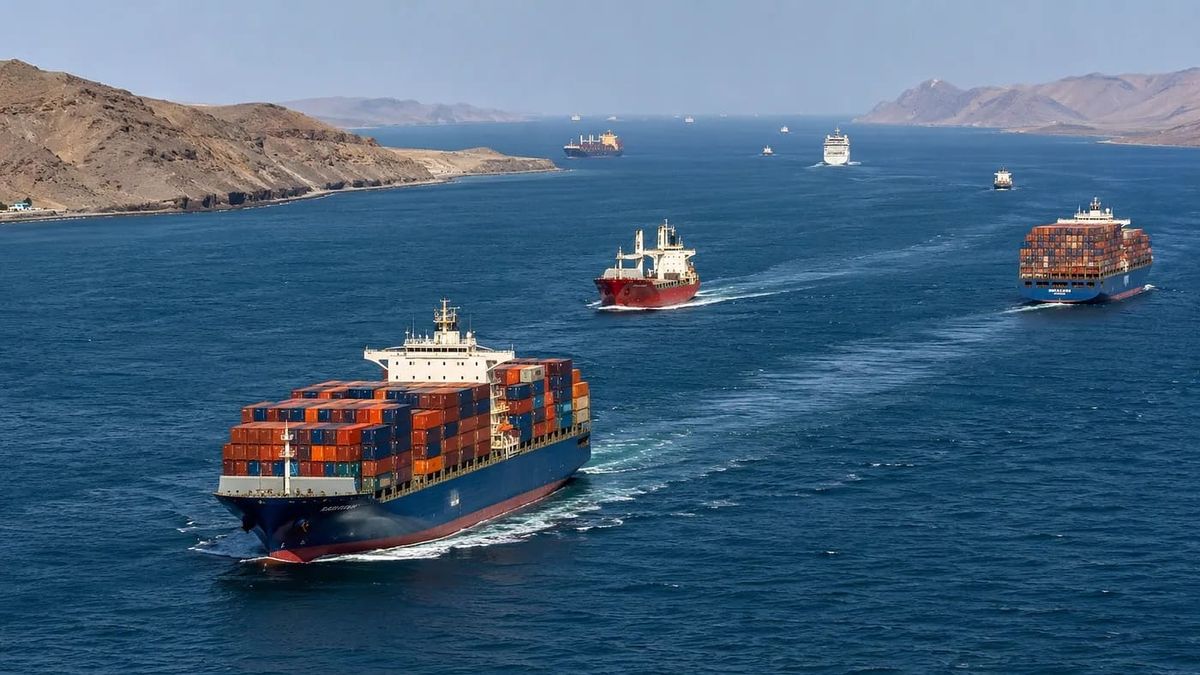
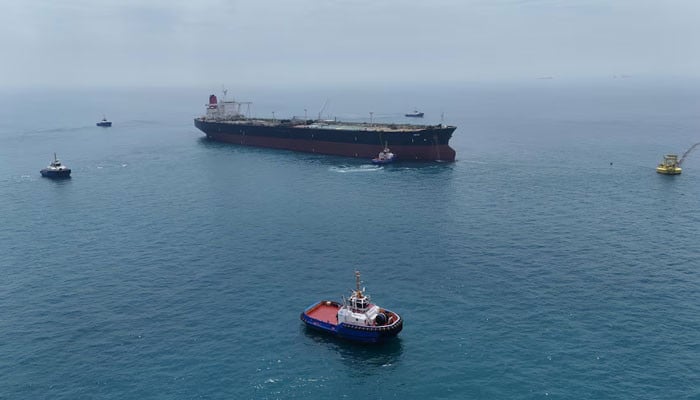
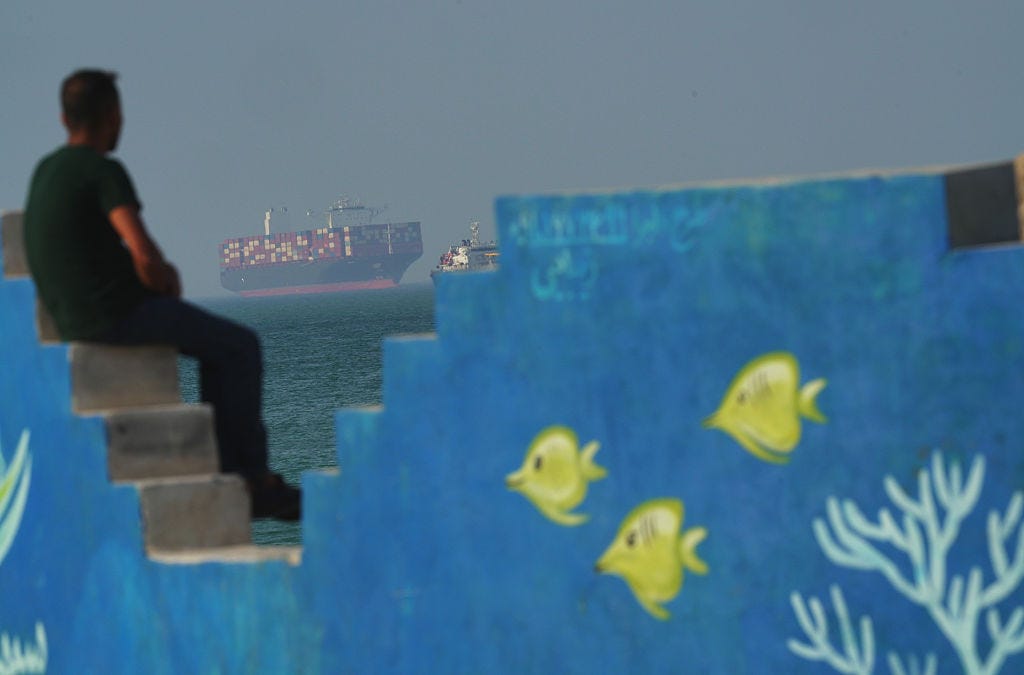
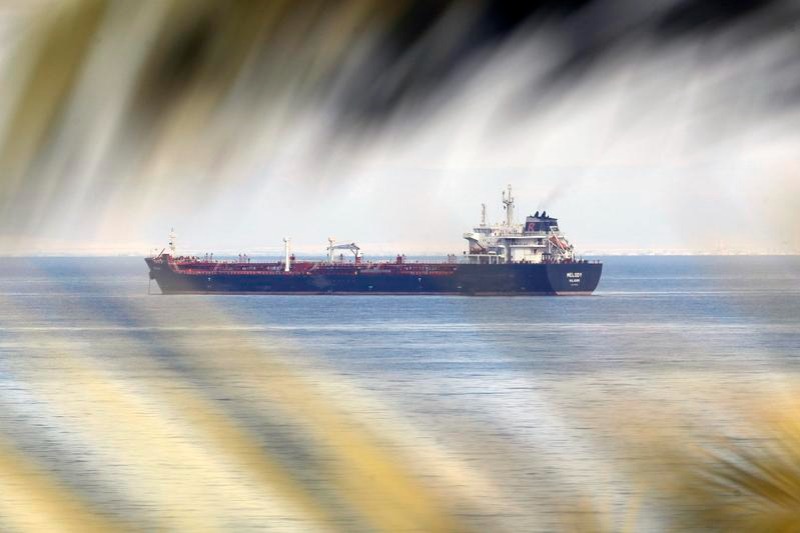
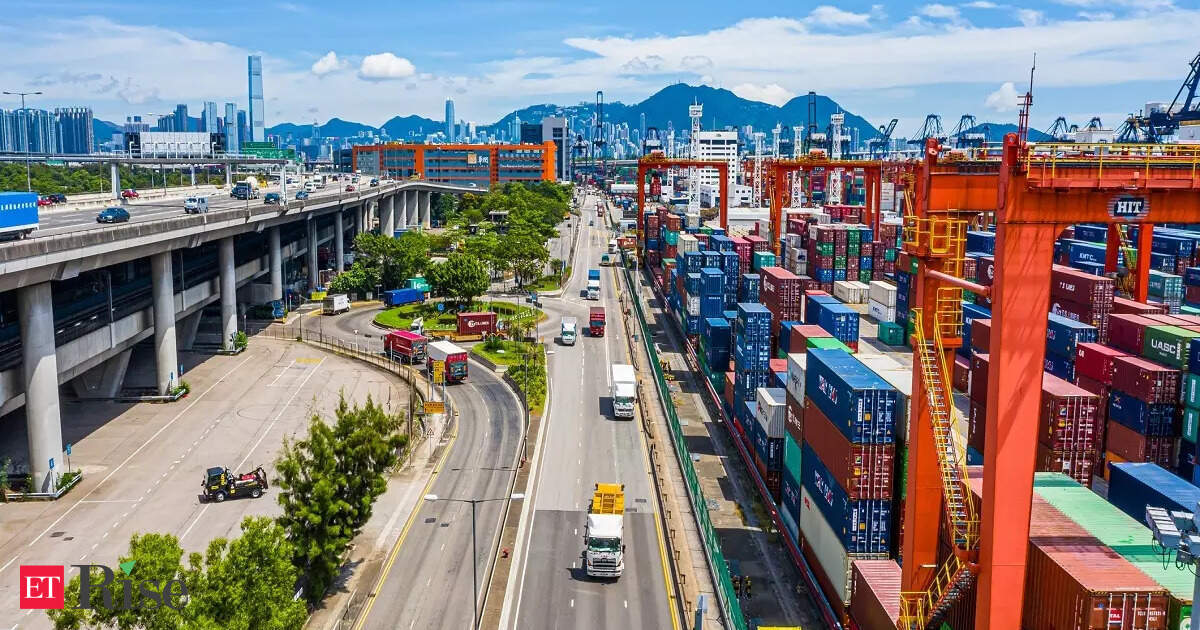
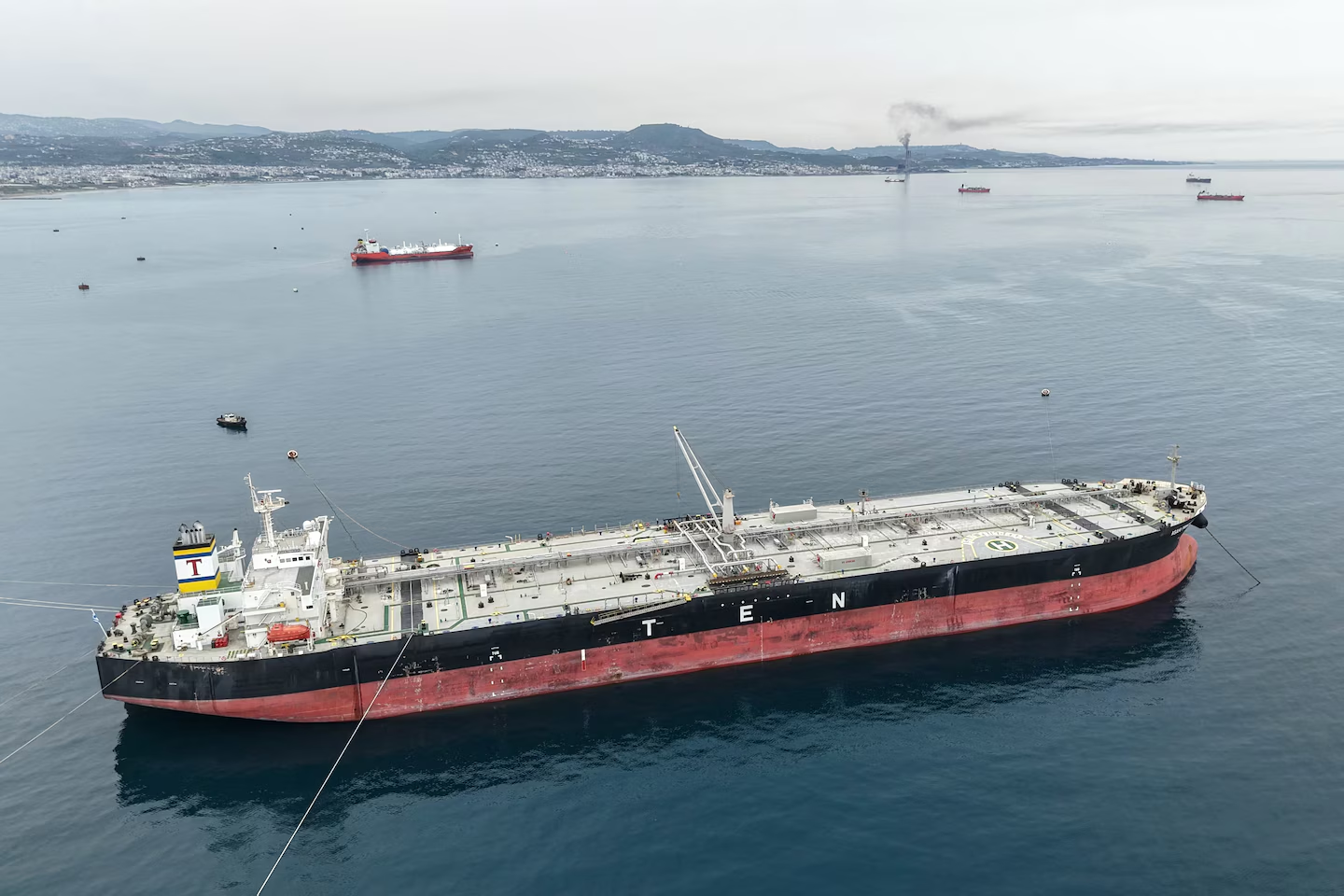
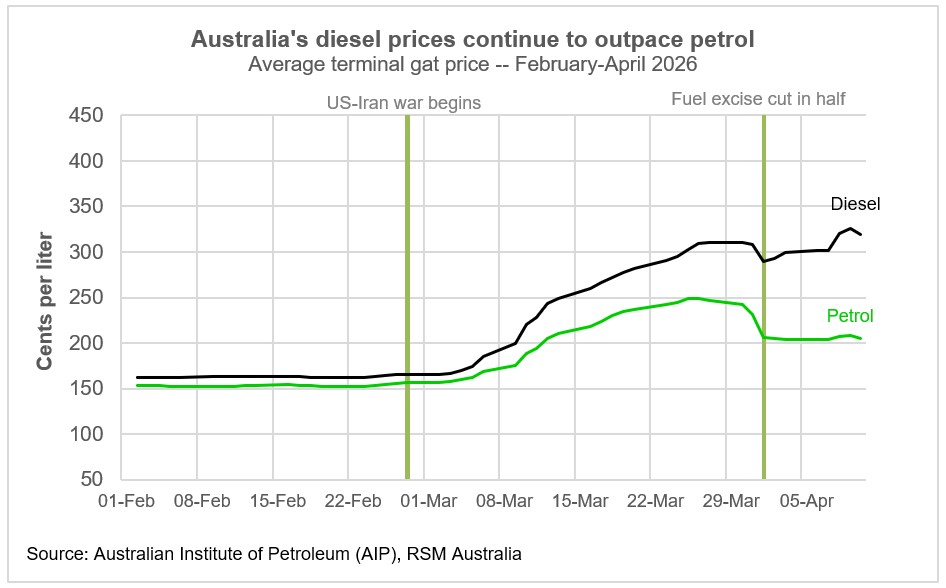
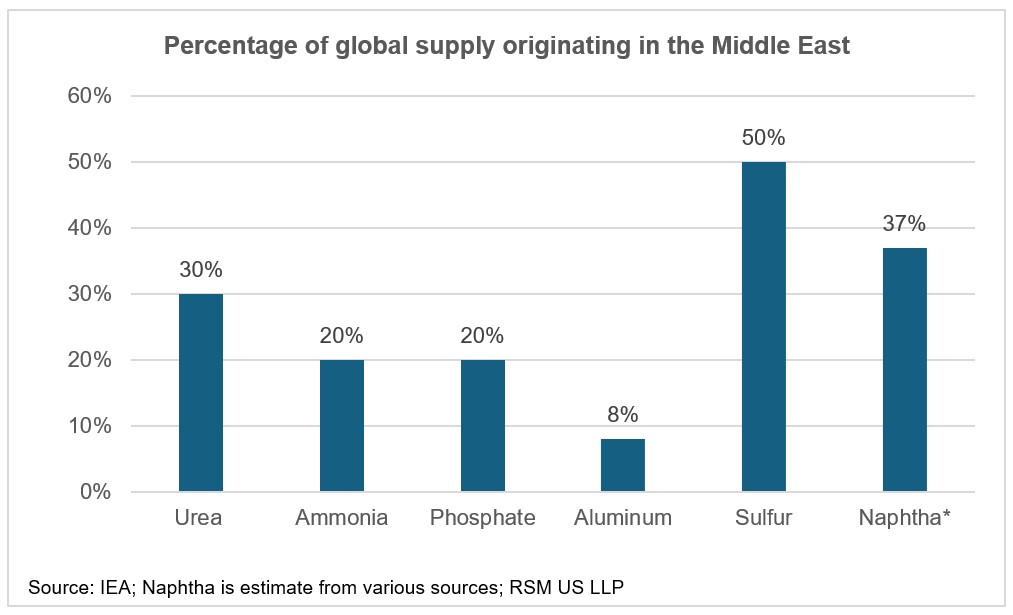
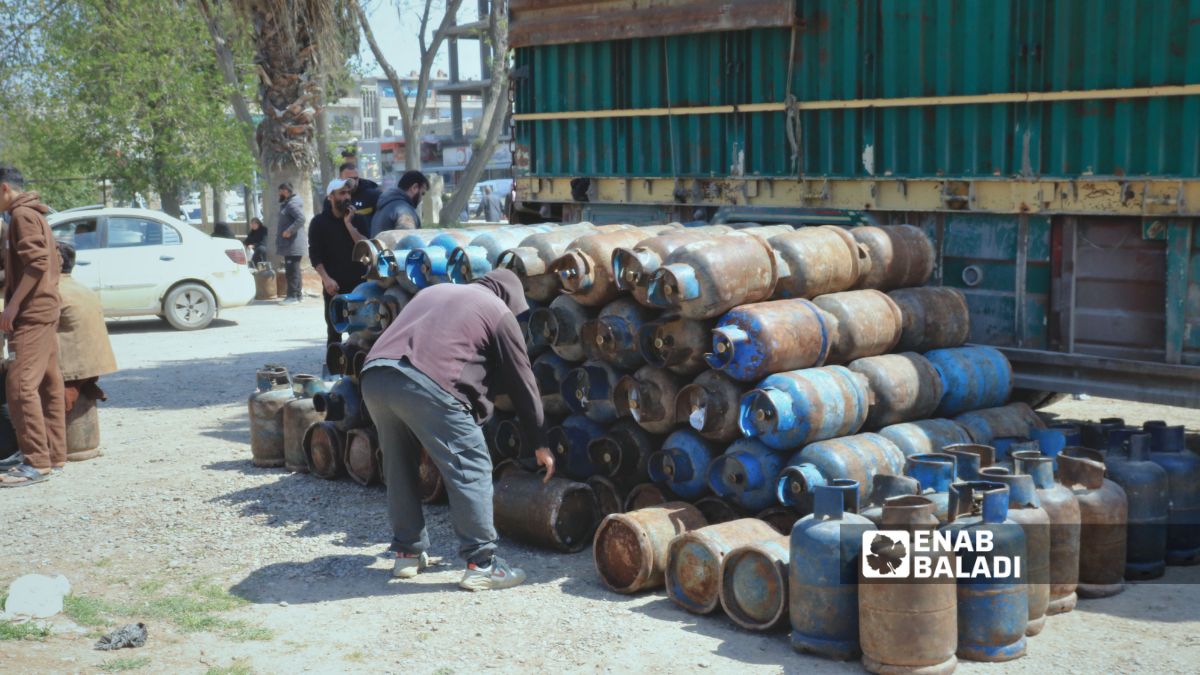
The upgraded outlook reflects the economy’s ability to withstand the fallout from the United States-Iran conflict, disruptions to global shipping caused by the closure of the Strait of Hormuz, elevated crude oil prices and persistent uncertainty surrounding international trade.
Malaysia recorded GDP growth of 5.4 per cent in the first quarter of 2026, while research houses expect second-quarter growth to range between 4.6 and 4.9 per cent, reinforcing confidence that domestic economic momentum remains intact.
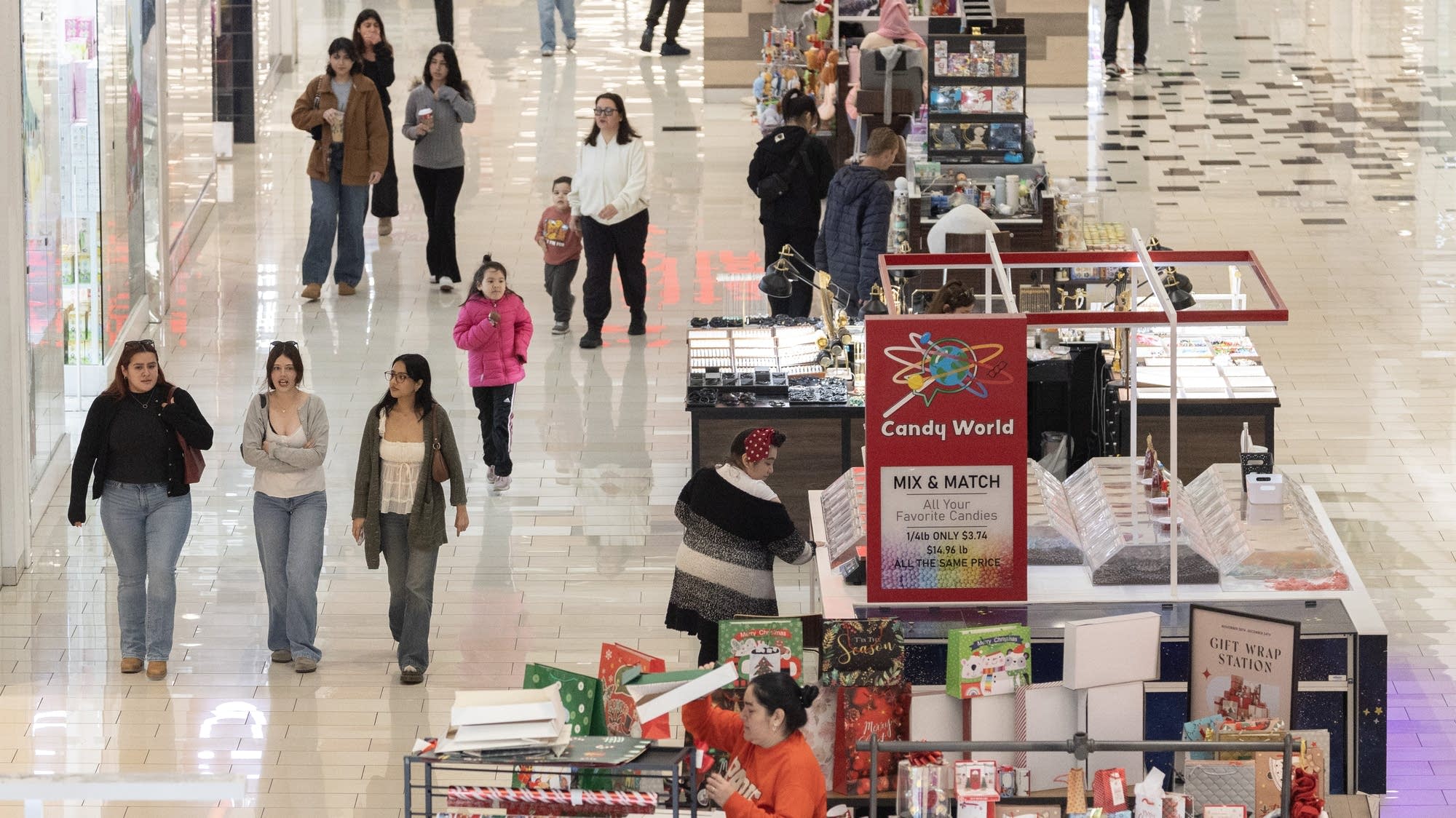
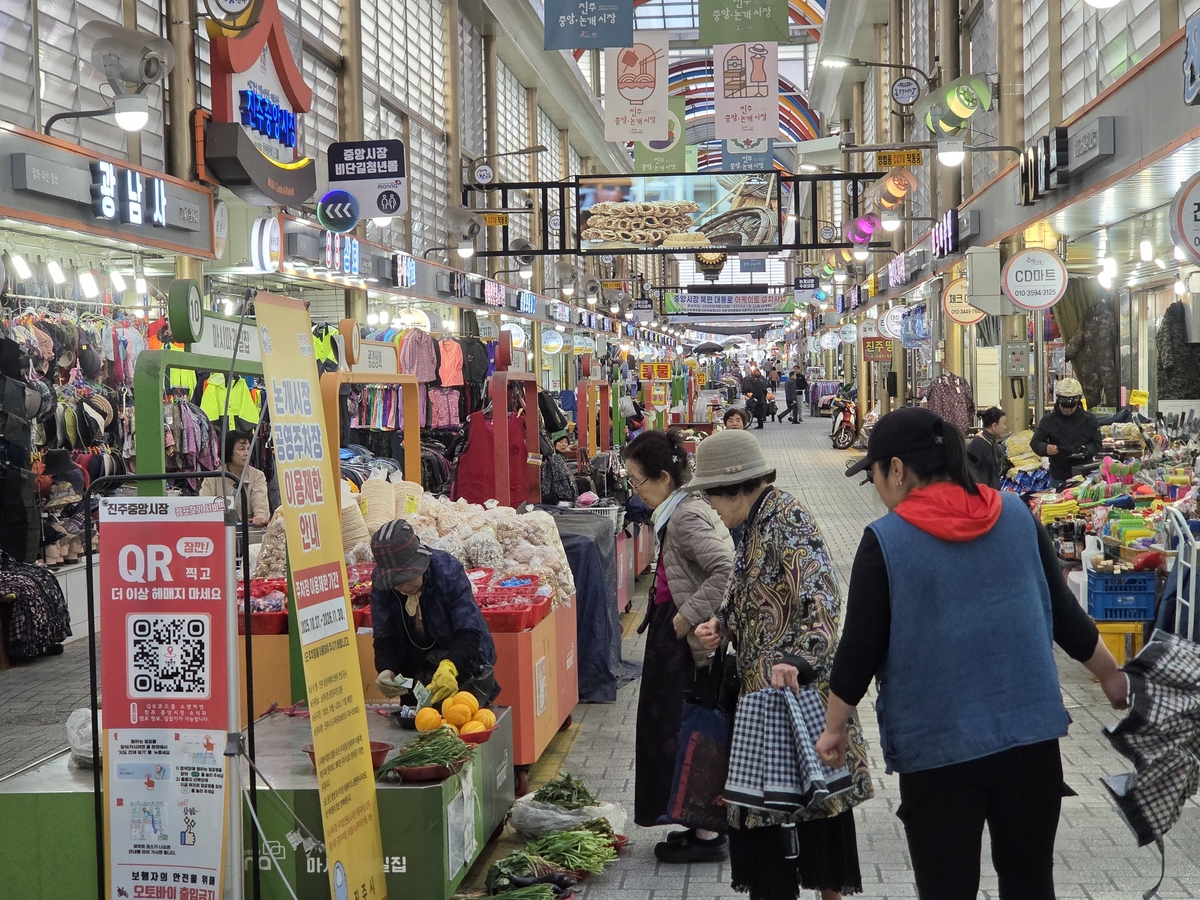
Economists attributed the performance primarily to resilient domestic demand, supported by healthy household spending, sustained investment activity, diversified export markets and prudent fiscal and monetary policies that have helped cushion the economy from external shocks.
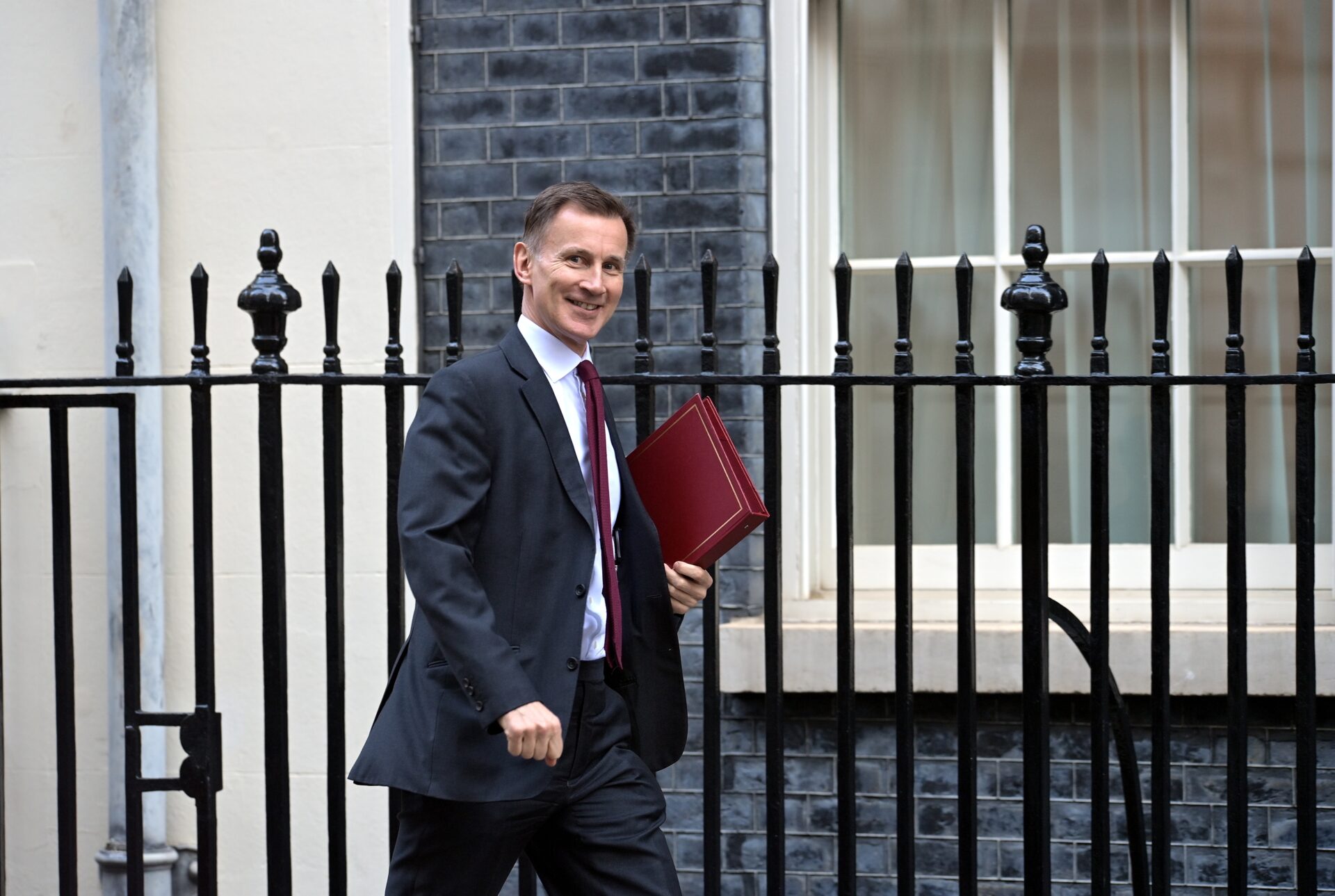
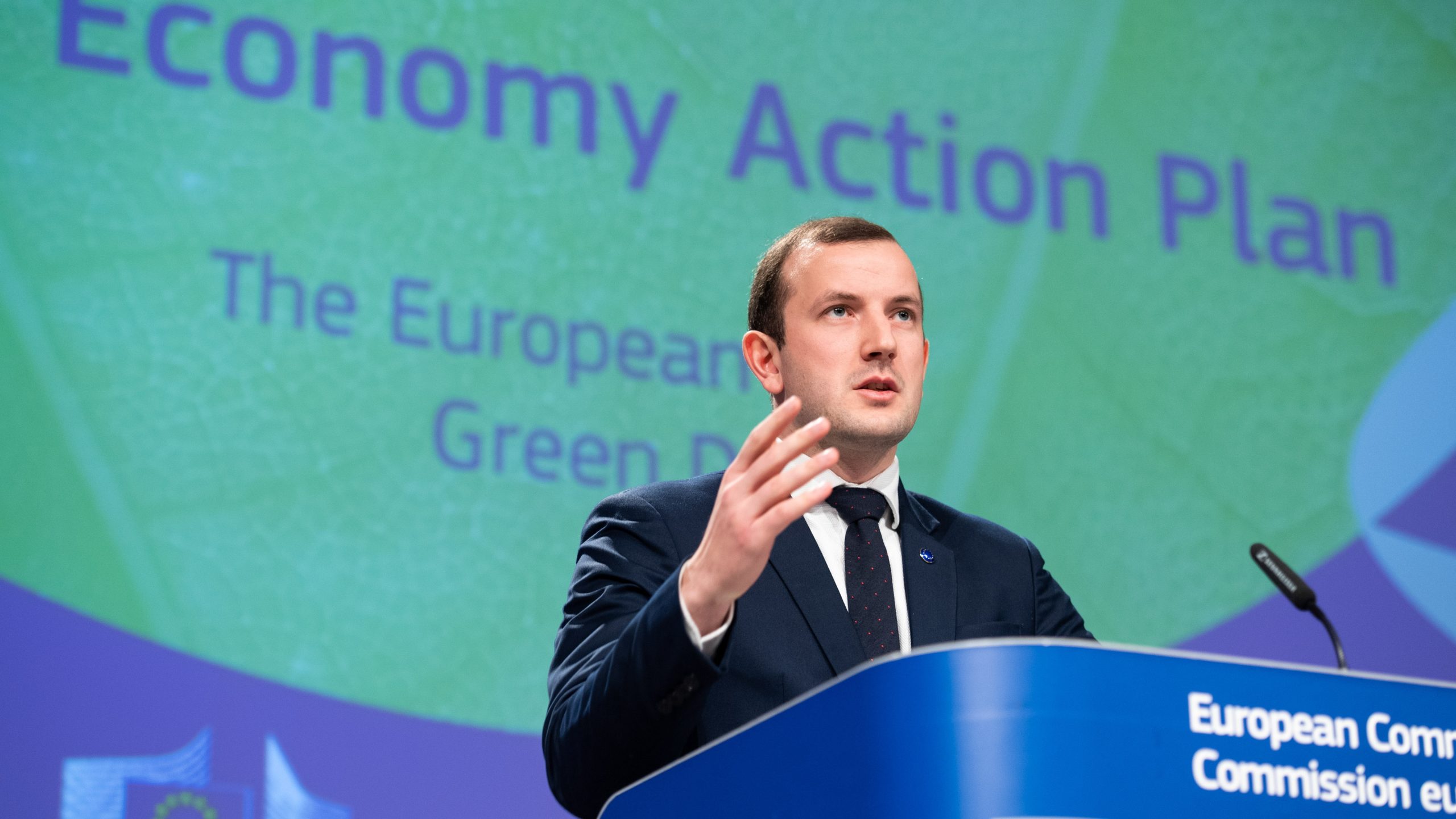
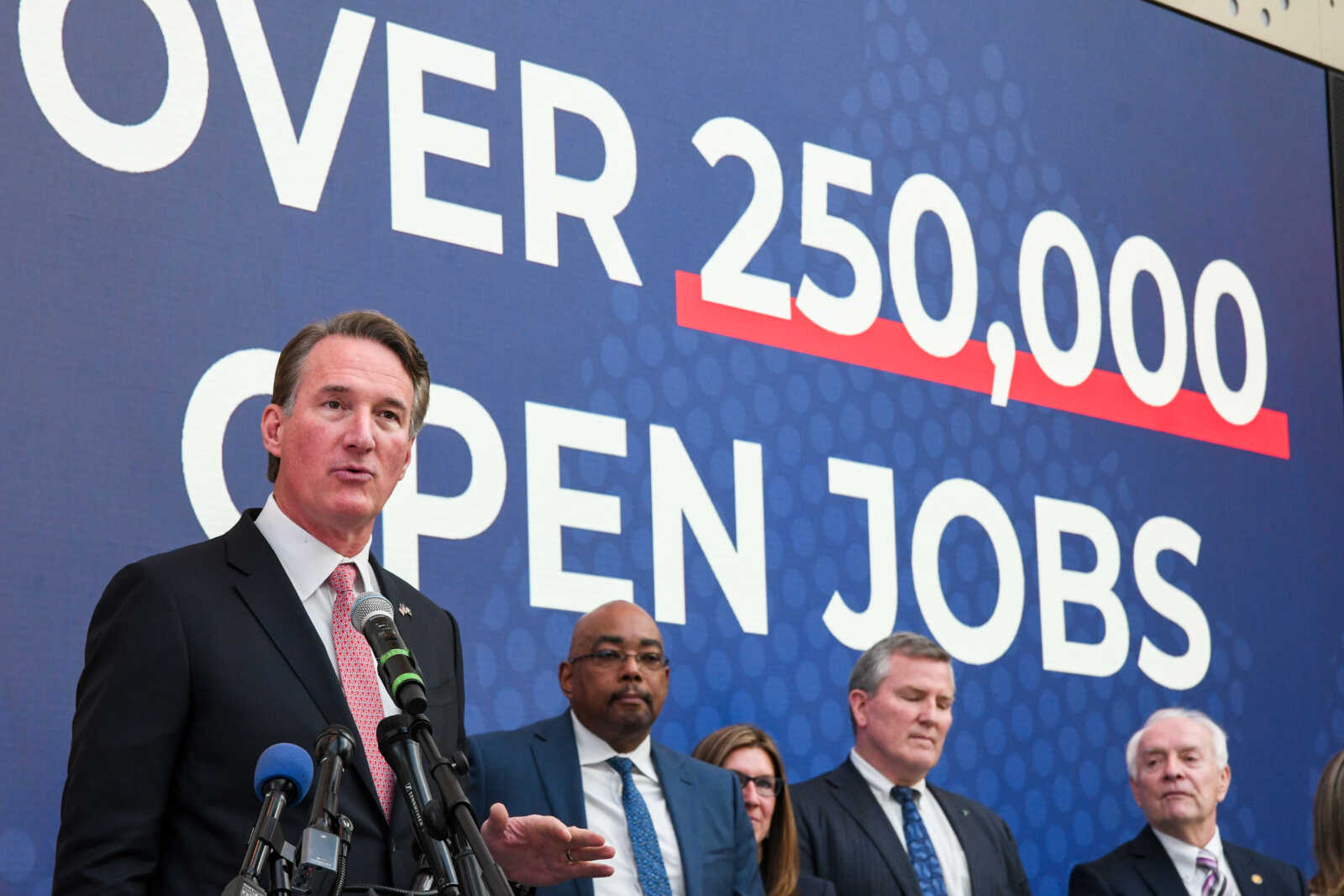
Prime Minister and Finance Minister Datuk Seri Anwar Ibrahim said the stronger economic performance reflected the resilience of the MADANI Economy framework, which is anchored by sound macroeconomic fundamentals, sustained investment inflows and responsible fiscal management.
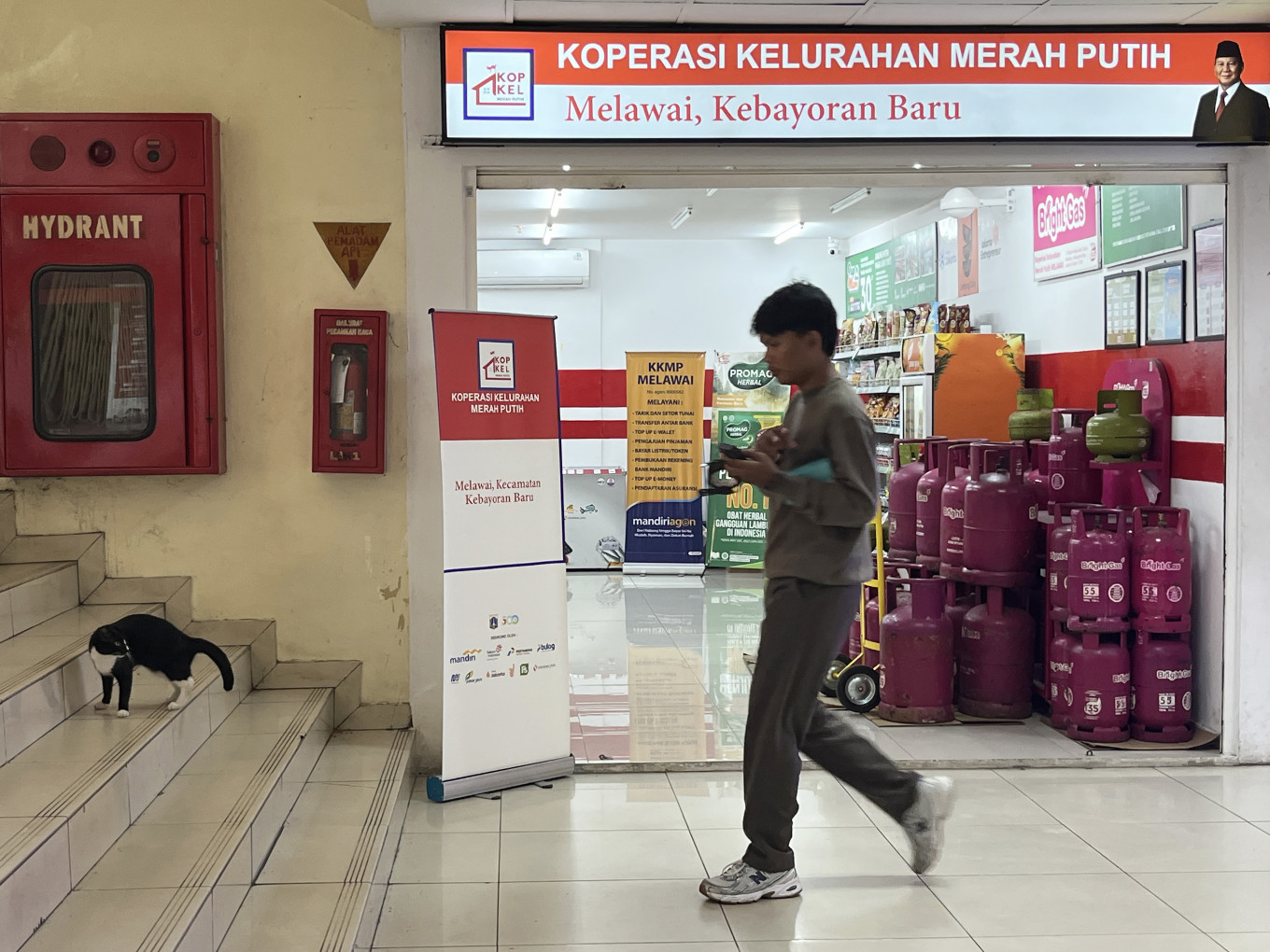
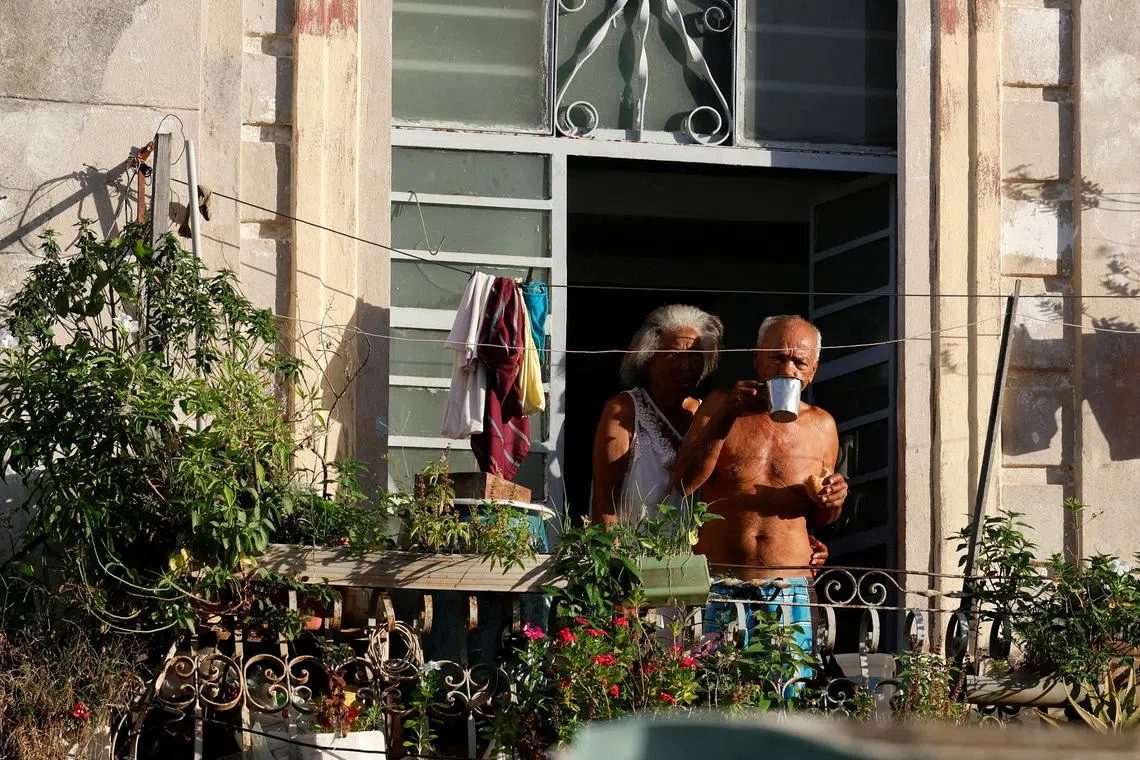
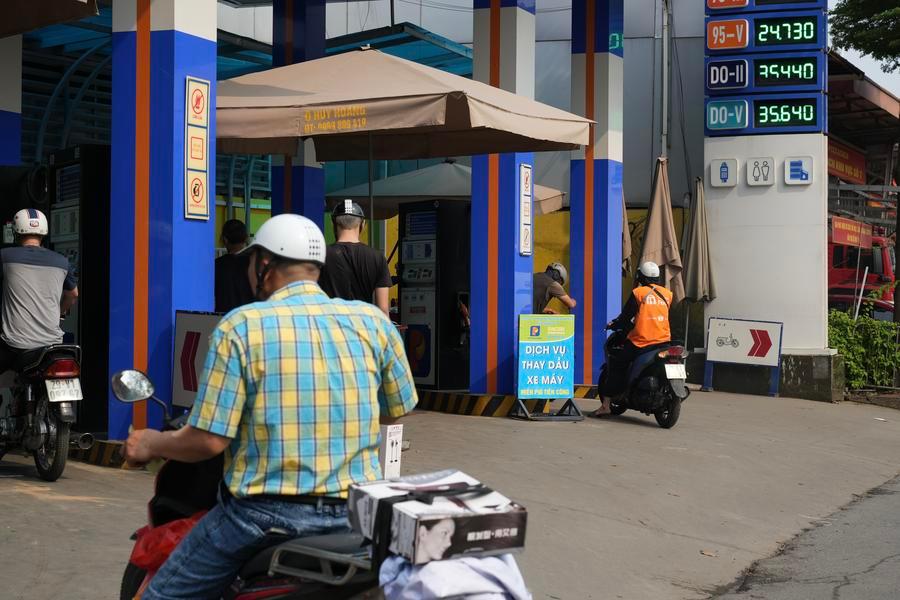
Targeted subsidy reforms also contributed to domestic resilience. The implementation of BUDI MADANI RON95 (BUDI95), together with expanded assistance under BUDI Diesel, helped mitigate the impact of higher global fuel prices on households and businesses while ensuring government support remained focused on eligible Malaysians.
The subsidy rationalisation programme is also expected to strengthen public finances by reducing leakages and redirecting fiscal savings towards initiatives that generate wider economic benefits.
Malaysia’s investment momentum remained robust during the first half of the year, with approved investments reaching RM92.8 billion.
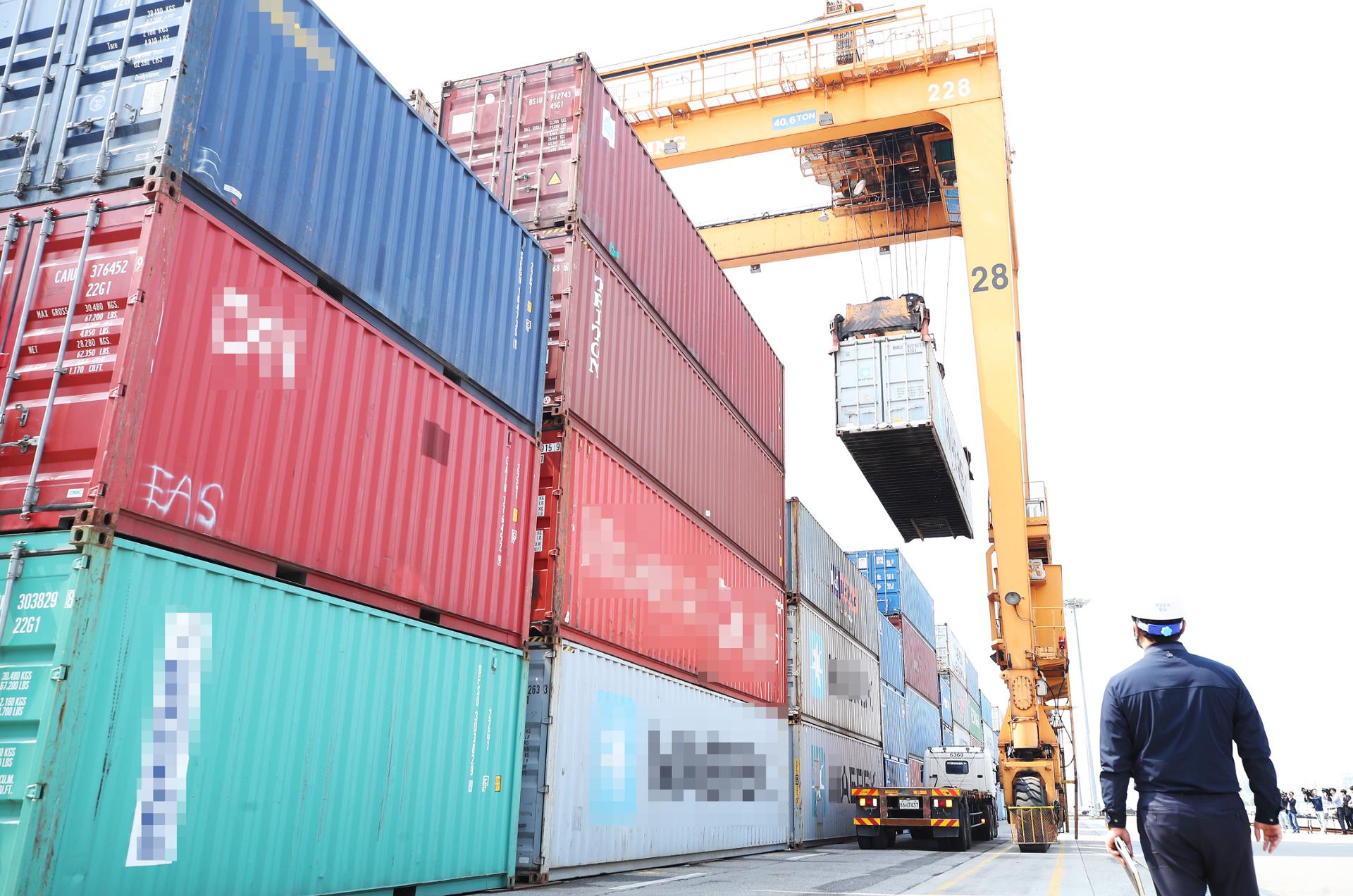
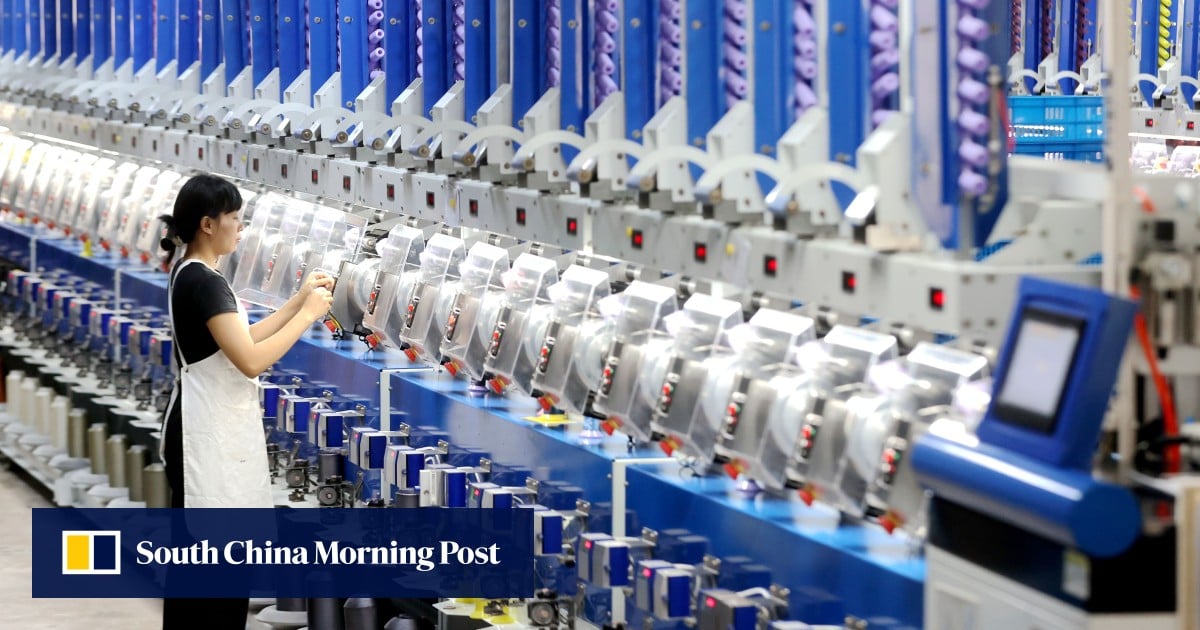
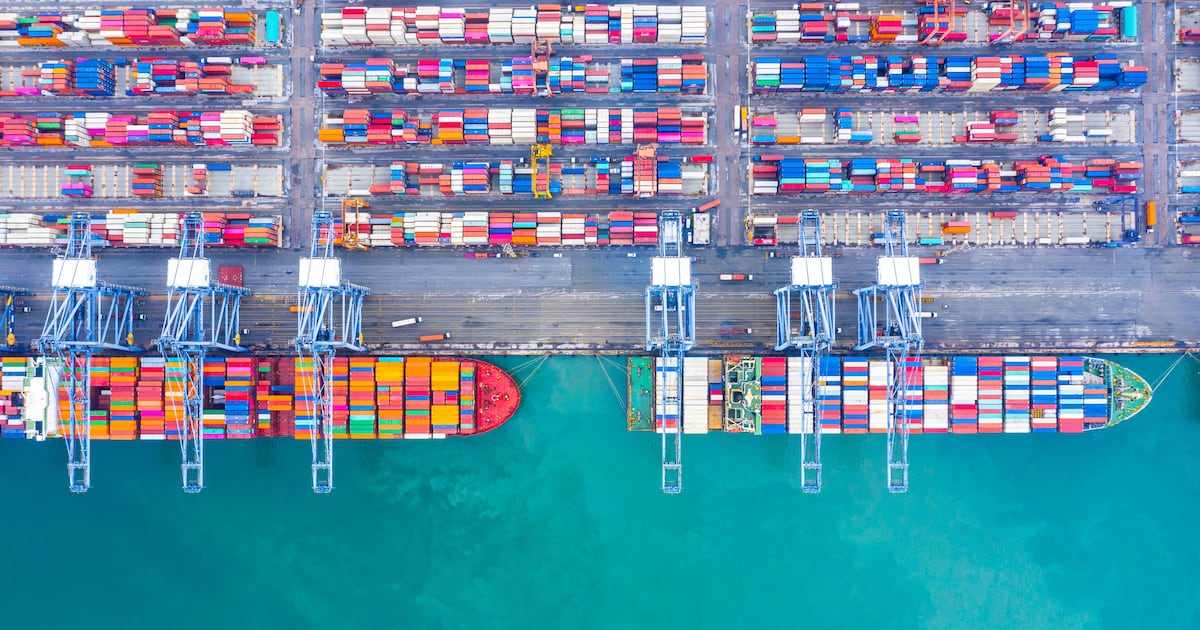
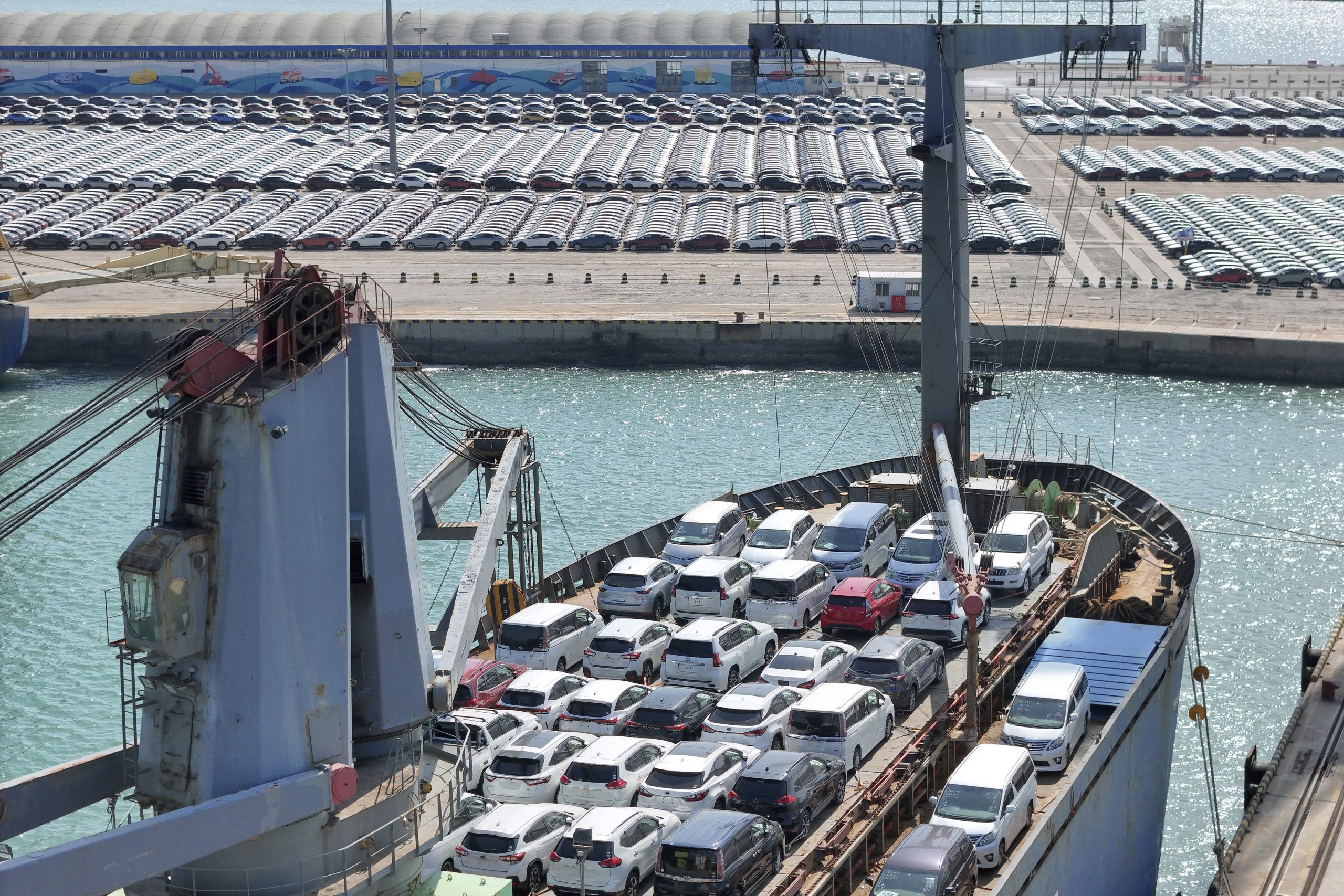
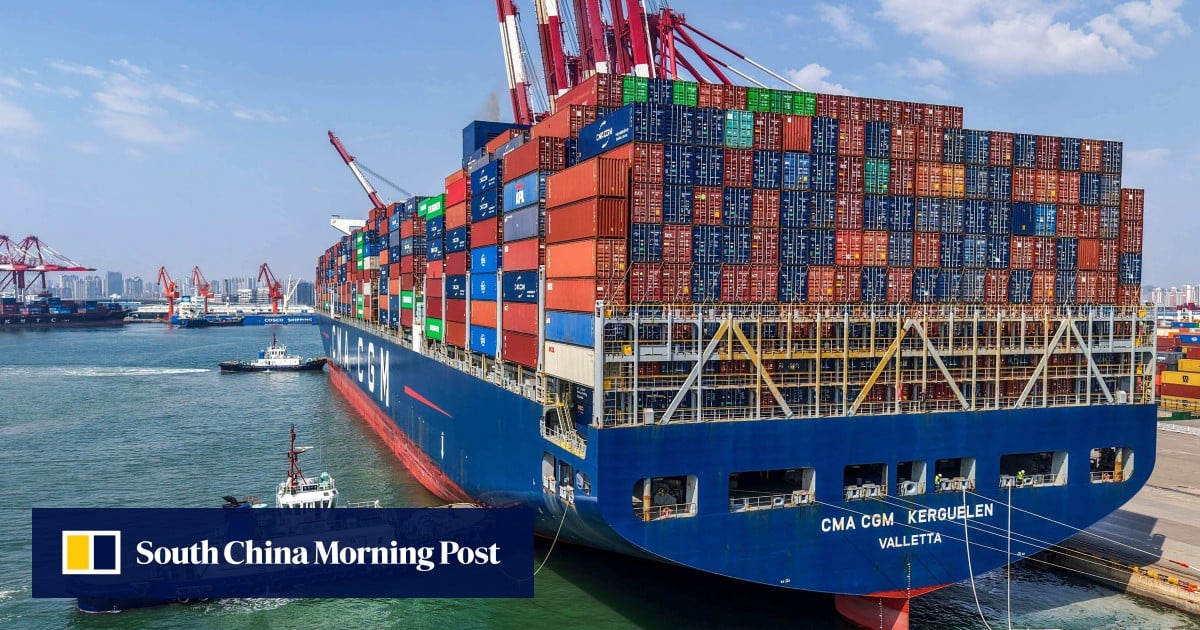
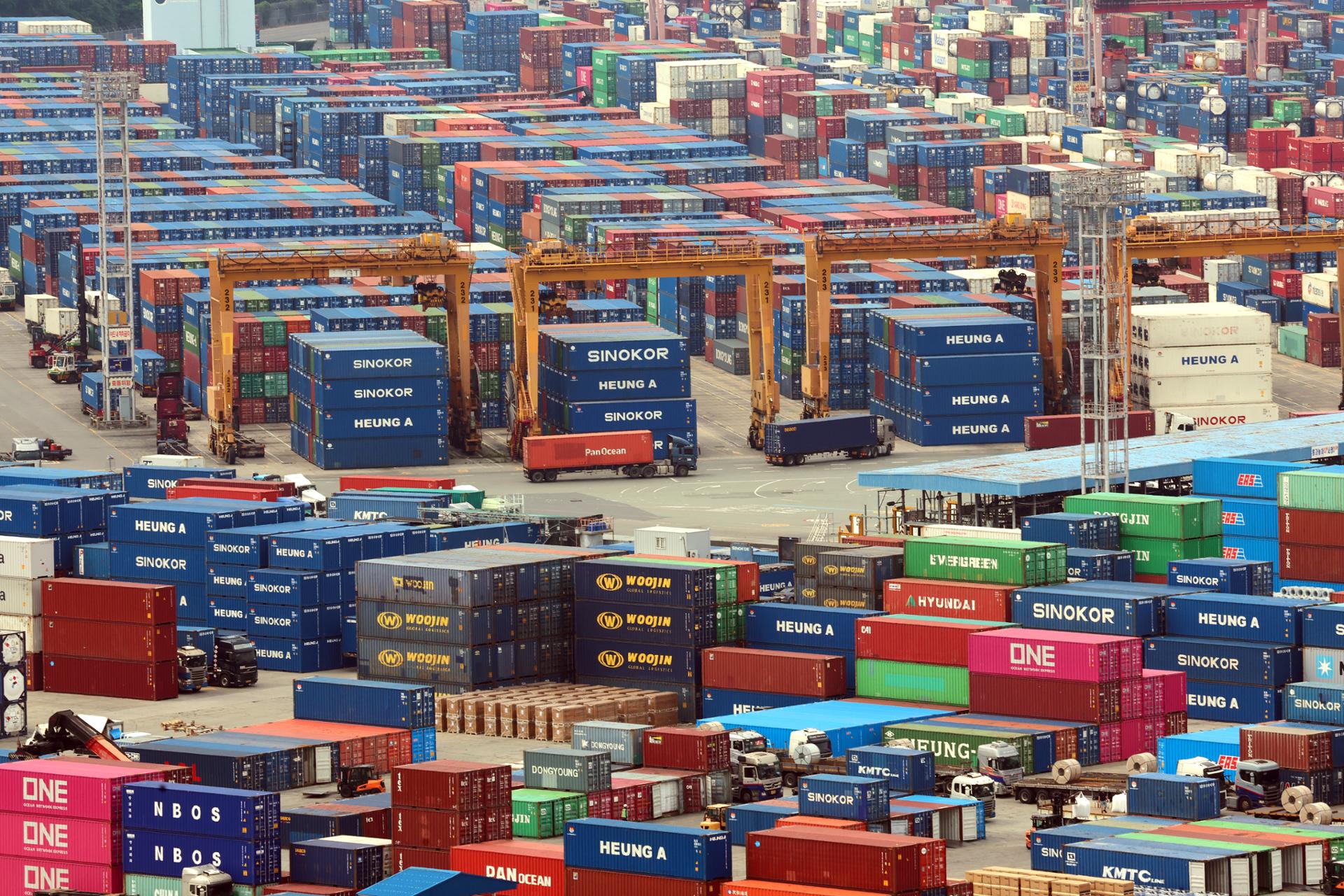
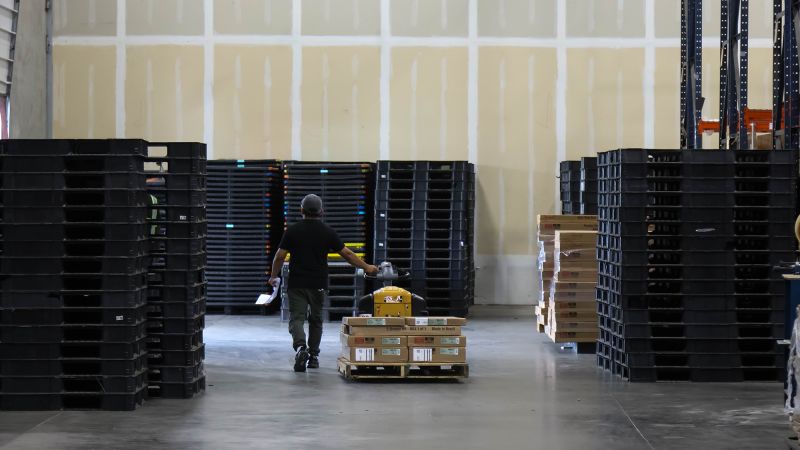
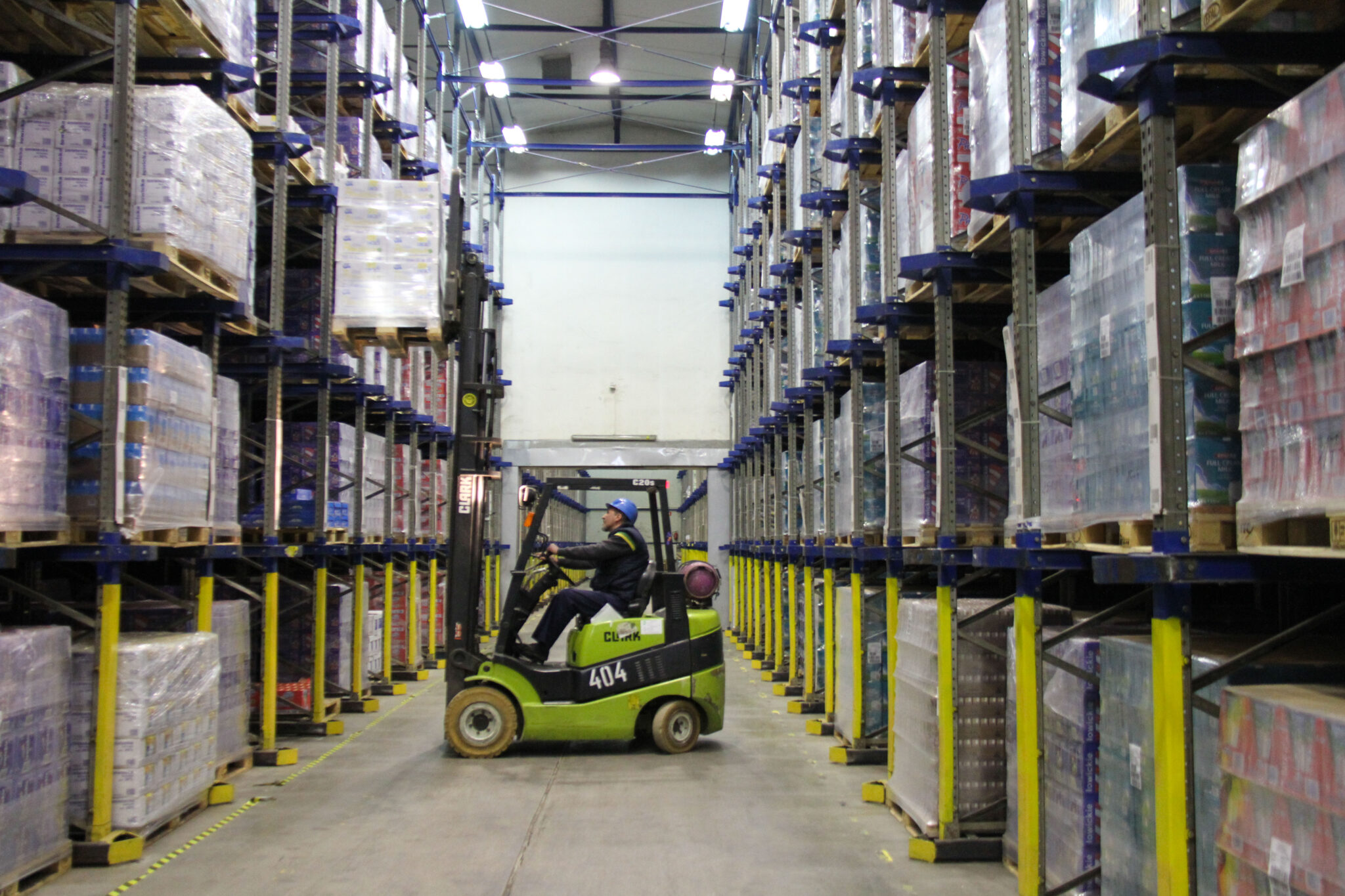
Export performance also strengthened significantly, with shipments rising 45.3 per cent year-on-year in May, while the country’s current account surplus widened to 3.0 per cent of GDP from 0.5 per cent during the corresponding period last year.
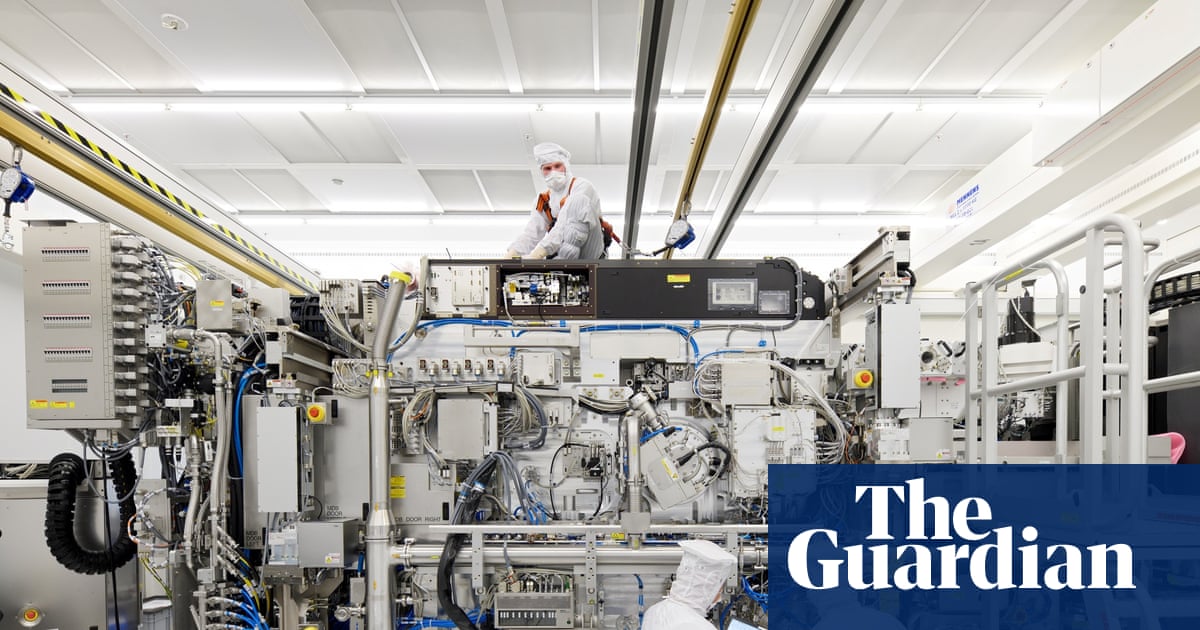
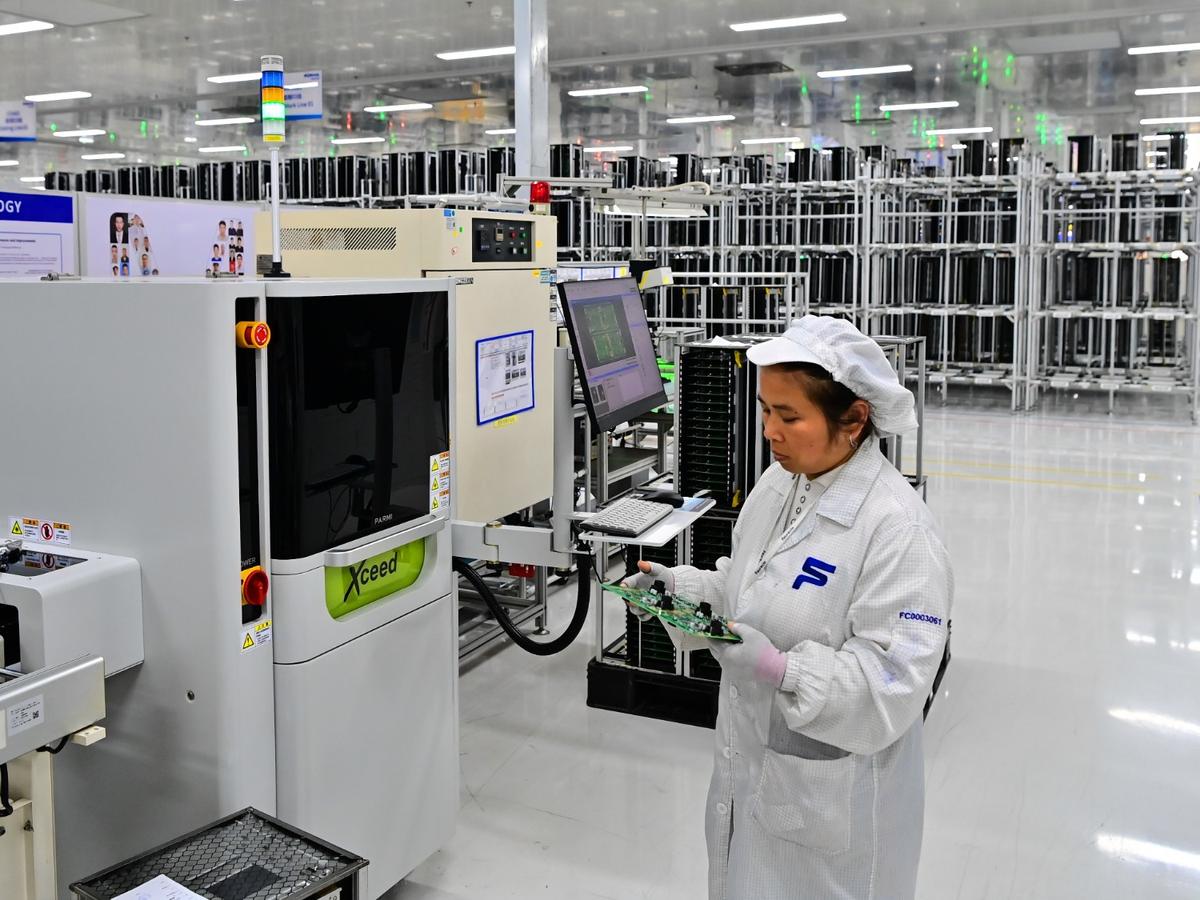
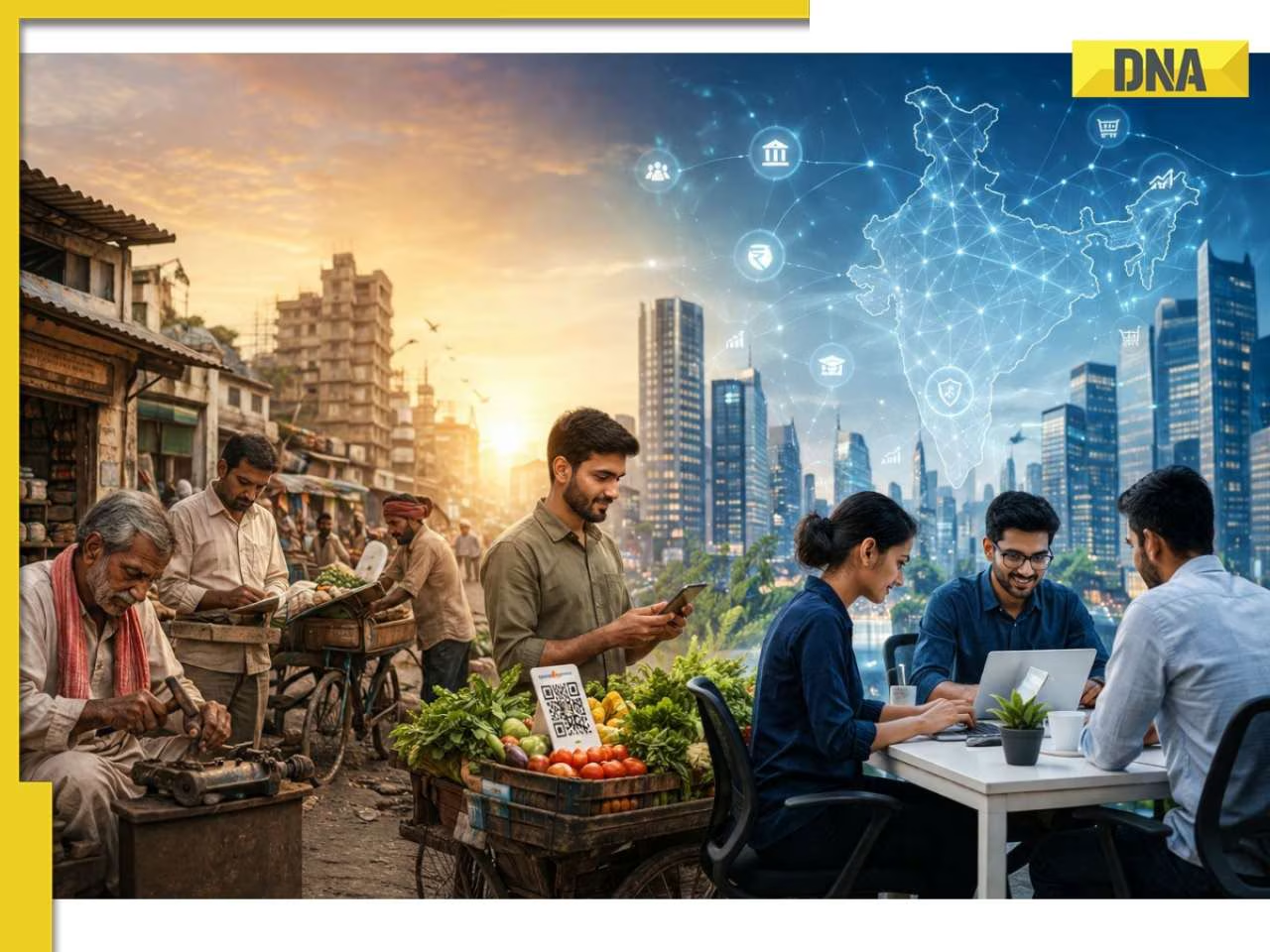
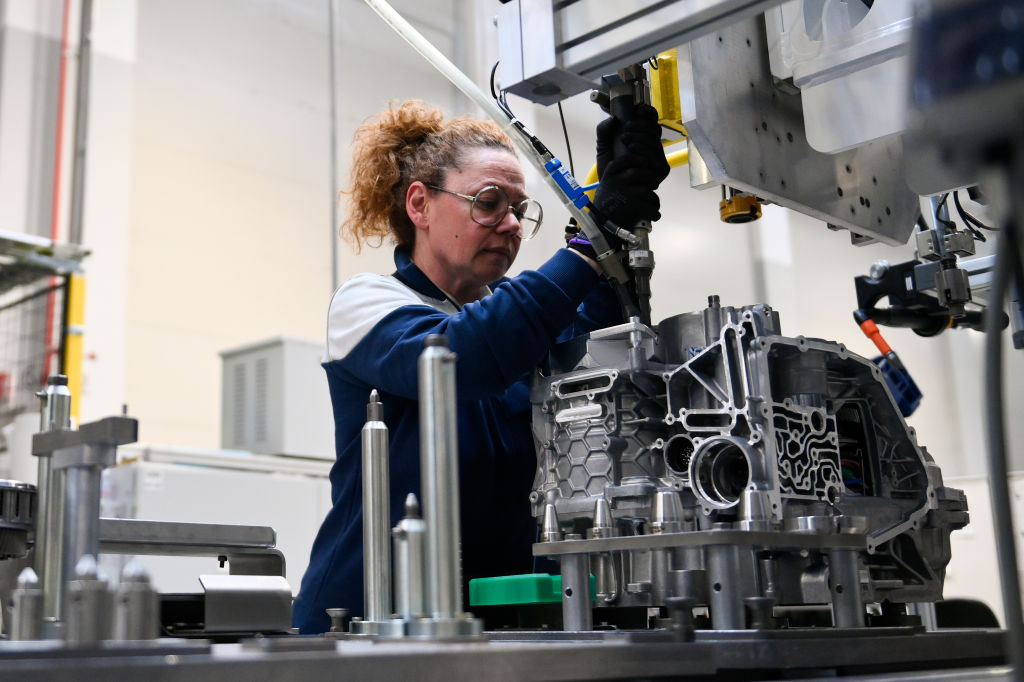
The country continued to attract strategic investments in artificial intelligence, semiconductor manufacturing, data centres and digital infrastructure, reinforcing Malaysia’s position as a regional hub for high-value technology industries. The information and communications sector remained one of the leading contributors to approved investments.
The Government also expanded financing facilities and credit guarantee schemes for micro, small and medium-sized enterprises, while financial institutions continued providing repayment assistance and financing flexibility to businesses managing cash flow challenges amid heightened global uncertainty.
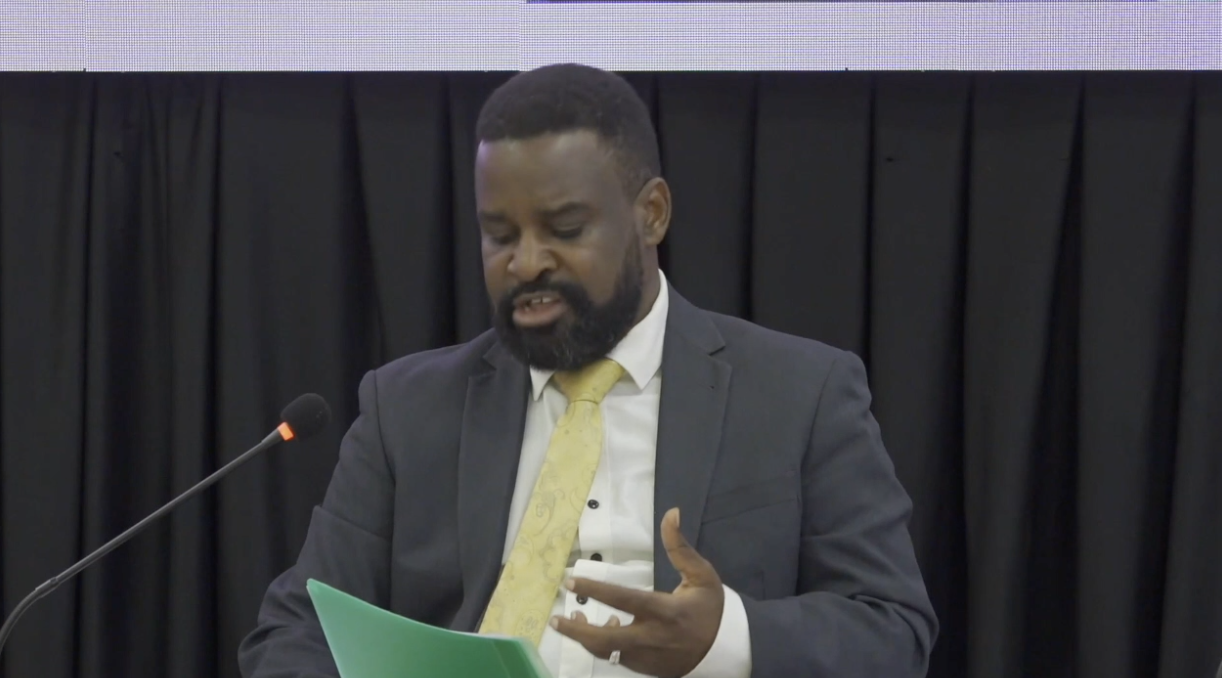
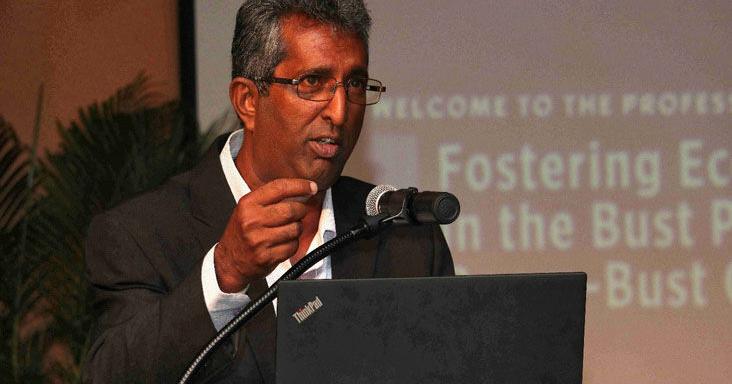
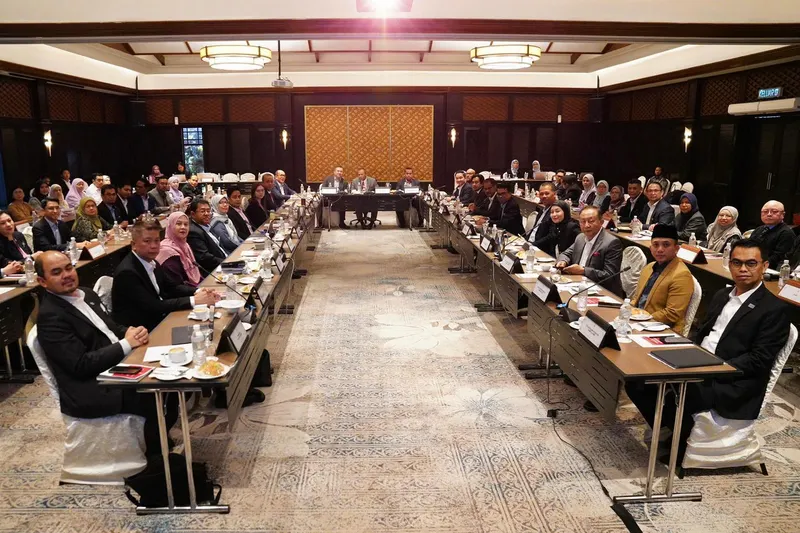
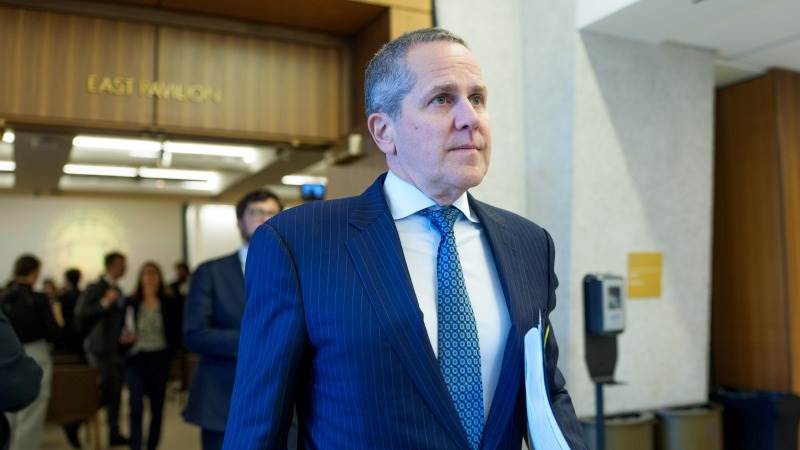
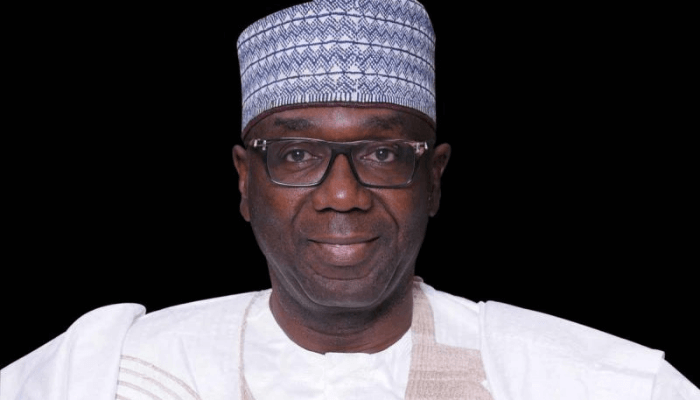
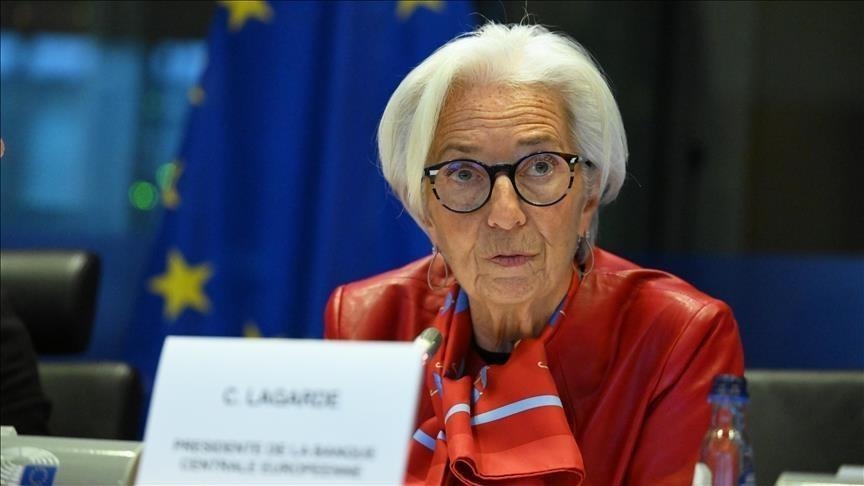
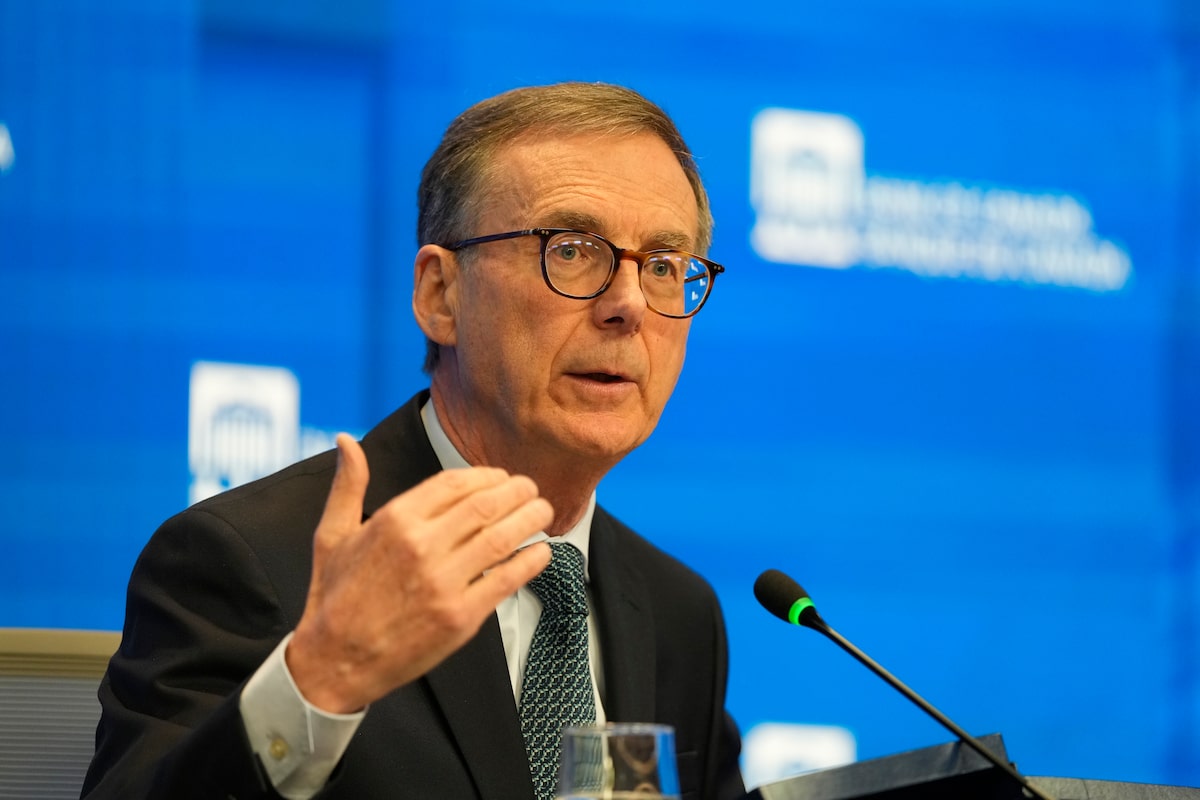
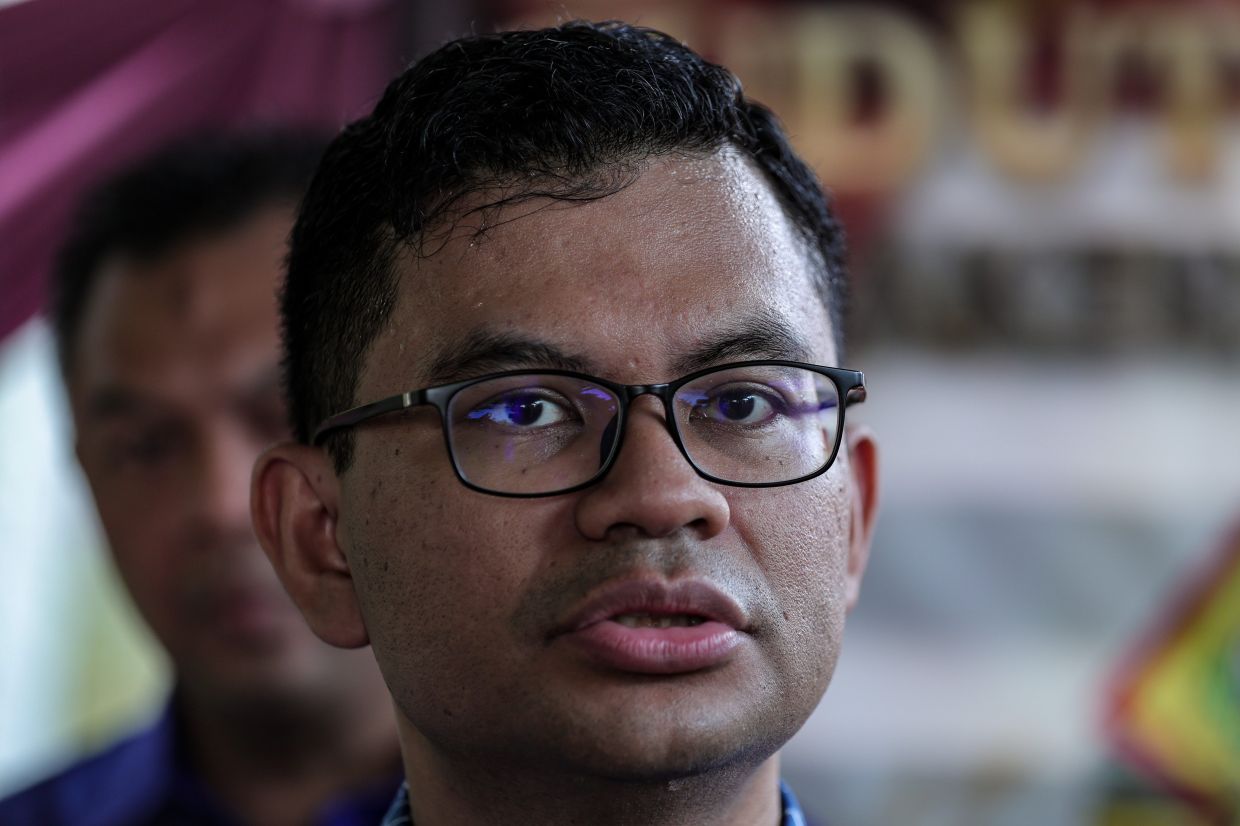
Bank Negara Malaysia Governor Datuk Seri Abdul Rasheed Ghaffour said Malaysia entered the current period of heightened global uncertainty from a position of strength, supported by resilient domestic demand, healthy labour market conditions, and sustained investment activities.
He added: “Domestic demand is expected to remain the principal driver of growth throughout the year, underpinned by favourable employment conditions, continued household spending, and ongoing investment projects, although risks from geopolitical developments and global trade uncertainty continue to warrant close monitoring.”
Despite the improved outlook, economists warned that downside risks remain significant during the second half of the year. – July 5, 2026