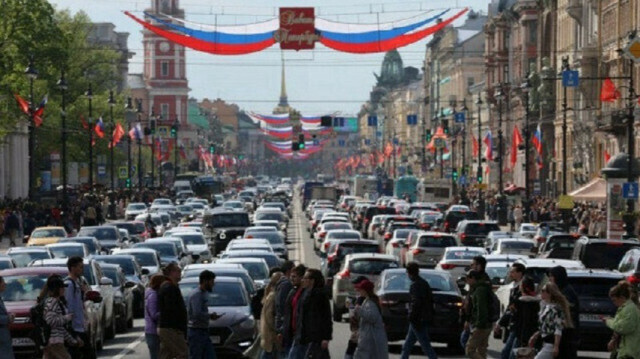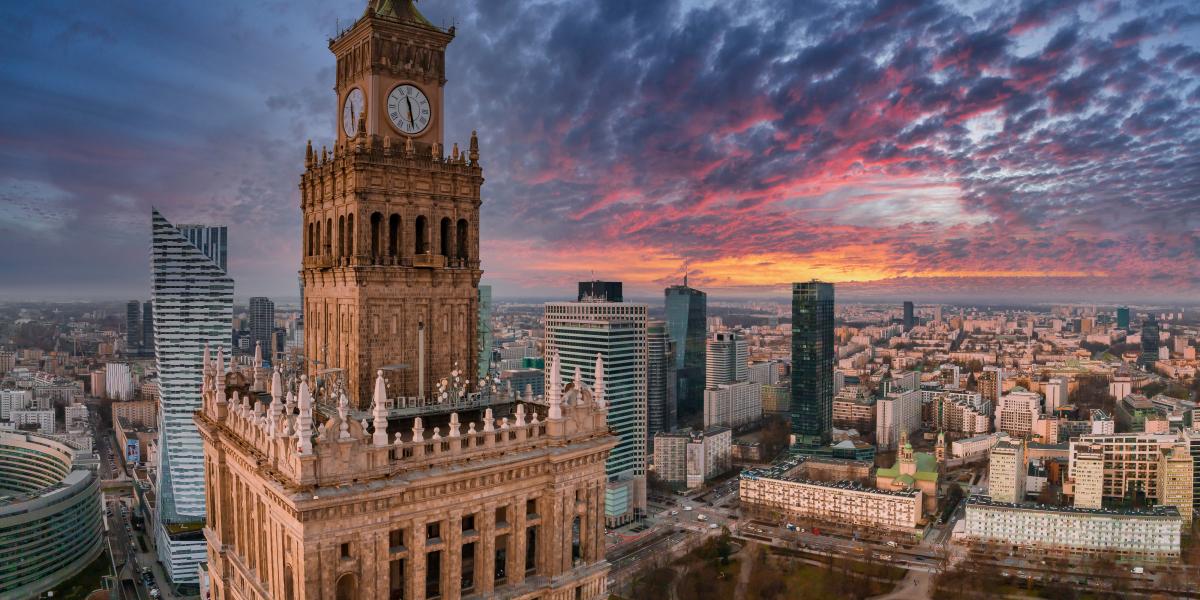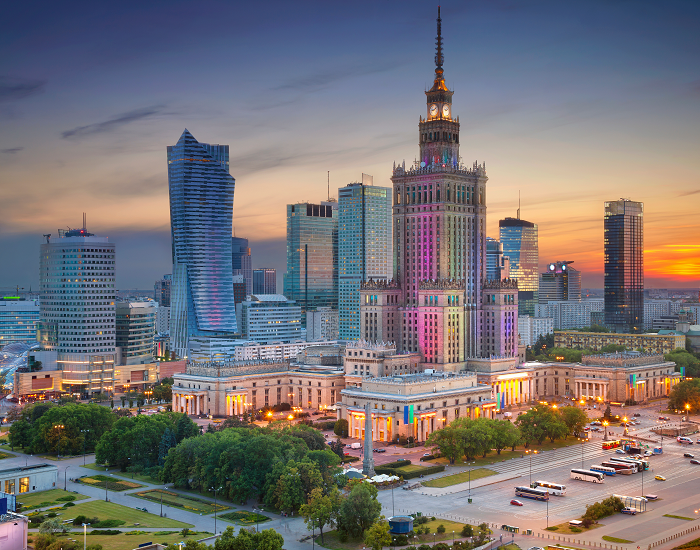
A symbol of this achievement was last year’s issue of The Economist highlighting Poland’s extraordinary rise in economic and military strength (“The remarkable rise of Poland”).
Belgium, by contrast, is commonly associated in the public imagination mainly with hosting numerous European institutions in Brussels and with relatively modest economic dynamism. It also lacks global corporate champions on the scale of Samsung or Hyundai.
Belgium leads the productivity rankings
Belgium is, meanwhile, one of the absolute leaders in labor productivity among OECD countries. In 2024, GDP generated per hour of work amounted to around USD 91 (in purchasing power parity terms). Belgium outperformed, among others, Switzerland, the United States, Germany, and France, with its result roughly 40% above the OECD average of USD 65.8 and nearly 75% higher than Poland and South Korea.
The two countries recorded almost identical productivity levels, at USD 52.1 and USD 52 of GDP per hour worked, respectively. This means that both remain clearly below the OECD average (by around 20%), despite being among the fastest-growing economies of recent decades.
In a mechanical sense, differences in productivity measured against GDP per capita reflect the share of the working-age population in a country, as well as the average number of hours worked per employee. Among the countries discussed, working hours are highest in South Korea (1,867 hours annually) and Poland (1,807 hours), while they are significantly lower in Belgium (below 1,600 hours).
As recently as 2017, annual working hours in South Korea exceeded 2,000 hours. In other words, they have fallen by just under 10% in a relatively short period. This is the result of deliberate government policy. In 2018, South Korea introduced a gradual reduction in the maximum working week, cutting it from 68 to 52 hours. The composition of employment is also changing, with women accounting for a larger share of the workforce.
South Korea: a dual economy
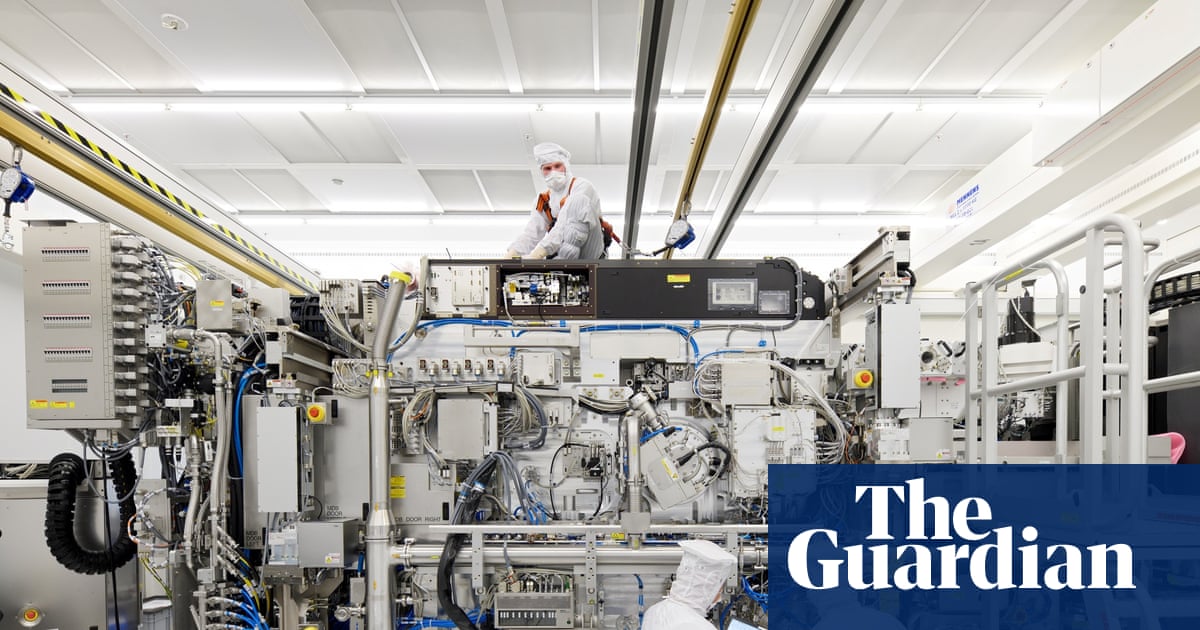
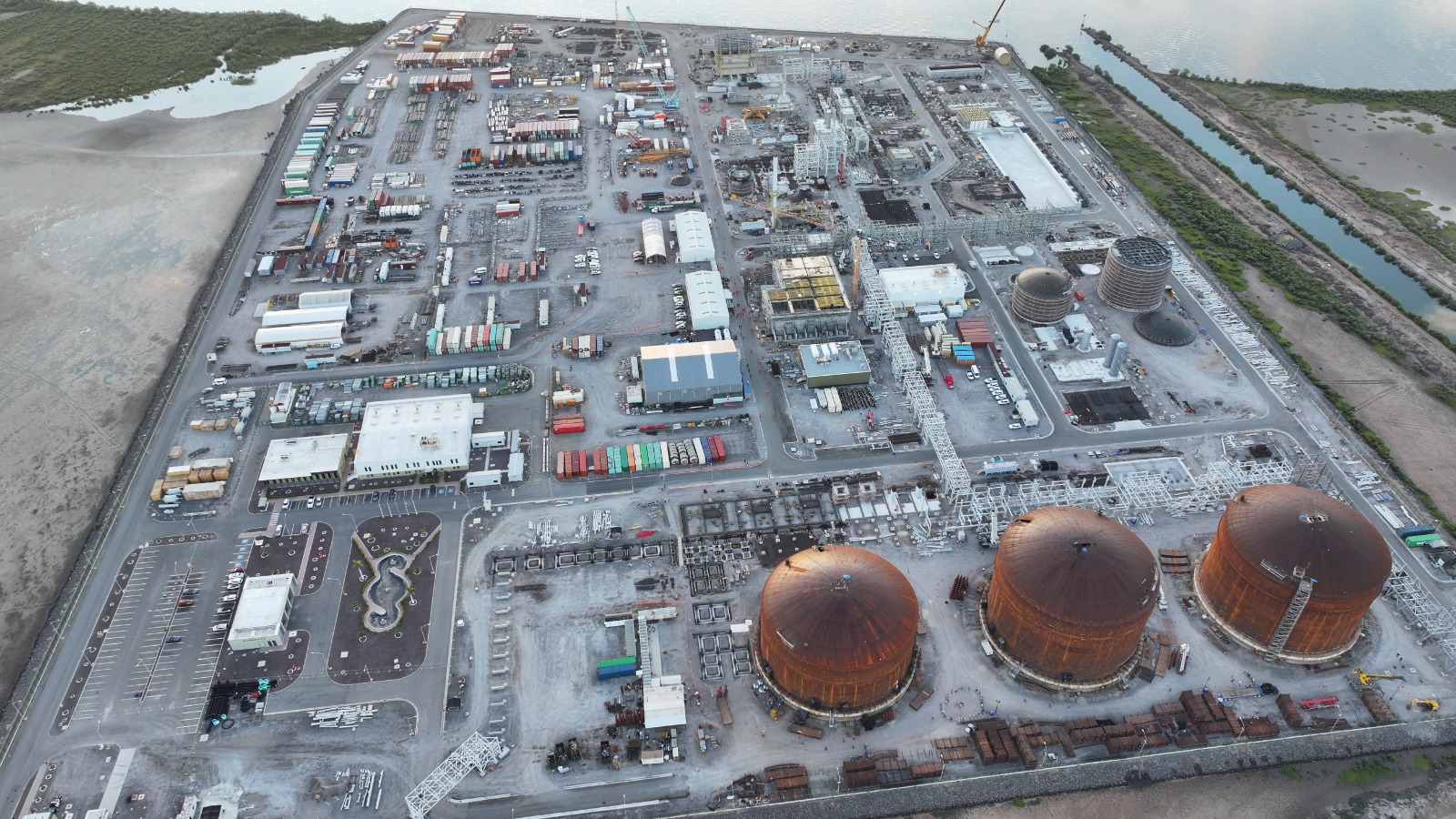
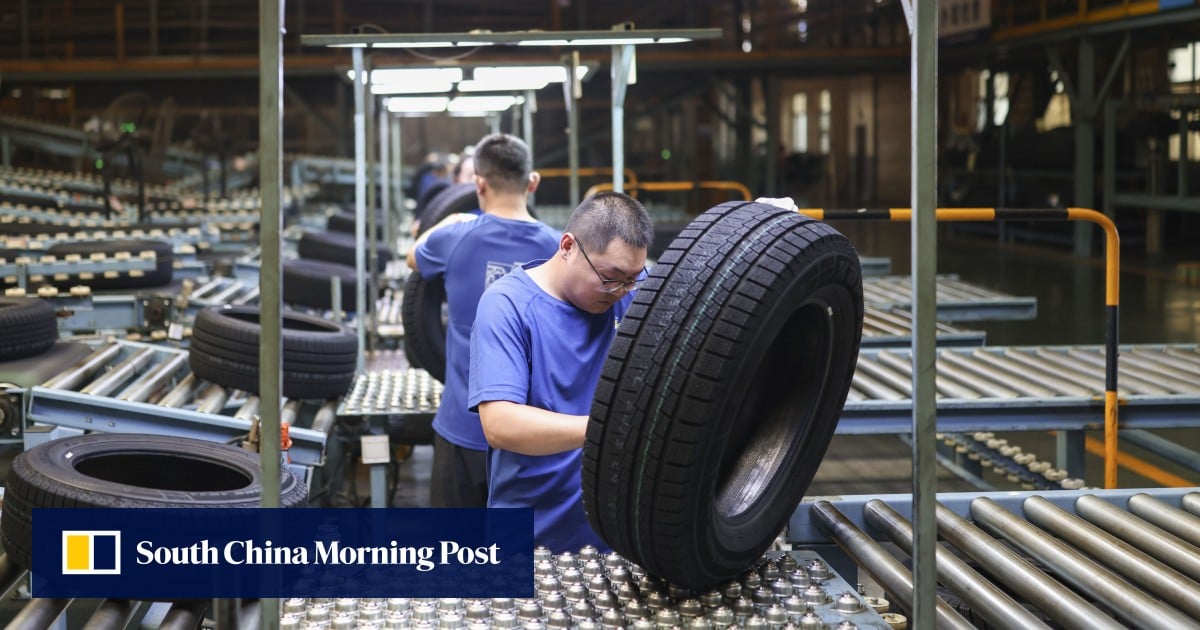
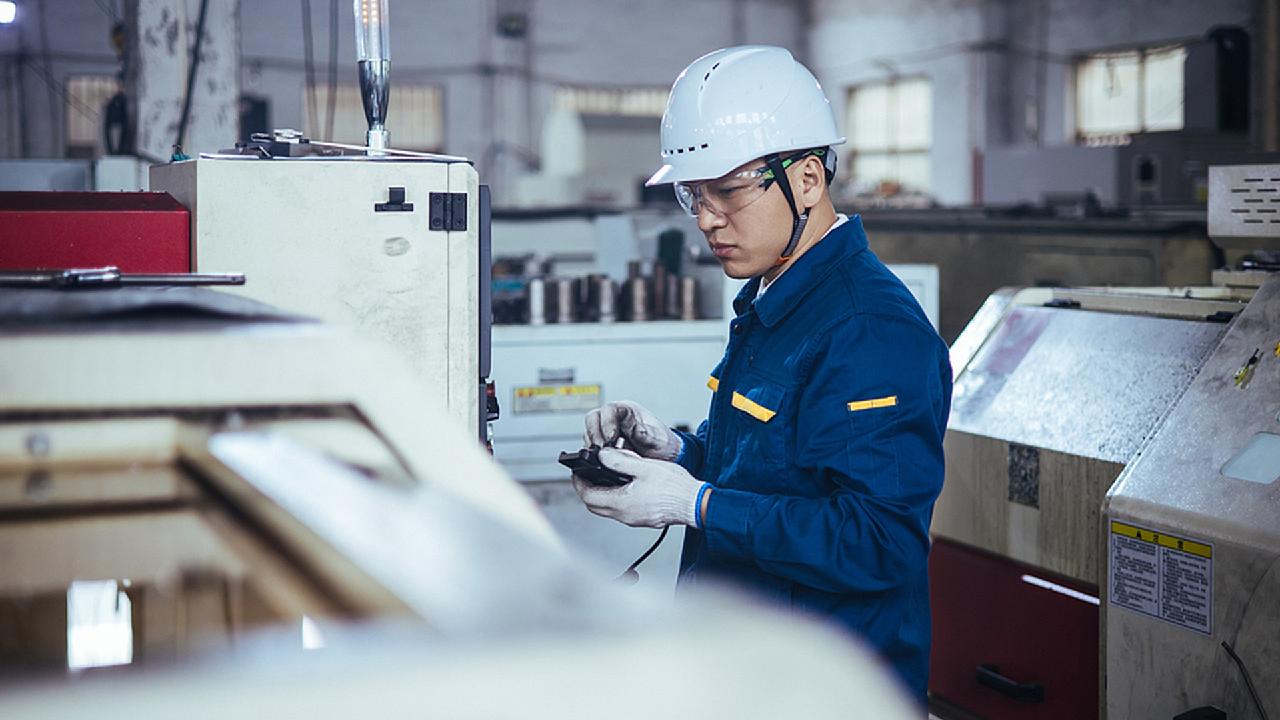
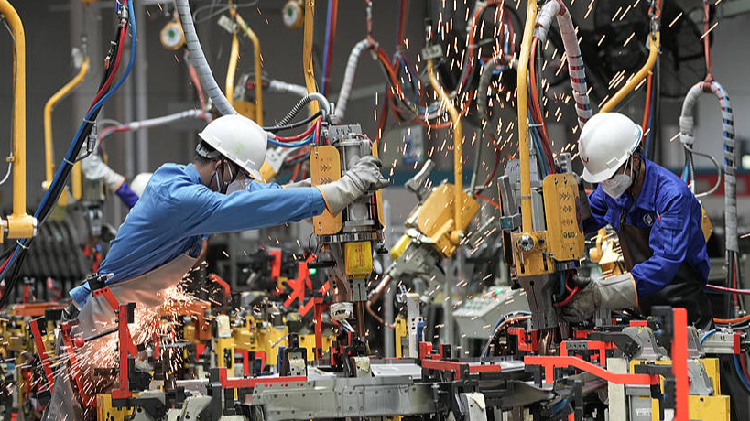
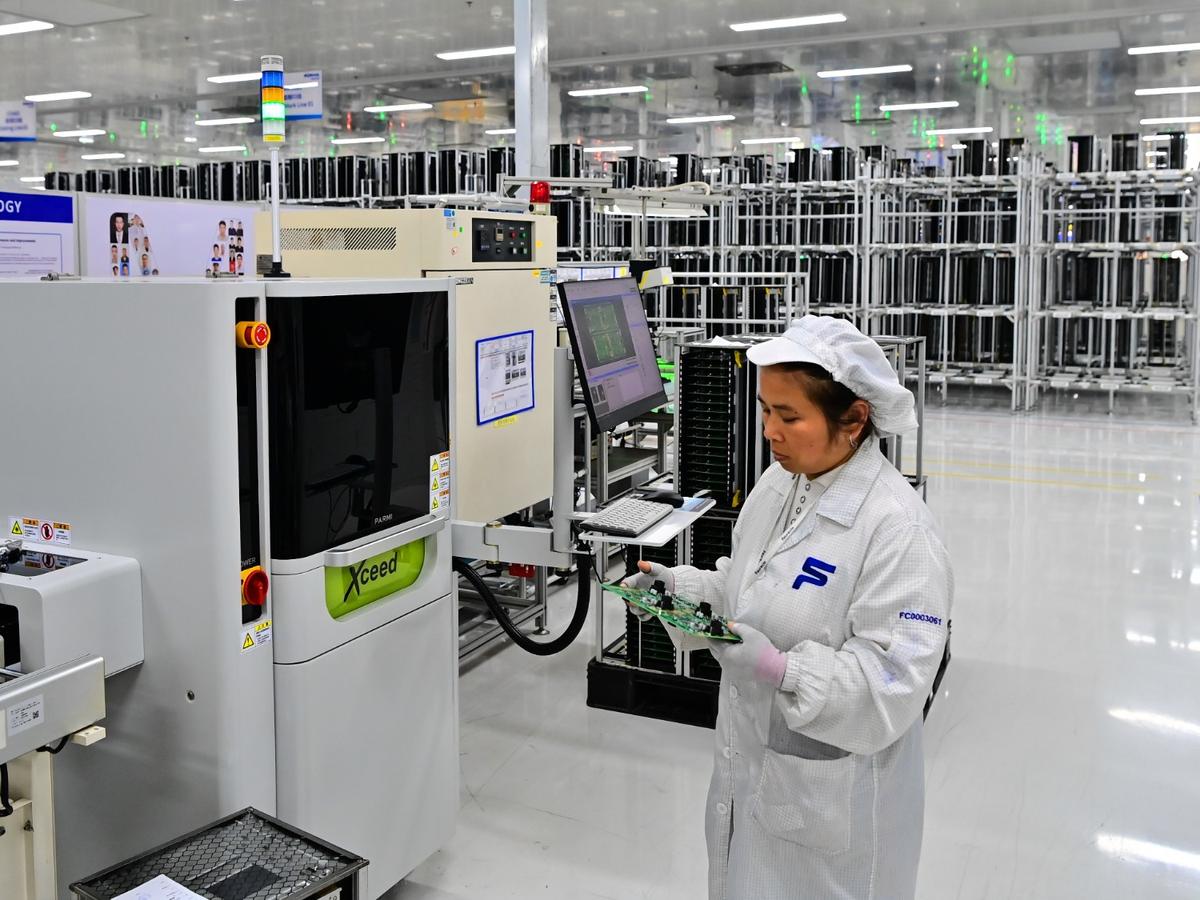
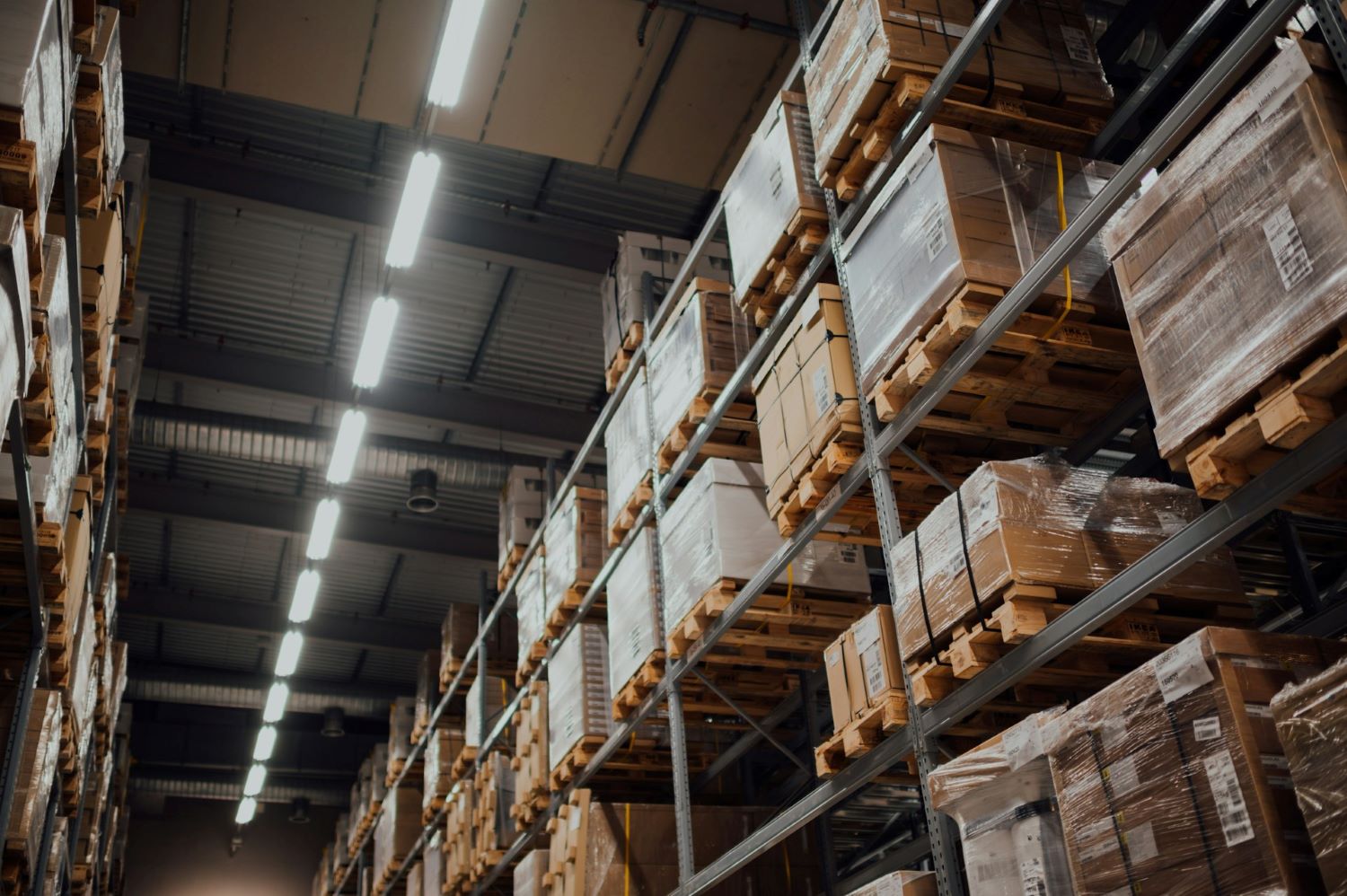
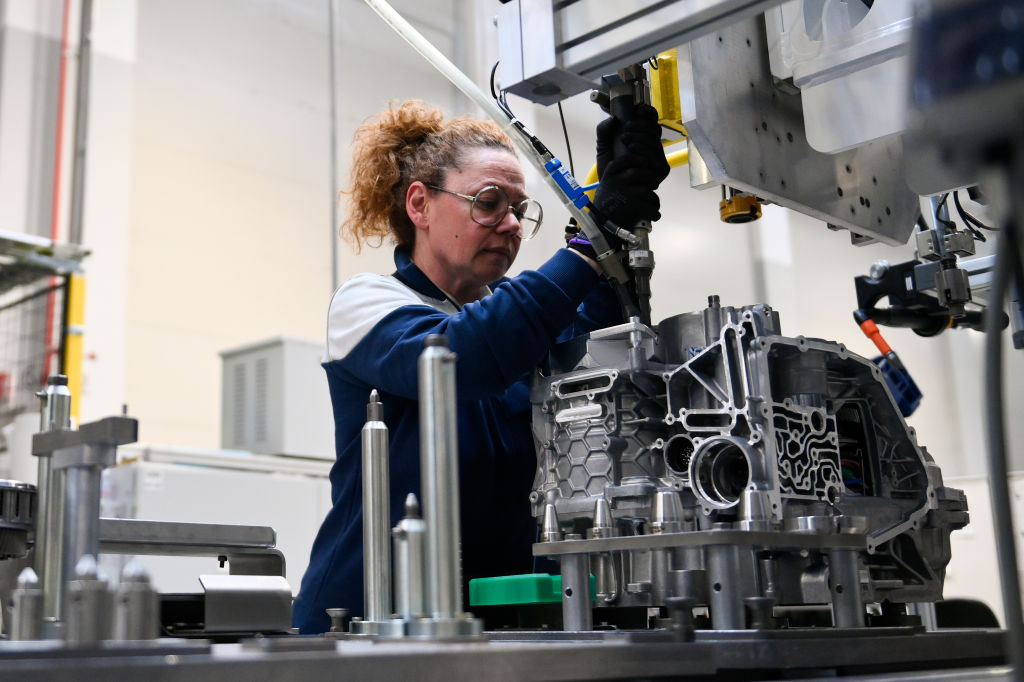
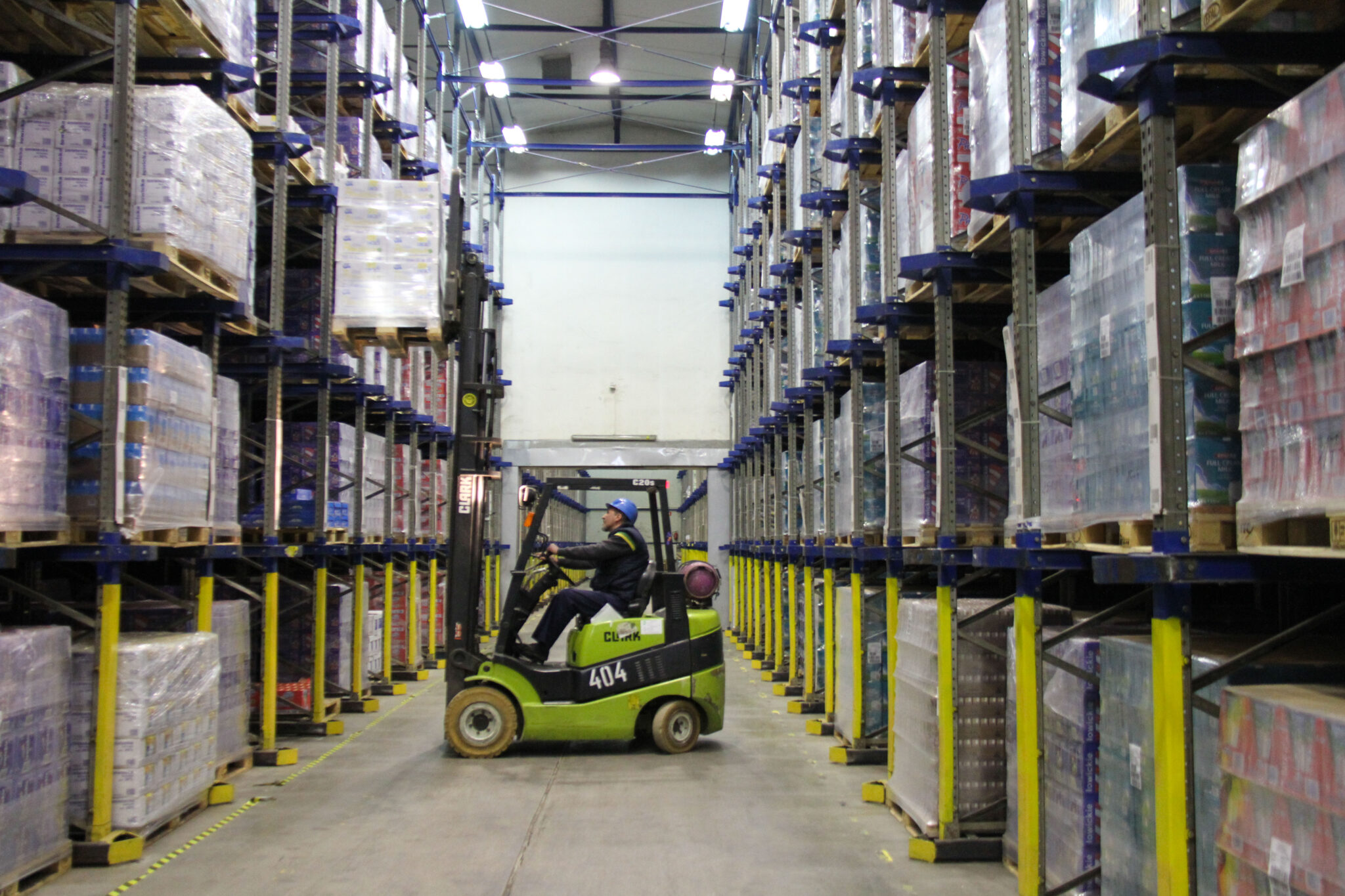
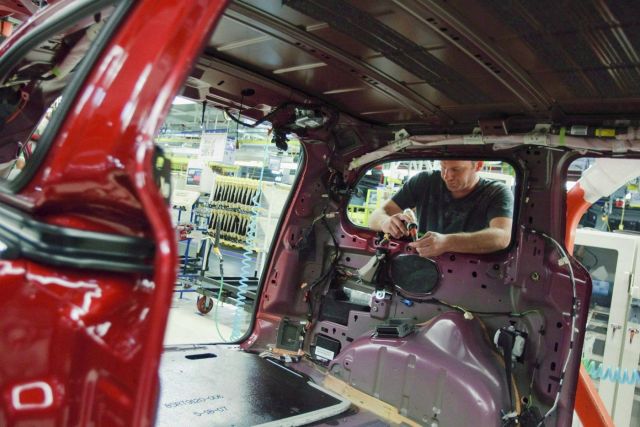
Belgium’s high productivity is the result of the large share of capital-intensive industries in its economy. Particularly important are the chemical industry concentrated around Antwerp, as well as the pharmaceutical and biotechnology sectors. Advanced production lines, automated logistics, and modern infrastructure enable companies to create high value-added products. This is supported by high levels of investment and a well-educated workforce.
Another important factor is that high labor costs – with Belgium having one of the highest tax wedges among OECD countries – create an incentive for companies to invest in automation and machinery. A further possible explanation is workforce selection: Belgium’s employment rate is around 5 percentage points lower than Poland’s.
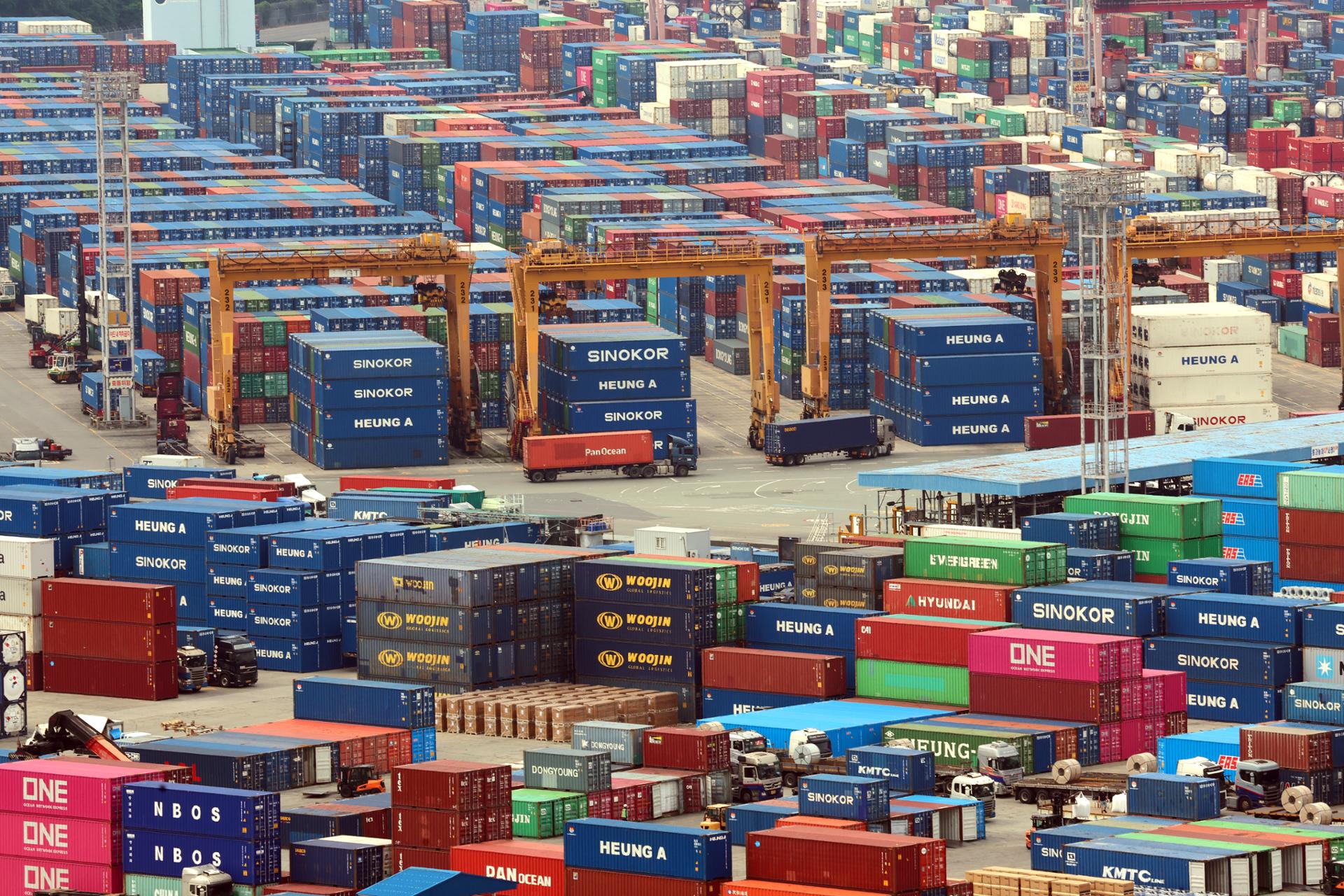
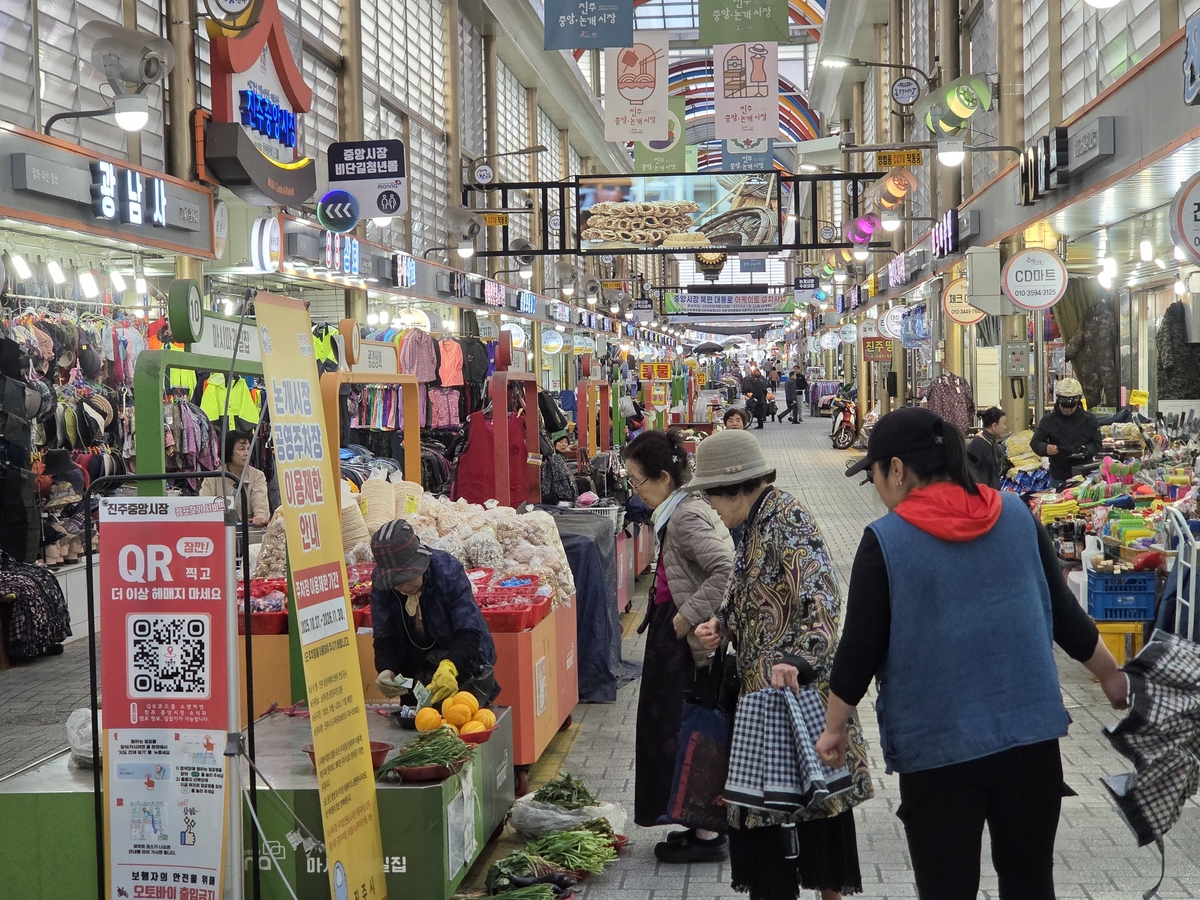
In Poland’s case, the relatively low level of productivity is primarily the result of a still smaller capital base per worker and a lower share of sectors generating very high added value. In South Korea, meanwhile, the outcome is shaped by the economy’s distinctive structure. Alongside world-class, highly efficient industrial conglomerates, the country has a large services sector, a significant number of small businesses, and a high level of self-employment. These segments are characterized by much lower productivity and reduce the average performance of the economy as a whole.
In a sense, South Korea has a dual economy: a highly competitive, export-oriented sector alongside a less competitive domestic services sector. The latter faces regulatory constraints, barriers to entry for Western companies, and excessive protection of firms already operating in the market.
How productivity shapes the labor market
These differences in economic structure are also reflected in labor market outcomes. Belgium’s high level of output per hour worked is accompanied by relatively high unemployment, at above 6%. By contrast, both South Korea and Poland have some of the lowest unemployment rates in the OECD, at around 3% or less.
One explanation for the gap is Belgium’s high labor costs, which encourage companies to invest in capital rather than labor. The result is higher productivity per worker, but also a lower level of employment.
The level matters – but so does the pace of growth
The success stories of both Poland and South Korea are real. Between 1995 and 2024, these two countries recorded the fastest gains in labor productivity. GDP generated per hour worked rose from USD 20 to USD 52 in Poland and from USD 14 to USD 52 in South Korea (measured in constant 2015 prices and adjusted for purchasing power parity). South Korea started from a much lower base than Poland but, thanks to faster growth, almost completely closed the gap.
Despite this impressive convergence, both countries still remain well below the OECD average, which increased from USD 42 to USD 66 per hour worked over the same period.
Belgium sits at the opposite end of the spectrum. Throughout the period analyzed, it remained among the world’s productivity leaders. Its output per hour worked increased from USD 72 to USD 91, demonstrating that even the most advanced economies have continued to improve labor efficiency.
The lesson is straightforward: when assessing an economy’s performance, it is important to look at both the rate of productivity growth and the absolute level of productivity.