
Europe is preparing to take another major step towards a more competitive, resilient and resource-efficient economy
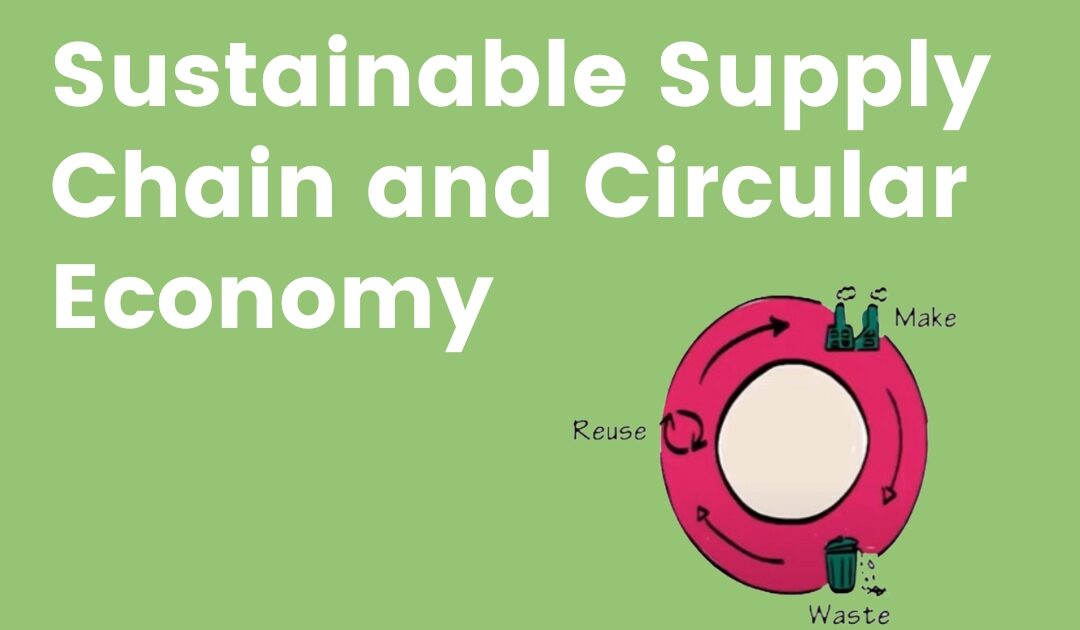
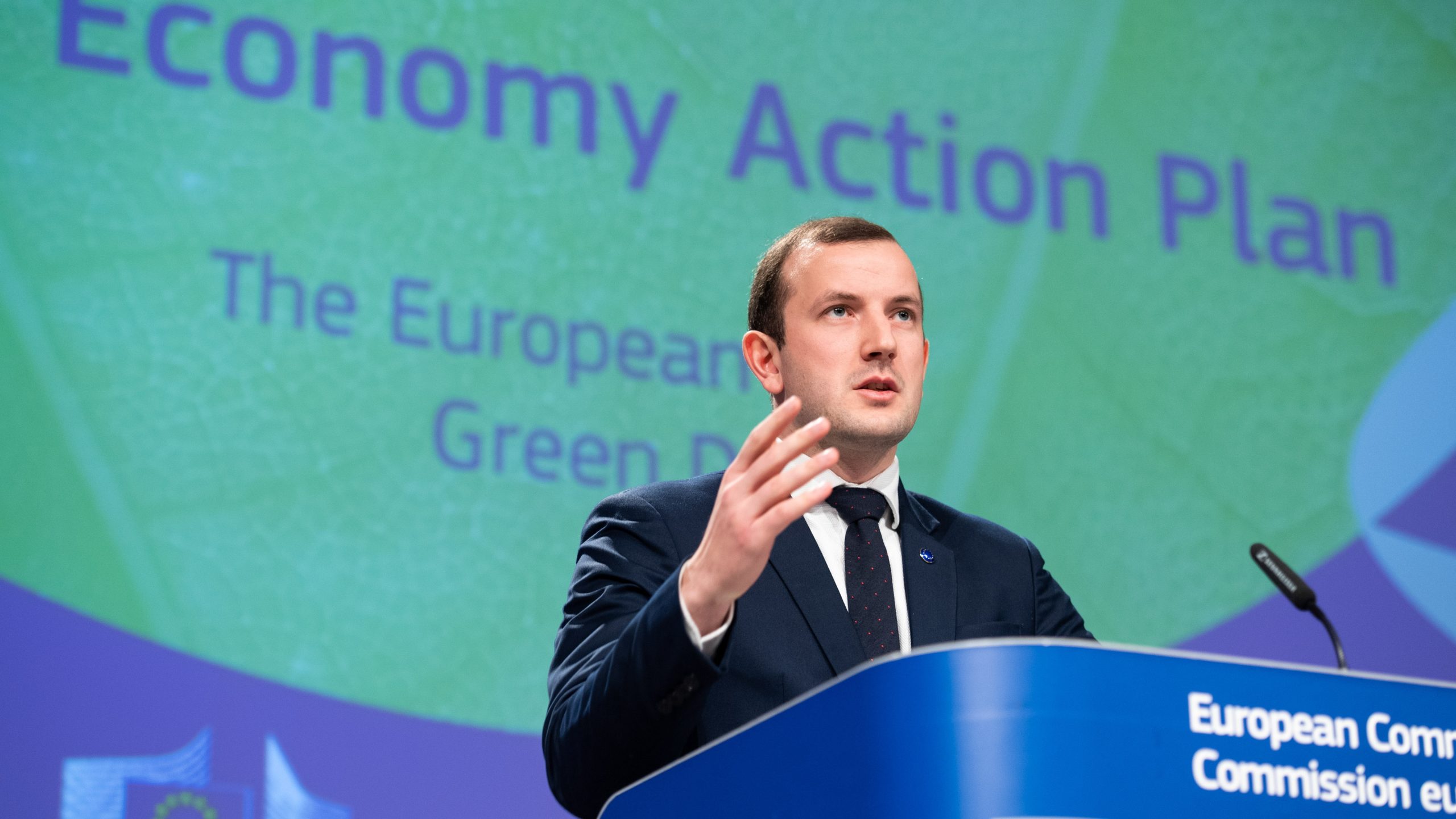
The European Union’s upcoming Circular Economy Act aims to strengthen the market for recycled materials and accelerate the shift away from a wasteful, linear economy.
But for the Circular Economy Act to deliver lasting change, it must look beyond recycling and waste management. Cities and regions should be placed at the heart of Europe’s circular transition, with the powers and resources to shape how materials are designed, used, reused and managed.
The circular economy starts locally
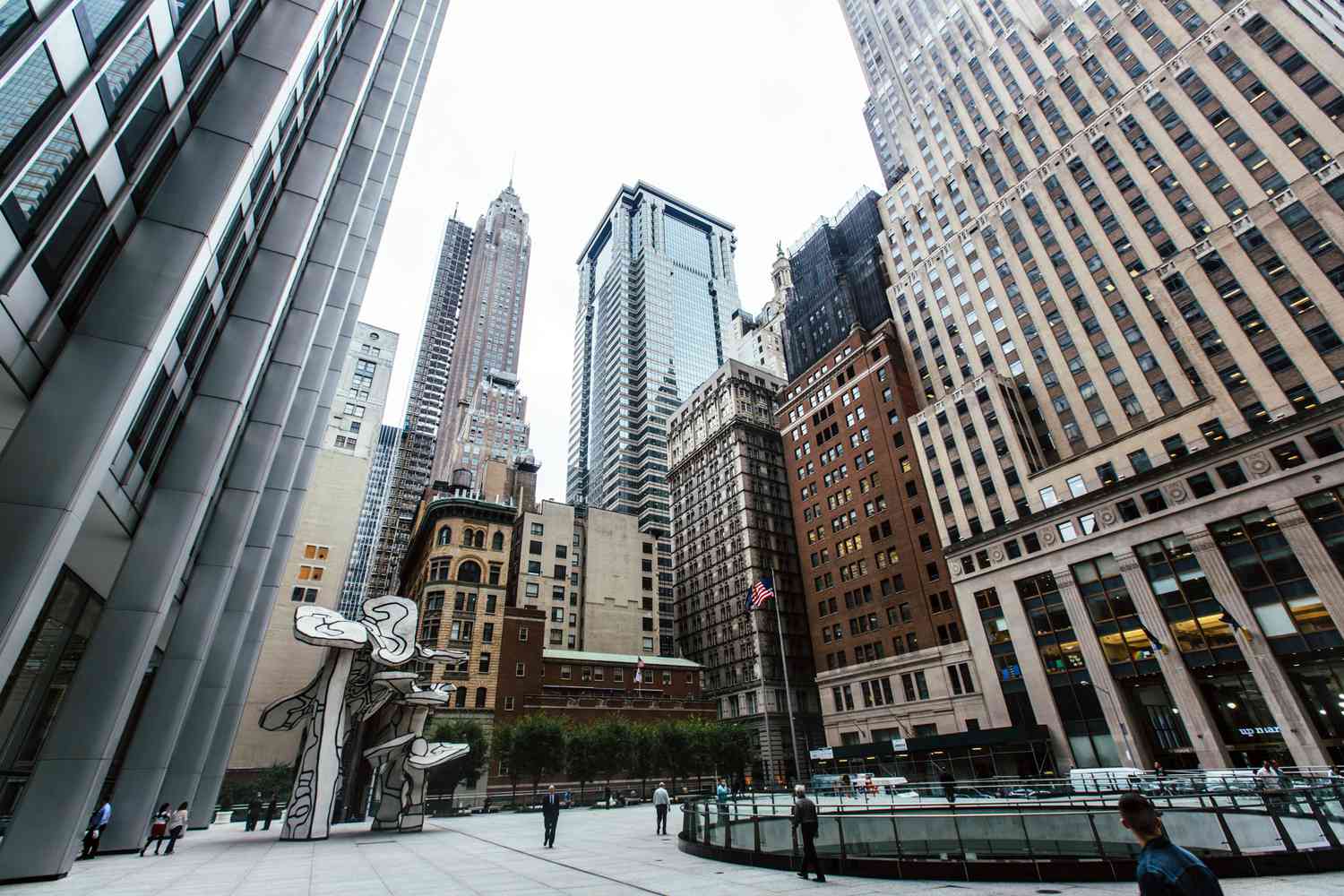
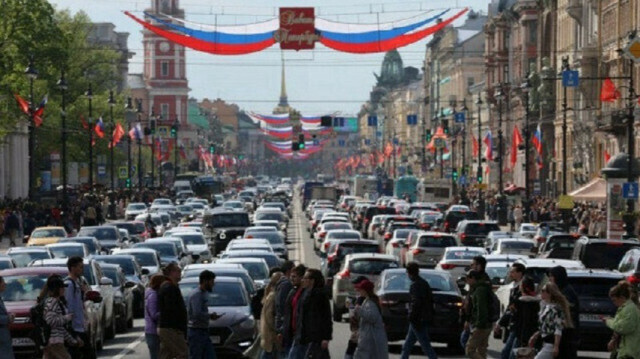
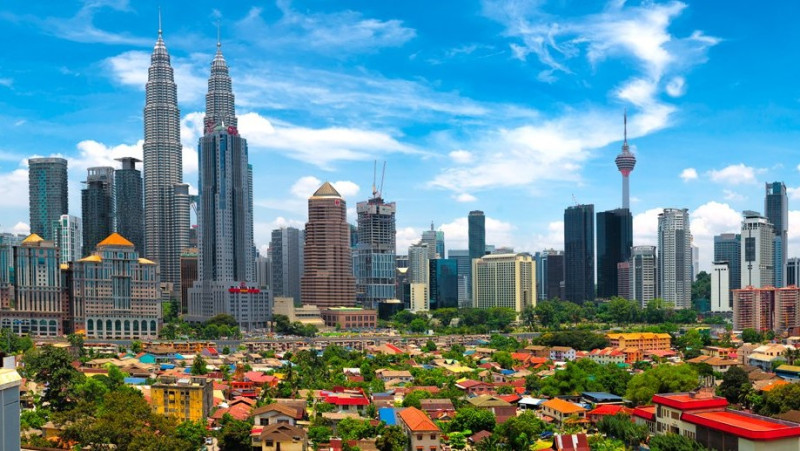
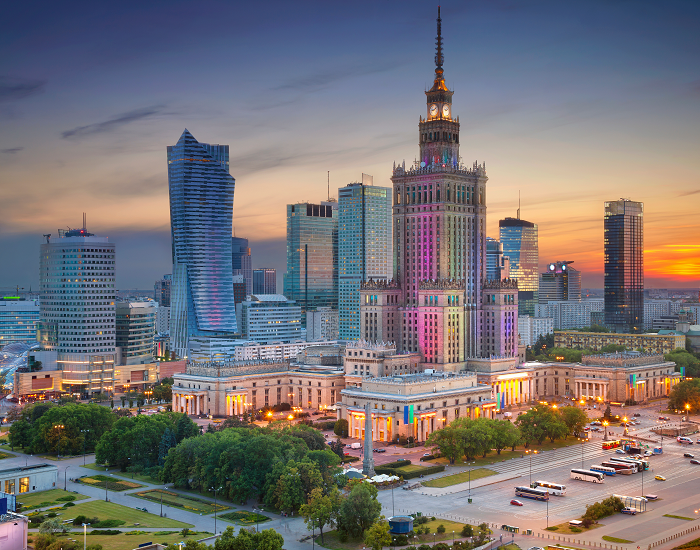
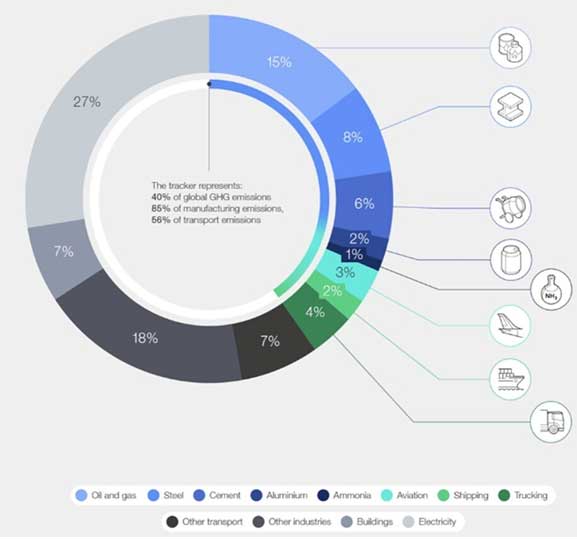
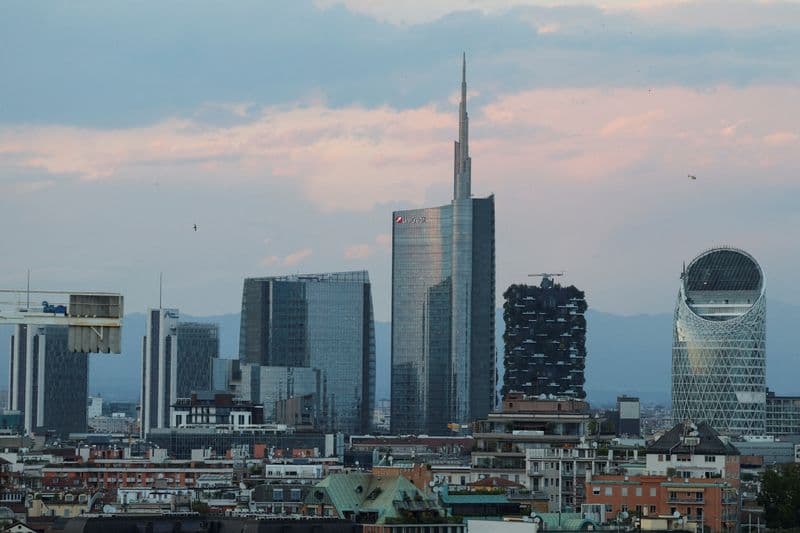
Cities are already at the centre of the circular economy. They account for a significant share of Europe’s greenhouse gas emissions, waste, and energy use, while also acting as centres of innovation, investment, and economic activity.
Local and regional authorities influence areas such as public procurement, infrastructure, construction, economic development, and water and waste management. These responsibilities allow them to reduce the use of virgin materials and encourage products and services that keep resources in use for longer.
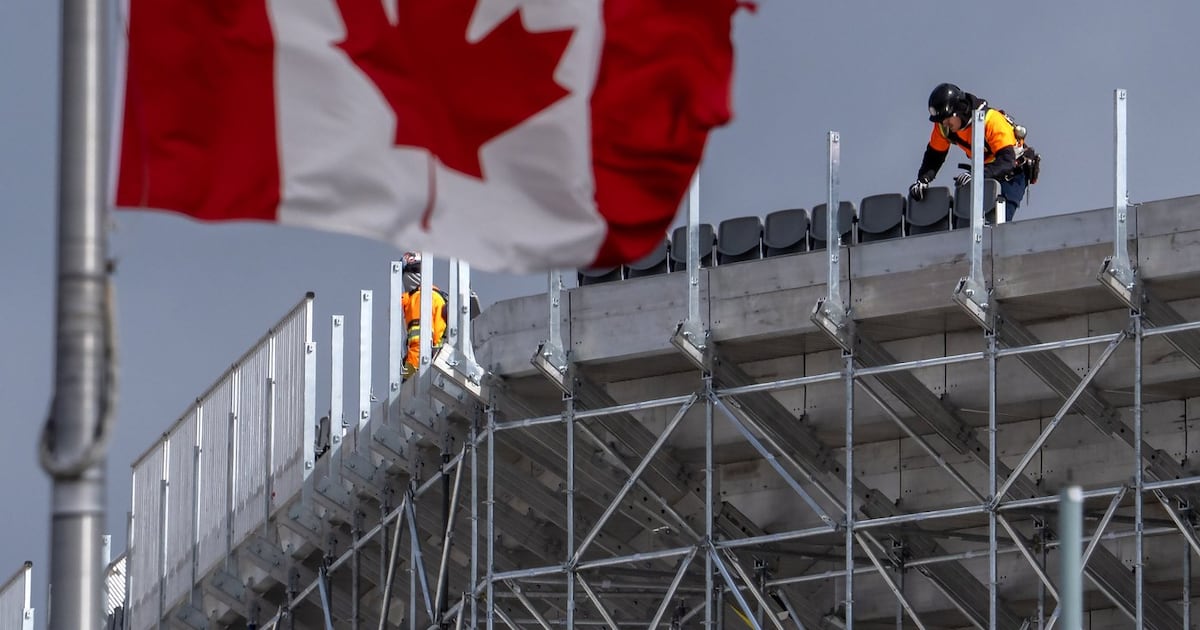
Across Europe, cities are already putting these principles into practice. Circular construction is one example, with Copenhagen among the cities calling for stronger European action to make construction more resource-efficient and reduce dependence on virgin materials.
Moving from waste to resources
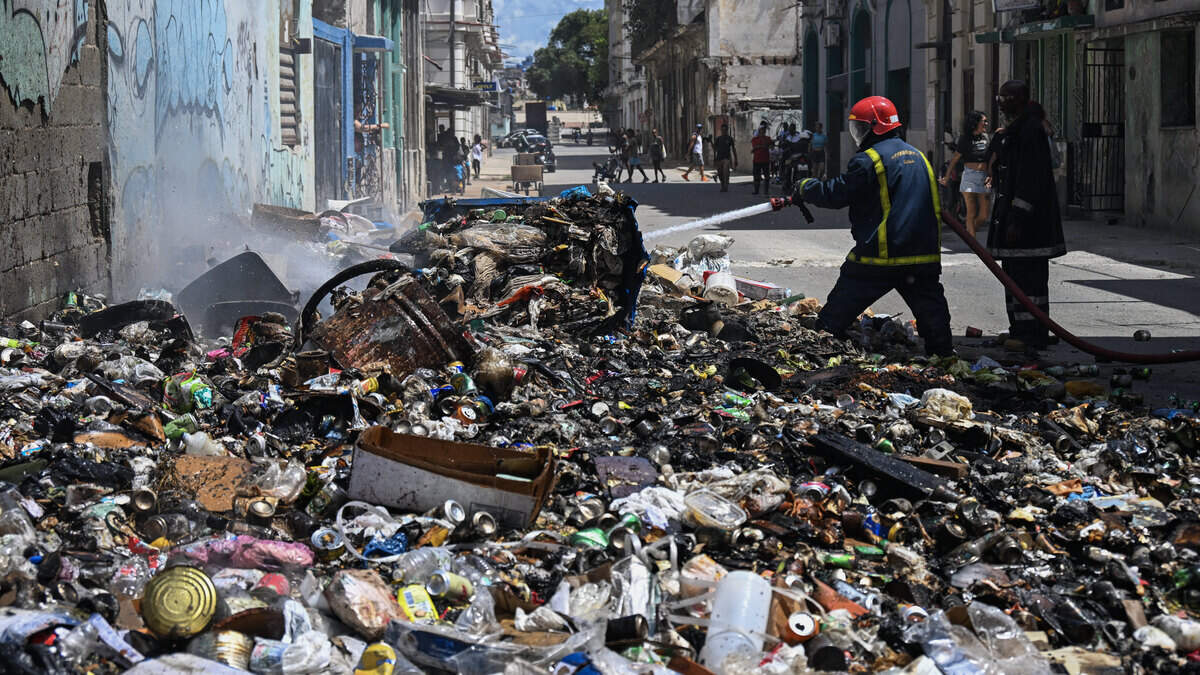
The Circular Economy Act could create a stronger European market for secondary raw materials. However, simply increasing recycling will not be enough.
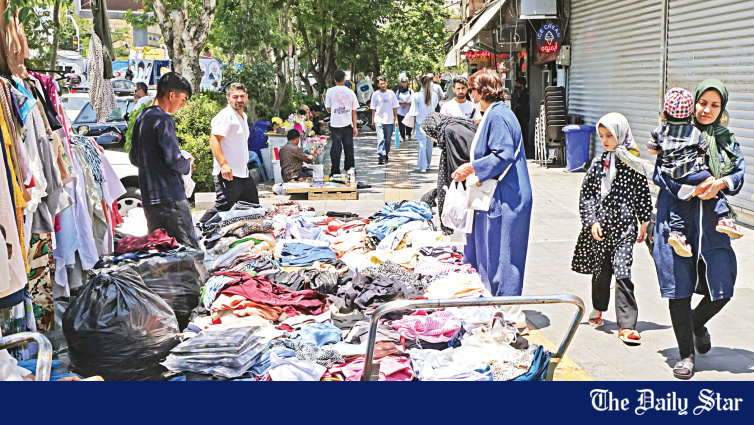
The legislation should prioritise preventing waste in the first place through better product design, reuse, repair and greater resource efficiency. It should also create a consistent framework covering major sectors such as construction, textiles, food, plastics, electronics and the bioeconomy.
A coherent approach could provide greater certainty for businesses and local authorities while helping cities introduce circular solutions on the ground. Reducing reliance on imported virgin materials could also strengthen European supply chains and improve economic resilience.
Making circularity fair
The transition must also deliver social benefits. A circular economy should not only reduce emissions and waste; it should create opportunities for communities and make sustainable choices accessible to more people.
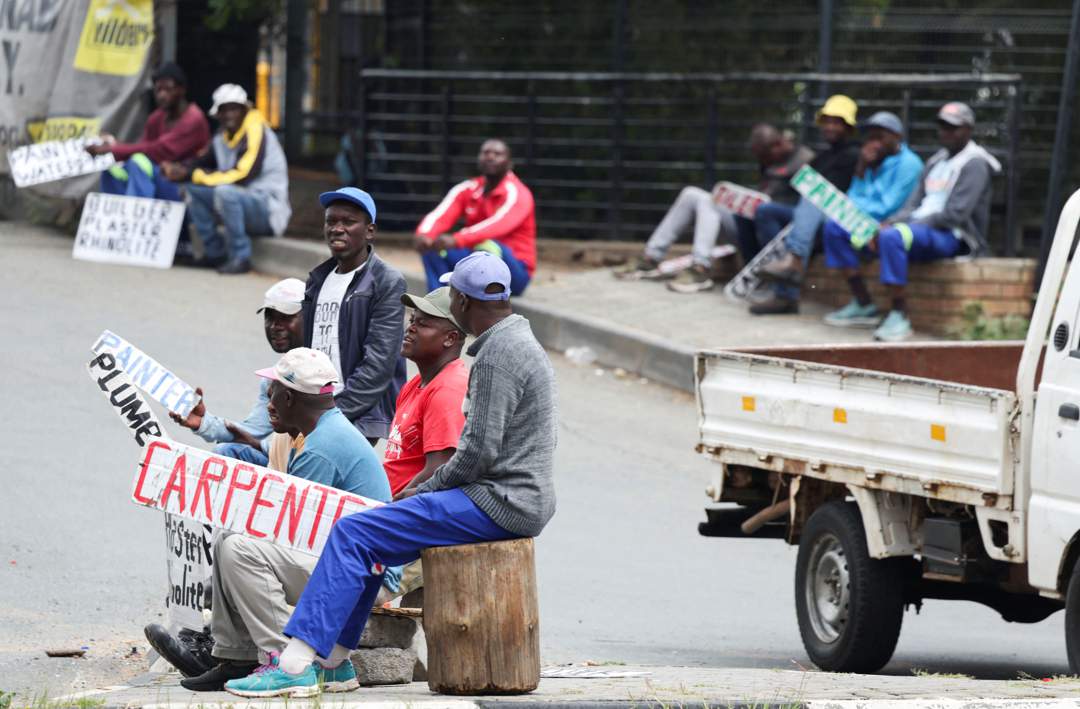
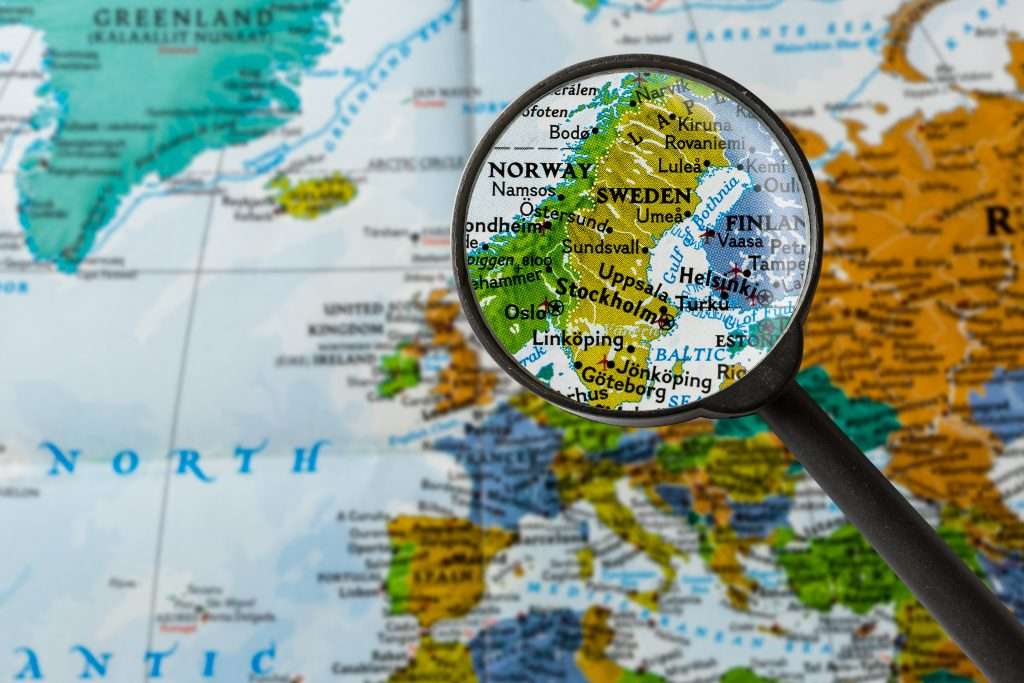
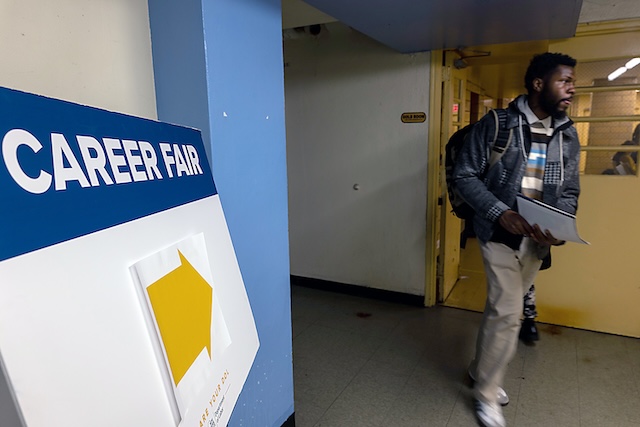
Malmö in Sweden provides an example through its Reuse Depot, a labour market initiative connected to the city’s waste company. Over two decades, the project has provided employment opportunities for thousands of people who previously faced barriers to entering the labour market.
These initiatives show how circular policies can contribute to employment, social inclusion and stronger communities alongside environmental improvements.
A chance for Europe to lead
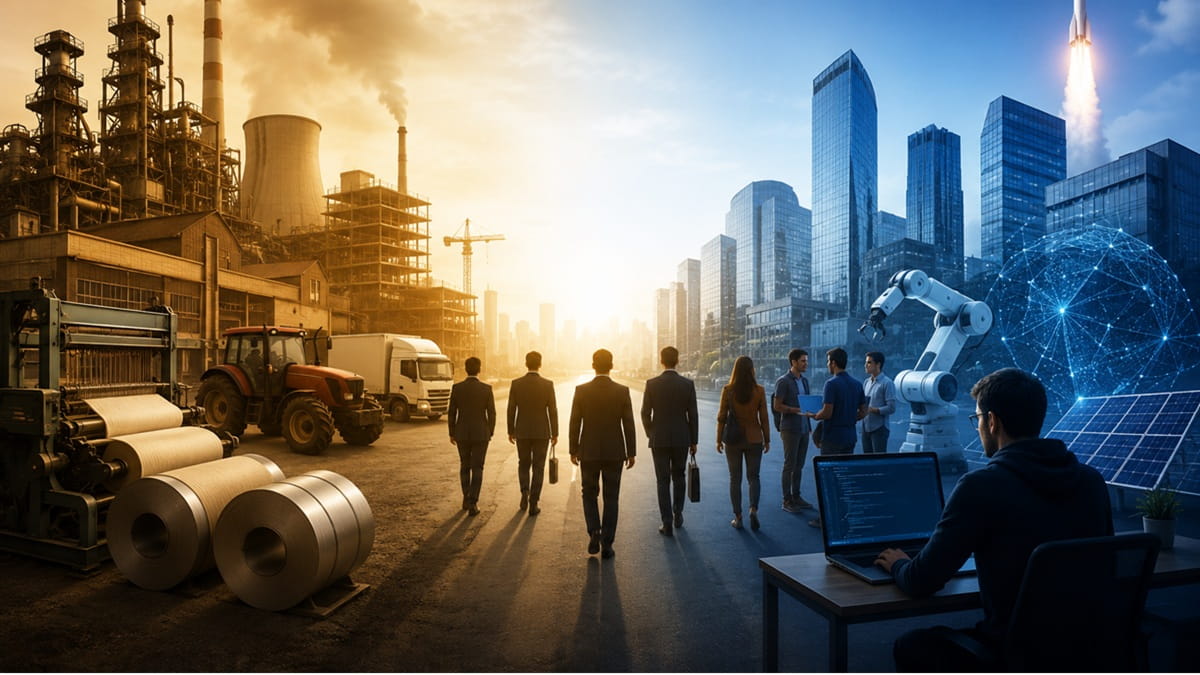
The Circular Economy Act offers an opportunity to make circularity central to Europe’s industrial strategy, rather than simply another update to waste legislation.
Cities and regions are already developing practical solutions, measuring their progress and integrating circular principles across municipal services. The challenge now is to ensure European policy gives them the funding, tools and influence needed to expand this work.
A successful circular economy will depend on more than legislation. It will require cooperation between European institutions, businesses and local authorities, with cities and regions given a leading role in creating a more competitive, resilient, resource-efficient and socially inclusive Europe.