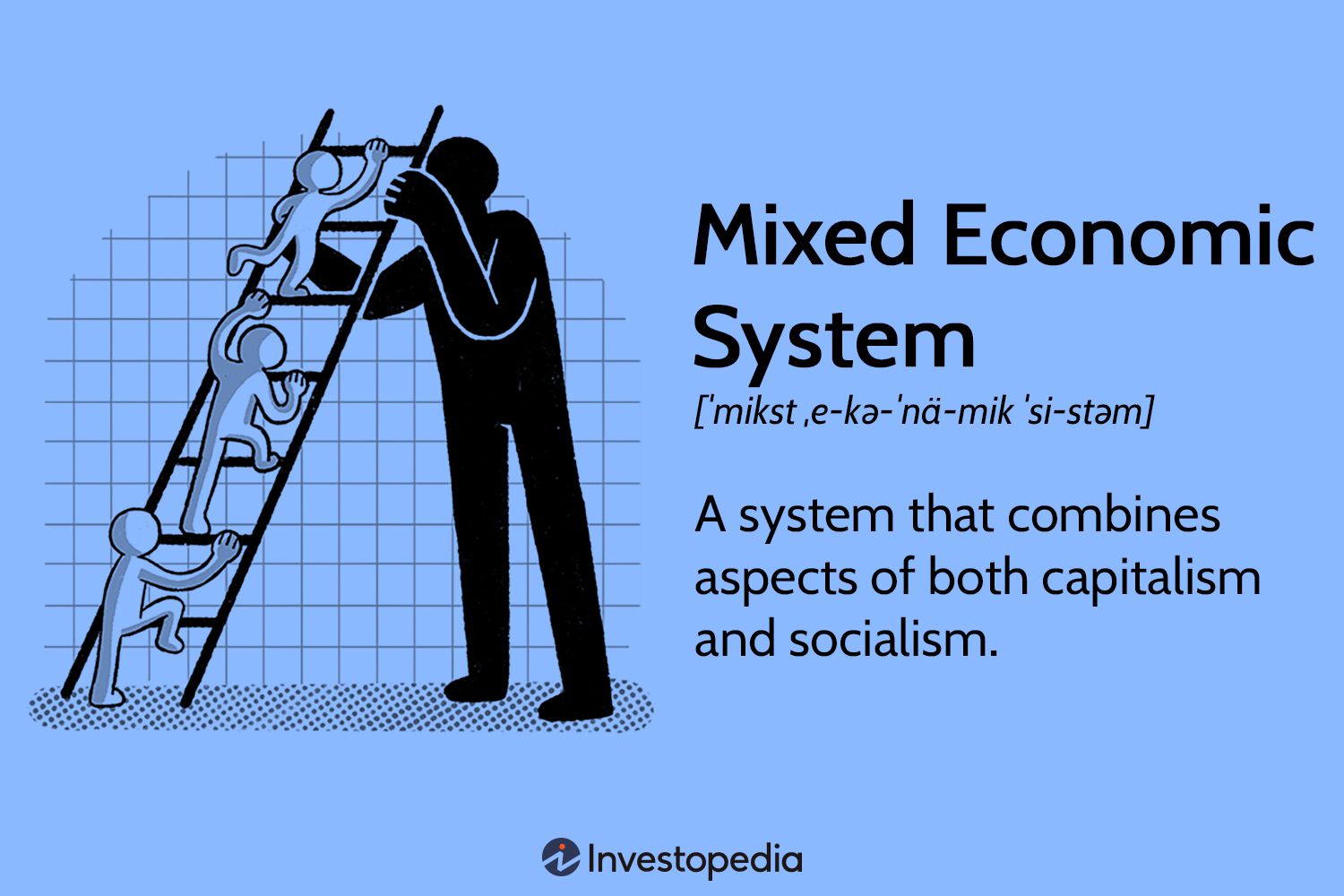
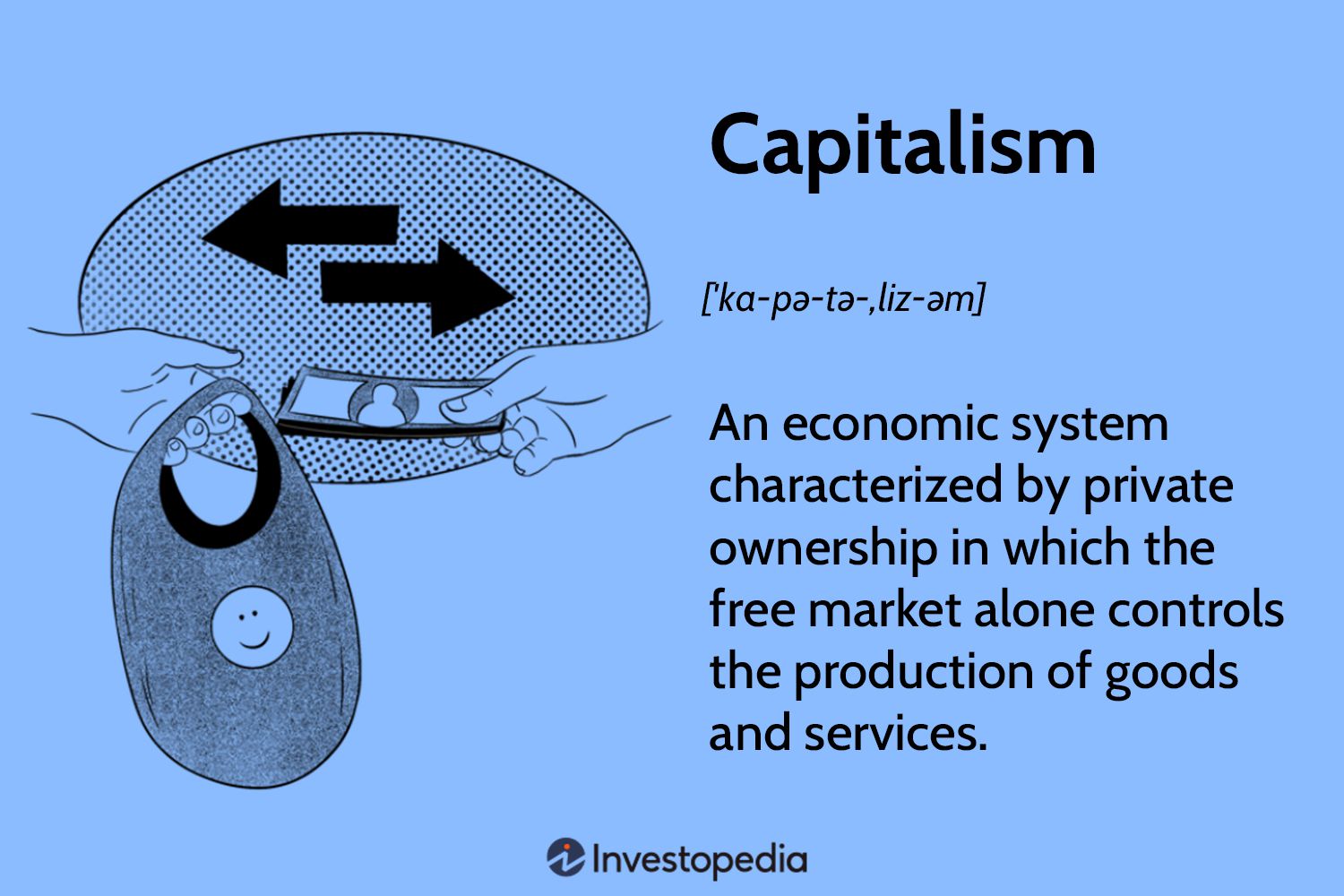
The rising influence of democratic socialists like AOC and Zohran Mamdani, and the fervent defense of free markets by Republicans in response, have reopened an old question: what is the best way to organize a modern economy, capitalism or socialism? But that is the wrong question. The right question is: what hybrid of capitalism and socialism — and nonprofit philanthropy and family self-help — can best serve a modern economy?
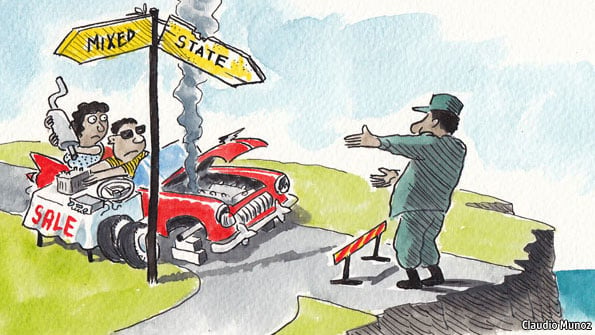
Only socialist radicals and their sibling rivals, libertarians, mistakenly believe that we have to choose between pure socialism and pure capitalism. In technological societies, what has been called the “mixed economy” is clearly superior, combining technological dynamism and private initiative with social solidarity, industrial policy, and infrastructure and human development delivered by the state. In the 21st century, socialism — the dream of a new generation of Leftists in the DSA — is as impractical as the free-market fundamentalism of the Libertarian Party and the Wall Street Journal editorial pages.
No purely capitalist economy has ever existed or ever will. Even in the supposed era of laissez-faire in the United States between the Civil War and the New Deal, there was a mixed economy at all levels of government. The feds intervened in trade to protect US industries with tariffs, lavished subsidies on railroads and colleges, and restricted immigration for good reasons (high wages) and bad ones (racism).
Meanwhile, American states possessed sweeping “police powers” that they used to enforce moral laws, including “blue laws” that limited commerce on Sundays. The apartheid regime in the South, the heartland of hypocritical “limited-government” conservatives, intrusively regulated every aspect of life, from the most intimate — marriage — to the most commercial — dining and shopping — in the defense of white supremacy.
Contrary to libertarian mythology, the New Deal reforms of the 1930s, and the civil-rights revolution of the 1960s, didn’t replace a free economy with a statist or socialist one. The New Deal merely altered America’s existing mixed economy in important respects, providing organized labor with federally enforced rights, enacting a federal minimum wage and maximum-hours laws, and creating earned benefits like Social Security that codified earlier mutual-support networks established by workers themselves: not taxpayer dole, but a share of workers’ own earnings withheld, to be disbursed in old age.
The civil-rights movement, meanwhile, expanded freedom in American society. It diminished illiberal statism at the local level, freeing people to marry whom they wanted and to shop where they wanted, regardless of race. The elaborate structure of group preferences that was assembled later under the rubrics of “affirmative action” and “equity” was a betrayal of the civil-rights revolution, not its logical fulfillment.
America’s technological dynamism has always been based not on “free enterprise” alone, but on what might be called “mixed enterprise” — in which private firms, government, and nonprofit institutions work together to promote growth and advancement.
This sort of burden-sharing has proved especially fruitful in the realm of science and technology. Since the 19th century, technological innovation in the United States has benefited from federal intervention of various kinds, including the $30,000 (equivalent to more than $1 million today) that Congress granted Samuel F. B. Morse in 1843 for an experimental telegraph line from Washington, DC, to Baltimore.
Atomic energy, space travel, and computers all depended in their early stages on civilian or military government funding or procurement, even when private enterprise entered the sector later. In these and other cases, governments and sometimes tax-favored universities and nonprofit foundations helped to develop new technologies with markets and commercial applications that came only later.
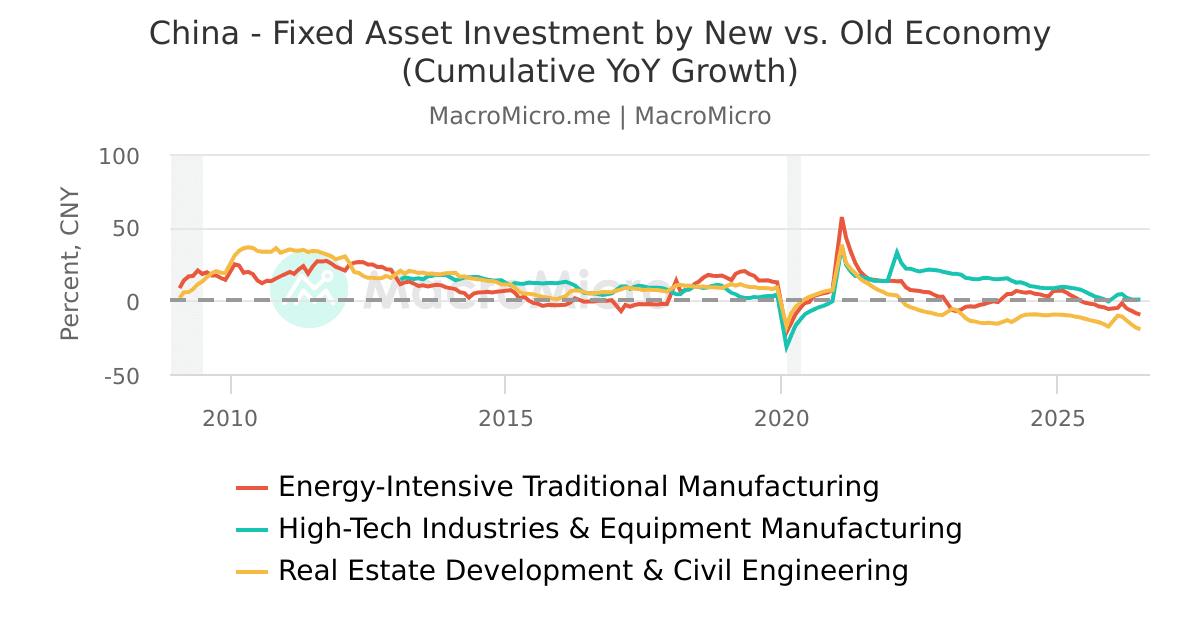
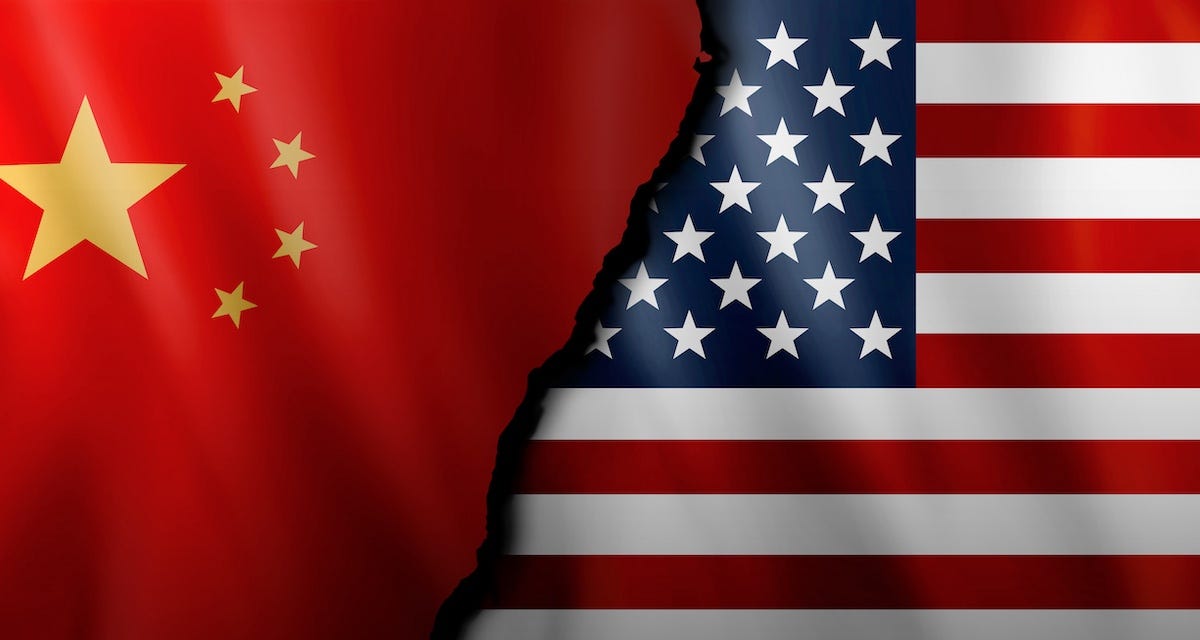
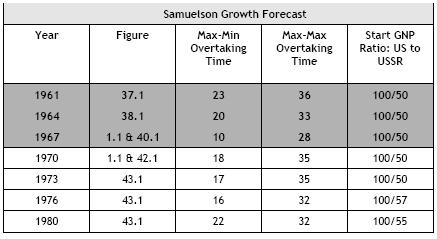
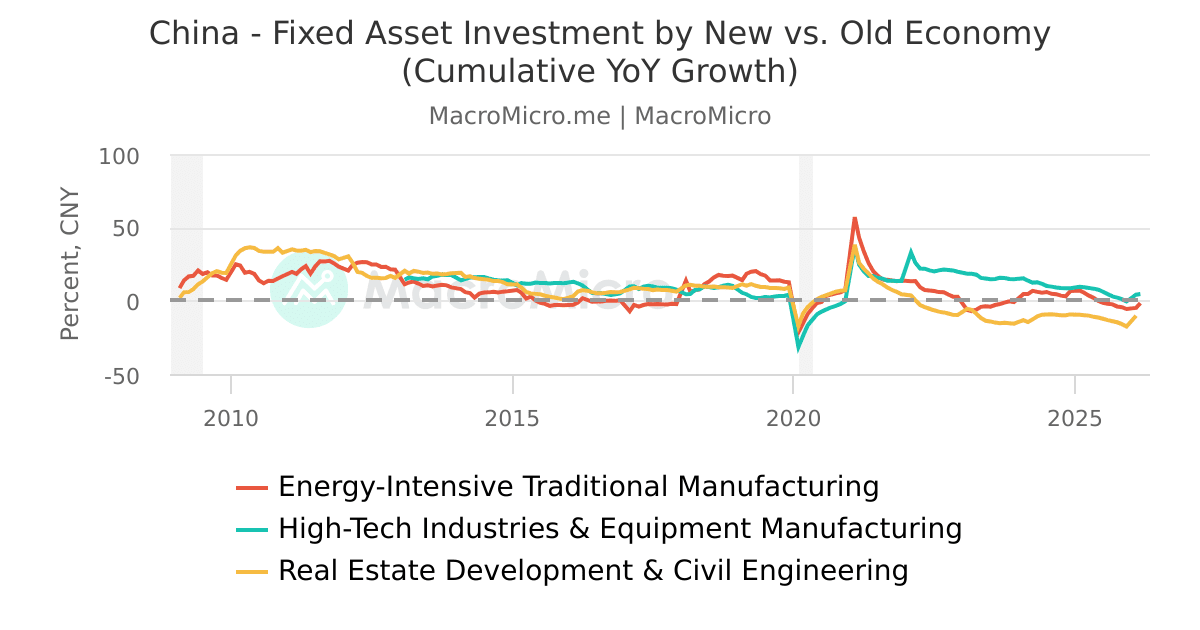
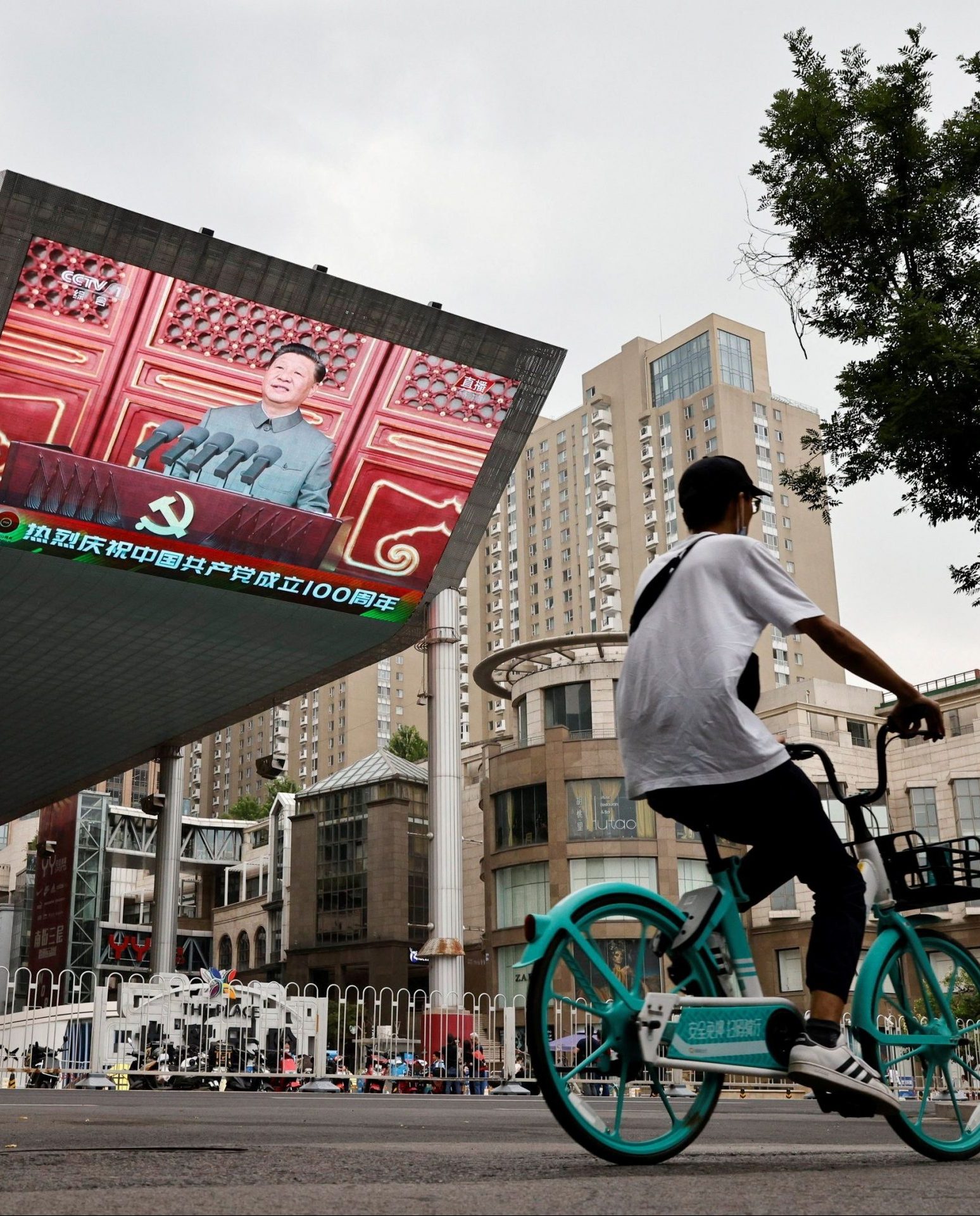
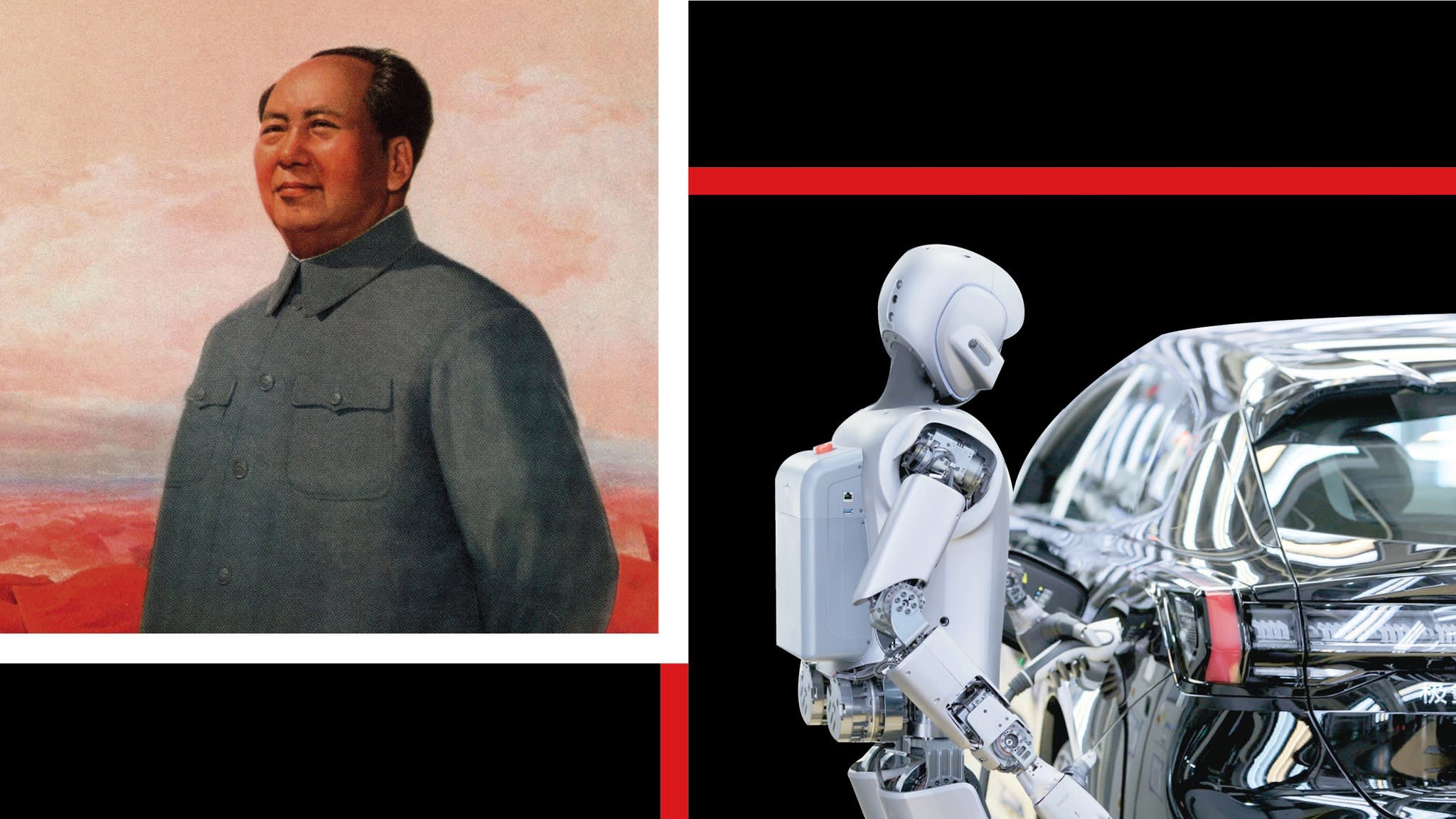
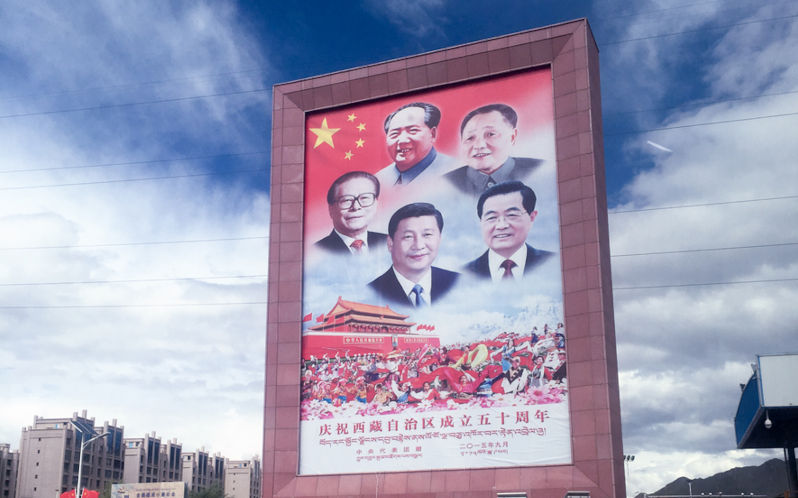
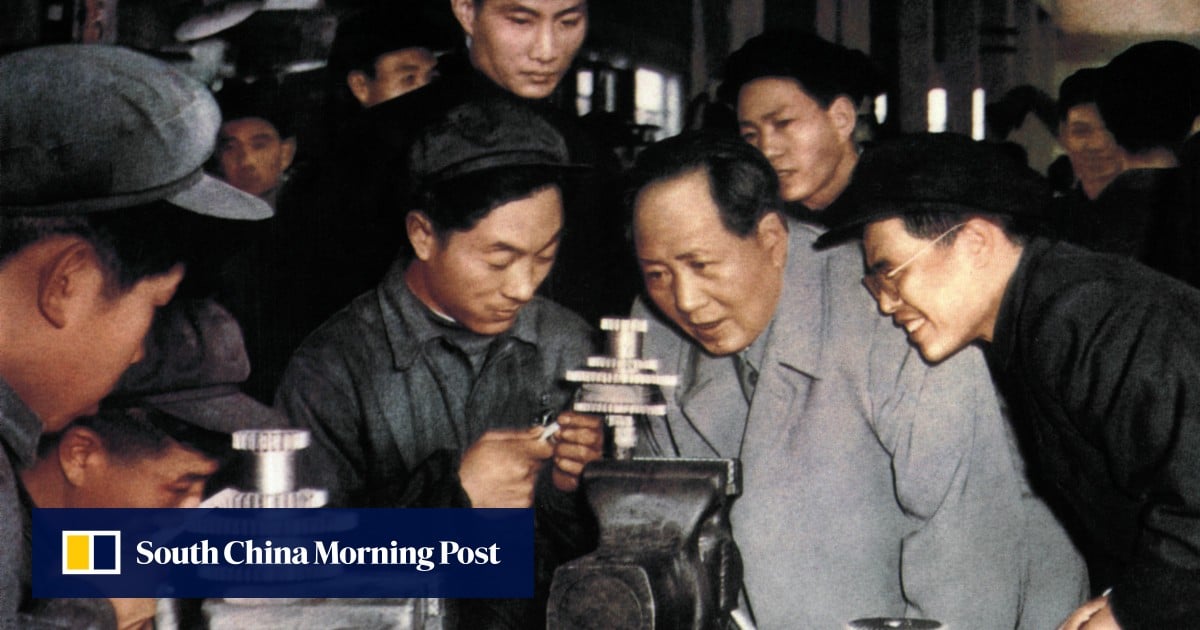
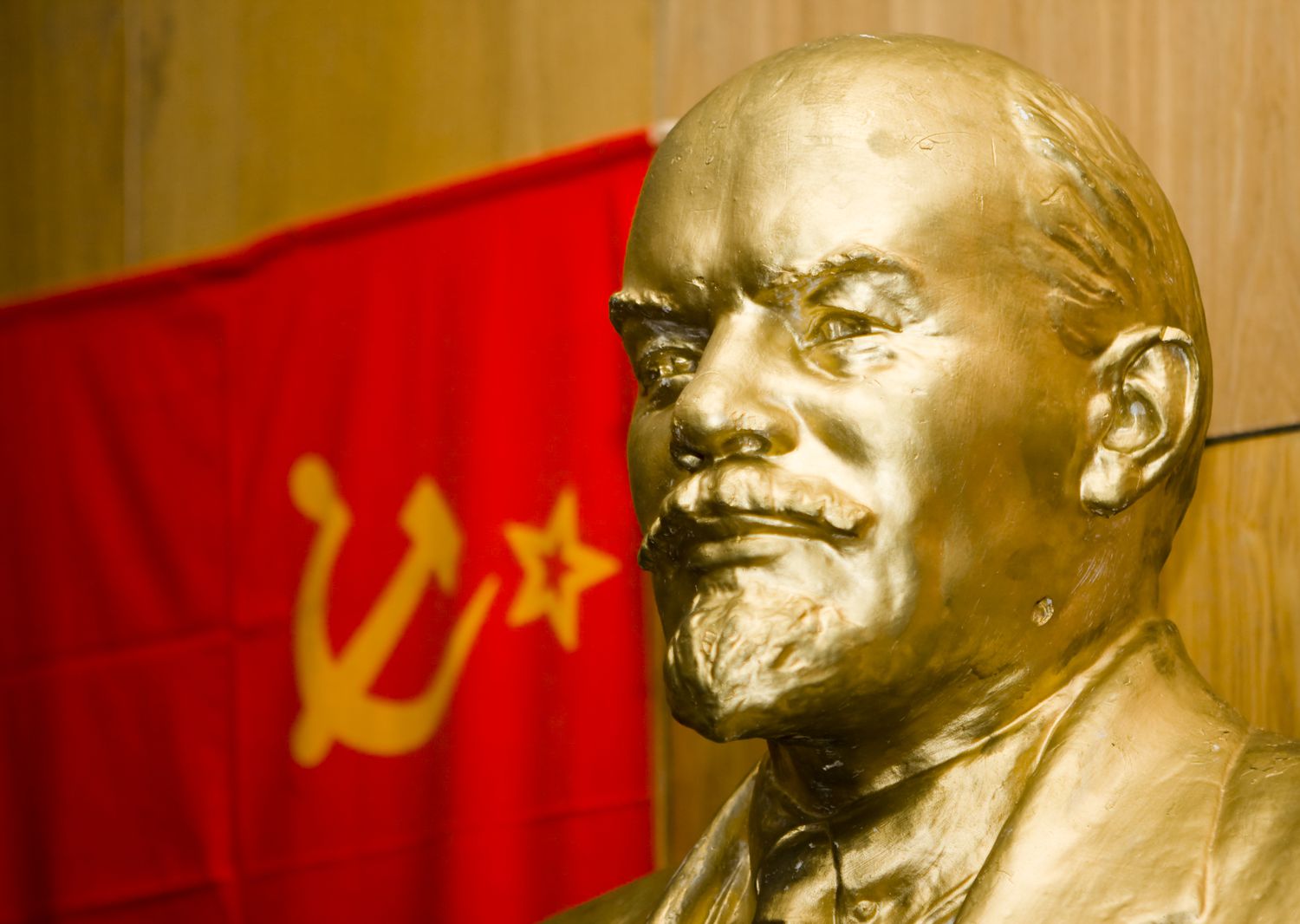
Such has been the success of the modern mixed-enterprise system that even communist countries like China and Vietnam have abandoned pure socialism for their own authoritarian versions of the mixed economy, blending markets and government bureaucracies, public and private entities. To the extent that the Cold War was a contest of economic systems, it was a contest between Marxist-Leninist state socialism and the Western-style mixed enterprise system, not between socialism and capitalism.
Far from being relevant in today’s world, pure socialism and free-market capitalism are both quaint and irrelevant ideologies. Both date back to the early 19th century before the modern industrial economy developed. Both are dogmatic secular religions, not practical public philosophies capable of being corrected by experience. The proof lies in the fact that their adherents tend to return to the same founders and early texts. Despite everything we have learned from the evolution of industrial civilization in the last two centuries, socialists still read and re-read Marx, whose Communist Manifesto was written with Friedrich Engels in 1848, while libertarians quote Jean-Baptiste Say, who died in 1832, and David Ricardo, who died in 1823.
By the time Marx died, in 1883, Marxism was already discredited by the fact that the development of industrial capitalism in mixed economies failed to produce the immiseration of the proletariat and the socialist revolution that his theory had predicted. After 1900, the Marxist tradition split into Leninism, a model of top-down, technocratic rule by a totalitarian party in which the economy was subordinated to politics, and social democracy, which sought to bring about a socialist economy through democratic elections and reforms.
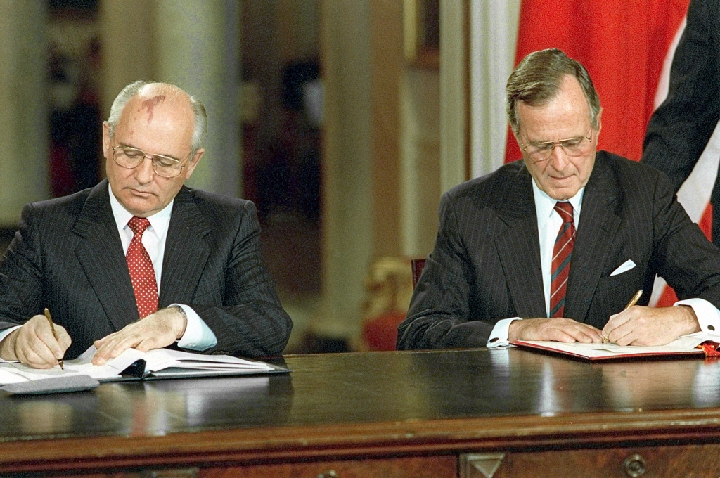
It is often said that Marxist-Leninist regimes proved that state socialism was doomed. But this is wrong. The Soviet Union survived for seven decades and hard-core communism survives in North Korea to this day. But such regimes were and are less efficient than mixed economies, and Marxist-Leninist dictatorship is inherently tyrannical, whether the tyranny is that of a single strongman or a politburo. Political oppression and relative poverty explain why millions of people fled these regimes — and also why millions of people did not try to move to them.
By the second half of the 20th century, the other successor to orthodox Marxism, social democracy, became a mere variant of the mixed economy. Germany’s Social Democratic Party jettisoned the last traces of orthodox Marxism in 1959 with its Godesberg Program. Likewise, Labour in Britain dumped socialism in 1995 by excising clause 4, demanding “common ownership” of the means of production, from the party’s constitution.
“The Cold War … was a contest between Marxist-Leninist state socialism and the Western-style mixed enterprise system, not between socialism and capitalism.”
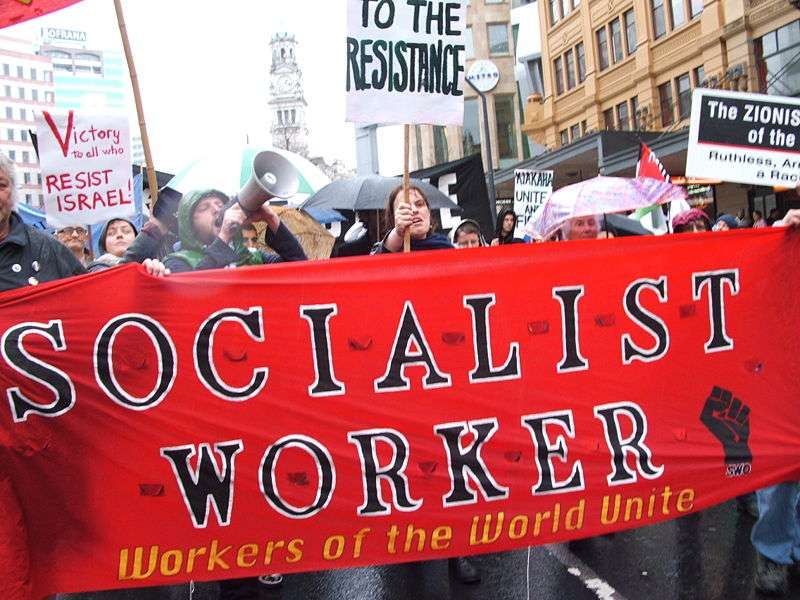
What, then, are we to make of the DSA and those who, at this late date of 2026, insist on calling themselves democratic socialists, as distinct from ordinary Left-of-center progressives? If we ignore neo-Stalinist and neo-Maoist “tankies” — a term originally referring to Leftists who supported Soviet crackdowns in East Germany, Hungary, and Czechoslovakia during the Cold War — the actual economic program of most self-described democratic socialists is merely a more generous version of the mixed economy, with more social insurance and maybe more public provision, such as Mamdani’s city-run grocery stores, alongside the market and nonprofit sectors.
Outside of university campuses and some DSA cliques, then, social democracy has melted into a center-Left version of the mixed economy in Europe and the United States, while Marxism-Leninism has mutated into Market Leninism in China and Vietnam. Generations of efforts by democratic-socialist eggheads to define a third way between Marxist socialism and the mixed economy has produced nothing but some journal articles and academic papers about cooperatives and land banks and the like. Oh, no, not the Mondragon Cooperative and Yugoslav communist self-management again!
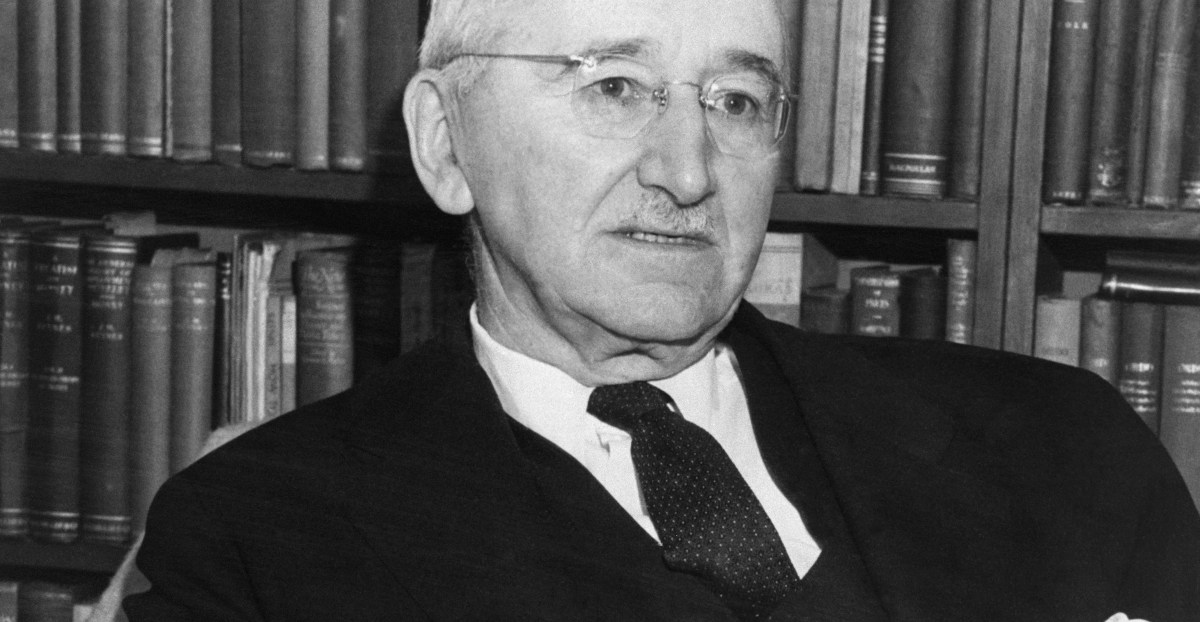
The other utopian ideology of the early 19th century — libertarianism or “classical liberalism” — is equally irrelevant in the 21st century. While Marxist true believers are housed in the intellectual zoos that are university campuses, libertarians today are found chiefly in think tanks subsidized by rich donors who don’t like paying taxes or negotiating with unions. Within the framework of the mixed economy, socialists and libertarians may win small policy victories now and then — an expansion of social insurance for socialists, a libertarian-backed tax cut for their wealthy donors. But the means of production in the United States aren’t going to be socialized by politicians inspired by Marx and Engels, and Social Security and Medicare aren’t going to be abolished in favor of the privatization schemes peddled by policy wonks funded by rich admirers of the libertarian gurus Ayn Rand and Friedrich Hayek.
Marxist socialists and libertarians share other characteristics, in addition to pushing antiquated ideologies. For generations, there have been socialists and libertarians who have claimed that the mixed economy can’t exist — except as a way-station to something worse. That something worse is usually defined in political terms. For some Leftist radicals as much as for Hayek and his followers, the slippery slope leads from FDR to Hitler; moderate social democracy is “social fascism.” For some libertarian radicals, moderate welfare capitalism is scarcely different from full state communism.
Neither sect can acknowledge that some version of the mixed economy might be — indeed, is — the successor of both socialism and libertarianism, after these ideologies fail in the real world.
To be sure, claiming to stake out a socialist position to the Left of progressive Democrats can still impress an audience of underpaid university adjuncts and nonprofit apparatchiks. Just as the men and women who attend the Right’s dumber rubber-chicken dinners will applaud as speaker after speaker denounces the Democratic Party as a conspiracy of communists or “cultural Marxists” or “Islamo-Marxists” threatening capitalism, the Founding Fathers, and Jesus Christ (in that order).
But tedious debates among disciples of the discredited 19th-century ideologies of socialism and libertarianism distract the rest of us from the only serious debate, which is not about whether to have a mixed economy, but about what kind of mixed economy we should have.
All mixed economies assign some functions to government, some to for-profit enterprises, some to nonprofit philanthropies, and some to self-help by individuals or families. Which functions are assigned to which sectors is a legitimate matter of debate, for which there is no single best answer, only different approaches that reflect different social values.
Consider the case of childcare. Before the Industrial Revolution, with the exception of young aristocrats whom upper-class mothers could hand off to wet-nurses, infants were nursed by their mothers and cared for by their parents and other family members. In today’s industrialized societies, in which plastic bottles can mimic a mother’s breasts, there are other options, including nannies (often low-wage immigrant women) and various kinds of care outside the home — public preschool, nonprofit church kindergartens, for-profit childcare centers. In a contemporary mixed economy, should the government subsidize care at home by mothers, fathers, or other family members, in order to promote strong families? Or should childcare be provided outside of the home, to maximize the number of young mothers in the workforce, whether to promote feminist principles or corporate profits or national GDP?
The size and composition of the nonprofit sector is another subject about which reasonable people who otherwise agree on a mixed economy can disagree. For most of American history, philanthropy tended to be small and local and limited to functions like college endowments and help for the poor and charitable hospitals. Beginning with the creation of the Rockefeller Foundation in 1913, however, the swollen fortunes of tycoons have endowed huge, bureaucratic foundations with the power to shape public policy and discourse for better or worse. And in the last half-century, governments have increasingly relied on nonprofit groups funded with taxpayer money to carry out state functions like helping immigrants or working with the homeless, as an alternative to hiring more full-time, salaried civil servants.
Should taxpayers subsidize the private foundations of billionaires through tax breaks, allowing them to spend huge sums promoting the personal views of their rich founders or boards of directors? Are nonprofits whose income is derived partly or wholly from government grants as transparent and accountable to the citizenry as formal government employees would be?
Another debate over the composition of the modern mixed economy involves the relative responsibilities of employers and taxpayer-funded government agencies in providing an adequate income to wage-earners. I have described the current American system as a “low wage/high welfare” system in my book Hell to Pay. Millions of Americans are paid too little by their employers to make ends meet. These low-wage workers need to be rescued by the government — that is, by the taxpayers — who top up their poverty wages with cash subsidies like the earned income tax credit, or EITC, and in-kind goods like food stamps and housing vouchers.
Today’s low-wage/high-welfare systems benefit employers, who can keep labor costs down while knowing that their fellow citizens won’t let their workers starve. America’s low-wage/high-welfare system also benefits some consumers, to the extent that smaller labor costs reduce the prices of certain goods and services. The losers are the working poor, who have to cobble together a living income both from market wages and from various government welfare programs; and American taxpayers, who, by subsidizing the working poor, are indirectly subsidizing low-wage employers and their customers. In our contemporary version of the mixed economy that blends cheap-labor capitalism with welfare-state socialism, America’s low-wage employers are allowed to privatize the benefits of cheap labor while the costs are socialized.
In politics, all three issues — childcare, philanthropy, and wages — cut across Left-Right divides, if the Left is defined as socialism and the Right as free-market capitalism. In debates about childcare, progressive feminists — for whom a woman’s place is in the workplace, not the nursery — are allied with the Chamber of Commerce and other employer organizations against pro-family conservatives and populists who believe that policy should strengthen families, not erode them in the name of individual rights or business profits.
When it comes to nonprofits, there can be common ground between Leftist critics of billionaire-endowed philanthropy and Right-wing populists suspicious of concentrations of economic power in the nonprofit sector. Conversely, many progressive neoliberals unite with cheap-labor conservatives in praising wage subsidies like the EITC. Meanwhile, the demand for a living wage paid by employers — a wage that doesn’t need to be supplemented by welfare — is a proposal that can conceivably unite the Labor left and the populist Right.
These are all big debates worth having. But the debate between socialism and free-market capitalism was over by 1945, if not by 1900. And the winner was … neither. The mixed economy is the proverbial Chinese menu. You can take some items from one column and some from another. In our mixed-enterprise system, you can be in favor of school vouchers and also in favor of socialized medicine. Or you can be for public daycare and for privatizing the Post Office. Given a choice between state, market, and philanthropy, you are free to answer: all of the above, please.