Services economy growth remained firm again in July, according to the new edition of the ISM Services PMI Report, which was released today by the Institute for Supply Management (ISM).
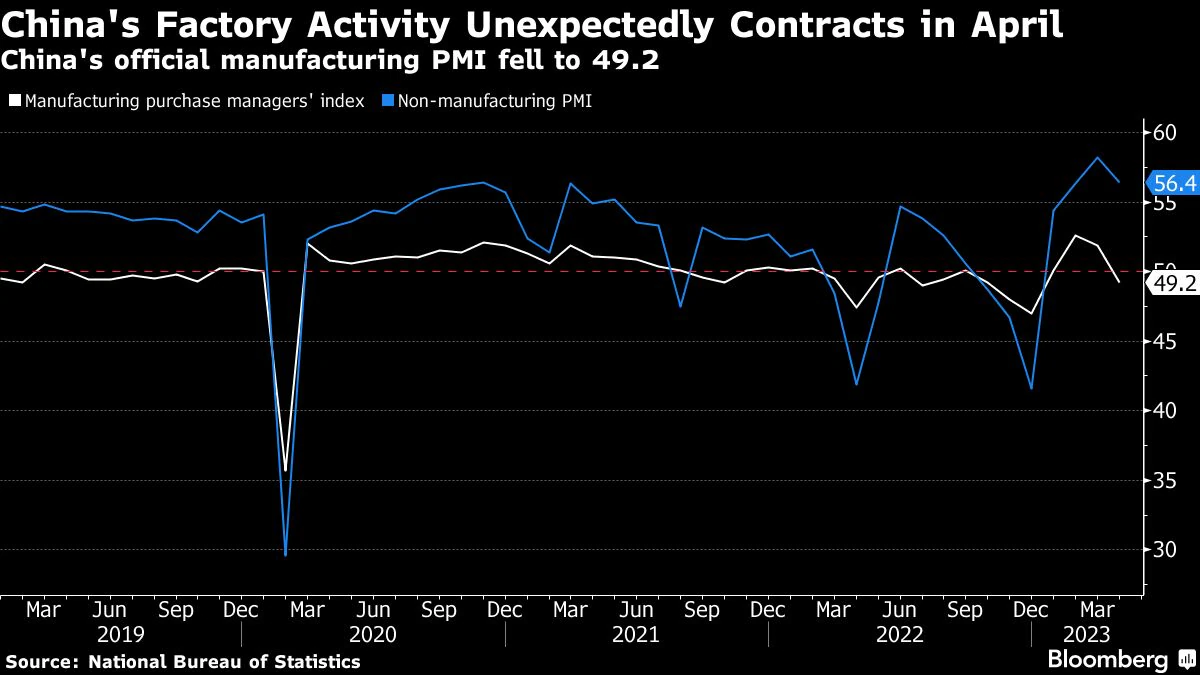
The July Services PMI reading, at 54.1 (a reading above 50 represents expansion and below 50 indicates contraction), was up 0.1% compared to June, growing, at a faster rate for the 25th consecutive month, with the overall economy growing, at a faster rate, for the 74th consecutive month.
The July reading is 0.7% above the 12-month average of 53.4, with February’s 56.1 and September 2025’s 50.3 marking the respective high and low readings over that span.
ISM reported that 13 of the services sectors it tracks grew in July: Retail Trade; Transportation & Warehousing; Wholesale Trade; Management of Companies & Support Services; Information; Construction; Accommodation & Food Services; Public Administration; Utilities; Educational Services; Mining; Professional, Scientific & Technical Services; and Finance & Insurance. The four sectors reporting contraction in July were: Agriculture, Forestry, Fishing & Hunting; Other Services; Health Care & Social Assistance; and Real Estate, Rental & Leasing.
The report’s subindexes that factor into the PMI were mixed:
- Business Activity/Production, at 59.1, up 3.7%, growing, at a faster rate, for the 25th consecutive month, with 13 sectors seeing gains;
- New Orders, at 57.2, increased 2.1%, growing, at a slower rate, for the 14th consecutive month and expanding in 41 of the last 43 months, with 13 sectors reporting increases in new orders;
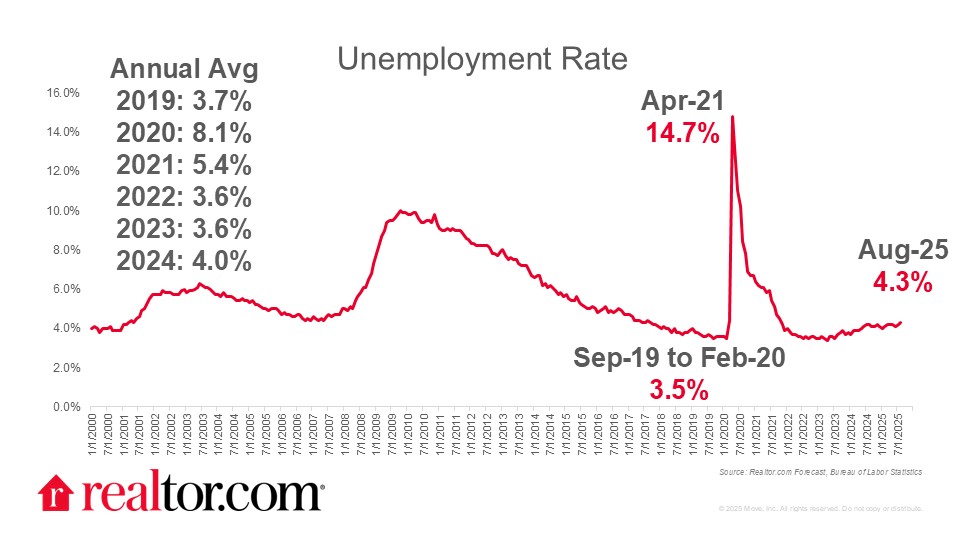
- Employment, at 47.4, fell 3.8% after a 3.3% June gain, contracting for the fourth time in the last five months, with seven sectors reporting employment gains; and
- Supplier Deliveries, at 52.8 (a reading above 50 indicates contraction), were down 1.6%, slowing, at a slower rate, for the 20th consecutive month
Comments from ISM member panelists included in the report highlighted various trends in the services sector, with business conditions, tariffs, and prices receiving a fair amount of attention.
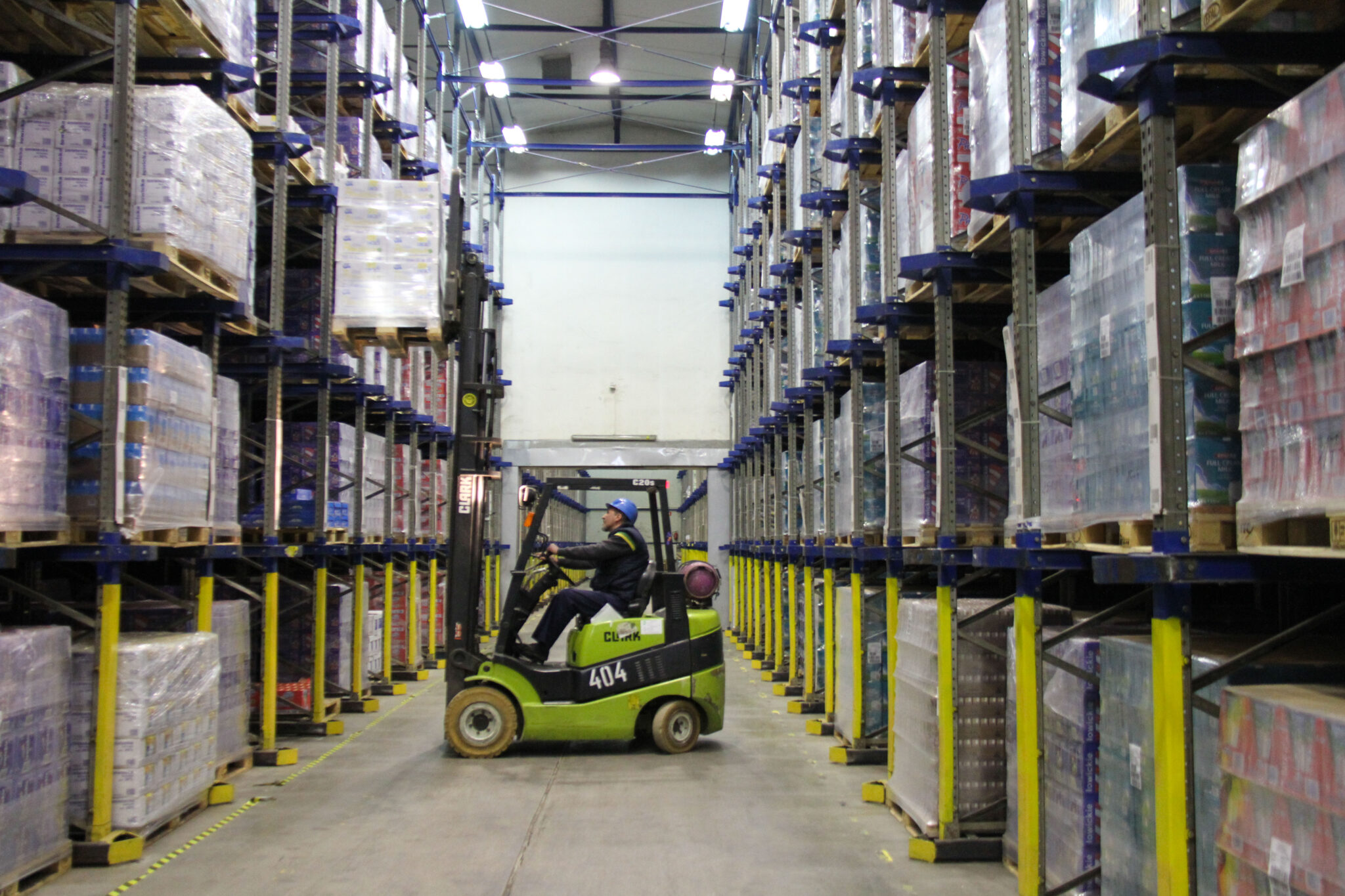
“Conditions are largely unchanged from last month,” said a Transportation & Warehousing panelist. “The exception is pricing, which continues to rise, driven mainly by fuel and labor costs. Demand remains stable.
A Wholesale Trade panelist said that business is more robust than expected, considering some of the economic headwinds still plaguing the industry.
“Lumber supply is tighter, and freight rates and availability are challenges,” said the panelist. “Many of our builders are pushing back hard on price increases. However, the outlook is favorable for the remainder of 2026.”
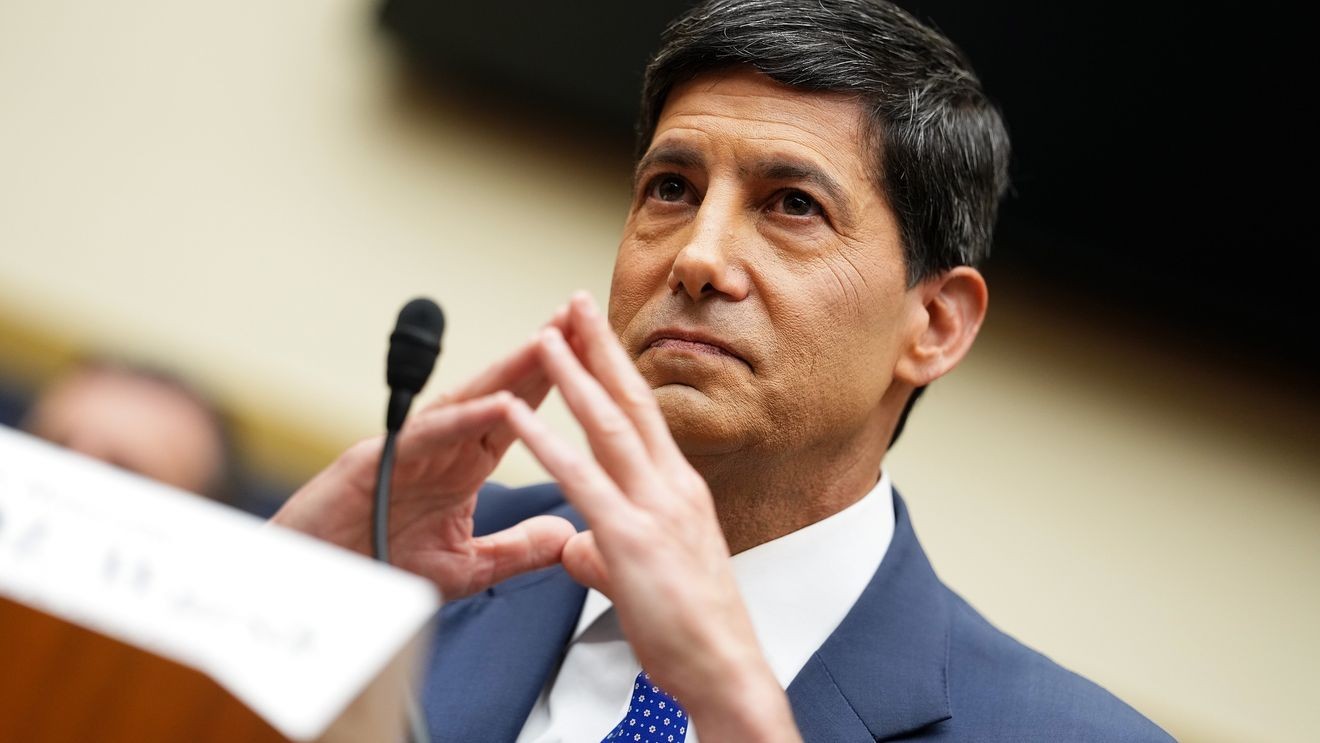
In an interview with LM, Steve Miller, Chair of the ISM Services Business Survey Committee, said that, in looking at Services PMI readings over the last few months, the underlying theme is that that are in similar territory and are solid, adding that the last stretch of similar Service PMI readings came in 2002, when the economy was coming out of the pandemic.
“The numbers are really good,” he said. For Employment, if you look at it in context with Backlog of Orders [down 4.0% to 50.9, growing for six straight months], I can see some relationship there. If you are able to keep up with backlog and the order volume with the people you have, then you don’t hire. It was about an eight-point shift from when you look at the overall numbers, from those in expansion versus those that are in contraction—which is not a huge shift but it is a significant shift. Will we see that with New Orders volume being as high as it is now? It has been more than four months of an increasing 12-month average for New Orders.”
July’s New Orders reading, at 57.2, marked the fourth-highest in the last 26 months, which Miller said leads to the question of if that is going to build up order backlog or if there are things going on in terms of productivity, in terms of things like AI development.”
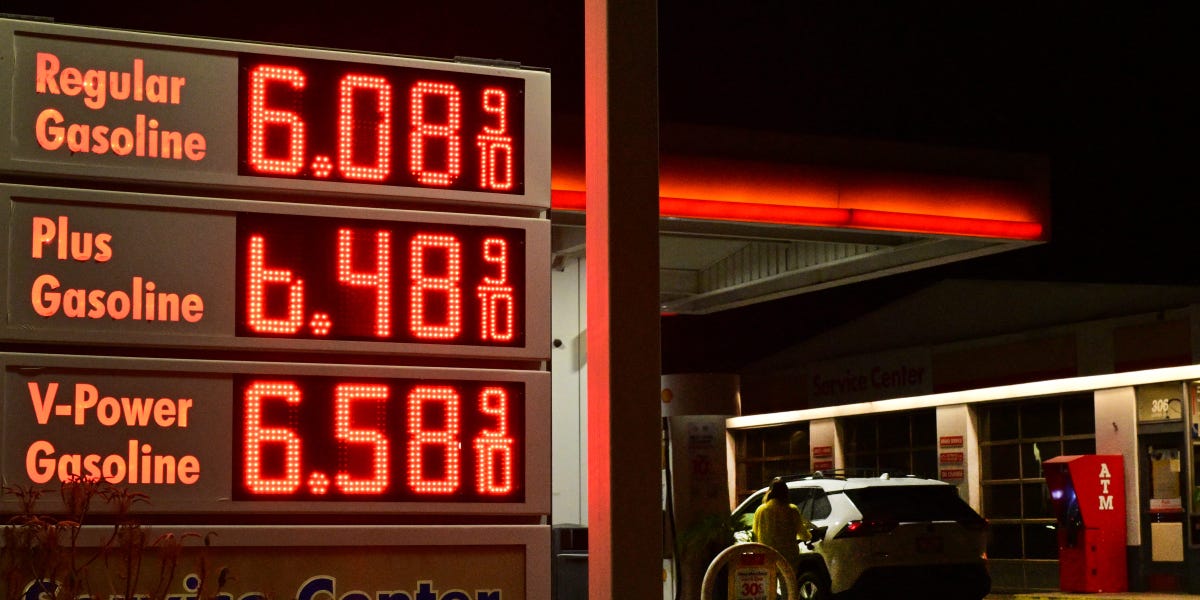
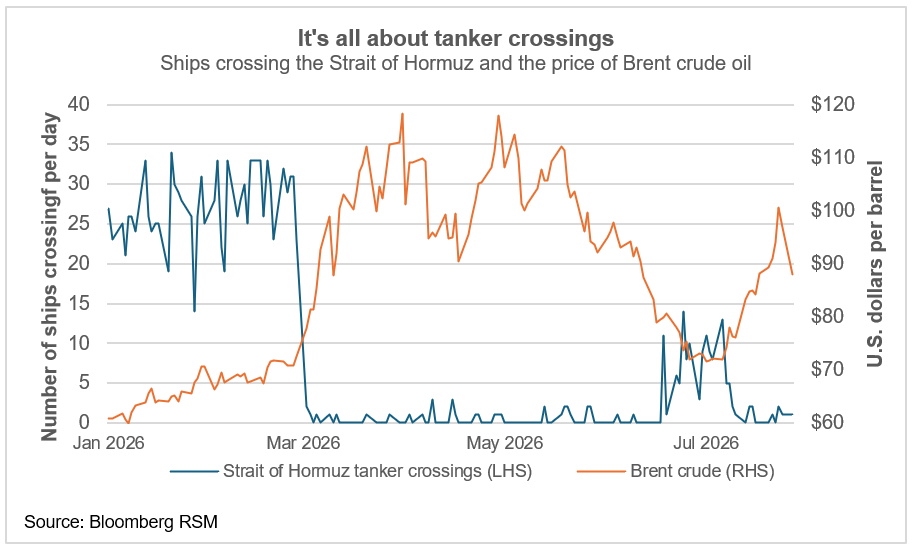
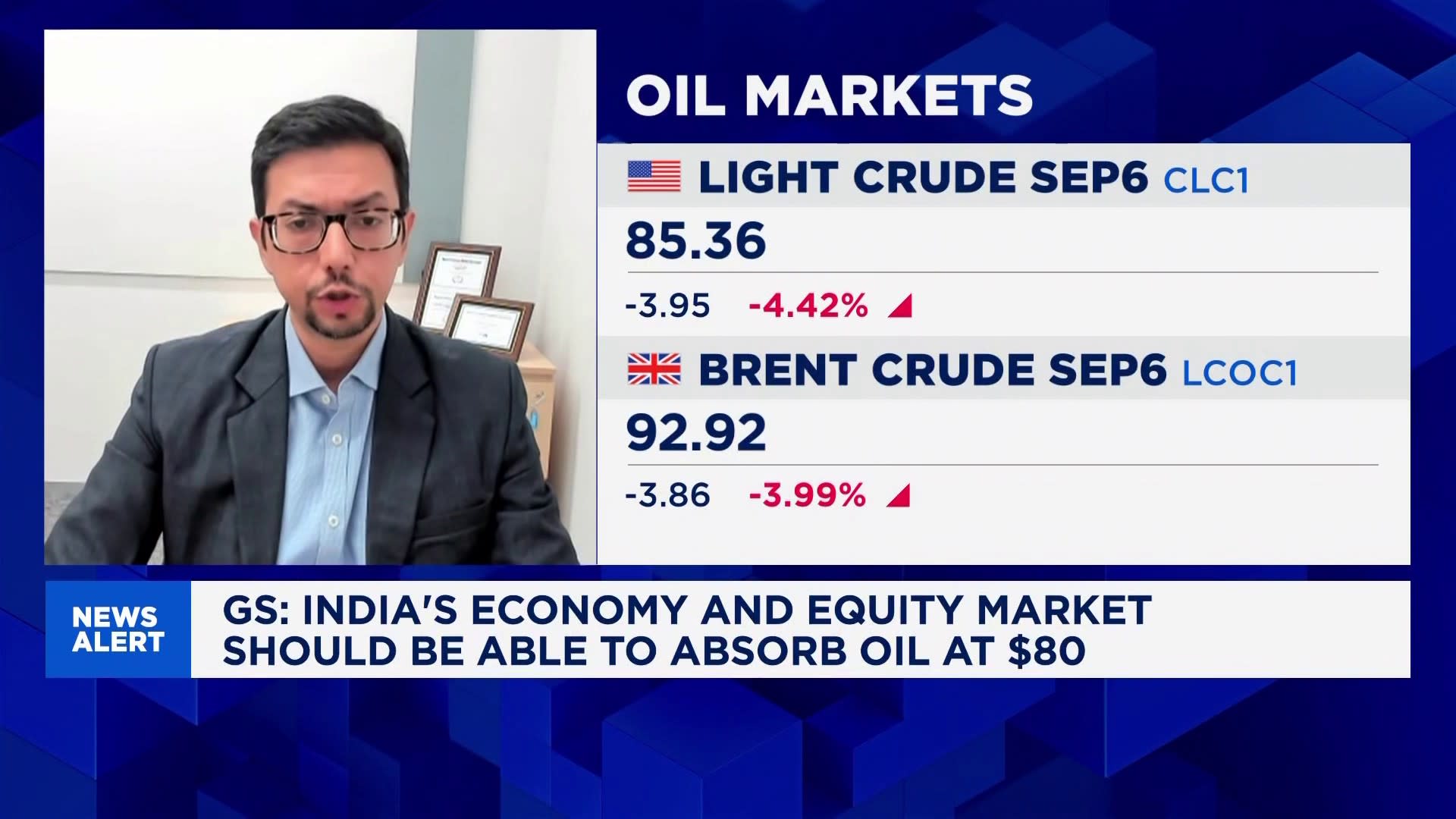
As for headwinds within the services sector, Miller pointed to pricing for petroleum related products [May Prices in the report were up 2.6% to 70.3, increasing for the 110th consecutive month].
“We are seeing that more broadly in the commentary, as well as on a repeat basis, for commodities up in price,” said Miller. “And we are still $20 a barrel above where we were in January…it is a higher cost of doing business.”